Augusta: Georgia's Riverfront City
Nomad Toolkit
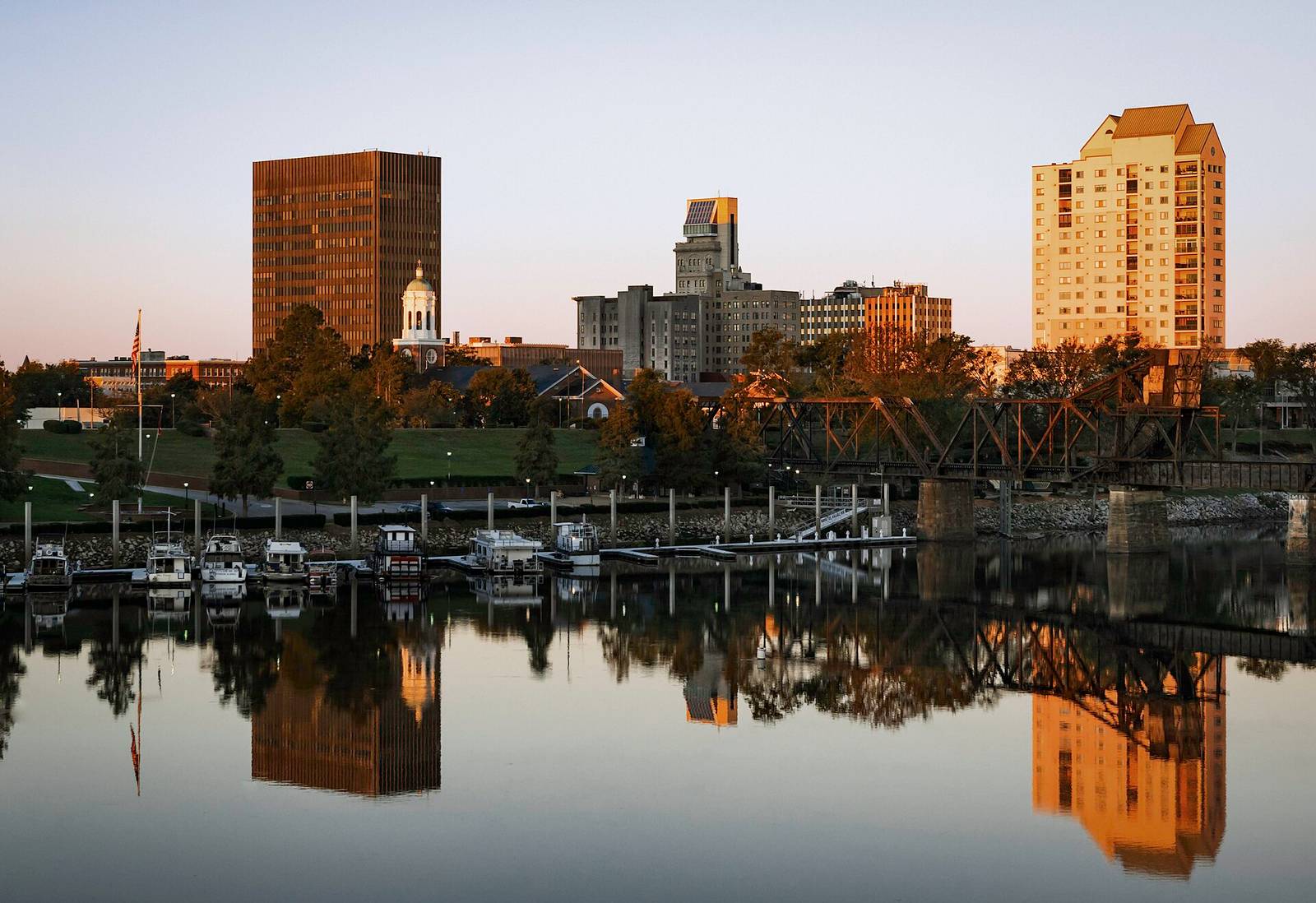
Augusta counted 202,081 residents in the 2020 census, sits on the Savannah River where the Piedmont hills drop to the coastal plain, and hosts the Masters Tournament at Augusta National Golf Club during the first full week of April. Georgia's second-oldest city runs at a slower pace the other 51 weeks, with a levee-top Riverwalk, a working 1847 canal, and some of the cheapest downtown rents of any midsize city in the Southeast.
Overview & Vibe
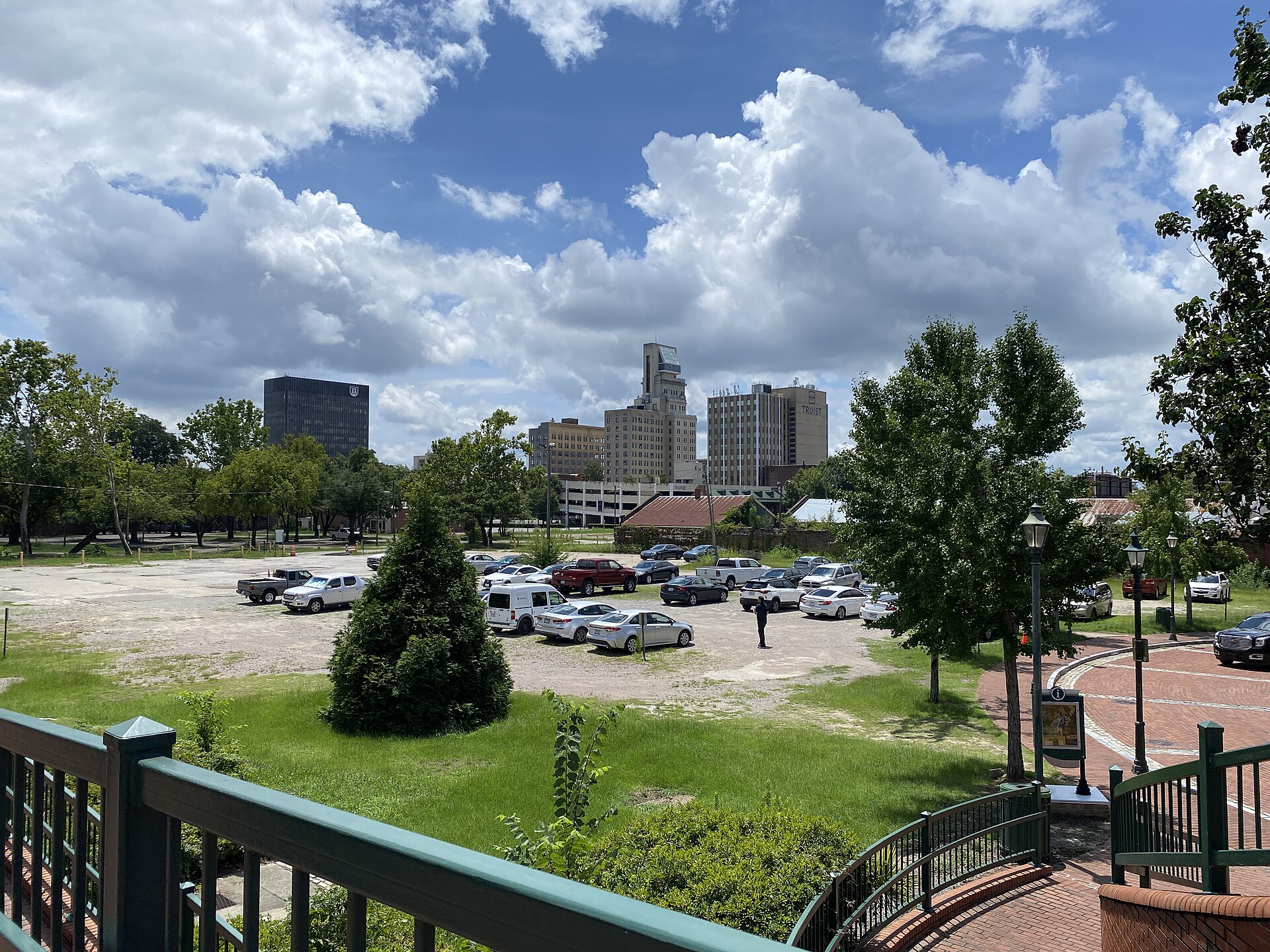
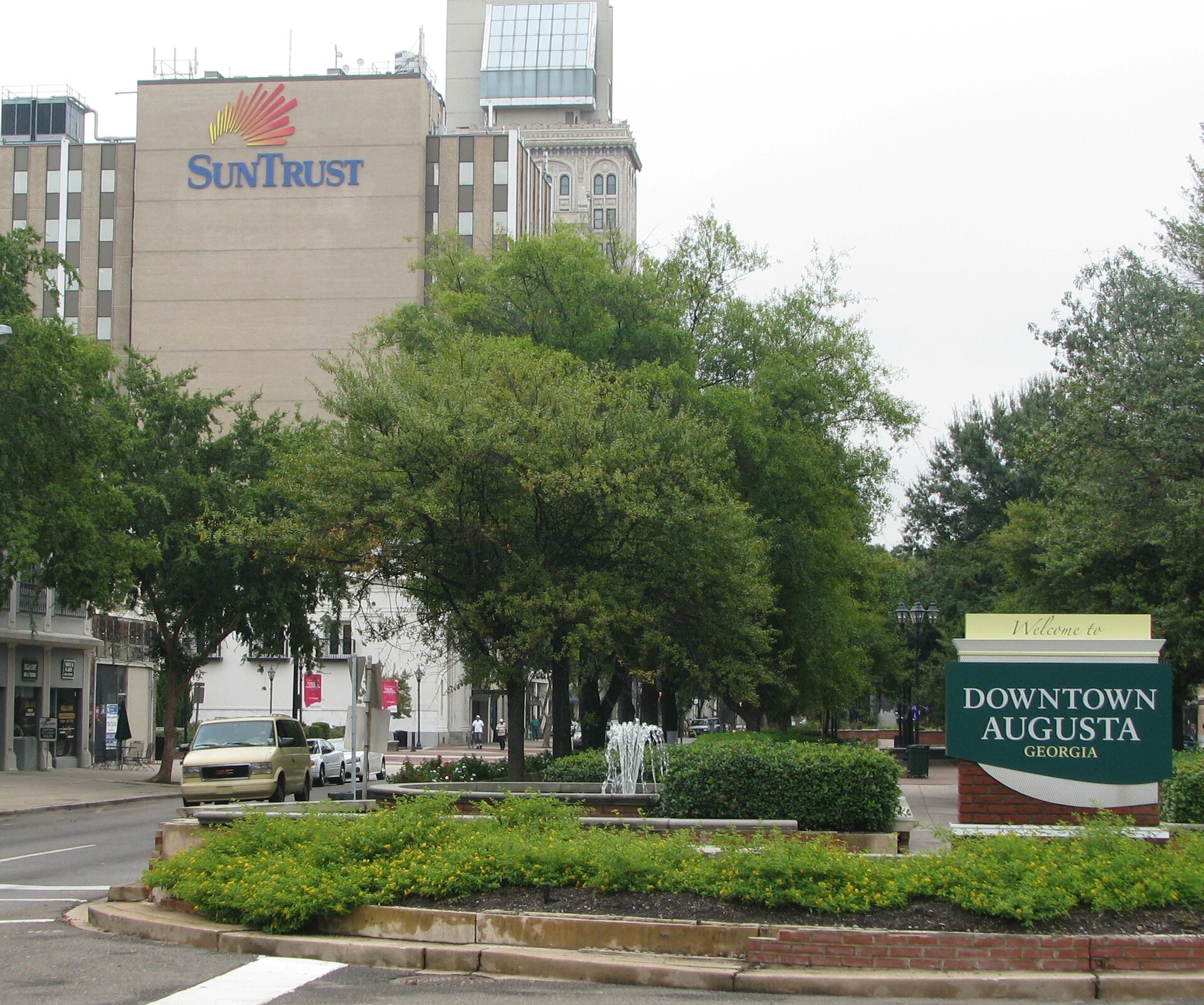
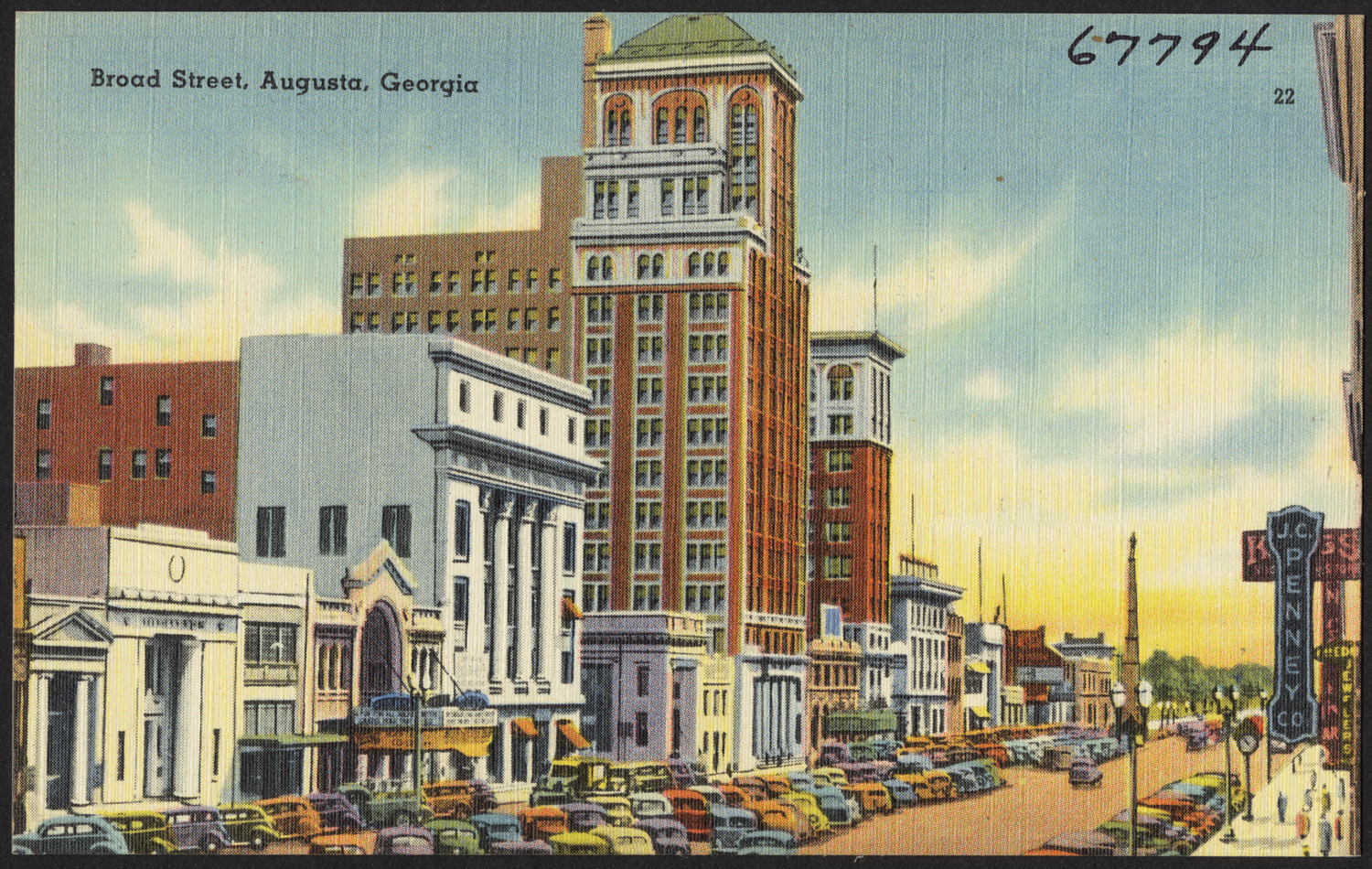
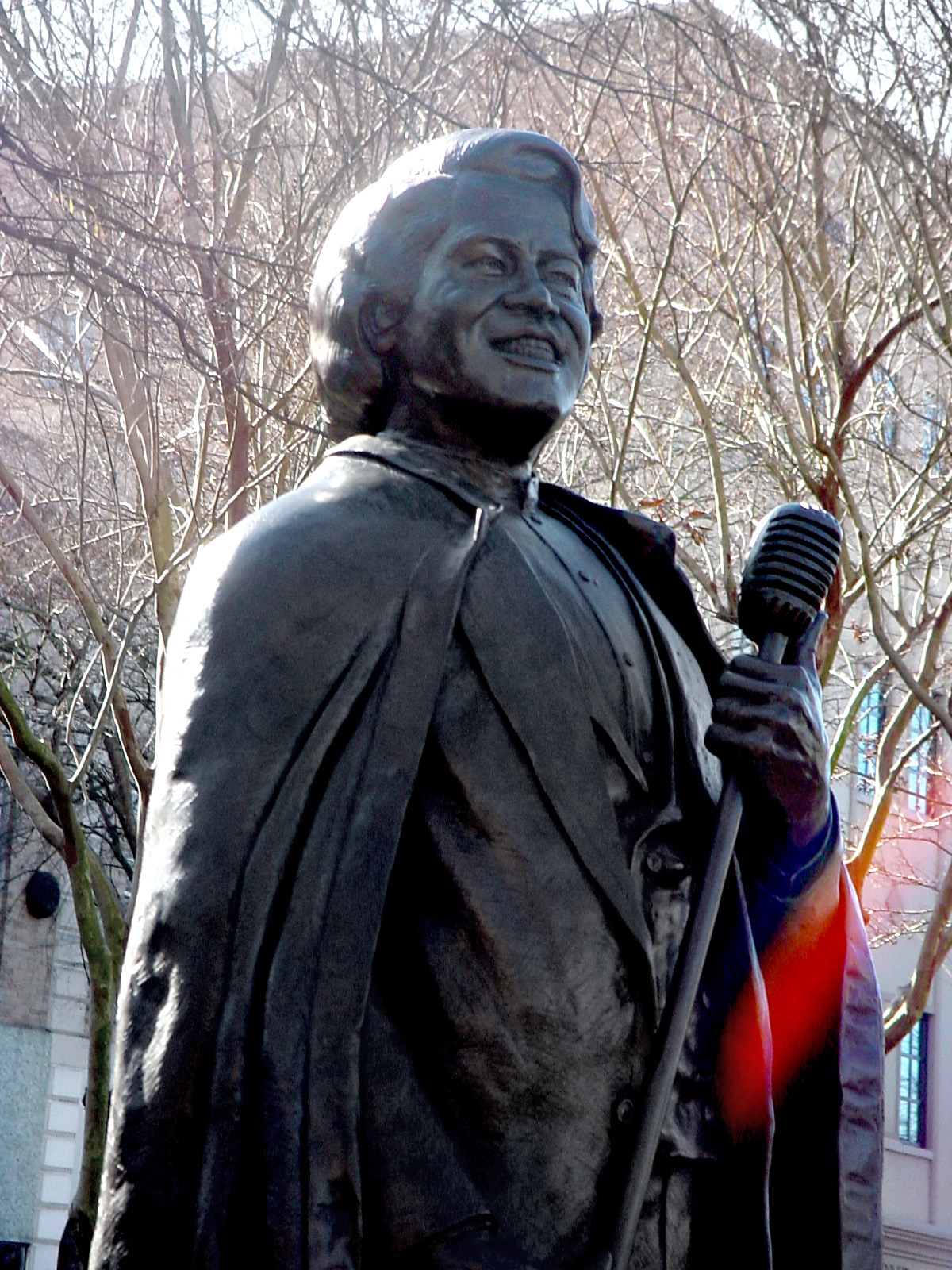
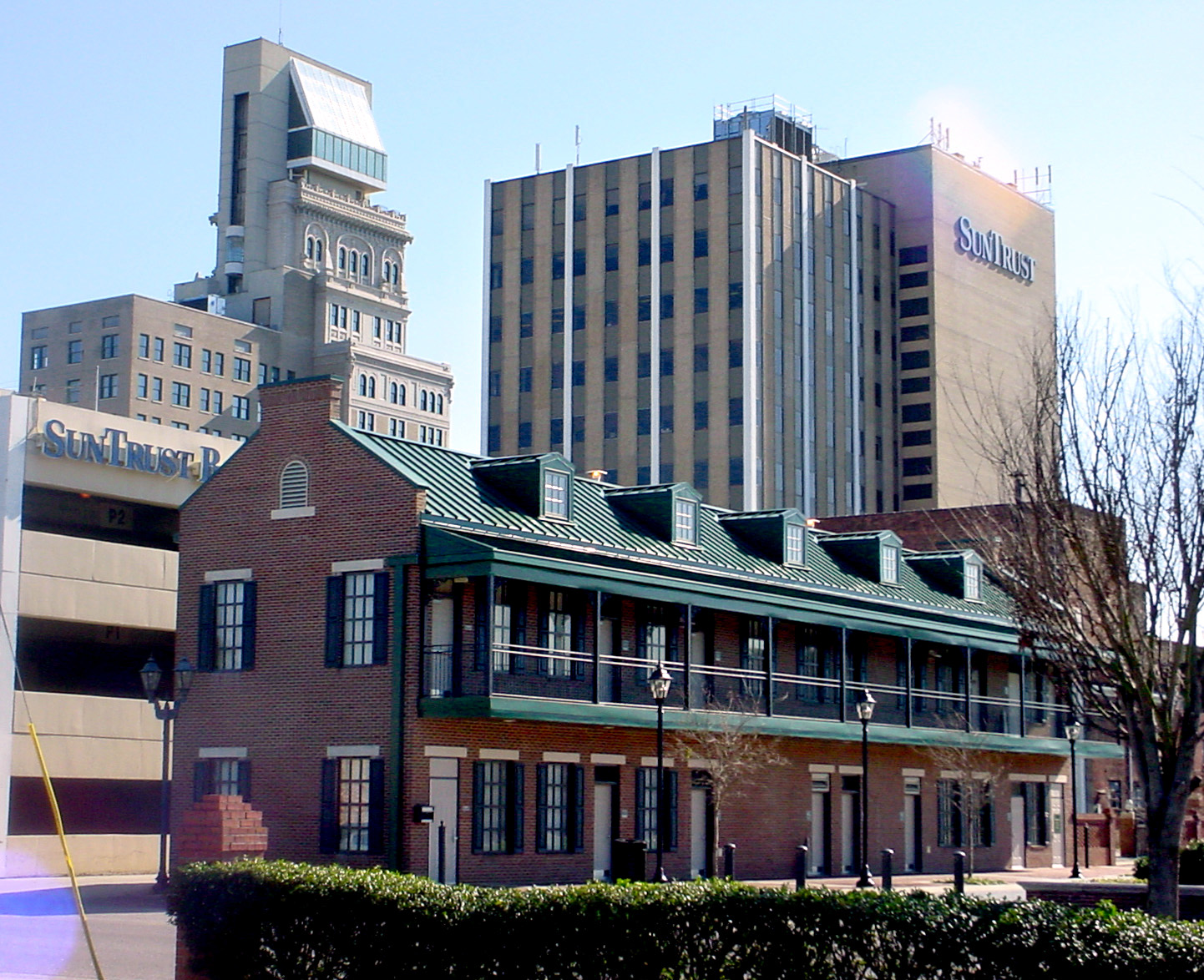
Augusta is a consolidated city-county of about 200,000 people, 150 miles east of Atlanta on Interstate 20, directly across the river from North Augusta, South Carolina. Three employers shape the town: the medical district around Augusta University and the Medical College of Georgia, the Army's cyber operations at Fort Eisenhower, and the Georgia Cyber Center on the riverfront. Broad Street, the main downtown artery, is wide enough that parking sits in the median, and it holds most of the bars, galleries, and lunch counters. James Brown grew up here, and the city keeps his statue on Broad Street and his exhibit in the local history museum.
A Brief History
James Oglethorpe founded Augusta in 1736 and named it for Princess Augusta of Saxe-Gotha, mother of Britain's King George III. The city served as Georgia's capital from 1786 to 1795, and the Augusta Canal opened in 1847 to power textile mills that made it an industrial center of the postwar South. The first Masters was played in 1934, and in 2023 neighboring Fort Gordon was renamed Fort Eisenhower as it became home to U.S. Army Cyber Command. More detail is on the city's Wikipedia page.
Transportation
Augusta Regional Airport sits seven miles south of downtown with nonstop flights to Atlanta on Delta and Charlotte on American; most itineraries connect through one of the two. There is no Amtrak station, and intercity buses are limited, so most arrivals come by car on I-20. Augusta Transit runs bus routes radiating from downtown for a $1.25 cash fare, though frequencies run 30 to 60 minutes. Uber and Lyft cover the metro with short waits near downtown and the medical district. Driving is on the right, and street parking downtown is free or metered cheaply by big-city standards.
Language, Customs & Etiquette
English is the only language you will need. Manners lean traditionally Southern: strangers say hello, service staff call you sir or ma'am, and small talk before business is normal. Tip 15 to 20 percent at sit-down restaurants, a dollar or two per drink at bars, and 10 to 20 percent for rideshares. Dress is casual nearly everywhere; a collared shirt covers you at any restaurant in town. Sweet tea arrives sweetened by default, so ask for unsweet if you want otherwise.
Safety & Security
Dial 911 for police, fire, or medical emergencies anywhere in the United States. Augusta's citywide crime rate runs above the national average, but the areas visitors use, including Broad Street, the Riverwalk, and the Summerville neighborhood, see mostly property crime. Do not leave bags or electronics visible in parked cars. The practical hazards are seasonal: afternoon thunderstorms in summer, July heat indexes above 100 degrees Fahrenheit, and alligators in the wetlands at Phinizy Swamp, which you should photograph from the boardwalk.
Weather & Climate
Augusta is humid subtropical: long hot summers, short mild winters, and about 44 inches of rain spread across the year. Spring and fall are the comfortable seasons, and Masters week in early April usually lands on highs in the mid 70s.
| Month | Avg High | Avg Low |
|---|---|---|
| January | 58°F (14°C) | 35°F (2°C) |
| April | 77°F (25°C) | 50°F (10°C) |
| July | 93°F (34°C) | 72°F (22°C) |
| October | 78°F (26°C) | 53°F (12°C) |
Pack light layers from October through April and breathable fabrics plus rain protection in summer.
Logistics & Practical Info
- Plugs: Type A and B, 120V at 60Hz; visitors from 220 to 240V countries need a converter for heat-producing devices.
- Time zone: Eastern Time (UTC-5, UTC-4 in daylight saving).
- Tap water: Safe to drink; municipal supply meets EPA standards.
- Internet: AT&T Fiber and Xfinity both sell gigabit plans across the metro.
- SIM cards: Prepaid plans from Mint Mobile run $15 to $30 a month; AT&T, T-Mobile, and Verizon prepaid start around $30 to $50.
- Sales tax: 8 percent in Richmond County, added at the register.
Attractions & Activities
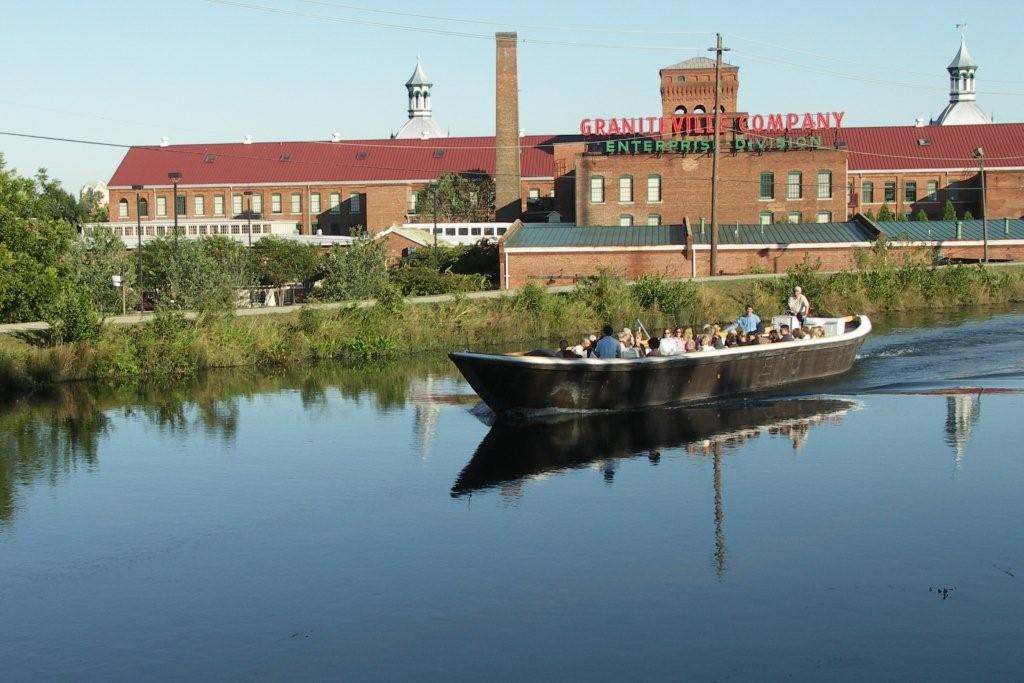
Start at Riverwalk Augusta, the levee-top path along the Savannah River between 5th and 10th Streets. The Augusta Canal Discovery Center at Enterprise Mill runs guided Petersburg boat tours on the 1847 canal for around $16. The Morris Museum of Art focuses on Southern painters, and the Augusta Museum of History holds the city's James Brown collection a few blocks from his Broad Street statue. Phinizy Swamp Nature Park offers 1,100 acres of free boardwalk trails with herons, otters, and alligators. The 1898 brick towers of the Sacred Heart Cultural Center anchor the west end of downtown. For dinner, Frog Hollow Tavern at 1282 Broad Street serves a seasonal New American menu Wednesday through Saturday, and New Moon Cafe at 936 Broad pulls the best espresso downtown. Masters tickets are awarded by lottery at the tournament's site the summer before; practice-round applications are the realistic entry point.


Health & Medical
Medicine is Augusta's biggest industry, which works in a visitor's favor. Wellstar MCG Health, the academic medical center of the Medical College of Georgia, anchors the downtown hospital district, and Doctors Hospital houses the Joseph M. Still Burn Center, one of the largest burn units in the country. CVS and Walgreens pharmacies are spread across the metro. As everywhere in the United States, hospitals bill first and reimburse later, so carry travel insurance and expect to pay upfront for care.
Demographics & Government
The 2020 census counted 202,081 people in the consolidated city, with a metro area of roughly 611,000 spanning both sides of the state line. Augusta is a majority-Black city, at about 57 percent of residents. The city and Richmond County merged governments in 1996 and are run by a mayor and a ten-member commission. Augusta ranks as Georgia's third most populous city after Atlanta and Columbus.
Legal & Substances
The drinking age is 21, enforced with ID checks regardless of age. Recreational marijuana is illegal in Georgia, and the state's medical program covers only low-THC oil for registered patients, so do not bring products from legal states. Open containers of alcohol are prohibited on public streets outside licensed patios. Tobacco and vape sales require age 21, and Georgia's Smokefree Air Act keeps smoking out of most indoor public places, though some bars allow it.
Customs & Shopping
Returning U.S. residents get an $800 duty-free exemption on goods bought abroad, and anyone moving more than $10,000 in currency across the border must declare it. The souvenir every golfer wants, official Masters merchandise, is sold only on tournament grounds during Masters week, which is why the logoed gnomes and hats resell for multiples of face value. The rest of the year, Broad Street's antique shops and the Saturday market on the river are the local buys.
Accessibility & Inclusion
The Americans with Disabilities Act sets the baseline: curb cuts downtown, accessible rooms at chain hotels, and ramp or elevator access at the museums. The Riverwalk is paved with ramp entrances at the major cross streets, and Phinizy Swamp's main boardwalk loop is flat and wheelchair-usable. Augusta Transit operates ADA paratransit alongside its fixed routes. Some 19th-century buildings on Broad Street still have stepped entrances, so call smaller venues ahead.
Digital Nomad Corner
The United States has no digital nomad visa; Visa Waiver Program nationals get 90 days on ESTA and B-2 visitors up to six months, working remotely for a foreign employer in a legal gray zone that most treat as tolerated. Augusta's appeal is cost: one-bedroom apartments downtown and in Summerville run roughly $1,000 to $1,200, well under the national average. theClubhou.se at 100 Grace Hopper Lane in the Georgia Cyber Center sells coworking memberships from drop-in passes to 24/7 desks and runs the local startup and Hack Augusta meetup calendar. AT&T Fiber gigabit service covers most neighborhoods. One warning for planners: during Masters week every rental in the metro triples or vanishes, since locals lease out whole houses; either book a year ahead or skip the first week of April.
Keep planning: Athens: Georgia College Town, Macon: Middle Georgia Music & History and Savannah: Historic Squares & Coastal Georgia.
Photos via Wikimedia Commons (CC0, CC BY, CC BY-SA, public domain contributors)