Manhattan: Working Remote in NYC
Nomad Toolkit
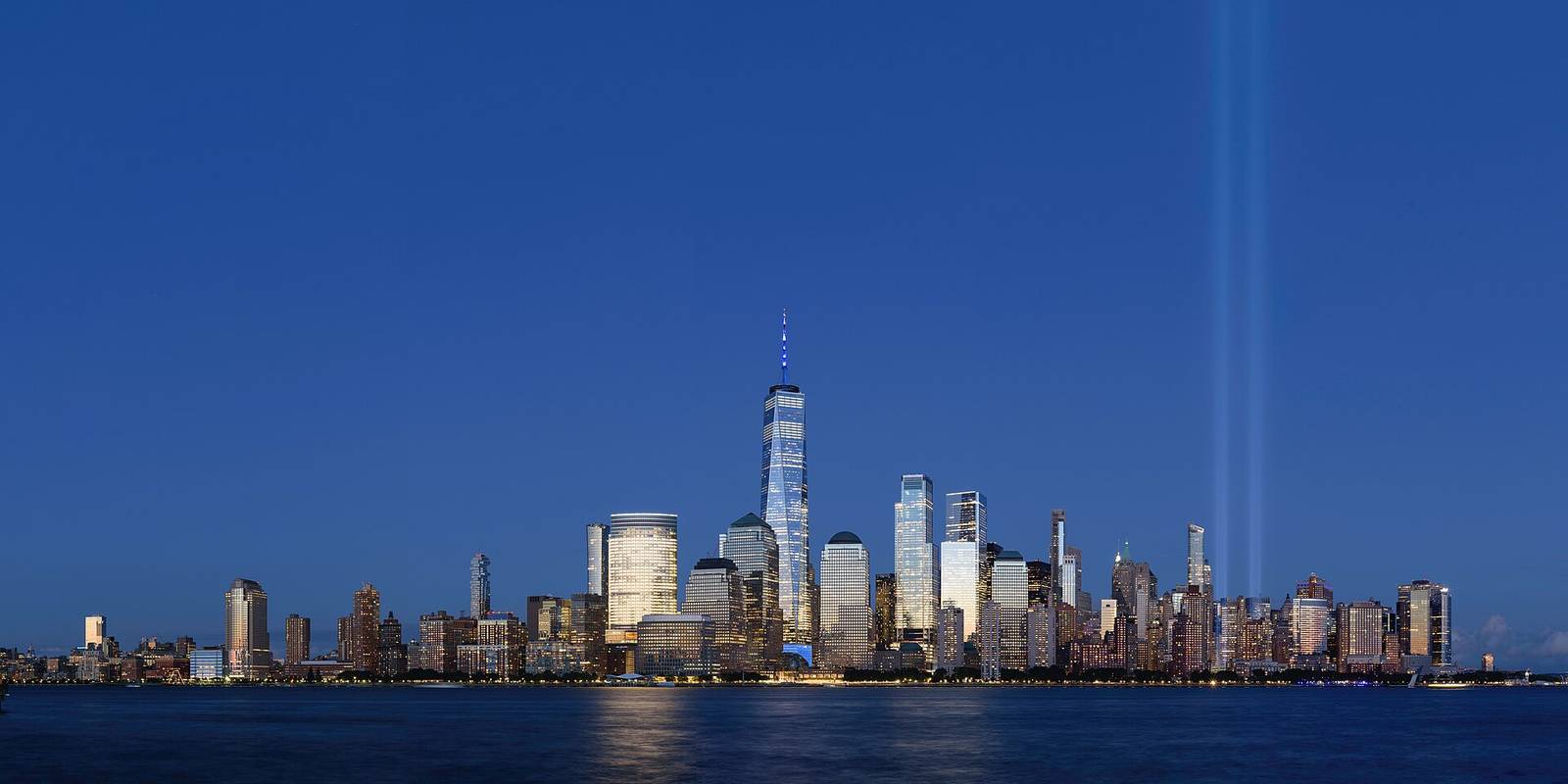
Manhattan packs 1.6 million residents onto a 22.8 square mile island, making it the densest county in the United States and one of the few American places where a digital nomad can live, work, and socialize without ever needing a car. Manhattan is the core borough of New York City, and for remote workers it offers something rare: a 24-hour subway, thousands of cafes, and an events calendar so full that any weeknight can turn into a networking session.
Overview & Vibe
The island runs on speed and specificity. Order fast at the bagel counter, walk on the right, and expect strangers to be blunt but often surprisingly helpful. Neighborhoods change character block by block: the West Village keeps brownstone quiet, Midtown is all commerce, and everything below 14th Street skews younger and later. Remote workers cluster in the East Village, Chelsea, and Upper West Side, where cafes and parks sit within a five minute walk of most apartments.
A Brief History
The Lenape people lived on the island for centuries before the Dutch founded New Amsterdam at its southern tip in 1624, and Peter Minuit's famous 1626 purchase followed two years later. The English took the colony in 1664 and renamed it New York. The Commissioners' Plan of 1811 laid out the street grid above Houston Street that still defines the island, and the 1898 consolidation folded Manhattan into the five borough city it anchors today. The full story is on Manhattan's Wikipedia page.
Transportation
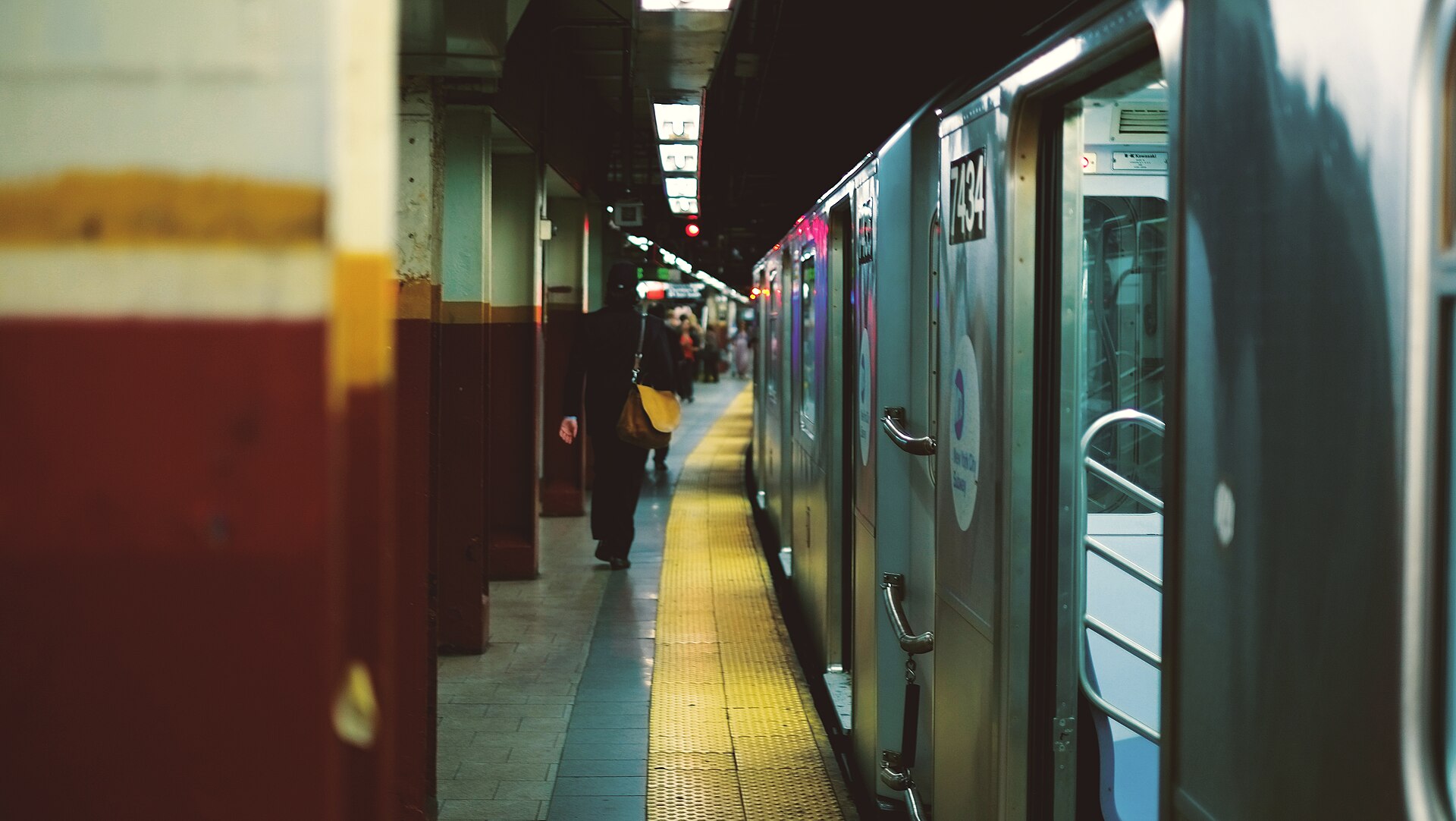
The subway is the default. A ride costs $3.00 with an OMNY tap of any contactless card or phone, and after 12 paid rides in a week the rest are free. Trains run 24 hours, though late night waits stretch to 20 minutes. Skip renting a car: garages near Midtown charge $40 to $75 per day and street parking is a competitive sport.
- From JFK: AirTrain ($8.50) to Jamaica Station, then the E train to Midtown, about 60 to 75 minutes total.
- From LaGuardia: free Q70 bus to the 7 train at 74th St-Broadway.
- Grand Central Terminal and Penn Station connect Metro-North, LIRR, NJ Transit, and Amtrak for regional trips.
- Citi Bike day passes cost $25; annual membership runs $220.
Language, Customs & Etiquette
English dominates, but you will hear Spanish, Mandarin, Russian, and about 200 other languages. Tipping is not optional: 18 to 20 percent at sit-down restaurants, a dollar or two per drink at bars. Stand to the right on escalators, let riders off the train before boarding, and never block a doorway during rush hour. Prices are fixed everywhere except flea markets.
Safety & Security
Manhattan is statistically one of the safer big-city cores in the country, and most nomad neighborhoods feel fine at any hour thanks to constant foot traffic. Watch for phone snatching on subway platforms and keep bags zipped in crowds around Times Square. Dial 911 for emergencies and 311 for everything else, from noise complaints to lost property. Solo female travelers report high comfort levels, and the city is among the most LGBTQ+ friendly in the world, home to the Stonewall Inn and June's enormous Pride march.
Weather & Climate
Expect four real seasons with humid summers and cold, windy winters. May, September, and October are the sweet spots for long walks and park workdays.
| Month | High / Low | Notes |
|---|---|---|
| January | 39°F / 27°F | Coldest month, occasional snow |
| April | 62°F / 45°F | Cherry blossoms in Central Park |
| July | 85°F / 70°F | Hot and humid, free outdoor movies |
| October | 64°F / 50°F | Crisp air, peak foliage late month |
Pack layers in spring and fall, a real coat from December through March, and light clothing plus an umbrella for summer thunderstorms.
Logistics & Practical Info
- Plugs: Type A/B, 120V at 60Hz.
- Time zone: Eastern (UTC-5, UTC-4 in daylight saving).
- Tap water: safe and well regarded, piped unfiltered from Catskill reservoirs.
- SIMs: Mint Mobile and Visible run $15 to $30 per month; airport kiosks charge far more.
- Stays: Local Law 18 effectively limits Airbnb to 30-night minimums in unhosted apartments, so nomads book furnished sublets or hotels. The Heritage Hotel New York City on W 25th St sits in NoMad within walking distance of Madison Square Park and works well for a first week while apartment hunting.
Attractions & Activities
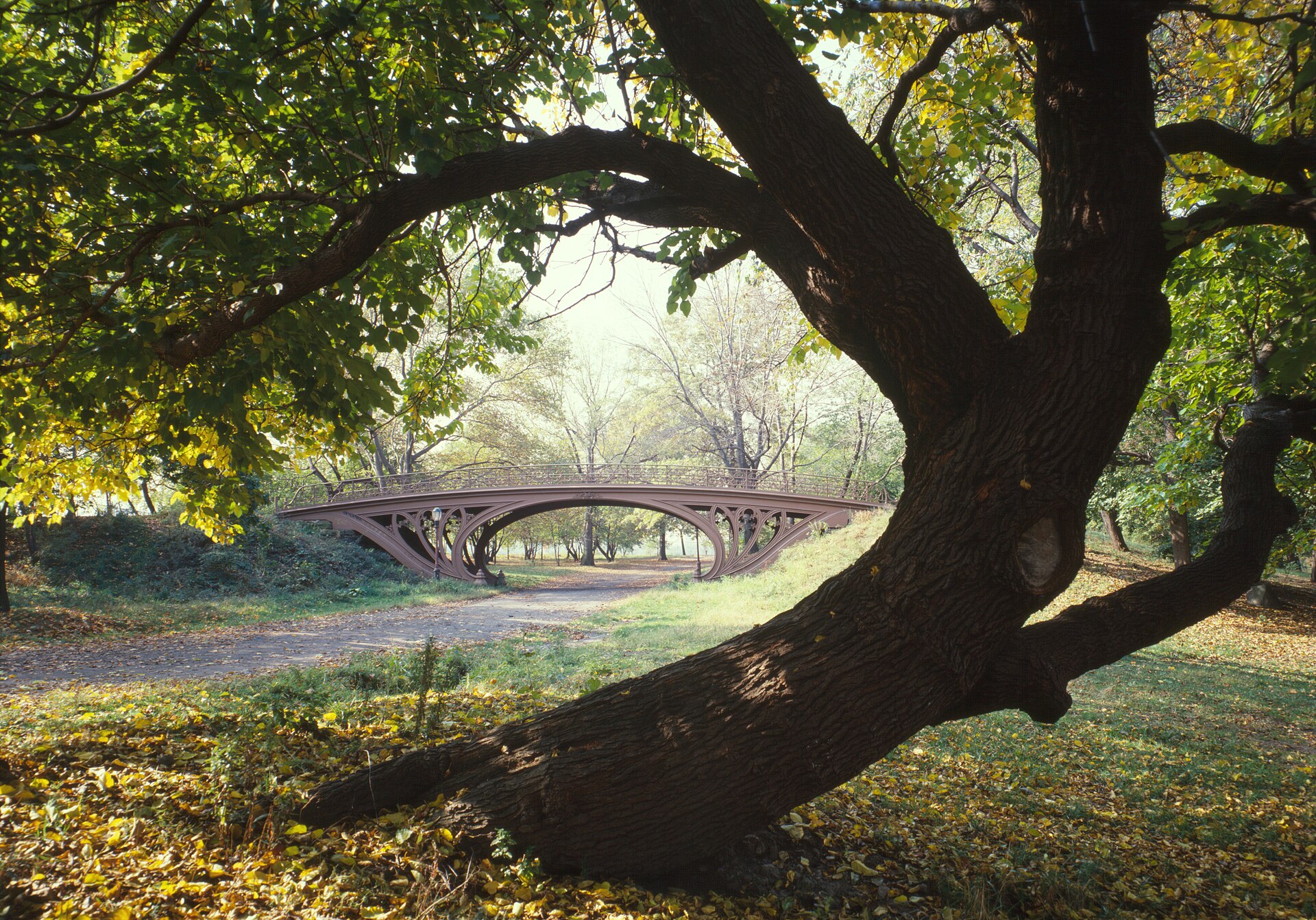
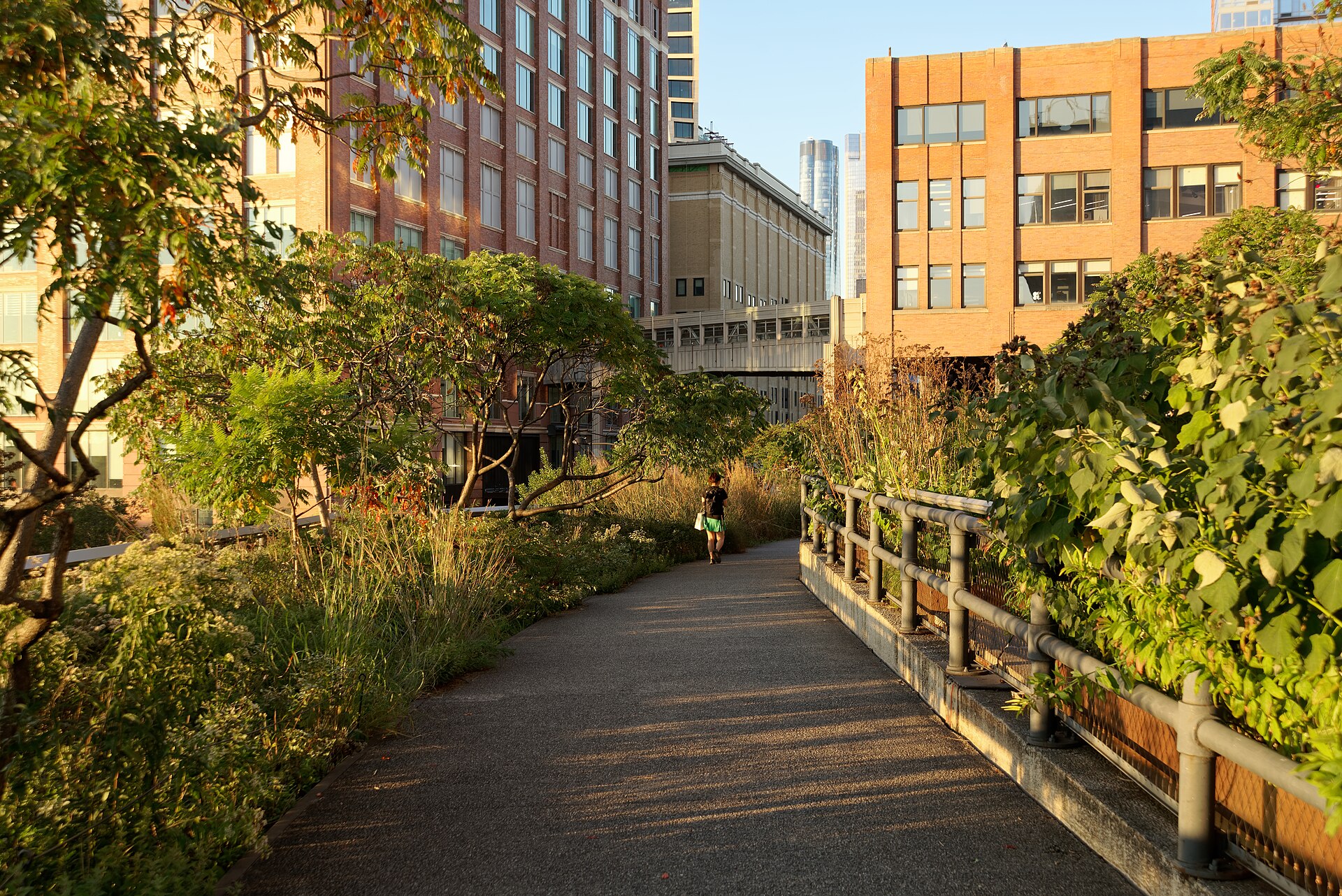
Central Park (Wikipedia) covers 843 acres and absorbs runs, picnics, and free summer concerts. The High Line turns 1.45 miles of elevated freight rail into a planted walkway from Gansevoort Street to 34th Street.
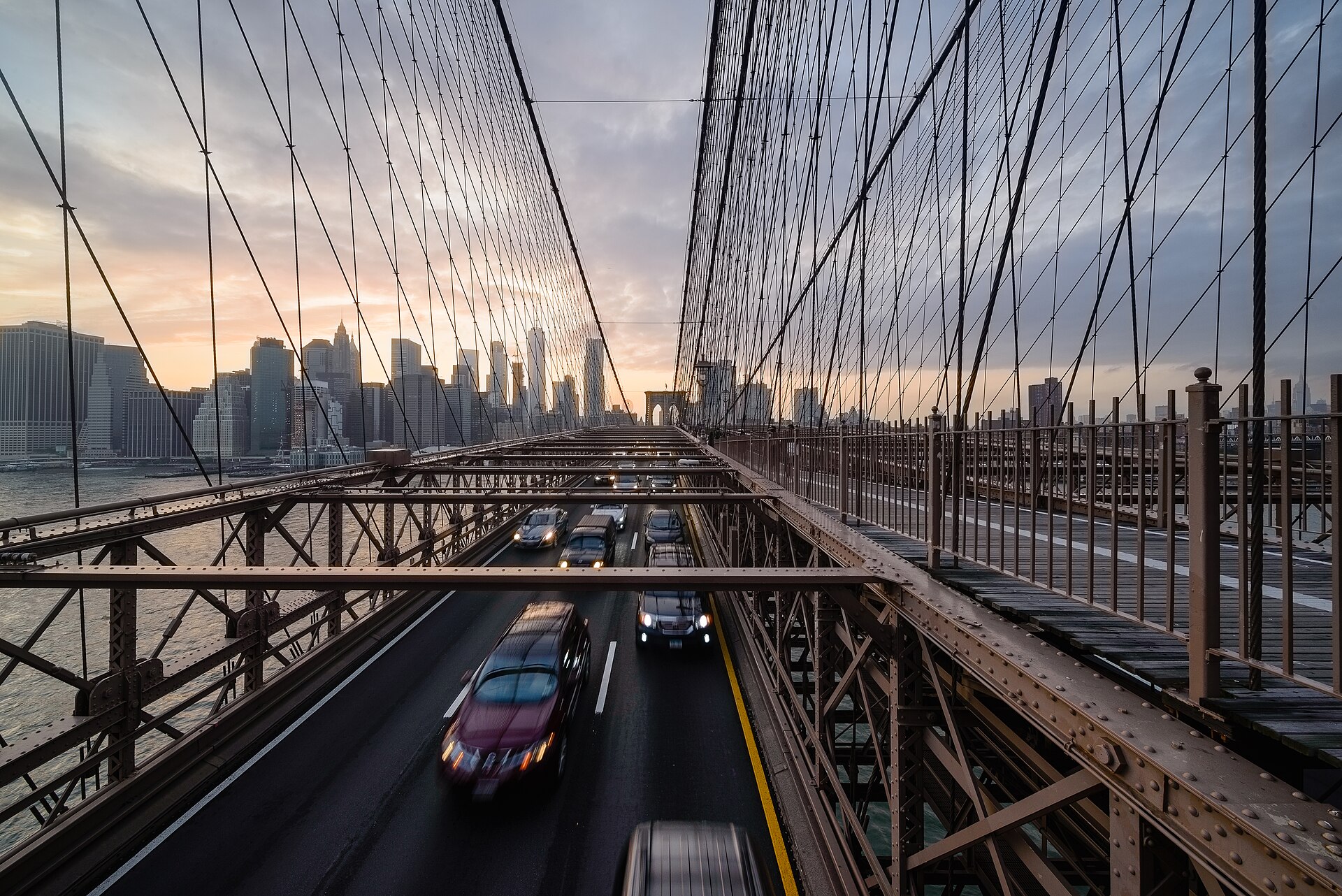
Walking the Brooklyn Bridge (Wikipedia) at sunrise beats the midday crowds, and the Metropolitan Museum of Art charges $30 and deserves repeat visits.
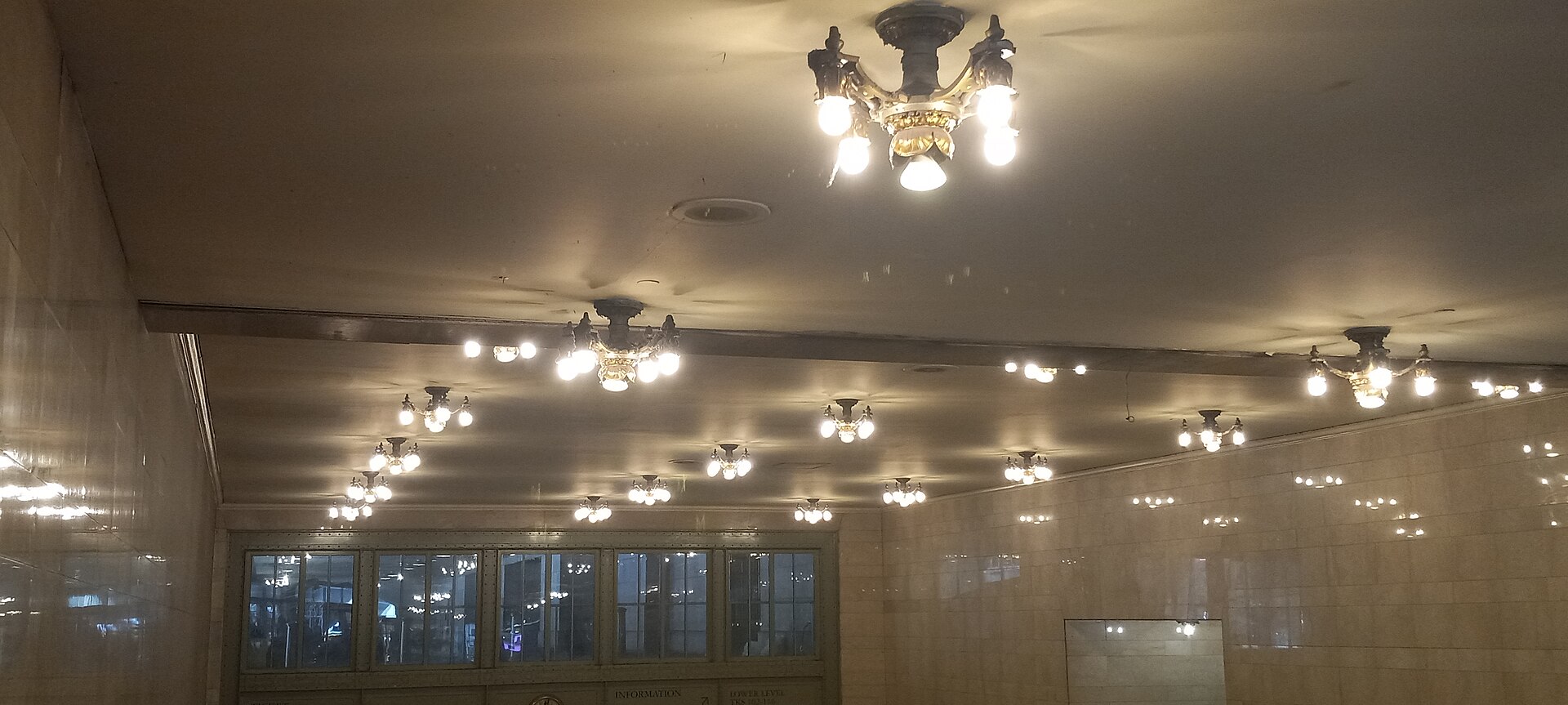
Eat specifically: a pastrami on rye at Katz's Delicatessen runs about $28, a slice at Joe's Pizza on Carmine Street about $4, and a lox bagel from Russ & Daughters about $16. Grand Central's main concourse ceiling, painted with 2,500 stars, is free to admire.
Health & Medical
Hospitals like NYU Langone and Mount Sinai rank among the best in the country, but US healthcare is expensive and hospitals rarely bill travel insurers directly, so carry a policy that reimburses quickly. CityMD urgent care clinics dot the island for walk-in issues, typically $150 to $250 without insurance. Pharmacies (CVS, Duane Reade) are everywhere and many run 24 hours. Vegetarian, vegan, halal, and kosher options are abundant, and allergy labeling is standard.
Demographics & Government
Manhattan holds about 1.6 million of New York City's 8.5 million residents. The city runs on a strong mayor and 51-member council, with a borough president handling Manhattan-specific advocacy. There is no official religion; the borough is home to major Jewish, Catholic, Protestant, Muslim, Buddhist, and Hindu communities, and to more than 100 consulates thanks to the United Nations headquarters on the East Side.
Legal & Substances
Recreational cannabis is legal in New York for adults 21 and over, sold in licensed dispensaries, though smoking it is banned wherever tobacco is. Open containers of alcohol are prohibited on streets and in parks. Bars serve until 4 AM. The drinking and tobacco purchase age is 21, and smoking is banned in restaurants, bars, parks, and beaches.
Customs & Shopping
Sales tax is 8.875 percent, but clothing and footwear under $110 per item are exempt. Macy's Herald Square occupies a full city block and issues international visitors a 10 percent discount card at its visitor center. For souvenirs with substance, pick up smoked fish from Russ & Daughters or a Strand Book Store tote. US residents returning from abroad get an $800 duty-free exemption; departing travelers face no US exit duties.
Accessibility & Inclusion
The ADA guarantees ramps and accessible restrooms in public buildings, and every city bus kneels and carries a wheelchair lift. The subway is the weak point: roughly 30 percent of stations have elevators, so wheelchair users often plan routes around the MTA's accessible station map or use buses and Access-A-Ride. Curb cuts are near universal, and major museums offer free admission for care partners.
Digital Nomad Corner
Budget $5,000 to $7,000 per month to live comfortably: furnished one-bedroom sublets run $4,000 to $5,000, a monthly unlimited MetroCard equivalent about $132, and coworking desks $300 to $600. Median fixed broadband tops 200 Mbps, and Verizon Fios gigabit runs about $80 per month.
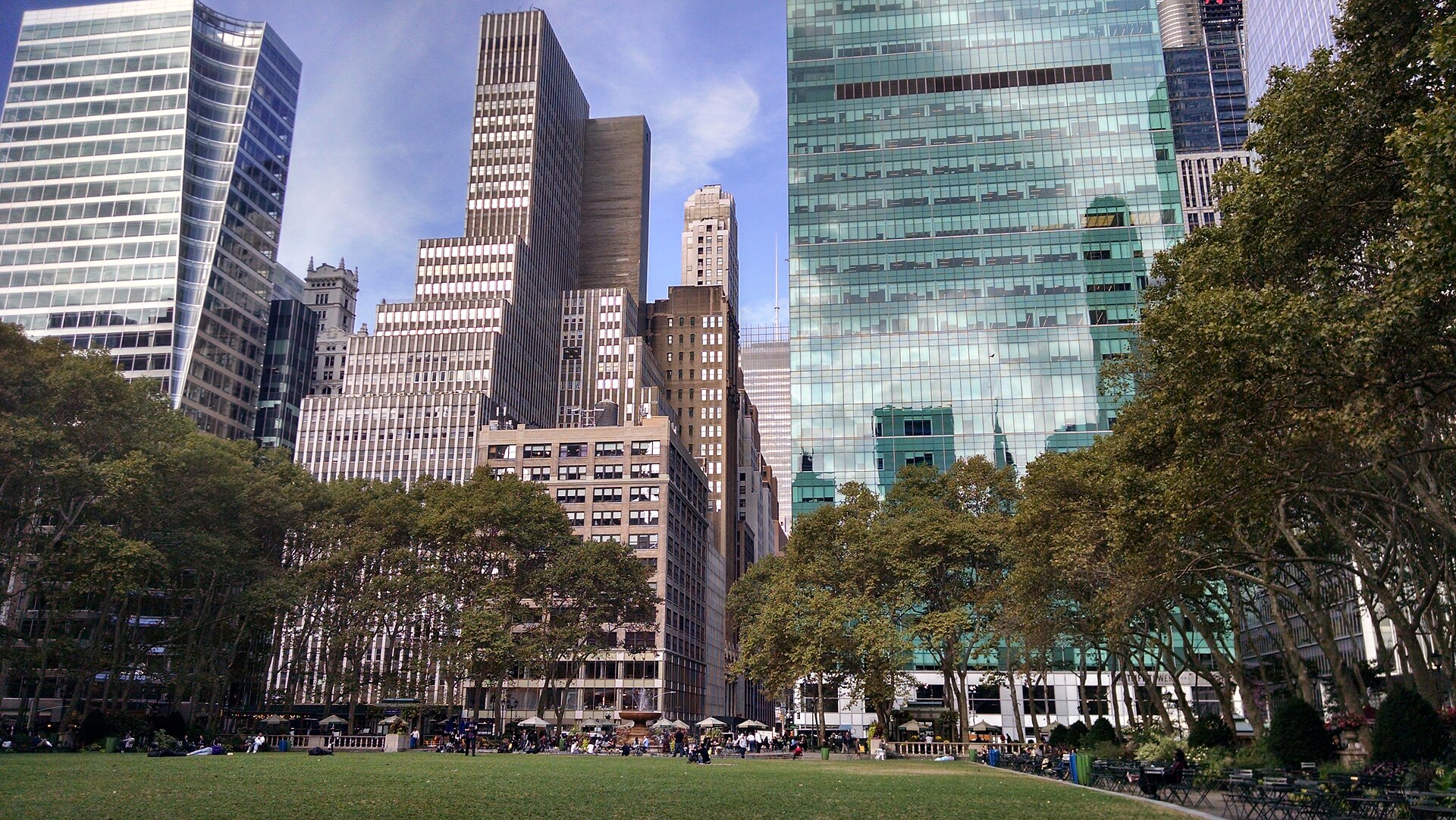
Bryant Park offers free WiFi, movable tables, and a reading room under the trees, with the New York Public Library's Rose Main Reading Room next door for silent deep work. The US has no digital nomad visa, so most foreign remote workers visit on ESTA's 90-day Visa Waiver window or a six-month B-2. The trade-off is straightforward: the highest costs in the country in exchange for the deepest bench of people, events, and industries anywhere you could open a laptop.
Keep planning: Buffalo: Wings, Waterfront & Architecture, Lake Placid: Olympic Town in the Adirondacks and Acadia National Park Guide: Maine's Coastal Peaks.
Photos via Wikimedia Commons (CC BY / CC BY-SA / CC0 / public domain contributors) and hosted by Nomad Toolkit.