Napa Travel Guide: Wine Country Base for Nomads
Nomad Toolkit
Overview & Vibe
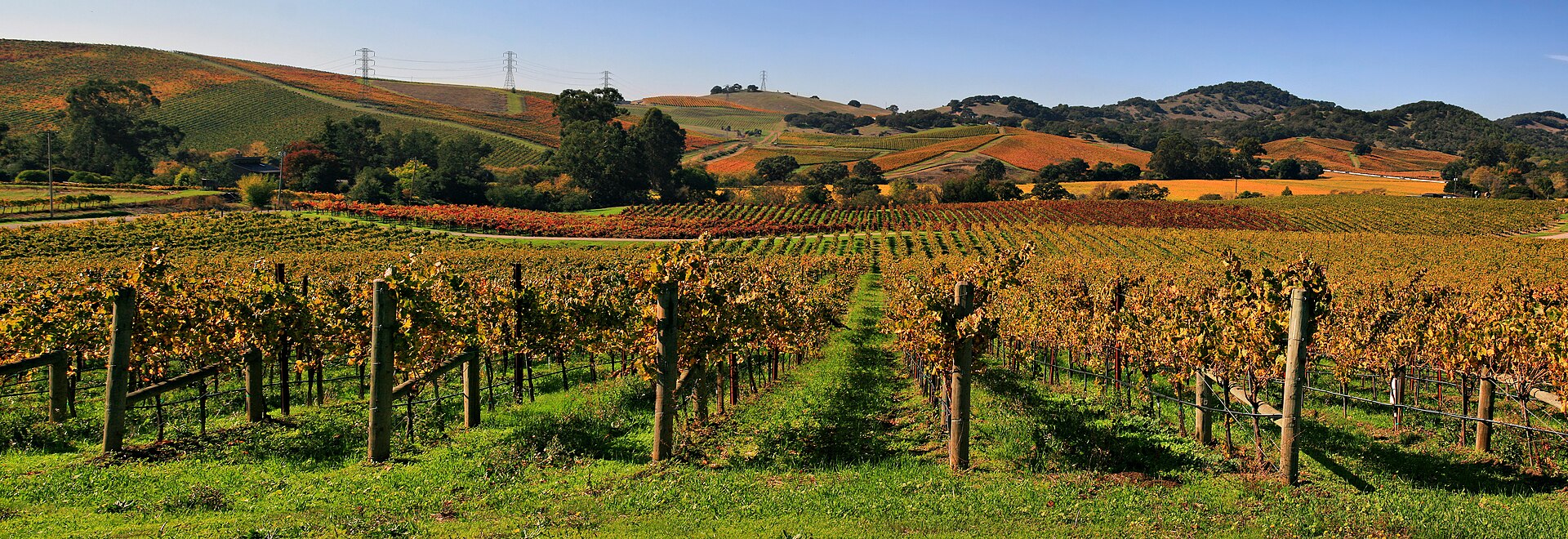
Napa, California sits at the southern end of the Napa Valley, 50 miles northeast of San Francisco on the Napa River, with a population of about 79,000. The famous wineries, more than 400 of them, run up the valley toward Calistoga, but Napa itself is the working town of wine country: it has the housing, the schools, the county offices, and most of the restaurants that stay open past 9 PM.
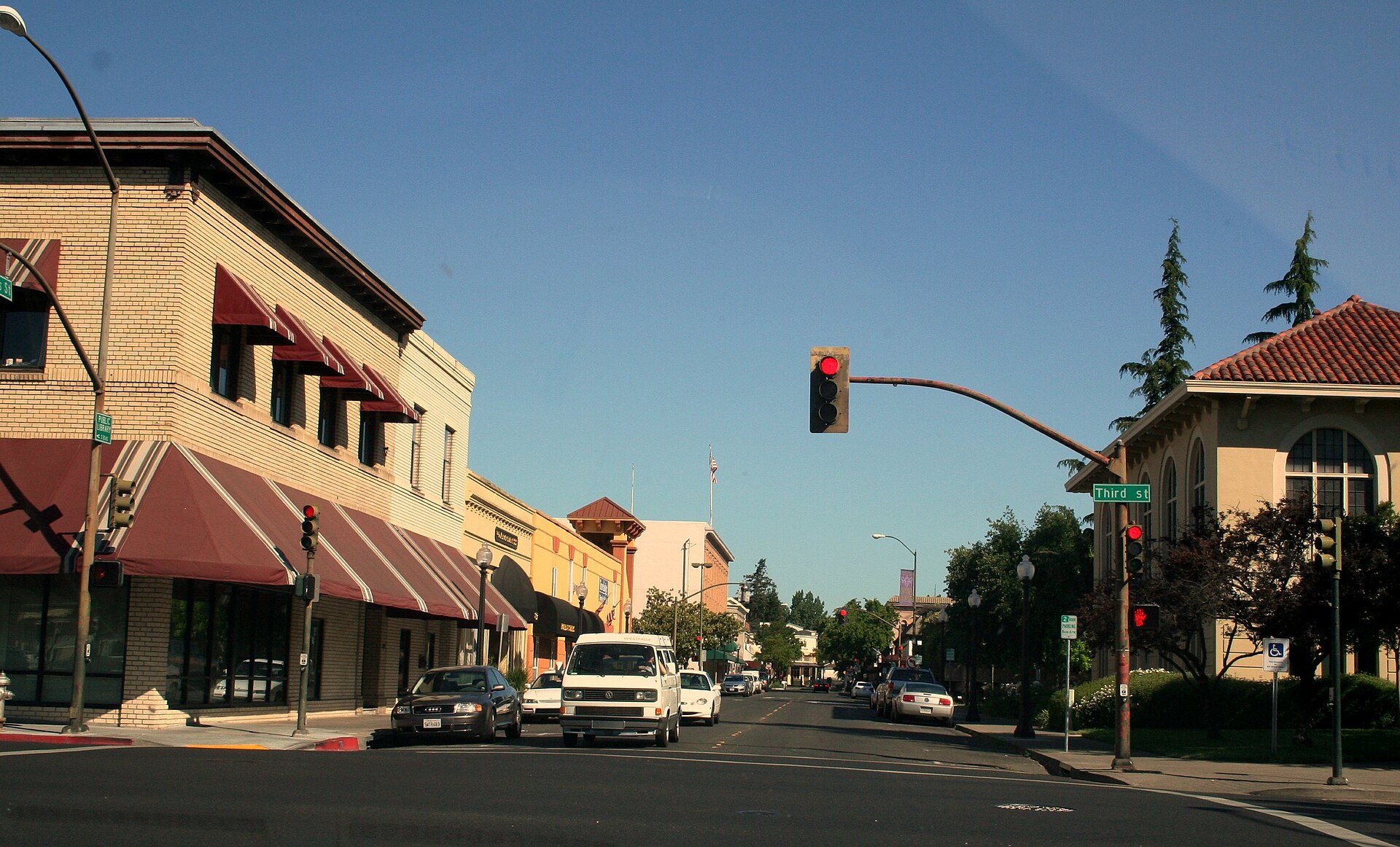
The vibe splits by day of week. Monday through Thursday it feels like a mid-size California county seat where a lot of people work in hospitality and agriculture. Friday through Sunday, downtown fills with tasting-room visitors, bachelorette groups, and Bay Area day-trippers. The riverfront and the blocks around First Street were rebuilt after decades of neglect and now hold most of the town's food and nightlife.
A Brief History
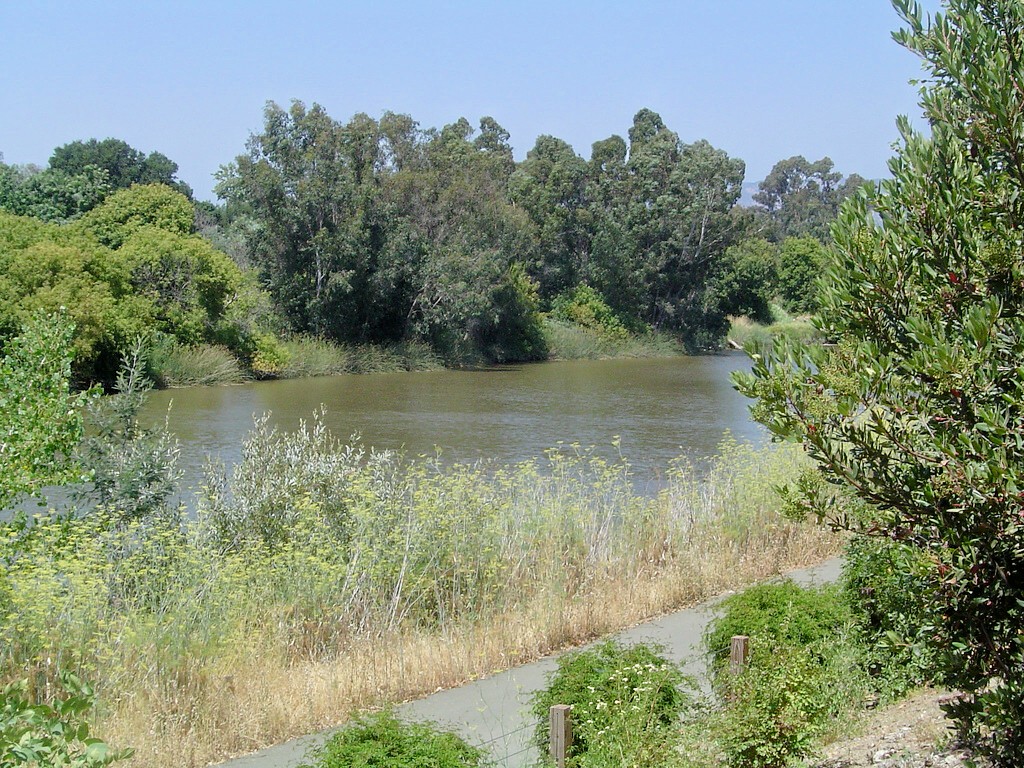
Nathan Coombs laid out the town in 1847, and it grew as a river port shipping cattle, lumber, and wheat during the Gold Rush before incorporating in 1872. Prohibition gutted the valley's wine industry, and its comeback dates to the 1976 Judgment of Paris tasting, where Stag's Leap Wine Cellars' 1973 Cabernet Sauvignon beat first-growth Bordeaux in a blind judging. A magnitude 6.0 earthquake centered south of town damaged much of the historic downtown on August 24, 2014, and the repairs accelerated the current wave of redevelopment. More on the Wikipedia page for Napa.
Transportation
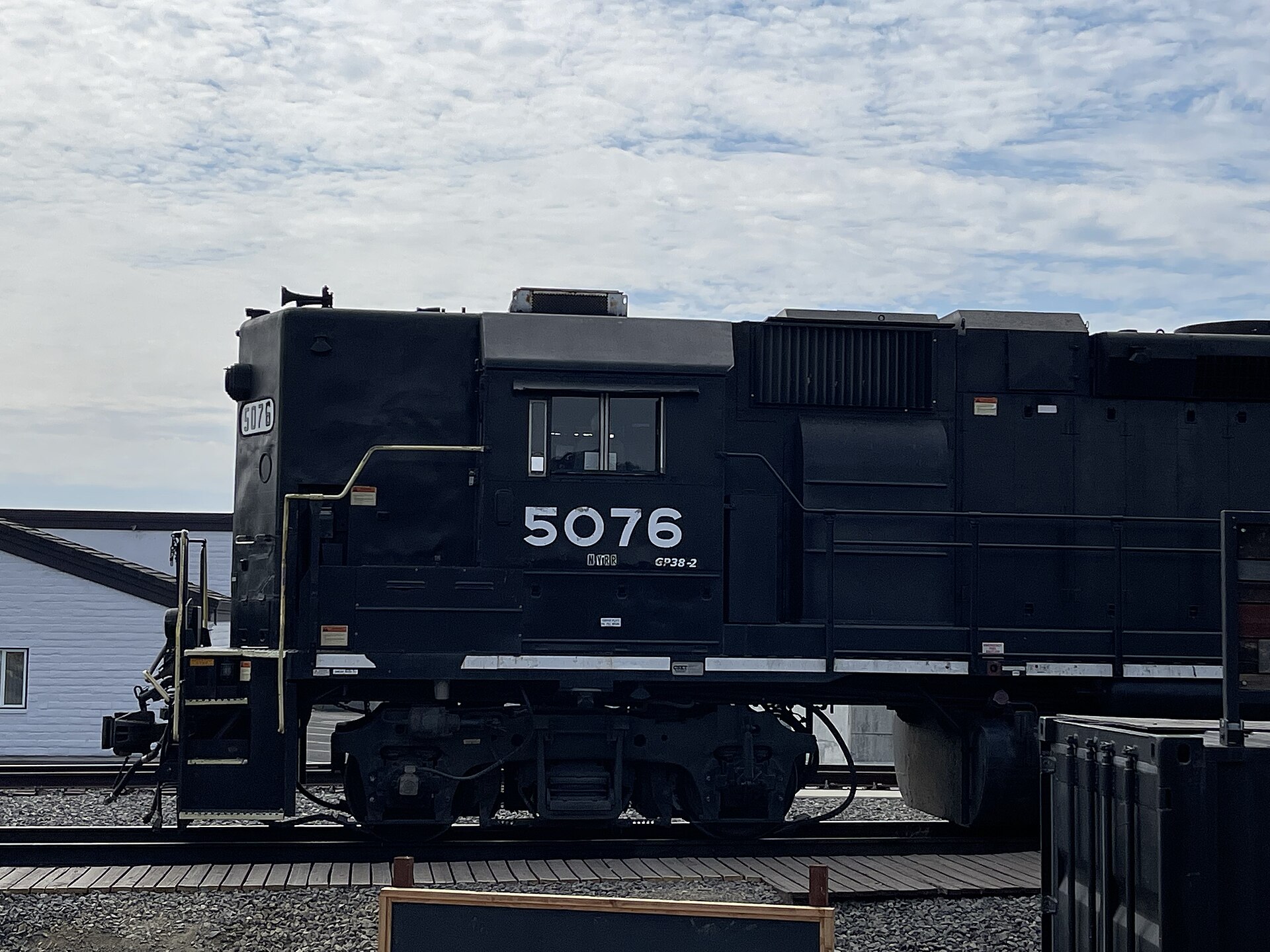
You want a car here. Highway 29 and the quieter Silverado Trail are the two north-south routes up the valley, and almost everything worth visiting sits along one of them. Uber and Lyft work reliably in the city of Napa but thin out up-valley after dinner, so book return rides before winery closing time. Vine Transit runs public buses, including Route 10 from downtown Napa to Calistoga for $1.60, which is a legitimate budget way to reach St. Helena tasting rooms.
- Airports: San Francisco (SFO) is about 60 miles away, Oakland (OAK) about 50, and Sacramento (SMF) about 60. Allow 90 minutes from SFO outside rush hour.
- The Napa Valley Wine Train is an excursion, not transit: a three-hour lunch round trip to St. Helena in restored 1915-1952 rail cars, from around $200 per person.
- Americans drive on the right, and foreign licenses are accepted for rentals for up to a year in California.
Language, Customs & Etiquette
English is the default and Spanish is widely spoken, especially in the vineyards and kitchens that keep the valley running. Tipping follows standard US practice: 15 to 20 percent at restaurants, a few dollars per drink at bars, and tasting-room staff appreciate tips on larger private experiences.
- Reservations are now standard at most tasting rooms; walk-ins mostly ended after 2020.
- Spitting and dumping wine is normal and expected. Nobody finishes six full pours.
- Skip perfume or cologne before tastings, and ask before photographing cellar and cave areas.
Safety & Security
Dial 911 for any emergency. Napa's violent crime rate runs below the California average, and the main tourist-facing problem is car break-ins: leave nothing visible at trailhead lots and parking garages. The seasonal risk that actually shapes life here is wildfire. The 2017 Atlas Fire and 2020 Glass Fire both reached the valley, and August through October can bring smoke days; check air quality on AirNow before booking outdoor plans in fall. The town is LGBTQ+ friendly, with California's strong statewide protections.
Weather & Climate
Napa has a Mediterranean climate: dry, warm summers with cool foggy mornings, and mild wet winters. Nearly all of the roughly 24 inches of annual rain falls November through March.
| Season | High / Low | Notes |
|---|---|---|
| Dec - Feb | 57°F / 39°F | Wet season, green hills, few crowds |
| Mar - May | 68°F / 44°F | Mustard bloom ends, shoulder pricing |
| Jun - Aug | 82°F / 53°F | Dry, morning fog, hot afternoons up-valley |
| Sep - Nov | 75°F / 47°F | Harvest crush, peak crowds and rates |
Pack layers year-round; mornings can start in the 40s and finish in the 80s the same day.
Logistics & Practical Info
- Plugs: Type A/B, 120V at 60Hz.
- Time zone: Pacific (UTC-8, UTC-7 in summer), with daylight saving March to November.
- Tap water is safe to drink.
- Home internet: Xfinity cable reaches most of the city at gigabit speeds and AT&T fiber covers many neighborhoods.
- Mobile: AT&T, Verizon, and T-Mobile all perform well in the city; expect dead zones in the canyons and on remote winery roads. Prepaid plans start around $15 to 30 per month from MVNOs like Mint Mobile.
- No internet censorship.
Attractions & Activities
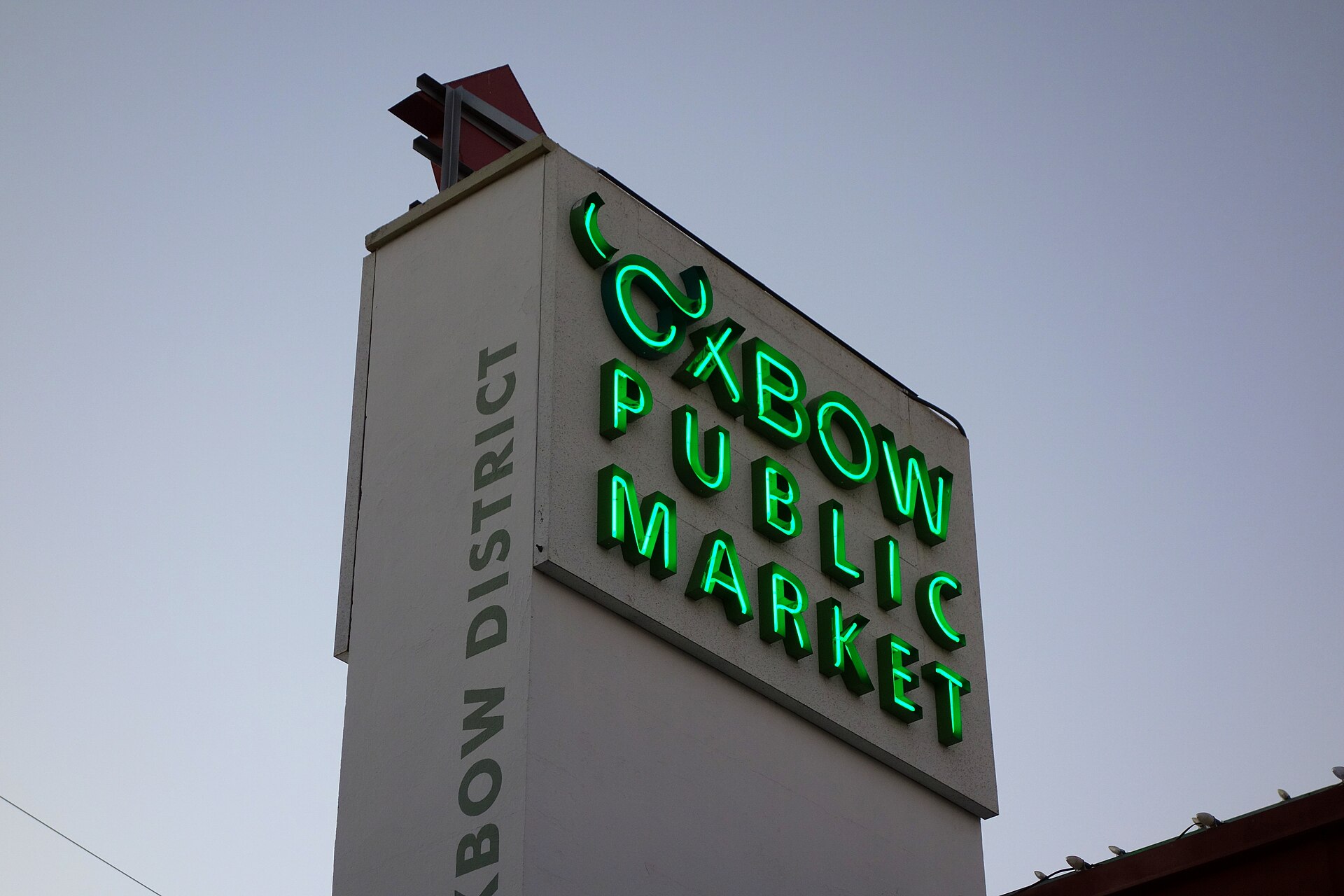
Start at Oxbow Public Market, a 40,000-square-foot food hall from 2008 where Hog Island Oyster Co., Ritual Coffee, and the Model Bakery (order the English muffin) anchor two dozen vendors. Downtown's First Street blocks hold tasting rooms you can walk between, which solves the driving problem for a day.

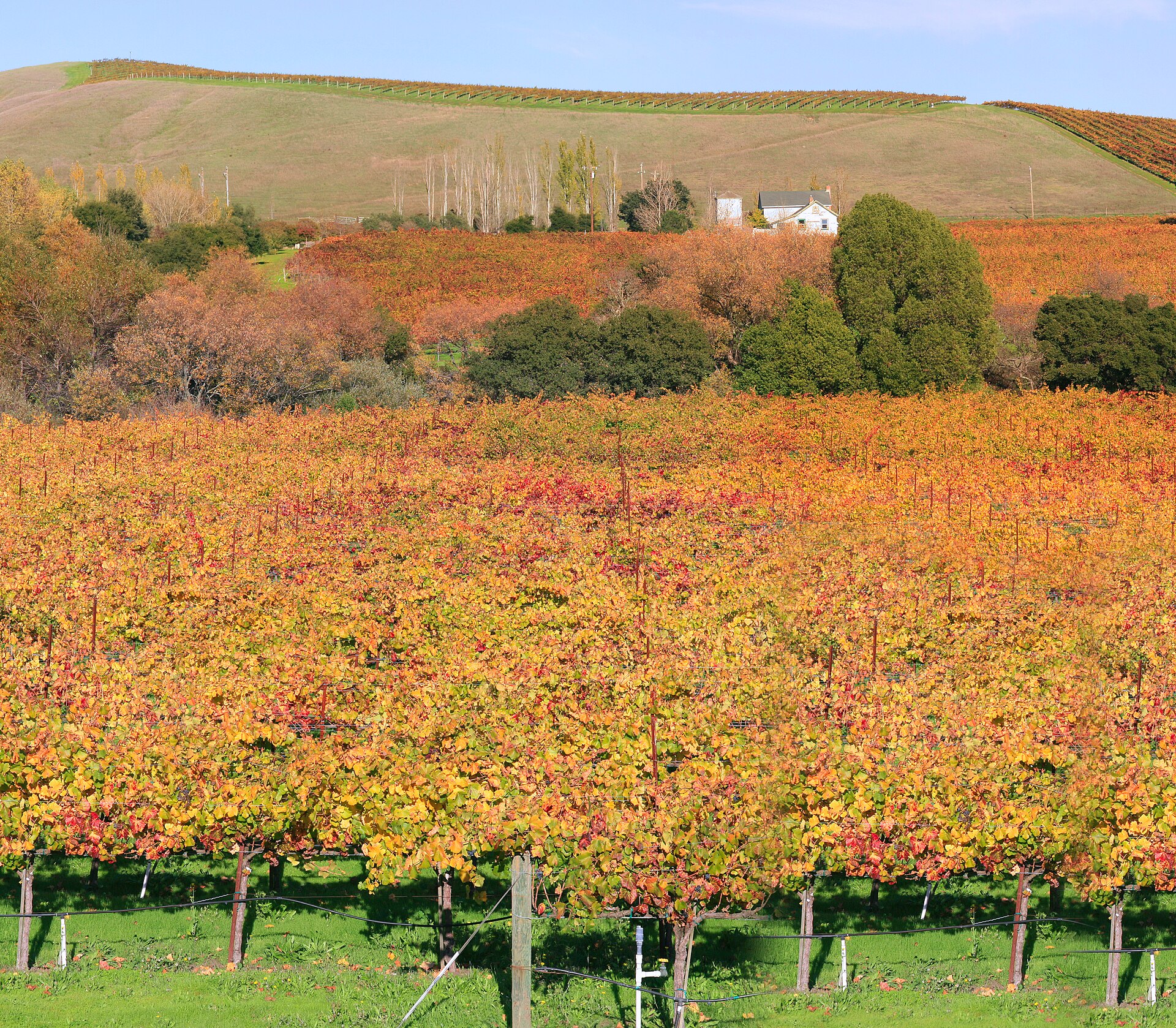
- Dawn balloon flights with operators like Napa Valley Aloft launch near Yountville and run about $285 per person.
- Domaine Carneros pours sparkling wine on a chateau terrace 15 minutes from downtown; standard tastings across the valley now run $40 to 75.
- The di Rosa Center for Contemporary Art keeps 1,600 works on 217 acres along the Carneros Highway.
- Skyline Wilderness Park has 25 miles of hiking and mountain-bike trails at the edge of town for a $6 day-use fee.
- BottleRock, the valley's biggest event, brings three days of music and food to the Napa Valley Expo every Memorial Day weekend.
Health & Medical
Providence Queen of the Valley Medical Center on Trancas Street is the local hospital with a 24-hour emergency department. US healthcare pricing applies: hospitals will not bill foreign travel insurance directly, so carry a policy that reimburses you and be ready to pay up front. CVS and Walgreens fill prescriptions, but foreign prescriptions cannot simply be transferred; you need a US prescriber. There are no endemic diseases of note, and restaurant food-safety standards are high.
Demographics & Government
The city of Napa holds about 79,000 of Napa County's roughly 136,000 residents. It runs on a council-manager system with a five-member city council, inside a state, California, that needs no introduction. There is no official religion; Catholic and mainline Protestant congregations are the largest locally, and about a third of residents identify with no religion at all.
Legal & Substances
- Cannabis is legal in California for adults 21 and over; licensed delivery services cover Napa. It remains federally illegal, so never carry it onto federal land or through airports.
- Drinking age is 21, enforced with ID checks even for visitors decades older.
- Open containers in public are prohibited outside licensed patios and permitted events.
- Smoking is banned indoors statewide and in most outdoor dining areas.
Customs & Shopping
Leaving the US, there is no exit duty, but declare currency over $10,000. The souvenir here is obvious: wine. Most tasting rooms ship directly to other US states (adult signature required on delivery), and airlines allow checked cases in padded shippers, which local shops sell for about $30. Beyond bottles, look for Napa olive oil and the Whole Spice shop inside Oxbow Public Market.
Accessibility & Inclusion
Downtown Napa and Oxbow Public Market are flat, curb-cut, and wheelchair friendly, and Vine Transit buses have ramps and securement areas. The Wine Train operates lift-equipped cars with advance notice. Historic wineries are the weak point: gravel paths, cellar stairs, and cave tours vary widely, so call ahead, and most larger producers have an accessible tasting option.
Digital Nomad Corner
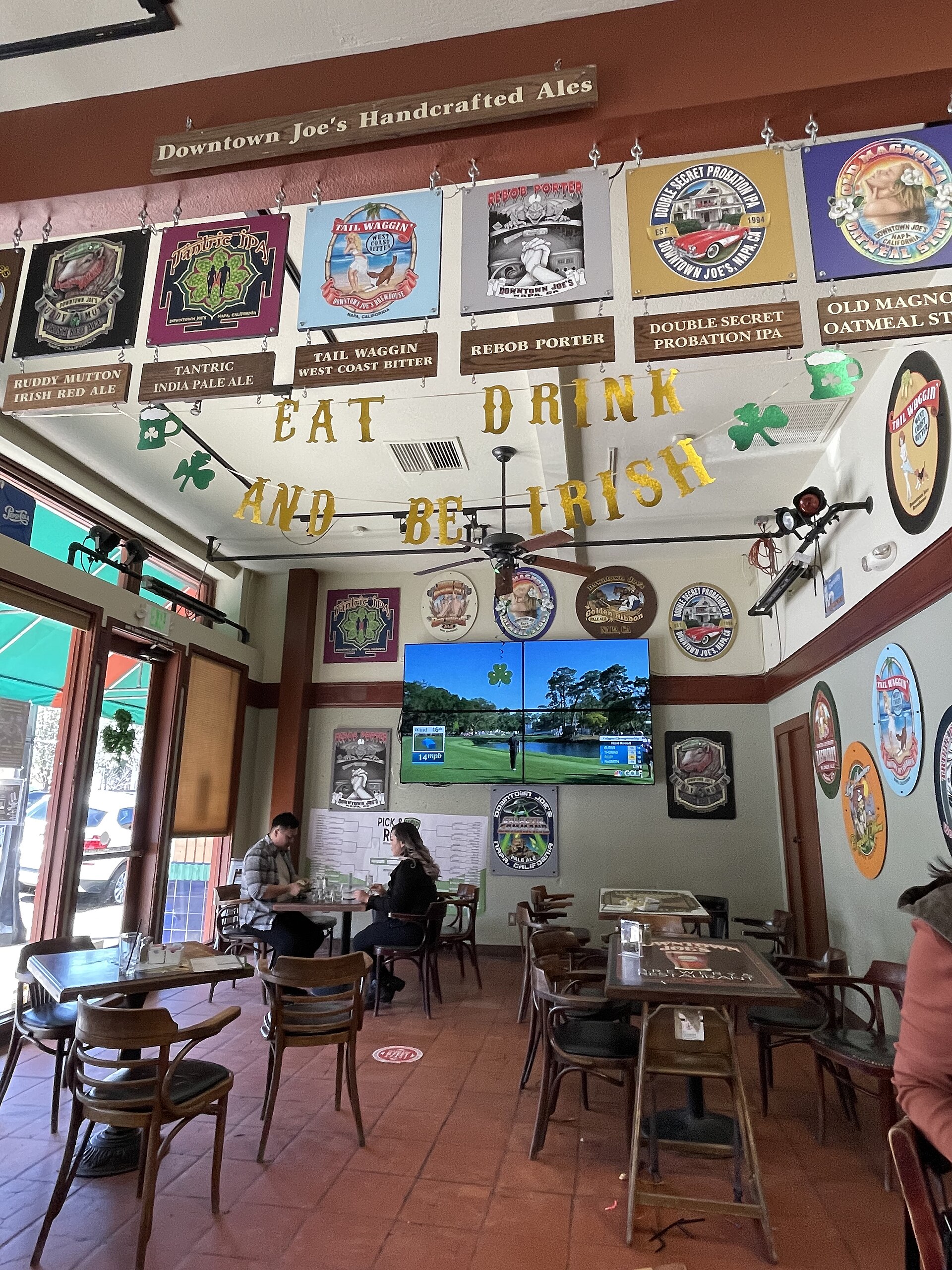
Napa is an expensive base: a one-bedroom in the city runs about $2,200 per month, and up-valley towns cost more. What you get for it is fast home internet, a walkable downtown, and the Bay Area 90 minutes away.
- Work spots: Ritual Coffee inside Oxbow, Napa Valley Coffee Roasting Company on Main Street, and the Napa County Library on Coombs Street with free WiFi and study rooms. For an end-of-day working beer, Downtown Joe's brews on site by the river.
- There is no large dedicated coworking chain in town; plan around cafés, the library, and a good home setup.
- Visas: the US has no digital nomad visa. Visa Waiver Program nationals get 90 days; B-2 visitors can be admitted up to six months.
- The nomad community is small; San Francisco and Oakland meetups are the nearest critical mass.
Tip: live in the city of Napa rather than St. Helena or Yountville, work weekdays, and do tastings Tuesday through Thursday when reservations are easy and some fees get waived with a purchase.
Photos via Wikimedia Commons: Brocken Inaglory (CC BY-SA 3.0); Ewen Roberts (CC BY 2.0); Allen Lew (CC BY 2.0); Sarah Stierch (CC BY 4.0); Daderot (CC0); Ilya Grigorik (CC BY-SA 3.0).