Brasov: Transylvania's Medieval Gem
Nomad Toolkit
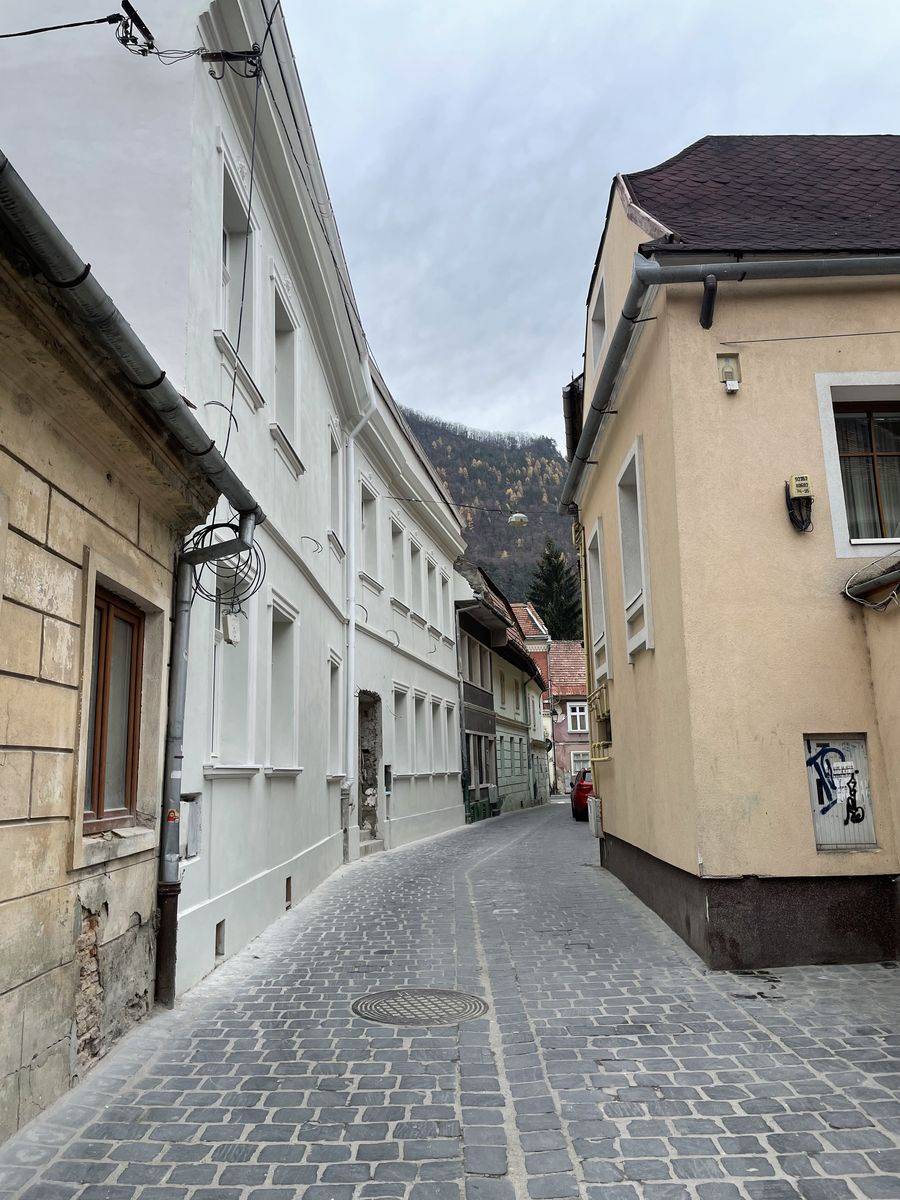
Brasov is one of Central Europe's underrated digital nomad destinations. This medieval city, nestled in the Carpathian Mountains of Transylvania, offers a combination of affordable living, mountain scenery, walkable Old Town charm, and surprisingly solid coworking infrastructure. Remote workers often overlook Brasov in favor of Bucharest or Bucharest's nearby hipster towns, but those who stay find a city that rewards extended visits with lower costs than the capital, easier mountain access, and a smaller, tighter community of expats and long-term travelers.
Demographics & Government
| Country | Romania |
| Population | ~250,000 (Brasov city), ~8 million (Romania) |
| Government | Parliamentary republic; EU member since 2007 |
| Religious mix | ~86% Romanian Orthodox, ~5% Reformed, ~4% Pentecostal, mixed practice |
| Time zone | EET (UTC+2) winter, EEST (UTC+3) summer; DST observed |
| Plug type | Type C and Type F (230V / 50Hz) |
| Drive side | Right |
| Tap water safe? | Yes, fully potable across Brasov and most of Romania |
| Free WiFi? | Widely available in cafés, hotels, coworking spaces, and most central areas |
| Best time to visit | Late May–September (18–26°C, clear skies) or December (Christmas markets and snow) |
| Emergency numbers | 112 (general / EU-wide), 961 (medical emergency), 955 (police) |
| Currency | Romanian leu (RON), not euro. ~4.6 RON per USD (varies) |
Overview & Vibe
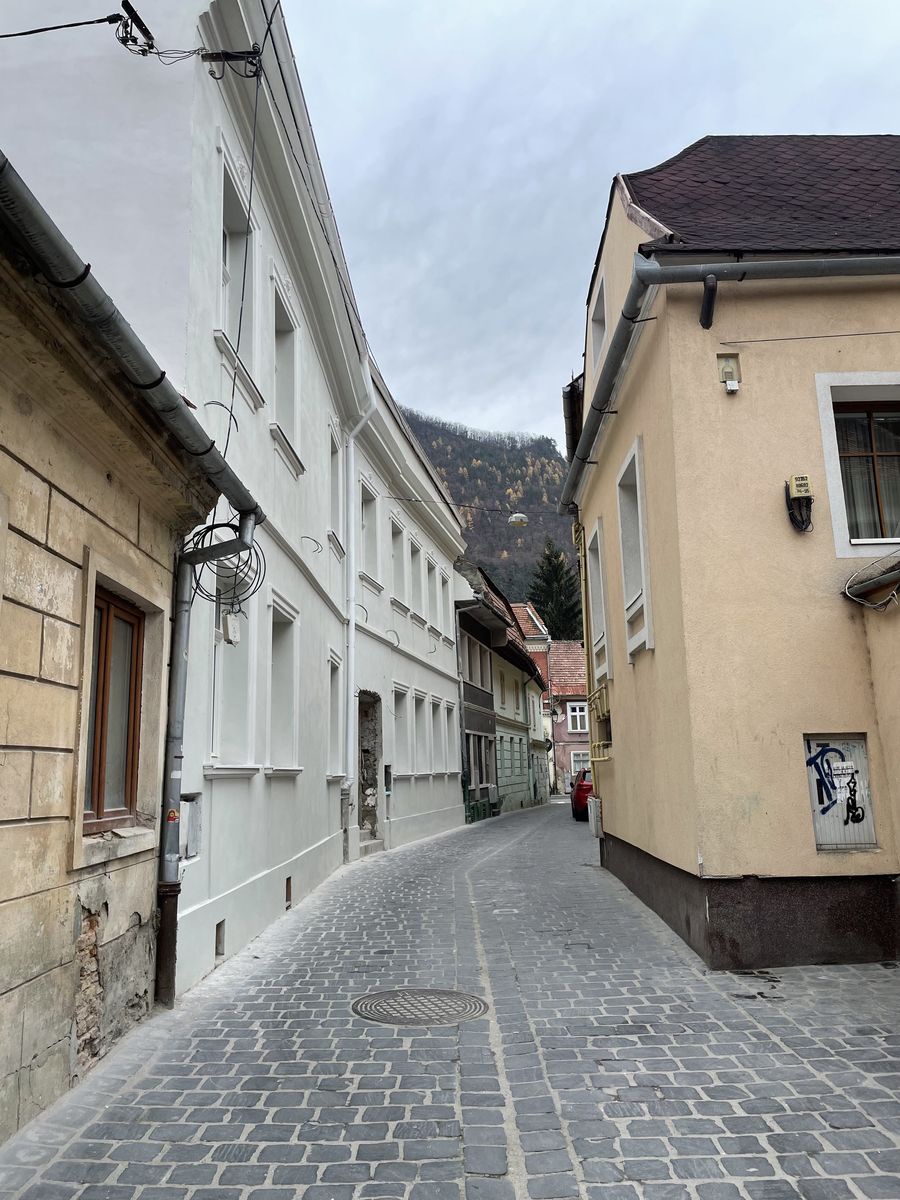
Brasov is divided into distinct zones that shape where nomads choose to base themselves. The Centrul Vechi, or Old Town, sits inside medieval walls and contains the main sights, countless cafés, and the highest concentration of tourists. The Schei district, just south of the Old Town, is where locals live and where traditional Romanian character persists. Bartolomeu and Stejaris are residential neighborhoods with quieter streets, cheaper rent, and still walkable to the center. The whole city is ringed by forested mountains that break the skyline at every glance, and several neighborhoods have direct access to hiking trails. Summers are warm and clear, winters are cold and snowy, spring and autumn are mild. Good for budget-conscious remote workers, mountain enthusiasts, history fans, and anyone seeking a smaller European city with real Romanian flavor.
A Brief History
Brasov began as Kronstadt, a settlement the Teutonic Knights fortified in 1211 on the order of King Andrew II of Hungary; the town first appears in documents in 1235. Saxon merchants grew wealthy here on the trade routes linking the Ottoman Empire with Western Europe, then watched a great fire level the walled city in 1689. Brasov joined Romania with Transylvania's union of 1918, and in November 1987 its factory workers staged one of the first major revolts against the Ceaușescu regime. Brasov's Wikipedia page has the full timeline.
Transportation
Brasov is highly walkable, especially the Old Town, though it's a hilly city and the surrounding districts require some stamina or transit to reach. The city center is compact enough that most spots are reachable by foot in 15 to 30 minutes.
- Drive on the right. Standard EU driving rules. Mountain roads around Brasov are narrow but well-maintained.
- Public transit. RAT Brasov operates the bus system. Single tickets cost 2 RON; a 10-pack is around 16 RON. Buses run reliably until about 10 p.m.
- Taxis and rideshare. Licensed taxis are metered and cheap; a cross-town ride costs 30 to 50 RON. Bolt operates in Brasov and is often the easiest way to book a reliable ride.
- Brasov Airport. The airport opened in 2023 with limited international routes. Most nomads fly into Bucharest (Otopeni/Baneasa) and take the train or bus. A direct train from Bucharest's Bucharest Nord to Brasov takes 2.5 to 3 hours and costs 50 to 80 RON.
- Bike share and rentals. Mountain biking is popular in Brasov, and rental shops are easy to find. Road bikes are less useful given the hills.
Language, Customs & Etiquette
Romanian is the official language, but Brasov has historical ties to German and Hungarian communities, so you'll hear German and Hungarian in parts of the Old Town and Schei. Under-40s and anyone in hospitality or service generally speak functional English, especially in the Old Town tourist zones.
- Greetings. Buna (hello), Mulțumesc (thank you), Poftim (you're welcome), Salut (hi, informal), Noroc (cheers).
- Tipping. 10% at restaurants is typical and expected. Round up for taxis. Check your bill; some tourist-zone spots include a service charge, so don't double-tip.
- Reserved by default. Romanians often take time to warm up to strangers. It's a cultural communication style; warmth arrives once you move past initial formality.
- Bargaining. Not customary in shops or restaurants. Fixed prices everywhere except seasonal markets and small family vendors.
- Religious sites. Cover shoulders and knees in Orthodox churches. Many churches have extended opening hours tied to services. Photography is often prohibited inside; look for signs.
- Cash etiquette. Most central businesses accept card, but always carry cash for markets, bakeries, and smaller cafés. Card infrastructure in Romania lags behind Western Europe.
- Orthodox customs. Brasov is predominantly Orthodox Christian. Many locals observe fasting periods (especially before Easter) and religious holidays are important social anchors.
Safety & Security
Brasov is one of the safer cities in Romania. Violent crime is uncommon; petty theft is the main concern, and that's largely concentrated at the train station and during peak tourist season.
- Stray dogs. A visible but manageable issue in some neighborhoods outside the Old Town. Most are docile; make noise if approached aggressively, or ask locals for advice.
- Mountain weather. Brasov's elevation (625 meters) means weather changes rapidly. Summer thunderstorms and winter snow can strand hikers; always check conditions and carry layers.
- Train station caution. The main train station area sees some petty theft and aggressive "taxi" offers. Use Bolt or a reputable metered taxi from the stand.
- Solo female travelers are generally safe. Standard urban precautions apply, particularly late at night in less-lit residential zones.
- LGBTQ+. Same-sex partnerships are legally recognized but not full marriage. Bucharest has a visible queer scene; Brasov is smaller and more conservative. Discretion is wise outside the central café areas.
- Hiking safety. The Carpathians are generally safe, but trails can be isolated. Bring water, map, phone. Tell someone where you're going.
Weather & Climate
Continental climate with significant altitude variation. Brasov's elevation means winters are colder and longer than lower-lying Romanian cities, and summers are milder. Spring and fall are unpredictable but can be stunning; December brings snow and Christmas market charm.
| Month | Avg High | Avg Low | Notes |
|---|---|---|---|
| January | -2°C / 28°F | -9°C / 16°F | Cold, frequent snow, quiet season |
| February | 1°C / 34°F | -8°C / 18°F | Cold continues; powder lingering |
| March | 6°C / 43°F | -2°C / 28°F | Thaw starts; variable and muddy |
| April | 13°C / 55°F | 3°C / 37°F | Spring arrives; flowers, possible late snow |
| May | 19°C / 66°F | 9°C / 48°F | Warm, green, hiking season opens |
| June | 22°C / 72°F | 12°C / 54°F | Warm and bright; ideal for festivals |
| July | 25°C / 77°F | 14°C / 57°F | Warmest month; occasional afternoon storms |
| August | 26°C / 79°F | 13°C / 55°F | Warm; peak hiking season and tourism |
| September | 21°C / 70°F | 10°C / 50°F | Golden, crisp, great for walking |
| October | 14°C / 57°F | 5°C / 41°F | Colorful trees, cool mornings, rain increasing |
| November | 7°C / 45°F | 0°C / 32°F | Grey, wet, layers essential |
| December | 0°C / 32°F | -6°C / 21°F | Snow likely; Christmas markets and festive atmosphere |
What to pack. Layers year-round. Waterproof hiking boots April through October. A heavy winter coat, thermal layers, and snow-rated boots for November through March. A swimsuit if you plan mountain lake visits in summer.
Logistics & Practical Info
Getting money, staying connected, and handling the small logistical puzzles that come up when you settle into a new city are easier in Romania than many Balkan neighbors, but a few quirks exist.
- Currency. Romanian leu (RON), not euro. Cards are increasingly accepted in central Brasov but cash is still king for markets, small cafés, and tipping.
- ATMs. Use OTP, Banca Transilvania, or Raiffeisen machines. Avoid Euronet and other tourist-zone ATMs; the fees and rates are harsh.
- Tap water. Safe and good across Brasov. Carry a refillable bottle.
- Free WiFi. Widespread in cafés, hotels, and coworking spaces in the Old Town. Less reliable in outer neighborhoods.
- SIM cards. Orange, Vodafone, and Telekom all sell prepaid plans with 20 to 50 GB for 20 to 40 RON. Passport required at purchase.
- Money apps. Revolut and Wise both handle RON without conversion fees, which makes living off them straightforward.
- DST. Yes. Last Sunday in March (forward) and last Sunday in October (back).
- Internet censorship. Minimal. Standard EU rules apply.
Attractions & Activities
Brasov itself has a long list of walkable, photogenic stops inside and around the Old Town. The surrounding mountains offer day trips, hiking, and winter sports. Most sights are free or cost a few RON to enter.
- Piata Sfatului (Council Square) (Wikipedia), the heart of the Old Town, ringed by historic buildings and packed with cafés; photographs beautifully at sunset.
- Biserica Neagra (Black Church) (Wikipedia), the largest Gothic church in southeastern Europe, named for smoke damage from a 1689 fire; entry fee 10 RON.
- Tampa Mountain and cable car (Wikipedia), a short cable car ride to a 960-meter summit with 360-degree views of the city and Carpathians; round-trip 30 RON.
- The Hollywood-style BRASOV sign, a giant white sign atop Tampa Mountain, visible across the city and a popular Instagram spot.
- White Tower and Black Tower, medieval defensive structures in the Old Town; the White Tower is now a small gallery and museum; entry ~8 RON.
- Catherine's Gate (Wikipedia), a 16th-century passage into the Old Town with a small Orthodox chapel inside; free entry.
- Schei district, neighborhood with traditional architecture, small museums, local restaurants, and craft shops; great for walking and finding less touristic cafés.
- Brasov Citadel, the original medieval fortification overlooking the city; ruins are accessible but partially overgrown; free entry.
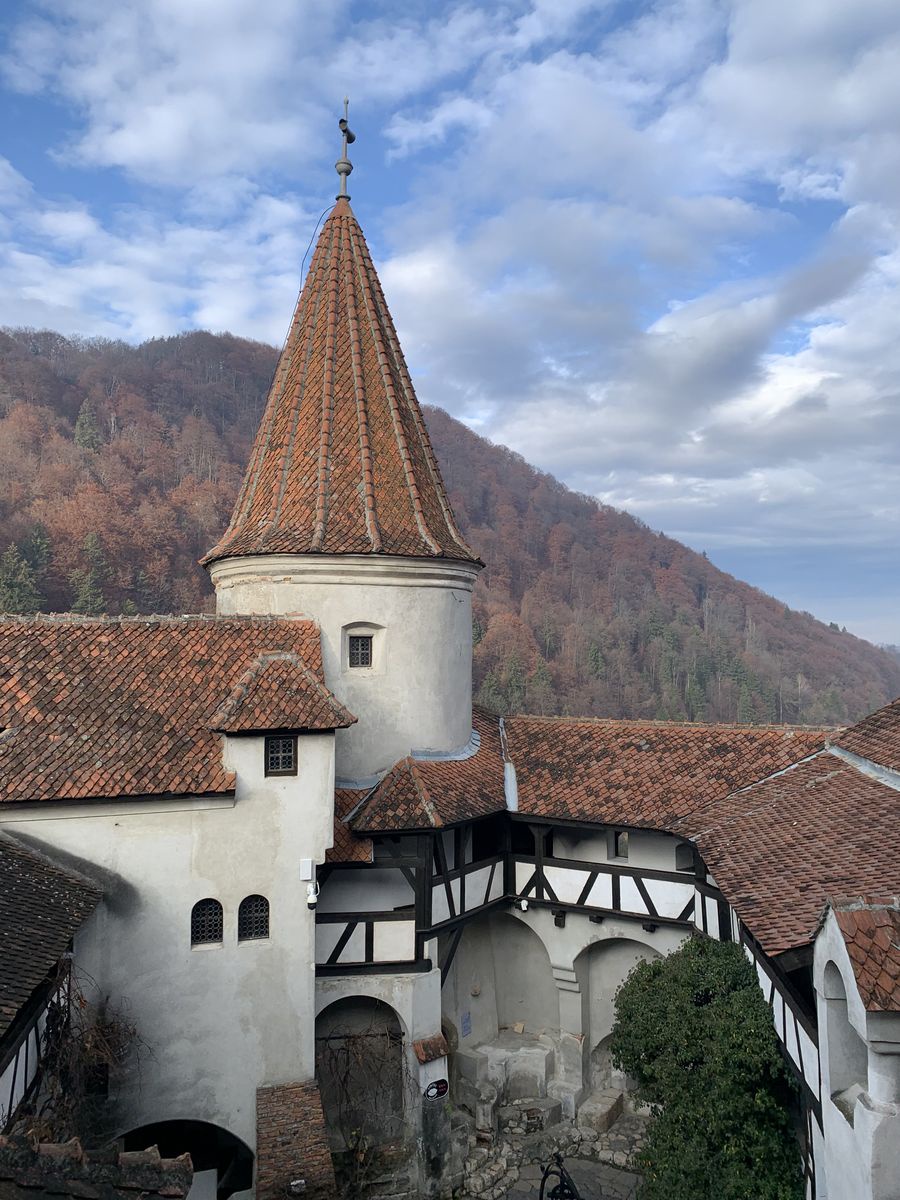
- Bran Castle (Wikipedia), "Dracula's castle," about 30 kilometers south of Brasov; a day trip requiring 1 to 1.5 hours by bus or taxi; entry 40 to 60 RON.
- Poiana Brasov ski resort (Wikipedia), 12 kilometers north, the highest ski resort in Romania, with summer mountain biking and hiking; accessible by shuttle or car.
Festivals and major events
Brasov has a small but charming calendar of festivals and seasonal events. Most center on the Old Town and are packed with locals as much as tourists.
| Event | When |
|---|---|
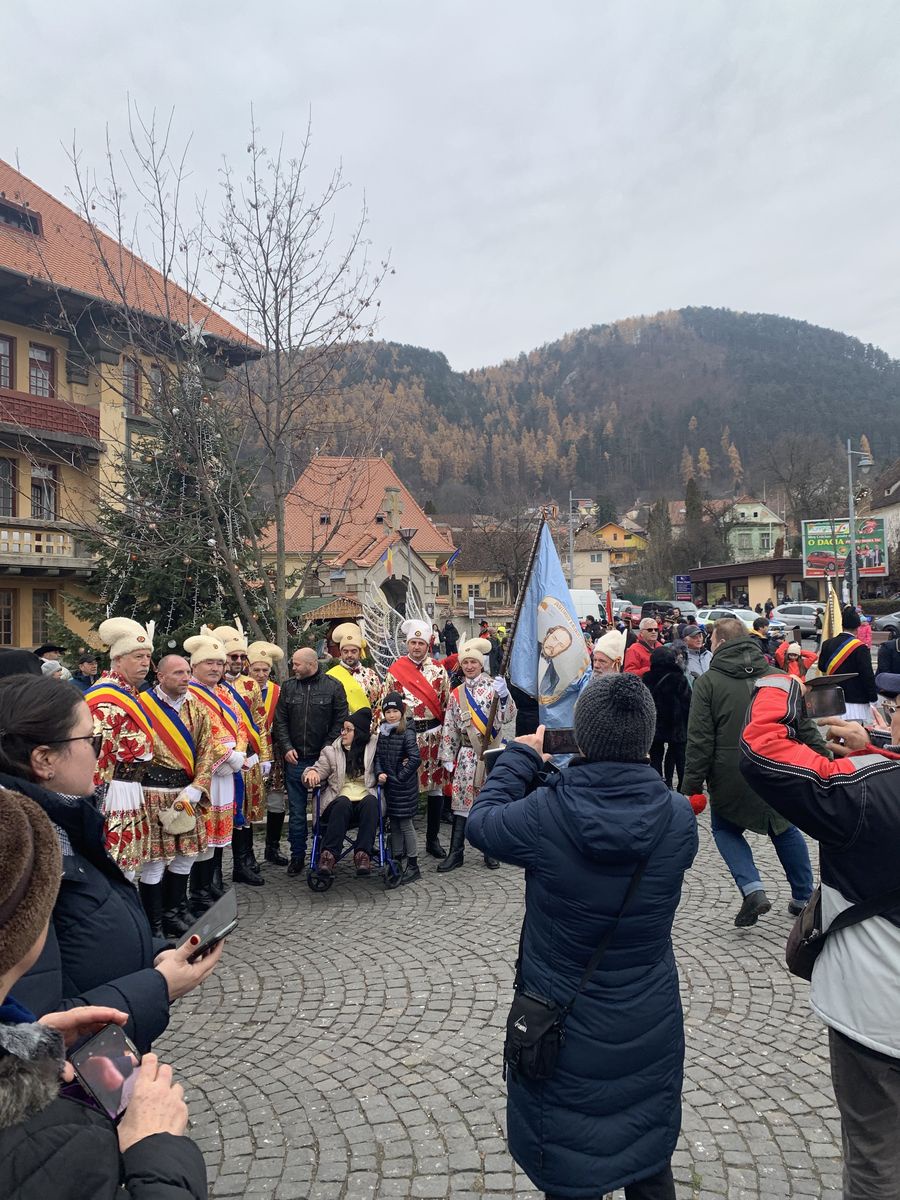
| Junii Brasovului Easter Festival (traditional youth celebration) | Easter Sunday (varies, late March or April) |
| Cerbul de Aur (Golden Deer music festival) | Late August |
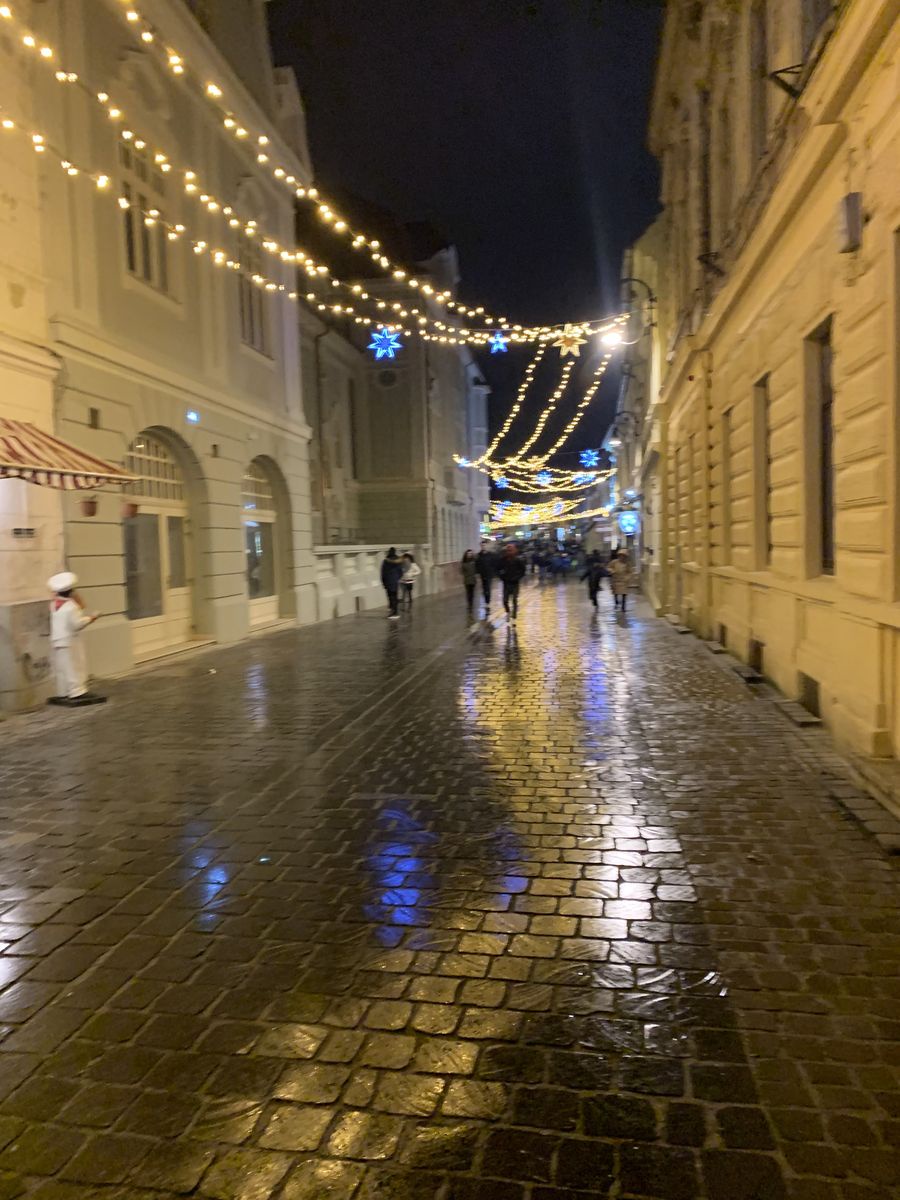
| Brasov Christmas Market in Council Square | Late November to early January |
| Brasov Jazz Festival | October |
Must-try local dishes
Romanian cooking is meat-heavy, pastry-rich, and deeply flavored. Brasov, with its mix of Romanian, Hungarian, and German heritage, offers a blend of Transylvanian cuisines. The classics are available everywhere, from sit-down restaurants to market vendors and bakeries.
- Sarmale, cabbage rolls stuffed with rice, meat, and spices, simmered in tomato sauce; the most iconic Romanian dish.
- Mici, small grilled meat rolls seasoned with garlic and caraway; usually eaten with mustard and bread.
- Mămăligă, polenta made with cornmeal and butter; often topped with egg, cheese, or sour cream.
- Papanasi, fried dough pockets dusted with powdered sugar and filled with jam; dangerously addictive.
- Ciorbă de burtă, tripe soup with sour cream and spices; a hangover cure and comfort food.
- Kürtőskalács (chimney cake), sweet spit-roasted dough rolled in cinnamon-sugar; a Hungarian specialty, found at markets and street stalls.
- Palincă, fruit brandy made locally; plum (țuică) and apricot (pălincă de caisă) are most common.
- Romanian wine, Transylvania produces excellent wines; Merlot and Pinot Noir from the region are approachable and cheap.
Souvenirs that aren't junk
Brasov and Transylvania have real craft traditions. Shopping locally supports artisans and lands you items with actual story and durability.
- Carpathian wool products, scarves, sweaters, and blankets hand-made from mountain sheep; high quality and warming.
- Hand-painted icons from Schei, sold by local artisans in the Schei district; small, transportable, and authentically Romanian Orthodox.
- Palincă, buy local fruit brandy from small producers or markets rather than tourist shops. Plum and apricot are safest bets for transport.
- Traditional pottery from Horezu, a nearby village famous for hand-painted ceramics; available at Brasov markets and shops.
- Mountain honey, local wildflower honey sold at farmers' markets and specialist shops. Often raw and with deep flavor.
Health & Medical
Romania's healthcare system is solid in cities but patchy in rural areas. Brasov has good private clinics and hospitals with English-speaking staff, making it a low-risk destination for medical issues. EU residents with EHIC cards receive free treatment in public hospitals.
- Travel insurance is essential for non-EU travelers. Public hospitals will treat emergencies but you'll receive a bill.
- Private clinics. Polisano, MedLife, and Regina Maria are the main names. Same-day appointments often available; consultations run 100 to 200 RON. English-speaking doctors are common.
- Pharmacies (farmacie) are everywhere. Look for the green cross sign. Pharmacists often dispense basic medications without a prescription.
- Vegetarian and vegan options are sparse outside the Old Town. Central Brasov has a few dedicated cafés. Traditional Romanian food is meat-centric; ask for vegetarian or vegan options directly.
- Tap water is safe and good across Brasov.
- No endemic tropical diseases. Tick-borne encephalitis exists in wooded Transylvania; vaccination is recommended if you plan extensive hiking.
- Foreign prescriptions are not directly accepted. Bring enough of your medication or consult a local doctor if staying long-term.
Legal & Substances
Romania's laws are straightforward for travelers and remote workers, with a few notable rules that differ from Western Europe.
- Marijuana is illegal. Personal possession can result in fines and a criminal record. Enforcement is inconsistent but don't test it.
- Public alcohol consumption is generally tolerated in parks and public spaces; late-night drinking near bars can draw police attention.
- Alcohol on public transport is technically prohibited. Enforcement is loose but fines are possible.
- Smoking is banned indoors in restaurants, bars, and on transit since 2011. Outdoor terraces usually permit it.
- Drinking age is 18.
- ID requirements. Carry your passport or a copy at all times. Police can stop and check ID in Romania.
Customs & Shopping
Romania is an EU country but retains some different shopping practices from Western Europe. VAT is higher and card payment is less ubiquitous than in other EU cities.
- Tax-free shopping for non-EU residents. Stores with the Tax-Free shopping logo issue a refund form. Claim VAT (19% in Romania) at the airport on departure for purchases over 300 RON.
- Cash declarations. Anything over 10,000 EUR leaving the EU must be declared.
- Restricted exports. Cultural items over 50 years old need export authorization from the Ministry of Culture. Vintage crafts and honey are fine; antique icons may trigger questions.
- Markets. Brasov has lively farmers' markets on weekend mornings in central locations. Haggling is possible but not aggressive; 5 to 10% off is standard.
Accessibility & Inclusion
Brasov's Old Town is a medieval cobblestone zone, which creates accessibility challenges. Many buildings predate modern accessibility standards. The newer cable car to Tampa Mountain is wheelchair-accessible, and many central cafés have ground-floor entry. Plan routes in advance and call ahead for sites with uncertainty.
- Cobblestones. The Old Town's charm is built on uneven medieval streets, making wheelchair and mobility aid navigation difficult.
- Hills. The city is hilly; many neighborhoods require climbing. Taxis are cheap and widely available for vertical trips.
- Tampa cable car. Modern infrastructure with wheelchair-accessible cabins and an accessible observation platform at the summit.
- Modern buildings. Newer hotels, restaurants, and shops have elevators and step-free entry; call ahead to confirm.
- Public transit. Buses are increasingly low-floor but not all are accessible; taxis are the safer bet for people with mobility challenges.
- Museums. Most smaller museums and galleries in the Old Town have stairs as the only entry; plan accordingly.
Digital Nomad Corner
Brasov is quietly becoming a digital nomad base, especially for remote workers who want lower costs than Bucharest but prefer a smaller, quieter city with mountain access.
- Internet. Fiber is expanding fast in central Brasov. Most areas in and around the Old Town clear 100 to 300 Mbps. Cafés have reliable WiFi; coworking spaces have dedicated fast connectivity.
- Coworking. Mosaic Brasov, Inhale Hub, and Kron Coworking are the main spaces. Day passes cost 40 to 60 RON; monthly memberships run 300 to 500 RON.
- Long-stay visa. Romania offers a digital nomad residence permit for remote workers. Requirements include proof of ~$3,000 to $4,000/month income, valid passport, and travel insurance. Renewable annually with minimal bureaucracy.
- Cost of living. A nomad in central Brasov can run 2,500 to 3,500 RON/month (€500 to €750) including rent (a one-bedroom in the Old Town or Schei runs 1,500 to 2,500 RON/month long-term; Airbnb is 40 to 60 RON/night), food, transit, and a coworking pass. About 30 to 40% cheaper than Budapest or Prague for the same lifestyle, and significantly cheaper than Western Europe.
For your first nights while you sort out a longer-term rental, the Belfort Hotel is a clean, well-run base a short walk from the Old Town. Parking there is somewhat limited, but the staff are helpful about making it work.
Brasov rewards staying long enough to find your favorite Old Town café, your regular hiking route into the mountains, your preferred pizza place in Schei. The major sights take two or three days. The actual rhythm of the city, the morning cof
Keep planning: Transylvania and the Dracula Legend: Myth vs History, Transylvania, Romania: Castles, Towns and Mountains and Romanian Sarmale Recipe: Cabbage Rolls the Traditional Way.