Transylvania, Romania: Castles, Towns and Mountains
Nomad Toolkit
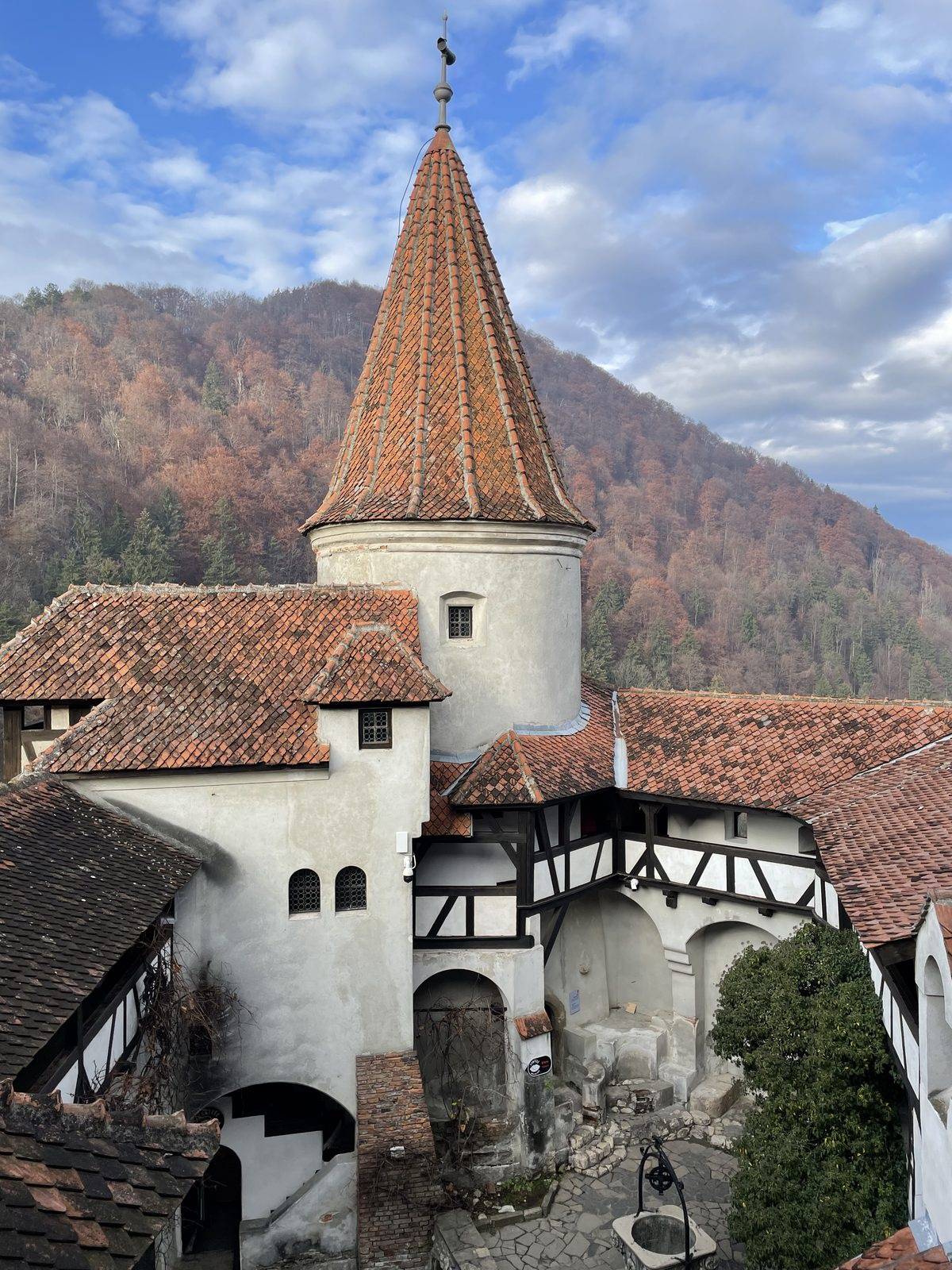
Transylvania sits in the heart of Romania and carries centuries of history in its stone, Saxon citadels, carved fortresses, mountain passes that've seen armies cross. It's the land of Bran Castle (yes, that one), Carpathian peaks that stretch across half the region, medieval cities that time mostly forgot, and villages where folk traditions still matter. For digital nomads, it's an underrated base: solid internet in the main cities (Brasov, Sibiu, Cluj-Napoca), a cost of living that won't drain your account, and enough character to keep you wanting to stay longer than you planned.
Demographics & Government
| Country | Romania |
| Regional population (Transylvania) | ~6.5 million (Romania total ~19 million) |
| Government | Parliamentary republic; EU member since 2007 |
| Religious mix | ~86% Romanian Orthodox, ~5% Protestant, ~4% Catholic |
| Time zone | EET (UTC+2) winter, EEST (UTC+3) summer; DST observed |
| Plug type | Type C and Type F (230V / 50Hz) |
| Drive side | Right |
| Tap water safe? | Yes in major cities; questionable in rural areas, bottled is safer |
| Free WiFi? | Common in cafés and hotels; coworking spots have reliable fiber |
| Best time to visit | May to October (15 to 25°C; crisp in early/late shoulder; snow December to March) |
| Emergency numbers | 112 (EU-wide), 113 (police), 115 (fire), 114 (medical) |
| Currency | Romanian leu (RON); not euro. ~4.6 RON per USD (varies) |
Overview & Vibe
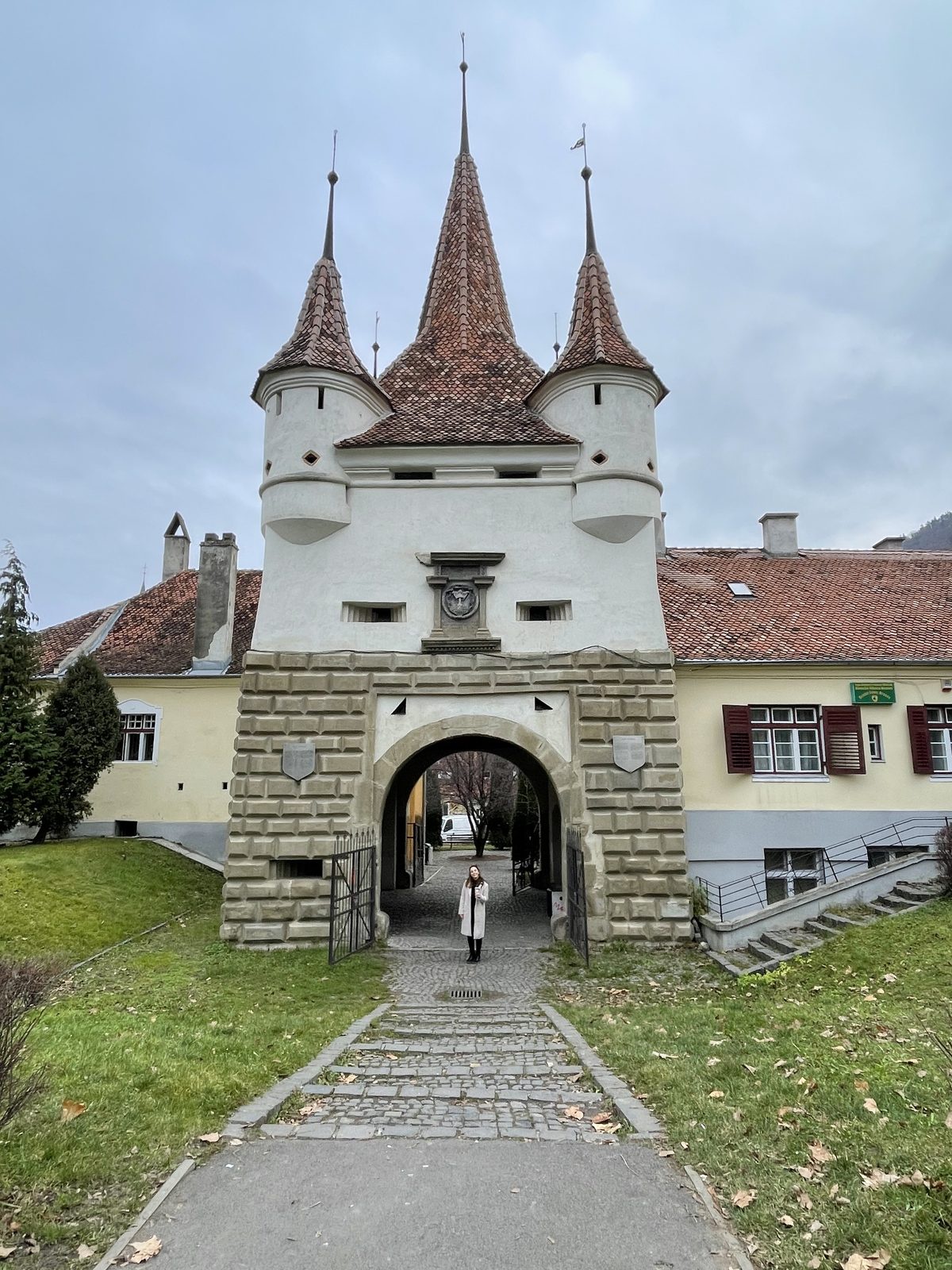
Transylvania is often mistaken for a single city, but it's a sprawling region defined by its seven Saxon citadels, Carpathian spine, and a patchwork of ethnicities, Romanian, Hungarian, German, Roma, all woven into the landscape. Brasov in the south feels like the gateway (castle hour, trails, ski resort nearby). Sibiu is quieter, its central square is genuinely gorgeous, and it's become a favored nomad hub in recent years. Sighisoara is the medieval jewel, a fortified town that looks like it walked out of a storybook. Cluj-Napoca, the region's largest city, has the energy, the bars, the coworking, and the nightlife. The mountain villages scattered between them, places like Bran, Viscri, Malancrav, haven't modernized much in decades. For digital nomads, the appeal is the mix: work in Brasov or Cluj, take weekends to hike the Carpathians or wander fortified towns. Winters are snowy and quiet. Summers are warm, tourists arrive, and the café scene peaks.
A Brief History
Transylvania belonged to the Kingdom of Hungary for most of the Middle Ages, and the German (Saxon) settlers who followed built the seven fortified cities behind the region's German name, Siebenbürgen, "seven castles". An autonomous Principality of Transylvania emerged in 1570 and spent the 16th and 17th centuries balancing Ottoman and Habsburg overlords. Romanians proclaimed union with Romania on 1 December 1918, confirmed by the Treaty of Trianon in 1920. The vampire association arrived later, courtesy of Bram Stoker's 1897 novel; Transylvania's Wikipedia page sorts the fact from the fiction.
Transportation
Transylvania has no real center, which makes getting around part of the adventure. Most nomads fly into Cluj-Napoca or Bucharest, then rent a car or hop trains between the main cities. Once you're settled, walking + local buses work fine in the cities; a car unlocks the villages.
- Drive on the right. Standard EU driving rules. Mountain roads (Transfagarasan, Transalpina) are spectacular but narrow; winter chains required October to March.
- Flights into Cluj-Napoca (Iuliu Maniu International) are cheaper and closer than Bucharest for Transylvania work. Budget airlines (Ryanair, Wizz) run frequent routes.
- Trains connect Brasov, Sibiu, Cluj in a loose triangle. FlixTrain and CFR Romanian Railways both run; book ahead during peak season.
- Bolt operates in Brasov, Sibiu, and Cluj for ride-shares; 15 to 25 RON across town. Taxis are available but use Bolt if you can.
- Car rental from Cluj costs 80 to 150 RON/day for a hatchback. Fuel is ~5.5 RON/liter (€0.75/liter). Parking in the old towns is tight; many have paid lot systems.
- Local buses in Brasov and Sibiu are cheap (2.5 to 3 RON per trip) and cover the main routes. Get a city card for discounts.
- Hiking the Carpathians requires no car if you use shuttle services or train to a trailhead, but a car opens up side valleys that buses don't reach.
Language, Customs & Etiquette
Romanian is a Romance language (descended from Latin, not Slavic), and it's hard. Good news: most people under 40 in the main cities speak English; hospitality workers learn the essentials fast. Outside the cities, English drops off sharply, but a few phrases will be warmly received.
- Greetings. Bună (hi), Bună ziua (good day), Mulțumesc (thank you), Pofta bună (bon appétit).
- Tipping. 10% at restaurants is customary. For taxis, round up. Some tourist spots add service charges, don't double-tip.
- Reserved by default. Romanians can come across as formal on first contact. Smiling helps. Warmth emerges once you're past small talk.
- Religious respect. Orthodox churches are open to visitors; cover shoulders and knees. Photography is often forbidden inside, ask first.
- Photography in old towns. Generally fine outdoors; inside museums, check signs. Don't photograph people without asking.
- Bargaining. Not customary in shops. Haggling works at farmers markets and flea markets, but not in restaurants or tourist shops.
- Cash etiquette. Many places in towns accept card now, but village shops and rural restaurants are cash-only. Don't show large sums.
Safety & Security
Transylvania's violent crime rate is low. Pickpockets work the crowded spots. Mountain trails are safe but require preparation. Small-town Romania is generally very safe, but some routines matter.
- Pickpocketing happens in busy train stations, crowded public transit, and packed town squares. Front pockets or zipped bags only. Keep valuables out of sight.
- Tourist scams cluster around train stations and cheap hotels. Unmarked taxis will charge triple the rate. Use Bolt or ask your accommodation for a fair number.
- Dog packs in rural areas are a real concern. Stay calm, back away slowly, don't run. Most villages have leashes on the bigger animals, but hiking off-trail means you might encounter strays. Make noise on trails.
- Mountain trails are marked but sometimes faintly. Get a map or download offline routes before heading out. Weather can shift fast; start early and turn back if conditions worsen.
- LGBTQ+. Legal recognition exists, but anti-LGBTQ sentiment is still common outside progressive urban centers like Cluj. Pride events happen; use discretion in rural villages.
- Race / ethnicity. Romania has low racial diversity. Visible minorities sometimes report stares or unwelcoming attitudes outside the main cities. Brasov, Sibiu, and Cluj are more cosmopolitan.
- Solo female travelers generally fare well. Standard urban precautions; avoid isolated areas at night.
Weather & Climate
Transylvania has a continental climate with cold, snowy winters and warm, clear summers. Spring and fall are the sweet spots. Summer brings hikers and families; winter is quiet but roads can be treacherous. Expect the Carpathians to be at least 5°C cooler than the lowlands.
| Month | Avg High | Avg Low | Notes |
|---|---|---|---|
| January | 2°C / 36°F | -4°C / 25°F | Snow common; ski resorts open; quiet, grey |
| February | 5°C / 41°F | -2°C / 28°F | Still wintry; ski season peak |
| March | 10°C / 50°F | 0°C / 32°F | Thaw starts; variable, wet |
| April | 16°C / 61°F | 5°C / 41°F | Spring blossoms; fewer tourists |
| May | 21°C / 70°F | 10°C / 50°F | Warm, blooming alpine meadows; hiking season opens |
| June | 24°C / 75°F | 13°C / 55°F | Long days, festival season, growing crowds |
| July | 27°C / 81°F | 15°C / 59°F | Peak summer; peak tourists; clear nights for stargazing |
| August | 27°C / 81°F | 15°C / 59°F | Hot days, cool nights; best for long hikes |
| September | 23°C / 73°F | 11°C / 52°F | Crisp, golden; crowds thin; ideal for nomads |
| October | 16°C / 61°F | 6°C / 43°F | Foliage peak; cool mornings; first snow on peaks |
| November | 8°C / 46°F | 0°C / 32°F | Grey, wet, roads getting icy |
| December | 3°C / 37°F | -2°C / 28°F | Snow, festive markets in Brasov and Sibiu, quiet |
What to pack. Layers year-round. Waterproof jacket and solid hiking boots for summer and shoulder season. Winter means a heavy puffer, snow boots, and chains if you're renting a car. A swimsuit won't hurt if you're planning the salt mines or any of the few thermal pools in the region.
Logistics & Practical Info
Getting the day-to-day basics sorted in Transylvania is straightforward. The main cities have all the infrastructure remote workers need. Currency, utilities, connectivity, here's what you need to know.
- Currency. Romanian leu (RON), not euro. Cards work in most central shops and all banks. Keep cash for farmers markets, small villages, and tips.
- ATMs. Widely available in cities. Skip Euronet (high fees). Use any major bank ATM (BCR, BRD, CEC).
- Tap water. Safe in Brasov, Sibiu, and Cluj; questionable in small villages and mountain areas. Bottled water is cheap and ubiquitous.
- Free WiFi. Common in cafés, hotels, and coworking. Fiber internet is available in all major cities; speeds regularly hit 300+ Mbps.
- SIM cards. Vodafone, Orange, and Digi all sell prepaid plans. 20 to 50 GB runs 30 to 60 RON for 30 days. Passport required at purchase.
- Money apps. Revolut and Wise both handle RON without conversion fees. Paypal works for some shops.
- DST. Yes. Last Sunday in March (forward) and last Sunday in October (back).
- Internet censorship. Minimal. Standard EU rules apply.
Attractions & Activities
Transylvania's main appeal isn't one sight, it's the layering of sights, villages, mountains, and history. A month here won't exhaust the exploration. Here are the headline stops most nomads hit.
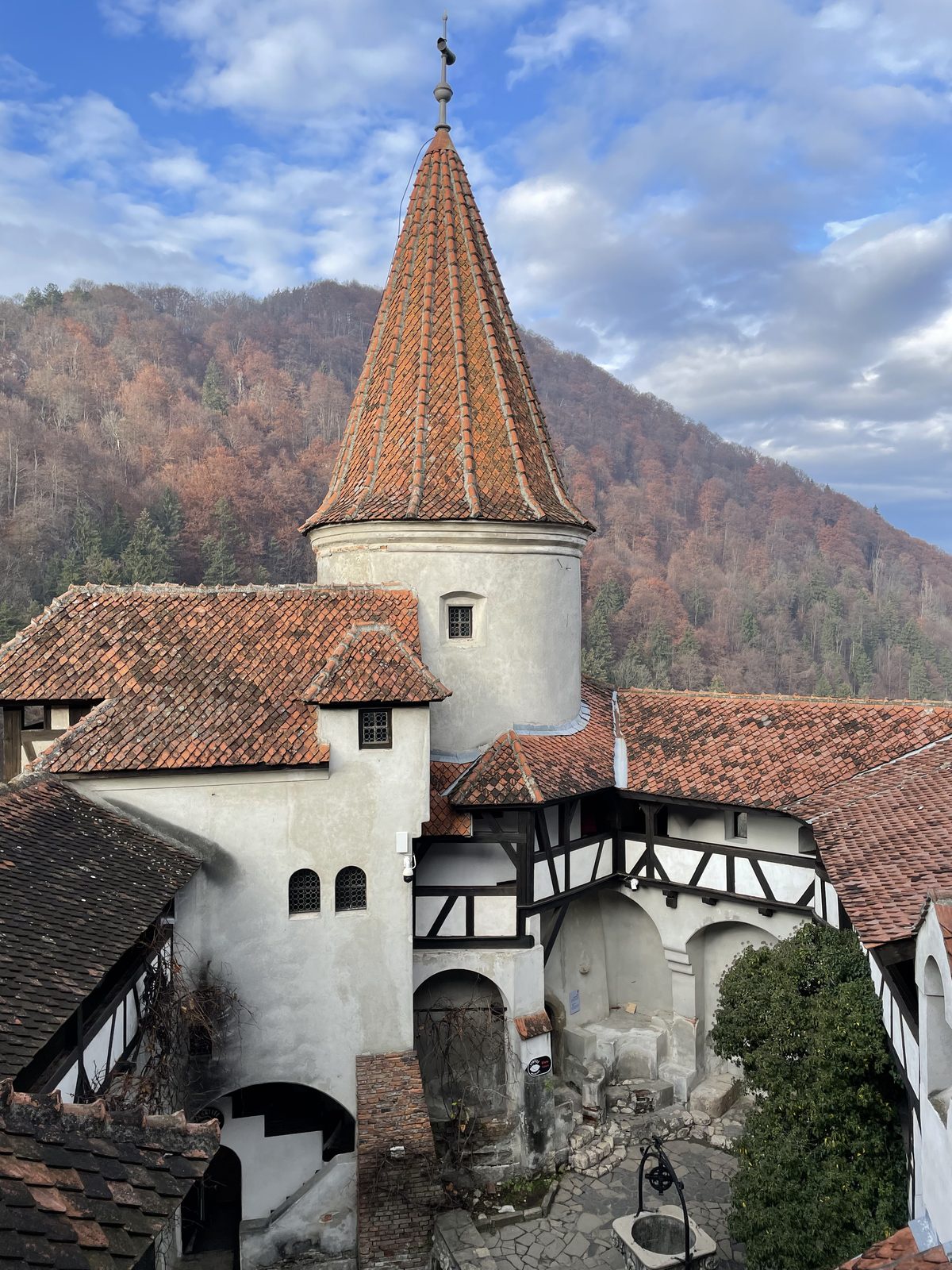
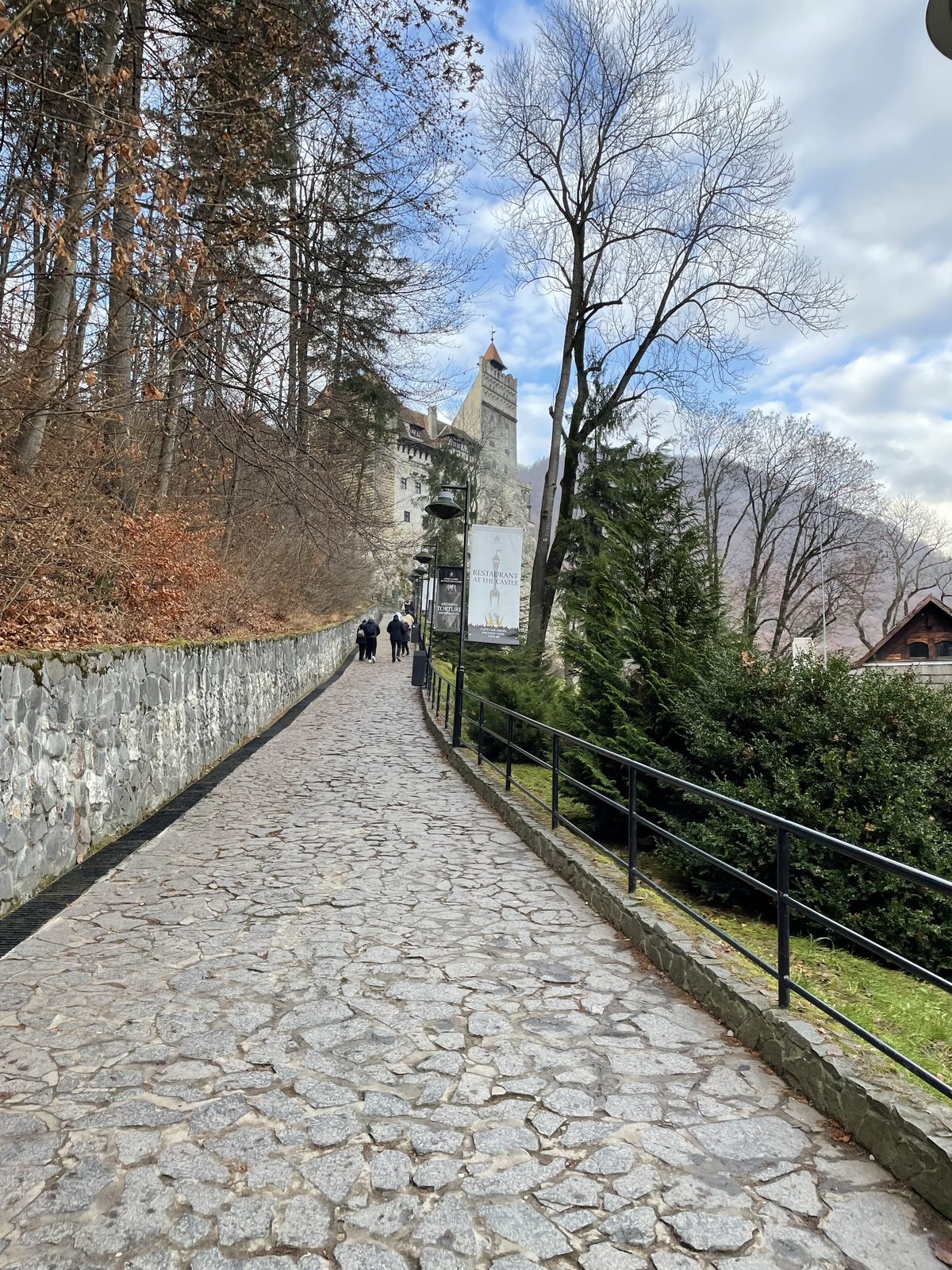
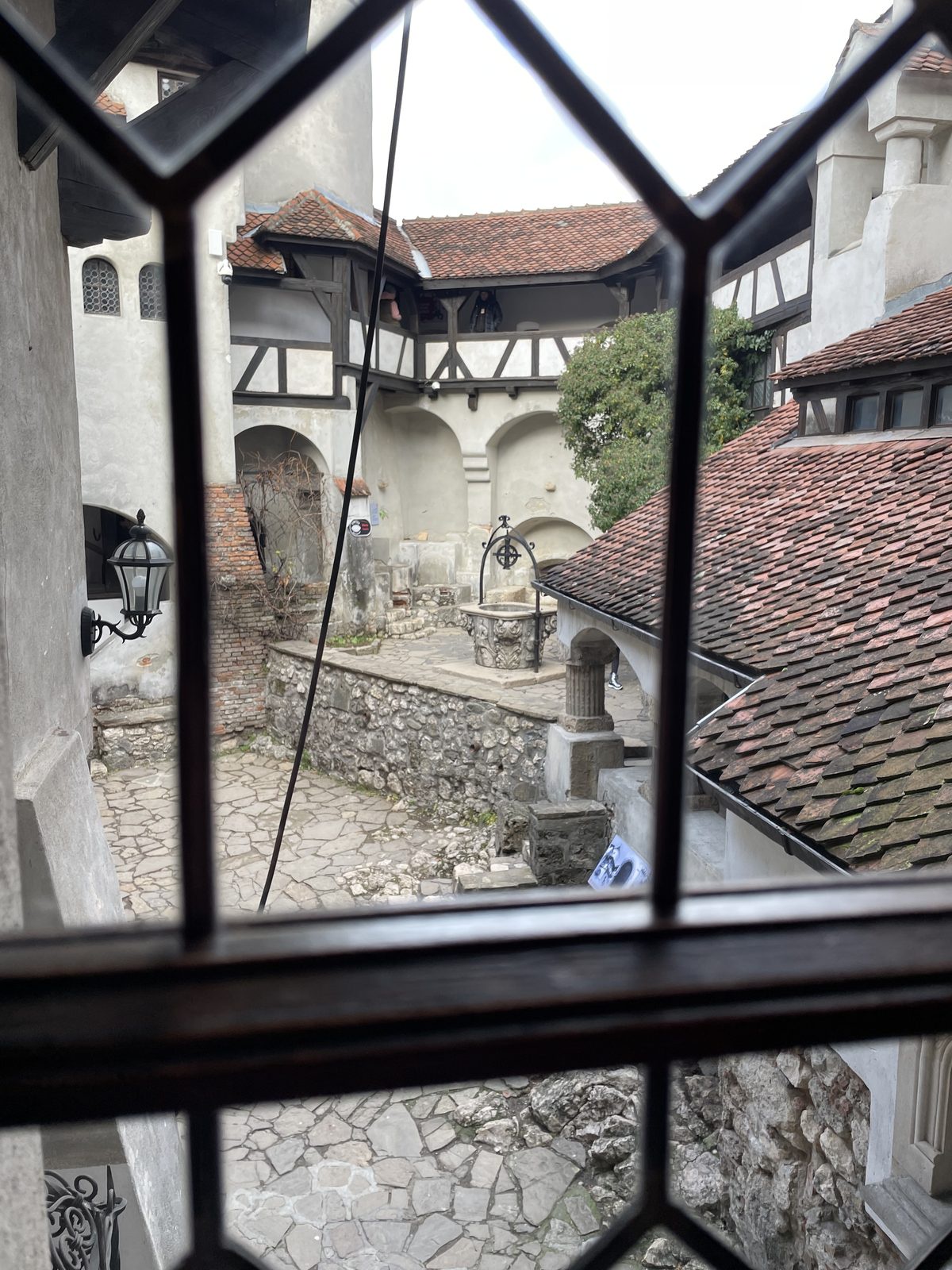
- Bran Castle (Wikipedia), the famous castle south of Brasov. Fortress from the 13th century, rebuilt with Victorian touches. Tours packed in summer; go early or off-season.
- Peles Castle, Sinaia (Wikipedia), south of Transylvania, between Bucharest and Brasov. Neo-Gothic palace with jaw-dropping interiors and mountain views. Worth a day trip; parking near the castle is tight, but the grounds earn the hassle. For lunch afterward, Foișorul cu Flori in Sinaia does good food at fair prices.
- Black Church (Brașov) (Wikipedia), the tallest medieval church in Romania, inside a Gothic envelope. Comb the side streets of Brasov's old town while you're there.
- Sibiu Old Town (Piața Mică), the town square that every guide loves. Pastel buildings, cafés, the Brukenthal Museum. Quieter and more livable than Brasov.
- Sighișoara Medieval Citadel (Wikipedia), one of Europe's best-preserved medieval towns, still inhabited. Fortress walls, cobblestone streets, Dracula's birthplace (tourism myth, but a fun excuse). Go early to dodge day-trippers.
- Corvin Castle, Hunedoara (Wikipedia), a Gothic-Renaissance fortress in western Transylvania with a fairytale silhouette. Fewer tourists than Bran; worth the detour.
- Turda Salt Mine (Wikipedia), descend 120 meters into a Baroque-era salt mine. Cool year-round (11°C / 52°F), with a lake and green lights. Touristy but genuinely worth an hour.
- Transfagarasan Road (Wikipedia), the highest paved road in Romania, cutting through the Carpathians. Stunning hairpin turns, alpine passes, small ski towns en route. Late May to October only; winter closures are strict.
- Cluj-Napoca, the regional hub. Arts scene, student bars, live music venues, decent coworking, and the night-life pulse. Unirii Square is the heart; walk the old town and the new cultural quarter (MNAC).
- Carpathian hiking, day hikes from Brasov, multi-day treks via the Piatra Mare or Fagaras ranges. Mountain huts (cabane) offer basic shelter. Trails are marked but faintly; offline maps essential.
Festivals and major events
Transylvania's calendar fills with folk festivals, theater events, and winter celebrations. Many are regional; plan around them if culture matters to your stay.
| Event | When |
|---|---|
| Sibiu International Theatre Festival | June |
| Sighișoara Medieval Festival | July |
| Untold Festival (Cluj-Napoca, electronic music) | August |
| Easter celebrations (Orthodox, town-wide) | Spring (April/May) |
| Christmas markets and lights (Brasov, Sibiu) | Late November to early January |
Must-try local dishes
Romanian food is hearty, meat-forward, and built for cold weather. Transylvania also carries Hungarian and German influences, especially in Sibiu and Sighisoara. You'll eat a lot of bread, sour cream, and paprika. That's not a bad thing.
- Sarmale, cabbage or grape leaves rolled around spiced ground meat and rice. Every family has a recipe. Serve with sour cream.
- Mici, thin, seasoned grilled sausages (skinless). Order a plate with mustard and bread. Street food, but also in restaurants.
- Ciorbă de burtă, tripe soup with paprika, garlic, and a splash of vinegar. More interesting than it sounds; warming after a cold hike.
- Mămăligă, cornmeal porridge, often topped with cheese and an egg. Breakfast or side dish; comfort food.
- Papanasi, fried dough puffs dusted with powdered sugar and dolloped with jam and sour cream. Dangerously good.
- Cozonac, sweet bread with walnuts and cocoa, traditionally baked for holidays. Bakeries sell it year-round.
- Tuică or Palincă, homemade plum brandy, fiercely strong (40 to 70% ABV). Every village has someone making it. Sip slowly.
Souvenirs that aren't junk
Transylvania's craft heritage is real. You can buy junk in the tourist shops, but real artisanal items exist if you poke around markets and village craft studios.
- Hand-painted icons, Orthodox religious art, often on wood. Buy from small artisans in villages like Viscri rather than tourist shops.
- Embroidered linen (cămașă), traditional Romanian blouses and table linens. Look for hand-stitched pieces; machine-made knock-offs flood the markets.
- Sheepskin and wool products, felted rugs, warm slippers, traditional jackets. Transylvania's shepherds still produce these.
- Palincă, take a bottle of good fruit brandy from a village distillery, not a supermarket brand.
- Pottery from Horezu, if you venture south, the village of Horezu (in Wallachia, south of Transylvania) produces distinctive hand-thrown ceramics. Some potters sell at farmers markets in the cities.
- Beeswax candles, monasteries and village craft shops sell them. Burn clean and smell good.
Health & Medical
Romania's healthcare system is solid, especially in the main cities. Private clinics are well-equipped, English-speaking, and cheaper than Western Europe. EU residents with an EHIC card get public hospital access; everyone else should carry travel insurance.
- Travel insurance is essential for non-EU travelers. Private clinics will treat you upfront; public hospitals may bill later.
- Private clinics in Brasov, Sibiu, and Cluj offer same-day appointments. MedDental, Ares, and Medicover are reliable chains. Consultations run 200 to 500 RON (€40 to 100).
- Pharmacies (farmacie) are abundant and stocked. Look for the pharmacy sign. Many medications available without prescription.
- Vegetarian and vegan options have grown in Cluj and Brasov but are limited in smaller towns. Ask restaurant staff for meniu vegetarian. Egg-based dishes and soups are usually available.
- Dentistry is a popular reason for medical tourism to Romania. Expect to pay 30 to 50% of Western prices for quality work.
- Tick-borne encephalitis exists in Romania's forests. Vaccination is recommended if you're hiking extensively. Lyme disease is also present; use insect repellent and check yourself after forest time.
- Foreign prescriptions are not directly accepted. Bring 3 months of medication or obtain a script from a local doctor if staying longer.
Legal & Substances
Romania's laws are broadly aligned with EU norms, but enforcement in rural areas can be lax. A few things to know before you arrive.
- Marijuana is illegal. Possession can result in fines and a criminal record. The law is strict; don't risk it.
- Public alcohol consumption is tolerated in parks and outside bars; some city ordinances restrict it after dark in tourist districts.
- Alcohol on public transport is technically prohibited, though enforcement is loose.
- Smoking is banned indoors in restaurants and on public transit since 2012. Outdoor terraces and streets are fine.
- Drinking age is 18. ID is sometimes checked but rarely.
Customs & Shopping
Shopping in Transylvania ranges from farmers markets to malls. A few things to know about customs, tax, and what you can take home.
- VAT (tax) is 19% on most goods. Non-EU residents can claim Tax-Free refunds for purchases over €175 at departure; ask the shop for the form.
- Farmers markets are the cheapest way to buy fresh produce, cheese, and honey. Most towns have a weekly market; Brasov's is huge on Saturday mornings.
- Alcohol exports. Wine and palincă can be taken out of Romania, but larger quantities may trigger customs questions. A couple bottles are fine.
- Cash declarations. Anything over €10,000 leaving the EU must be declared.
Accessibility & Inclusion
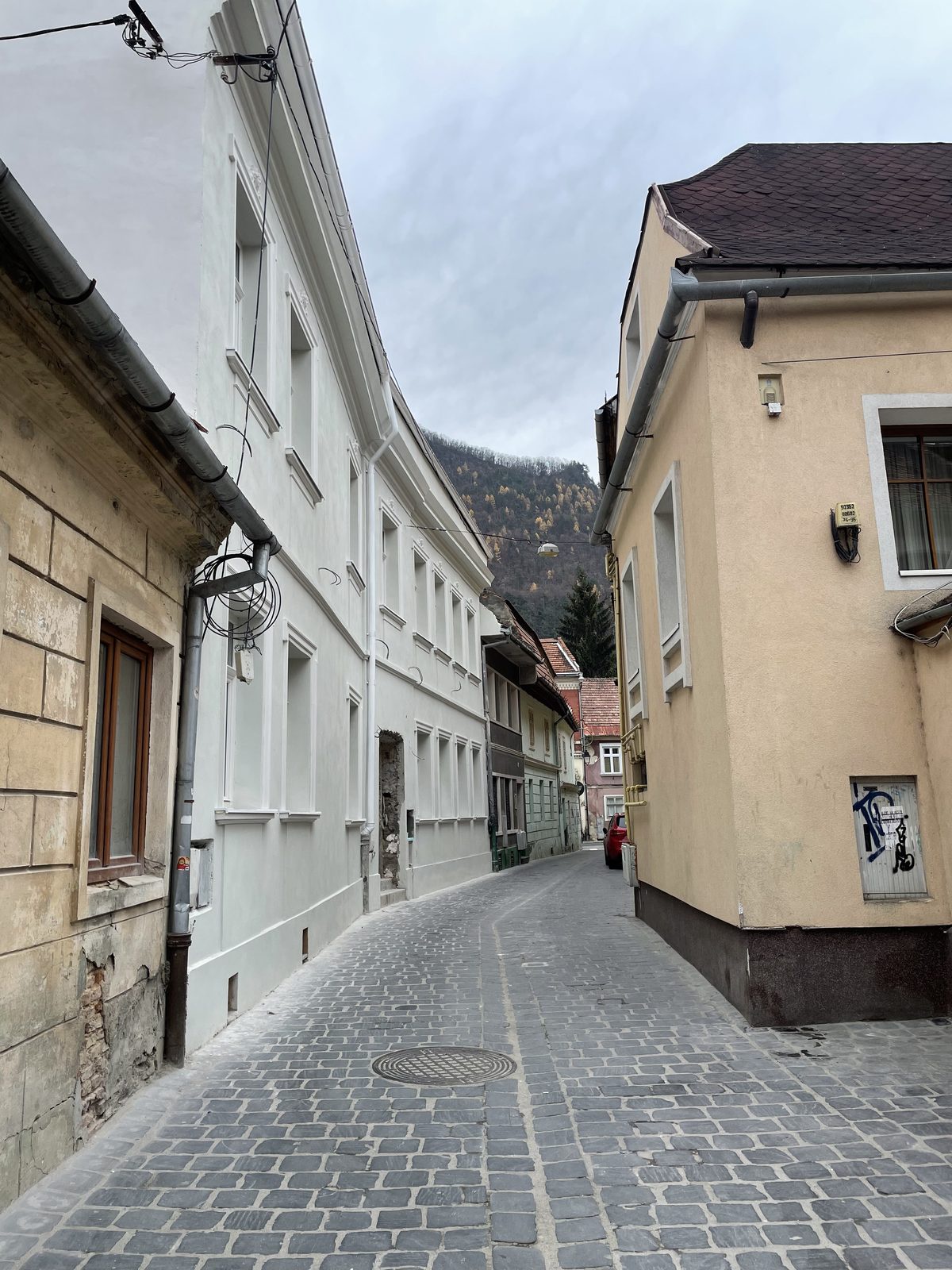
Transylvania's medieval towns are beautiful but not wheelchair-friendly. Cobblestone streets, steep hills, and narrow passages dominate the old towns. Mountain villages have almost no accessibility infrastructure. Cluj-Napoca and Sibiu are the most accessible cities, with some modern buildings and ramps.
- Accessible accommodations exist in Brasov, Sibiu, and Cluj but are limited. Book ahead and call properties to confirm.
- Historic sites like Bran Castle and Sighisoara have stairs as the primary access; some have alternate entrances but limited facilities.
- Public transit in the cities has some low-floor buses, but cobblestone pavements and old buildings limit general walkability for people with mobility issues.
- Rural villages have almost no accessible infrastructure; roads are unpaved, houses are on hillsides, and facilities are minimal.
- Service animals are generally accepted in hotels and restaurants, though this isn't formalized.
Digital Nomad Corner
Transylvania has surprised a lot of digital nomads with its livability. Fiber internet is solid in all major cities. Coworking exists but is smaller than in Budapest or Prague. The cost of living is excellent, and the remote-work tax situation in Romania has historically been favorable (though rules change; check current status).
Transylvania's appeal to nomads is the combination: good internet, low rent, walkable cities with café culture, and mountains on the weekend. You won't find the density of coworking spaces or the nightlife buzz of a capital city, but you'll find a quieter, more thoughtful pace.
- Internet. Fiber is widespread in Brasov, Sibiu, and Cluj. 300+ Mbps is standard. Cafés have reliable WiFi; if you're staying longer, get a residential fiber connection.
- Coworking. Spaces in Brasov (Cowork Brasov) and Cluj (Hub Space, Deșteptarea) exist but are smaller than major European hubs. Day passes 50 to 80 RON; monthly memberships 400 to 700 RON.
- Digital nomad visa. Romania's digital nomad visa (valid up to 1 year, renewable) requires proof of stable income (~€2,500/month historically, though rules shift). Check official sources for current requirements. Some EU digital nomad visas apply to Romania.
- Tax status. Romania historically offered favorable tax treatment for IT professionals and remote workers, with 100% tax remission for qualifying incomes. Rules change regularly; consult a tax advisor if staying long-term. For short-term stays (under 183 days/year), your home country usually taxes you.
- Cost of living. A nomad in central Brasov or Sibiu can live on €900 to 1,400/month including rent (one-bedroom 1,200 to 1,800 RON/month long-term, 3,500+ RON/month on Airbnb short-term), food, utilities, transit, and a coworking day pass. Cluj is slightly more expensive. This is 50 to 60% cheaper than Western Europe for equivalent comfort.
Transylvania rewards patient travelers. The headline sights, the castle, the citadels, the peaks, take a week to check off. The actual life of the region, the thing that keeps people here for months, emerges slower: a favorite café in Sibiu, Sunday hikes in the Carpathians, dinners in small restaurants where the owner brings out homemade palincă, conversations with locals who've watched the region change. That's the stay worth planning for.
Keep planning: Transylvania and the Dracula Legend: Myth vs History and Alborz, Iran: Your Complete Travel and Remote Work Guide.