Duck: Outer Banks Beach Town
Nomad Toolkit
Overview & Vibe
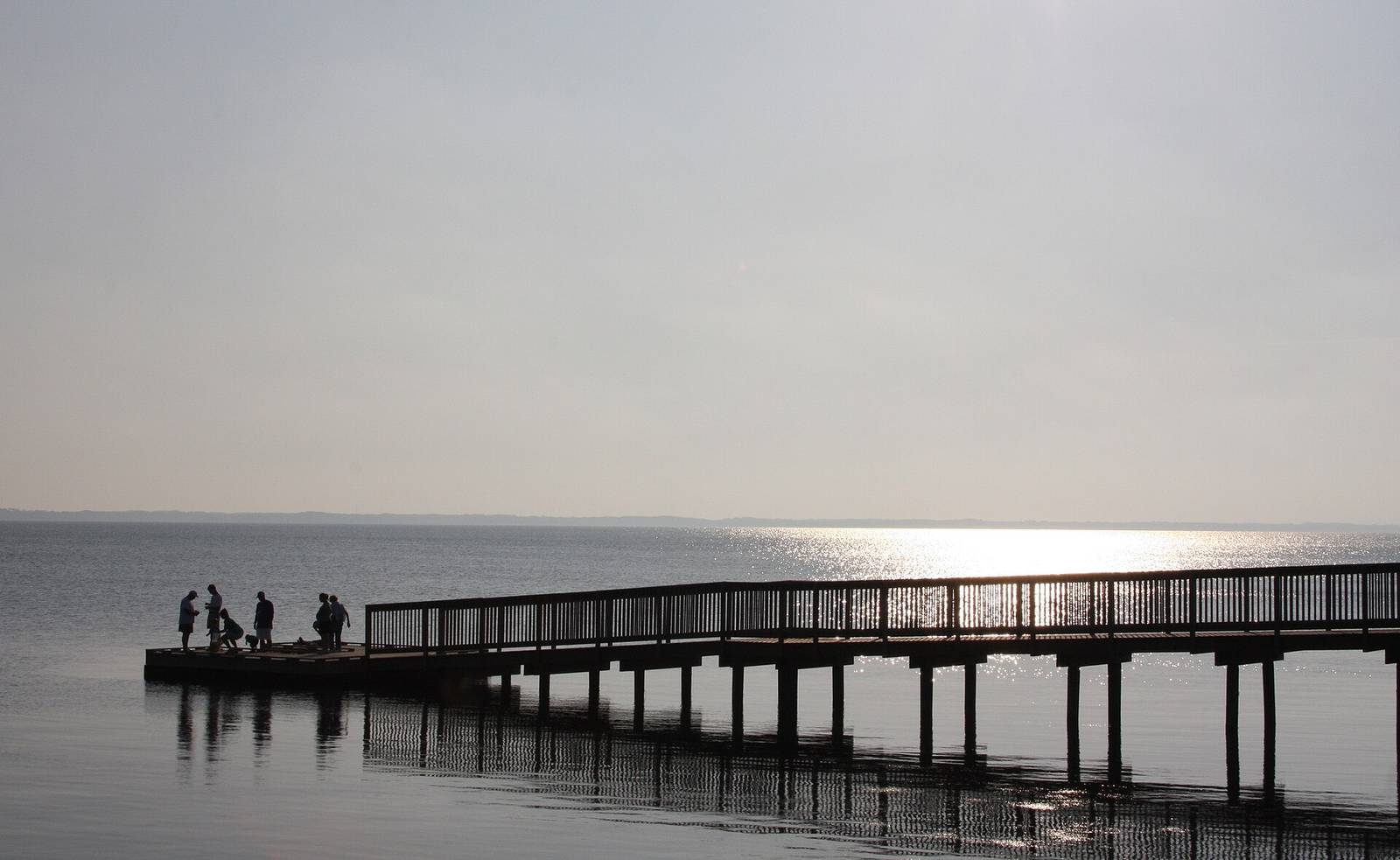
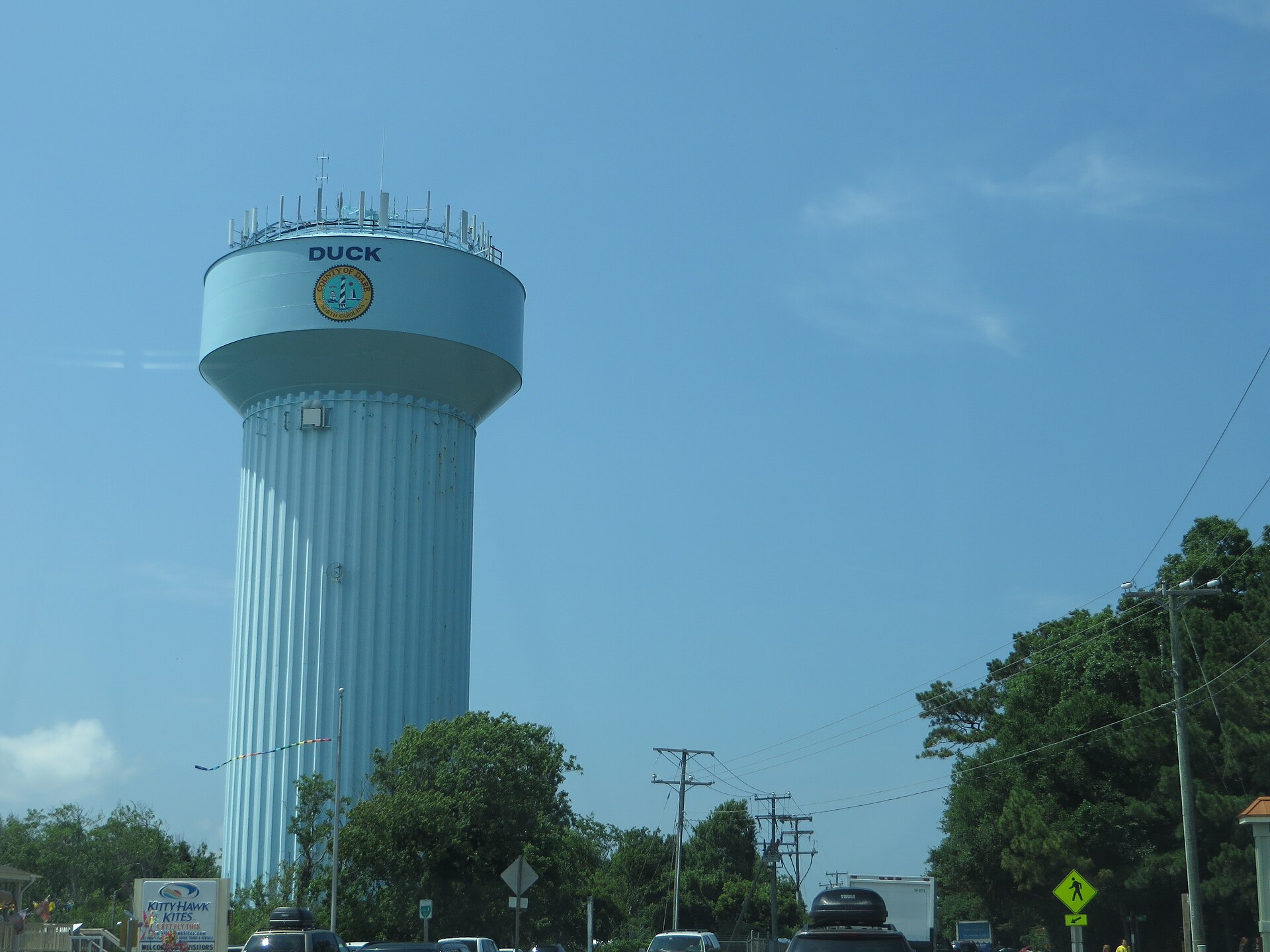
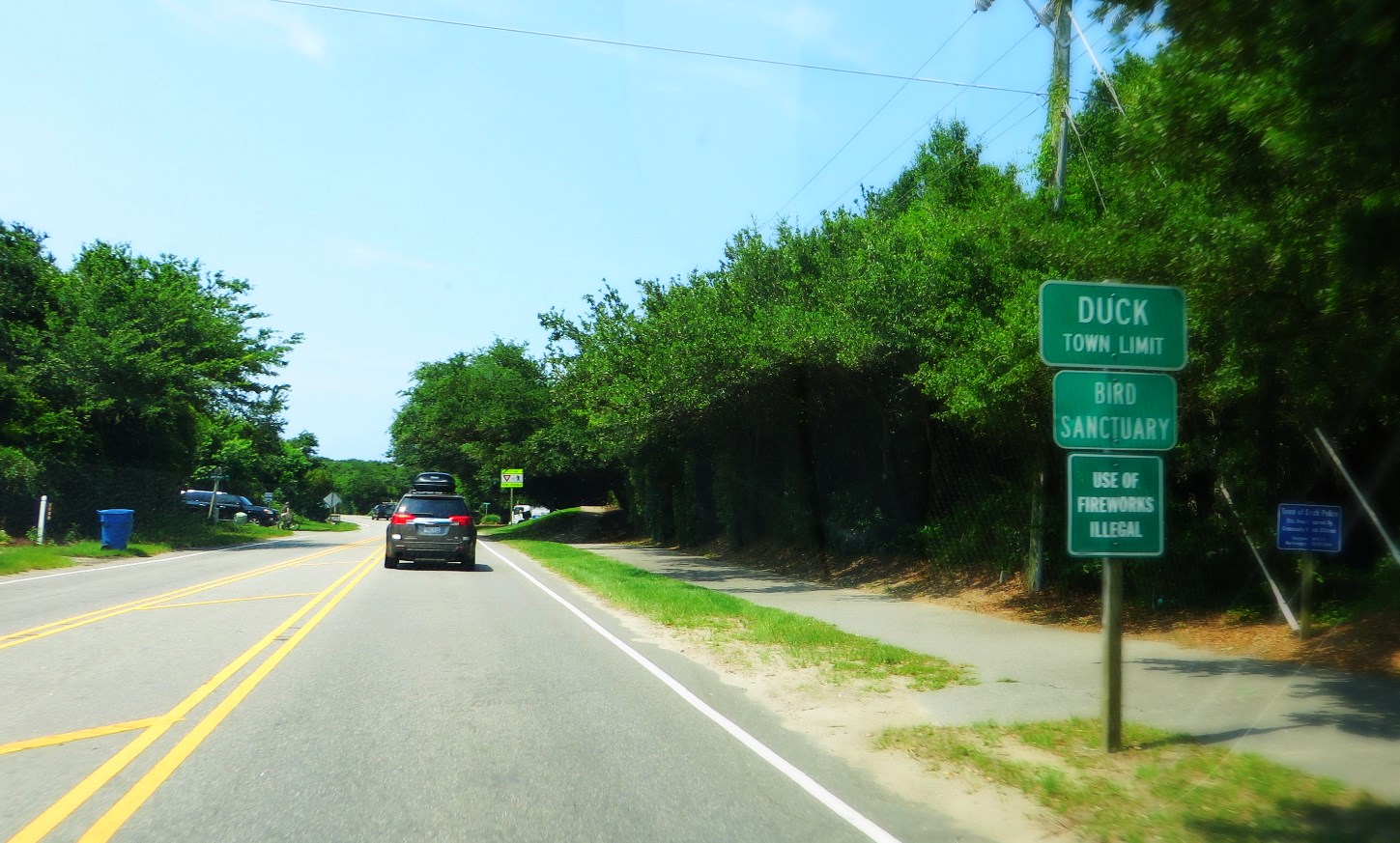
Duck is a town of 742 people on the northern Outer Banks of North Carolina, set on a strip of sand between the Atlantic Ocean and Currituck Sound. It is the newest incorporated town in Dare County, and in July its rental homes swell the population to roughly 25,000. The vibe is quiet and family-first: cedar-shake houses, a walkable soundside village of shops and restaurants, and zero boardwalk-arcade noise. The whole town is posted as a bird sanctuary, and fireworks are illegal.
Duck attracts families on weekly summer rentals, couples in the shoulder months, and remote workers who book monthly stays after Labor Day, when the beach empties and rates drop hard.
A Brief History
The area took its name from the waterfowl that drew market hunters here in the 1800s, and it shifted from Currituck County to Dare County in the early 20th century. The Caffeys Inlet Lifesaving Station, built on the beach nearby in 1899 and listed on the National Register of Historic Places in January 1978, now houses a restaurant at the Sanderling Resort. Incorporation came late: a bill introduced on March 28, 2001 passed that August, voters approved it on November 6, 2001, and Duck became Dare County’s sixth town on May 1, 2002.
Transportation
There is no airport, train, or bus service. You drive in on US 158 across the Wright Memorial Bridge, then north on NC 12, called Duck Road, the only road through town. Norfolk International Airport is 75 miles north, about a 1 hour 45 minute drive; Raleigh-Durham is 200 miles inland. Uber and Lyft coverage is thin, so plan on a rental car.
The Duck Trail, a paved multi-use path, runs the full length of town beside NC 12, and most people get around by bike once they arrive. Parking at Town Park is free but fills by mid-morning in summer. Americans drive on the right.
Rental turnover happens on Saturdays. Arrive or leave midweek and you will skip the worst of the NC 12 crawl.
Language, Customs & Etiquette
English is spoken everywhere, with a soft coastal-Carolina friendliness: drivers wave you into traffic and strangers say good morning on the trail. Tip 15 to 20 percent at restaurants. Beach etiquette carries weight here. Fill in any holes you dig, pack out trash, and keep oceanfront lights off after 9 pm during sea turtle nesting season, May through August. Prices are fixed; nobody bargains.
Safety & Security
Crime is close to a non-issue. Dial 911 for emergencies. The real risks are natural: rip currents kill more visitors than anything else on the Outer Banks, so swim near the seasonal lifeguard stands, staffed Memorial Day through Labor Day. Hurricane season runs June through November, and Dare County issues evacuation orders when storms threaten. Solo travelers, including women, report feeling safe, and the town is welcoming to LGBTQ+ visitors, though North Carolina state law offers limited protections.
Weather & Climate
Duck marks the northernmost point of hardiness zone 8b on the US east coast: humid summers, mild winters, and wind almost every day. Sea temperatures below are NOAA averages measured at Duck; air temperatures are typical ranges.
| Season | Typical high | Typical low | Avg sea temp |
|---|---|---|---|
| Winter (Dec to Feb) | 45 to 55°F | 34 to 40°F | 44 to 52°F |
| Spring (Mar to May) | 58 to 74°F | 44 to 60°F | 46 to 67°F |
| Summer (Jun to Aug) | 83 to 88°F | 70 to 75°F | 71 to 74°F |
| Fall (Sep to Nov) | 62 to 80°F | 48 to 66°F | 59 to 75°F |
Pack layers and a windbreaker in any month. May, June, and September are the sweet spots: warm water, open restaurants, and no July crowds. Nor’easters can chew up the beach between October and March.
Logistics & Practical Info
Duck sits in the Eastern time zone and uses US Type A and B plugs at 120V. Tap water is safe. For groceries, Wee Winks Market covers basics in the village and a Harris Teeter supermarket sits 7 miles south in Kitty Hawk. Spectrum cable internet serves the town, and Verizon and AT&T both hold LTE signal. There is no internet censorship. Expect shorter shop hours, and some closures, in January and February.
Attractions & Activities
Duck Town Park packs 11 acres with maritime forest trails, a free summer amphitheater series, and a kayak launch, and the soundside boardwalk runs 0.78 miles along Currituck Sound past shops and restaurants. The town stages over 60 free summer events, from Movies on the Sound to Yoga on the Green, and the free Duck Jazz Festival draws national acts each October. Duck Donuts started here in 2007; the original shop still hands over warm made-to-order donuts for about $2 each.
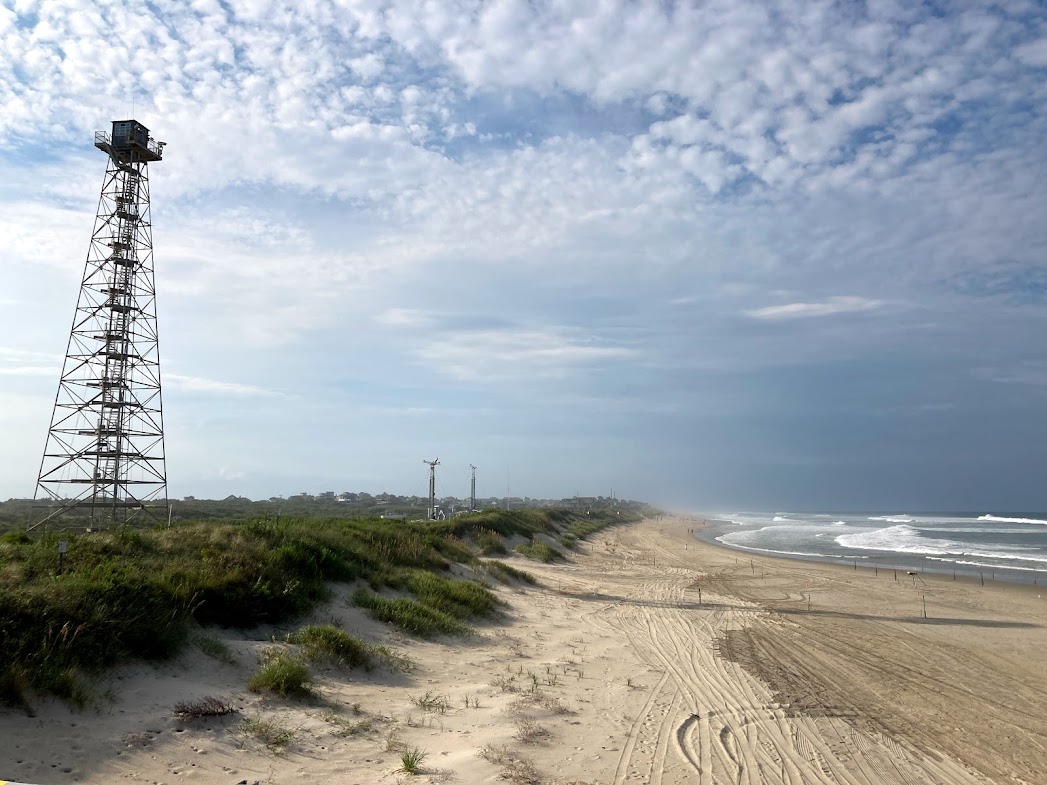
On the beach you will spot the Army Corps of Engineers research pier, an 1,840-foot instrument-covered span that has measured every wave here since 1977. Rent kayaks or paddleboards in the village and work the calm sound side in the morning.
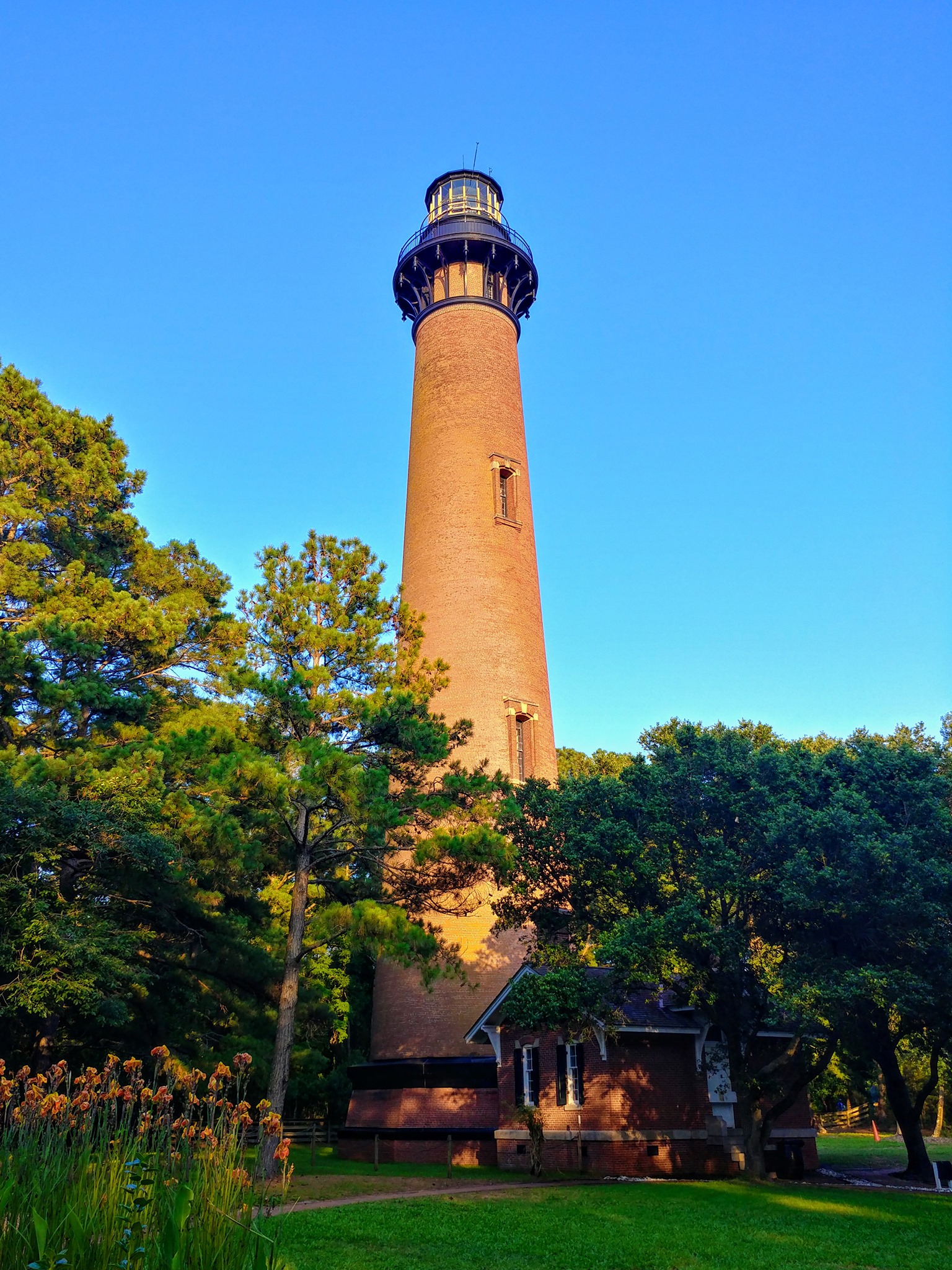
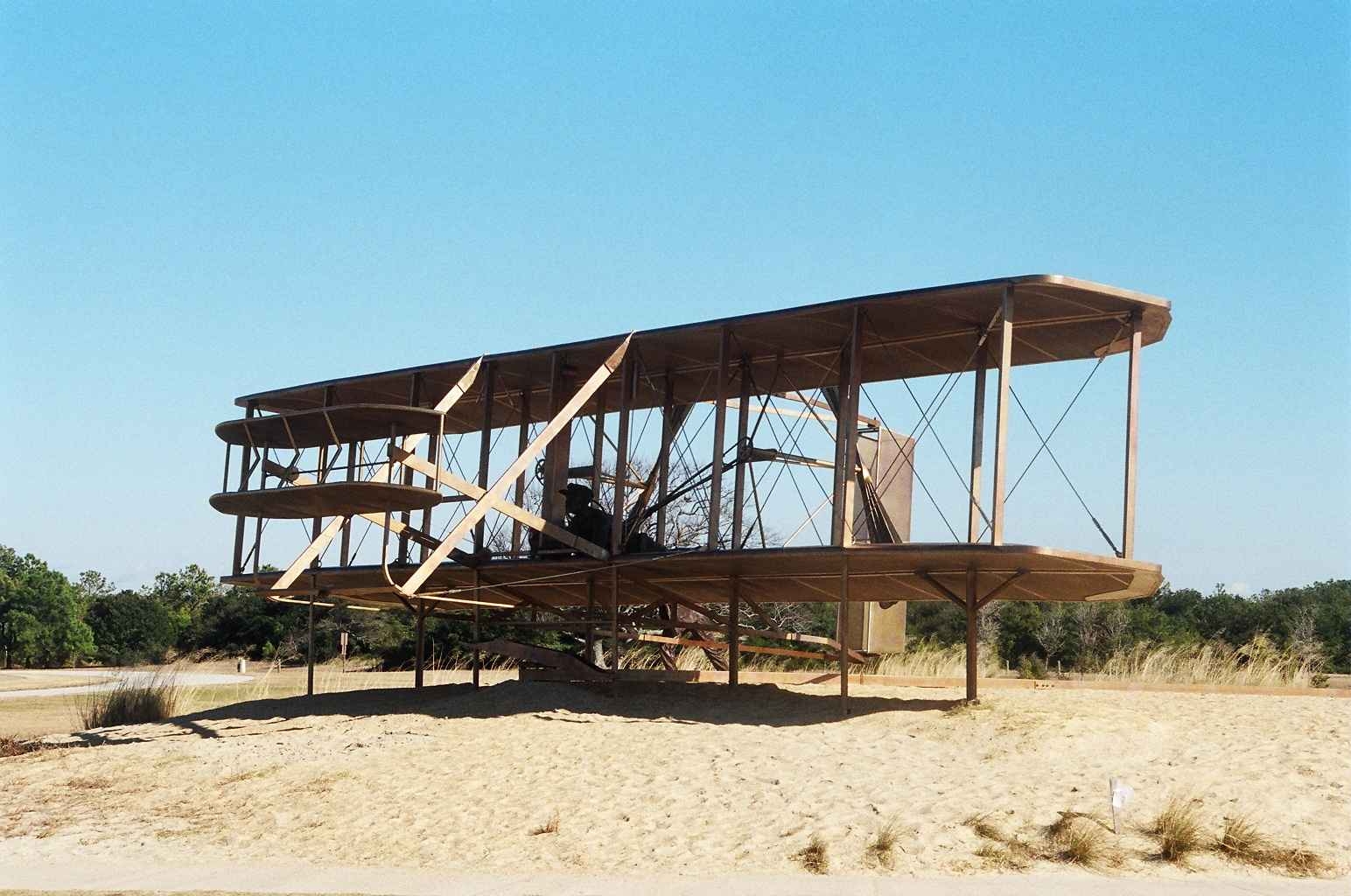
Three day trips anchor the area. The red-brick Currituck Beach Lighthouse in Corolla, 7 miles north, dates to 1875 and rewards a 220-step climb with the best view on the northern banks. Wright Brothers National Memorial in Kill Devil Hills, 10 miles south, marks where powered flight began on December 17, 1903.
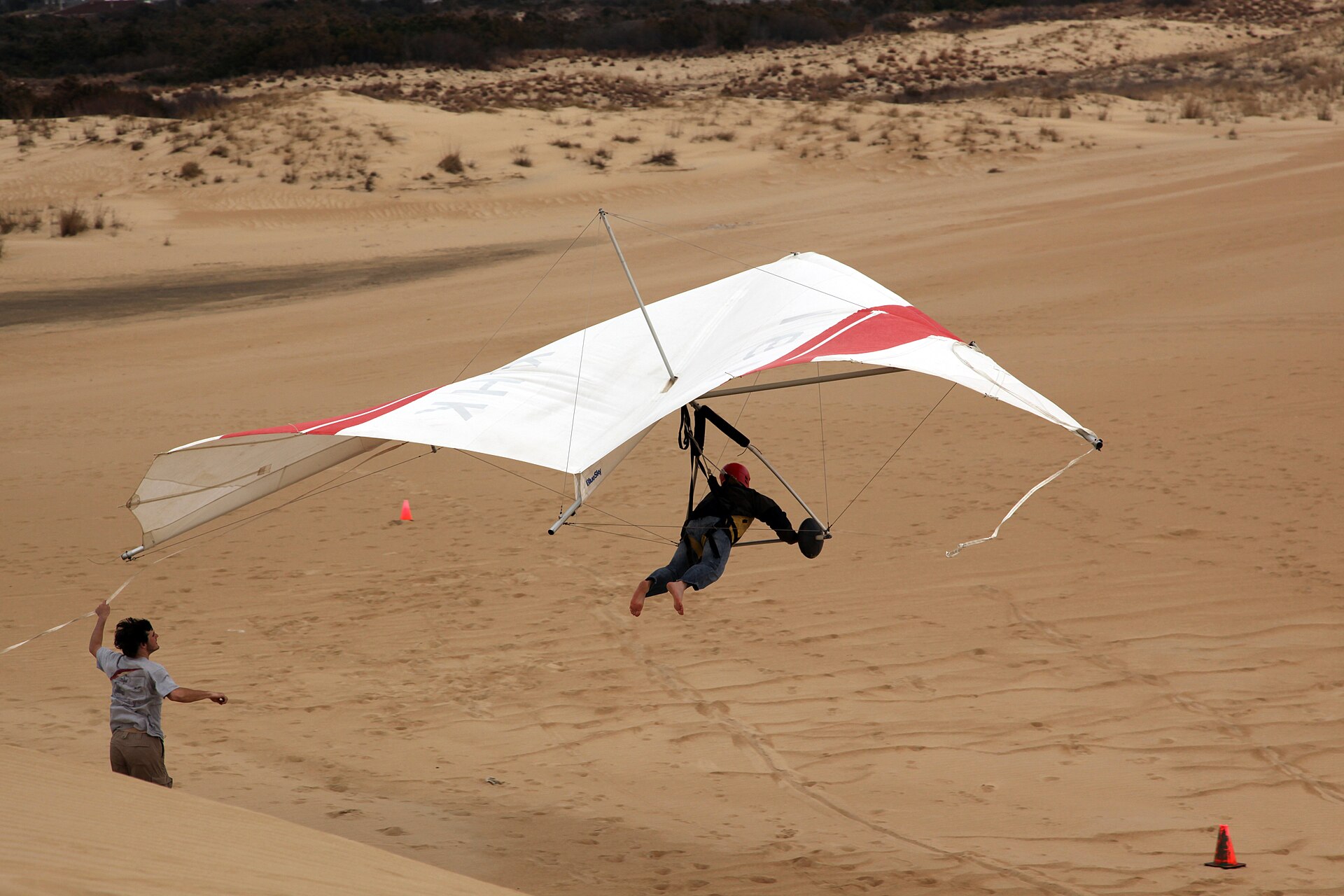
Jockey’s Ridge State Park in Nags Head, 16 miles south, holds the tallest active sand dune system on the Atlantic coast, and Kitty Hawk Kites runs beginner hang gliding lessons off its slopes. North of the paved road past Corolla, wild Spanish mustangs still roam the beach.
For dinner, The Blue Point has served upscale Southern coastal plates on the sound since 1989 (shrimp and grits around $34), while Duck Deli covers $12 pulled-pork barbecue. Local catch to order: yellowfin tuna and soft-shell crabs off the Wanchese fleet.
Health & Medical
The Outer Banks Hospital in Nags Head, about 18 miles south, runs a 24-hour emergency department, and urgent care clinics and pharmacies cluster in Kitty Hawk, 8 miles away. US healthcare is expensive and hospitals bill upfront, so carry travel insurance with medical coverage. There are no endemic tropical diseases; the practical concerns are sunburn, jellyfish stings in late summer, and ticks in the maritime forest. Restaurants label major allergens and vegetarian options are common.
Demographics & Government
The 2020 census counted 742 residents in 288 households, a number that tops 25,000 on summer weeks. Duck runs a council-manager government with an elected five-member town council, sits in Dare County, and remains the county’s youngest municipality. The United States has no official religion; the nearest churches sit in Kitty Hawk and Southern Shores.
Legal & Substances
Marijuana is illegal in North Carolina, recreational and medical alike; only hemp-derived CBD under 0.3 percent THC is sold legally. The drinking age is 21. Grocery stores sell beer and wine, but liquor comes only from state-run ABC stores along US 158. Glass is banned on the beach, open containers are illegal in vehicles, and fireworks are illegal town-wide. Smoking is banned inside restaurants and bars statewide.
Customs & Shopping
Returning US residents get an $800 duty-free exemption; foreign visitors clear standard US customs at their arrival airport. In town, the Scarborough Faire and Scarborough Lane shopping villages hide a dozen independent shops under the live oaks, and Duck’s Cottage pairs espresso with a sharp small bookstore. Take home OBX oval stickers, saltwater taffy, or local art; leave the sea oats, which are protected by state law.
Accessibility & Inclusion
The soundside boardwalk and Town Park paths are flat and step-free, which makes the village core one of the easier Outer Banks stops for wheelchair users. Many newer rental homes include elevators; confirm before booking. Soft-sand beach access paths remain the main barrier, so ask the town about seasonal beach wheelchair loans before your stay. ADA standards apply to restaurants and shops throughout.
Digital Nomad Corner
Duck has no coworking space, and that is fine: rentals on Spectrum cable routinely test at 300 to 500 Mbps, and Duck’s Cottage handles the coffee-shop shift. The money move is seasonal. Oceanfront weekly rentals run $3,000 to $10,000 in July, but from October through April monthly rates on the same streets drop to roughly $1,500 to $2,500, with empty beaches and 60-degree afternoons thrown in.
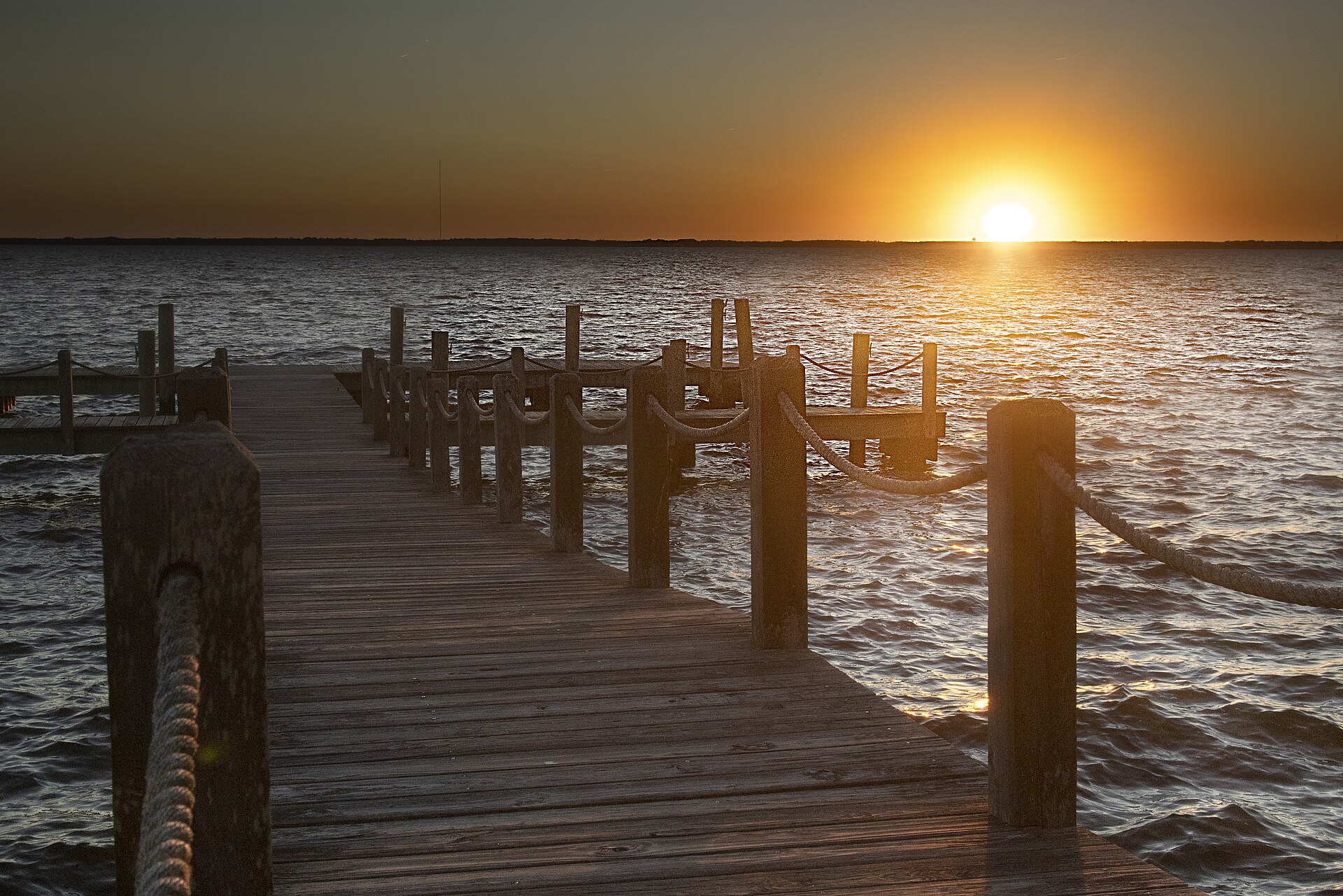
September is the nomad month: sea temps near 75°F, restaurants still open, crowds gone. Just keep one eye on the hurricane forecast.
Visa-wise, 40-plus nationalities enter the US visa-free for up to 90 days with an approved ESTA, and B-2 visitor visas allow stays of up to six months per entry. The year-round community is tiny, so for meetups and a livelier winter scene look south toward Kill Devil Hills and Nags Head.
Keep planning: Asheville: Blue Ridge Views, Breweries & Remote Work and Acadia National Park Guide: Maine's Coastal Peaks.
Photos: Town of Duck (public domain); Ken Lund (CC BY-SA 2.0); USGS (public domain); Lago Mar (CC BY-SA 4.0); Jarek Tuszyński (CC BY 2.0); National Park Service (public domain); Watts (CC BY 4.0), via Wikimedia Commons.