Galway: Ireland's Cultural Coast
Nomad Toolkit
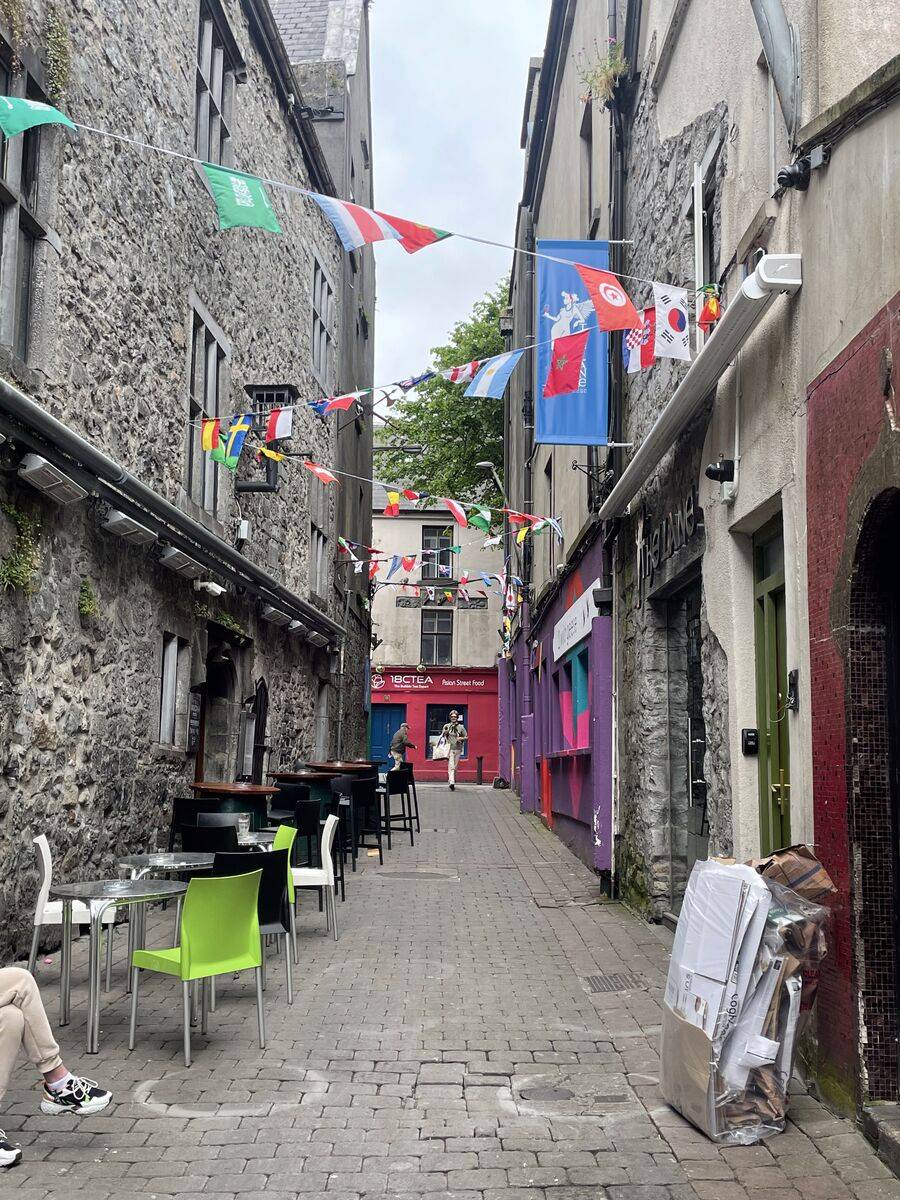
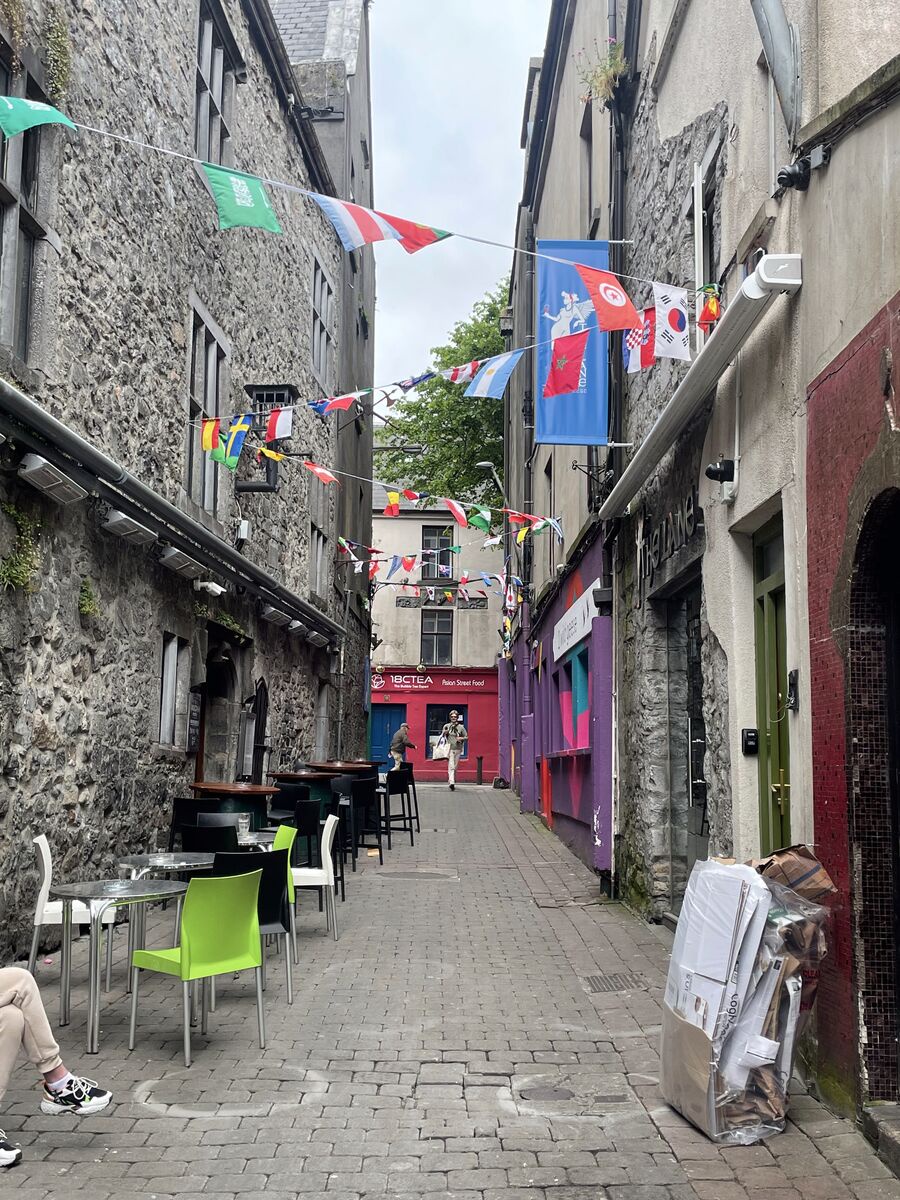
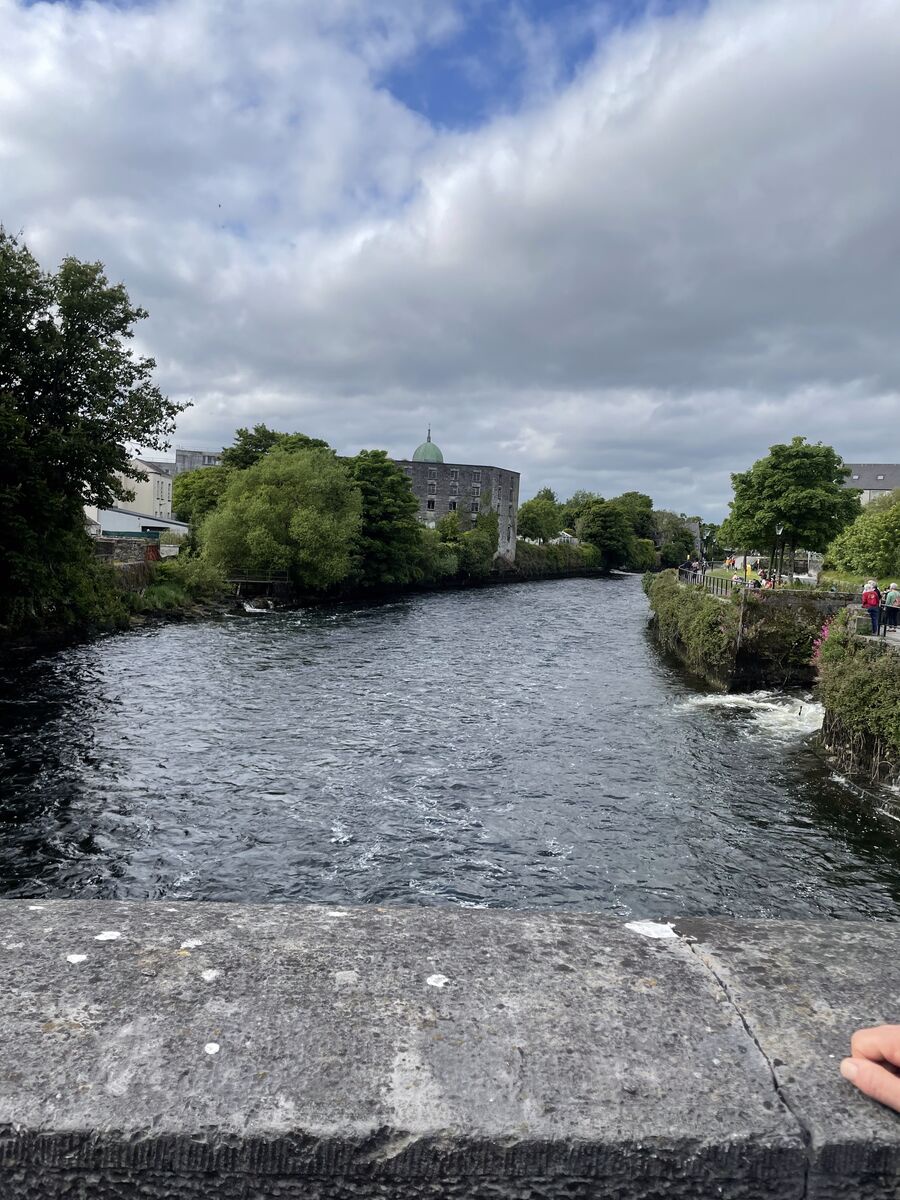
Galway is one of Europe's most underrated creative hubs, a colorful seaside city on the edge of the Atlantic where traditional Irish culture meets bohemian energy. The streets are narrow and twisting, painted in jewel tones, thick with pubs that still host live traditional music nightly. It's small enough to walk everywhere, but substantial enough that you won't exhaust it in a week. Rent is cheaper than Dublin, the vibe is looser, and you wake up with the Connemara mountains visible from the city's edge.
Demographics & Government
| Country | Republic of Ireland |
| Population | ~85,000 (Galway), ~5.1 million (Ireland) |
| Government | Parliamentary republic; EU member since 1973 |
| Religious mix | ~44% Catholic, ~13% no religion, rapidly secularizing |
| Time zone | GMT (UTC+0) winter, IST (UTC+1) summer; DST observed |
| Plug type | Type G / UK 3-pin (230V / 50Hz) |
| Drive side | Left |
| Tap water safe? | Yes, excellent quality throughout Galway and Ireland |
| Free WiFi? | Widely available in cafés, hotels, libraries, and coworking spaces |
| Best time to visit | May–September (14–19°C, lowest rain, most festivals) |
| Emergency numbers | 999 or 112 (police, fire, ambulance); 10999 (coast guard) |
| Currency | Euro (EUR); €1 roughly $1.10 USD (varies daily) |
Overview & Vibe
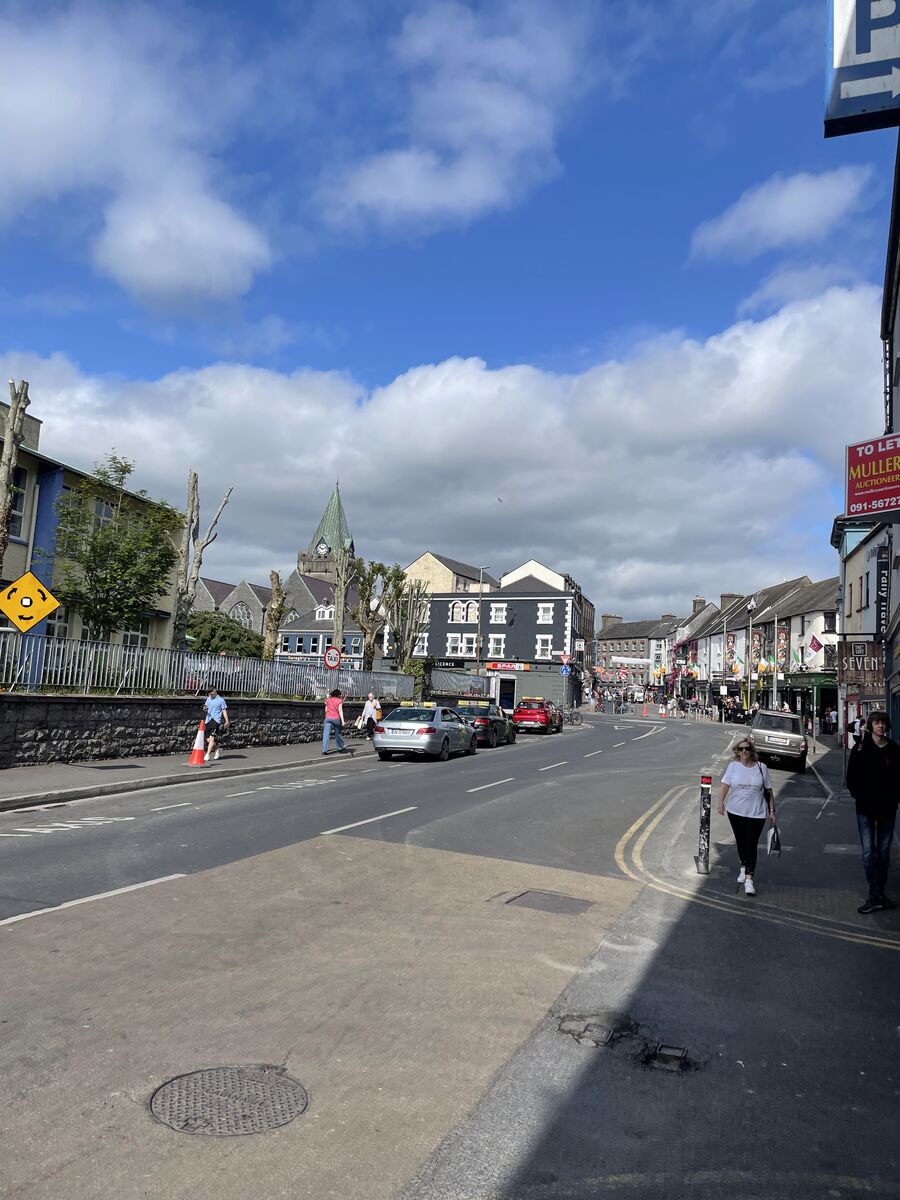
Galway feels like a place that forgot to grow up. The Latin Quarter (around Shop Street and Quay Street) is the heart: narrow lanes crammed with independent boutiques, galleries, cafés, and pubs where the live trad music starts at 10 p.m. and goes until the doors close. Eyre Square is the main plaza, flanked by shops, restaurants, and the train station. The West End is quieter and greener, good for longer-term rentals. Salthill, the seaside suburb 5 km west, offers a promenade, family beaches, and more space. Galway tends to draw writers, artists, musicians, and young professionals who've escaped Dublin's rent hikes. It rains often but briefly. The pace is slow enough to find your rhythm, fast enough that there's always something happening. Good for creatives, extroverts who like community, and anyone seeking Atlantic character.
A Brief History
Galway began as Dún Gaillimhe, a fort at the mouth of the River Gaillimh completed in 1124 by Tairrdelbach Ua Conchobair, King of Connacht, who ran his fleet from it. Anglo-Norman forces under Richard Mor de Burgh took the settlement in the 1230s, and a charter of 1484 gave the walled town the right to elect its own mayor and council. Real power sat with fourteen merchant families known as the Tribes of Galway, which is why locals still call it the City of the Tribes. The city served as European Capital of Culture in 2020, a fair marker of how far a herring port can come.
Transportation
Galway is small and walkable, but you'll want transit for Connemara, the Aran Islands, or day trips to Cliffs of Moher. The city center is entirely pedestrian-friendly.
- Drive on the left. Irish driving rules apply; speed limits in km/h.
- Bus Éireann and Buseanna. Local buses cover the city and nearby towns. Single tickets around €2.50. Day passes available.
- Train station. Galway Train Station connects to Dublin (2.5 hours), Limerick, and Cork. Useful for longer regional hops.
- Car rental. Essential if you plan Connemara drives, Cliffs of Moher, or Aran Island ferries. International driving permit recommended. Petrol stations dense in central Galway and towns.
- Shannon Airport (SNN). 90 km southwest, about 1 hour drive or a bus ride. Cork Airport (ORK) is 2 hours south, Dublin Airport (DUB) is 2.5 hours east.
- Ferry to the Aran Islands. Multiple operators (Aran Island Ferries, Island Ferries) depart from Galway docks. 40 minutes to Inis Mór, weather-dependent.
- Bikes. Galway is bikeable, and quiet roads lead into Connemara. Rental shops near the station.
Language, Customs & Etiquette
English is spoken universally in Galway. Irish (Gaeilge) is taught in schools and you'll see signage in both languages, but fluency is not common outside west Cork and Connemara. A few polite phrases help, though rarely necessary.
- Greetings. Hello/Hi works; Howya is the colloquial Galway greeting.
- Tipping. 10 to 15% at restaurants is standard. Round up for taxis and bar service.
- Pub culture. Pubs are the social spine of Galway. Joining a conversation at the bar is normal. Loudness and banter are part of the vibe.
- Bargaining. Not customary. Markets (like Saturday farmers' market) have fixed stalls but haggling isn't expected.
- Religious sites. Cover shoulders and knees at churches. Most visitors encounter churches as tourist attractions, not worship spaces.
- Drinking etiquette. Rounds are traditional, if you buy a round, your friend buys the next. Politely decline if you can't afford or want to pace.
- Directness. Irish communication is casual and indirect; avoid confrontation in social settings.
Safety & Security
Galway is very safe. Violent crime is rare. The main risks are petty theft in busy areas and occasional loud drunk behavior from stag parties (Galway is a bachelor/bachelorette destination).
- Pickpocketing. Rare but possible on crowded streets near Eyre Square and in busy pubs. Keep bags zipped.
- Stag and hen parties. High-visibility in summer. Avoid certain pub zones late night if the noise bothers you.
- Solo female travelers do extremely well. Standard urban precautions; Galway is considered very friendly and safe for women.
- LGBTQ+. Ireland is progressive. Same-sex marriage has been legal since 2015. Galway has visible queer venues and annual Pride events. Western coastal areas are cosmopolitan.
- Cycling safety. Drivers are generally patient with cyclists. Roads out of the city are narrow; visibility gear is wise.
- Theft from rental cars. Lock valuables out of sight or leave the car empty.
Weather & Climate
Oceanic climate with cool, wet winters and mild summers. Rain is frequent but usually light showers rather than all-day downpours. Wind is constant due to Atlantic exposure. Galway is gorgeous May through September; shoulder seasons (April, October) are crisp and less crowded. Winter is grey and moody but Christmas markets and festive lights brighten November through December.
| Month | Avg High | Avg Low | Notes |
|---|---|---|---|
| January | 8°C / 46°F | 4°C / 39°F | Cold, frequent rain, shortest days |
| February | 9°C / 48°F | 4°C / 39°F | Grey, quietest season, fewer tourists |
| March | 10°C / 50°F | 5°C / 41°F | Spring starts, days lengthening |
| April | 13°C / 55°F | 7°C / 45°F | Mild, spring blossoms, Easter crowds |
| May | 16°C / 61°F | 10°C / 50°F | Warm, long evenings, sweet spot for nomads |
| June | 18°C / 64°F | 12°C / 54°F | Longest days, festival season, peak tourists |
| July | 19°C / 66°F | 13°C / 55°F | Warmest month, busy with tourists and festivals |
| August | 19°C / 66°F | 13°C / 55°F | Warm, Race Week, continued festivals |
| September | 17°C / 63°F | 11°C / 52°F | Crisp, golden light, fewer stag parties |
| October | 14°C / 57°F | 9°C / 48°F | Autumn colors, increased rain, still mild |
| November | 10°C / 50°F | 6°C / 43°F | Grey, Christmas markets start, early festive lights |
| December | 8°C / 46°F | 4°C / 39°F | Cold, festive season, holiday markets year-round |
What to pack. Layers always. Waterproof jacket and trousers are not optional, rain is constant. Waterproof hiking boots if you plan Connemara treks. A sweater for cool evenings. Sunscreen and sunglasses for the rare sunny days (UV is strong on Atlantic coast). A reusable water bottle.
Logistics & Practical Info
- Currency. Euro (EUR). Most places accept card, but cash is wise for markets, smaller pubs, and tipping.
- ATMs. Widespread in central Galway. Bank of Ireland and Allied Irish Bank (AIB) machines are reliable.
- Tap water. Safe and good quality. Carry a refillable bottle.
- Free WiFi. Extensive in cafés, libraries, and all coworking spaces.
- SIM cards. Vodafone, Three, and Eir sell prepaid plans with 10 to 50 GB data for €10 to 25/month. Phone number not required upfront.
- Money apps. Revolut and Wise handle euros without conversion fees. Both popular in Ireland.
- DST. Yes. Last Sunday in March (forward) and last Sunday in October (back).
- Internet censorship. None. Standard EU freedoms apply.
Attractions & Activities
Galway itself is compact enough to explore in 2 to 3 days, but the surrounding region, Connemara, the Aran Islands, the Cliffs of Moher, the Burren, is the real draw. Most sights are day trips by car, bus, or boat.
- Latin Quarter pub crawl and traditional music. Tigh Coilí and Taaffes are reliable for nightly trad sessions (traditional Irish music). No cover, just order a drink.
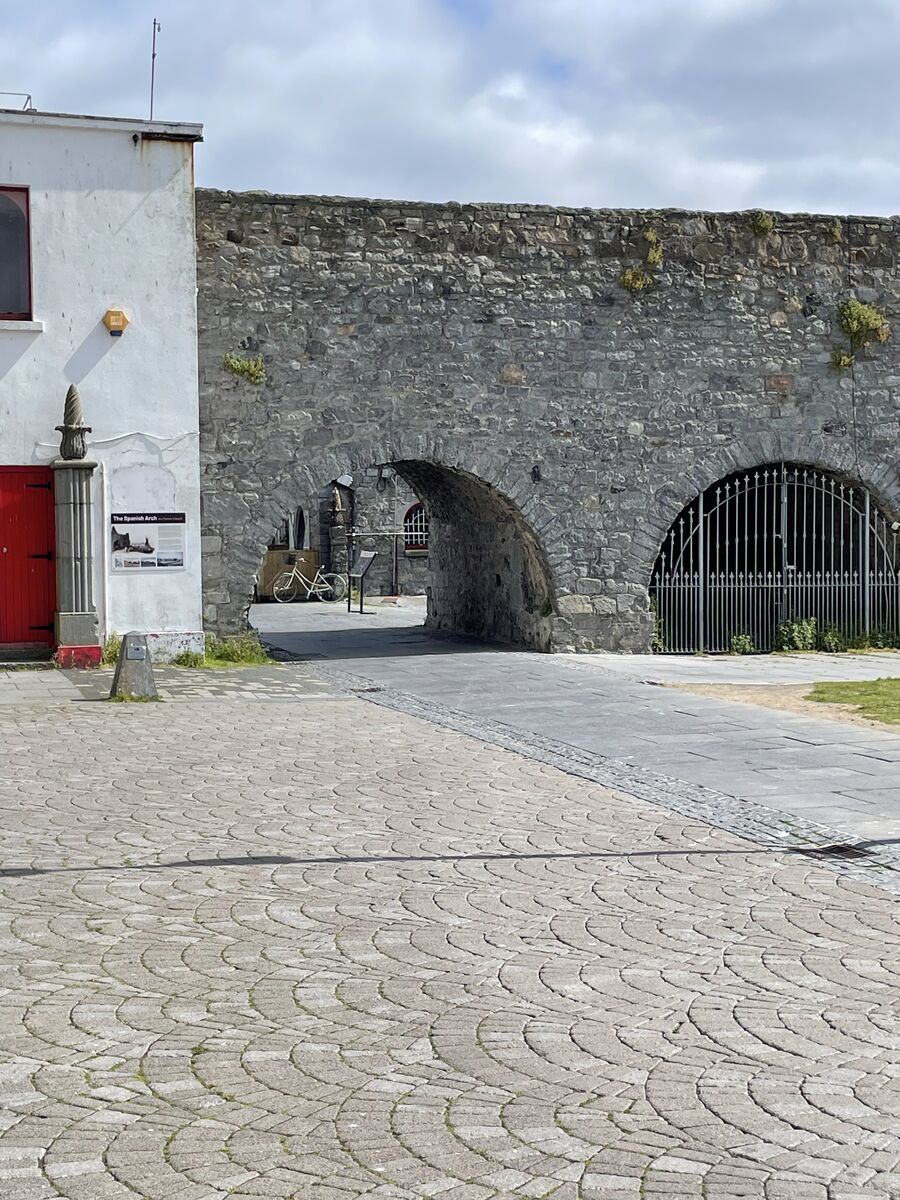
- Spanish Arch. (Wikipedia) 16th-century stone gateway on the waterfront; small and photo-worthy.
- Galway Cathedral. (Wikipedia) Modern (1965) cathedral with soaring interior and riverside setting.
- Eyre Square and city center shopping. Commercial heart of Galway; independent boutiques fill the lanes.
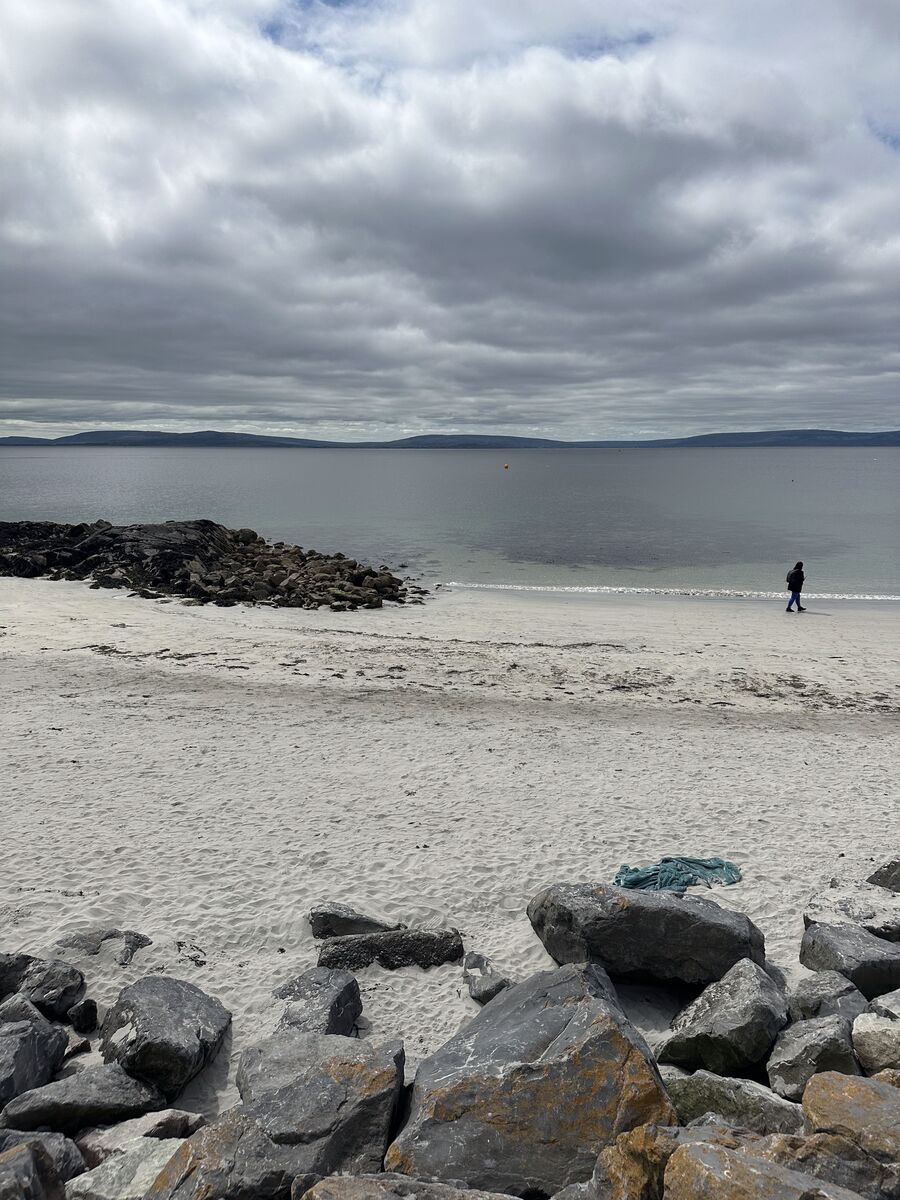
- Salthill Promenade. 2 km seaside walk, arcades, ice cream stalls, Atlanticside energy.
- Aran Islands day trip. Ferry from Galway Docks to Inis Mór, Inis Meáin, or Inis Oírr. Ancient stone forts, Irish language, pony carts.
- Cliffs of Moher. (Wikipedia) 8 km south of Galway (1 to 1.5 hour drive each way), dramatic sea cliffs. Crowded but worth the pilgrimage.
- Connemara National Park. (Wikipedia) 20 km south, mountain walks, Twelve Bens peaks, hiking trails from beginner to alpine.
- The Burren region. 30 km south (Lisdoonvarna, Doolin). Limestone karstic landscape, caves, traditional music ceilis, bohemian energy.
- Dunguaire Castle. (Wikipedia) 25 km south near Kinvara, photogenic medieval castle on Galway Bay; medieval banquets held nightly.
Festivals and major events
| Event | When |
|---|---|
| Galway International Arts Festival | Mid-July (2 weeks) |
| Galway Film Fleadh | Early July |
| Galway Bay Oyster Festival | Late September |
| Galway Race Week | Late July / early August |
| Christmas Markets and Holiday Season | November to January |
Must-try local dishes
Galway is a port town, so seafood dominates. The Galway Bay oyster season (September) is sacred. Local cooking is unpretentious and generous, meat-heavy, fresh fish, traditional breads. Contemporary restaurants offer lighter takes, but the soul of Galway food is hearty and humble.
- Galway Bay oysters. Fresh from local beds, eaten raw with a squeeze of lemon and dark bread. September is peak.
- Seafood chowder. Creamy, loaded with salmon, mussels, and white fish. Every pub has a version; McDonagh's is famous.
- Irish brown bread. Soda bread, often served warm with butter. Bakeries (Aran Bakery, Olivio) are everywhere.
- Fish and chips. McDonagh's on Quay Street is the institution; golden batter, flaky fish, worth the queue.
- Aran Islands wool sweaters. Not food, but a cultural export. Hand-knit wool sweaters from the Aran Islands, worn year-round in Galway.
- Guinness and local ales. Beoir Chluichí (game beer), west Irish ales. Pubs will recommend.
Souvenirs that aren't junk
- Aran sweaters. Authentic hand-knitted wool from island women. Expensive (€100 to 200) but iconic. Avoid machine-made knockoffs from tourist shops.
- Irish whiskey. Tullamore Dew, Bushmills, Redbreast. Small bottles for travel; specialty shops have rare single-pot-still options.
- Galway oyster knives. Small, practical, locally made.
- Irish linen and wool. Scarves, blankets, tea towels from specialty shops on Quay Street.
- Local art and crafts. Galway has thriving visual arts; galleries (Áine, Eyeye Gallery) sell original paintings and sculpture.
Health & Medical
Galway has solid public healthcare via the Irish health system. Tourists and non-residents can access emergency services; non-emergency care requires travel insurance or private payment.
- Travel insurance is essential for non-EU travelers. Emergency services (A&E, ambulance) are free in hospitals, but consultations and non-urgent care cost.
- Private clinics. Galway Clinic, Galway Private Hospital, and GP surgeries like Eyre Square Medical Centre offer same-day appointments. €50 to 100 per consultation.
- Pharmacies. Boots and LloydsPharmacy on Shop Street. Many medications available over-the-counter that would require prescriptions in the US.
- Vegetarian and vegan options. Growing restaurant scene; The Pie Maker, Ard Bia, and numerous cafés cater to plant-based diets.
- Tap water. Safe and excellent quality.
- No endemic tropical diseases. Ireland is temperate; tick-borne encephalitis exists but is rare in the west. Malaria, dengue, yellow fever are not present.
- Foreign prescriptions. Not directly accepted. Bring sufficient supply or consult a local GP for a new script.
Legal & Substances
- Marijuana is illegal. Personal possession can result in fines and criminal charges. Enforcement varies but don't test it.
- Public alcohol consumption. Tolerated in parks and waterfront areas. Some streets have restricted zones late night (11 p.m., 6 a.m.). Police discretion applies.
- Alcohol on public transport. Technically prohibited on buses. Enforcement is light but possible.
- Smoking. Banned indoors in restaurants, bars, and public transport since 2004. Outdoor terraces and streets allow it.
- Drinking age. 18.
Customs & Shopping
- Tax-free shopping for non-EU residents. Stores with Tax-Free Ireland logos issue refund forms. Reclaim VAT (23% in Ireland) at the airport for purchases over €175 at a single store.
- Cash declarations. Anything over €10,000 leaving the EU must be declared.
- Restricted exports. Antiques and cultural items over 50 years old need export permits from the Department of Culture. Wool sweaters and craft items are fine.
Accessibility & Inclusion
Galway is partially accessible. The city center is walkable, but older buildings (pubs, historical sites, museums) often lack ramps and elevators. Bus service is improving with low-floor buses, but not all routes. The riverfront paths and Salthill Promenade are wheelchair-friendly. Call ahead to attractions to confirm accessibility. The Irish tourist board website has accessibility information for major sites.
Digital Nomad Corner
Galway is a solid value base for remote workers, with strong community, affordable housing, and good internet. The coworking scene is smaller than Dublin but sufficient for steady work.
- Internet. Fiber is available in central Galway and expanding. Typical speeds 100 to 300 Mbps. Older West End properties may have ADSL. Cafés have reliable WiFi.
- Coworking. Portershed (Bohermore), Galway Roasting Coworking (Shop Street), and Velvet Cloud (Dominick Street) are the main spaces. Day passes €15 to 20; monthly memberships €200 to 300.
- Long-stay visa. EU/EEA citizens can stay indefinitely. Non-EU citizens get 90 days on arrival (tourist stamp). Extensions beyond 90 days require residency permits; rules are complex and work-dependent.
- Cost of living. A nomad can live in central Galway on €1,500 to 2,000/month including rent (one-bedroom apartments €700 to 1,000/month long-term), food, transit, and coworking. About 30 to 40% cheaper than Dublin, 20% cheaper than major UK cities. One caution from experience: skip the Leonardo Hotel on Quay Street for your first nights; a recent stay came with unannounced construction and early-morning work noise.
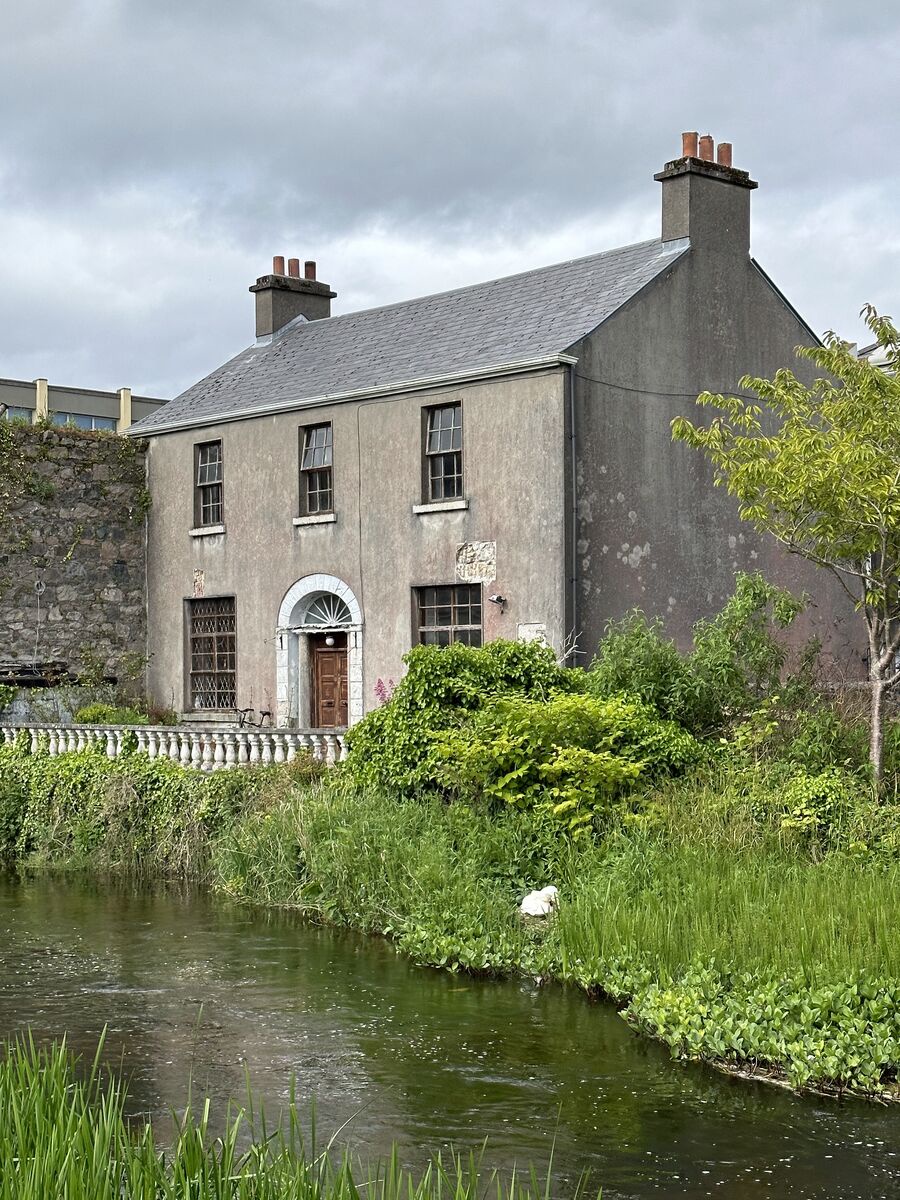
Galway rewards staying longer than a weekend. The headline sights, the Spanish Arch, Eyre Square, a session at Tigh Coilí, take three days. The actual life of the city, the morning coffee in a half-empty Quay Street café, the evening walk along the Corrib, the unexpected conversation in a pub that turns into a lifelong friendship, that takes a month and pays dividends long after you've left.
Keep planning: How to Pour the Perfect Pint of Guinness, Traditional Irish Soda Bread Recipe and Acadia National Park Guide: Maine's Coastal Peaks.