Traditional Irish Soda Bread Recipe
Nomad Toolkit
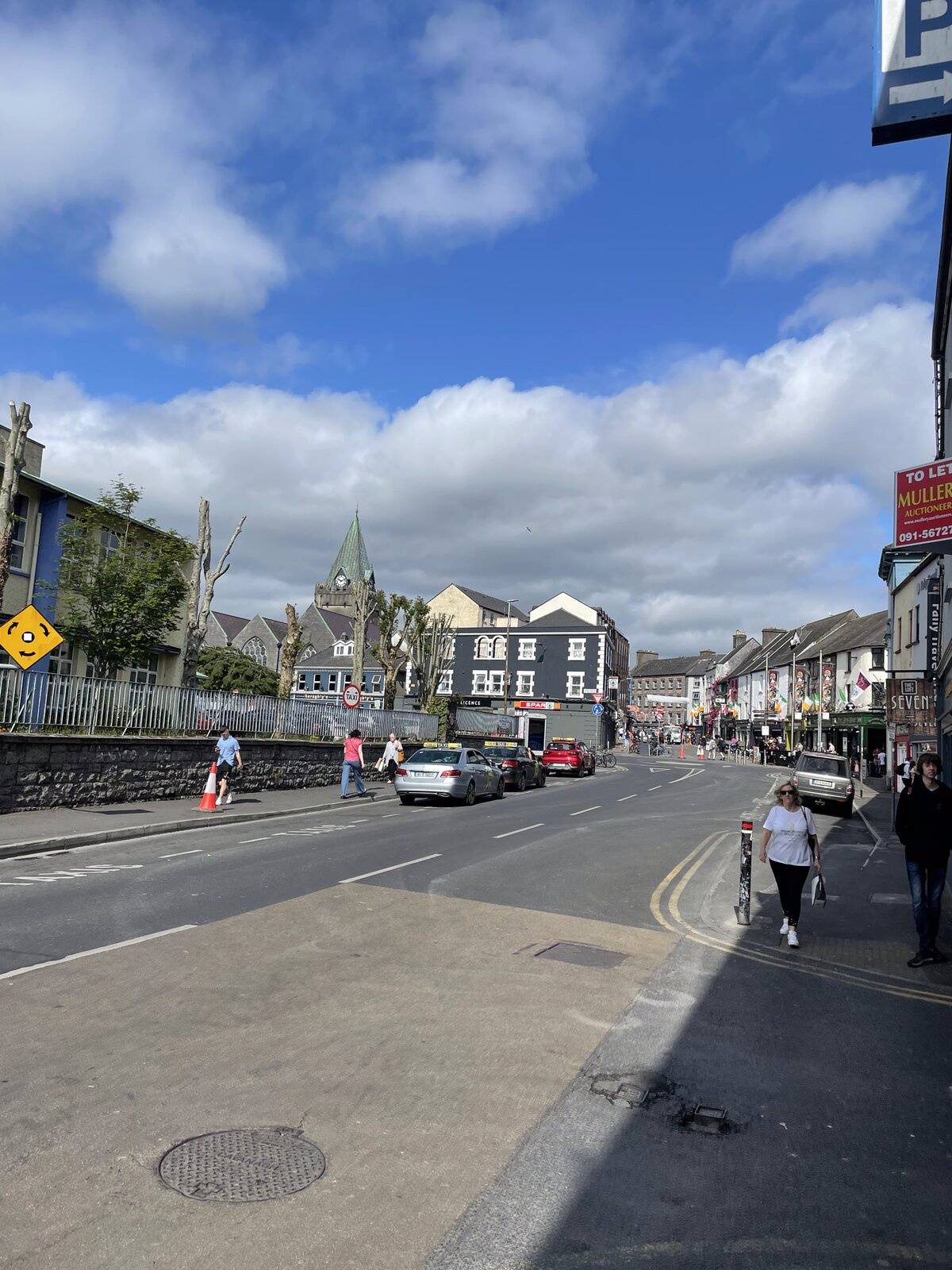
The first time I had real Irish soda bread was in a small bakery in Galway, sitting on the windowsill with a coffee and watching the rain do its thing. The slice was thick, warm, and had that faintly sweet smell that comes from baking soda and buttermilk meeting in a hot oven. After that trip I started baking it at home, and I have not stopped since.
Irish soda bread is one of the easiest loaves you can bake. Four ingredients, no yeast, no rise time. You can mix it with a wooden spoon and have a finished loaf inside an hour. The catch is that the simpler a bread is, the less room there is to hide mistakes. This guide walks through the recipe and the small choices that separate a good loaf from a great one.
Why soda bread became Ireland's bread
Soda bread was a practical answer to a practical problem. In the 1830s, baking soda showed up in Irish kitchens and gave home cooks a way to make bread without yeast. That mattered, because Irish-grown wheat is soft. It has less gluten than the hard wheat grown in continental Europe, which means it does not hold up well to long, slow yeasted fermentation. Pair that soft flour with buttermilk, which most farms had on hand, and you get a chemical reaction that lifts the loaf in minutes instead of hours.
The cross cut on top has a few explanations depending on who you ask. Some bakers say it lets the fairies out. Some say it blesses the bread. The honest answer is that it helps the loaf cook through and lets the heat reach the dense middle. All three reasons coexist comfortably in Irish kitchens.
The four ingredients
A traditional white soda bread needs only this:
- 4 cups (about 500g) plain flour. All-purpose flour works fine. If you can find a soft Irish flour like Odlums Cream Plain, even better.
- 1 teaspoon baking soda (bicarbonate of soda). Sift it in. Lumps of baking soda taste like soap if they end up in your slice.
- 1 teaspoon fine salt.
- About 14 fl oz (400ml) buttermilk. Real cultured buttermilk if you can get it. If not, see the substitution note below.
That is the whole list. No butter, no sugar, no eggs, no yeast. If a recipe asks for any of those things, it is delicious and probably worth making, but it is a soda bread variation rather than the original Irish loaf.
The recipe, step by step
Start by heating your oven to 425°F (220°C). The bread needs a hot oven to get a fast, even rise before the chemical reaction inside it runs out of steam.
Sift the flour, baking soda, and salt into a wide bowl. Sifting is the one tedious step you should not skip. It breaks up baking soda lumps and aerates the flour so the buttermilk hydrates it evenly.
Make a well in the centre and pour in most of the buttermilk, holding back about 50ml. Use a wooden spoon and bring the dough together with quick, light strokes. You want a soft, shaggy dough that just holds. If it looks dry and floury, add the rest of the buttermilk a splash at a time. Different flours absorb liquid differently, so trust the dough more than the measurement.
Tip the dough out onto a floured surface and shape it gently into a round, about 6 to 7 inches across and 2 inches tall. Gently is the key word. Soda bread is the opposite of pizza dough. The more you knead, the tougher it gets, because you are working out the carbon dioxide bubbles that the baking soda just produced.
Place the round on a baking tray lined with parchment, or in a cast iron pan if you want a darker crust on the bottom. Take a sharp knife and cut a deep cross across the top, going almost all the way through the loaf. The slashes should reach about three quarters of the way down. Dust the top with a little extra flour if you like the rustic look.
Bake for 30 to 40 minutes. The loaf is done when the crust is a deep golden brown and the bottom sounds hollow when you tap it. If you have a thermometer, the inside should read about 200°F (93°C).
Cool it on a wire rack for at least 20 minutes before you cut into it. Cutting too soon releases all the steam and you end up with a gummy slice. I know the smell makes that very hard. Be strong.
Tips that actually matter
Use real buttermilk. The lactic acid is what reacts with the baking soda to give you lift. If you cannot find cultured buttermilk, stir 1 tablespoon of lemon juice or white vinegar into a scant 14 fl oz of whole milk and let it sit for ten minutes until it curdles. It is not perfect, but it works.
Move quickly once the buttermilk hits the flour. The chemical reaction starts the moment the wet meets the dry. Mix, shape, and slash inside about three minutes if you can. The dough should hit the oven while it is still actively bubbling.
Do not skip the deep cross. A shy little surface scratch will not do anything. Cut hard. The bread expands through those slashes as it bakes.
Eat it the same day. Soda bread has no preservatives and no fat to keep it soft, so it stales fast. Day one is glorious. Day two is fine, especially toasted. By day three you should be making bread pudding or breadcrumbs.
Variations worth knowing
Brown soda bread. Swap half the white flour for whole wheat (or Irish wholemeal if you can find it) and add 2 tablespoons of pinhead oats on top. Slightly sweeter, denser, perfect with smoked salmon and butter.
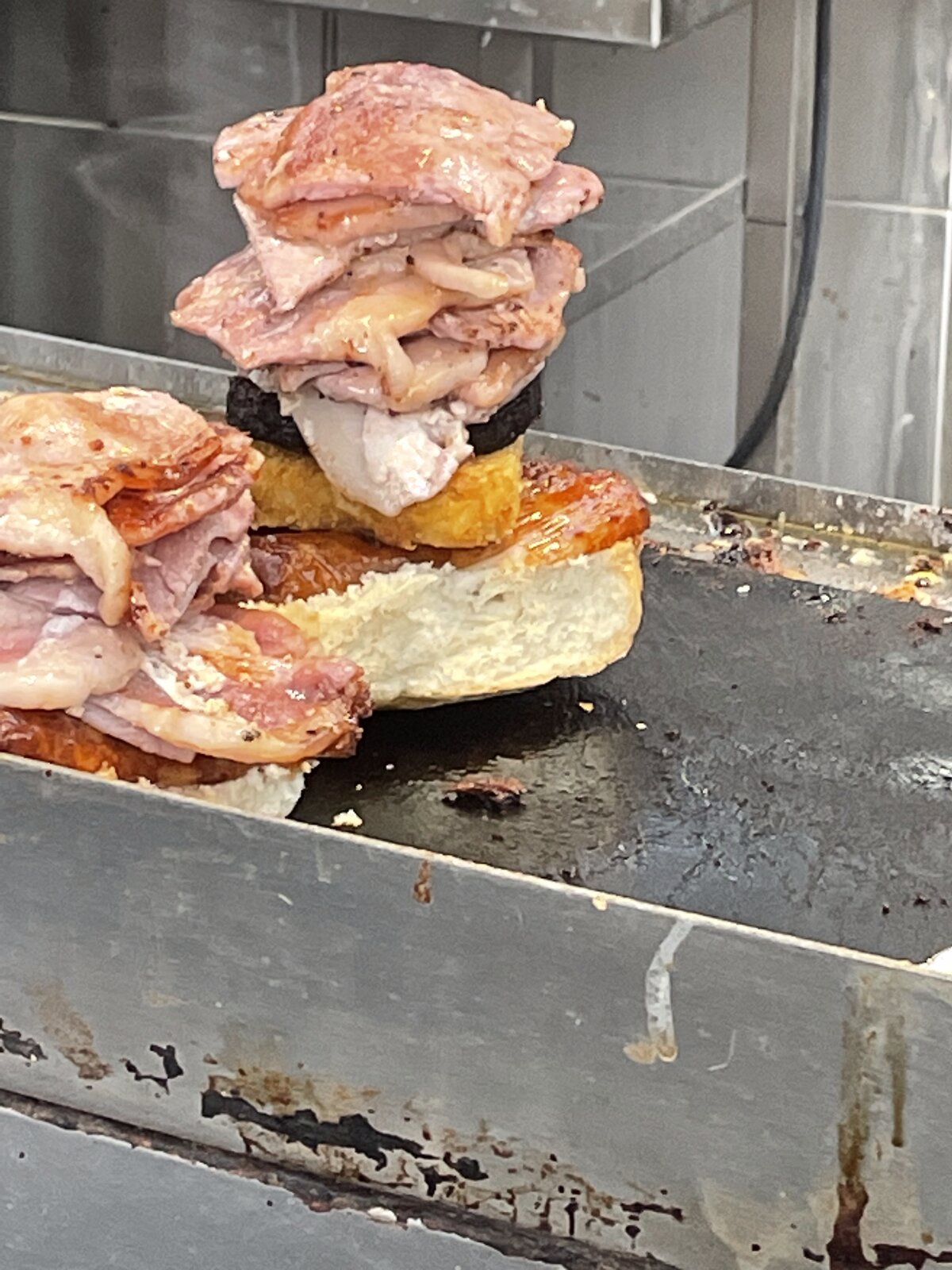
Soda farl. The Northern Irish version. Same dough, but flatten the round to about an inch thick, cut it into four wedges, and cook them on a hot dry cast iron pan or griddle for about 8 minutes a side. Farls are what go into a proper Ulster Fry, fried in the bacon fat alongside the eggs and sausage.
Spotted dog. Add a handful of raisins or sultanas, a tablespoon of sugar, and a beaten egg. This is the slightly enriched, slightly sweetened version that most Americans picture when they hear the words Irish soda bread. Caraway seeds are a common Irish-American addition. Ireland itself does not really do them.
How to eat it
Slice it thick and slather it with cold salted Irish butter while the bread is still slightly warm. That is the whole assignment. From there you can build outward. A wedge alongside a bowl of seafood chowder. Toast and marmalade for breakfast. A slice next to sharp cheddar and a pickle. The dense crumb soaks up soup and stew the way few breads can, which is half of why it survived in Irish kitchens for so long.
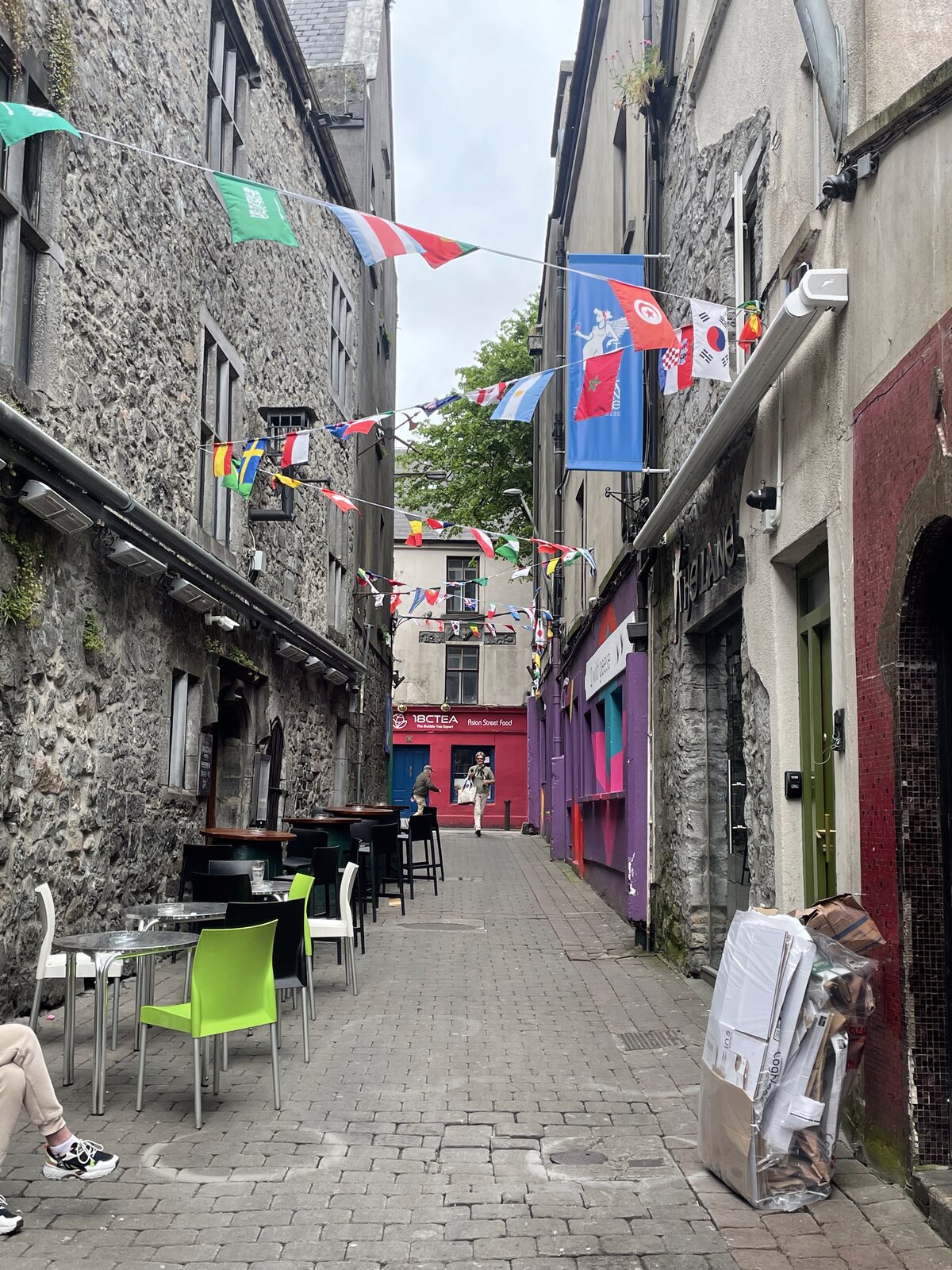
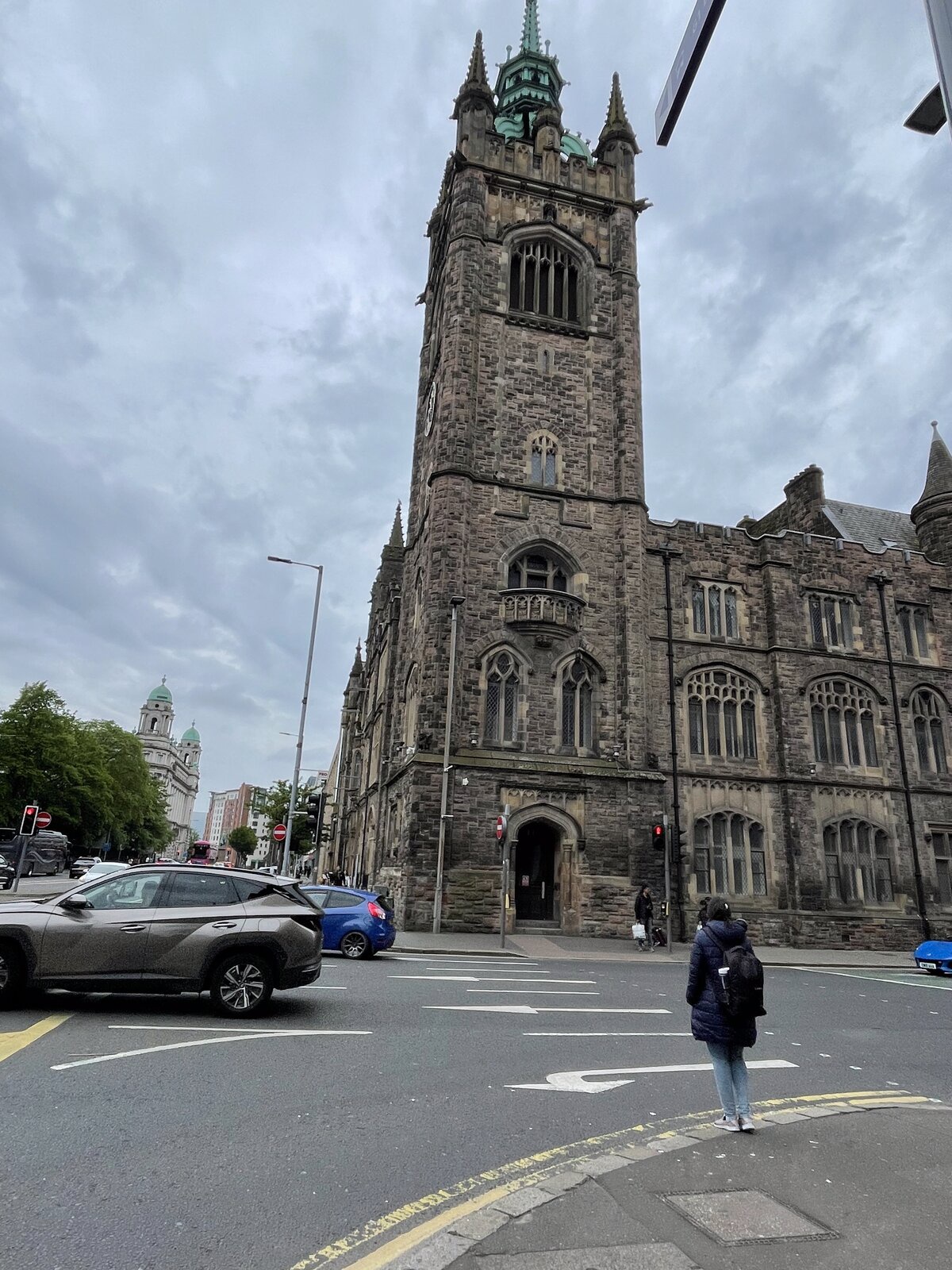
If you happen to be travelling and want to taste the original, look for a small bakery rather than a chain. McCambridges in Galway, Bread 41 in Dublin, and 5a Bakehouse in Belfast all do excellent versions. The McCambridges wholemeal soda is sold in supermarkets across Ireland and is a reliable benchmark if you want to taste what you are aiming for at home.
A bread with a short memory
Soda bread asks almost nothing of you and gives back a lot. No starter to feed, no proofing schedule, no dough hook to clean. You can decide you want bread at 4pm and have it on the table by 5. For travellers, that matters. Make it once. You will not need the recipe the second time.
Keep planning: How to Pour the Perfect Pint of Guinness and Belfast Bap Recipe: The Ulster Fry Breakfast Sandwich.