Istanbul: The City on Two Continents
Nomad Toolkit
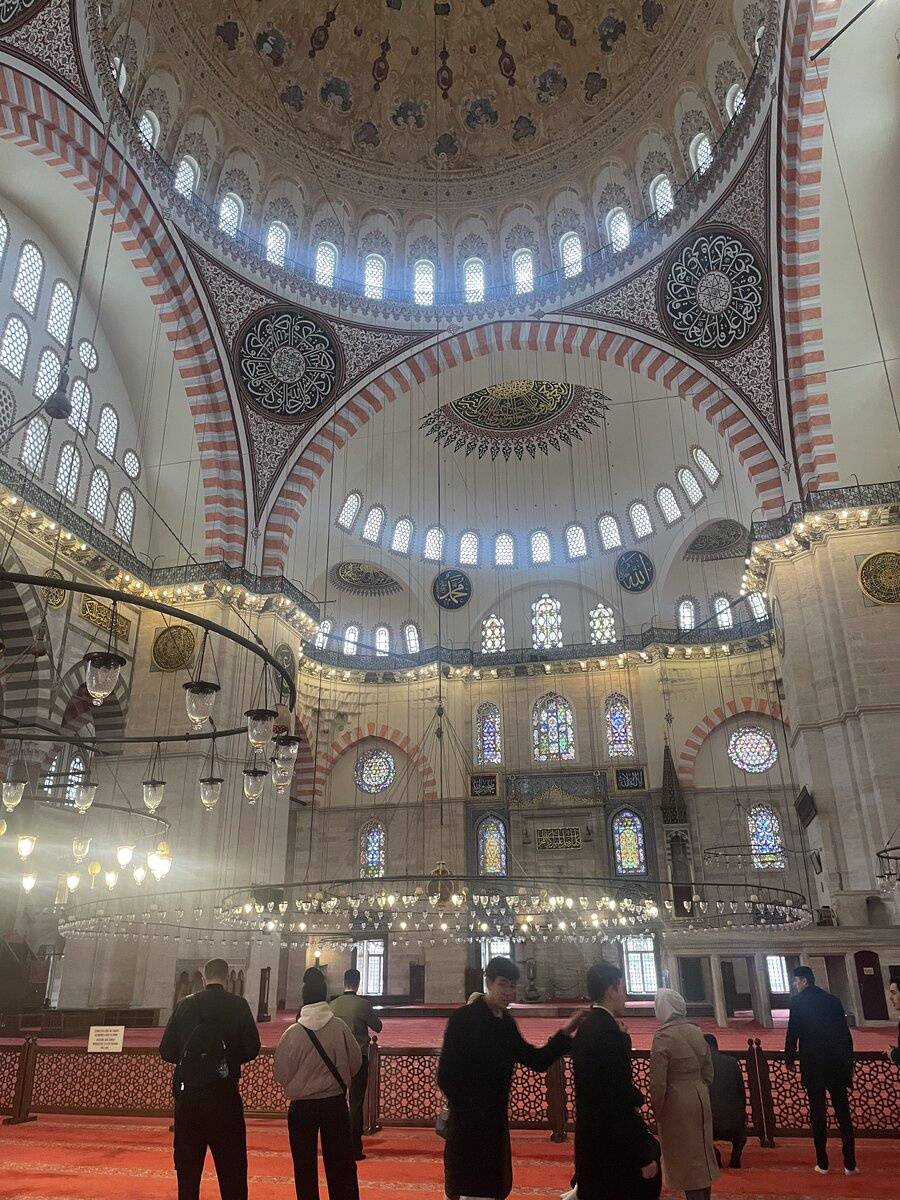
Istanbul is where Europe meets Asia, literally. Straddling the Bosphorus, the city pulls 2,000 years of history into a living, breathing metropolis of 16 million people, Ottoman palaces, Byzantine churches converted to mosques, Ottoman bazaars still humming with dealers and textile merchants, and neighborhoods that range from bohemian Beyoğlu to the serene shores of the Asian side. For nomads, Istanbul is a three-tiered prize: the cost of living is 30-50% lower than Western Europe, fiber internet is dense and fast, and the city's cafe culture and coworking ecosystem cater hard to remote workers. The currency volatility cuts both ways, Turkish lira has inflated sharply, which makes prices unpredictable if you're earning and spending TRY, but if you're earning in USD or EUR, you're sitting pretty.
Demographics & Government
| Country | Turkey (Türkiye) |
| Population | ~16 million (Istanbul metro), ~85 million (Turkey) |
| Government | Presidential republic; Türkiye joined NATO in 1952 |
| Religious mix | ~99% Muslim (Sunni majority, Alevi minority), small Christian and secular populations |
| Time zone | TRT (UTC+3) year-round; no DST since 2016 |
| Plug type | Type C and Type F (220V / 50Hz) |
| Drive side | Right |
| Tap water safe? | Technically treated but not recommended to drink; stick to bottled water and filtered café drinks |
| Free WiFi? | Widely available in cafés, coworking spaces, hotels, and malls across central districts |
| Best time to visit | April-May or September-October (15-25°C, mild, fewer cruise-ship crowds) |
| Emergency numbers | 112 (general emergency), 155 (police), 110 (traffic police) |
| Currency | Turkish lira (TRY); ~35-40 TRY per USD (varies with inflation). Many nomads quote prices in USD for stability |
Overview & Vibe
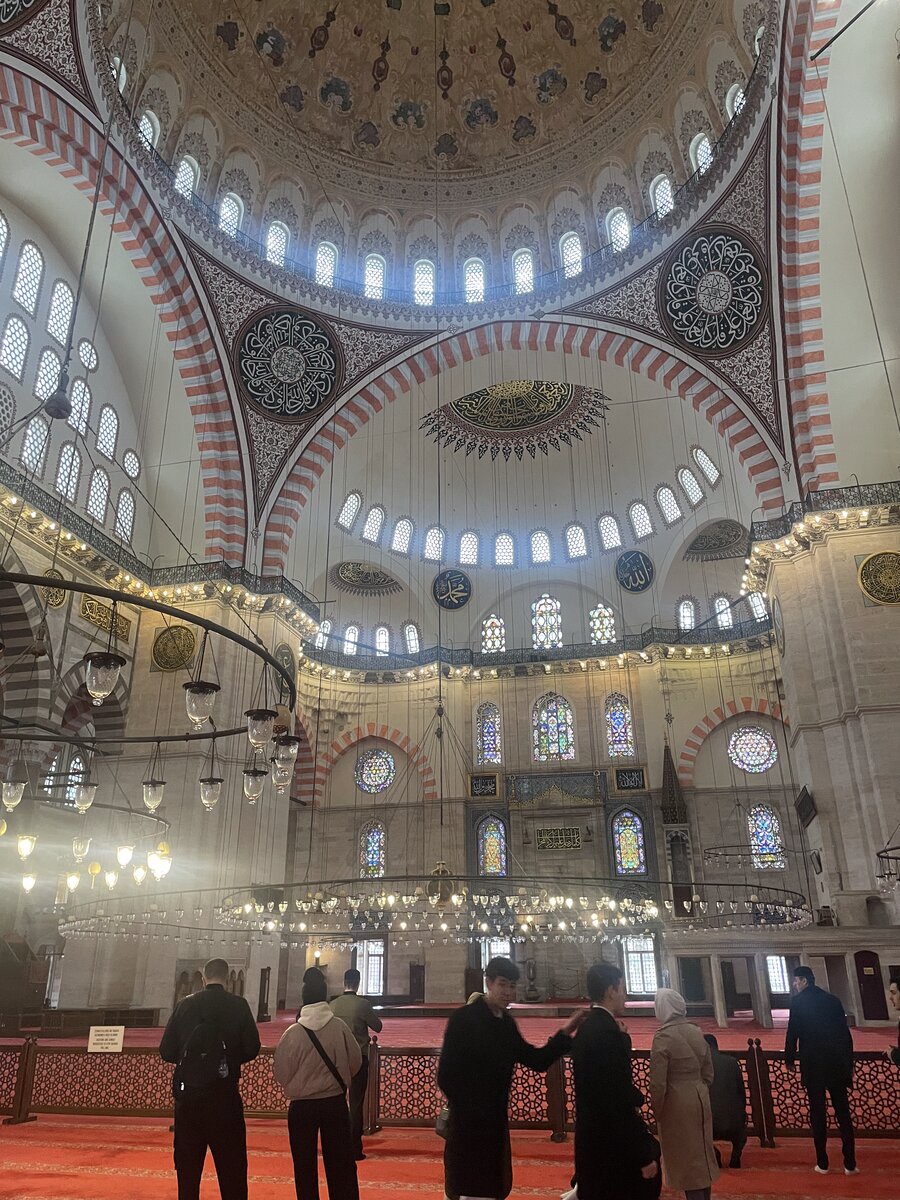
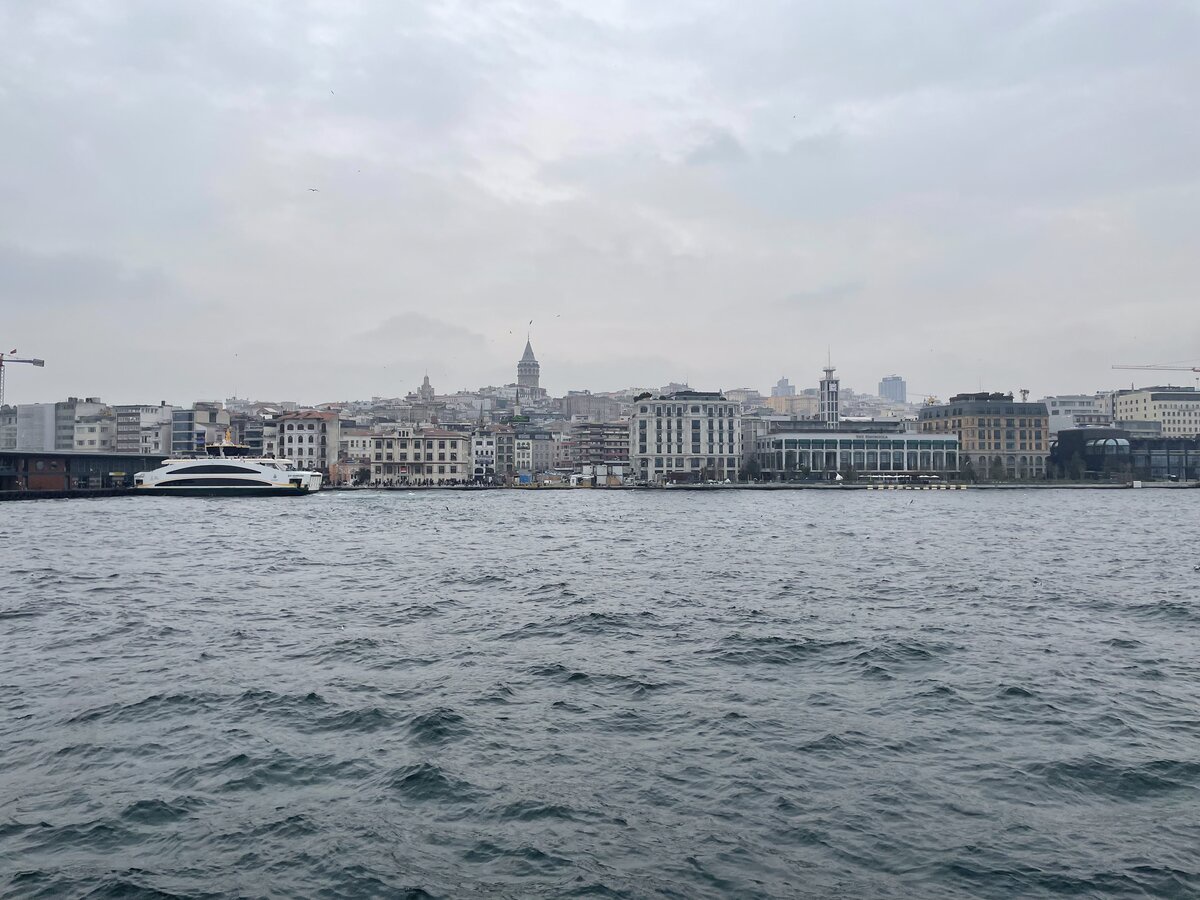
Istanbul divides itself across the Bosphorus Strait. The European side has the historic heart, Sultanahmet with the Blue Mosque and Hagia Sophia (Wikipedia), Beyoğlu and Galata (the hip, artsy neighborhoods of cafés, galleries, and nightlife), Beşiktaş and Cihangir (bohemian, quieter), Şişli and Levent (business district, high-rise). The Asian side offers Kadıköy, the artsy, young-feeling neighborhood beloved by locals, and Üsküdar, quieter and more conservative. Nomads split their time between the walkable chaos of Sultanahmet for tourism and the creative energy of Beyoğlu, Galata, or Kadıköy for working and living. The city is loud, dense, always moving. Winters are mild and grey. Summers are hot and crowded with cruise passengers. Spring and autumn are the goldilocks season for productivity and exploration. Good for nomads who like history, street food, urban energy, and the advantage of earning hard currency while expenses stay low.
A Brief History
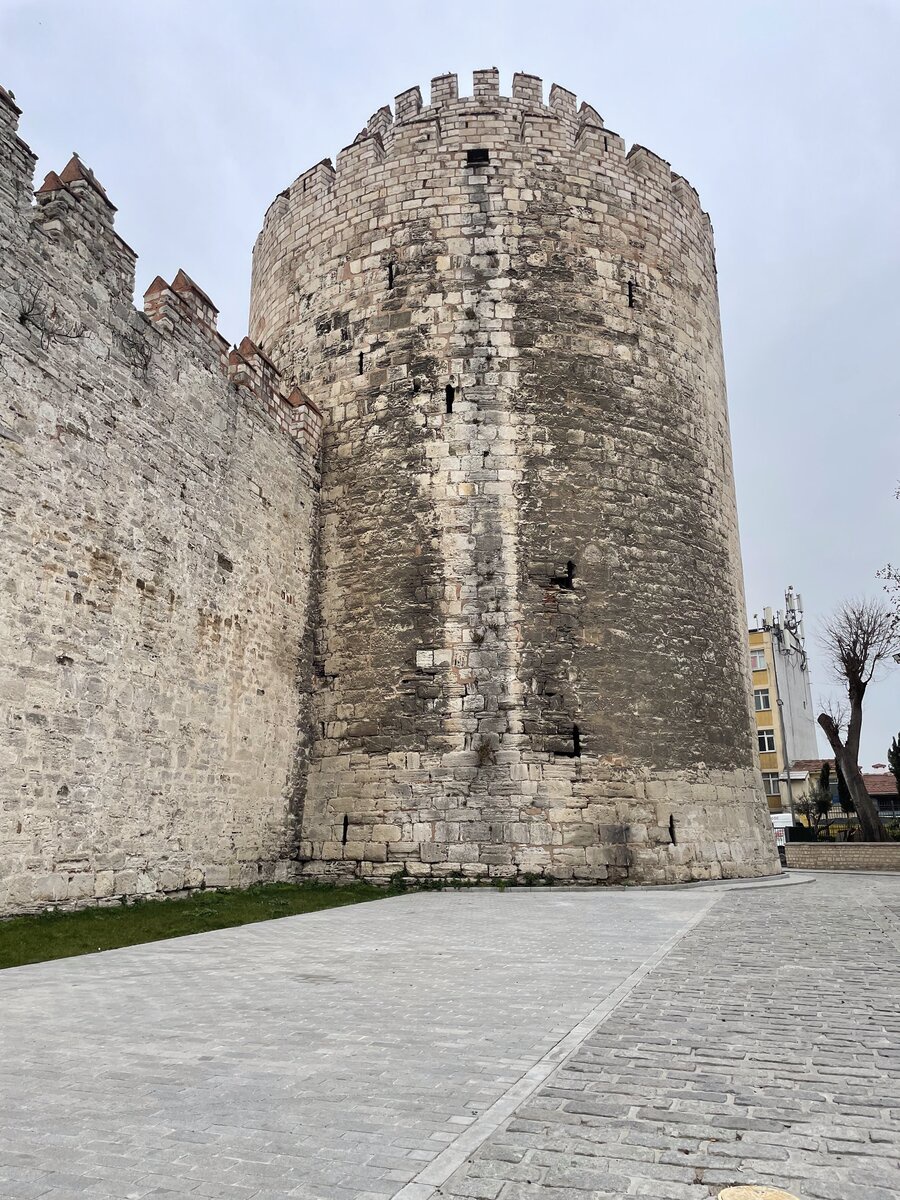
Greek settlers from Megara founded Byzantium here around 660 BC. Constantine proclaimed the city the capital of the Roman Empire on 11 May 330, and as Constantinople it spent the next thousand years as the seat of the Byzantine Empire and, for long stretches, the largest city in Europe. Mehmed II took it after a 55-day siege on 29 May 1453 and made it the Ottoman capital. The republic moved its government to Ankara in 1923, but Istanbul never stopped being the country's economic and cultural center.
Transportation
Istanbul's transit network mixes metro, tram, bus, and ferry across 16 million people, and the Bosphorus makes geography tricky. The Istanbulkart (metro card) unifies most transit; ferries are the secret weapon for both commuting and sightseeing.
- Drive on the right. Standard rules, but Turkish driving can be aggressive. Most nomads avoid renting.
- Istanbulkart is essential. A rechargeable card accepted on metro, tram, bus, funicular, and ferry. Load it at kiosks. Single rides cost 10-15 TRY (~$0.25-0.40 USD).
- Metro network. Four lines (M1, M2, M4, M6) connect major hubs. M4 opened in 2019 and is the fastest. M11 connects the airport to central Beyoğlu in ~30 minutes.
- Tram (T1) runs the European shore from Kabataş to Beyoğlu and Galata, one of the most scenic commutes in the world.
- Ferries across the Bosphorus. Ferries to Kadıköy (Asian side) depart from Eminönü and Beşiktaş every 20 minutes. Ferries are cheap (~2 USD), fast (15-30 minutes), and let you watch the city unfold on water.
- Marmaray. The underwater rail link connecting the European and Asian sides in 4 minutes. Opened 2013; one of the world's deepest underwater tunnels.
- Airports. Istanbul Airport (IST, European side) is newer and preferred. Sabiha Gökçen (SAW, Asian side) is older. Havaist shuttle buses connect IST to central Beyoğlu in 40 minutes for 150 TRY (~$4-5 USD). M11 metro is faster and cheaper.
- Ride-share. Bolt and BiTaksi are safer and more regulated than street hailing. Cross-town rides run 50-100 TRY ($1.50-3 USD).
- Ferries and walking. The European side neighborhoods (Sultanahmet, Beyoğlu, Galata, Karaköy) are walkable. Cobblestones and hills are everywhere.
Language, Customs & Etiquette
Turkish (Türkçe) is unique and challenging for English speakers. Younger people and service staff in central Istanbul speak functional English; outside the center, English drops off sharply. A few words go a long way.
- Greetings. Merhaba (hello), Günaydın (good morning, formal), İyi akşamlar (good evening), Teşekkür ederim (thank you), Affedersiniz (excuse me).
- Tipping. 10% is standard at restaurants and cafés. Round up for taxis. Don't tip if service is already added (rare but check).
- Muslim cultural context. Ramadan shifts each year (lunar calendar) and shapes daily rhythms. During Ramadan, observant Muslims fast dawn to sunset; restaurants may close at lunch. Evening iftars (breaking fast) are festive and social. Friday is the holy day; major mosques fill for noon prayer.
- Mosque etiquette. Remove shoes, cover shoulders and knees, women wear headscarves (usually provided at tourist sites). Photography may be restricted during prayer times. Never turn your back to the mihrab (prayer niche) or the imam.
- Shoe etiquette. Taking off shoes is standard in homes, some restaurants, and all mosques. Keep socks clean.
- Hand on heart. When someone says Eyvallah (okay, thank you), they often place a hand on their chest, it's a gesture of respect and sincerity.
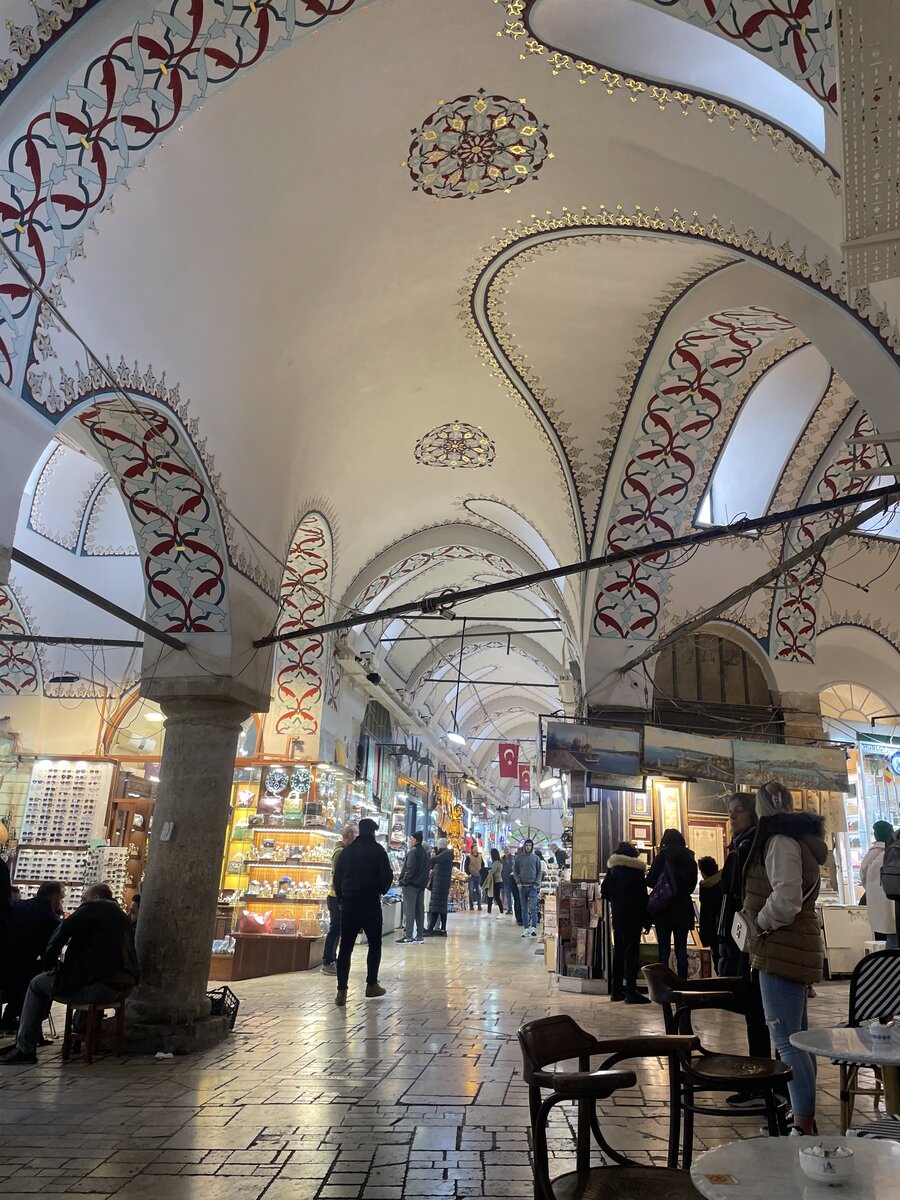
- Bargaining. Standard in bazaars and souks (Grand Bazaar, Spice Bazaar, carpet shops) but fixed prices elsewhere. Haggling is playful and expected for textiles and antiquities.
- Cash etiquette. Turkish lira is the rule; euros aren't accepted everywhere despite proximity to Europe. Don't assume card acceptance in smaller shops or street vendors.
Safety & Security
Istanbul is generally safe for tourists and nomads. Violent crime is rare; petty theft and scams targeting visitors are the real concerns, especially in crowded neighborhoods.
- Pickpocketing. Concentrate on packed trams (especially T1), metro rush hours, and tourist zones like Sultanahmet. Front pockets and crossbody bags only. Don't leave valuables in backpacks.
- The shoeshine drop scam. A friendly stranger "accidentally" drops shoe polish on your shoe, offers to shine it, then charges an exorbitant fee with friends blocking your exit. Politely refuse and walk away fast.
- Carpet shop friendly invite scam. A well-dressed stranger invites you for tea and a carpet "show", high-pressure sales and inflated prices. Stick to established Sultanahmet shops with clear pricing or Nomad-recommended dealers.
- Taxi meter scams. Street-hailed taxis may "forget" to turn on the meter or claim it's broken. Use Bolt, BiTaksi, or Akbil (regulated taxi apps).
- Political rallies. Avoid large political gatherings and protests. Police use heavy-handed crowd control.
- Earthquake awareness. Istanbul sits on seismic zones. Most buildings are seismically designed, but older structures in side streets can be risky. Know where your building's exits are.
- Solo travelers. Women traveling alone report feeling safe in central Istanbul with standard precautions (avoid isolated alleys at night, stick to populated areas, trust your gut).
- LGBTQ+ travelers. Same-sex activity is legal, but public displays of affection are uncommon and can provoke uncomfortable responses outside progressive pockets like Beyoğlu. Discretion is wise.
Weather & Climate
Istanbul has a humid temperate climate with hot summers, mild winters, and occasional snow. Spring and autumn are the sweet spots.
| Month | Avg High | Avg Low | Notes |
|---|---|---|---|
| January | 8°C / 46°F | 3°C / 37°F | Cold, occasional snow, grey skies, quietest season |
| February | 9°C / 48°F | 4°C / 39°F | Cold lingers; possibility of snow |
| March | 12°C / 54°F | 6°C / 43°F | Spring arrives; variable and wet |
| April | 17°C / 63°F | 10°C / 50°F | Tulip Festival, café season starts, ideal |
| May | 23°C / 73°F | 14°C / 57°F | Warm, bright, ferry rides perfect, golden hour long |
| June | 27°C / 81°F | 18°C / 64°F | Istanbul Music Festival, humid, starting to crowd |
| July | 29°C / 84°F | 20°C / 68°F | Hot, humid, crowded with cruise ships; work-from-café becomes difficult |
| August | 29°C / 84°F | 20°C / 68°F | Peak summer; many locals leave; empty offices, good coworking deals |
| September | 25°C / 77°F | 16°C / 61°F | Istanbul Biennial (even years only), crowds thin, still warm, ideal arrival month |
| October | 20°C / 68°F | 12°C / 54°F | Crisp, golden light, Republic Day (Oct 29), perfect for outdoor work |
| November | 15°C / 59°F | 9°C / 48°F | Wet, grey, layers needed, locals settle in |
| December | 10°C / 50°F | 5°C / 41°F | Cold, wet, quiet; holiday lights on; many travelers escape the crowds |
What to pack. Layers year-round. Waterproof shoes and a lightweight rain jacket November-March. Light layers and a sweater for café terraces in shoulder seasons. Good walking shoes, cobblestones are relentless. A headscarf or shawl for mosques.
Logistics & Practical Info
Currency volatility and water safety are the two big practical quirks. Plan around inflation and stick to bottled water.
- Currency. Turkish lira (TRY) has inflated sharply; the exchange rate jumps monthly. Most nomads quote major expenses in USD to avoid surprises. ATMs give decent rates. Keep some USD/EUR cash for emergencies.
- ATMs. Abundant in central Istanbul. Garanti, Akbank, and İşbank machines are reliable. Avoid airport ATMs (worse rates).
- Tap water. Officially treated but not recommended. Istanbul's supply is chlorinated but variable. Stick to bottled water and filtered café drinks. Most restaurants use filtered water for coffee and tea.
- Free WiFi. Widespread in cafés, coworking spaces, hotels, and malls. Quality varies; backup SIM recommended.
- SIM cards. Turkcell, Vodafone, and Türk Telekom offer prepaid plans. Bring your passport. A monthly 200 GB plan runs 300-400 TRY (~$8-12 USD). Easily deactivated on departure.
- Money apps. Wise and Revolut both handle TRY conversions without the tourist rip-off. Both cards work at ATMs and most terminals.
- Visa. Most nationalities (US, UK, EU, CA, AU) get 90 days visa-free. EU citizens can stay longer. Turkey launched a digital nomad visa in 2024 (minimum income requirement, valid for a year, renewable).
- DST. No daylight saving since 2016. Turkey stays on UTC+3 year-round.
- Internet censorship. Some content (political news, gambling) is blocked, but VPNs are unaffected.
Attractions & Activities
Istanbul's appeal is its layers, ancient Byzantine history, Ottoman grandeur, street art, and modern creative energy all stacked into a few walkable neighborhoods. Three days hits the major sights. A month lets you breathe and find your favorite café.
- Hagia Sophia, The 6th-century Byzantine cathedral, converted to a mosque, then a museum, now a mosque again. Staggering dome and light. Crowds are brutal in summer; go early.
- Blue Mosque (Sultan Ahmed Mosque), Iconic blue Iznik tiles, built in the 1600s. Entrance is free; dress modestly. Quieter in the early morning.
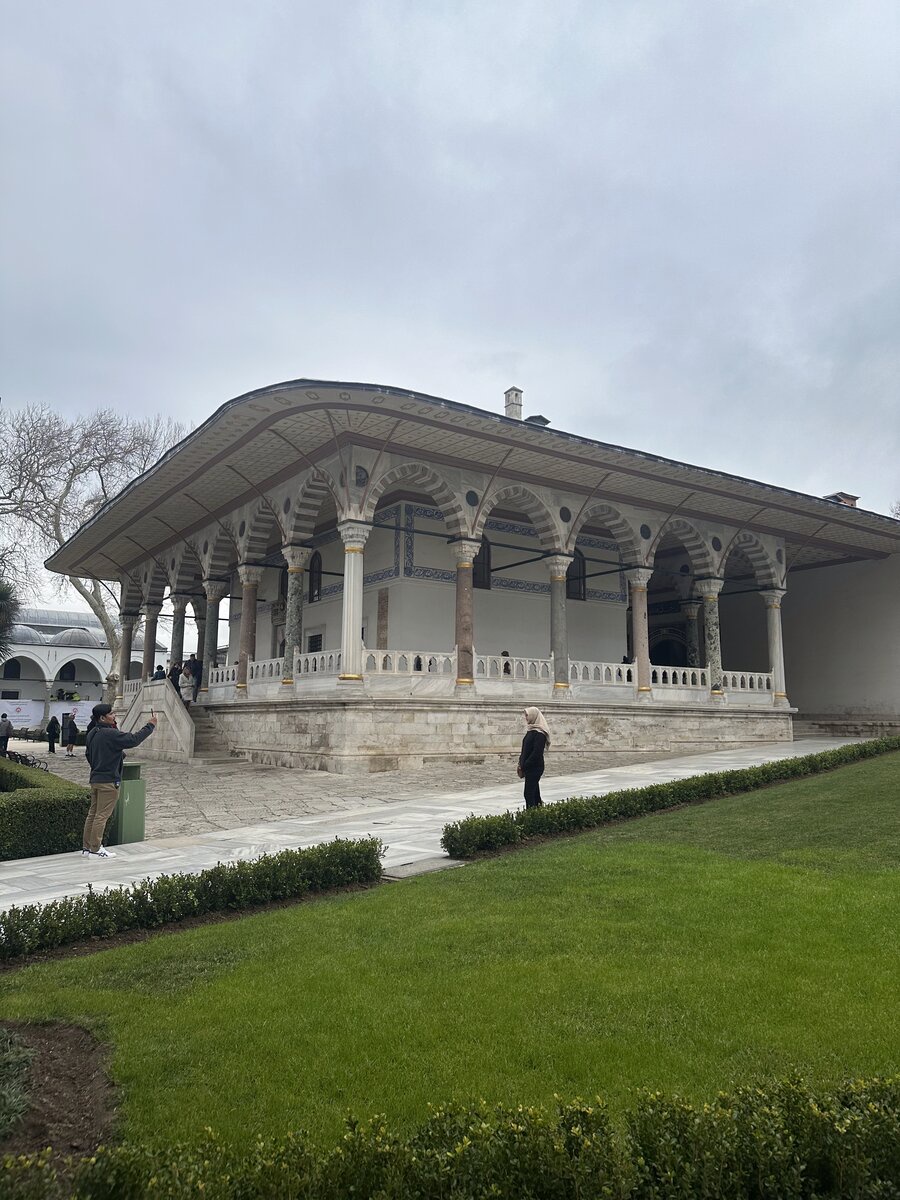
- Topkapi Palace (Wikipedia), The Ottoman sultanate's home for 400 years. Courtyards, the Treasury, the Harem. Book tickets online to skip the queue.
- Grand Bazaar (Kapalı Çarşı) (Wikipedia), A labyrinth of 4,000+ shops selling everything from spices to carpets. Haggling is expected. Go early to avoid cruise-ship hordes.
- Spice Bazaar (Mısır Çarşısı), Smaller, more authentic, smells incredible. Buy whole spices, dried fruits, Turkish delight, saffron.
- Basilica Cistern (Yerebatan Sarnıcı), Underground Byzantine water cistern with 336 columns. Eerie, photogenic, cool in summer.
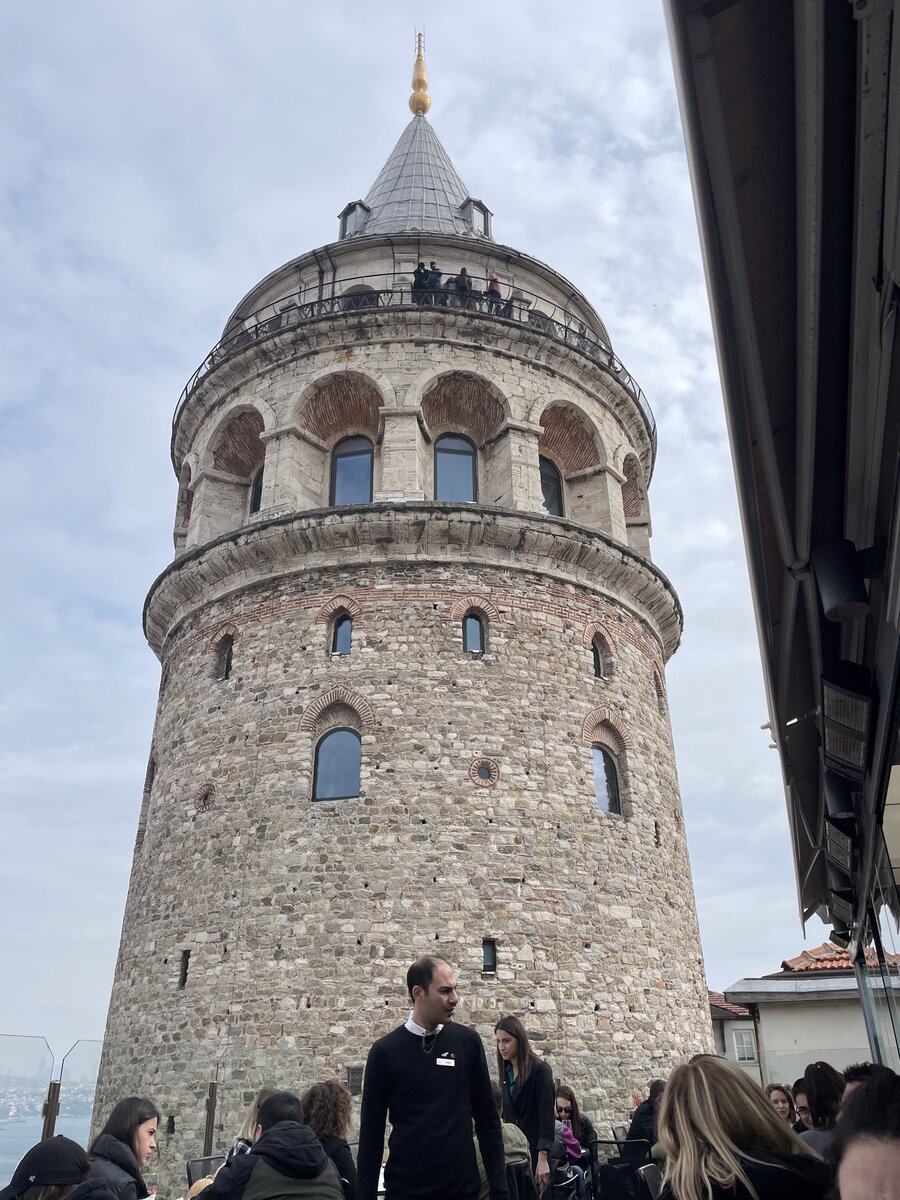
- Galata Tower (Wikipedia), 14th-century Genoese tower with an observation deck. Sunrise views are breathtaking.
- Bosphorus ferry cruise, From Eminönü to the Golden Horn villages (Eyüp, Balat) or across to Kadıköy. Dirt cheap and postcard-perfect.
- Süleymaniye Mosque, Massive Ottoman mosque with a courtyard garden and views across Istanbul. Less touristy than the Blue Mosque.
- Kadıköy waterfront and neighborhood, The Asian side's heart. Galleries, vintage shops, street food, and a bohemian vibe. Accessible by ferry (15 min) from Eminönü.
Festivals and major events
| Event | When |
|---|---|
| Tulip Festival (gardens, Ottoman history) | Late April / early May |
| Ramadan & Eid Bayram (iftar feasts, spiritual observance) | Lunar calendar (varies yearly) |
| Istanbul Music Festival (classical, jazz, contemporary) | June / early July |
| Istanbul Biennial (contemporary art, odd-numbered years) | September - November (2025, 2027, etc.) |
| Republic Day fireworks and celebrations | October 29 |
Must-try local dishes
Turkish food is bold, generous, and often cooked over fire or slow-simmered all day. The backbone is meat (lamb and beef), fresh vegetables, olive oil, and spices, sumac, cumin, oregano, red pepper flakes.
- Döner kebap, meat shaved from a rotating spit, served in flatbread with yogurt and hot sauce. The street-food default.
- Lahmacun, thin crispy flatbread topped with spiced ground meat, onions, and herbs. Sometimes called "Turkish pizza."
- Baklava, phyllo pastry layered with nuts and soaked in honey syrup. Pistachio is the top-tier version.
- Künefe, shredded pastry filled with melted cheese and pistachios, served warm with syrup. Addictive.
- Kahvaltı (Turkish breakfast), bread, white cheese, olives, fresh tomatoes, cucumbers, boiled eggs, honey, jam, and strong Turkish tea. A production, and worth seeking out at a neighborhood kahvaltı spot.
- Balık ekmek (fish sandwich), grilled mackerel stuffed in a crusty roll with lettuce and lemon. The Eminönü waterfront stalls make the best.
- Mantı, hand-folded dumplings topped with yogurt and tomato sauce. Eaten at home or in a few old-school lokantalar (traditional restaurants).
- Simit, sesame-crusted bread ring sold on every street corner. Cheap, delicious, and filling.
- Turkish tea (çay), served in tiny tulip-shaped glasses, strong and black, usually free with a meal.
- Turkish coffee (kahve), thick, sweet if you want it, made in a small brass pot. Ordered at a café or restaurant.
- Rakı, the national spirit, an anise-flavored liquor diluted with water (turns milky white, called "lion's milk"). Strong; sip slowly with meze (appetizers).
Souvenirs that aren't junk
Skip the mass-produced evil eyes at tourist markets. Instead:
- Turkish carpet from a reputable dealer, Sultanahmet has established shops with fair pricing and authentication. Small rugs (2x3m) run 1,500-5,000 TRY ($40-150 USD); quality and age vary wildly. Don't buy without knowledge of knot density and dye quality.
- Hand-painted Iznik ceramics, traditional Ottoman design on tiles, plates, and bowls. Pricey but authentic. Look for signed pieces.
- Turkish tea and coffee sets, small brass or copper pots (cezve/ibrik), tiny glasses, and saucers. Practical and beautiful.
- Turkish delight (lokum), from heritage shops like Hacı Bekir (1777) or Hafız Mustafa. Pistachio, rose, or pomegranate flavors.
- Evil eye (nazar boncuğu), okay, I lied. The blue and white glass charms are a genuine cultural icon. Buy from a small shop, not a tourist stall.
- Hammam towels and natural soap, lightweight peştemal towels and olive-oil soap from local makers. Functional and fragrant.
Health & Medical
Istanbul has world-class private hospitals and is a medical tourism hub. Public healthcare is cheap but requires bureaucracy; nomads usually pay private.
- Travel insurance is essential for non-EU travelers. Turkish hospitals are modern but will bill afterward.
- Private hospitals like Memorial, Acıbadem, and Florence Nightingale offer English-speaking staff, modern equipment, and same-day appointments. Consultations 300-600 TRY (~$8-16 USD), specialist referrals and tests extra.
- Pharmacies (eczane) are ubiquitous; look for green cross signs. Antibiotics, birth control, and many prescription meds are over-the-counter. Staff speak some English.
- Vegetarian and vegan options have exploded in central Istanbul. Beyoğlu and Kadıköy have dedicated spots. Traditional Turkish menus lean meat-heavy; ask for vejeteryan options.
- Tap water is chlorinated but not recommended. Use bottled or filtered water.
- No endemic tropical diseases. Tick-borne encephalitis exists in rural areas but not common in the city.
Legal & Substances
- Cannabis is illegal. Possession results in criminal charges, fines, and prison time. Turkey has strict drug laws; don't risk it.
- Alcohol is legal but limited. Alcohol sales are banned after 10 PM except in bars and restaurants. Drink prices are high due to heavy taxation.
- Public alcohol consumption is loosely tolerated but can draw attention. Stick to parks and the Bosphorus waterfront.
- Smoking is widespread. Banned indoors in restaurants and bars (rarely enforced), but common on terraces and in the street.
- LGBTQ+ laws. Same-sex activity is legal, but marriage and adoption are not. Public displays of affection can provoke discomfort or aggression outside progressive pockets.
- Photography and drones. Photography is allowed in public spaces. Drones require specific permits and flight restrictions apply near the Bosphorus and airports.
Customs & Shopping
- VAT is 20%. Non-residents can apply for tax-free refunds on purchases over 100 TRY at departure, but the refund process is slow and fees eat the benefit. Most nomads skip it.
- Currency declaration. Anything over $5,000 USD in cash leaving Turkey must be declared to customs.
- Bargaining. Expected in bazaars and souks. Friendly negotiation is part of the experience. Retailers will offer tea and conversation.
Accessibility & Inclusion
Istanbul is partially accessible. The newer M4 metro line and some newer hotels have elevators and step-free entry. Older sites, museums, mosques, historic neighborhoods with cobblestones, are often not wheelchair-accessible. Call ahead when planning. Side entrances to mosques often have better accessibility than main doors.
- LGBTQ+. Same-sex partnerships are legal but social attitudes vary. Beyoğlu has visible queer nightlife and cafés. Outside progressive pockets, discretion is advisable.
- Visible minorities. Istanbul is cosmopolitan; racial diversity is higher here than in rural Turkey. Stares happen but overt discrimination is rare in central areas.
- Deaf and blind travelers. Audio descriptions are limited at museums. Most historic sites lack accessible infrastructure.
Ryan's Food Notes
Things I actually ate in Istanbul:
- Turkish Breakfast Spread, the full version with tomatoes, cucumbers, white cheese, olives, eggs, honey, and clotted cream. Order this once at a proper lokanta. It takes an hour to get through and costs almost nothing.
- Kaymak at Namli, Namli Gurme in Karakoy is worth the line for the Turkish clotted cream with honey on fresh bread. It's the kind of breakfast that makes you rethink your morning routine.
- Turkish Coffee, order it medium sweet (orta) from any cafe with copper pots and a sand tray. Drink it slow, don't stir the grounds at the bottom.
Digital Nomad Corner
Istanbul has exploded as a nomad base in the last three years. Fiber internet is dense and cheap, the café culture is nomad-friendly, and the cost of living is unbeatable if you're earning in hard currency.
- Internet. Fiber is widespread in central neighborhoods (Beyoğlu, Şişli, Beşiktaş, Kadıköy). Typical 300 Mbps plans run 300-400 TRY (~$8-12 USD/month). Mobile hotspot from a SIM card is a solid backup.
- Coworking spaces. Workhaus (Şişli and Beşiktaş), Kolektif House (Galata), and Workinton (multiple locations) are the main chains. Day passes 150-250 TRY (~$4-7 USD); monthly 2,000-3,000 TRY (~$55-85 USD). Most have fast WiFi, coffee, and a social nomad community.
- Cafés. Beyoğlu, Galata, and Kadıköy have hundreds of laptop-friendly spaces with reliable WiFi. Order a 50 TRY tea or coffee, sit for 4 hours, no one complains.
- Digital nomad visa. Turkey launched a 12-month digital nomad visa in 2024. Requirements: ~$2,500/month income, no Turkish-source work, simple online application. Highly accessible compared to other countries.
- Cost of living. A nomad earning USD/EUR in Istanbul can live well for $1,000-1,500/month: rent a one-bedroom in Beyoğlu or Kadıköy (1,500-2,500 TRY/month, ~$40-70 USD long-term or 3,000-5,000 TRY on Airbnb), eat out regularly, cowork, travel regionally. Utilities, SIM, transit are minimal. The catch is that Turkish inflation makes TRY-priced rentals unpredictable; lock in long-term housing ASAP or budget in USD. For a short sightseeing stay before you settle on a neighborhood, the Royan Hotel Hagia Sophia in Cankurtaran puts you a few minutes on foot from Hagia Sophia and the Blue Mosque.
- Regional travel. The Aegean coast (Izmir, Ephesus, Cappadocia), Greek islands, and Central Anatolia are easily reached by low-cost buses and flights. Istanbul is a jumping-off point for the region.
Istanbul demands time to untangle. The first week is scrambling to understand the transit and dodging cruise-ship crowds. By week three, you're eating breakfast at a neighborhood lokanta with regulars who know your order, catching the ferry home at sunset, and feeling like a temporary citizen of a 1,600-year-old city. The sights, Hagia Sophia, Topkapi, the bazaars, are worth seeing once, but the city's real draw is the daily rhythm: strong coffee in Galata, walking across the Galata Bridge with fishermen lining the rails, a mezze plate and rakı watching the sun drop behind the European hills from the Asian side. Istanbul is cheaper than it was, sharper in focus, and more accessible to remote workers than ever. Come in April or September. Stay for three months. Earn in dollars. Watch your budget evaporate into texture and history.
Keep planning: Turkish Spice Mix Recipe for Grilled Meat, From Istanbul, Acadia National Park Guide: Maine's Coastal Peaks and Aceh, Indonesia: A Practical Travel Guide.