Aceh, Indonesia: A Practical Travel Guide
Nomad Toolkit
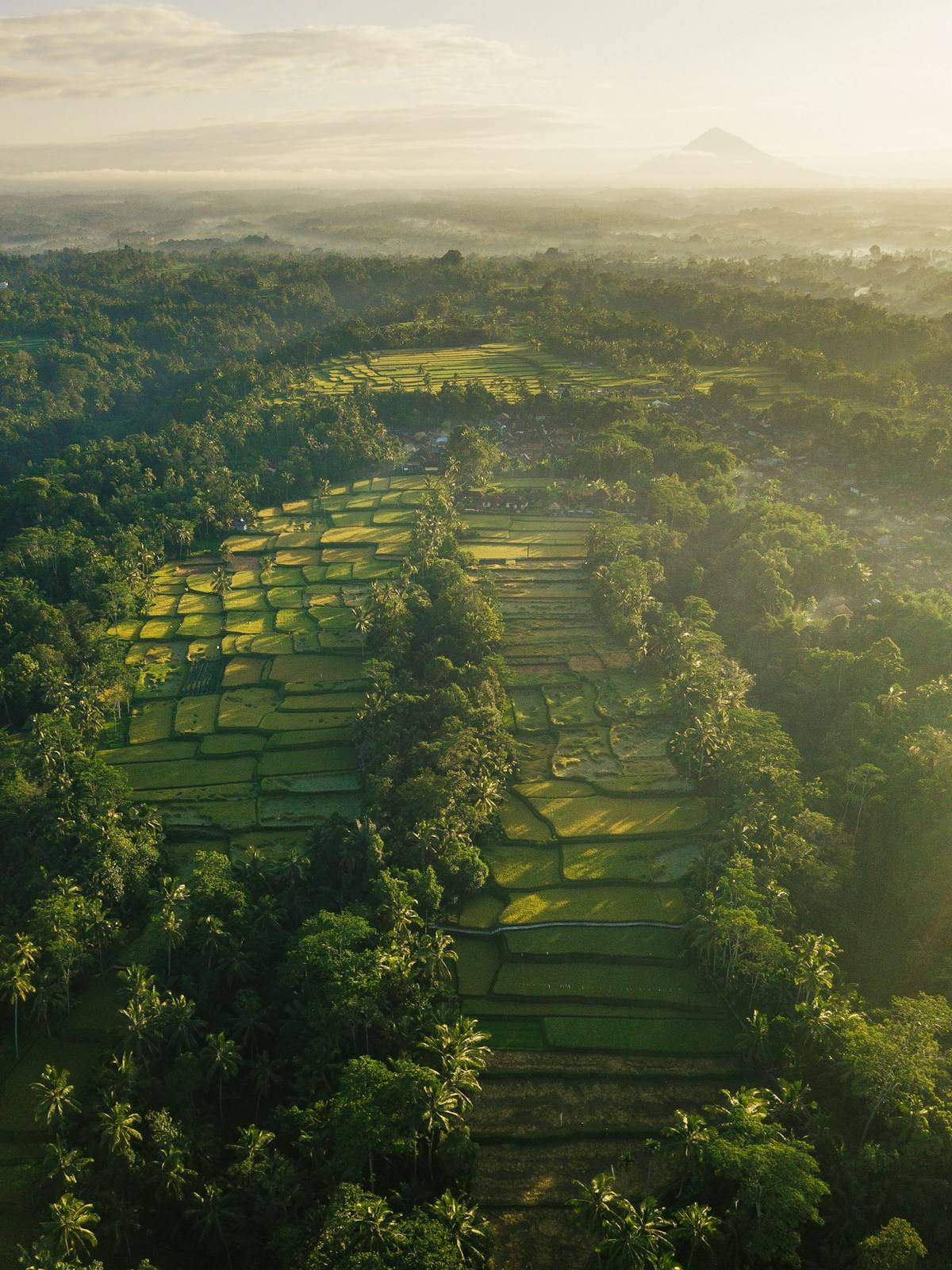
Aceh is Indonesia's most misunderstood province. The northernmost tip of Sumatra sits between the Indian Ocean and thick rainforest, with a tragic recent history (the 2004 tsunami, the 1976 to 2005 separatist conflict) and a present-day distinction that sets it apart from the rest of the archipelago: it's the only Indonesian province governed by Sharia law. This fact dominates how visitors approach Aceh, and rightfully so. But for divers, adventure travelers, and those comfortable with strict Islamic customs, Aceh offers world-class reef sites, mountain trekking to see orangutans, zero tourist infrastructure fatigue, and a kind of rawness that has largely vanished from Bali and Java. Banda Aceh, the capital, feels like a city rebuilding and reclaiming itself. Pulau Weh (Sabang) is one of Indonesia's best dive destinations. The province is not for everyone, but for the right traveler, it's unforgettable.
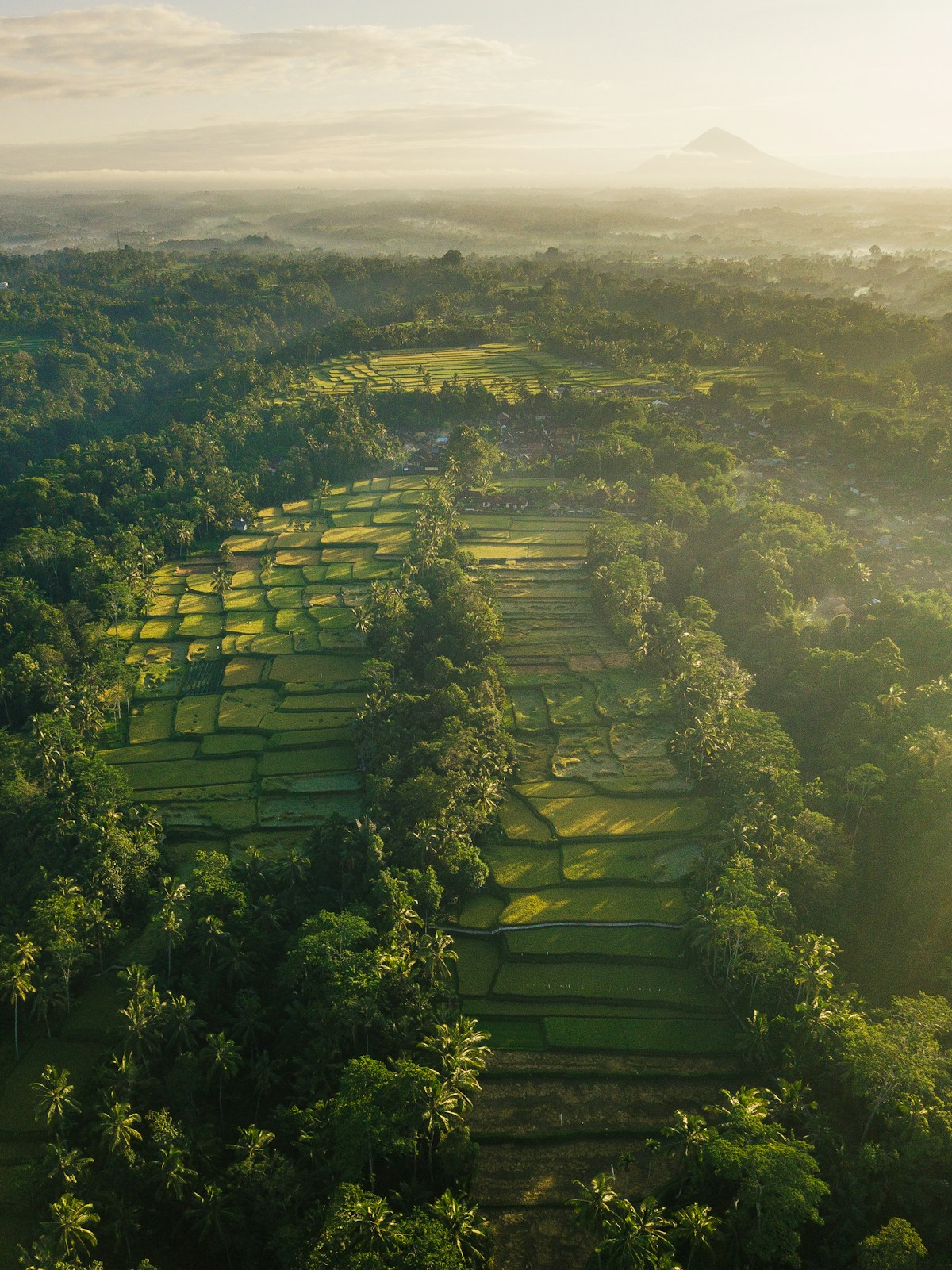
Demographics & Government
| Country | Indonesia |
| Province | Aceh (capital: Banda Aceh) |
| Population | ~5.2 million (Aceh province), ~250,000 (Banda Aceh) |
| Government | Special Autonomy Region; Sharia law since 2001 (enforced 2015+) |
| Religious mix | ~98% Muslim (predominately Sunni), ~2% other / expatriates |
| Time zone | WIB (UTC+7) year-round; no daylight saving time |
| Plug type | Type C and Type I (230V / 50Hz) |
| Drive side | Left |
| Tap water safe? | No. Drink bottled water (IDR 5,000 to 20,000 per liter) or filtered |
| Free WiFi? | Limited in public spaces; hotels and cafés provide it |
| Best time to visit | May to September (dry season, 25 to 30°C, calm seas for diving) |
| Emergency numbers | 112 (nationwide), 110 (police), 113 (fire), 118/119 (ambulance) |
| Currency | Indonesian rupiah (IDR), ~16,000 per USD (varies). Cash widely used |
Overview & Vibe
Banda Aceh feels like a city in transition. The 2004 tsunami killed 170,000 people here; the Tsunami Museum is a powerful, grief-steeped space. Rebuilding is visible everywhere. The city has no nightlife (alcohol is illegal, nightclubs don't exist), beaches are religious and modest, and call to prayer echoes five times daily through neighborhoods. This is real, traditional Islam in Southeast Asia, not the "island vibes" tourism of Bali or Lombok.
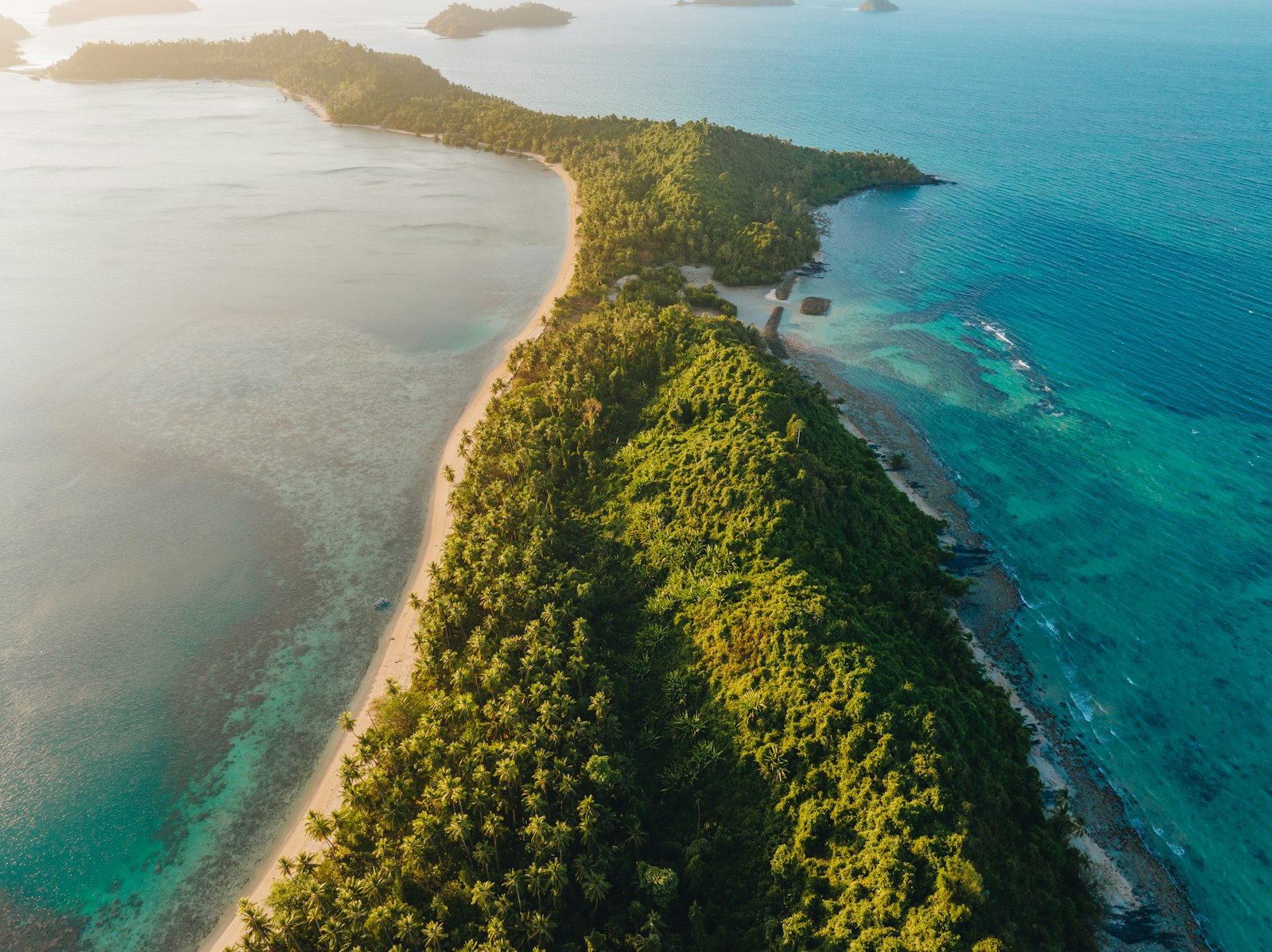
What makes Aceh singular: Pulau Weh (a 30-minute speedboat from Banda Aceh) has some of Indonesia's best coral reefs and a thriving dive community. The highlands around Takengon offer trekking to see wild orangutans (through partner guides) and Acehnese coffee plantations. The province is politically stable post-peace agreement (2005); terrorism risk is negligible. Petty crime is low. Tourists are genuinely rare, which means generosity and curiosity from locals, but also language barriers, minimal English outside tourist zones, and limited creature comforts.
Aceh is for travelers willing to ask questions, respect strict dress and behavior codes, and find reward in places where few outsiders venture.

A Brief History
The Sultanate of Aceh was founded by Sultan Ali Mughayat Syah in 1511 and hit its peak under Iskandar Muda in the early 1600s, when its influence covered much of Sumatra and the Malay Peninsula. The Dutch declared war in 1873 and needed four decades of guerrilla fighting to subdue the region. In 1976 Hasan di Tiro proclaimed the Free Aceh Movement, starting a separatist conflict that ended only after the December 2004 tsunami killed more than 170,000 people in the province and pushed both sides to sign the Helsinki peace agreement in August 2005. Aceh has since been governed as a special autonomous province, the only one in Indonesia permitted to apply Sharia law.
Transportation
Aceh's road infrastructure is improving, but public transit is limited. Motorcycles dominate local transport; tourism infrastructure is thin outside Banda Aceh and Pulau Weh.
- Drive on the left. Standard Indonesian pattern; International Driving Permit (IDP) is required for car rentals.
- Motorcycle rental. IDR 50,000 to 100,000/day (~$3 to 6 USD) for basic bikes. Helmets mandatory. Insurance varies; get coverage if possible. Good for exploring local areas but highways are risky without experience.
- Ride-hailing (Grab). Available in Banda Aceh and larger towns, though supply is limited compared to Java. Bike taxis and car rides via Grab cost IDR 10,000 to 50,000 depending on distance.
- Public minivans (labi-labi). Connect towns for IDR 10,000 to 30,000. Crowded, slow, no fixed schedules; common for inter-town travel.
- Intercity buses. Banda Aceh to Lhokseumawe (~3 hours, IDR 50,000 to 100,000), Banda Aceh to Meulaboh (~5 hours, IDR 75,000 to 150,000). Depart from bus terminals; book day-of or through hotel staff.
- Pulau Weh ferries. Speed boats from Banda Aceh port (Ulee Lheue) to Sabang (Pulau Weh) run multiple daily: IDR 75,000 to 100,000 one-way, 30 to 45 minutes. Book at the port or through your hotel.
- Car rental. IDR 300,000 to 500,000/day with driver. IDP required. Hotels and guesthouses can arrange rentals.
- Airport. Sultan Iskandar Muda (Kuala Namu, 30 km south of Banda Aceh). Grab ~IDR 150,000 to 250,000; hotel shuttles ~IDR 100,000 to 150,000.
Language, Customs & Etiquette
Indonesian is the official language. English is sparse outside Banda Aceh and Pulau Weh dive shops. Acehnese (a tonal language) is spoken locally but not necessary for visitors.
Sharia law and Islamic custom dominate daily life. This is not a negotiation point; it's the law and cultural expectation. Respect is non-negotiable.
- Greetings. "Assalamu'alaikum" (peace be upon you) is the standard greeting and preferred over secular alternatives. Response: "Wa'alaikum assalam wa rahmatullahi wa barakatuhu" (shortened: "wa'alaikum assalam"). "Salam" or "Selamat pagi" (good morning) also work. Thank you: "Terima kasih."
- Dress code. Women must cover legs, shoulders, and ideally hair (headscarf). Loose, non-transparent clothing is mandatory. Swimwear is restricted to resort areas. Men should wear long pants and shirts with sleeves in public. No visible cleavage or tight clothing, even at the beach.
- Dining etiquette. Use your right hand for eating; left hand is considered unclean. Sit when invited; remove shoes before entering homes. Pork and alcohol are forbidden; respect these boundaries. Refusing food is impolite; accept at least a small portion.
- Ramadan. During Ramadan (March 2025, February 2026), eating, drinking, and smoking in public during daylight hours is prohibited. Many restaurants close during the day. Early mornings and evenings are busiest. Non-Muslims are exempt but should be discreet.
- Prayer times. Businesses may close temporarily for prayer, especially Friday midday prayers. Plan accordingly.
- Photography. Request permission before photographing people, especially women and in religious settings. Avoid photographing mosques during prayer times or sacred spaces.
- Gestures. Pointing with one finger is rude; use your whole hand. Touching someone's head, showing the soles of feet, and displaying the left hand are offensive. Maintain eye contact to show respect.
- Public displays of affection. Illegal under Sharia law. Kissing, hand-holding, and hugging in public can result in caning (up to 45 lashes for unmarried couples). Enforcement primarily targets Muslims but foreigners can be prosecuted and deported.
Safety & Security
Aceh is significantly safer than its reputation suggests. Terrorism is minimal post-2005 peace agreement. Crime rates are low by Indonesian standards. The real risks are natural hazards and adherence to strict laws.
- Terrorism. Negligible since the peace agreement (2005). Intelligence suggests extremist cells are highly disrupted.
- Petty crime. Pickpocketing and bag snatching occur in crowded markets and towns, but violent crime is rare. Use common urban precautions.
- Sharia law enforcement. Religious police (Wilayatul Hisbah) patrol public spaces. Violations (alcohol, non-Islamic dress, public affection) result in fines, detention, or caning. Foreigners can be prosecuted and deported. Female tourists have been caned for beach attire deemed immodest.
- Natural hazards. Aceh sits on the Pacific Ring of Fire. Earthquakes and tsunami risk exist. In November 2024, a 6.2-magnitude earthquake caused evacuation; always have emergency plans. Landslides occur in highlands during wet season.
- Solo female travelers. Heightened caution is necessary. Dress very conservatively, avoid traveling alone after dark, use registered transport, and stay in established guesthouses with security. Solo behavior can attract scrutiny from religious authorities and conservative locals.
- LGBTQ+. Indonesia has no specific national laws criminalizing same-sex orientation, but Aceh's Sharia law includes harsh penalties for homosexual behavior (caning, lengthy imprisonment). Same-sex couples can be prosecuted. Discretion is essential; do not display affection or disclose orientation publicly. Transgender travelers face similar risks.
- Racial / ethnic attitudes. Aceh is ethnically homogeneous. Foreign minorities may attract stares but rarely face hostility. Respectful behavior and modest dress diffuse potential friction.
Weather & Climate
Tropical monsoon climate with a pronounced dry and wet season. The dry season is optimal for diving and travel.
| Month | Avg High | Avg Low | Rainfall | Notes |
|---|---|---|---|---|
| January | 29°C / 84°F | 22°C / 72°F | Very high | Wet season; heavy rain; seas rough |
| February | 29°C / 84°F | 22°C / 72°F | Very high | Wettest month; flooding risk in some areas |
| March | 30°C / 86°F | 23°C / 73°F | High | Ramadan 2025 begins (late March); rain easing |
| April | 31°C / 88°F | 23°C / 73°F | Moderate | Transition; still rainy but drying |
| May | 31°C / 88°F | 23°C / 73°F | Low | Dry season begins; excellent diving |
| June | 31°C / 88°F | 22°C / 72°F | Very low | Dry, calm seas, ideal for water sports |
| July | 31°C / 88°F | 21°C / 70°F | Very low | Best month for diving; cool, dry |
| August | 31°C / 88°F | 21°C / 70°F | Very low | Dry, calm, perfect for Pulau Weh visits |
| September | 30°C / 86°F | 22°C / 72°F | Low | Still dry season; good for travel |
| October | 30°C / 86°F | 22°C / 72°F | Moderate | Transition; occasional rain |
| November | 29°C / 84°F | 22°C / 72°F | High | Wet season returns; rain increasing |
| December | 29°C / 84°F | 22°C / 72°F | Very high | Wet, rough seas, limited activity |
Best time to visit: May to September (dry season, 25 to 31°C, calm seas, minimal rain). June to August is optimal for diving. Avoid January to April (wet season, heavy rain, rough seas, higher flooding and earthquake risk). Ramadan (late February to March 2025, February 2026) restricts dining and activities.
What to pack: Ultra-modest clothing (long pants, long skirts, loose tunics, headscarves). Swimwear for resort areas only. Reef sandals. Lightweight rain jacket for transition months. High-SPF sunscreen. Dive certification if planning dives (brings costs down significantly). Respectful, humble attitude.
Logistics & Practical Info
- Currency. Indonesian rupiah (IDR), ~16,000 per USD (varies). ATMs are available in Banda Aceh and larger towns; rates are fair. Card payment is less common; cash is primary. Mandiri and BCA ATMs are widespread.
- Tap water. Not safe. Drink bottled water (IDR 5,000 to 20,000 per liter at shops, more at hotels). Most guesthouses provide filtered water.
- Electricity. Type C and Type I plugs, 230V, 50Hz. Bring an adapter.
- Free WiFi. Limited; hotels and some cafés provide it. Mobile data is more reliable. Signals can be spotty in rural areas.
- SIM cards. Telkomsel and Indosat offer prepaid plans: IDR 100,000 to 300,000 for 30 days with 5 to 20 GB data. Available at airports, malls, and carrier shops. ID required.
- Internet. Banda Aceh and Pulau Weh have reasonable 3G/4G coverage and some fiber. Highland areas and remote beaches are unreliable.
- Time zone. Western Indonesia Time (WIB), UTC+7 year-round. No daylight saving.
- Health. No endemic tropical diseases specific to Aceh; dengue and malaria exist in lower-risk areas. Vaccines for typhoid, hepatitis A/B recommended. Travel insurance is essential; private clinics in Banda Aceh charge IDR 200,000 to 500,000 for consultations.
- Visas. US, EU, Australian, Canadian, Japanese citizens receive 30-day tourist visas on arrival (IDR 600,000, ~$35 USD). Extensions are possible through immigration offices.
Attractions & Activities
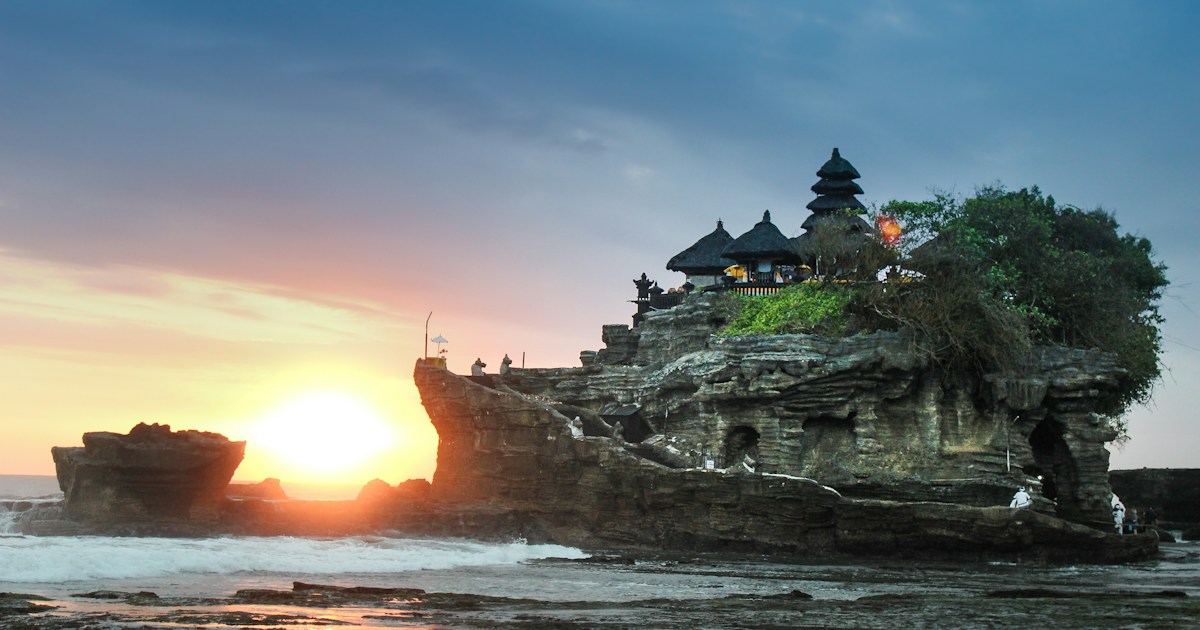
Aceh's appeal is tied to outdoors and post-disaster cultural understanding. Most experiences cluster around three zones: Banda Aceh city, Pulau Weh, and highlands.
- Baiturrahman Grand Mosque (Wikipedia), iconic white mosque in Banda Aceh, largely rebuilt post-2004. Non-Muslims welcome but must observe dress code and prayer times; consider hiring a local guide.
- Tsunami Museum (Wikipedia), powerful, emotional archive documenting the 2004 disaster and recovery. Respectful, necessary visit.
- Mass graves and tsunami memorials, sobering sites around Banda Aceh; local guides essential.
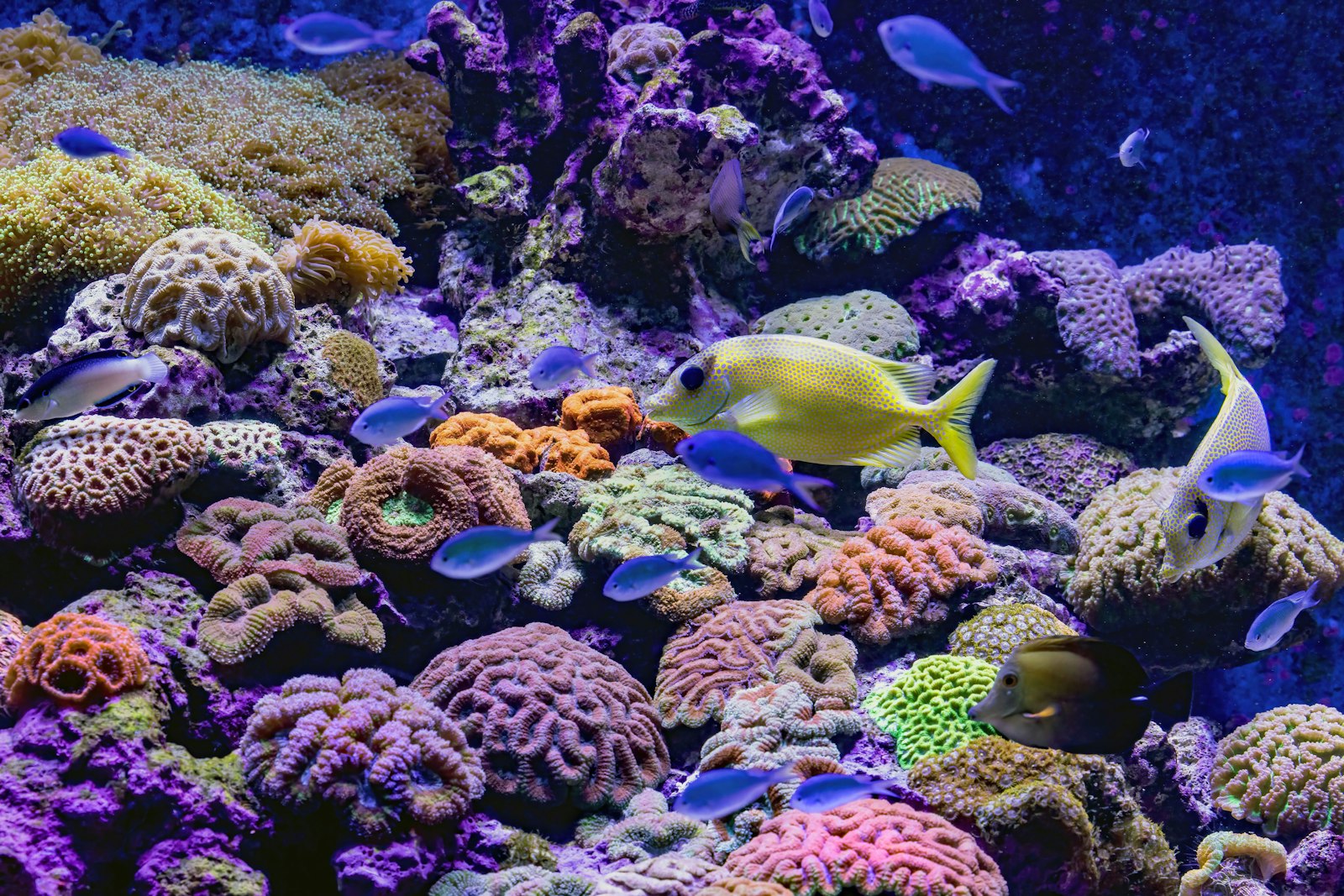
- Pulau Weh (Sabang) (Wikipedia), 45-minute speedboat from Banda Aceh. World-class diving (reefs, wrecks, steep walls). Dive shops: Rubiah Divers, Weh Dive Center. Certification dives IDR 800,000 to 1,200,000; shore dives IDR 300,000 to 500,000.
- Iboih Beach, Pulau Weh, snorkeling from shore, calm waters, basic guesthouses and dive shops.
- Sabang town, Pulau Weh, entry point; small port town with ferries, restaurants, accommodations.
- Takengon highlands (Wikipedia), cooler mountain terrain (1,250 m elevation). Guestings for orangutan trekking; local guides required. Lake Laut Tawar offers boating.
- Leuser Ecosystem (Wikipedia), UNESCO World Heritage rainforest; Sumatran orangutans, tigers, elephants, rhinos. Requires guides and permits through tour operators.
- Acehnese coffee plantations, around Takengon; purchase direct from farmers.
- Lhokseumawe beaches, quieter coastal towns south of Banda Aceh; less tourist infrastructure.
Festivals and major events
| Event | When | Notes |
|---|---|---|
| Ramadan | Late February to March 2025; February 2026 | No public eating/drinking during daylight. Early meals (pre-dawn), evening celebrations (Iftar). Many restaurants closed during day |
| Eid al-Fitr | March 2025; late February 2026 | End of Ramadan; family time, prayer, limited public activity |
| Eid al-Adha | June 2025; May 2026 | Islamic sacrifice holiday; major celebration, most businesses close |
| Islamic New Year | July 2025; June 2026 | Religious observance; mosques busy, limited secular activity |
| Mawlid (Prophet Muhammad's birthday) | September 2025; August 2026 | Religious recitations, prayers, community gatherings |
| National holidays | Independence Day (August 17) | Limited tourist-facing events; government offices closed |
Must-try local dishes
Acehnese cuisine is flavorful, distinct, and meat/seafood-heavy. Pork is strictly forbidden; respect this culturally and legally.
- Acehnese curries, aromatic, complex broths with coconut milk, lemongrass, turmeric, garlic, and chili.
- Nasi kuning, yellow rice cooked with coconut milk, turmeric, and spices.
- Ikan bakar, grilled fish, often sea snapper or grouper, seasoned simply with lime and chili.
- Soto Aceh, beef soup with turmeric, cinnamon, clove, and local herbs.
- Gulé Udang, curry with shrimp and thick coconut sauce.
- Martabak, sweet pancakes filled with egg, condensed milk, and chocolate (street food).
- Acehnese coffee, strong, aromatic, often served with snacks. Buy direct from Takengon highlands or local markets.
Souvenirs and local crafts
- Aceh coffee, renowned for complexity and low acidity. Beans or ground powder, directly from highlands farms.
- Textiles and songket, traditional woven fabrics with gold or silver thread, used for sarongs and ceremonial dress.
- Batik, hand-dyed fabric with intricate patterns.
- Wood carvings, geometric and floral designs; support local artisans in small villages.
- Rattan or woven items, baskets, mats, furniture from traditional crafts.

Health & Medical
Healthcare in Aceh is limited. Banda Aceh has private clinics, but provincial facilities are basic. Travel insurance covering evacuation is essential.
- Private clinics. Banda Aceh has English-speaking private facilities offering consultations IDR 200,000 to 500,000. Larger hospitals can handle emergencies; serious cases may require evacuation to Medan or Jakarta.
- Public hospitals (RSUD). Free for emergencies; quality is lower, often overcrowded.
- Pharmacies. Available in Banda Aceh and larger towns; many drugs sold over the counter. Bring a list of your medications in case you need refills.
- Endemic diseases. Dengue and malaria risk exists but is low in tourist areas. Yellow fever vaccination is recommended. Typhoid and hepatitis A/B vaccinations are advisable.
- Dietary restrictions. Pork is forbidden; no restaurants serve it openly (some non-Muslim enclaves may). Alcohol is illegal; no bars or liquor stores. Vegetarian and vegan meals are accommodated in traditional dishes (vegetable curries, rice dishes), though protein options are limited.
Legal & Substances
- Alcohol. Completely illegal. Possession, consumption, and sale are criminal offenses. Enforcement is strict; tourists are not exempt. Penalties include fines and imprisonment.
- Drugs. All recreational drugs are illegal and heavily prosecuted. Trafficking carries sentences of 5 to 20 years imprisonment or death penalty.
- Gambling. Illegal under Sharia law. No casinos or gaming establishments.
- Smoking. Not widely prohibited by law as in Java, but discouraged in public. Respect local norms.
- Driving laws. License required (IDP); left-hand traffic; helmets mandatory. Road conditions are variable; defensive driving is essential.
- Photography restrictions. Photography of military installations, government buildings, and sensitive sites is prohibited. Always request permission for people and religious sites.
Customs & Shopping
Indonesia has no specific duty-free export allowance for departing travelers carrying personal items and souvenirs of reasonable value. Commercial quantities, however, require export permits and can attract taxes. Plan around personal-use thresholds rather than a fixed dollar limit.
Several categories are restricted or prohibited on export. Protected wildlife species, their parts, and products (corals, sea turtles, certain endangered birds) cannot leave without special CITES permits. Antiques and cultural artifacts over 50 years old need approval from the National Museum. Unprocessed raw materials like certain logs and minerals also face export restrictions.
For shopping: Indonesia's strongest categories are batik fabric (Yogyakarta and Solo are the traditional centers), silver jewelry (Celuk in Bali), wood carvings (Ubud in Bali, Jepara in Central Java), kopi luwak coffee, and spices. Pasar Beringharjo in Yogyakarta and Ubud Art Market in Bali are the well-known souvenir markets. Cash is preferred at markets; haggling is expected and usually starts around half the asking price.
Accessibility & Inclusion
Accessibility is severely limited. Infrastructure for wheelchair users is minimal. Roads are often potholed; sidewalks are uneven or absent in many areas. Most hotels and restaurants do not have accessible facilities. Advance planning and private guides/transport are necessary.
Digital Nomad Corner
Aceh is not a digital nomad destination in any conventional sense. Internet is functional but unreliable for demanding work. The province's conservatism and limited infrastructure make extended stays difficult for most remote workers. That said, some adventurous long-term travelers have based themselves here for months, particularly in Banda Aceh or Pulau Weh.
- Internet. Banda Aceh has fiber; speeds 20 to 50 Mbps are typical. Pulau Weh and remote areas are spotty. Power outages are occasional. VPNs work fine and are legal.
- Coworking. None that meet standard definitions. Hotels and cafés with WiFi are your workspace.
- Cost of living. Very low. Guesthouse IDR 150,000 to 300,000/night (~$9 to 18 USD); food IDR 30,000 to 100,000/meal (~$2 to 6 USD); modest local apartment IDR 1.5 to 3 million/month (~$90 to 180 USD). Easily sustainable on $400 to 600/month.
- Visa. 30-day tourist visa on arrival; extensions to 60 days via immigration office (IDR 3 million ~$180 USD). Staying longer requires visa runs (to Malaysia) or B211A/ITAS business visa with employer sponsorship.
- Visa stability. Indonesia recently modified digital nomad and long-stay rules; current terms are in flux. Check with Indonesian embassy before arrival.
Aceh demands respect and curiosity. It rewards travelers willing to embrace a different version of Islam, accept constraints without resentment, and find beauty in rawness. For divers, the reefs alone justify the trip. For others seeking off-the-map authenticity in Southeast Asia, Aceh is one of the last places left.
Keep planning: Acadia National Park Guide: Maine's Coastal Peaks, Acre: Brazil's Amazon Frontier and Alagoas: Brazil's Caribbean-Blue Coast.