Prague: The City of a Hundred Spires
Nomad Toolkit
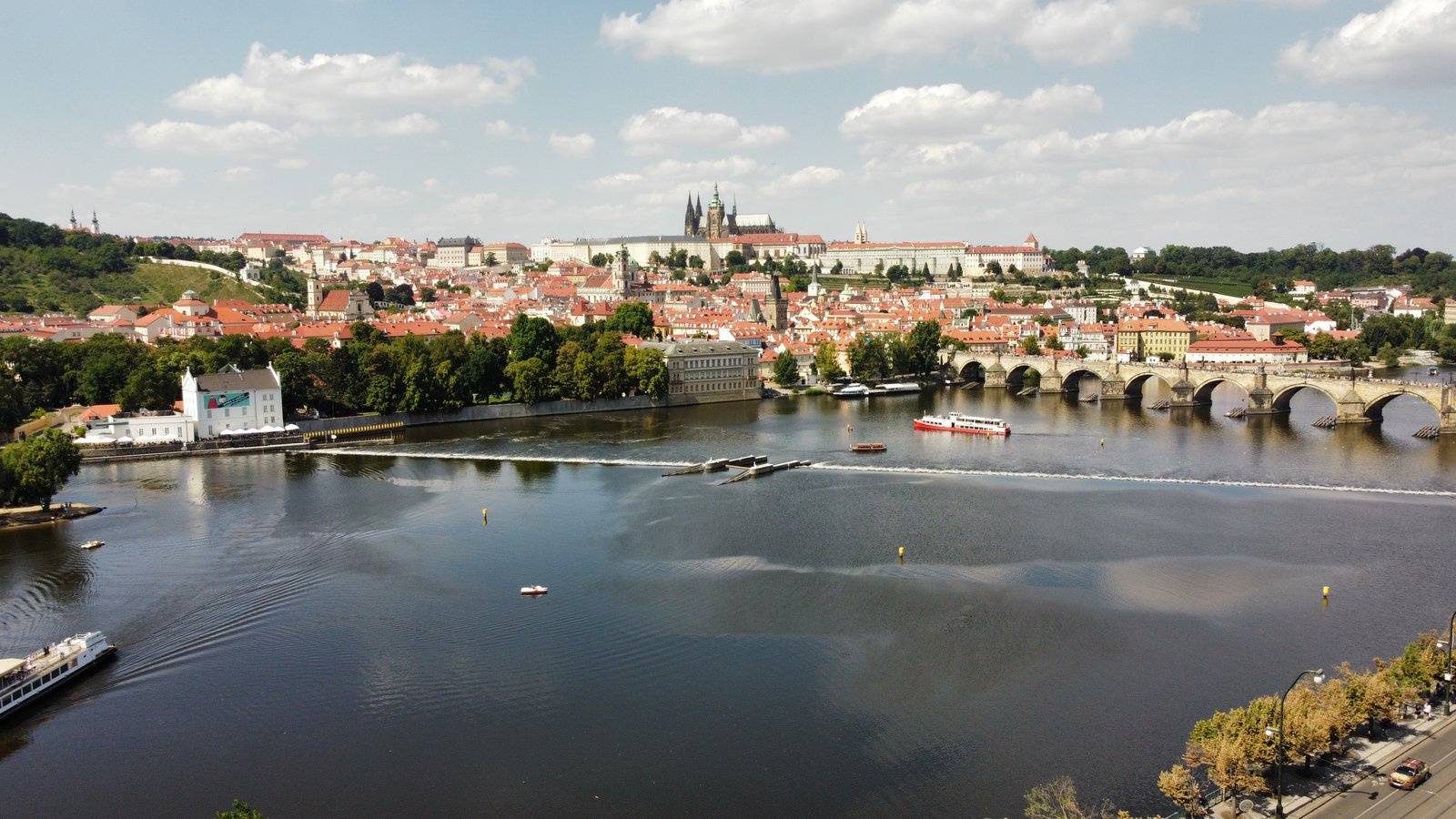
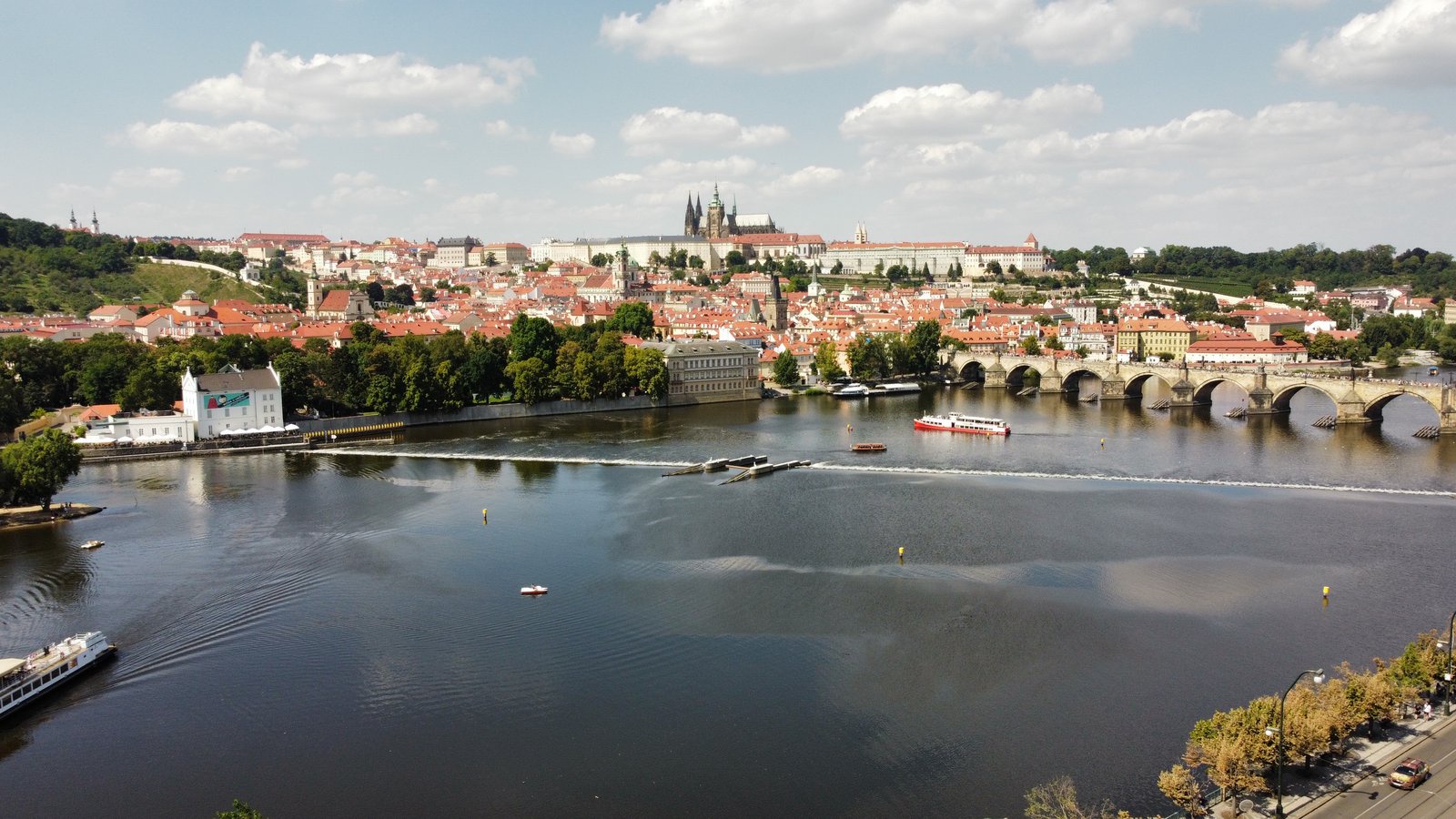
Prague sits astride the Vltava River with more bridges than Venice and three centuries of Gothic towers piercing the skyline. The Czech capital wins over remote workers quietly: strong coffee culture, ruin bars on the riverbanks, neighborhoods with their own character (Vinohrady for hipster cafés, Žižkov for punk rock, Malá Strana for riverside cobblestone walks), and rents that sit well below Western Europe. You get medieval history, beer that costs less than bottled water, and a working scene that hasn't yet priced out the laptops.
Demographics & Government
| Country | Czech Republic |
| Population | ~1.3 million (Prague), ~10.4 million (Czech Republic) |
| Government | Parliamentary republic; EU member since 2004 |
| Religious mix | ~35% Catholic, ~20% Protestant, mostly secular in practice |
| Time zone | CET (UTC+1) winter, CEST (UTC+2) summer; DST observed |
| Plug type | Type C and Type E (230V / 50Hz) |
| Drive side | Right |
| Tap water safe? | Yes, fully potable across Prague and the Czech Republic |
| Free WiFi? | Widely available in cafés, hotels, coworking spaces, and most bars |
| Best time to visit | Late April–June or September–early October (15–25°C, fewer crowds) |
| Emergency numbers | 112 (general / EU-wide), 155 (medical), 158 (police non-emergency), 150 (fire) |
| Currency | Czech koruna (CZK), not euro. ~24 CZK per USD (varies) |
Overview & Vibe
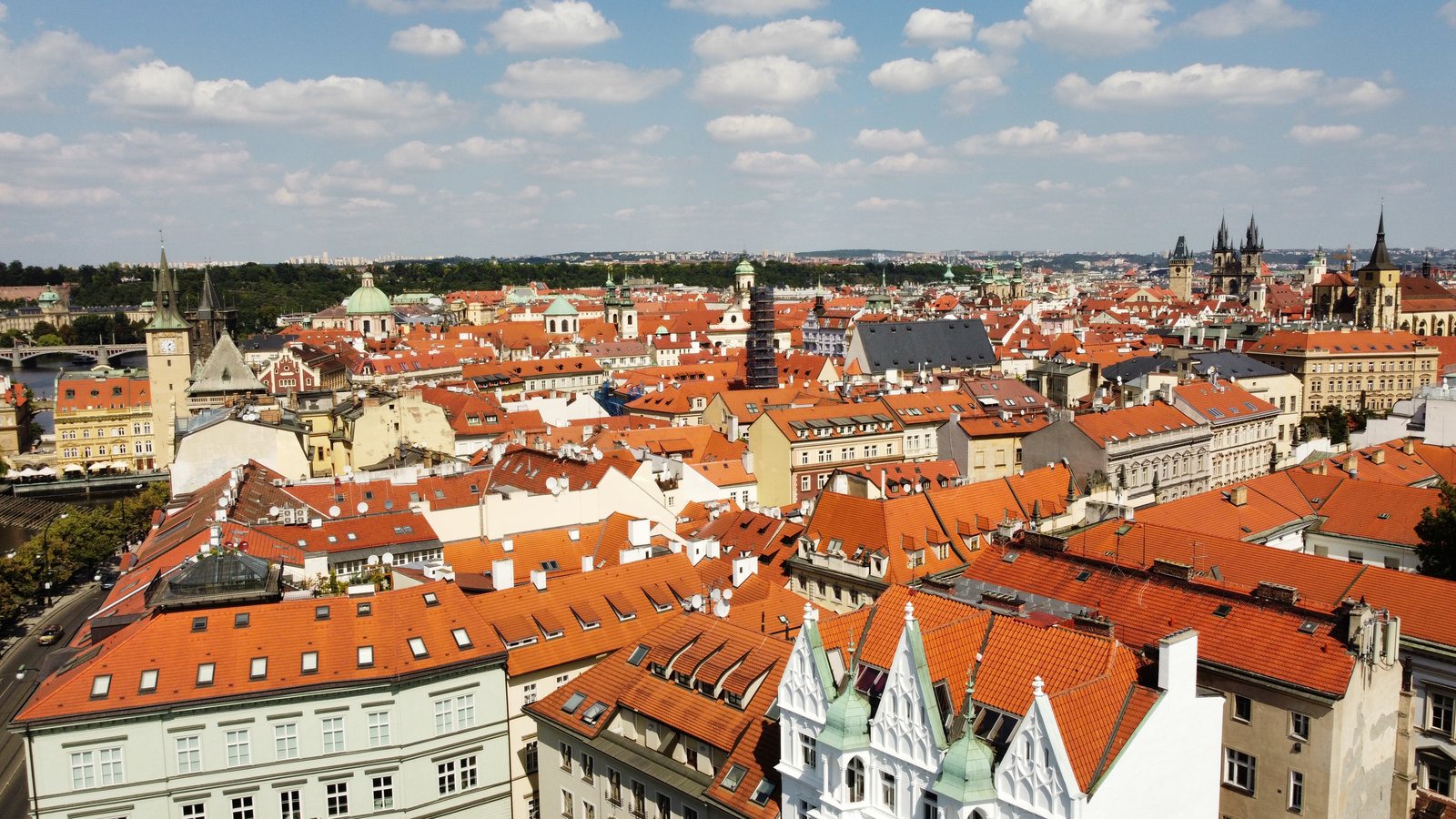
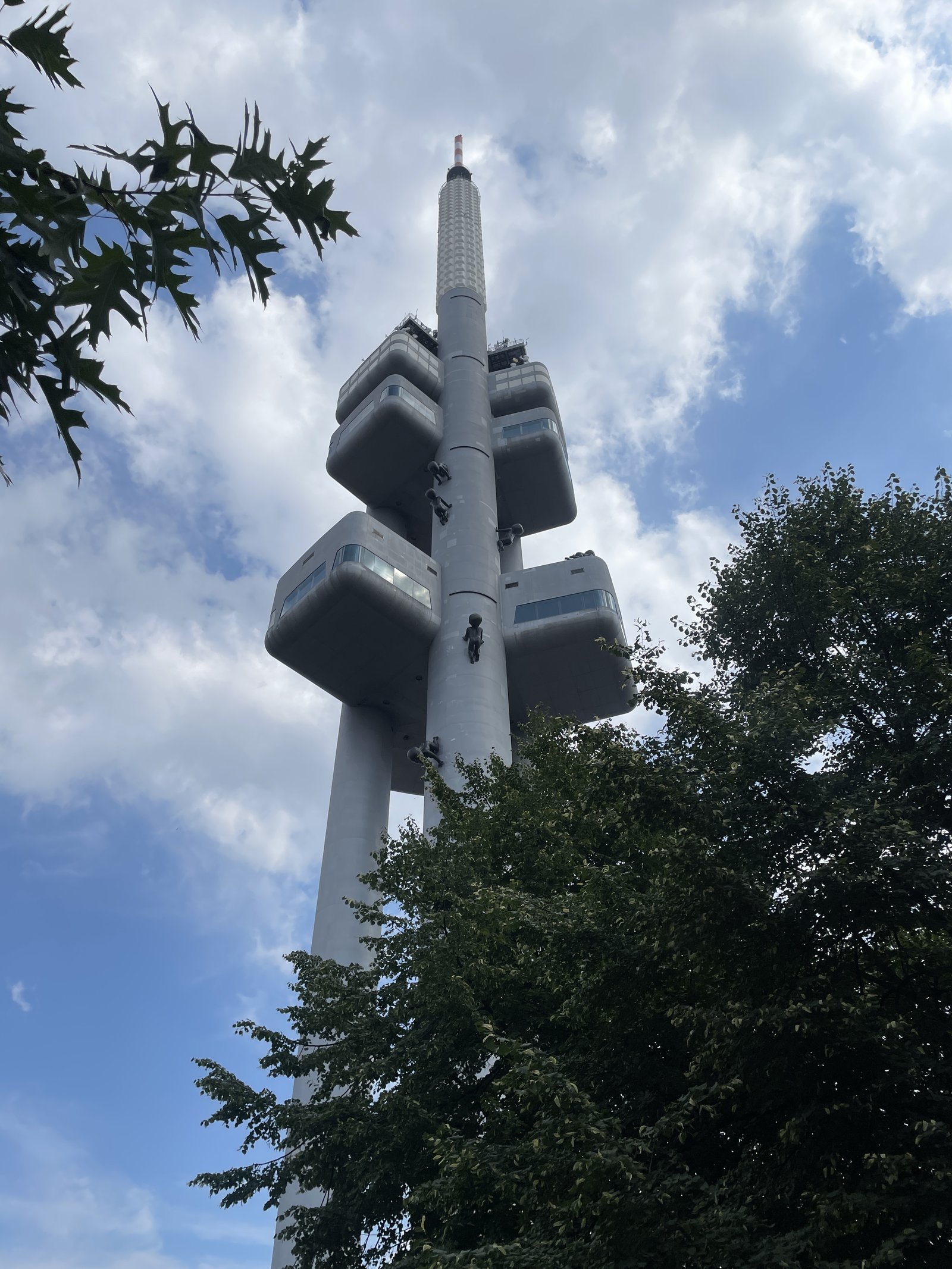
Prague splits into distinct neighborhoods, each worth a different rhythm. Old Town (Staré Město) and New Town (Nové Město) pack the castle views, pub crawls, and tourist density. Malá Strana, on the west bank below Prague Castle, is quieter, narrow lanes, hidden courtyards, riverside walks. Vinohrady, east and south, is where remote workers actually live: specialty coffee, concept stores, local pubs, and long tables outside in summer. Žižkov further east is grittier, artier, cheaper. Holešovice and Karlín north of the river are up-and-coming, with galleries, breweries, and a newer digital worker scene. Winters are cold and grey. Summers warm up fast. Spring and autumn are ideal for long stays. Good for history lovers, minimalist budgets, café dwellers, and anyone chasing the pre-2010s Prague vibe before it fully gentrifies.
A Brief History
Prague became an imperial capital under Charles IV, King of Bohemia and Holy Roman Emperor from 1346 to 1378, who founded Charles University in 1347, laid out the New Town himself, and built the stone bridge that now carries his name. In 1918 the city became the capital of the new Czechoslovakia, with Prague Castle as the president's seat. Warsaw Pact tanks crushed the Prague Spring reforms in August 1968, and the Velvet Revolution filled the same streets in 1989; UNESCO listed the historic centre in 1992. The longer version is on Prague's Wikipedia page.
Transportation
Prague's public transit system is cheap, frequent, and covers everywhere. The metro, tram, and bus blend into a single fare structure. Most central trips are walkable anyway.
- Drive on the right. Standard EU driving rules.
- Public transit is the move. A 30-day metro/tram/bus pass (unlimited central zones) runs about 550 CZK (~$23). Single tickets are 30 CZK for 30 minutes, 40 CZK for 90 minutes.
- Metro has three lines (A, B, C). They're fast and frequent but older, so fewer elevators than Western systems.
- Trams are the sightseeing hack. Line 22 loops up to Prague Castle. Tram 17 and 6 hug the Vltava with river views.
- Bolt and Liftago are the ride-share apps. Cross-town rides cost 100 to 250 CZK. Uber pulled out in 2023.
- From the airport (Václav Havel, PRG): the 100 Airport Express bus to Masaryk station is 60 CZK. Bolt runs 250 to 450 CZK.
- Bike share (Rekola, Nextbike) covers central Prague. Cheap and works for short hops.
Language, Customs & Etiquette
Czech (Čeština) sounds harsh to newcomers but has logical grammar. English works well in central Prague and with anyone under 35, especially in Vinohrady and tech spaces. A few words go a long way with older locals and in outer neighborhoods.
- Greetings. Ahoj (hi, informal), Dobrý den (good day, formal), Děkuji (thank you), Na zdraví (cheers).
- Tipping. 10 to 15% at restaurants is expected. Round up for taxis. Many places have moved to tip screens; don't feel pressure to add if the service was mediocre.
- Reserved by default. Czechs can read as distant on first contact. It's a communication style, not coldness; warmth comes after a beat.
- Bargaining. Not customary. Fixed prices everywhere except flea markets and street vendors.
- Religious sites. Cover shoulders and knees in churches. Prague's Old Town Square churches are popular stops; respect crowds and silence during services.
- Photography. Allowed in most public buildings and squares; check signs in churches and synagogues. Don't photograph Romani people or rough-looking street characters without permission.
- Cash etiquette. Cards are widely accepted in central Prague, but smaller cafés and outer districts prefer cash. ATMs are everywhere; stick to bank-branded machines.
Safety & Security
Prague is one of Europe's safer capitals. Violent crime against tourists is rare. The real risk clusters around drunk tourists, pickpocketing on peak-hour transit, and overpriced tourist-zone bars.
- Pickpocketing clusters on the metro during peak hours (7 to 9 AM, 5 to 7 PM), on packed trams (tram 22 to the castle), and in Old Town Square. Front pockets or zipped bags only.
- Avoid the Old Town bar scam. Beautiful woman invites you to a "local pub" near Old Town Square; the bill comes back astronomical with aggressive staff if you resist. Stick to named establishments with menus posted outside.
- Taxi caution. Use Bolt, Liftago, or AAA Taxi (the regulated dispatch). Unmarked cabs at the airport and train stations often overcharge.
- Solo female travelers generally do well. Standard urban precautions apply, particularly late at night in Žižkov and around the main train station (Hlavní nádraží).
- LGBTQ+. Same-sex partnerships are legally recognized but not full marriage. Prague has a visible gay scene; Pride takes place each summer. Central Prague is cosmopolitan; discretion in rural areas is wise.
- Race / ethnicity. The Czech Republic has minimal racial diversity. Visible minorities sometimes report stares or unwelcoming attitudes outside the capital. Central Prague is more diverse and accepting.
Weather & Climate
Continental climate with cold winters and warm summers. Spring and fall are the comfort sweet spots.
| Month | Avg High | Avg Low | Notes |
|---|---|---|---|
| January | 2°C / 36°F | -3°C / 27°F | Cold, grey, moody, fewer tourists |
| February | 4°C / 39°F | -2°C / 28°F | Cold continues; cheapest lodging month |
| March | 9°C / 48°F | 1°C / 34°F | Spring starts; variable; days get longer |
| April | 15°C / 59°F | 6°C / 43°F | Mild, blossoms, river walks open up |
| May | 20°C / 68°F | 10°C / 50°F | Warm and bright; ideal for exploring |
| June | 23°C / 73°F | 13°C / 55°F | Long evenings, festival season starts |
| July | 26°C / 79°F | 15°C / 59°F | Hot, occasional 30°C+ heat waves, peak crowds |
| August | 25°C / 77°F | 14°C / 57°F | Hot, humid, many locals on vacation |
| September | 21°C / 70°F | 11°C / 52°F | Best month for nomad arrivals; crowds ease |
| October | 15°C / 59°F | 6°C / 43°F | Crisp, golden, gorgeous for walking |
| November | 8°C / 46°F | 1°C / 34°F | Grey, layers required, prices dip |
| December | 3°C / 37°F | -2°C / 28°F | Christmas markets, festive, chilly |
What to pack. Layers year-round. Waterproof shoes November to February. Light layers and a sweater for café terraces in shoulder seasons. Comfortable walking shoes for the cobblestones.
Logistics & Practical Info
- Currency. Czech koruna (CZK), not euro. Cards widely accepted in central Prague, cash preferred in outer zones. Keep cash for markets, pubs, and tips.
- ATMs. Use bank-branded machines (ČSOB, Česká spořitelna, Komerční banka). Avoid Euronet (bad rates and high fees).
- Tap water. Safe and good. Carry a refillable bottle; water stations are common.
- Free WiFi. Widespread in cafés, bars, hotels, and most public spaces. Quality varies; coworking spaces have reliable fiber.
- SIM cards. O2, Vodafone, and T-Mobile sell prepaid plans with 20 to 100 GB of data for 200 to 500 CZK monthly. Passport required at purchase.
- Money apps. Revolut and Wise both handle koruna without conversion fees, which makes living off them simple.
- DST. Yes. Last Sunday in March (forward) and last Sunday in October (back).
- Internet censorship. Minimal. Standard EU rules apply.
Attractions & Activities
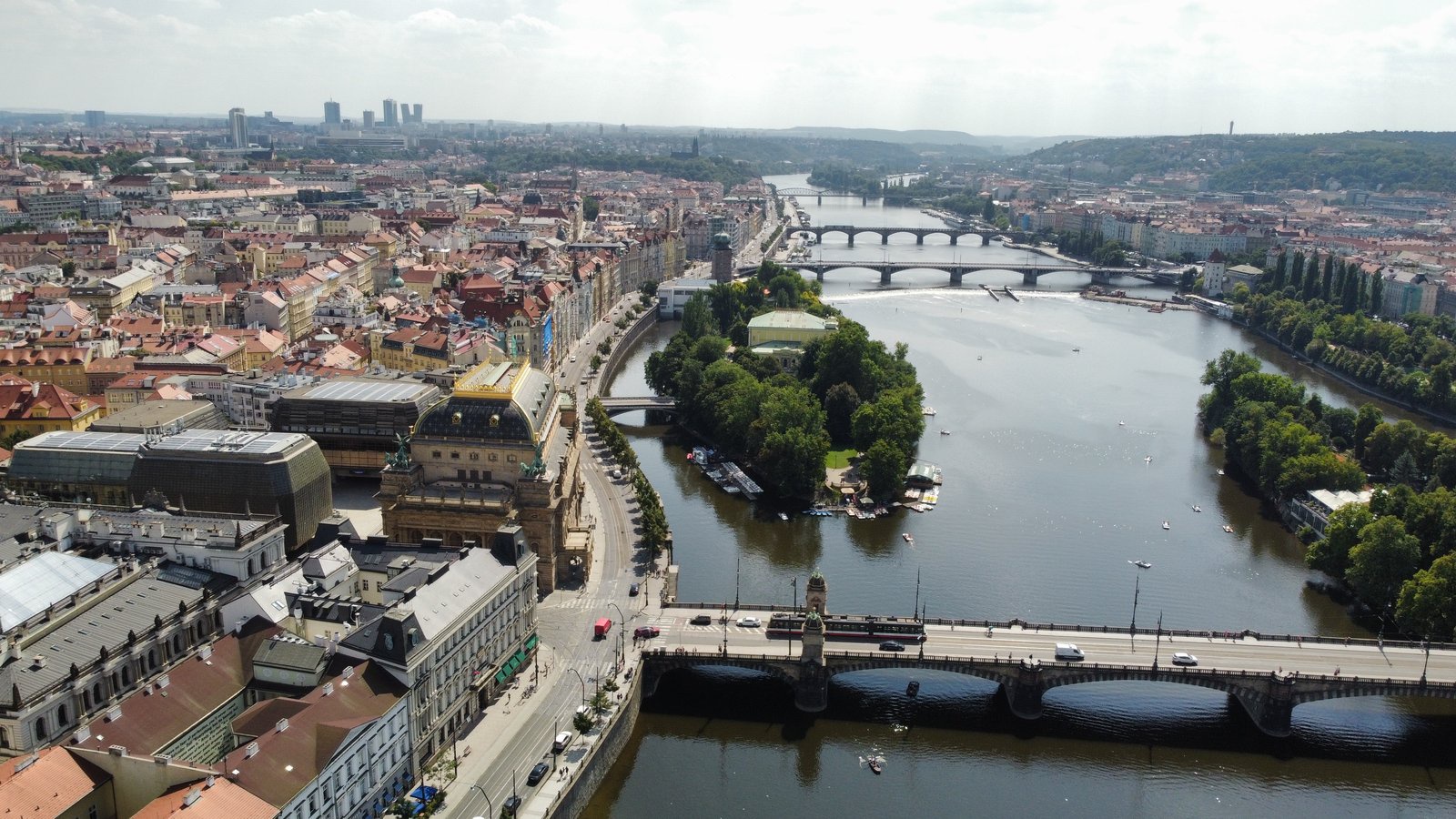
Prague's signature is the combination of walkable architecture and riverside culture. Charles Bridge, Prague Castle, Old Town Square, and the Jewish Quarter give you a few full days before sights thin out. Beyond the marquees, ruin bars on the Náplavka riverside, galleries in Žižkov, and day trips to the countryside round out the picture.
- Prague Castle and St. Vitus Cathedral (Wikipedia), book the guided tour or walk the grounds for free from outside.
- Charles Bridge (Wikipedia), the 14th-century stone bridge packed with tourists and street musicians; cross at sunrise for fewer crowds.
- Old Town Square and the Astronomical Clock (Wikipedia), the hourly chiming crowds, but the surrounding streets reward wandering.
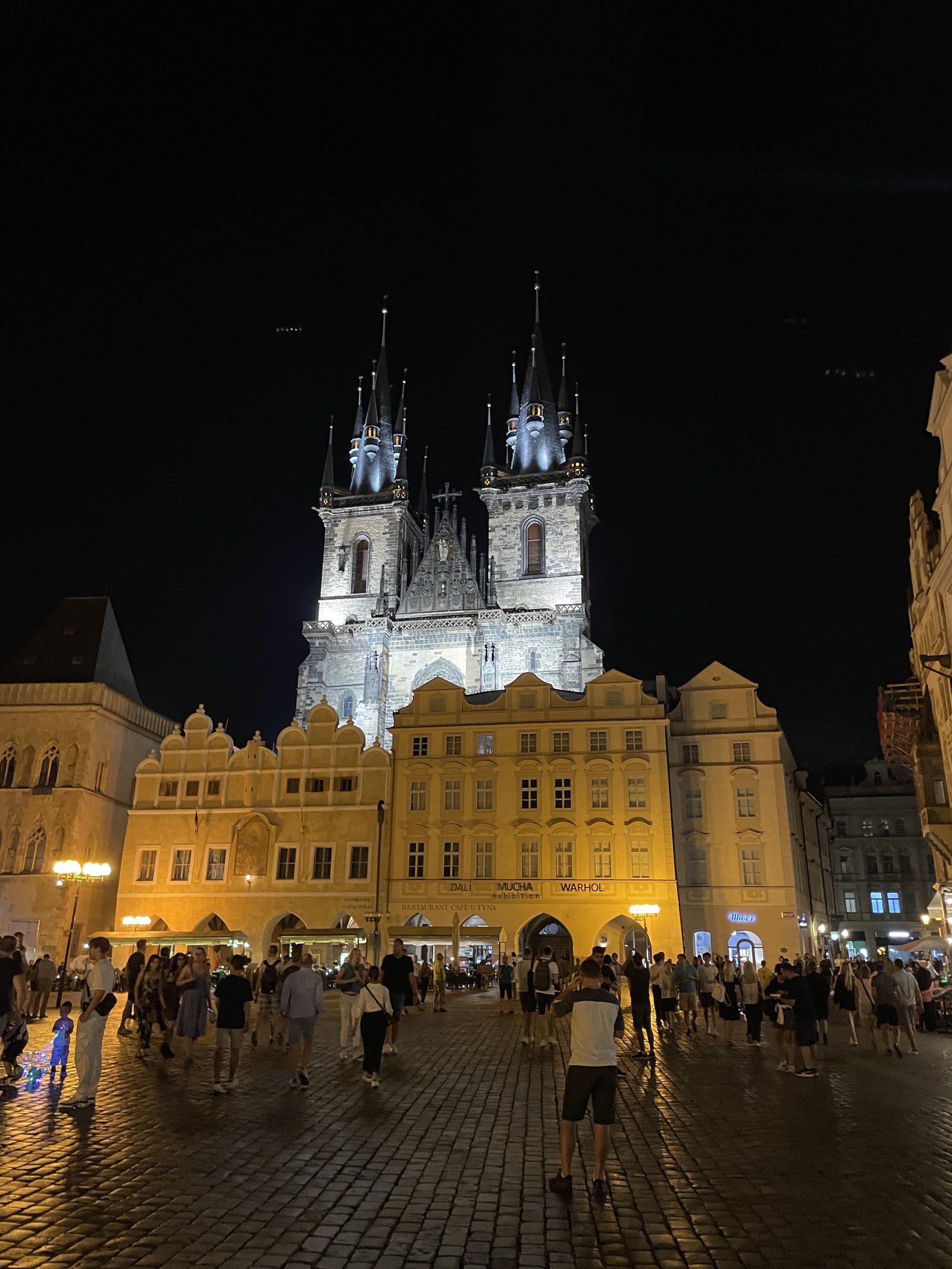
- Church of Our Lady before Týn, Gothic spires dominate the skyline; step inside for the baroque interior.
- Jewish Quarter (Josefov) (Wikipedia), six museums and a working synagogue, covering the medieval ghetto and Holocaust history.
- Petřín Tower (Wikipedia), the Eiffel Tower's smaller cousin on a hill west of the city; hike up or take the funicular.
- Náplavka riverside bars and Letná Park, walk the east bank from Čech Bridge north to the park, stop at any of a dozen open-air venues.
- Prague Botanical Garden, free admission, quieter than the castle, great views back toward the city.
- Powder Tower and Municipal House, Art Nouveau masterpiece next to the old city gates.
- Vinohrady Vibes, cafés, vintage shops, local pubs, and actual Czechs on Jiřího z Poděbrad square and the surrounding streets.
For a half-day outside the city, Karlštejn Castle, the Gothic fortress Charles IV founded in 1348 to guard the crown jewels, is about 40 minutes away by train. Back in town, SPA BEERLAND runs private tank-beer spa sessions in Petrská čtvrť. It sounds like a gimmick, but it is worth trying once.
Festivals and major events
| Event | When |
|---|---|
| Prague Spring Festival (classical music + arts) | Mid-May to early June |
| Signal Festival (light art and projection mapping) | October |
| Prague Beer Festival | May and September (multiple events) |
| Letná Park Film Screenings | June to September (outdoor cinema) |
| Prague Christmas Markets | Late November to early January |
Must-try local dishes
Czech cooking leans on dumplings, gravy, beer, and slow-roasted meat. The strength is the comfort food: stews you eat with bread, fried cheese, dumplings in meat sauce, pickled vegetables. Modern Prague restaurants are experimenting with contemporary takes, but the classics still define the food scene. Beer culture is serious; Prague brews some of Europe's best Pilsner.
- Goulash (guláš), slow-cooked beef stew with onions and paprika, served with bread or dumplings.
- Trdelník, sweet spit-roasted pastry rolled in cinnamon-sugar and nuts, sold everywhere on the street.
- Svíčková, beef sirloin in a cream sauce with dill and caraway, usually served with dumplings (knedlíky).
- Fried cheese (smažený sýr), breaded and deep-fried Edam, served with tartar sauce.
- Knedlíky, Czech dumplings made from potato or bread; a side dish for everything.
- Pilsner and dark lagers, Pilsner Urquell (the original, from nearby Plzeň) and local brews like Staropramen, Budvar, and Gambrinus. Beer is cheaper than bottled water.
Souvenirs that aren't junk
- Czech beer, a case of Pilsner Urquell or a local craft bottle from a neighborhood brewery.
- Becherovka, herbal liqueur from Karlovy Vary; a 500ml bottle costs around 200 to 300 CZK.
- Bohemian glass and crystal, Prague has centuries of glassblowing tradition; buy from artisans, not souvenir stands.
- Marionettes and wooden toys, hand-carved puppets and folk toys, especially from Old Town vendors.
- Garnets, Czech red garnets set in jewelry; legitimate stones, not tourist trinkets, if bought from a proper jeweler.
Health & Medical
Czech healthcare is solid, and Prague has the country's best facilities. Public hospitals are free for EU residents with EHIC cards; private clinics are common and English-speaking.
- Travel insurance is essential for non-EU travelers. Public hospitals will treat you, then bill.
- Private clinics like Canadian Medical Care, Medicover, and Homeocentrum offer same-day appointments in English. Consultations run 600 to 1,200 CZK (~$25 to 50).
- Pharmacies (lékárna) are everywhere, marked by a green cross. Staff speak English in central areas.
- Vegetarian and vegan options have expanded fast. Vinohrady and the city center have dozens of dedicated restaurants. Traditional Czech menus lean meat-heavy; ask for vegetarianský options.
- Tap water is safe and good across Prague.
- No endemic tropical diseases. Tick-borne encephalitis exists in forested areas; vaccination recommended for hikers.
- Foreign prescriptions are not directly accepted. Bring enough of your medication or get a Czech doctor's script if staying long-term.
Legal & Substances
- Marijuana is illegal. Personal possession can result in fines and a criminal record. Enforcement has tightened in recent years.
- Public alcohol consumption is generally legal in parks and along the Vltava. Some areas restrict it around bars late at night.
- Alcohol on public transport is technically prohibited. Enforcement is loose but fines are possible.
- Smoking is banned indoors in restaurants, bars, and on transit. Outdoor terraces and parks usually permit it.
- Drinking age is 18.
Customs & Shopping
- Tax-free shopping for non-EU residents. Stores with the Tax-Free logo can issue a refund form. Claim VAT (typically 21%) at the airport on departure for purchases over ~8,000 CZK (~$340).
- Cash declarations. Anything over €10,000 leaving the EU must be declared.
- Restricted exports. Cultural items over 50 years old need export authorization. Most souvenirs are fine.
Accessibility & Inclusion
Prague is a mixed picture for accessibility. The metro has only two accessible stations (Můstek and Náměstí Míru on line A). Most older buildings, including churches and many museums, have stairs as the only entry and no elevators. Cobblestone streets in Old Town and Malá Strana are uneven and difficult. Newer shopping centers and restaurants are more accessible. Plan routes in advance and call ahead for sites you're unsure about. Taxi companies often have wheelchair-accessible vehicles; ask when booking.
Digital Nomad Corner
Prague is one of Europe's best value remote-work bases. Solid internet, dense café culture, walkable neighborhoods, a visible international community, and serious coworking options.
- Internet. Fiber is widespread in central Prague. Cafés generally have reliable WiFi, though speeds vary. Expect 100 to 300 Mbps in Vinohrady and Old Town.
- Coworking. Heden Coworking, Spaces Prague, Nairobi Coworking, and Impact Hub are the main names. Day passes 300 to 500 CZK; monthly memberships 5,000 to 8,000 CZK.
- Long-stay visa. The Czech Republic issues residence permits for self-employed workers and remote workers. Proving €2,500/month income and private health insurance, you can get a 1 to 2 year permit. Process takes 2 to 3 months.
- Cost of living. A nomad in central Prague (Vinohrady or Malá Strana) can run €1,000 to 1,800/month including rent (one-bedroom 12,000 to 18,000 CZK long-term, 25,000+ CZK/month on Airbnb), food, transit, and a coworking pass. About 50 to 60% cheaper than Western Europe for the same lifestyle.
Prague rewards staying long enough to find your neighborhood pub, your favorite café, your walking route across the bridges. The headline sights take three or four days. The actual life of the city, the late beers at a Náplavka bar, the long walks across Charles Bridge at sunset, the Sunday-morning coffee in a Vinohrady courtyard, that takes a month and pays for itself in saved rent.
Where I Stayed
I stayed at Quiet leafy street near centre (Airbnb) — a comfortable apartment in a residential Prague neighborhood, a short walk from the city center. Good WiFi and a quiet street made it ideal for remote work during a month-long stay. View on Google Maps.
Keep planning: Why Is Prague Beer So Foamy? The Czech Pour Explained, Acadia National Park Guide: Maine's Coastal Peaks and Aceh, Indonesia: A Practical Travel Guide.