St. Croix: Caribbean Remote Work
Nomad Toolkit
Overview & Vibe
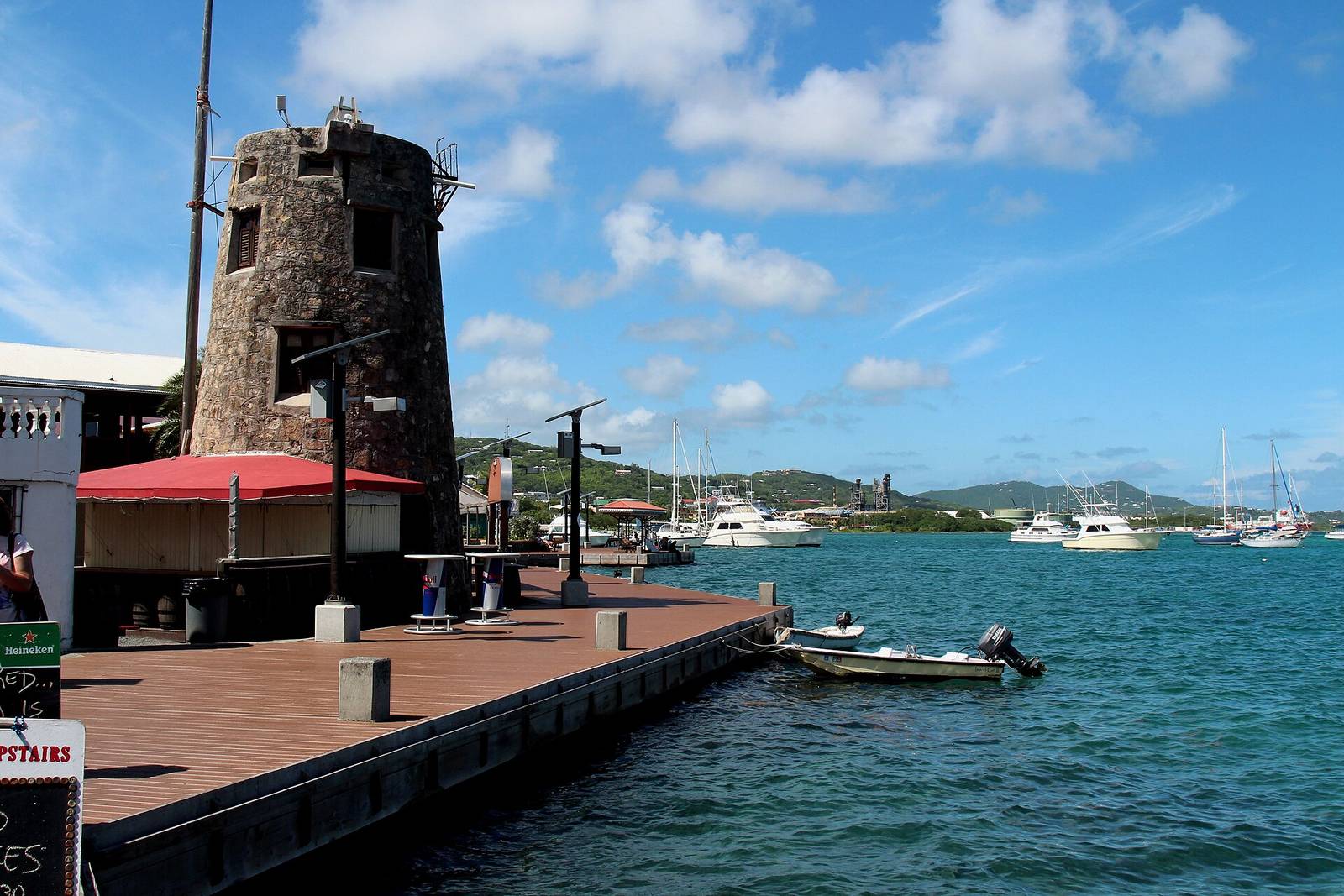
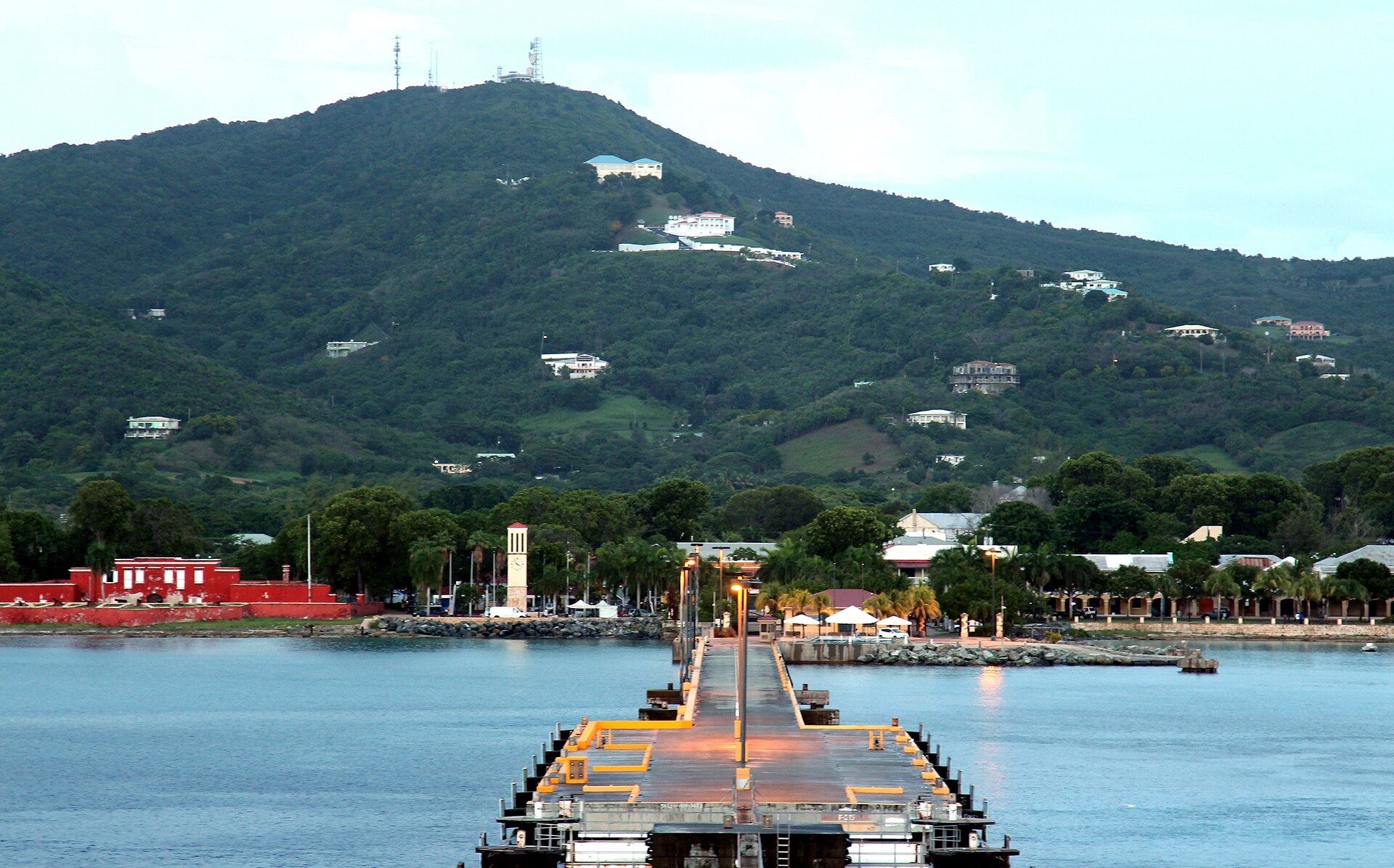
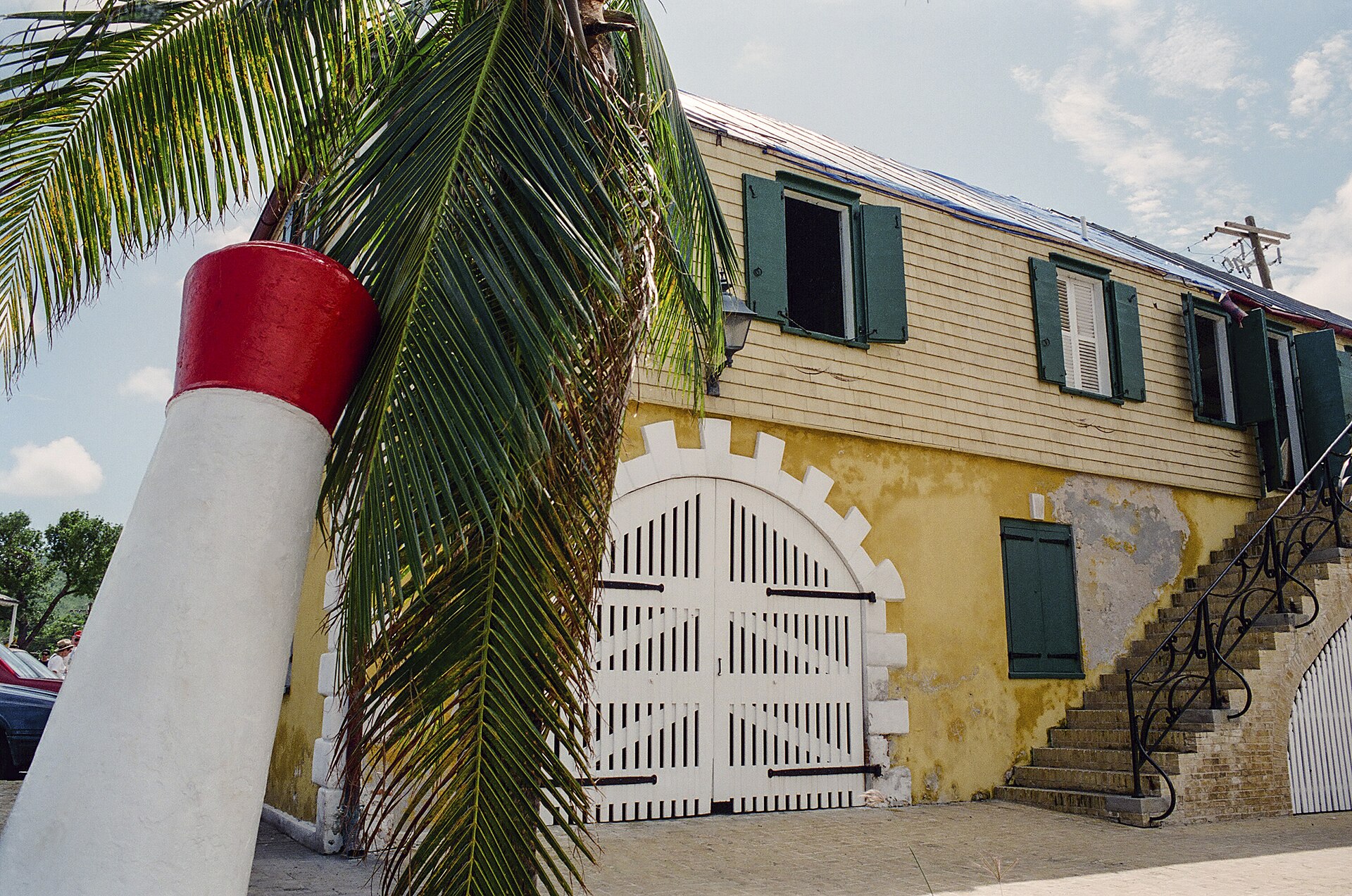
St. Croix is the largest of the U.S. Virgin Islands at 84 square miles, sitting 40 miles south of St. Thomas in the open Caribbean. The 2020 census counted 41,004 residents, split between two historic towns: Christiansted on the northeast coast and Frederiksted on the west end. Locals call it the Twin City. The pace is slower than St. Thomas, cruise traffic is lighter, and the mix of Danish colonial architecture, working farms, and dive shops gives the island a lived-in feel rather than a resort polish.
A Brief History
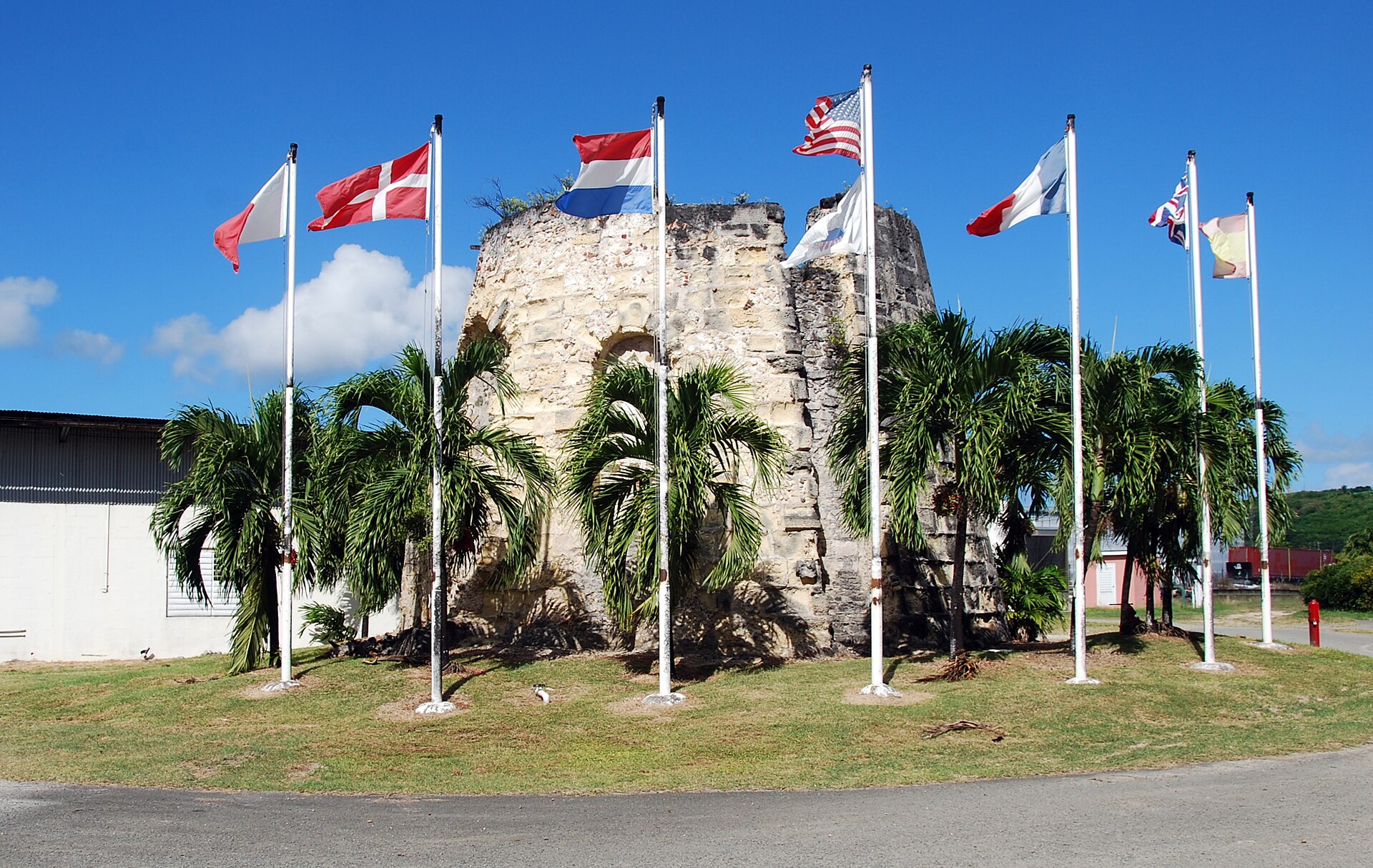
Columbus landed at Salt River Bay on November 14, 1493, where his crew fought the Kalinago in the first recorded battle between Europeans and a native population in the Americas. Denmark bought the island from France in 1733 for 750,000 livres, and sugar plantations soon covered it; the 1742 census already listed 120 of them. Enslaved workers won emancipation in 1848 after a revolt led by General Buddhoe, and the United States purchased the territory from Denmark in 1917. The full story is on the island's Wikipedia page.
Transportation
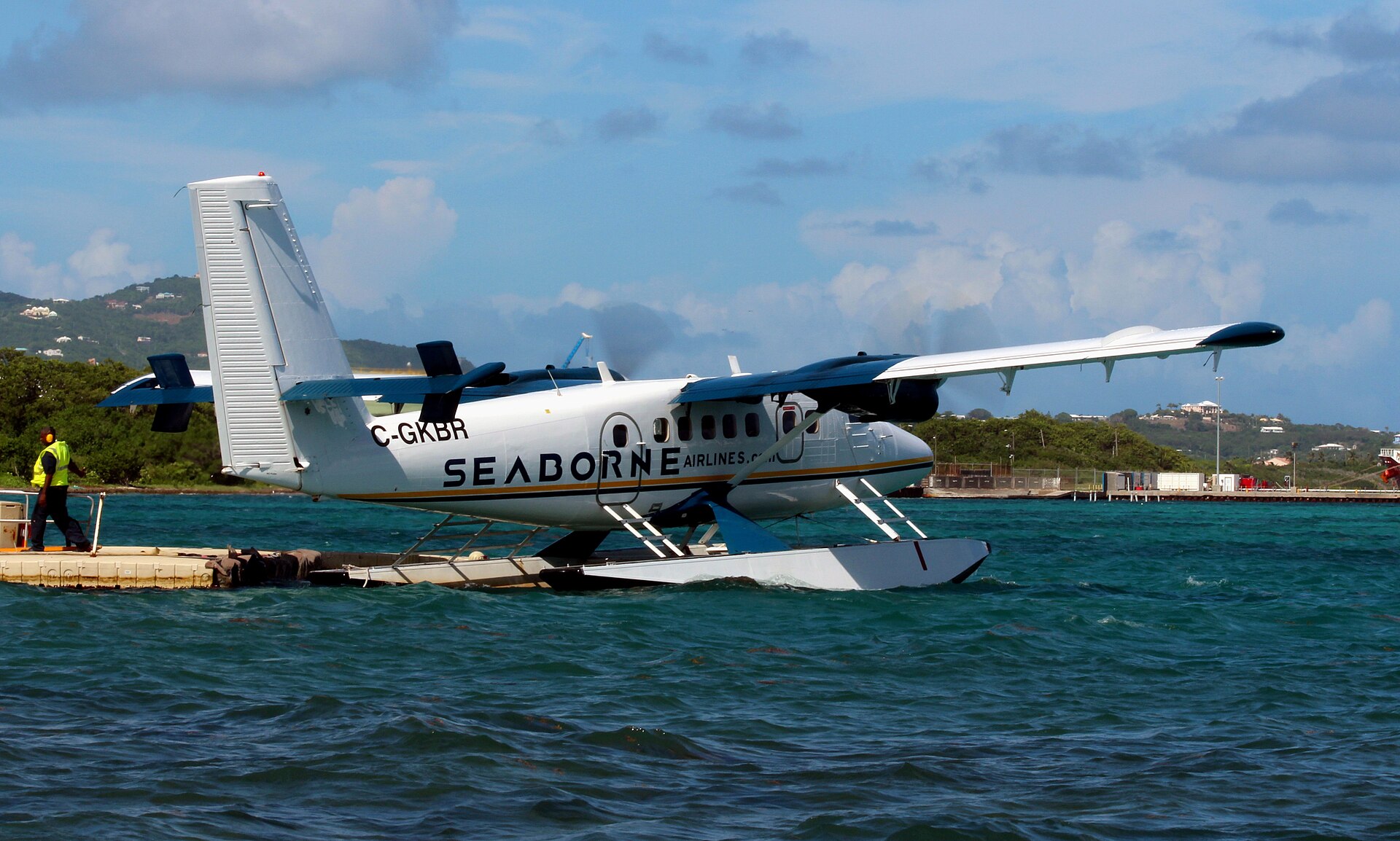
Flights land at Henry E. Rohlsen Airport on the southwest side, with nonstops from Miami, Charlotte, and San Juan. A seaplane runs from Christiansted harbor to St. Thomas in about 25 minutes. On the ground, plan on renting a car: the VITRAN bus runs limited routes and shared taxi vans follow set rates rather than meters.
The one rule that surprises every first-timer: you drive on the left, in left-hand-drive American cars. Speed limits rarely pass 40 mph and locals honk to say hello, not to complain.
Language, Customs & Etiquette
English is the official language, spoken alongside Crucian, a local English Creole. Greetings carry real weight: say good morning or good afternoon before asking for anything, in shops, taxis, and government offices alike. Dress is casual but beachwear stays at the beach. Bargaining is not customary; posted prices are the prices.
Safety & Security
Dial 911 for all emergencies, same as the mainland. The main risks for visitors are car break-ins at unattended beach parking lots and petty theft of items left on the sand, so keep valuables out of sight. Violent crime exists but concentrates away from visitor areas. As a U.S. territory, federal LGBTQ+ protections apply, and the island hosts a small annual Pride event in Frederiksted.
Weather & Climate
The trade winds keep temperatures inside a narrow band all year. September through November brings the most rain and the heart of hurricane season, which runs June through November.
| Months | High °F | Low °F | Rainfall |
|---|---|---|---|
| Dec – Feb | 83 – 84 | 71 – 73 | Low |
| Mar – May | 84 – 86 | 72 – 75 | Low to moderate |
| Jun – Aug | 88 – 89 | 76 – 77 | Moderate |
| Sep – Nov | 85 – 88 | 74 – 77 | Highest of the year |
Pack light cotton, reef-safe sunscreen, and one rain shell. December through April is the driest, most comfortable stretch.
Logistics & Practical Info
- Plugs are U.S. Type A and B at 120V. No adapters needed from the mainland.
- Atlantic Standard Time (UTC-4) year-round, with no daylight saving. That matches U.S. East Coast time in summer and runs one hour ahead in winter.
- Many homes run on rainwater cisterns. The water is fine for washing; most residents drink filtered or bottled.
- U.S. carriers treat the territory as domestic, so AT&T, T-Mobile, and Verizon plans work without roaming charges on most tiers.
- Home internet comes from Viya cable or Broadband VI fixed wireless and fiber, and Starlink works well as a backup.
Tip: the WAPA power grid drops out more often than mainland utilities. Renters who work online keep a charged power bank and a phone hotspot ready, and outages usually pass within an hour or two.
Attractions & Activities
Buck Island Reef National Monument (Wikipedia) protects a 176-acre islet and an underwater snorkeling trail reached by licensed boat tours from Christiansted. In town, Fort Christiansvaern, finished in 1749, anchors the Christiansted National Historic Site.
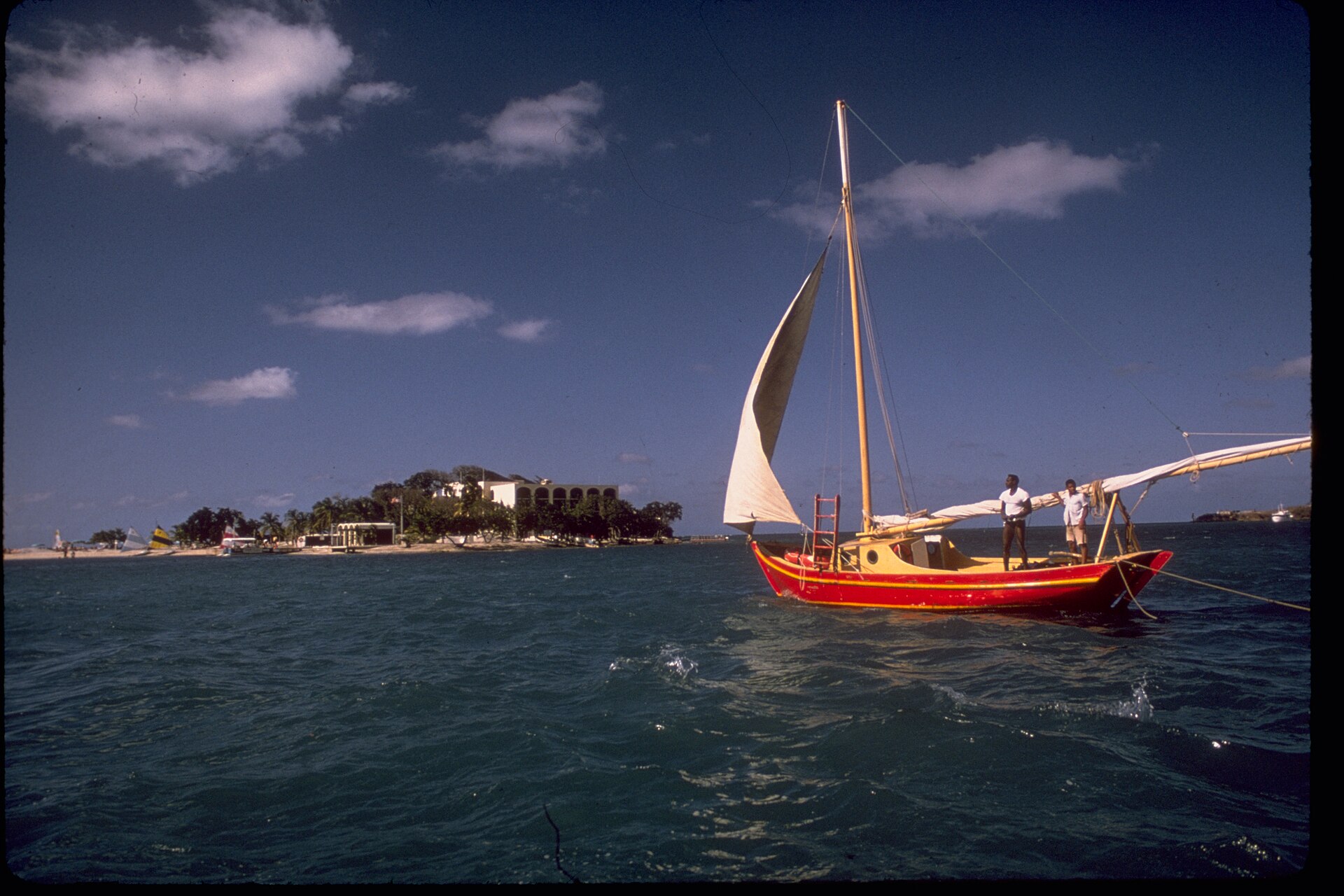
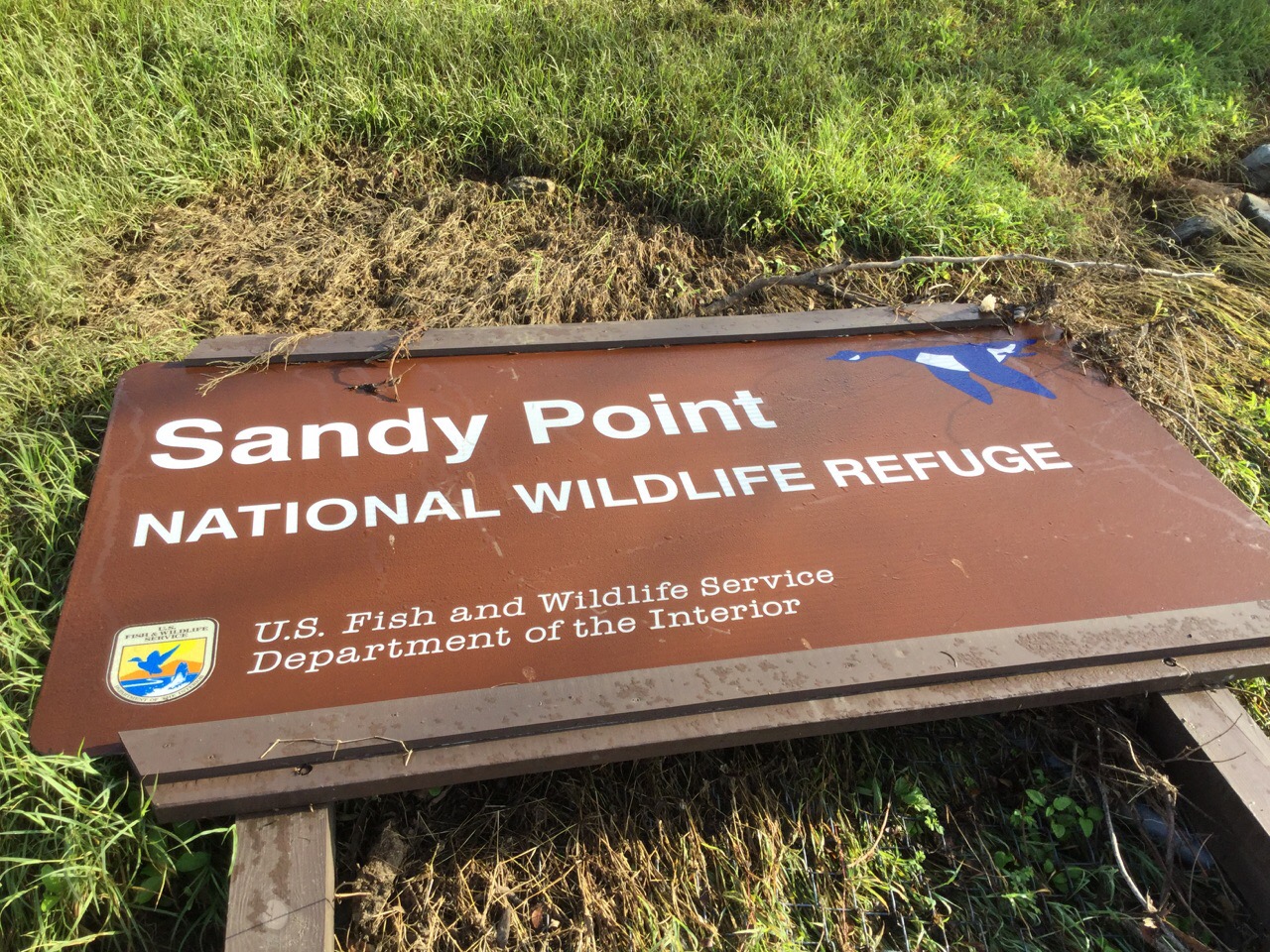
Divers ride the wall at Cane Bay, where the sea floor drops more than 3,000 feet within swimming distance of shore, or slip under the Frederiksted Pier among seahorses. Sandy Point National Wildlife Refuge opens on weekends, and leatherback turtles nest there in spring. Catch sunrise at Point Udall, the easternmost point in the United States, then tour the Cruzan Rum Distillery, which has made rum at Estate Diamond since 1760. Saint Croix Surf Company on Strand Street rents boards when the winter north swell arrives.
Eat like a local: a pate (fried dough turnover stuffed with saltfish or beef) from a roadside stand costs a few dollars, johnnycakes come with almost everything, and callaloo stew shows up at Sunday lunches. The quarterly Jump Up street festival fills Christiansted with mocko jumbie stilt dancers, and the Crucian Christmas Festival runs from December into early January.
Health & Medical
Governor Juan F. Luis Hospital east of Frederiksted handles emergencies, and mainland U.S. health insurance generally applies as domestic coverage, though serious cases get flown to Puerto Rico or Florida. Pharmacies stock standard U.S. prescriptions. Mosquitoes carry occasional dengue, so repellent earns its space in your bag.
Demographics & Government
The U.S. Virgin Islands is an unincorporated territory: residents are U.S. citizens with an elected governor and a 15-member legislature, but no vote for president. St. Croix's 41,004 residents are majority Afro-Caribbean, with deep Puerto Rican and Danish threads in the culture. Churches, from Moravian to Catholic, remain social anchors, and Sunday mornings are quiet.
Legal & Substances
- The legal drinking age is 18, not 21.
- The territory legalized recreational cannabis in January 2023, though licensed retail has been slow to open.
- Open containers are tolerated at many beaches but banned inside national park sites; check posted signs.
- Indoor smoking is prohibited in restaurants and workplaces.
Customs & Shopping
Returning U.S. travelers get a $1,600 duty-free exemption from the territory, double the standard allowance, and up to five liters of alcohol duty-free when at least one liter was produced locally. There is no territorial sales tax. On Strand Street, Molly's a Tropical Boutique sells island-made gifts a step above the usual cruise trinkets; local rum, hook bracelets, and hot sauce all travel well.
Accessibility & Inclusion
ADA standards apply to newer buildings, hotels, and the airport, but the historic districts test wheelchairs with 18th-century cobblestones and high curbs. The Christiansted boardwalk is flat and manageable, while most beaches lack mats or ramps. Call ahead for accessible taxi vans since supply is thin.
Digital Nomad Corner
For American remote workers, the island removes every border headache: no passport needed for U.S. citizens, no visa clock, U.S. dollars, U.S. phone plans, and U.S. banking. Groceries run noticeably higher than the mainland since nearly everything ships in, and most furnished one-bedrooms list between $1,200 and $2,000 a month, with east-end complexes like Coakley Bay Condos offering monthly units with ocean views. There is no large coworking chain; nomads work from cafes along the Christiansted boardwalk and lean on home fiber plus Starlink. Long stays have tax consequences, so talk to a professional before making the territory your tax home.
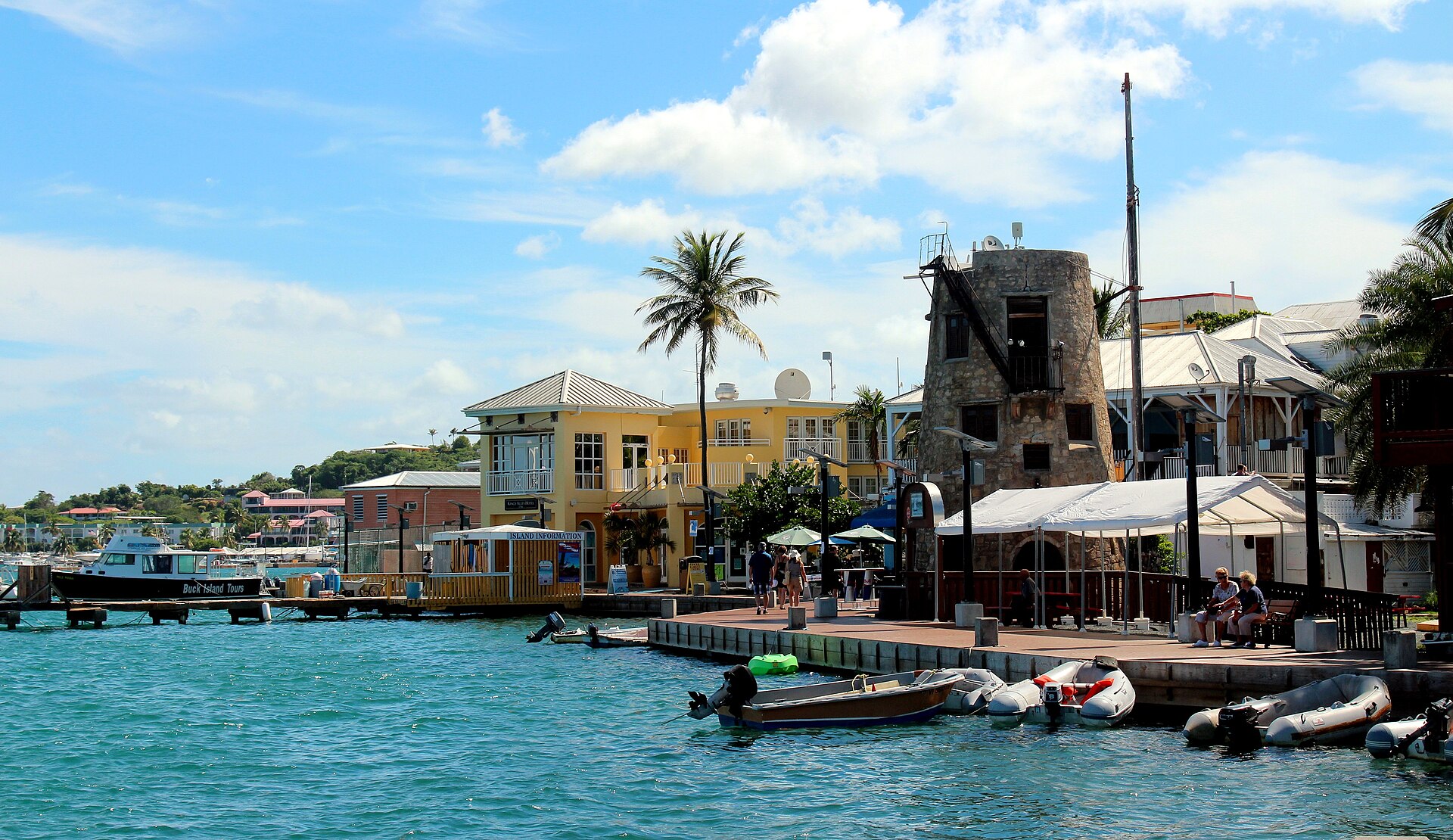
Bottom line: St. Croix suits nomads who want Caribbean diving and 18th-century streets with the paperwork of a domestic move, and who can live with island logistics in exchange.
Keep planning: Buck Island Reef Guide: St. Croix's Marine Monument and Acadia National Park Guide: Maine's Coastal Peaks.
Photos: Prayitno (CC BY 2.0), gillfoto (CC BY-SA 4.0), Lars Schmidt (CC BY-SA 3.0), National Park Service and U.S. Fish and Wildlife Service (public domain), via Wikimedia Commons.