Buck Island Reef Guide: St. Croix's Marine Monument
Nomad Toolkit
Overview & Vibe
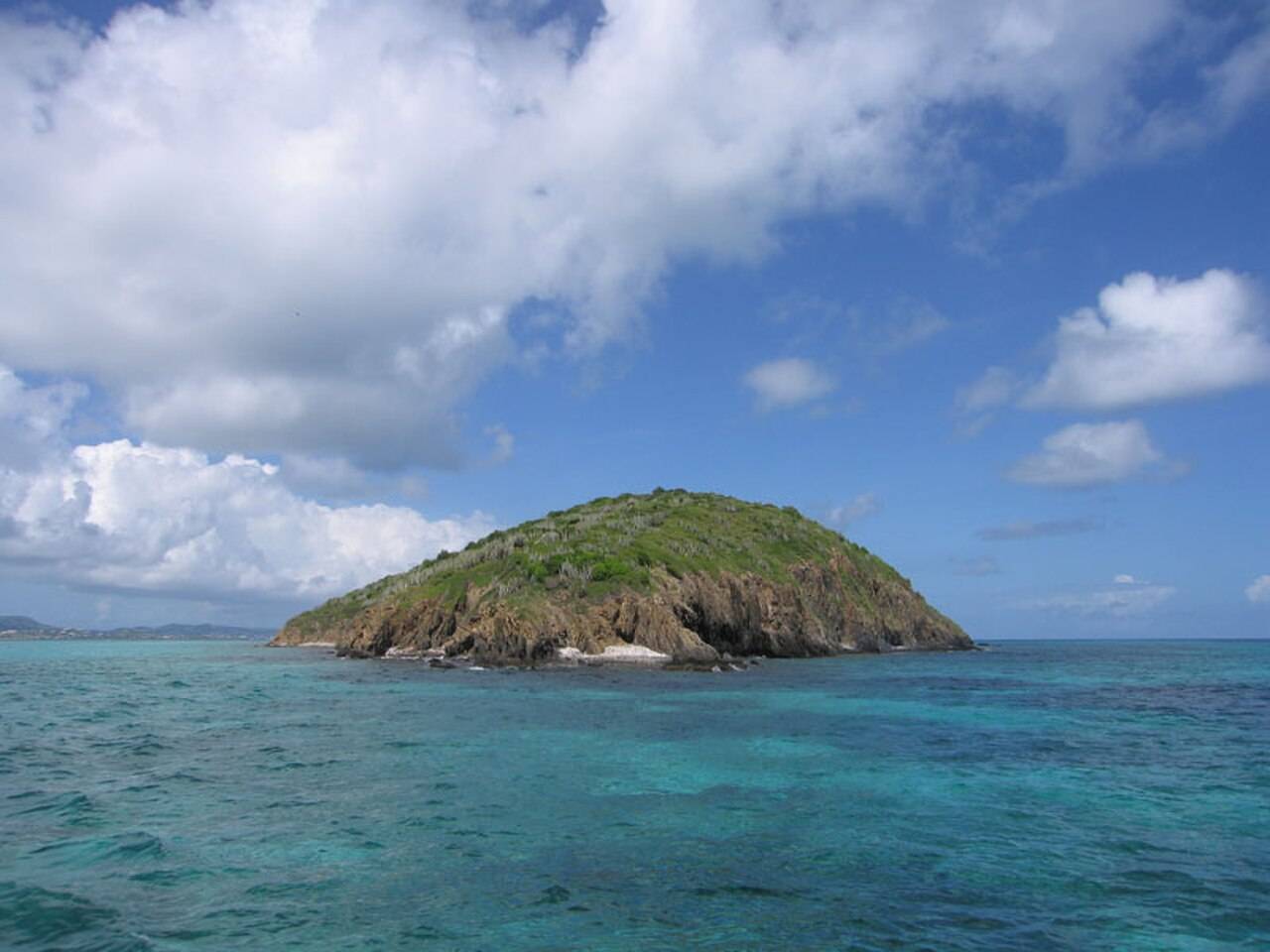
Buck Island Reef National Monument protects 19,015 acres, and only 176 of them are dry land. The rest is water: 18,839 submerged acres, 4,554 of them reef. The island sits a mile and a half off northeastern St. Croix, with no dock, no store and no ranger desk. You arrive by boat, snorkel, maybe climb to the observation platform 300 feet up, and leave the same day.
The draw is elkhorn coral, in stands rising close to 40 feet from the seafloor, and the 250-plus fish species the park counts inside its boundary. Hawksbill, green, leatherback and loggerhead turtles use these waters, and the island is one of the last refuges of the endangered St. Croix ground lizard.
A Brief History
John F. Kennedy proclaimed Buck Island Reef a national monument in 1961. Bill Clinton expanded it to its present size in 2001, over objections from local fishermen, making it one of the first fully protected marine areas in the country. Denmark took St. Croix from France in 1733, and the United States bought the Danish West Indies in 1917 for 25 million dollars in gold. More on Wikipedia.
Transportation
Flights reach Henry E. Rohlsen Airport (Wikipedia), code STX, about 25 minutes by car from Christiansted, where every Buck Island trip starts.
The reef is reachable only by boat. Six concessioners hold National Park Service authorization, all leaving from the Christiansted Boardwalk. Caribbean Sea Adventures runs a 3.5-hour half-day snorkel from 59 King's Wharf at 9:00 and 13:00, $95 adult and $75 for 18 and under. Big Beard's Adventure Tours charges $95 for 13 and up, $72 for ages 6 to 12, $26 for ages 2 to 5. Private boats need a mooring permit from the park contact station in Fort Christiansvaern.
Traffic keeps to the left, though nearly every car is left-hand-drive, and no public bus reaches the boardwalk.
Language, Customs & Etiquette
English is official and Crucian English Creole is what you hear among locals. Greeting comes before business, and skipping it reads as rude: say good morning before asking a shopkeeper or a captain anything. US dollars, US tipping of 15 to 20 percent. Swimwear stays at the beach; shops expect a cover-up.
Safety & Security
The risk here is in the water, not on the street. Fire coral stings on contact, and the rules that protect the reef protect you: no touching, no standing, fins clear. Currents pick up at the eastern end where the trail runs, which is why crews keep groups together.
Hurricane season runs June 1 to November 30, and St. Croix took a direct hit from Maria in September 2017; trips cancel on short notice. The territory banned sunscreens containing oxybenzone, octinoxate and octocrylene on March 30, 2020, so pack mineral sunscreen before you fly.
Weather & Climate
Average highs sit between 82°F and 88°F with no cold month. February through April is driest, November wettest, and annual rainfall is around 44 inches.
| Month | High °F | Low °F | Rain (in) |
|---|---|---|---|
| Jan | 82 | 72 | 2.6 |
| Feb | 82 | 70 | 1.7 |
| Mar | 84 | 72 | 1.7 |
| Apr | 84 | 72 | 2.7 |
| May | 86 | 73 | 4.3 |
| Jun | 86 | 75 | 2.6 |
| Jul | 88 | 77 | 3.0 |
| Aug | 88 | 77 | 4.4 |
| Sep | 88 | 75 | 5.4 |
| Oct | 88 | 75 | 5.5 |
| Nov | 86 | 73 | 5.7 |
| Dec | 84 | 72 | 4.3 |
Logistics & Practical Info
- Entrance fee: none, no park pass required.
- What you pay: the boat fare, $95 adult half-day at either operator above.
- Season: open year-round, calmest seas December through April.
- Shuttle: none. The boat is the shuttle, and it books out on cruise-ship days.
- Bring water, mineral sunscreen, a hat and shoes you can get wet. No shade or fresh water there.
Book the 9:00 departure. Wind builds through the day and the trail is clearer in the morning.
Attractions & Activities
Top Sights and Hikes
The underwater trail off the eastern end is the reason people come. One of only three marked underwater trails in the United States, it carries submerged plaques naming the coral and fish you pass. Atlantic blue tang, parrotfish and the odd green turtle work the elkhorn stands on either side.
Turtle Beach on the west end is where boats land: white sand, shallow water, a picnic area, nothing more. Most trips leave you an hour there. The hiking trail climbs through tropical dry forest to the observation platform, the reef visible as a pale ring below. Short, steep and exposed, so carry water.
Back on St. Croix, Fort Christiansvaern is the yellow Danish fort at the center of Christiansted National Historic Site, $10 per person 16 and up, good three days. Salt River Bay on the north shore is the only documented Columbus landing site on US soil.
Health & Medical
Governor Juan F. Luis Hospital is the island's only acute-care hospital. It has run from a temporary modular facility since Maria while a replacement is built, so capacity is limited and serious cases fly to Puerto Rico. Travel insurance with medical evacuation earns its cost here. Reef cuts and fire-coral stings are the usual injuries; clean them the same day, since warm salt water infects scrapes fast.
Demographics & Government
St. Croix counted 41,004 residents in the 2020 census across 82.88 square miles, the largest US Virgin Island by area, topping out at Mount Eagle, 1,165 feet. The territory is unincorporated, with an elected governor, a 15-member legislature and one non-voting delegate in the US House. Residents are citizens who do not vote for president.
Legal & Substances
The drinking age is 18, the lowest of any US jurisdiction. Recreational cannabis was legalized territory-wide on January 18, 2023, medical use in 2019. It stays illegal federally, and Buck Island is federal land, so nothing bought legally on St. Croix is legal once you step onto the monument. The airport is the same.
Customs & Shopping
The US Virgin Islands carry the most generous duty-free allowance of any US destination: $1,600 per returning resident every 30 days, then a flat 6 percent on the next $1,000. Travelers over 21 may bring back five bottles of liquor, six if one is local, which means Cruzan rum, distilled on St. Croix. Everyone flying out clears US Customs before boarding rather than on arrival, so allow extra time.
Accessibility & Inclusion
Buck Island is a wet landing on sand. Boats nose into Turtle Beach and passengers step off into shallow water, which rules the trip out for most wheelchair users and is hard with limited mobility. No dock, no paved path, no accessible restroom. Crews fit flotation vests for non-swimmers, so swimming ability matters less than mobility. Call an operator before booking to talk through boarding.
Gateway Town Connectivity
Christiansted is where you work on days you are not on the water. Liberty Communications sells fiber reaching 1 Gbps and One Communications cable at similar speeds, though fiber reaches about 19 percent of addresses while cable covers nearly all. Starlink is island-wide at up to 400 Mbps, which is what many longer-stay renters settle on.
Virgin Islands Coffee Roasters sits on the boardwalk beside the King Christian Hotel, harbor views and workable wifi, busiest on cruise mornings. Rouge Café near the post office is quieter, with shaded seating and more outlets. St. Croix has no drop-in coworking operator, so plan around cafés, your rental and the gap between boats.
Tip: take the 9:00 boat, be back on the boardwalk by 12:30, and a full afternoon of working hours remains. The territory runs on Atlantic time, an hour ahead of US Eastern, no daylight saving.
Keep planning: Acadia National Park Guide: Maine's Coastal Peaks.
Photos: Wikimedia Commons (CC BY-SA, CC0).