Alagoas: Brazil's Caribbean-Blue Coast
Nomad Toolkit
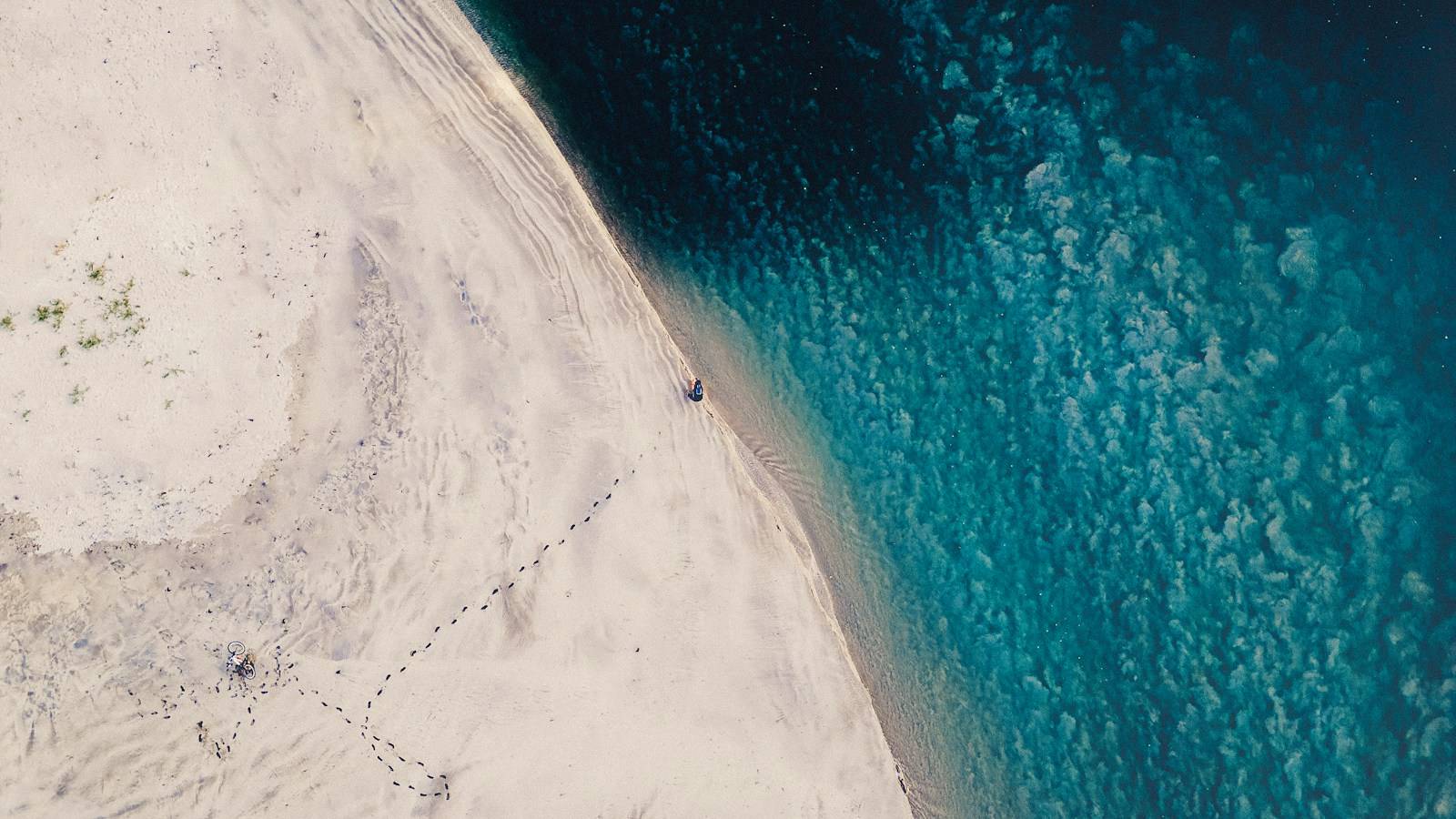
Alagoas is Brazil's best-kept beach secret. This small northeastern state sits on the Atlantic with 230 kilometers of turquoise coastline, coral reefs that emerge at low tide, and towns where fresh grilled fish costs less than a coffee in Rio. The capital Maceió is a jumping-off point for some of South America's cleanest water, Maragogi's natural pools draw divers and sun-seekers from across Brazil, while quieter beaches like São Miguel dos Milagres and Praia do Gunga feel untouched. Alagoas is not yet saturated with digital nomads; it's a place where you'll pay $400-600/month for a good apartment and still feel like an explorer.
Demographics & Government
| Country | Brazil |
| State | Alagoas (capital: Maceió) |
| Population | ~3.3 million (Alagoas state), ~1 million (Maceió) |
| Government | Democratic federation; Brazil is a federal republic with a bicameral Congress |
| Religious mix | ~73% Catholic, ~20% evangelical Protestant, ~7% other / non-religious |
| Time zone | BRT (UTC-3) year-round; Brazil abolished DST in 2019 |
| Plug type | Type N (three round pins, 220V), 50Hz. Type C may still exist in older buildings |
| Drive side | Right |
| Tap water safe? | No. Only 35-40% treatment coverage; drink bottled water (R$2-5/liter) |
| Free WiFi? | Limited in public spaces; most cafés and hotels provide it |
| Best time to visit | September to March (dry season, 25-30°C); December-February peak tourist season |
| Emergency numbers | 190 (Military Police), 192 (ambulance/SAMU), 193 (Fire), 911 (nationwide) |
| Currency | Brazilian real (R$), ~5 BRL per USD (varies). Cash and card both used widely |
Overview & Vibe
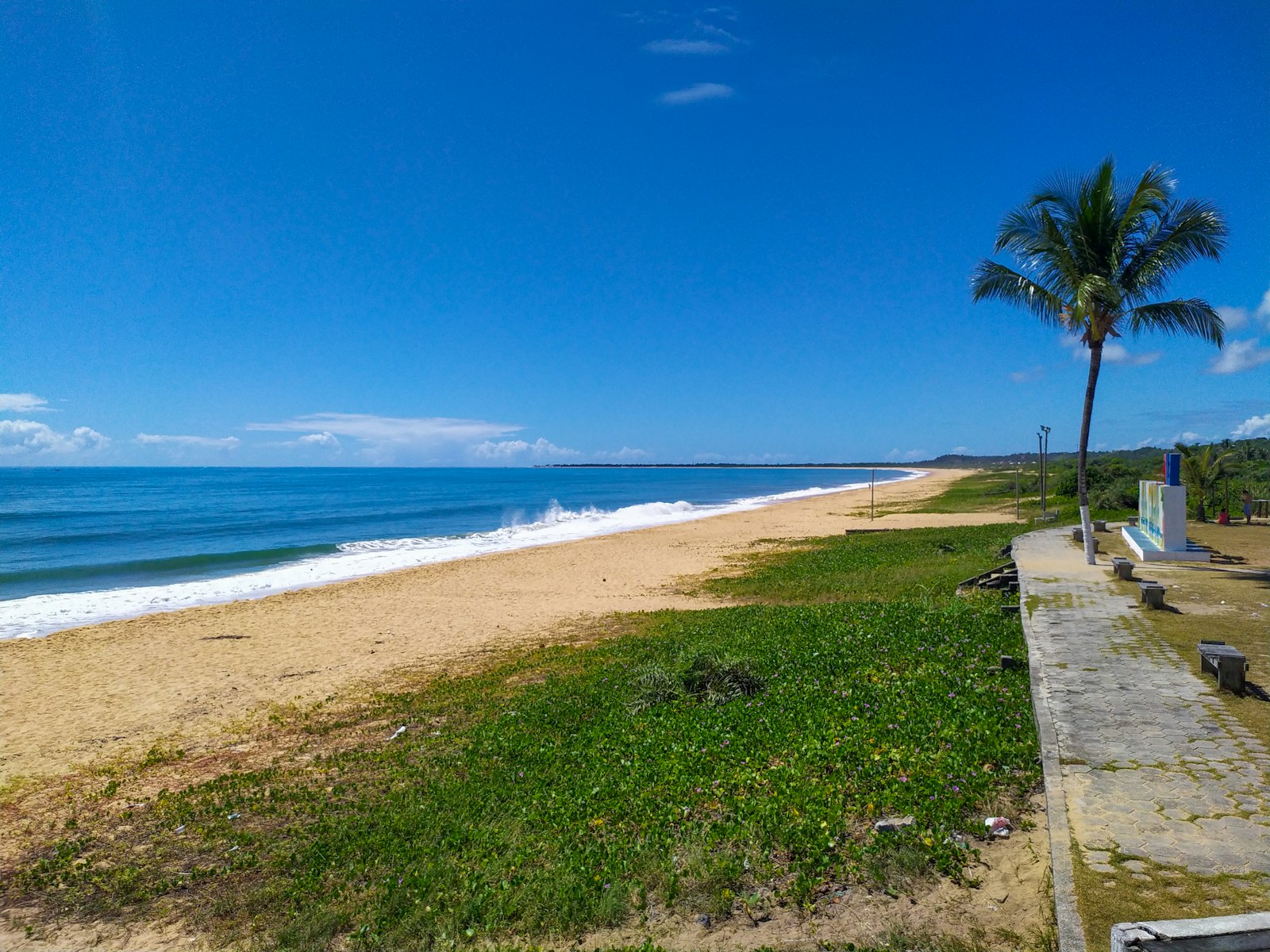
Maceió, the capital, sits on a peninsula with urban beaches (Pajuçara, Ponta Verde) and a growing nomad café scene. The real magic is north of the city: Maragogi (90 km) has crystal-clear natural pools and dive shops; São Miguel dos Milagres is a bohemian beach town; Praia do Gunga has cave formations and turquoise shallows. The colonial riverside town of Penedo (140 km inland) feels frozen in the 1800s. Alagoas is simultaneously high-energy (Carnival), laid-back (beach culture), and gritty (real Brazil, not sanitized resort-speak). The state ranks among Brazil's poorest; you will see severe inequality. Petty theft happens. But for travelers with street sense and cultural curiosity, the upside (price, beauty, authentic food) far outweighs the friction.
A Brief History
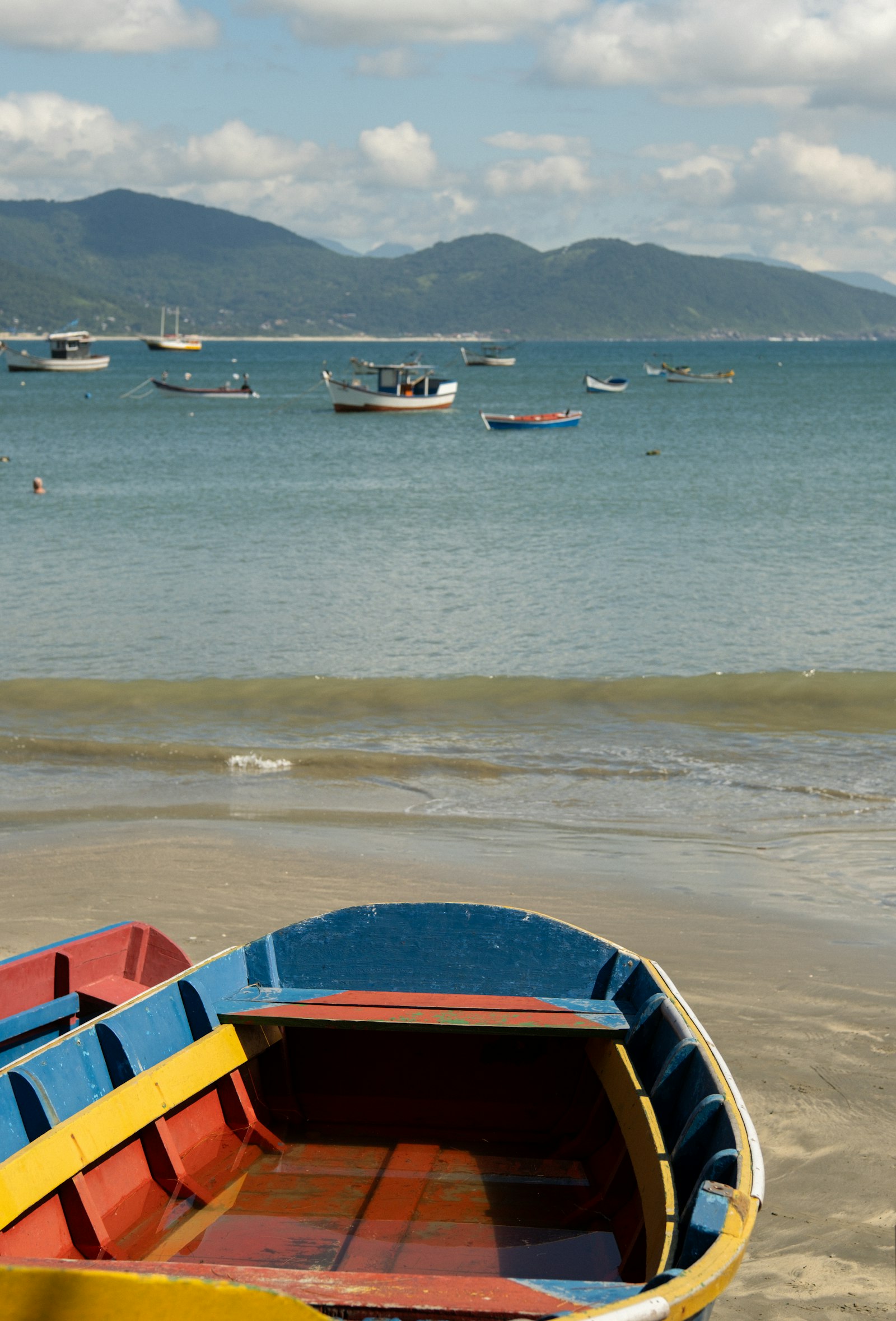
Alagoas spent its first three centuries as the southern part of the Captaincy of Pernambuco, becoming a separate captaincy only in 1817 when King John VI carved it out as punishment for the Pernambucan revolt. The region's sugar economy ran on slavery, and escaped Africans built Palmares, the largest quilombo in colonial Brazil, which held out until its destruction at the end of the 17th century. The capital moved from the town of Alagoas (now Marechal Deodoro) to Maceió in 1839, and the state calls itself Terra dos Marechais for producing Deodoro da Fonseca and Floriano Peixoto, Brazil's first two presidents.
Transportation
Alagoas' public transit is basic outside Maceió. Buses connect major towns on the BR-101 and BR-104 highways; within Maceió, the system is extensive but aging. Your best bet depends on where you're staying.
- Drive on the right. Standard Brazilian rules; international driving permit (IDP) recommended but many rental shops accept foreign licenses.
- Bus travel. Interstate services link Maceió to Maragogi (1.5 to 2 hours, R$20 to 30), Penedo (2.5 hours, R$30 to 40), and other cities. Frequent delays; book local agencies.
- Ride-sharing. Uber and 99 work reliably in Maceió and Maragogi. Ride costs R$15 to 40 depending on distance. Exercise standard precautions.
- Car rental. R$80 to 150/day for basic cars. Better for exploring coastal towns and the Coral Coast route (23 km of connected beaches south of Maragogi).
- Motorcycle taxi (moto-táxi). Cheap (R$5 to 15) but chaotic; use only if comfortable with Brazilian driving culture.
- Getting to/from the airport. Zumbi dos Palmares (MCZ) is in Maceió, 30 km from central beaches. Uber ~R$50 to 80; pre-booked shuttles ~R$40 to 60.
Language, Customs & Etiquette
Portuguese is the official language. English is sparse outside Maceió and tourist hotspots. A phrasebook or translation app is essential.
- Greetings. "Oi" (hi), "Bom dia / Boa tarde / Boa noite" (good morning/afternoon/evening), "Tudo bem?" (how are you?), "Obrigado/a" (thank you). Cheek kisses (two) are standard between women and mixed genders.
- Dining. Brazilians arrive 15 to 30 minutes late to dinner invitations (accepted). Hands stay visible on the table. Use utensils, not hands, even for pizza or fruit. Refusing food is impolite.
- Bargaining. Expected in markets (feiras livres) and with informal vendors. Vendors inflate prices 20 to 30% to negotiate. Polite haggling and cash payments yield 10 to 15% discounts.
- Religious sites. Cover shoulders and knees in churches. No swimwear in town squares.
- Photography. Avoid photographing people without permission. Commercial photography in public areas requires permits (R$100 to 500).
- Offensive gestures. The "OK" hand sign (thumb + index circle) is vulgar. Don't point with one finger; use your whole hand. Eye contact shows honesty.
Safety & Security
Alagoas has Brazil's highest homicide rate (45 to 50 per 100,000 residents), but violence is concentrated in Maceió's urban periphery (favelas). Tourist beaches and established towns are much safer with police presence, though petty crime is constant.
- Pickpocketing and theft. Watch bags on buses, in crowded markets, and on beaches. Use a zipped daypack, not a backpack.
- Avoid. Favelas, walking alone after dark, displaying valuables (phones, cameras, jewelry).
- Taxis and Uber. Use official ride-sharing apps or registered taxi stands. Unmarked cabs can overcharge or worse.
- Scams. Fake taxi drivers, beach vendors overcharging foreigners, ATM skimming, unofficial tour guides demanding excessive fees.
- Solo female travelers. Exercise heightened caution, especially in Maceió. Avoid isolated beaches, travel in daylight, use registered transport. Dress conservatively outside resorts.
- LGBTQ+. Brazil legalized same-sex marriage, but Alagoas is conservative. Discretion is wise outside resorts; public displays of affection may attract unwanted attention.
- Racial attitudes. Alagoas is ~70% Afro-Brazilian. Racial inequality is real (income, employment, education gaps), but overt racial violence is uncommon. Discrimination exists subtly in service and access.
Weather & Climate
Tropical year-round with minimal seasonal temperature variation. The trade-off is rain.
| Month | Avg High | Avg Low | Rain | Notes |
|---|---|---|---|---|
| January | 30°C / 86°F | 23°C / 73°F | 60 mm | Peak summer, warm water, Réveillon crowds |
| February | 30°C / 86°F | 23°C / 73°F | 70 mm | Carnival season; chaotic, pricey |
| March | 29°C / 84°F | 22°C / 72°F | 250 mm | Wet season begins; frequent afternoon showers |
| April | 28°C / 82°F | 22°C / 72°F | 300 mm | Wettest month; few tourists |
| May | 27°C / 81°F | 21°C / 70°F | 280 mm | Wet, cooler; still rainy |
| June | 26°C / 79°F | 20°C / 68°F | 200 mm | Festa Junina (June festivals); rain easing |
| July | 26°C / 79°F | 20°C / 68°F | 180 mm | Winter (South America), cool, wet |
| August | 26°C / 79°F | 20°C / 68°F | 120 mm | Dry season begins; less rain |
| September | 28°C / 82°F | 21°C / 70°F | 80 mm | Great for beaches; warm and dry |
| October | 29°C / 84°F | 22°C / 72°F | 60 mm | Dry, warm, ideal |
| November | 29°C / 84°F | 22°C / 72°F | 50 mm | Dry, warm, great for diving |
| December | 30°C / 86°F | 23°C / 73°F | 50 mm | Summer starts; warm water, holiday crowds |
Best time to visit: September to November or December to February (dry season, 25 to 30°C, warm water for diving). Peak tourist season is December to February; book accommodation ahead. Avoid March to July (wet season, up to 300 mm/month rain).
What to pack: Lightweight, breathable cotton clothing. Swimwear. Hat and sunscreen (UV index is very high). Light rain jacket. Reef sandals for rocky beaches. Modest clothes (long pants/skirt, covered shoulders) for town visits and religious sites.
Logistics & Practical Info
- Currency. Brazilian real (R$), ~5 BRL per USD (varies). ATMs are widespread; Itaú and Bradesco networks are reliable. Avoid Euronet (poor rates). Card acceptance is good in Maceió and tourist areas; cash needed in smaller towns.
- Tap water. Not safe. Drink bottled water (R$2 to 5/liter at markets) or filtered water from your accommodation.
- Electricity. Type N plugs (three round pins), 220V, 50Hz. Some older buildings have Type C. Bring an adapter.
- Free WiFi. Limited in public spaces; most hotels, cafés, and malls provide it. Mobile data is cheaper and more reliable.
- SIM cards. Vivo, Claro, and TIM offer tourist plans: R$30 to 60 for 7 to 30 days with 2 to 15 GB. Available at airports, malls, and carrier shops. Passport required.
- Internet. Generally reliable in Maceió and coastal towns; can be spotty inland. VPNs are legal and accessible.
- Time zone. Brasília Time (BRT), UTC-3 year-round. Brazil abolished daylight saving time in 2019.
- Health considerations. Dengue, Zika, and chikungunya are endemic; cases spike in wet season (April to July). Yellow fever vaccination is recommended. Travel insurance is essential; private clinics in Maceió are English-friendly and charge R$100 to 300 for consultations.
Attractions & Activities
Alagoas' draw is not monuments but beaches, water, and small-town culture. Most sights can be covered in 5 to 7 days, though many visitors stay longer.
- Maragogi (Wikipedia), turquoise natural pools (galés) 6 km offshore, accessible by small boat from the beach ($15 to 30/person). Dive shops offer reef dives (PADI cert ~R$2,000).
- São Miguel dos Milagres (Wikipedia), bohemian beach town 35 km north; snorkeling, kayaking, local art galleries.
- Praia do Gunga, dramatic coves with formations, 40 km south. Best at low tide.
- Praia do Francês, famous surfing beach near Maceió, 30 km south.
- Penedo (Wikipedia), colonial riverine town 140 km inland; baroque churches, artisan markets, slow pace.
- Maceió beaches, Pajuçara (urban, lively) and Ponta Verde (calmer, better for staying).
- Mundaú Lagoon, boat tours through mangroves, fishing villages, birdwatching.
- Coral Coast Route, 23 km of connected beaches south of Maragogi; rent a car or hire a guide.
- Xucuru-Kariri indigenous territory, limited tourism, request guides beforehand.
- Local markets, Central Market Hall (Maceió) for paprika, crafts, local food.
Festivals and major events
| Event | When | Notes |
|---|---|---|
| Carnival | Late February / early March | Street parades, frevo dancing, samba. Book accommodation months ahead |
| Festa Junina | June | Quadrilha dances, local food, regional celebrations throughout Alagoas |
| Nossa Senhora dos Prazeres (patron saint) | September 8 | Religious processions, church services, local festivals |
| Réveillon and Festival de Verão | December 31, January | Beach celebrations, concerts, crowded; prices peak |
Must-try local dishes
Alagoas produces 80% of Brazil's coconuts, so coconut features heavily. Seafood is fresh and affordable.
- Sururu, marsh clams in coconut milk broth, served with tapioca bread or cassava.
- Tapioca pancakes, thin, crispy cassava flour crepes filled with cheese, butter, ham, or jam.
- Carne de sol, sun-dried beef, grilled and served with manioc and beans.
- Grilled fish, fresh catch from the day, seasoned simply and char-grilled at beach stalls.
- Cocada, coconut candy, dense and sweet; sold at markets and by street vendors.
- Bolo de goma, tapioca cake with a syrupy center, a northeastern favorite.
- Açaí, ubiquitous bowls with granola and fruit (not native to Alagoas but everywhere).
Souvenirs and local crafts
- Renda de bilro, handmade bobbin lace from Pontal da Barra and other coastal towns, using 300-year-old Portuguese techniques. Expensive but stunning.
- Ceramic cangaceiros, traditional pottery depicting Lampião and the northeastern bandits.
- Cachaça, sugarcane brandy from local distilleries. Quality varies; ask locals for recommendations.
- Coconut sweets, cocada, pé de moleque (peanut brittle), and other locally made candies.
- Woven crafts, hammocks, baskets, and wall hangings made from natural fibers.
Health & Medical
Healthcare infrastructure in Alagoas is limited outside Maceió. Travel insurance is strongly recommended.
- Private clinics. Maceió has English-speaking private facilities (Hospital Metropolitano, Santa Casa). Consultations R$100 to 300. Emergency care included under travel insurance.
- Public hospitals (SUS). Free emergency care for visitors; quality is lower than private clinics, often overcrowded.
- Pharmacies. Ubiquitous, open late, and inexpensive. Foreign prescriptions require a Brazilian doctor's validation.
- Endemic diseases. Dengue, Zika, and chikungunya spike April to July. Yellow fever vaccination is recommended (check with your doctor). Malaria risk is negligible in coastal areas.
- Traveler's diarrhea. Common; drink only bottled water and eat cooked food from busy vendors. Street food carries higher risk; ~30 to 50% of visitors who eat street food regularly report issues.
- Vegetarian and vegan options. Limited outside Maceió; traditional cuisine is meat and seafood-heavy. Ask restaurants for "opções vegetarianas" (vegetarian options). Health food stores and açaí shops offer plant-based choices.
Legal & Substances
- Marijuana. Illegal for recreational use; possession is a criminal matter. Decriminalized small amounts (since 2024) but enforcement is inconsistent.
- Alcohol. Legal for adults 18+. Public consumption is technically prohibited (fines R$50 to 500); enforcement is loose, especially on beaches. Alcohol on public transport is prohibited.
- Smoking. Banned indoors (restaurants, bars, workplaces) under federal law. Outdoor terraces allow it. Fines up to R$1,500.
- Driving laws. License required (IDP or home country); right-hand traffic; breathalyzer tests are common; zero-tolerance for drunk driving.
Customs & Shopping
Brazil's duty-free allowance for departing travelers permits up to USD 500 in goods purchased domestically when leaving by air, or USD 300 by land or river. The allowance covers items for personal use or gifts, and applies the same way to foreign visitors and Brazilian residents.
Some categories are restricted on export. Protected wildlife species and their products (under CITES), archaeological artifacts, historical pieces, and indigenous cultural items require authorization. Unprocessed biological samples and certain minerals need permits. Counterfeit goods and undeclared cash above 10,000 reais (or the foreign equivalent) get confiscated at the border. Confirm specific export rules for any high-value or specialty item before you fly out.
For shopping: Brazil's strongest categories are leather goods (Belo Horizonte and Franca are the centers), gemstones and jewelry (Minas Gerais), cachaça, artisan crafts from the Northeast (lace, ceramics, hammocks), and açaí-based products. Most major airports have a duty-free shop on the airside; H. Stern jewelry and Havaianas sandals are the most common souvenir purchases.
Accessibility & Inclusion
Accessibility is limited. Most historic sites and many beaches have poor or no infrastructure for wheelchair users. Sidewalks are often uneven; ramps are inconsistent. Larger hotels in Maceió may have adapted rooms. Advance planning and private guides/transport are necessary.
Digital Nomad Corner
Alagoas is not a nomad hub like Lisbon or Medellín, which is part of its appeal. Costs are low, internet is functional in cities, and isolation is minimal if you value beaches and Brazilian culture.
- Internet. Maceió has fiber; speeds are typically 50 to 100 Mbps. Smaller towns are less reliable; mobile data is a backup. Cafés and hotels provide WiFi.
- Coworking. Limited options; a few spaces exist in Maceió but none are as developed as elsewhere. Most nomads work from cafés or their accommodation.
- Long-stay visa. Brazil's "White Card" (digital nomad visa, up to 1 year renewable) requires ~$3,000/month income. No Brazilian-source work allowed.
- Cost of living. A nomad in Maceió can live on R$2,000 to 3,000/month (~$400 to 600 USD): apartment R$800 to 1,500, food R$600 to 800, transit/activities R$300 to 400. Far cheaper than southern Brazil or most of South America.
- Coworking day pass. R$40 to 60 in Maceió if you find a space; monthly memberships ~R$300 to 500.
Alagoas rewards travelers who can stomach a bit of grit and heat. It's not Tulum or Cartagena, and that's exactly why you should go.
Keep planning: Acre: Brazil's Amazon Frontier, Acadia National Park Guide: Maine's Coastal Peaks and Aceh, Indonesia: A Practical Travel Guide.