Acre: Brazil's Amazon Frontier
Nomad Toolkit
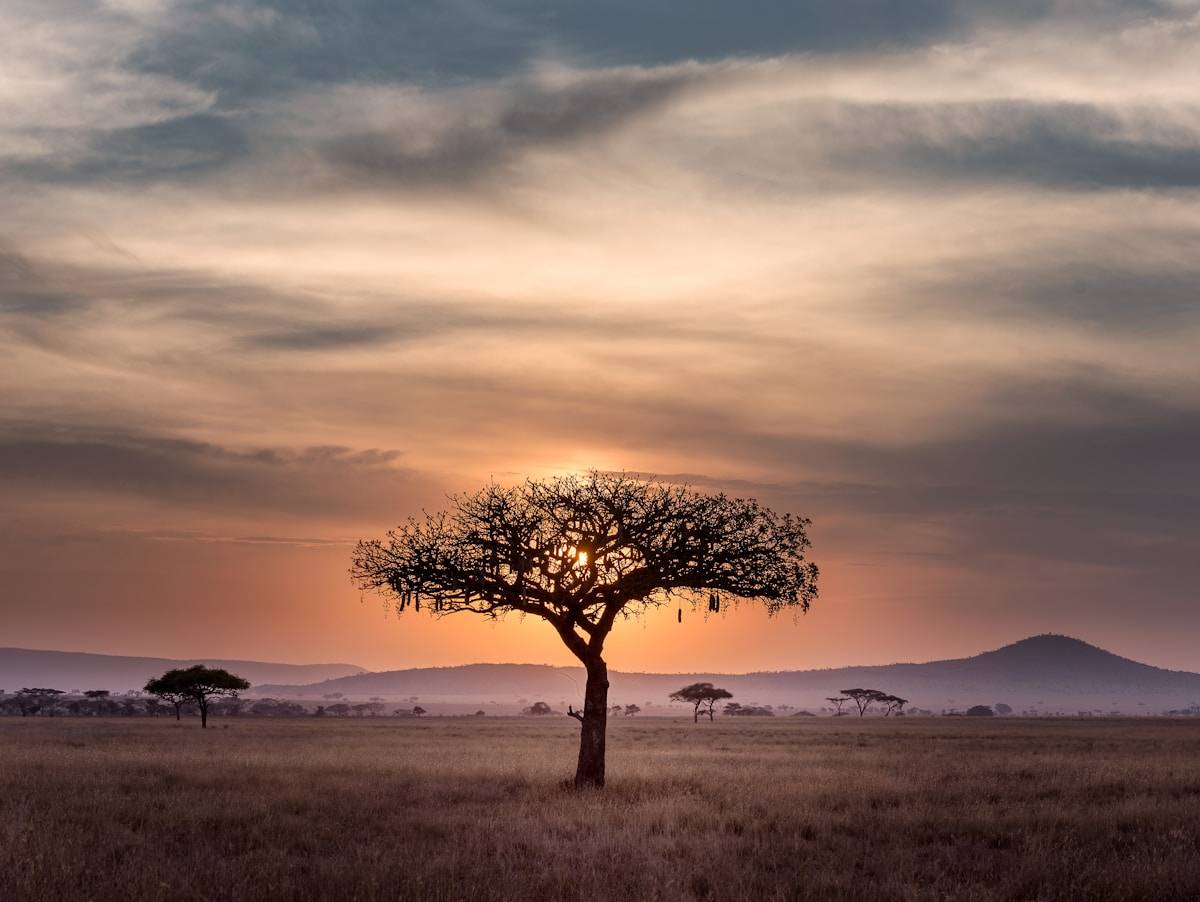
Acre is Brazil's least-known destination, and that's partly the appeal. This westernmost state sits deep in the Amazon, bordering Peru and Bolivia, with a population smaller than many European cities. You won't find beach resorts or major tourist infrastructure. What you find instead is pristine rainforest covering 87% of the state, authentic indigenous communities, the legacy of rubber tapper history, and river landscapes that feel untouched. If you're an adventurous traveler seeking eco-tourism, cultural immersion, and the raw Amazon experience, Acre rewards you. If you need reliable WiFi, coworking spaces, and nomad-friendly amenities, look elsewhere.
Demographics & Government
| Country | Brazil |
| Capital | Rio Branco (~410,000 residents) |
| Population | ~830,000 to 900,000 (Acre state), lowest-populated Amazon state |
| Government | State within Brazilian federal republic; governor-led with state legislature |
| Religious mix | ~55-60% Catholic, ~25-30% Protestant/evangelical, indigenous spiritual traditions |
| Time zone | ACT (UTC-5) year-round, no daylight saving; 2 hours behind Brasília |
| Plug type | Type N (three round pins), 220V / 60Hz |
| Drive side | Right (standard Brazil-wide) |
| Tap water safe? | No, not recommended for westerners. Drink bottled water only. |
| Free WiFi? | Limited in Rio Branco (some malls, government buildings), sparse elsewhere |
| Best time to visit | May to September (dry season, roads passable, 24-32°C, 50-100mm rain/month) |
| Emergency numbers | 190 (police), 192 (ambulance/SAMU), 193 (fire), 911 (general, redirects locally) |
| Currency | Brazilian real (R$), ~5 per USD (varies) |
Overview & Vibe
Acre feels like a frontier. Rio Branco, the capital, has markets, museums, and restaurants, but it's a working Amazonian city, not a polished tourist destination. Outside the capital, you're in river communities, jungle lodges, and small towns where rubber tapping, Brazil nut harvesting, and subsistence farming are still primary economies. The vibe is adventurous rather than comfortable. Tourists come for rainforest immersion, indigenous cultural exchange, and to walk in the footsteps of Chico Mendes (the rubber tapper activist and environmental martyr). The state's tourism push began in the 2010s, so infrastructure is still developing. Expect slower internet, limited restaurant variety, and dependence on guides and organized tours to access the best sights. Good for eco-tourists, activists, cultural researchers, and travelers seeking authentic Amazon experience without resort trappings.
A Brief History
The mid-1800s rubber boom pulled thousands of Brazilian migrants into Acre, and by 1877 the population was almost entirely Brazilian even though the 1867 Treaty of Ayacucho assigned the land to Bolivia. Settlers declared an independent Republic of Acre in 1899, fought Bolivian forces in the Acre War, and in 1903 the Treaty of Petrópolis transferred the region to Brazil for two million pounds sterling. Acre became a full state only in 1962. Its modern identity was shaped by the rubber tapper union leader Chico Mendes, whose campaign to protect the forest ended with his assassination in 1988.
Transportation
Transportation in Acre relies on a mix of road, river, and air. The capital Rio Branco is connected by the BR-364 highway to the rest of Brazil, but secondary roads are often unpaved. River transport is essential for reaching remote communities and national parks, especially during the wet season.
- Drive on the right. Standard South American traffic rules.
- Car rental. Budget 100-150 reais daily (~$20-30 USD). Require valid passport, home country driver license, and International Driving Permit (IDP). Age 21+ typically mandatory. Rental companies available in Rio Branco and Cruzeiro do Sul.
- Taxis and ride-share. Uber and 99 operate in Rio Branco with limited coverage; expect 15-20 minute waits outside peak hours. Taxis more common; negotiate fares beforehand as meters are uncommon. Late-night coverage sparse.
- Buses and kombis. Local buses (kombis, minivans) connect towns; routes irregular and schedules fluid. Costs 3.50-4.50 reais per ride in Rio Branco. Inter-city buses available but slow; book ahead through rodoviária (bus station).
- River transport. Essential for accessing lodges, national parks, and remote communities. Organized tours include boat transport. BR-364 highway is only major paved route; other roads unpaved and seasonal.
- Domestic flights. Rio Branco's airport (RB) connects to São Paulo, Brasília, Manaus. Useful for longer stays or time-sensitive trips, but expensive.
- From airport. No express bus like Budapest. Taxi or Bolt best options; hotel pickups available if pre-arranged.
Language, Customs & Etiquette
Portuguese is the only official language. English is rare outside Rio Branco's tourist businesses and hotels. Brazilians are warm and physical in greeting; locals in small towns appreciate a few Portuguese words.
- Greetings. Bom dia (good morning), boa tarde (good afternoon), boa noite (good evening). Handshakes for formal. Close friends/family use two cheek kisses.
- Informal. "Oi" or "Olá" for casual. Brazilians prefer close personal space (30-50cm) during conversation.
- Dining etiquette. Wait for the host to say "bom apetite" (good appetite) before eating. Hands visible on table. Meals at 12-2pm (lunch) and 7-9pm (dinner). Use utensils for most foods including pizza. Compliment the cook.
- Tipping. 10-15% at restaurants expected, though often already included on the bill. Check before adding. Tips on taxis less common but appreciated.
- Reserved by default. Brazilians open up quickly; perceived coolness is just communication style. Warmth builds fast.
- Bargaining. Less common in Acre than in other Brazilian regions. Possible in markets (5-15% off on crafts and produce) if polite and conducted in Portuguese. Cash helps.
- Religious sites. Cover shoulders and knees in churches and indigenous sacred spaces. No hats or shoes in some indigenous territories. Ask permission before photographing ceremonies.
- Photography. FUNAI (National Indian Foundation) permission required for photos in indigenous territories. Military and border areas (Peru/Bolivia) prohibited. Museums vary on flash; always ask.
- Offensive gestures. OK sign (thumb + index circle) is vulgar. Point with pursed lips, not fingers. Close personal space expected; standing far suggests unfriendliness.
- Public displays of affection. Widely accepted and common. Couples hold hands and kiss in public without stigma.
- Safe topics. Family, football (soccer), local rainforest culture, regional dishes. Avoid politics, land disputes with indigenous communities, deforestation debates, and income inequality (sensitive in a poor state).
- Cash etiquette. Reais only; euros not accepted. Card fine in cities; cash essential in rural areas and markets.
Safety & Security
Acre is generally safer than Brazil's major cities (Rio, São Paulo), but remote areas near Peru/Bolivia borders carry drug trafficking risks. Rio Branco is relatively safe for urban travelers using standard precautions.
- Petty theft. Pickpocketing, bag snatching in markets and bus terminals. Use front pockets or zipped bags. Don't display valuables or large cash amounts.
- Avoid isolated areas. Don't walk alone after dark. Stick to central Rio Branco neighborhoods (Triângulo Histórico, Centro).
- Taxis. Use regulated taxi dispatch or ride-share apps (Bolt, 99). Avoid unmarked cabs at stations, especially at night.
- Taxi scams. Negotiate fares beforehand. Ride-sharing apps prevent overcharging.
- Tourist scams. Fake tour guides at Peru/Bolivia border crossings demanding upfront payments. Book tours through established operators only. ATM skimming occasional; use bank machines during business hours.
- Border areas. The Peru and Bolivia borders (accessible to tourists via Brasiléia and other crossing points) see drug trafficking activity. Stay alert, don't wander remote border zones, travel with guides.
- Solo female travelers. Exercise heightened caution. Avoid walking alone after dark. Dress conservatively to minimize unwanted attention. Use registered taxis or ride-apps. Stay in central, established accommodations.
- Race / ethnicity. Acre has 17% indigenous and 69% mixed-race populations with general coexistence. Isolated discrimination occurs; visible minorities may face stares outside Rio Branco. Downtown areas more cosmopolitan.
- LGBTQ+. Brazil has legal same-sex marriage (since 2013) and anti-discrimination laws. Acre is socially conservative compared to major cities. Discretion recommended in smaller towns and rural areas. Rio Branco has a visible LGBTQ+ scene.
Weather & Climate
Tropical rainforest climate with warm, humid weather year-round. Two clear seasons: wet (November-April) and dry (May-October).
| Month | Avg High | Avg Low | Rain | Notes |
|---|---|---|---|---|
| January | 30°C / 86°F | 22°C / 72°F | 250-300mm | Wet season peak, humid, some river routes affected |
| February | 30°C / 86°F | 21°C / 70°F | 250-300mm | Wet, same as January |
| March | 30°C / 86°F | 21°C / 70°F | 200-250mm | Still wet; roads begin to improve |
| April | 30°C / 86°F | 21°C / 70°F | 150-200mm | Transition month, roads improving |
| May | 30°C / 86°F | 20°C / 68°F | 100-150mm | Dry season starts, excellent for travel |
| June | 29°C / 84°F | 19°C / 66°F | 50-100mm | Best time; dry, cooler, ideal |
| July | 29°C / 84°F | 19°C / 66°F | 3-7mm | Driest month, peak travel season |
| August | 31°C / 88°F | 20°C / 68°F | 5-10mm | Warmest month, still dry, excellent |
| September | 32°C / 90°F | 21°C / 70°F | 50-100mm | End of dry, warming; rains begin |
| October | 31°C / 88°F | 21°C / 70°F | 100-150mm | Transition, increasing rainfall |
| November | 30°C / 86°F | 21°C / 70°F | 200-250mm | Wet season begins, afternoon storms |
| December | 30°C / 86°F | 22°C / 72°F | 250-300mm | Wet, humid; holiday travel period for Brazilians |
What to pack. Lightweight, breathable fabrics year-round. Rain gear essential (lightweight packable jacket, waterproof bag) especially November-April. Quick-dry clothes useful due to humidity and river activities. Swimsuit for river access. Insect repellent with DEET (mosquito-borne illnesses present). Wide-brimmed hat and high-SPF sunscreen. Sturdy hiking boots for rainforest trails.

Logistics & Practical Info
- Currency. Brazilian real (R$), not accepted elsewhere. Most larger businesses in Rio Branco accept cards. ATMs widely available; avoid Euronet machines (high fees). Use OTP or Bradesco. Cash essential in small towns and markets.
- Cost of living. Cheap compared to major Brazilian cities. Budget meals 15-30 reais (~$3-6). Hotel rooms in Rio Branco 80-200 reais (~$16-40). Flights domestic expensive. All-in monthly budget for budget travelers: 1,500-2,500 reais (~$300-500).
- Tap water. NOT SAFE. Drink bottled water only. Available 3-8 reais per liter in shops. Filters and purification tablets useful for remote areas.
- Free WiFi. Limited. Available in some Rio Branco malls, government buildings, a few cafés. Mobile data more reliable and affordable. Most hotels offer WiFi but often slow.
- SIM cards and data. Major carriers (Vivo, Claro, TIM) sell prepaid plans. Cost R$20-50 for 5-15GB valid 7-30 days. Purchase at airports, carrier stores, or authorized retailers with passport. Coverage in Rio Branco good; sparse in remote areas.
- Money apps. Wise and Revolut handle Brazilian real transfer. PIX (instant payment app) ubiquitous for peer-to-peer transfers.
- DST. Brazil does not observe daylight saving time (ended nationally in 2019).
- Internet censorship. Minimal. Standard access to major platforms. Occasional court-ordered blocks of specific apps (X/Twitter blocked 2024, WhatsApp periodically).
Attractions & Activities
Acre rewards slow travel and pre-arranged tours. Most rainforest experiences require guides, river access, and 1-2 day commitments. Here are the essential sights.
- Rio Branco (the capital) (Wikipedia), Museu da Borracha (rubber museum), Palácio Rio Branco (government palace), Mercado Velho (historic market), Triângulo Histórico (historic quarter with colorful colonial buildings). Start here.
- Parque Ecológico Chico Mendes, 24,000 hectares near Rio Branco dedicated to the rubber tapper activist. Forest trails, wildlife viewing (jaguars, sloths, birds), staffed by local guides. Day visit or multi-day lodge stay.
- Chico Mendes Extractive Reserve (Reserva Extrativista Chico Mendes) (Wikipedia), Near the town of Xapuri, ~110km south of Rio Branco. UNESCO-recognized reserve celebrating rubber tapper heritage. Rubber tapping demonstrations, indigenous communities, river access. 1-2 day trips with local guides.
- Serra do Divisor National Park (Wikipedia), 840,000 hectares straddling the Peru border. Remote, pristine, requires organized expedition (3-7 days). Biodiversity hotspot with over 1,300 bird species, jaguars, pink river dolphins. Access via Cruzeiro do Sul.
- Cruzeiro do Sul (gateway town), 600km northwest of Rio Branco, the secondary hub for western Acre exploration. Used as base for Serra do Divisor treks and deeper Amazon trips. Smaller, quieter than Rio Branco but better positioned for jungle expeditions.
- Reserva Florestal Estadual do Antimary, Near Cruzeiro do Sul. Smaller reserve accessible for day hikes. Bird watching and basic rainforest trails. Less visited than Chico Mendes park.
- Acre River boat trips, Multi-day river journeys along the Acre, Juruá, or Purus rivers accessing remote communities and wildlife habitat. Organize through tour operators in Rio Branco or Cruzeiro do Sul.
- Brasiléia (border crossing to Bolivia), Small town on the Bolivian border, directly opposite Cobija, Bolivia. Day trip or overnight excursion from Rio Branco. Experience border culture; some travelers cross into Bolivia from here (immigration office in town). For Peru, the crossing is at Assis Brasil, further west on the same highway.
- Mercado Velho (Old Market), Rio Branco, Historic covered market selling local produce, handicrafts, regional foods like tacacá and pato no tucupi. Visit early morning for live market atmosphere.
- Indigenous community visits, Acre has 36 indigenous territories and 16,000+ indigenous people (Huni Kuin, Ashaninka, Kaxinawá, and others). Visits require FUNAI permits and local guide coordination. Do not show up unannounced. Ethical operators handle logistics.
Festivals and major events
| Event | When |
|---|---|
| International Forest Festival | March (Rio Branco), environmental sustainability focus |
| Carnival | February to March (nationwide, muted in Acre compared to Rio/São Paulo) |
| Festas Juninas (June Festivals) | June (caipira tradition, music, food, across Brazil including Acre) |
| Festival da Macaxeira (Cassava Festival) | June to July (Tarauacá), celebrating regional cassava culture |
| Acre Statehood Day | June 15, civic celebrations, annexation from Bolivia commemorated |
Must-try local dishes
Amazonian cuisine centers on river fish, game, indigenous vegetables, and fruits rarely seen outside the region. The food is the closest thing to "frontier cooking."
- Tacacá, hot soup with jambu leaves (numbing sensation), dried shrimp, and tucupi (manioc broth). Iconic in Acre and neighboring states.
- Pato no tucupi, duck braised in manioc root broth. Rich, slow-cooked, often served with rice.
- Tambaqui (or other river fish) grilled, local river fish (tambaqui, dourado, pirarucu) grilled whole or in stews.
- Açaí na tigela, açaí bowl with granola and fruit. Originated in the Amazon; found everywhere in Acre.
- Cupuaçu, Amazonian fruit (similar to cacao). Eaten fresh, in desserts, or as juice. Creamy, tropical flavor.
- Pupunha (heart of palm), boiled or in salads. Mild, slightly sweet.
- Jambu, Amazonian plant with numbing properties. Used in soups and rice dishes.
- Brazil nut, roasted, in desserts, or as a snack. High in selenium.

Souvenirs that represent Acre
- Rubber tapper crafts, items made from natural latex, reflecting Acre's extractive heritage. Look for small workshops in Xapuri.
- Indigenous textiles and beadwork, Huni Kuin and Ashaninka geometric patterns on fabrics and woven items. Support local artisans; FUNAI or community cooperatives are ethical sources.
- Brazil nuts, locally harvested and packaged. High-quality, direct-trade options at markets.
- Açaí or cupuaçu products, local dried fruit, pulp, or chocolates.
- Artwork by Acre-based artists, galleries in Rio Branco sell paintings and sculptures reflecting Amazon themes. Check Museu da Borracha gift shop.
Health & Medical
Healthcare in Acre is less developed than southern Brazil. Rio Branco has the best facilities; remote areas require evacuation for serious issues.
- Travel insurance essential. Public hospitals (SUS) provide free care, but private clinics are more reliable and English-speaking. Check that your insurance covers Amazon-region care.
- Private clinics and hospitals. Hospital Santa Juliana (Rio Branco) and Medicover clinics available in the capital. English-speaking staff limited; bring interpreter apps.
- Pharmacies. Available in Rio Branco and main towns. Foreign prescriptions not accepted; see a local doctor for new scripts.
- Vaccinations. Yellow fever vaccine strongly recommended (endemic in Acre). Malaria prophylaxis advised if visiting remote rainforest areas (P. vivax dominant, ~85% of cases). Dengue, Zika, and chikungunya present. Consult travel clinic 4-6 weeks before departure.
- Water. Tap water unsafe; drink bottled only.
- Insects. Mosquitoes, ticks, and biting flies present year-round. Use DEET repellent, wear long sleeves in dawn/dusk, treat bites promptly.
- Altitude. Acre is low elevation (sea level to ~500m). No altitude sickness concerns.
- Street food. Risky due to sanitation inconsistencies. Eat at busy, established stalls. Avoid raw vegetables and unpeeled fruits. Stick to cooked, hot food.
- Vegetarian/vegan. Limited options outside Rio Branco. Regional cuisine meat-heavy. Most restaurants can improvise rice, beans, cassava, and fruit plates; ask for vegetáriáno or vegano.
Legal & Substances
- Marijuana. Illegal nationally. Recreational possession decriminalized for personal amounts (up to 40g) as of 2024, but cultivation and sale remain criminal. Risk of arrest and fines still real in enforcement-heavy areas.
- Alcohol. Legal for 18+. Public consumption prohibited (federal law). Expect fines R$500-3,000 if caught drinking in parks or streets. Consumption on public transport banned.
- Smoking. Indoor public spaces banned (restaurants, bars, transit). Outdoor smoking OK in parks and open air. Sales to under-18 prohibited.
- Drugs. All recreational drugs except alcohol and tobacco illegal. Border proximity (Peru/Bolivia) means drug trafficking presence; avoid involvement entirely.
Customs & Shopping
- Tax-free shopping. Non-Brazilian residents can claim VAT refunds at departure for purchases over minimum thresholds (varies). Less applicable in Acre due to limited retail; mainly matters in São Paulo/major cities.
- Restricted exports. Wildlife, endangered species products (jaguar hides, etc.), archaeological artifacts, and indigenous items require IPHAN certification. Mahogany and rare hardwoods restricted. Brazil nuts and natural products generally OK with receipts.
- Currency. Reais only in/out of Brazil. Declare over R$10,000 (~$2,000 USD equivalent) on departure.
Accessibility & Inclusion
Acre has limited accessibility infrastructure, particularly in rainforest areas.
- Rio Branco. Newer hotels and government buildings comply with accessibility standards (law LBI, 2015). Older buildings, markets, and historic sites have stairs.
- Rainforest and river activities. Jungle trails and boat transport not wheelchair accessible. Remote lodges typically lack ADA-standard facilities. River crossings and jungle guides challenging for mobility impairments.
- Call ahead. Contact hotels, museums, and parks in advance to confirm accessibility. No standardized information available online.
- Medical care. Hospitals in Rio Branco have varying accessibility; private clinics more likely to accommodate.
Digital Nomad Corner
Acre is not a digital-nomad hub. Internet, coworking, and nomad infrastructure minimal compared to major Brazilian cities.
- Internet. Rio Branco has decent fiber in central areas; speeds 50-200 Mbps typical. Hotels provide WiFi (quality varies). Mobile data more stable. Remote areas patchy.
- Coworking. No established coworking chains. Some cafés in Rio Branco offer seating and WiFi but not professional coworking spaces. Hotels may offer desk space by arrangement.
- Visa. Brazil's long-term visa (temporary residence) allows stays up to 2 years for investors, retirees, etc. Digital nomad visa not available; some use tourist visa (90 days, renewable) or long-term visa categories.
- Cost of living. Budget 1,500-2,500 reais/month (~$300-500) for basic living, less for accommodation in smaller towns. Cheap relative to major cities but not a major reason to base here.
- Best for. Researchers, eco-tourists, and activists on temporary trips. Not suitable for long-term digital nomad base.
Final Thoughts
Acre rewards adventurers and will exhaust convenience-seekers. You won't find fast WiFi, trendy cafés, or colonial charm in abundance. You will find rubber tapper history, indigenous cultures, pristine rainforest, and the quiet pulse of the real Amazon. Spend 2-3 weeks, not 2-3 days. Pre-arrange tours. Bring cash. Learn Portuguese. Respect indigenous territories and the environment. The state is underdeveloped not because it's forgotten, but because its communities have fought to keep development out, protecting the rainforest that sustains them. Travel here with intention.

Keep planning: Alagoas: Brazil's Caribbean-Blue Coast, Acadia National Park Guide: Maine's Coastal Peaks and Aceh, Indonesia: A Practical Travel Guide.