Alberta: Rockies, Badlands & Big Cities
Nomad Toolkit
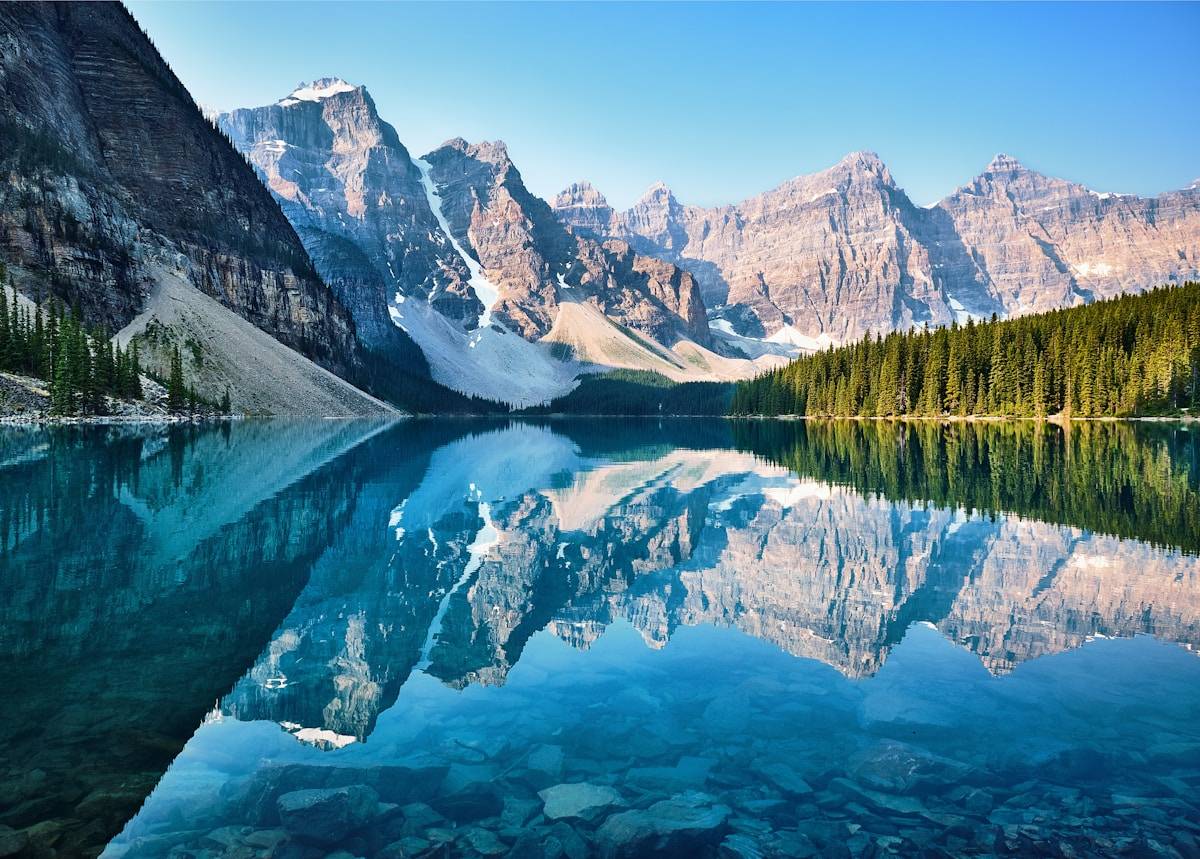
Alberta is Canada's Rocky Mountain and prairie province, anchored by two major cities, Calgary (1.6 million metro) and Edmonton (1.5 million metro), and home to the world's most photographed peaks. The province stretches from the Canadian Rockies in the west to the prairies in the east, and it rewards both city nomads and mountain escapists. You get outdoor skiing, hiking to turquoise lakes, a serious dinosaur museum, world-class hospitality, and a lower cost of living than Vancouver or Toronto. Summers are warm and social; winters bite hard but reward outdoor enthusiasts. Remote work is straightforward in major cities; infrastructure is North American-standard everywhere.
Demographics & Government
| Country | Canada |
| Population | ~4.7 million (Alberta); ~1.6 million (Calgary), ~1.5 million (Edmonton) metro areas |
| Government | Parliamentary system within Canadian federal framework; unicameral Legislative Assembly of 87 elected members; lieutenant governor appointed by federal government |
| Religious mix | ~54% Christian, ~42% no religious affiliation (2021 census); no official religion |
| Time zone | Mountain Time (MT): UTC-7 winter (MST), UTC-6 summer (MDT); daylight saving observed |
| Plug type | Type A and Type B (120V / 60Hz) |
| Drive side | Right |
| Tap water safe? | Yes, fully potable. Calgary and Edmonton treat water to federal and provincial drinking standards |
| Free WiFi? | Widely available in public libraries, shopping malls, coffee shops, and municipal buildings in cities. Rural coverage limited |
| Best time to visit | July to August (warmest, 15 to 23°C, festival season); June and September (fewer crowds, 10 to 18°C) |
| Emergency numbers | 911 (police, fire, ambulance); 811 (Alberta Health Link, non-emergency medical); Edmonton Police 780-423-4567; Calgary Police 403-266-1234 |
| Currency | Canadian dollar (CAD); ~1.35 CAD per USD (varies). Cards widely accepted; ATMs everywhere |
Overview & Vibe
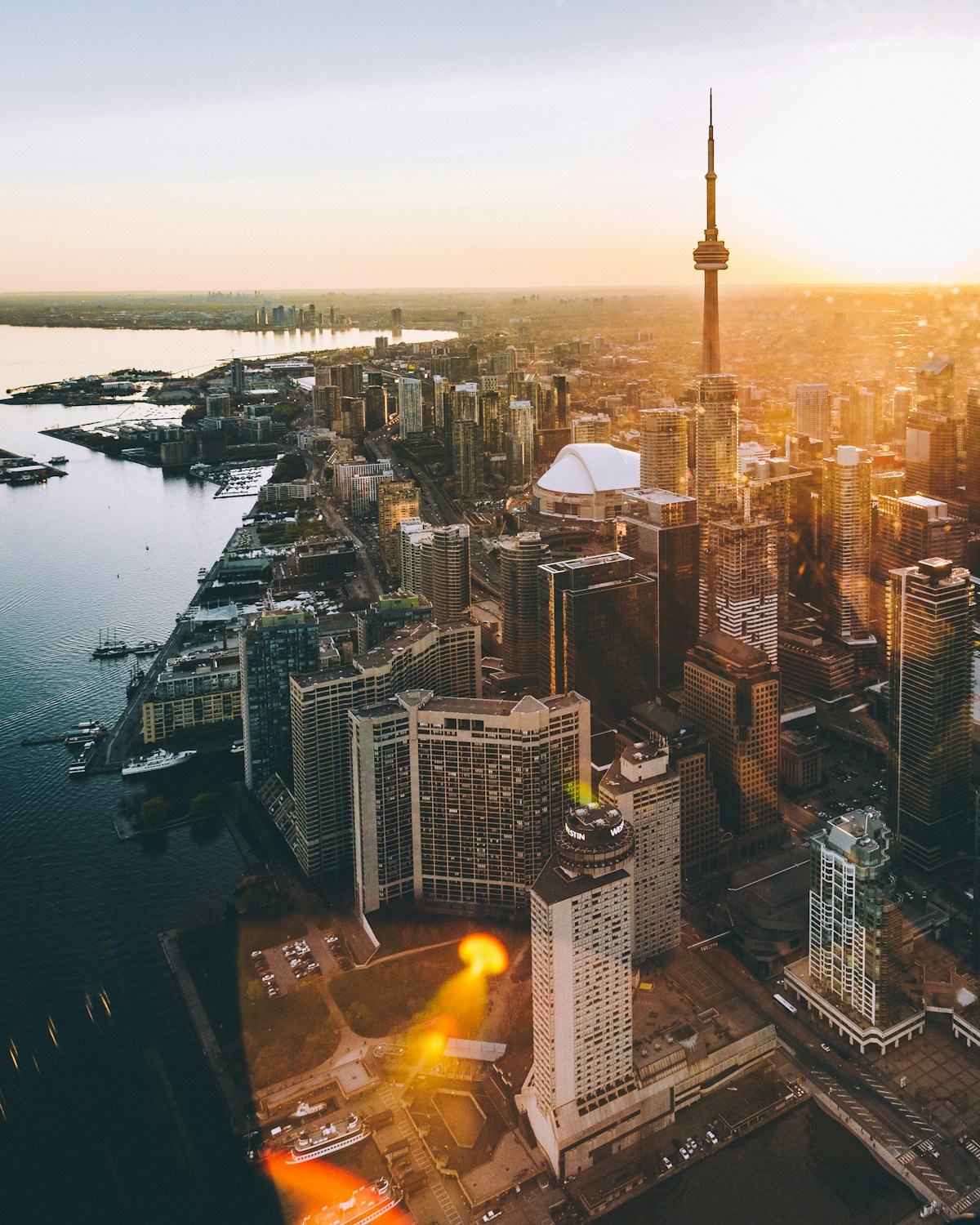
Calgary is the energy city, oil, ranching heritage, modern skyline, and a cowboy attitude. Edmonton is the capital, slightly more laidback, with museums and riverfront trails. Between them spreads the Banff and Jasper National Parks, home to five UNESCO-listed Rocky Mountain parks and some of Earth's most famous peaks. The prairies dominate the south and east; the mountains dominate the west and north. Albertans are friendly, direct, and outdoors-obsessed. The energy sector shapes conversation, but the province is far more diverse than its conservative reputation. Cities are multicultural; rural areas remain predominantly white. Winter is serious (temperatures drop to -20 to -30°C) but manageable with the right gear. Summer is short, warm, and crowded with hikers. The spring and fall shoulder seasons offer the best working conditions. Good for nomads who want North American amenities, stunning nature, and reasonable cost of living compared to BC or Ontario.
A Brief History
The province takes its name from Princess Louise Caroline Alberta, fourth daughter of Queen Victoria; Lake Louise honors the same princess. Fur traders built Fort Chipewyan, the region's first permanent European settlement, on Lake Athabasca in 1788, on land the Blackfoot Confederacy, Plains Cree, and other First Nations had occupied for at least 10,000 years. Alberta entered Confederation as a province on September 1, 1905, with Alexander Cameron Rutherford as its first premier. The oil strike at Leduc No. 1 south of Edmonton in 1947 set off the energy boom that still shapes the provincial economy.
Transportation
Alberta's major cities have decent public transit. The rest of the province relies on personal vehicles or buses. Intercity travel is car-dependent.
- Drive on the right. Standard North American rules.
- Public transit in Calgary and Edmonton. Calgary's C-Train LRT system spans 60+ km with 130+ million annual riders. Edmonton's LRT covers 24+ km with 50+ million yearly riders. Bus networks supplement both. Single fares run $3.50 to 3.60; day passes ~$11 CAD.
- Ride-sharing apps. Uber and Lyft operate in Calgary and Edmonton since 2016. Both are regulated by municipal bylaws requiring driver background checks, vehicle inspections, and commercial insurance. Generally safe with in-app safety features. Fares run $15 to 25 CAD for short trips.
- Car rental. Essential for provincial exploration. Foreigners can rent with a valid home country driver's license if visiting up to 90 days. International Driving Permit recommended but not mandatory. Minimum age 21 to 25 (varies by company). Major credit card required for deposit. Rates ~CAD $40 to 70/day for economy cars.
- Intercity buses. Red Arrow connects Calgary and Edmonton ($35 to 50 CAD). Greyhound alternatives exist but service is spotty. Most nomads rent cars for multi-day trips.
- Winter driving. November to March requires winter tires or all-season tires with proper tread depth. Roads are plowed and salted, but icy conditions require caution. 4WD helpful but not always necessary on main highways.
Language, Customs & Etiquette
English dominates daily life. French is less common than in eastern provinces but present in federal services. Albertans are casual and direct.
- Greetings. "Hello," "Hi," "How's it going?" and "Hey" among acquaintances. Handshakes in formal settings. "How are ya?" as standard opener.
- Dining. Arrive on time (within 5 to 10 minutes). Keep elbows off the table. Tip 15 to 20% for restaurant service. Wait for the host to begin eating. Place utensils at the 4 o'clock position when finished.
- Reserved interaction style. Canadians can read as polite but reserved. Warmth develops over time; don't mistake initial coolness for unfriendliness.
- Dress code in religious sites. Revealing clothing like shorts, short skirts, tank tops, and sleeveless shirts is inappropriate. Christian churches, Sikh gurdwaras, and Hindu temples expect modest dress covering shoulders and knees. Mosques require women to cover their heads with scarves and both genders to remove shoes.
- Photography. Allowed in most public places but ask permission at cultural and Indigenous sites. Commercial photography in provincial parks requires permits. Respect signage and Indigenous protocols, photographing ceremonies or sacred spaces may be restricted.
- Offensive gestures. Pointing with one finger, interrupting others, and discussing someone's weight/age/income directly is rude. Thumbs up and standard hand gestures are acceptable. The middle finger is universally offensive.
- Public affection. Hand-holding and brief kissing are widely accepted. More intimate displays may draw disapproval in conservative rural areas. Urban centers like Calgary and Edmonton are generally tolerant.
- Safe conversation topics. Outdoor activities, hockey, ranching heritage, skiing, mountains. Avoid criticizing the energy sector, making assumptions about political conservatism, or comparing Alberta unfavorably to other provinces. Quebec-Alberta political tensions and federal resource policies are sensitive.
- Bargaining. Uncommon in retail and fixed-price settings. Canadian cultural norms emphasize politeness, making aggressive negotiation awkward. May occur at farmers' markets, garage sales, and private transactions, but posted prices are usually final.
Safety & Security
Alberta is one of Canada's safest provinces with crime rates below the national average. Violent crime occurs primarily in urban centers but remains far lower than most US cities.
- Petty theft and vehicle crime. Petty theft and break-ins occur in Calgary and Edmonton urban centers. Car theft has increased 30 to 40% province-wide in recent years. Don't leave valuables visible in vehicles. Secure items at trailheads and tourist attractions.
- Tourist scams. Minimal compared to global destinations. Watch for overpriced taxi rides from Calgary and Edmonton airports (use meters or Uber/Lyft). Occasional overcharges at Banff/Jasper tourist shops. Rare wildlife viewing tour operators may lack proper permits.
- Solo female travelers. Canada ranks among the world's safest countries for solo female travel. Alberta is particularly secure. Standard precautions: remain aware in remote areas, inform others of wilderness itineraries, use licensed transportation. Excellent healthcare and 911 services.
- Ethnic and racial attitudes. Alberta's population is ~75% white, with growing South Asian (7%), Chinese (5%), and Indigenous (6%) communities. Edmonton and Calgary are multicultural; rural areas predominantly white. Hate crimes increased 47% provincially 2019 to 2021. Alberta tends conservative compared to other provinces, though urban centers are more diverse and tolerant than rural regions.
- LGBTQ+. Generally friendly with legal protections under federal and provincial human rights laws since 2015. Calgary and Edmonton have active LGBTQ+ communities, pride festivals, and support services. Alberta is more socially conservative than other Canadian provinces, with greater variance in acceptance between urban centers and rural areas.
Weather & Climate
Alberta's climate is continental with extreme temperature swings. Winters are cold and long; summers are short and warm; spring and autumn are highly variable.
| Month | Avg High | Avg Low | Notes |
|---|---|---|---|
| January | -7°C / 19°F | -15°C / 5°F | Cold, often grey, Chinook winds possible in south |
| February | -5°C / 23°F | -13°C / 9°F | Still cold; quiet season for travel |
| March | 0°C / 32°F | -7°C / 19°F | Spring approaches; variable weather |
| April | 10°C / 50°F | 2°C / 36°F | Melt-off, occasional snow, mud season |
| May | 17°C / 63°F | 8°C / 46°F | Warm and bright; hiking season opens |
| June | 22°C / 72°F | 12°C / 54°F | Long daylight, wildflowers in mountains, good hiking |
| July | 23°C / 73°F | 13°C / 55°F | Warmest month, Calgary Stampede mid-month, peak crowds |
| August | 22°C / 72°F | 11°C / 52°F | Warm, sunny; still busy; occasional late-month rain |
| September | 17°C / 63°F | 7°C / 45°F | Cooling, crisp mornings, fewer crowds, excellent hiking |
| October | 10°C / 50°F | 1°C / 34°F | Fall colors, golden light, early snow at altitude |
| November | 2°C / 36°F | -6°C / 21°F | Grey, layers required, snow expected |
| December | -5°C / 23°F | -13°C / 9°F | Winter arrives; ski season begins; holiday crowds |
What to pack. Heavy insulation, waterproof layers, and warm accessories (gloves, hat, thermal socks) for November to March. Summer requires light clothing plus a jacket for cool evenings and mountain areas. Year-round sun protection is essential due to high UV exposure at elevation, especially on snow.
Logistics & Practical Info
- Currency. Canadian dollar (CAD). ~1.35 CAD per USD (varies). Cards are widely accepted everywhere; ATMs ubiquitous. No currency restrictions. Tipping 15 to 20% standard at restaurants.
- Banking and transfers. Domestic and international transfers are straightforward. Most banks offer no-fee accounts. Wise and Revolut both handle CAD without conversion fees.
- Tap water. Safe and excellent throughout Alberta. Calgary and Edmonton treat water from the Bow and North Saskatchewan Rivers respectively, meeting federal and provincial drinking water standards. No filters or special precautions needed.
- Free WiFi. Available in most public libraries, major shopping malls, coffee shops, and some municipal buildings in Calgary and Edmonton. Rural coverage limited. Many establishments require email registration or have 30 to 60 minute time limits.
- SIM cards and mobile. Canadian carriers Rogers, Telus, and Bell offer prepaid plans starting $15 to 25 CAD for basic service. Data-heavy tourist plans typically run $40 to 75 CAD for 1 to 10GB monthly. Budget alternatives like Chatr, Fido, and Koodo offer $15 to 50 plans. Purchase SIM cards at airports, carrier stores, or retailers. Activation same-day.
- Internet censorship. None. Canada has no government-imposed internet censorship. Alberta residents enjoy unrestricted access to websites and apps. Only court-ordered takedowns for illegal content like child exploitation occur.
- Electrical. Type A and Type B plugs (120V / 60Hz). Type A has two flat parallel pins; Type B adds a grounding pin.
- Time zone and DST. Mountain Time (MT): UTC-7 winter (MST), UTC-6 summer (MDT). Daylight saving time observed, clocks forward second Sunday in March, back first Sunday in November.
Attractions & Activities
Alberta's main draws are the Rocky Mountain parks, ski resorts, dinosaur fossils, and urban festivals. Outdoor activities dominate.
- Banff National Park (Wikipedia), UNESCO-listed, 6,641 sq. km of turquoise lakes, towering peaks, and alpine trails. Lake Louise and Moraine Lake are the most famous. Iconic hikes: Plain of Six Glaciers, Lake Agnes, and Sentinel Pass.
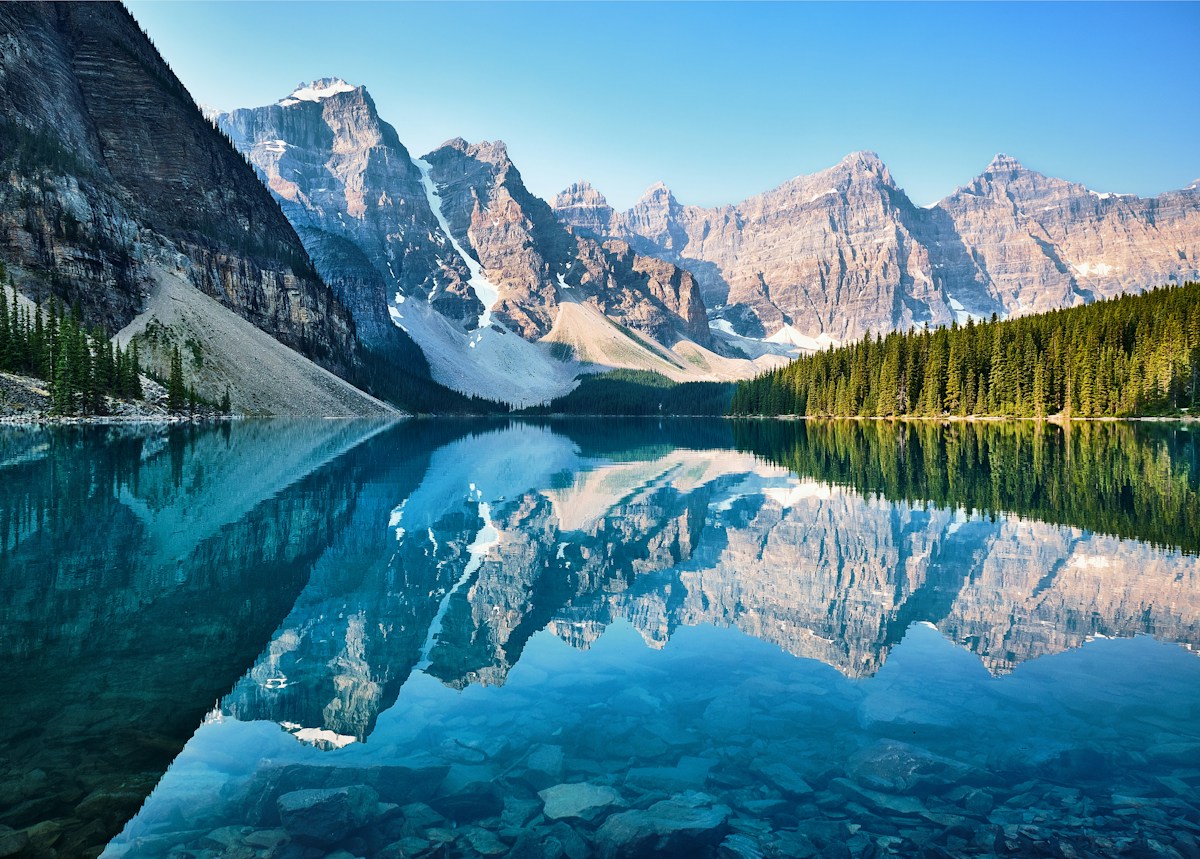
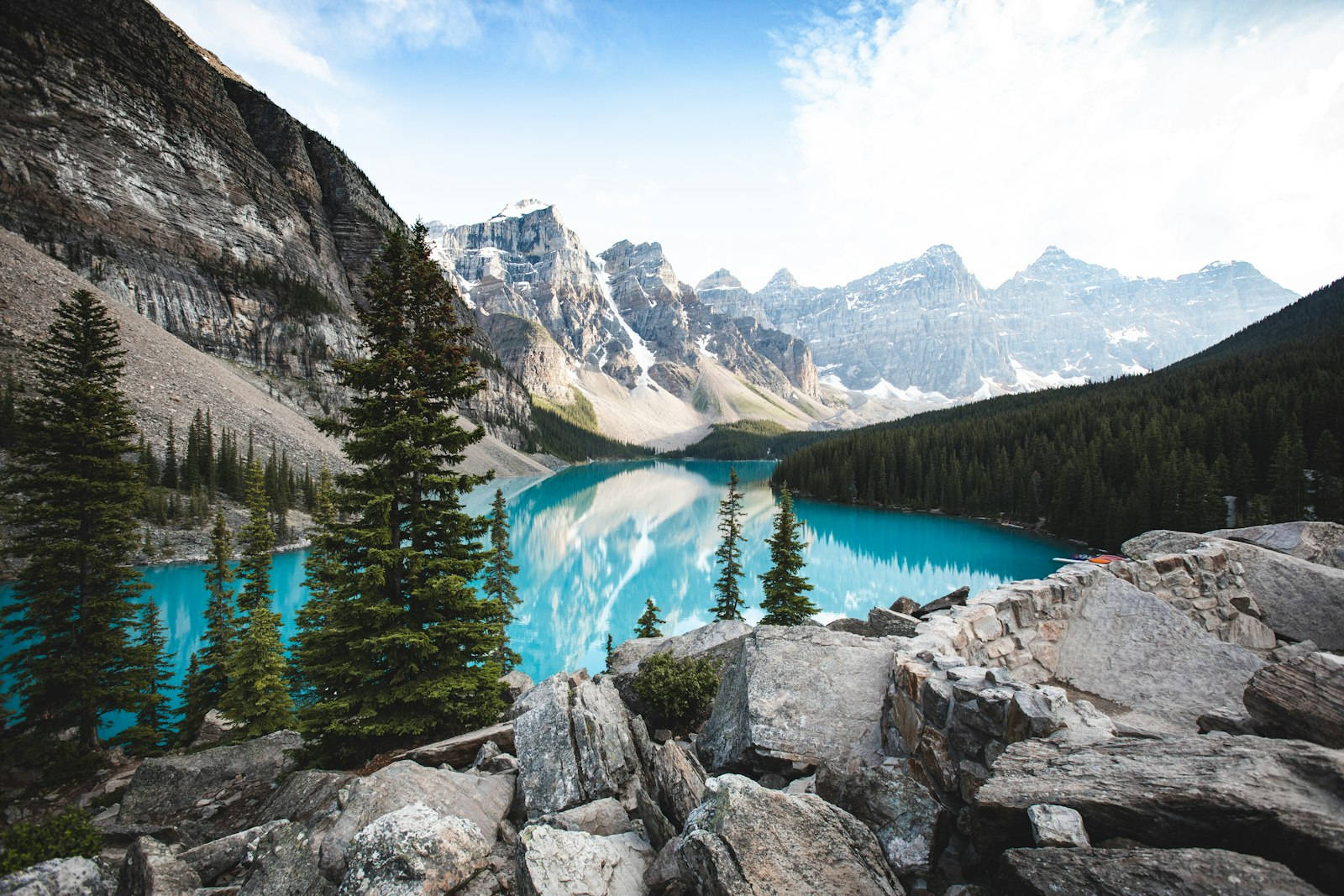
- Lake Louise and Lake Moraine, Twin turquoise alpine lakes, world-famous for color and photographs. Accessible by car; hiking around both is excellent.
- Jasper National Park (Wikipedia), Larger and quieter than Banff, featuring the Columbia Icefield, Athabasca Falls, and backcountry trails.
- Columbia Icefield Skyway, Scenic drive between Banff and Jasper with glacier access and interpretive centers.
- Lake Louise Ski Resort, 4,200+ acres, longest season in Canada (November to May), excellent terrain diversity.
- Sunshine Village Ski Resort, Higher elevations (1,060 to 2,458m), reliable snow, strong for early season skiing.
- Calgary Stampede (Wikipedia), 10-day rodeo and exhibition in July; 1+ million visitors, parades, chuckwagon races, live music.
- Royal Tyrrell Museum (Wikipedia), World-class dinosaur fossil museum near Drumheller; 160,000+ specimens, paleontology field trips available.
- West Edmonton Mall, Massive shopping and entertainment complex; ice skating rink, water park, aquarium; 32 million visits annually.
- Canmore and Bow Valley, Mountain town between Calgary and Banff; hiking, rock climbing, river rafting; excellent restaurants and cafés.
Festivals and major events
| Event | When |
|---|---|
| Calgary Stampede | 10 days in July; 1.2+ million visitors |
| Edmonton K-Days (Klondike Days) | Late July; 750,000+ attendance |
| Edmonton Folk Music Festival | August; major international acts |
| Jasper in January Winter Festival | Late January; outdoor activities and live music |
| Ice Magic Festival at Lake Louise | January; ice sculptures and winter activities |
| Canada Day | July 1; celebrations province-wide |
Must-try local dishes
Alberta's food culture centers on beef, bison, and prairie heritage. Ranching tradition runs deep.
- AAA Alberta beef, Prime beef steaks and prime rib from the province's 5+ million cattle. World-renowned quality and tenderness.
- Bison burgers and steaks, Reflecting ranching heritage, leaner than beef, rich flavor.
- Ginger beef, Local Chinese-Canadian creation from the 1970s, sweet and spicy stir-fried beef; a Calgary specialty.
- Ukrainian pierogies and cabbage rolls, From early 20th century settlers; widely available comfort food.
- Saskatoon berry pie, Native berries turned into dessert; sweet-tart flavor unique to the prairies.
- Salmon and trout, From Rocky Mountain rivers and lakes; fresh preparations at mountain restaurants.
Souvenirs that aren't junk
- Indigenous crafts, Beadwork and moccasins from local First Nations artisans; authentic, durable, cultural significance.
- Cowboy boots and western wear, Reflecting ranching heritage since the 1880s; quality leather goods.
- Locally-made products featuring bison, mountains, and dinosaurs, Branded merchandise with regional symbols.
- Craft spirits and local beer, Alberta's 100+ distilleries and breweries produce whiskey, gin, and ales. Distillery tastings in Calgary and Edmonton.
- Bison jerky, High-protein, shelf-stable, local flavor.
- Honey and local specialty foods, From prairie apiaries and farm stands.
Health & Medical
Alberta has high-quality, accessible healthcare. Non-residents must pay full costs as provincial health insurance doesn't cover visitors. Travel insurance is essential.
- Travel insurance required. Non-resident costs can exceed $1,000, $3,000 daily for hospital stays. Most facilities accept insurance after upfront payment; you submit claims for reimbursement. Some private clinics may bill insurance directly.
- Foreign prescriptions. Medications legally obtained abroad for personal use (typically up to 90-day supply) may be brought into Canada. Pharmacists cannot dispense foreign prescriptions without verification. Controlled substances require special authorization from Health Canada.
- Prescription medications. Must meet Health Canada's approval standards. Bring enough of your medication or obtain a Canadian doctor's prescription and fill at a local pharmacy.
- Vaccinations. No special vaccines required for Alberta. Ensure routine vaccines are current.
- Endemic diseases. No tropical diseases. West Nile virus occurs seasonally (July to September) with 5 to 50 cases annually. Hantavirus pulmonary syndrome is rare but present in rural areas. Tick-borne diseases including Lyme disease are emerging, with risk increasing in southern regions near the US border due to expanding tick populations.
- Street food safety. Street food is regulated under provincial food safety standards and municipal health codes. Food trucks and carts must obtain permits and pass health inspections. Same safety requirements as restaurants. Tourist areas like Calgary Stampede and Edmonton festivals maintain high vendor compliance; street food is generally safe.
- Dietary considerations. Top 10 priority allergens (peanuts, tree nuts, milk, eggs, fish, shellfish, soy, wheat, sesame, mustard) must be declared on packaged foods per federal law. Schools commonly implement nut-free policies. Restaurants typically provide allergen information upon request. Gluten-free, vegan, and halal options increasingly available in Edmonton and Calgary.
- Vegetarian/vegan options. Major cities (Calgary, Edmonton) offer extensive vegetarian/vegan options at most restaurants, grocery stores, and mainstream chains. Rural areas have more limited selection but improving availability. ~5 to 8% of Albertans follow plant-based diets, slightly below the national average of 8 to 10%.
Legal & Substances
- Marijuana is legal. Recreational use legal for adults 18+ since October 2018. Legal possession: up to 30 grams in public, up to four plants per household. Retail sales through licensed private stores regulated by the Alberta Gaming, Liquor and Cannabis Commission.
- Alcohol is legal. Legal for adults 18+. Consumption in public places is generally prohibited under provincial and municipal laws. Designated areas in some parks allow consumption with a permit or during specific hours (typically evenings). Fines for public consumption run $100, $500 depending on the municipality. Calgary and Edmonton actively enforce restrictions.
- Alcohol on public transportation. Prohibited under provincial liquor legislation. Buses, LRT trains, and taxis off-limits. Violations result in fines $100, $500 depending on the municipality.
- Smoking. Prohibited in enclosed public places, workplaces, and within 5 meters of doorways, windows, and air intakes under the Tobacco and Smoking Reduction Act. Allowed in designated outdoor areas, private residences, and some specialized smoking rooms in long-term care facilities. Municipal bylaws may impose additional restrictions.
- Driving while impaired. Zero tolerance on roadways. Blood alcohol limit 0.05% (lower than US); 0.08% criminal threshold. Immediate license suspension and fines for violations.
Customs & Shopping
- Duty-free allowances leaving. Canada has no duty-free allowance when leaving the country. Duty-free shops at airports allow departing travelers to purchase goods without paying Canadian taxes. Allowances apply when returning to Canada: CAD $200 to 800 exemption depending on absence duration (24 hours minimum for $200, 48+ hours for $800).
- Prohibited exports. Canada prohibits exporting cultural property over 50 years old valued above specific thresholds, endangered species under CITES, firearms without permits, and controlled substances. Alberta has additional restrictions on exporting raw logs and certain wildlife products. Export permits from the Canadian Border Services Agency are required for regulated goods.
- Tax returns for non-residents. Most provinces offer tax-free shopping refunds for non-resident visitors on purchases over certain thresholds ($100+ typical). Ask stores for Tax-Free Shopping forms and claim VAT/GST refunds at the airport on departure.
Accessibility & Inclusion
Alberta demonstrates strong accessibility infrastructure in major cities. Calgary and Edmonton maintain accessible transit systems (100% low-floor buses in Calgary since 2009) and barrier-free attractions. Provincial accessibility legislation introduced in 2020 requires compliance by 2024. However, rural areas and mountain destinations like Jasper and Banff present terrain-based challenges requiring advance planning. Call ahead to confirm accessibility at specific sites.
Digital Nomad Corner
Alberta is an excellent remote-work base. High-speed internet, coworking density in major cities, and a thriving tech and creative community support long-term nomads.
- Internet. Fiber is widespread in Calgary and Edmonton. Central neighborhoods regularly clear 500 Mbps+. Home/apartment internet is reliable year-round. Cafés generally have solid WiFi.
- Coworking spaces. Calgary and Edmonton have multiple established coworking hubs. Day passes run $20 to 30 CAD; monthly memberships $200 to 350 CAD. Shared office space, meeting rooms, and networking events. Most hubs offer community events and skill-shares.
- Cost of living. A nomad in Calgary or Edmonton can operate on CAD $1,800 to 2,800/month including rent (one-bedroom apartment $1,200 to 1,600/month long-term in central areas, less in suburbs), food ($400 to 600), transit ($100 to 150), and coworking ($200 to 300). About 35 to 45% cheaper than Vancouver or Toronto for the same lifestyle.
- Visa requirements. US and most Western citizens can enter Canada visa-free for 6 months as visitors. Work permits required for employment. Digital nomad visas not available; however, many nomads simply renew visitor status by leaving and re-entering every 6 months. Some use the International Mobility Program or work permit sponsorship for long-term stays.
- Banking and financial services. Major banks (TD, Royal Bank, Scotiabank, BMO) have branches everywhere. Opening a bank account as a non-resident is increasingly difficult post-2020 but possible with proof of address and valid ID. Wise and Revolut handle CAD transfers well.
- Taxes. Non-residents are not subject to Canadian income tax if earnings are outside Canada. Self-employed nomads may need a Canadian tax number (SIN) if working remotely for Canadian clients.
Alberta rewards both base-camp stays and constant movement. Calgary and Edmonton are efficient for work; the Rockies are ideal for month-long mountain escapes between projects. Banff in summer is crowded but worth the cliché. Winter in the Rockies demands preparation but offers solitude and world-class skiing. Spring and fall offer the best work balance, temperate weather, outdoor energy, fewer tourists, and genuinely excellent light for remote workers who appreciate working alongside mountains.
Keep planning: Acadia National Park Guide: Maine's Coastal Peaks, Aceh, Indonesia: A Practical Travel Guide and Acre: Brazil's Amazon Frontier.