Athens, Greece: Acropolis, Tavernas, and Plaka
Nomad Toolkit
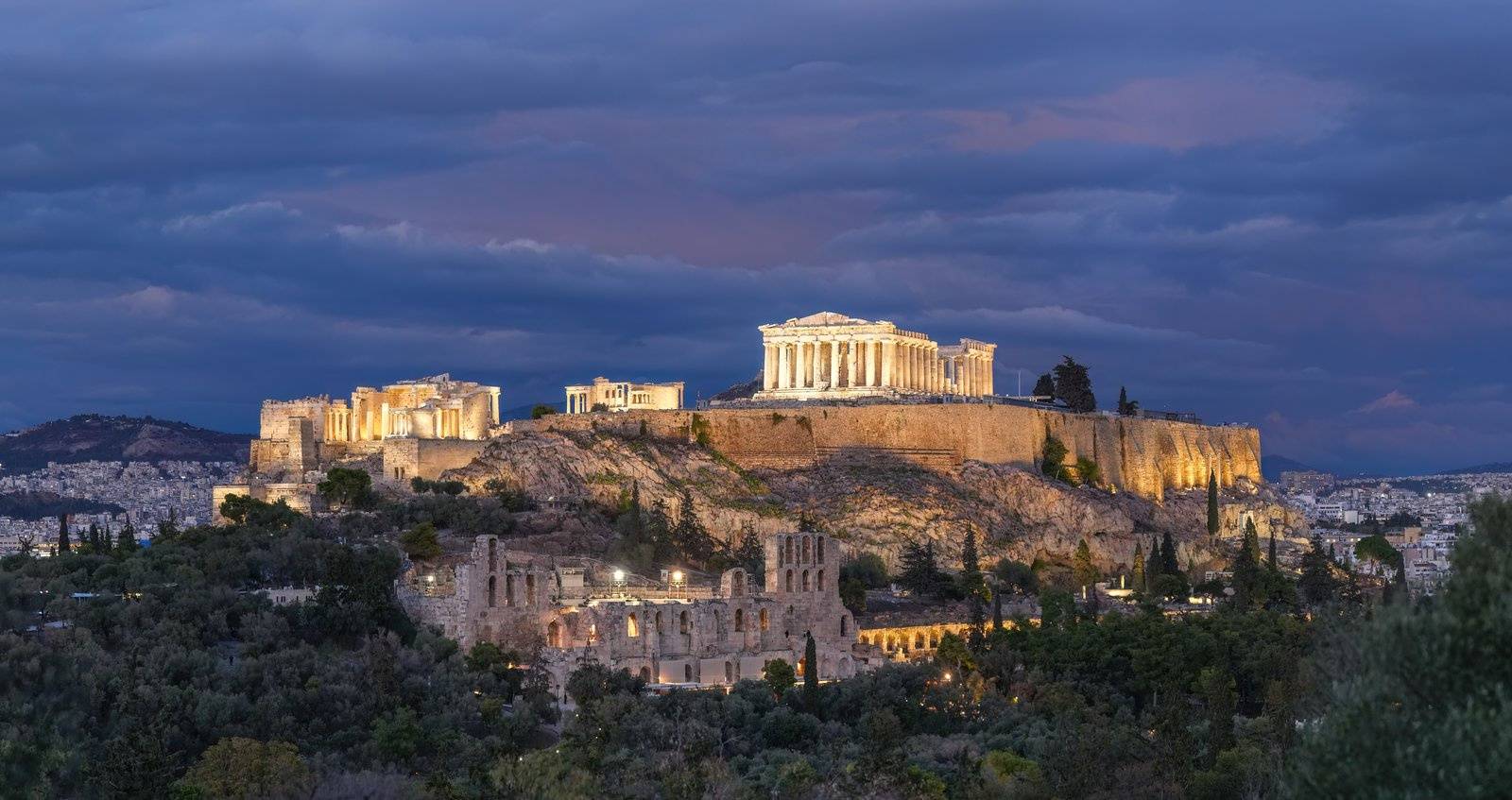
Athens hits you in layers. Step out at Syntagma and you're in a working European capital. Walk ten minutes south and you're climbing past 2,500-year-old marble columns. That collision of everyday Greek life and ancient civilization is what makes the city addictive, and surprisingly comfortable for nomads who plan to stay a while.
Overview & Vibe
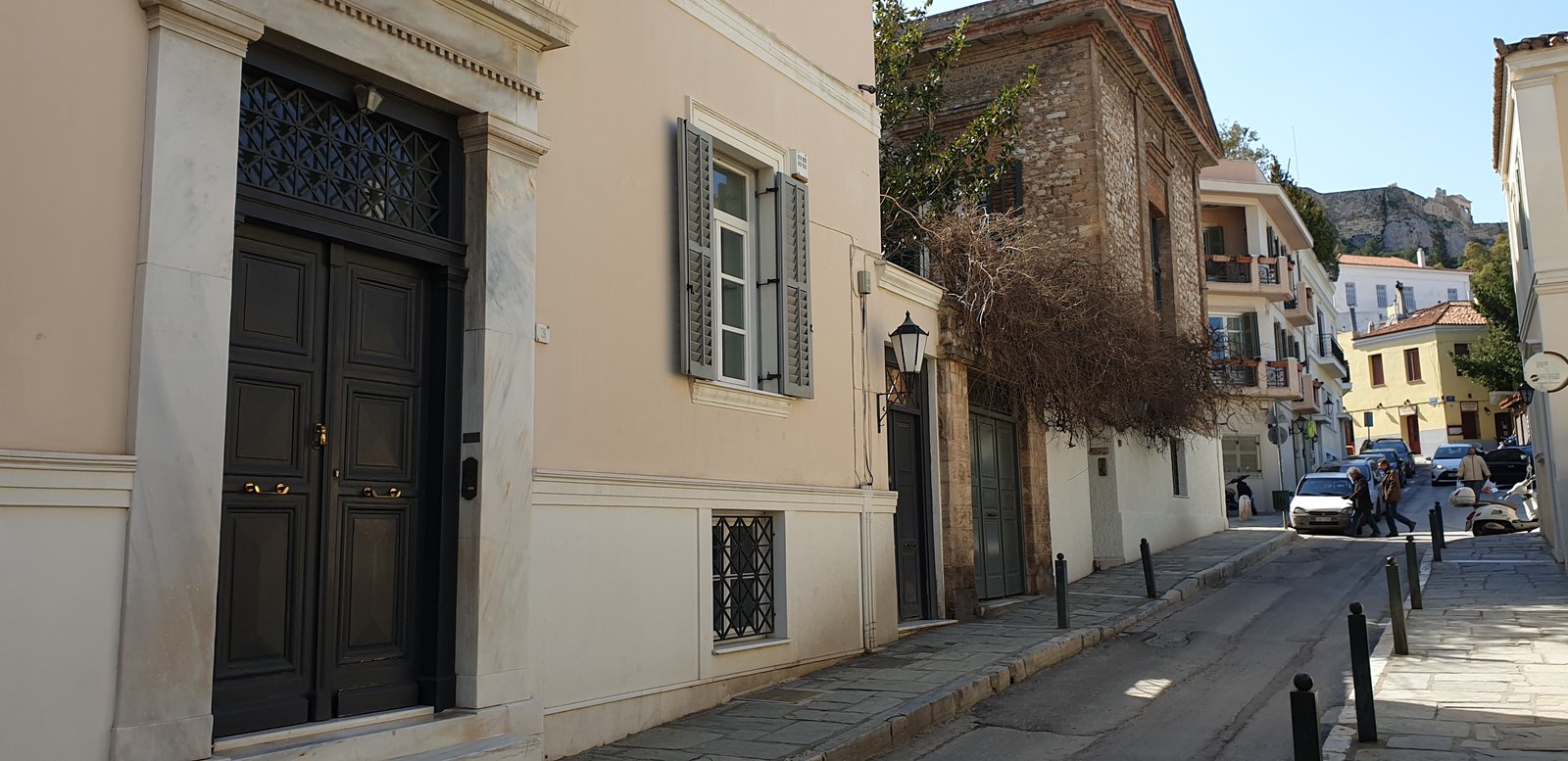
Athens is a Mediterranean capital of 3.7 million in the metro, about a third of Greece. The historic core is small and walkable, anchored by the Acropolis. Plaka feels like a tiled-rooftop village, Koukaki is leafy and residential, Exarchia is bohemian, Kolonaki is polished, and the Athens Riviera stretches 70 km south toward Cape Sounion. Locals dine at 9 or 10 p.m. and shops often close in the early afternoon. Lean into the schedule, fighting it will only frustrate you.
A Brief History
Athens has a recorded history of more than 3,400 years, and the thing it is famous for, citizen democracy, took shape here alongside the Parthenon's construction in the 5th century BC. The distance between then and now is not a straight line: by the end of Ottoman rule the city had shrunk to a country town of a few thousand people. It became the capital of newly independent Greece in 1834, taking over from Nafplio, and has since grown to hold roughly a third of the country's population.
Transportation
Athens has Greece's best transit network and it's cheap. A single ticket is €1.40 and covers 90 minutes of unlimited transfers across the metro (3 lines), tram, suburban rail, and 300+ bus routes. A 5-day tourist pass is €9. The metro Line 3 runs east to the airport (40 minutes, €9). Door-to-door: metered taxis start at €3.44 plus €0.74/km, and Beat, Uber, and Bolt all work, central rides usually €5–15. Ferries to the islands leave from Piraeus, 20 minutes from downtown by metro.
Greece drives on the right. Renting in Athens is more pain than payoff, but it's worth it for day trips to Cape Sounion, Marathon, or the Peloponnese. Non-EU drivers need an International Driving Permit.
Where to Base Yourself
Short stay: Plaka, Monastiraki, or Koukaki, all walkable to the Acropolis. Longer nomad stay: Pangrati, Mets, or Kallithea, cheaper, residential, plenty of cafes with good Wi-Fi. Glyfada on the Riviera is the play if you want to swim before lunch every day.
Logistics & Practical Info
Greece uses the euro. ATMs are everywhere and most shops, hotels, and restaurants take cards, but always carry €30–50 cash for small tavernas, kiosks (periptera), and some taxis. Tipping is appreciated but not obligatory: round up taxi fares, leave 5–10% in restaurants, a euro or two for hotel staff.
Language, Customs & Etiquette
Modern Greek is the language; English is widely spoken in central Athens. A handful of words goes a long way:
- Yassou (informal hi/bye); Yassas (formal/plural)
- Kalimera, good morning; Kalispera, good evening
- Efharisto, thank you; Parakalo, please
- Yamas!, cheers (the toast before any drink)
A few cultural landmines: the moutza, open palm thrust toward someone, is highly insulting. Don't do it. Keep hands visible on the table during meals. Refusing offered coffee or food can come across as cold; accept at least a polite sip. Greeks love politics, food, family, and football, but tread carefully around the 2009–2018 debt crisis or the Macedonia naming dispute unless they raise it.
Attractions & Activities
The €30 combined ticket covers most major sites for five days. Don't try to see them all in one go.
- Acropolis & Parthenon (Wikipedia) (447–432 BC), go at opening (8 a.m.) or late afternoon to dodge heat and cruise crowds.
- Acropolis Museum, modern glass building below the rock, holding the original Parthenon sculptures.
- Ancient Agora & Temple of Hephaestus (Wikipedia), quieter than the Acropolis and arguably more atmospheric.
- National Archaeological Museum (Wikipedia), over 11,000 artifacts including the Mask of Agamemnon.
- Anafiotika (Wikipedia), a tiny Cycladic-style village tucked into the Acropolis' north slope.
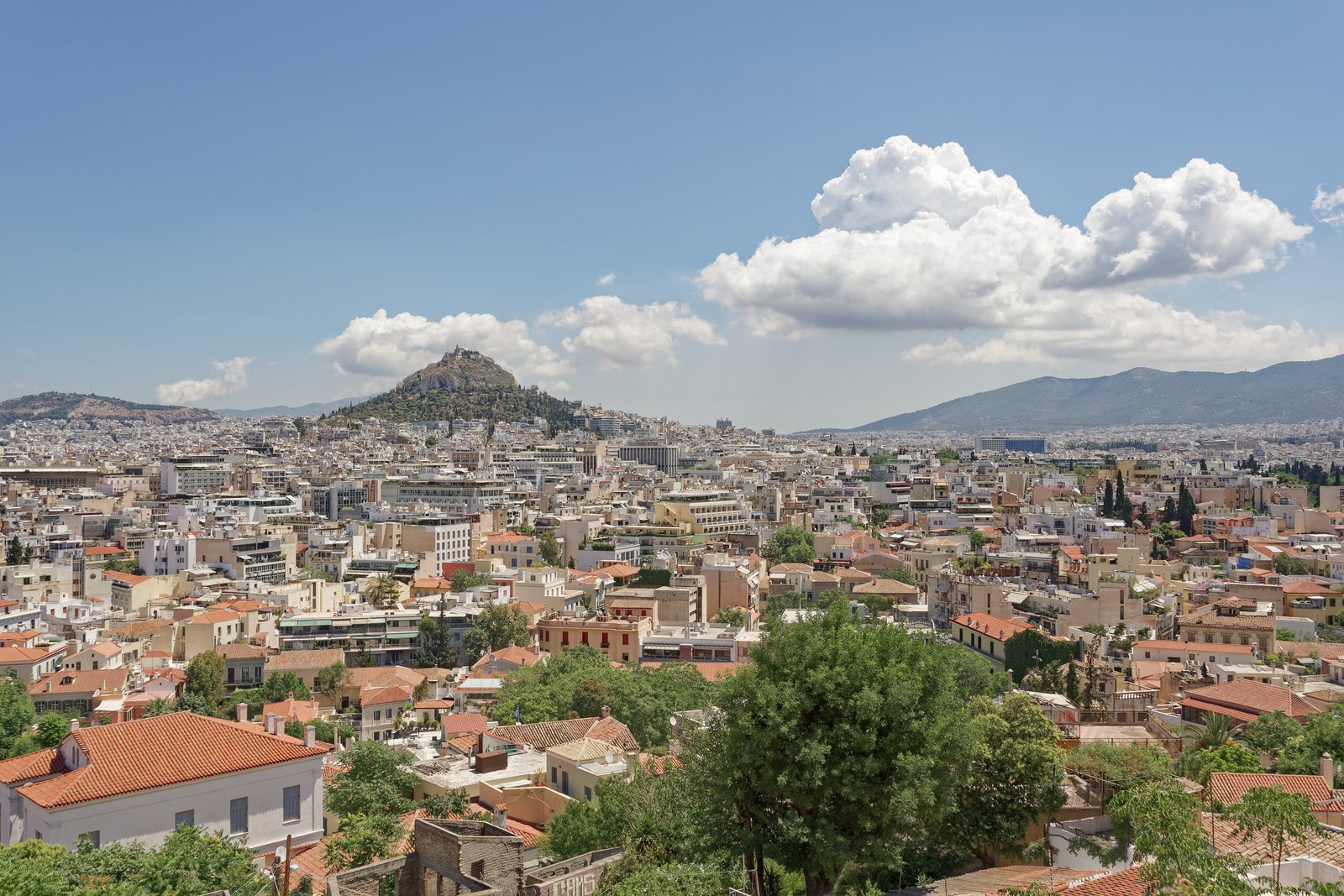
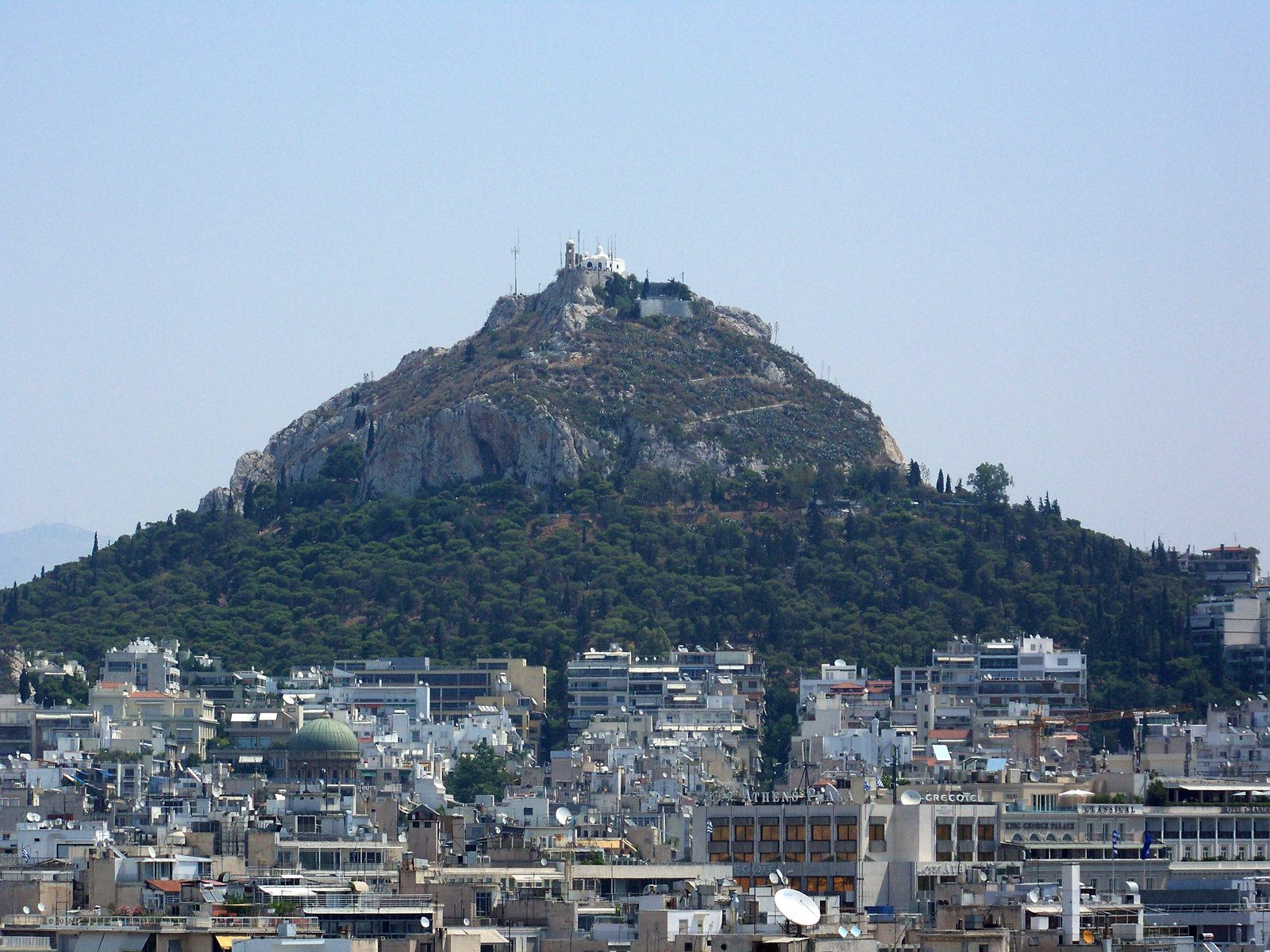
- Mount Lycabettus (Wikipedia), central Athens' highest point. Funicular at sunset for a 360° view.
- Cape Sounion, two-hour bus south to the Temple of Poseidon (444 BC). The classic sunset day trip.
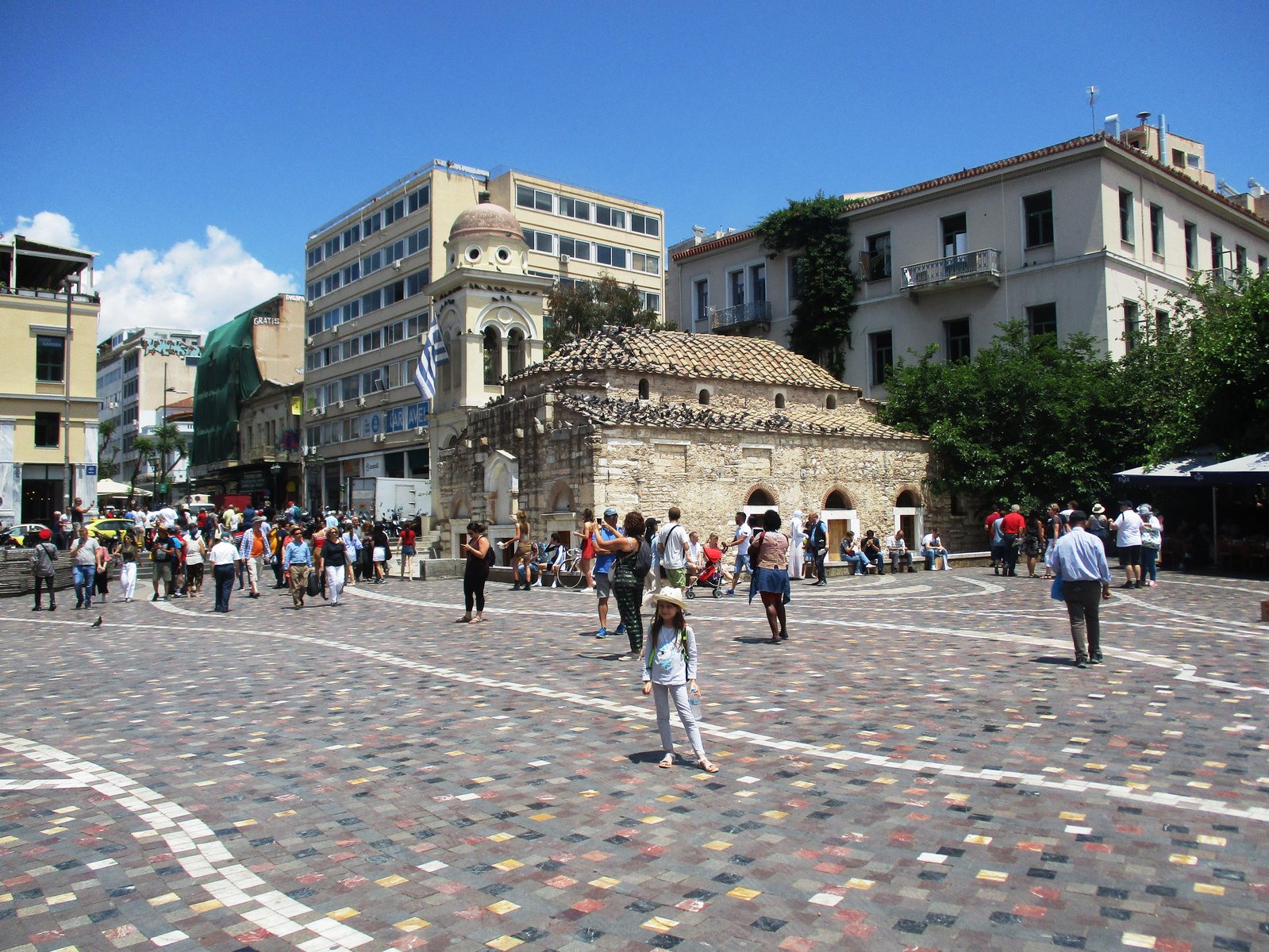
Don't skip the Sunday flea market at Monastiraki, part antique store, part chaos, part people-watching. Bargaining is acceptable on non-food items; vendors typically price 20–30% above their floor.
Eating in Athens
Greek food is built around olive oil, vegetables, grilled meat and fish, feta, and bread. Sit-down meals are leisurely, the bill won't appear until you ask (logariasmo, parakalo). Must-try: moussaka, souvlaki, horiatiki (the proper village salad, no lettuce), spanakopita, saganaki (pan-fried cheese), dolmades, and loukoumades (honey-drizzled doughnuts).
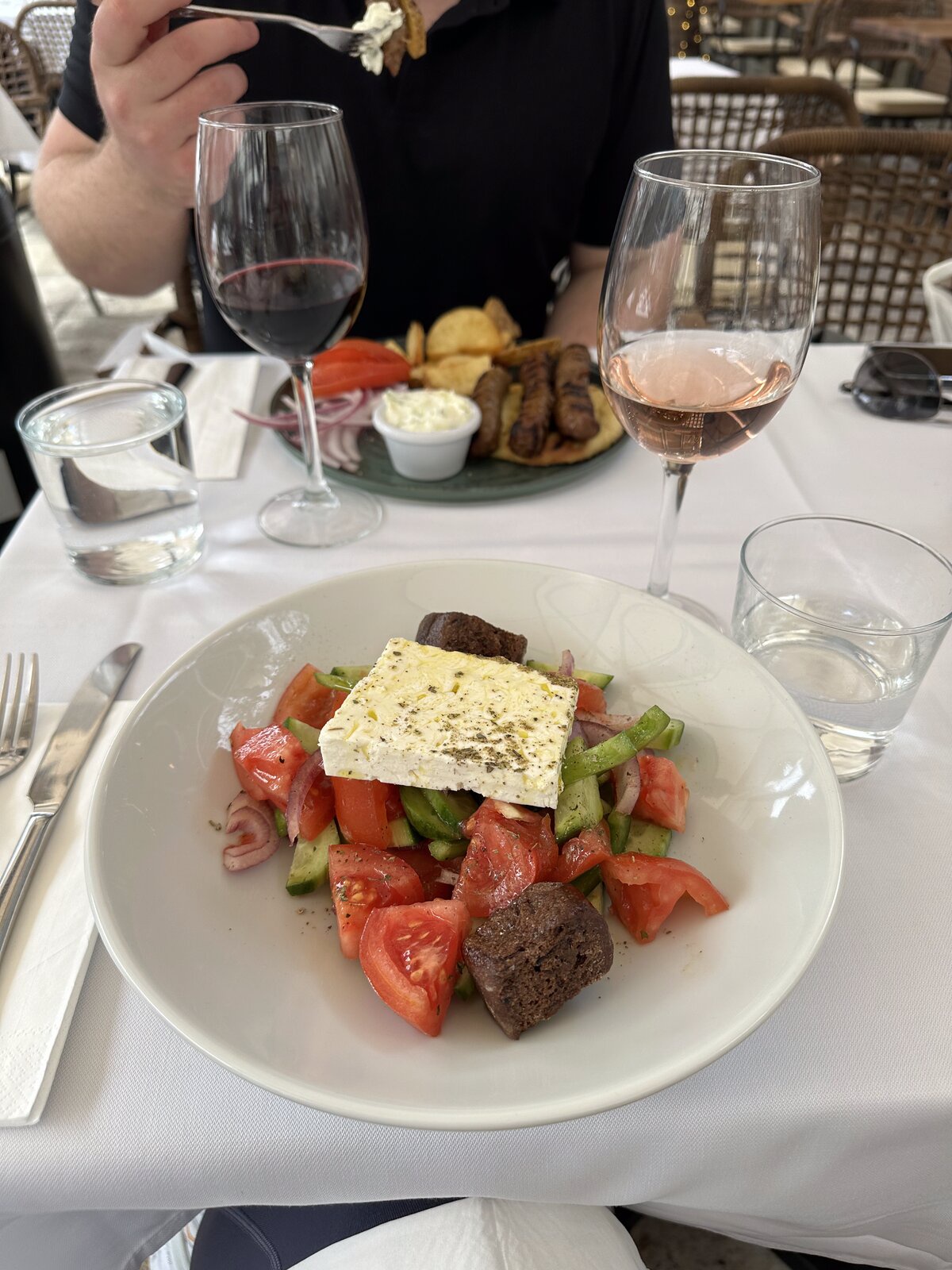
Vegetarians eat brilliantly here, Mediterranean cuisine leans on legumes, vegetables, and cheese, and dedicated vegan spots have surged since 2019. For street food, follow locals to busy souvlaki and gyros stands. On caffeine: Athens runs on freddo espresso and freddo cappuccino, iced, shaken, served in a tall glass. Order one and you'll feel less like a tourist.
Weather & Climate
May–June and September–October are the sweet spots, daytime highs of 20–28 °C, manageable crowds, warm enough for the beach. July and August regularly top 35 °C and the Acropolis becomes a slow shuffle of cruise groups. Winter (8–15 °C) is mild and almost crowd-free. Pack light cottons most of the year, plus sun protection and comfortable walking shoes.
| Month | Avg Low | Avg High | Notes |
|---|---|---|---|
| Jan | 5°C | 13°C | Cool and rainy; quietest tourist month |
| Apr | 10°C | 20°C | Mild spring, Easter crowds in April |
| Jul | 23°C | 35°C | Hot and dry, peak tourist season |
| Oct | 13°C | 23°C | Warm days, cool evenings, fewer crowds |
Safety & Security
Athens has low violent crime; the real threat is petty theft in tourist areas, Syntagma, Monastiraki, the metro (especially the airport line), and crowded sites. Bag-snatching from café chairs is common; loop a strap around your leg. Avoid Omonia and Exarchia after dark. Watch for menu-padding in Plaka tavernas, bracelet sellers near the Acropolis, and the 'broken meter' taxi trick, insist on the meter or use Beat/Uber.
Solo female travelers report Athens as comfortable and welcoming. It's also Greece's most LGBTQ+-friendly city, same-sex marriage has been legal since 2024, and Athens Pride draws 50,000+ every June. Emergency numbers: 112 (general), 100 (police), 166 (ambulance), 199 (fire). The English-speaking Tourist Police are at 171.
Health & Medical
Healthcare in Athens is good. Public hospitals provide emergency care to all visitors, and private clinics offer shorter waits and more amenities at higher costs. Most major hospitals have English-speaking staff in emergency departments. EU citizens are covered under reciprocal agreements with EHIC/GHIC. Non-EU visitors should carry comprehensive travel insurance, as private care can run into the thousands of euros for serious conditions.
No major endemic tropical diseases. West Nile virus has seasonal transmission (primarily July-October) in some areas, with standard mosquito precautions sufficient. Leishmaniasis occurs sporadically in rural regions; not a concern in central Athens. Tap water is safe to drink across the metropolitan area.
Pharmacies (farmakeio) are well-marked with a green cross and well-stocked. EU prescriptions may be honored at pharmacies, though pharmacists retain discretion. Non-EU prescriptions generally need a Greek physician's evaluation, so carry adequate supplies of any specific medications with original packaging and a copy of the prescription.
For dietary needs: vegetarian options are easy throughout Athens, with traditional Greek cuisine featuring beans, lentils, grilled vegetables, and cheese-based dishes that work without modification. Vegan options are increasingly common in central neighborhoods (Exarchia, Koukaki, Pangrati) but more limited in traditional tavernas. Gluten-free awareness is moderate; major restaurants in tourist areas usually offer alternatives.
Demographics & Government
Greece has a population of approximately 10.4 million as of 2023, with a gradual decline due to emigration and low birth rates. The Athens metropolitan area contains about 3.7 million people, roughly one-third of the national population, making it by far Greece's dominant city. Density is high in central Athens neighborhoods and tapers toward the suburbs.
Greece is a parliamentary republic. The President serves as head of state and the Prime Minister as head of government. The unicameral Hellenic Parliament (Vouli) has 300 members elected by proportional representation for four-year terms. The current constitution dates to 1975 (with revisions in 1986, 2001, 2008, and 2019). Greece is an EU member; the Euro is the currency.
Religion: Greece has no official state religion under the 1975 constitution, but the Greek Orthodox Church holds privileged constitutional status as the "prevailing religion" and receives state funding. Approximately 90% of Greeks identify as Orthodox Christian. Religious holidays (Greek Easter especially) heavily affect business hours and transit schedules; check the calendar around April.
Legal & Substances
Marijuana is illegal for recreational use in Greece, with possession punishable by imprisonment. Medical cannabis has been legal since 2017 for specific conditions by prescription, though the regulatory framework is restrictive. Cannabis possession for personal use was decriminalized in 2019 (treated as an administrative offense rather than criminal), but recreational sale remains illegal and enforcement varies by region.
Alcohol and tobacco are legal for adults 18 and over. Alcohol consumption in public is generally permitted and culturally normal in outdoor cafes, tavernas, and social gatherings. Public intoxication causing disturbance can lead to fines, and some tourist areas occasionally enforce temporary bans near monuments or during major events. Alcohol on public transportation (metro, buses, trains) is prohibited with fines from 50-150 euros, though enforcement varies.
Smoking is banned in enclosed public spaces including restaurants, bars, cafes, workplaces, and public transport, but enforcement remains famously inconsistent, particularly in older bars. Outdoor terraces, beaches, and parks are fair game. If smoke bothers you, request a fully indoor table well away from any open door.
Customs & Shopping
When leaving Greece for a non-EU destination, you can export duty-free goods purchased at airport shops within standard EU limits: 1 liter of spirits over 22% (or 2 liters under 22%), 200 cigarettes, and 50ml of perfume. For travel within the EU, no duty-free allowances apply.
Greece tightly restricts exports of antiquities and archaeological artifacts. Anything that looks ancient, coins, sculpture, even some decorative items over 100 years old, requires an export license from the Ministry of Culture. Penalties for unlicensed export are severe and enforcement at the airport is real, so buy from reputable dealers who supply documentation.
For shopping: Athens' strongest categories are olive oil and olive-based products (Kolonaki and the central market have the best selections), gold jewelry and Byzantine-style replica pieces, hand-painted ceramics, locally-made leather sandals (Melissinos near Monastiraki is the well-known maker), and Greek wines and spirits like ouzo, tsipouro, and Metaxa brandy. Skip the cheap "I love Athens" t-shirt corridors near Plaka and head to actual neighborhoods (Pangrati, Koukaki, Petralona) for better finds.
Accessibility & Inclusion
Athens has made meaningful progress in accessibility, particularly around the Acropolis and central tourist sites. The Acropolis itself has an elevator on the north side that provides wheelchair access to the summit (subject to maintenance closures; check status the day of your visit). The Acropolis Museum is fully accessible, as are most newer major museums.
The Athens Metro is largely accessible, most stations have elevators and platform-level boarding. Buses are more variable; newer vehicles have low floors and ramps, but older routes can be unreliable. Sidewalks in central Athens are uneven in many places, with cars frequently parked across crossings, which makes wheelchair navigation more challenging than the metro system alone would suggest.
Older neighborhoods like Plaka have cobblestones, narrow streets, and stepped alleys that aren't wheelchair-friendly. Newer hotels in central districts (Koukaki, Syngrou, Makrygianni) generally offer accessible rooms; older boutique places in Plaka often don't. For travelers with visual or hearing impairments, major museums offer audio guides and some tactile materials, though coverage outside the central sites is uneven. Plan around the metro as your primary mobility backbone.
Digital Nomad Corner
- SIM cards: Cosmote, Vodafone, and Wind sell tourist plans at the airport for €10–25 with 5–20 GB. 4G/5G is excellent.
- Wi-Fi: Free in most cafes, hotels, and metro stations. A tourist SIM beats public hotspots.
- Coworking: Solid options in Pangrati, Koukaki, and around Syntagma. Day passes €15–25.
- Tap water meets EU standards in central Athens. Bring a reusable bottle.
- Power: Type C and Type F plugs, 230V / 50Hz.
- Time zone: EET (UTC+2) winter, EEST (UTC+3) summer.
- Visas: Greece is in Schengen, visa-exempt nationals get 90 days within any 180-day window. Greece also runs a digital nomad visa for non-EU remote workers earning €3,500/month or more.
One Last Thing
The temptation in Athens is to treat it as a one-day Acropolis stop on the way to the islands. Don't. Give it at least three nights, preferably a week. Eat dinner late, walk through Anafiotika in the afternoon, drink your morning freddo from a different cafe each day. The Parthenon will still be there in the morning.
Photo credits: Acropolis at night by Giles Laurent (CC BY-SA 4.0); Plaka by Texniths (CC BY-SA 4.0); Monastiraki by Radosław Botev (CC BY 3.0 PL); Anafiotika by Jakub Hałun (CC BY 4.0); Lycabettus by Eusebius (CC BY 3.0). Food photos by the author.
Where I Stayed
I stayed at the Moxy Athens City, a well-located Marriott property on Stathatou Street near Syntagma Square. Walking distance to the Acropolis Museum, Plaka, and the central metro. Consistent WiFi and a ground-floor bar that works fine for laptop sessions in the evenings. View on Google Maps.
Keep planning: Acadia National Park Guide: Maine's Coastal Peaks, Aceh, Indonesia: A Practical Travel Guide and Acre: Brazil's Amazon Frontier.