Brighton: England's Seaside City
Nomad Toolkit
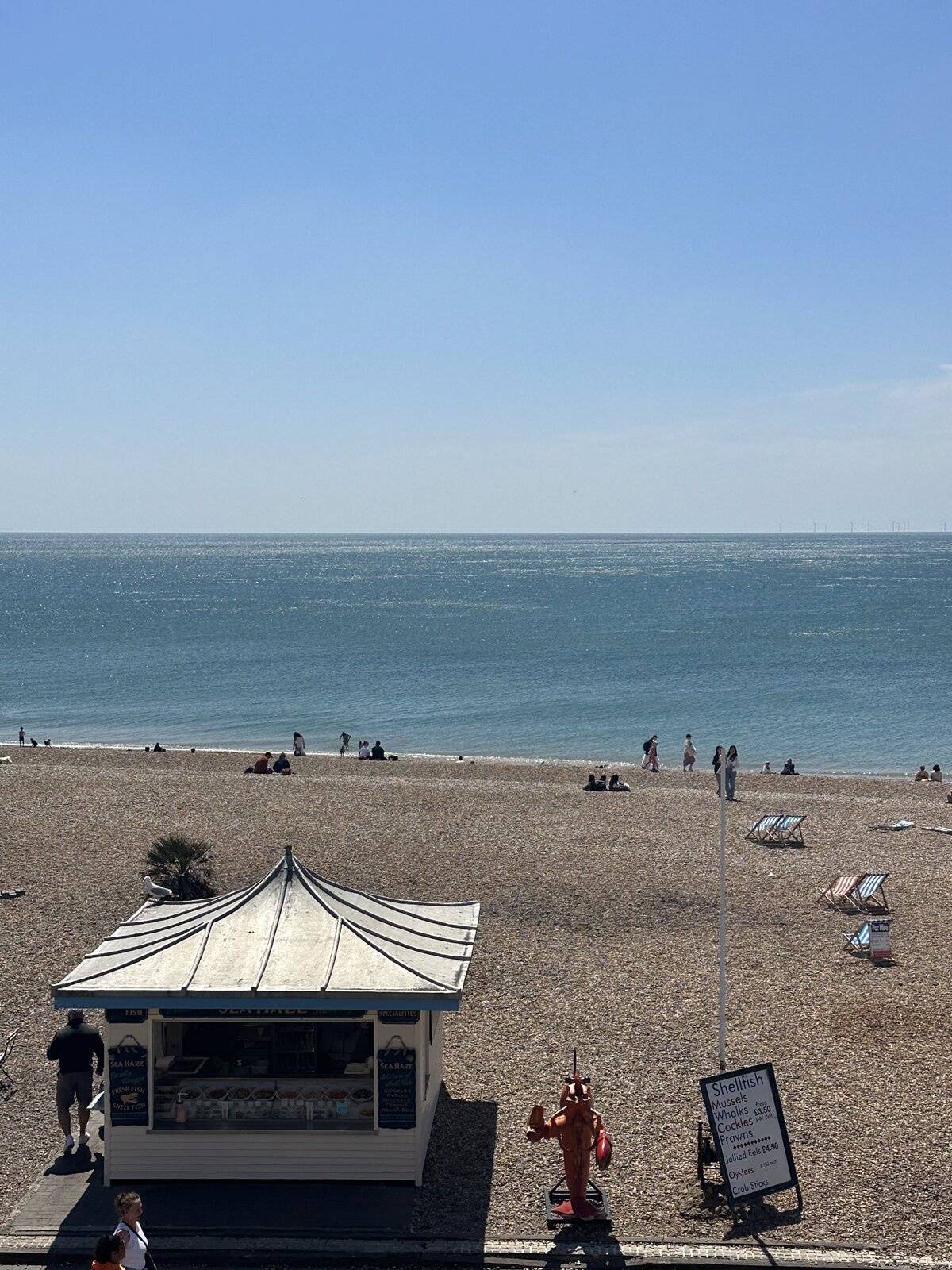
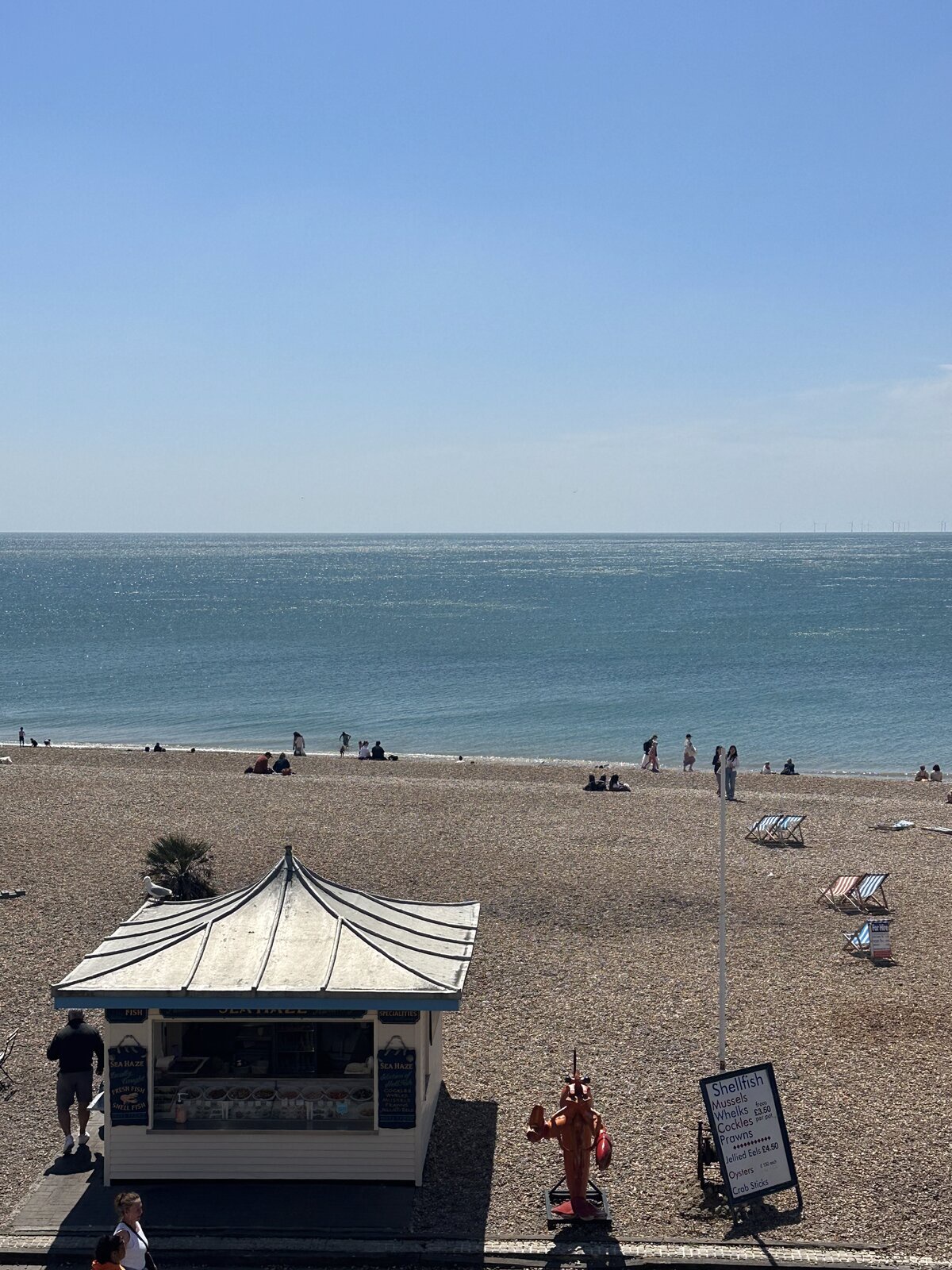
Brighton is one of the UK's most dynamic seaside cities, creative, queer-friendly, and aggressively independent. It sits on the English Channel 50 minutes south of London, famous for its Victorian pier, bohemian energy, colorful buildings, and reputation as a haven for artists, musicians, and misfits. The beachfront is pebbles not sand, but it's lined with restaurants, bars, and the kind of street culture that makes walking feel like the main event. Rent is manageable compared to London, the community is tight, and there's enough going on that you can stay for months without repeating yourself.
Demographics & Government
| Country | United Kingdom |
| Population | ~280,000 (Brighton & Hove combined), ~67 million (UK) |
| Government | Parliamentary monarchy; EU departure completed (Brexit, 2020) |
| Religious mix | ~27% Christian, ~48% no religion, diverse faith communities |
| Time zone | GMT (UTC+0) winter, BST (UTC+1) summer; DST observed |
| Plug type | Type G / UK 3-pin (230V / 50Hz) |
| Drive side | Left |
| Tap water safe? | Yes, excellent quality throughout Brighton and the UK |
| Free WiFi? | Widely available in cafés, libraries, malls, and most coworking spaces |
| Best time to visit | May to September (14 to 21°C, longest daylight, peak sun) |
| Emergency numbers | 999 (police, fire, ambulance); 112 (mobile backup) |
| Currency | British pound sterling (GBP); £1 roughly $1.25 USD (varies daily) |
Overview & Vibe
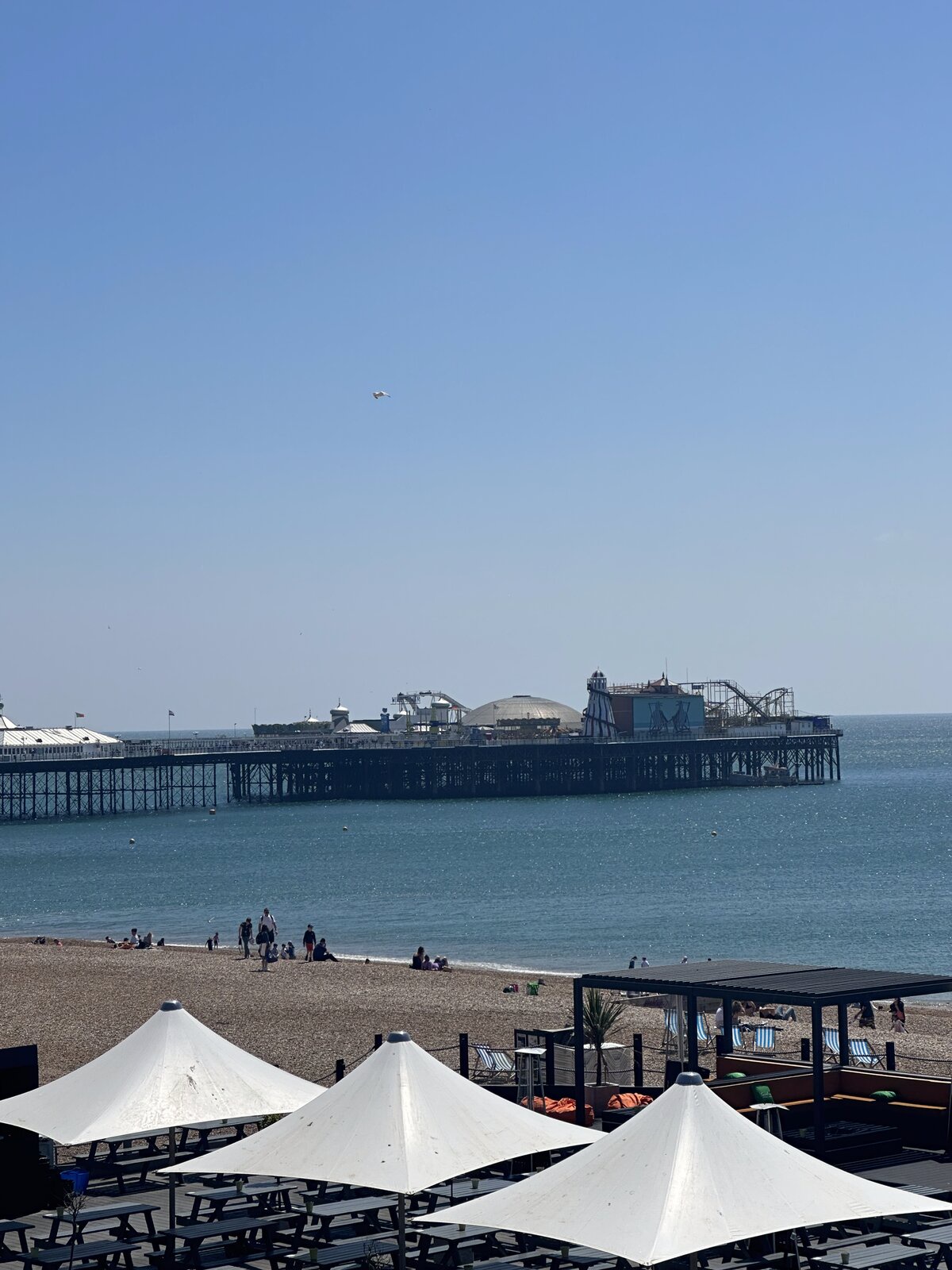
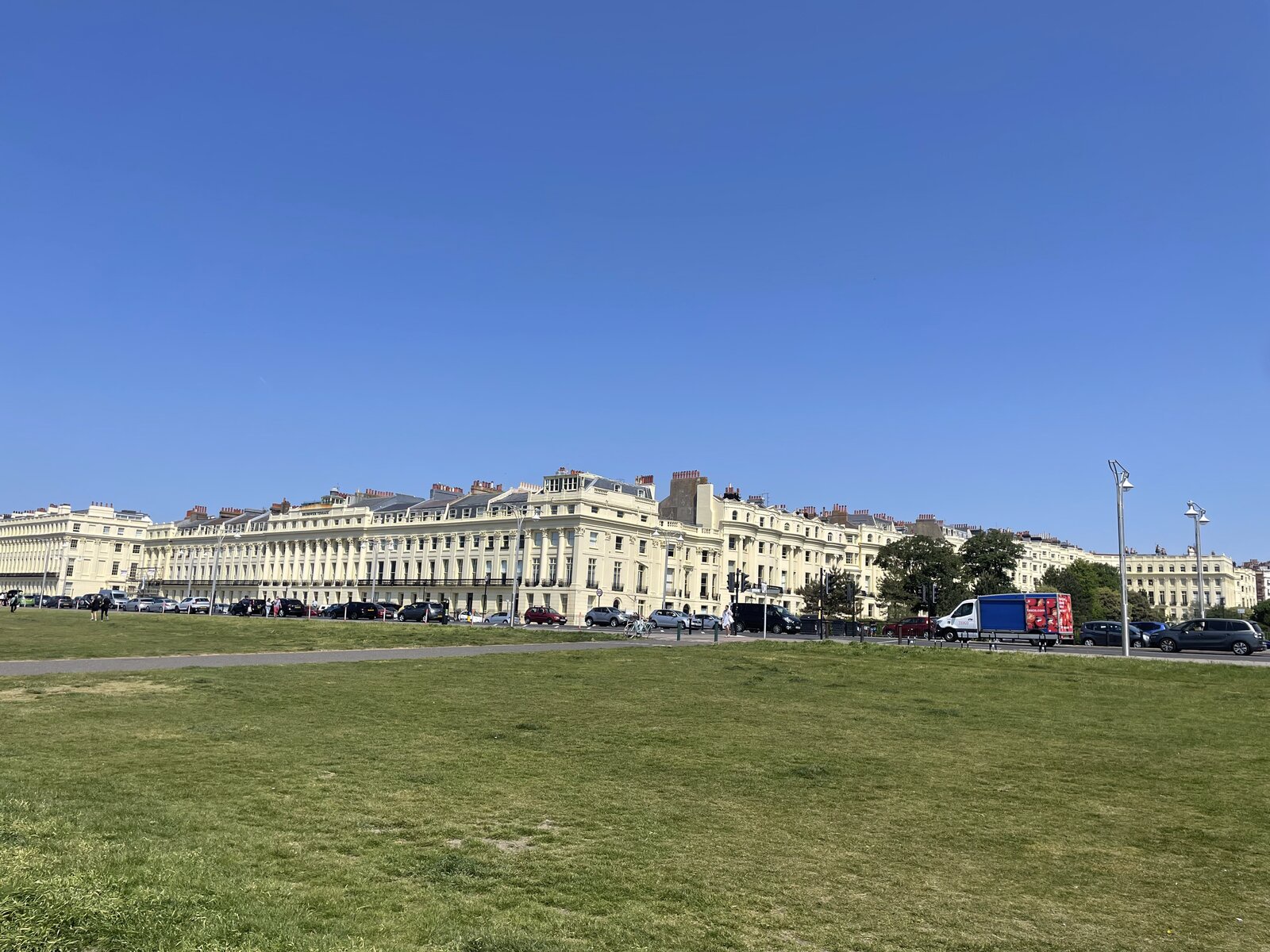
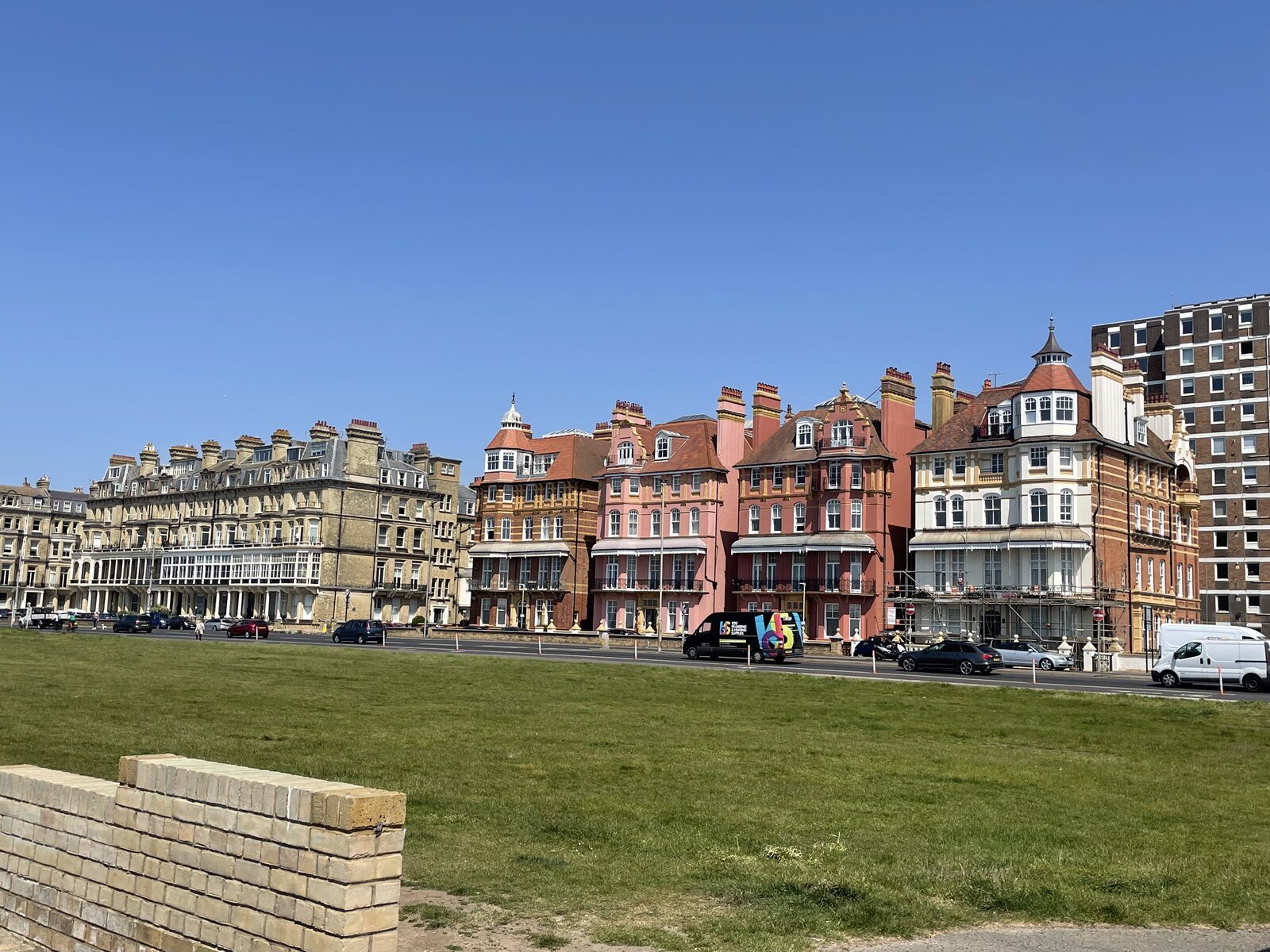
Brighton is split into distinct neighborhoods, each with its own flavor. The Lanes (narrow, pedestrian-only streets filled with boutiques, galleries, and vintage shops) and North Laine (bohemian coffee shops, counterculture bookstores, record shops) form the bohemian spine. Kemptown, immediately east, is the LGBTQ+ village: rainbow flags, queer bars, creative energy. The seafront stretches from the famous Palace Pier in the center (games, restaurants, arcades) west toward Hove, which feels quieter and more Edwardian. Seven Dials is an artsy neighborhood north of the seafront; Preston Park offers green space and middle-class residential calm. Brighton draws creatives, LGBTQ+ folks, young professionals, musicians, and digital nomads. It's cosmopolitan, fast-paced, socially progressive, and proud of its weirdness. Summers are busy with tourists and festival crowds. Winters are moody and quiet. The pace is fast enough that there's always something happening, but small enough that you bump into the same faces.
A Brief History
Brighton appears in the Domesday Book of 1086 as Bristelmestune, a fishing settlement of roughly 400 people that owed its lord a yearly rent of 4,000 herring. The town's fortunes turned on the 18th-century fashion for sea bathing, promoted by Lewes physician Richard Russell, and on the Prince Regent (later George IV), who started building the Royal Pavilion after his first visit in 1783. The London and Brighton Railway arrived in 1841 and made the town the capital's favourite day trip, with the Grand Hotel (1864), the West Pier (1866), and the Palace Pier (1899) following in the Victorian boom. Brighton merged with neighbouring Hove in 1997, and the combined authority was granted city status in 2000.
Transportation
Brighton is very walkable, particularly the seafront and central neighborhoods. Day trips to London, Lewes, and the Seven Sisters Cliffs are easy by train. The city is bikeable and bike-friendly.
- Drive on the left. UK driving rules apply; speed limits in mph on most roads.
- Brighton bus. Local buses cover the city and surrounding towns. Single tickets around £2. Day and week passes available. Most buses are modern, low-floor, and reliable.
- Train to London Victoria. 50 minutes, trains every 10 to 15 minutes. Quick option for a London day trip. Cost £10 to 30 depending on time of day.
- Gatwick Airport (LGW). 30 minutes by train, one of the UK's major hubs. Direct trains from Brighton Station.
- Heathrow Airport (LHR). 1.5 hours via train to London Victoria and London Underground, or express coach. Not ideal but manageable.
- Brighton Pier to Shoreham. Coastal walk along the pebble beach, approximately 5 km, popular for evening strolls and sunset watching.
- BTN Bikeshare. Docked bike-share system covering central Brighton and Hove. Cheap day and monthly passes.
- Rental cars. Unnecessary for the city itself, but useful for Seven Sisters Cliffs, Devil's Dyke, or regional countryside exploration.
Language, Customs & Etiquette
English is universal. Brighton is cosmopolitan and English speakers won't struggle with language barriers. The local culture is casual, direct, and informal, "please" and "thank you" are appreciated but not strictly required at casual establishments.
- Greetings. Hi, Hello, Alright work universally. Alright, mate? is the casual Brighton greeting.
- Tipping. 10 to 15% at sit-down restaurants is standard. Round up for taxis and bar service. No tip needed for takeaway or coffee shops unless you feel moved.
- Pub culture. Pubs are social spaces. Ordering at the bar is normal; taking your drink elsewhere is fine. Loudness and banter are expected.
- Bargaining. Not customary in shops. Markets (Saturday farmers' market) have fixed stalls; haggling isn't common.
- LGBTQ+ etiquette. Brighton is extremely queer-friendly and progressive. Same-sex affection is normal and accepted. Pride (early August) is the major annual event.
- Directness. British communication is often indirect and sarcasm is common. Don't take bluntness personally; it's a communication style, not rudeness.
- Queuing. Form proper queues; cutting in line is seen as deeply rude.
Safety & Security
Brighton is generally safe. Violent crime is rare. The main concerns are property theft (particularly from cars), occasional late-night rowdiness in popular pub areas, and seasonal pickpocketing in crowded tourist spots. Solo female travelers and LGBTQ+ people are generally very safe, particularly in central Brighton.
- Pickpocketing. Possible in crowded areas near the pier and in busy bars. Keep bags zipped and valuables secure.
- Drunk behavior. Weekend nights can see loud banter and occasional aggressive behavior near pubs, particularly stag and hen parties. Avoid confrontation; move away if uncomfortable.
- Theft from cars. Lock valuables out of sight. Don't leave bags, phones, or laptops visible.
- Solo female travelers. Brighton is excellent for solo women. Same precautions as any UK city; the community is supportive.
- LGBTQ+. Brighton is one of the most LGBTQ-friendly places in the world. Kemptown is visibly queer. No safety concerns related to sexual orientation or gender identity in the city itself.
- Cycling safety. Good bike infrastructure. Use lights at night. Drivers are generally patient with cyclists.
Weather & Climate
Temperate oceanic climate with cool winters and mild summers. Rain is frequent but not heavy. Coastal winds are common, especially autumn and winter. Brighton is sunniest May through August. Spring and autumn are crisp and pleasant. Winter is grey and damp but not harsh.
| Month | Avg High | Avg Low | Notes |
|---|---|---|---|
| January | 8°C / 46°F | 4°C / 39°F | Cold, grey, quietest season for tourists |
| February | 8°C / 46°F | 4°C / 39°F | Cold continues, short days, occasional sleet |
| March | 10°C / 50°F | 5°C / 41°F | Spring starts, days lengthening, variable weather |
| April | 13°C / 55°F | 7°C / 45°F | Mild, Easter holidays busy, spring blossoms |
| May | 16°C / 61°F | 10°C / 50°F | Warm, long evenings, bank holidays, sweet spot for nomads |
| June | 19°C / 66°F | 13°C / 55°F | Longest day, Brighton Festival and Fringe start |
| July | 21°C / 70°F | 15°C / 59°F | Warmest and sunniest, peak tourism, Brighton Pride season |
| August | 21°C / 70°F | 15°C / 59°F | Hot, crowded, Brighton Pride first weekend, bank holiday bustle |
| September | 19°C / 66°F | 13°C / 55°F | Warm, clear light, fewer tourists than summer, still pleasant |
| October | 14°C / 57°F | 10°C / 50°F | Crisp, golden, increased wind and rain |
| November | 10°C / 50°F | 6°C / 43°F | Grey, wet, Christmas lights start appearing |
| December | 8°C / 46°F | 4°C / 39°F | Cold, damp, festive season, year-end holidays busy |
What to pack. Layers year-round. Waterproof jacket is essential, rain is frequent. A sweater or fleece for cooler months. Waterproof shoes November to February. Sunscreen and sunglasses for the rare hot days (UV is strong at sea level). A reusable water bottle.
Logistics & Practical Info
- Currency. British pounds sterling (GBP). Most places accept card; cash is convenient for market stalls and tips.
- ATMs. Widespread throughout Brighton. No transaction fees at most major UK banks' machines.
- Tap water. Safe and excellent quality. Carry a refillable bottle.
- Free WiFi. Extensive in cafés, libraries, malls, and central public spaces.
- SIM cards. Vodafone, O2, EE, and Three sell prepaid plans with 10 to 50 GB data for £10 to 20/month. Passport or ID required.
- Money apps. Revolut and Wise handle pounds sterling without conversion fees. Both widely used in the UK.
- DST. Yes. Last Sunday in March (forward) and last Sunday in October (back).
- Internet censorship. None. Standard EU-adjacent freedoms apply (some ISP-level blocking for extreme content exists but is not user-facing).
Attractions & Activities
Brighton itself is small enough to explore in 3 to 4 days, but the surrounding region, the Seven Sisters Cliffs, the Downs, Lewes, and the Sussex countryside, offers day-trip appeal. The city is as much about the lifestyle (promenading, café culture, nightlife) as specific attractions.
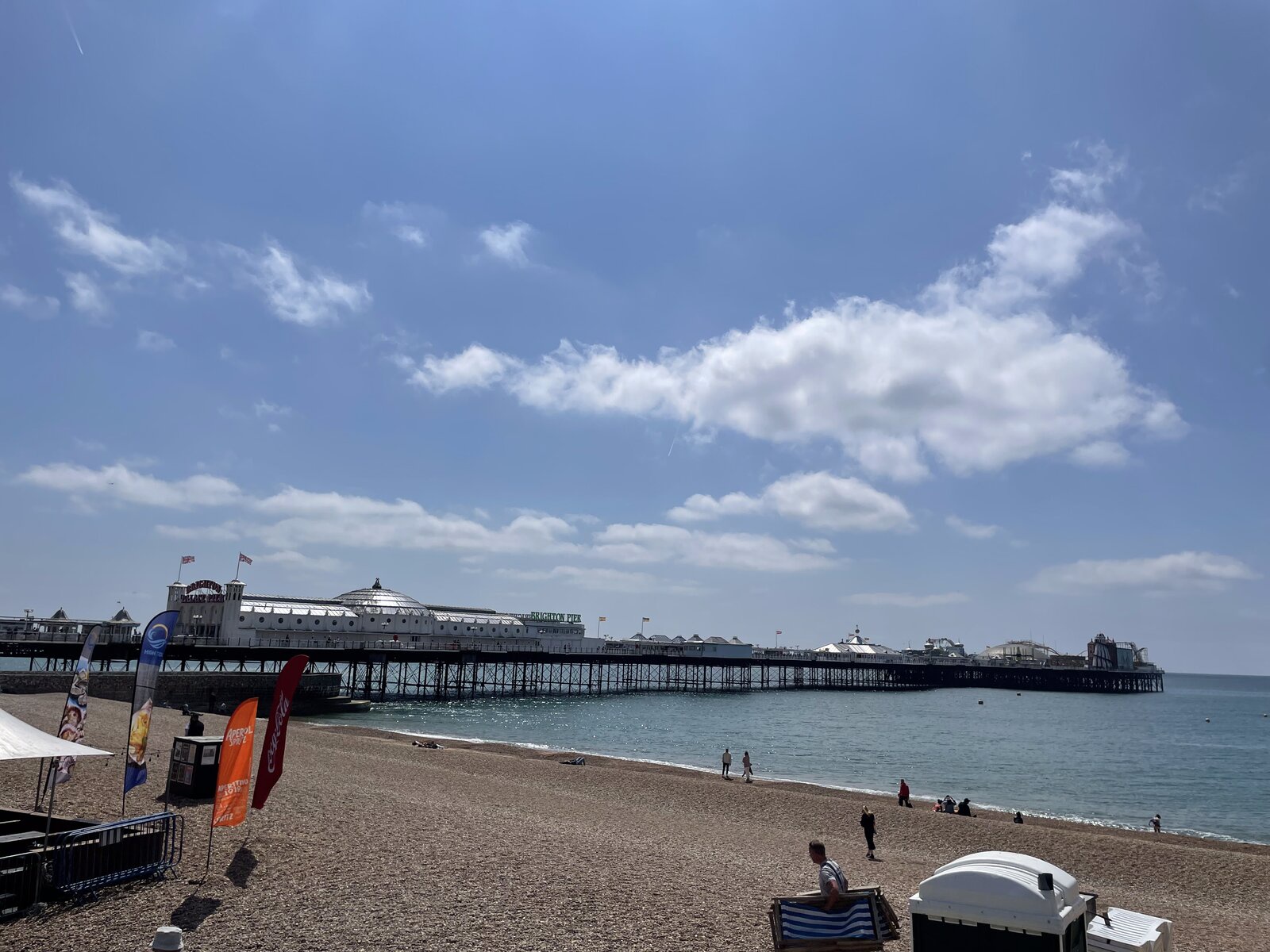
- Brighton Palace Pier. (Wikipedia) The iconic Victorian pier, over 160 years old, filled with arcades, restaurants, bars, and bumper cars. Photo essential.
- Royal Pavilion. (Wikipedia) The eccentric 1787 Indo-Gothic palace built by King George IV. Unique architecture and beautiful grounds.
- The Lanes. (Wikipedia) Pedestrian-only network of narrow streets filled with indie boutiques, galleries, cafés, and vintage shops. Perfect for wandering.
- Brighton Beach and pebble shore. Iconic grey pebbles, English Channel views, beach bars and huts lining the waterfront.
- i360 viewing tower. 162-meter observation tower (slow, 360-degree views of the coast and South Downs). Pricey but popular.
- Brighton Marina. Modern harbor development with restaurants, shops, and a casino. Less historic than the pier but livelier for dining.
- Seven Sisters Cliffs day trip. 30 km east, chalk cliffs dropping 100+ meters to the sea. Hiking trails, stunning vistas. Worth a day out.
- Devil's Dyke walk. Rolling South Downs hill with panoramic views; hiking trails for all levels, 20 minutes by bus from central Brighton.
- Lewes day trip. 15 km north, charming hilltop town with a castle, bookshops, and strong local character. Train or bus easy.
- Preston Park. Large green space north of the seafront with museums (Brighton Museum & Art Gallery), playgrounds, and open-air events.
Festivals and major events
| Event | When |
|---|---|
| Brighton Festival (classical, theatre, visual arts) | May (3 weeks) |
| Brighton Fringe (performing arts, cabaret) | May (same time as Festival) |
| Great Escape music festival | May |
| Brighton Pride | First weekend of August (massive) |
| Christmas markets and festive season | November to December (Royal Pavilion gardens) |
Must-try local dishes
Brighton is a seaside town with excellent seafood and fresh produce from the South Downs. The food scene is multicultural and contemporary, but traditional Sussex dishes anchor the local identity. Vegetarian and vegan options are ubiquitous.
- Fish and chips. Pebble Beach Fish Bar or Scallop Shell. Fresh local fish, crispy batter, eaten seaside.
- Sussex pond pudding. Sweet steamed pudding with lemon and suet, a local classic (try at historic pubs or restaurants).
- English breakfast. Full cooked breakfast, eggs, bacon, sausages, baked beans, toast, is still a Brighton morning ritual.
- Scones with clotted cream and jam. A traditional afternoon tea experience, abundant in cafés.
- Sussex cheeses. Local artisanal cheeses from the Downs, sold at markets and cheesemongers. Waterloo cheese is a standout.
- Real ale. Brighton has a strong independent brewing scene; local breweries (Burning Sky, Kemptown Brewery) offer unique pale ales and stouts.
Souvenirs that aren't junk
- Local art and photography. The Lanes and Kemptown galleries sell original prints and paintings by local artists.
- Vintage and secondhand clothing. Brighton has excellent charity shops and vintage boutiques; one-of-a-kind pieces.
- Craft gin and local spirits. Brighton Gin and other local distilleries bottle spirits with a local backstory.
- Bookshop finds. Independent bookshops (Waterstones Brighton, The Chalkboard) have great curated selections.
- Vinyl records. Brighton has strong vinyl culture; Resident Records and Wake the Dead Records carry rare and contemporary releases.
Health & Medical
Brighton has excellent NHS (National Health Service) healthcare. The British system is free at point of use for UK residents and EU citizens; non-UK visitors are eligible for emergency services, but non-emergency care requires travel insurance or private payment.
- Travel insurance is essential for non-UK, non-EU visitors. Emergency services and hospital admission are free; GP appointments and non-urgent care cost without insurance.
- Private clinics. Multiple private practices offer same-day appointments. Consultations range £80 to 150. Clinic names: Brighton and Hove Private Hospital, Lister Hospital-affiliated practices.
- Pharmacies. Boots and Lloyds Pharmacy on every main street. Many medications available over-the-counter.
- Vegetarian and vegan options. Brighton is legendary for plant-based food. Dozens of dedicated vegan/vegetarian restaurants and cafés.
- Tap water. Safe and excellent quality.
- No endemic tropical diseases. The UK is temperate. Lyme disease exists (tick-borne) but is not common. No malaria, dengue, or yellow fever.
- Foreign prescriptions. Not directly accepted. Bring sufficient supply or consult a UK GP for a new prescription.
Legal & Substances
- Marijuana is illegal. Personal possession can result in fines and criminal charges. Enforcement is inconsistent but penalties are real.
- Public alcohol consumption. Tolerated in parks and on the seafront. Some streets have designated alcohol-free zones late night (10 p.m., 6 a.m., police discretion).
- Alcohol on public transport. Technically prohibited on buses and trains. Enforcement is light but a fine is possible.
- Smoking. Banned indoors in restaurants, bars, public transport, and most enclosed public spaces since 2007. Outdoor areas and street terraces allow it.
- Drinking age. 18.
Customs & Shopping
- Tax-free shopping for non-UK residents. Stores with Tax-Free shopping logos (rare post-Brexit) can issue forms. Reclaim VAT (20%) at the airport for purchases over £150 at a single store. Post-Brexit rules are complicated; confirm eligibility before shopping.
- Cash declarations. Anything over £10,000 leaving the UK must be declared.
- Restricted exports. Antiques and culturally significant items may require export permits. Most contemporary crafts and everyday items are fine.
Accessibility & Inclusion
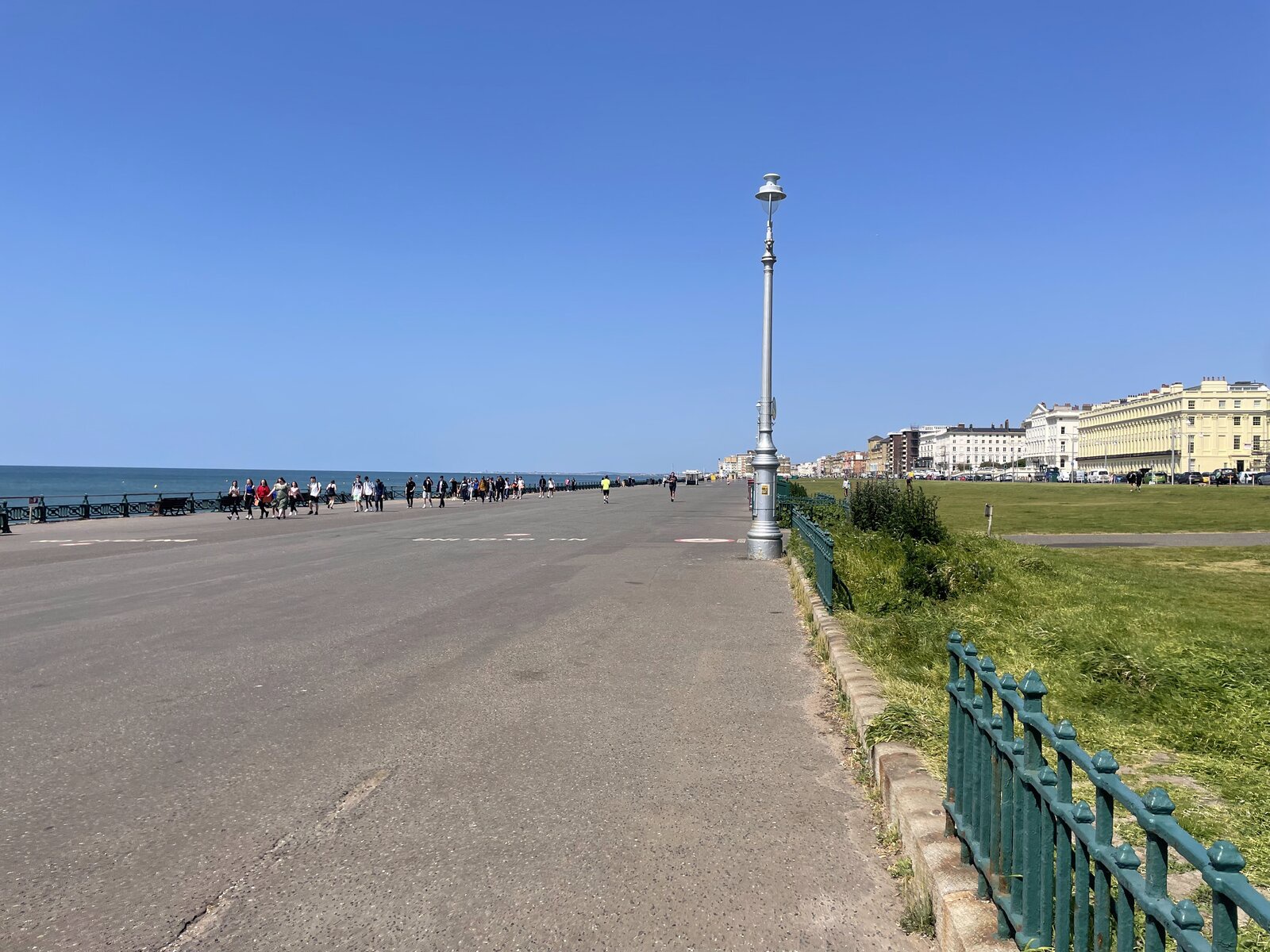
Brighton is increasingly accessible. The seafront promenade is fully wheelchair-accessible. The newer bus fleet is low-floor and has ramps. Many museums and attractions have step-free entry and accessible restrooms. Older historic buildings (Pier, Royal Pavilion, some Lanes shops) may have limited access. The Brighton & Hove Council website has accessibility information for major attractions. Call ahead to confirm specific site access.
Digital Nomad Corner
Brighton is a strong base for remote workers, with excellent broadband, a vibrant community of creatives and tech workers, and a thriving café culture. Accommodation is pricey but manageable for longer stays.
- Internet. Fiber is widespread in central Brighton and Hove; typical speeds 100 to 300 Mbps. Cafés have reliable, fast WiFi.
- Coworking. PLATF9RM, FreedomWorks, The Skiff, and RUN are the main spaces. Day passes £15 to 25; monthly memberships £250 to 400.
- Long-stay visa. UK tourist visa gives non-visa-required nationals 6 months. EU/EFTA citizens post-Brexit need a visa for stays over 6 months; Student or Work visas apply depending on circumstances.
- Cost of living. A nomad in central Brighton can live on £1,500 to 2,500/month including rent (one-bedroom apartments £700 to 1,200/month long-term, Airbnb £1,000+/month), food, transit, coworking, and leisure. About 10 to 15% cheaper than London, but more expensive than most of continental Europe. For the first few nights while you hunt for a monthly rental, The Old Ship Hotel on Kings Road puts you right on the seafront in the middle of everything.
Brighton rewards extending your stay beyond a weekend. The headline sights, the Pier, the Royal Pavilion, the Lanes, take a few days. The actual life of the city, the morning coffee in a favorite Kemptown café, the evening promenade walk, the unexpected conversations at Pride or in a late-night bar, the friendships that grow from regularity, that takes weeks and pays for itself in community and inspiration.
Keep planning: Bryce Canyon National Park Guide: Hoodoos and Hikes, European Train Travel for Digital Nomads and Galway Day Trip: Athenry and Dunguaire Castle.