European Train Travel for Digital Nomads
Nomad Toolkit
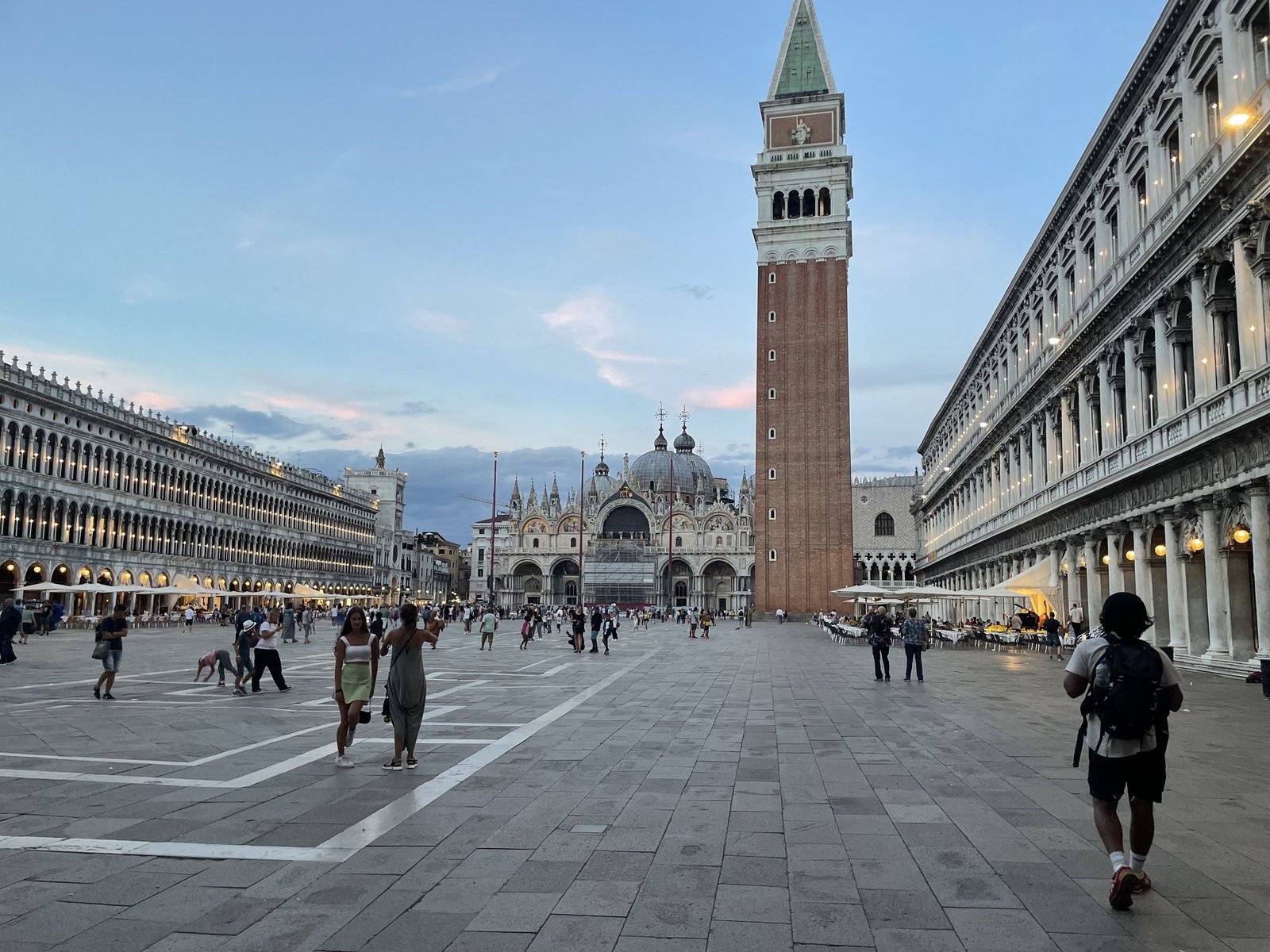
European train travel is one of the great pleasures of working remotely on this side of the Atlantic. You roll into a city center on a high-speed line, walk five minutes to your apartment, and skip the airport entirely. For digital nomads the math gets even better: trains have power outlets, decent Wi-Fi, big windows, real legroom, and they let you cross half a continent without ever closing your laptop.
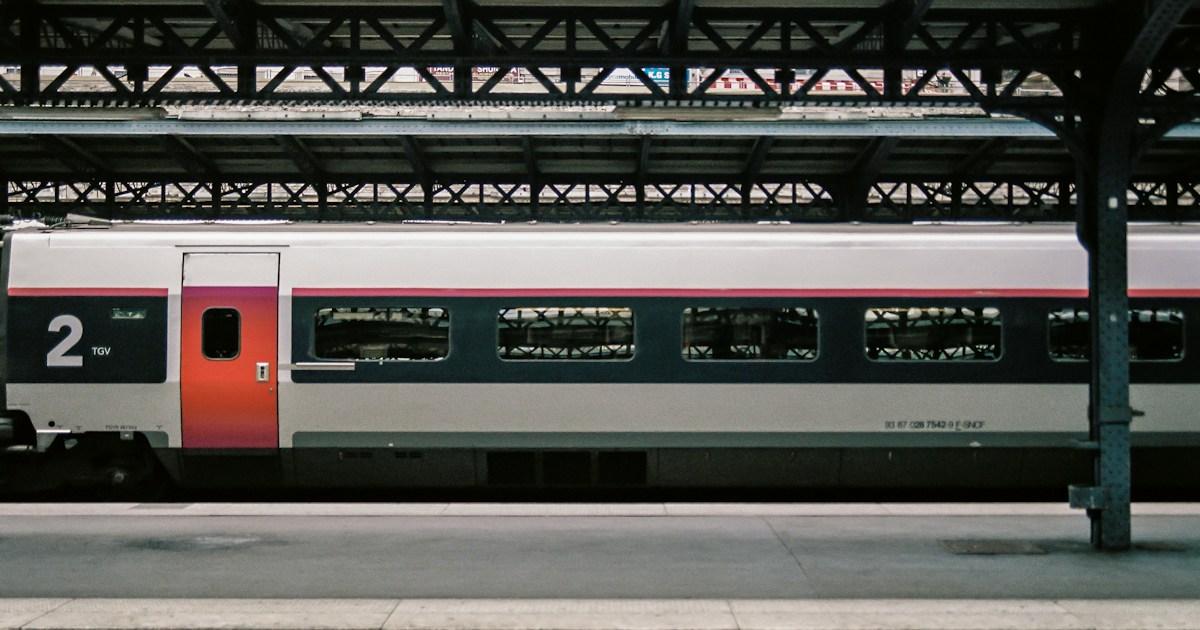
Why the Train Wins
Paris to Amsterdam takes 90 minutes in the air, but with the pre-flight buffer, taxis, baggage drop, and security, you've burned five hours. The Thalys does the same trip city center to city center in three hours twenty. Paris-London on Eurostar is two hours sixteen. Madrid-Barcelona, two and a half. Munich-Berlin, under four. On most short and medium routes inside Western Europe, trains beat flights once you add up total time.
Trains also give you a better workday. Most long-distance European trains have AC power at every seat, fold-down tables big enough for a 13-inch laptop, and mobile data that holds up for chat and email. ICE, TGV, Frecciarossa, AVE, and Eurostar all have onboard Wi-Fi. Bandwidth rarely supports video calls, but for writing, coding, or working through your inbox, a train cabin beats any economy plane seat.
Trains also save you money you might not think about. Hotel parking fees in European cities run 20 to 40 euros a night. Rental cars are expensive before you even factor in fuel, tolls, and insurance, and driving in city centers is genuinely difficult: narrow one-way streets, aggressive ZTL restricted zones in Italy, congestion charges in London and Stockholm, and parking spots that barely fit a compact. A train ticket plus a short Uber or metro ride from the station to your door is almost always cheaper and faster than renting a car, and you skip the stress entirely.
Planning the Route
Start with Google Maps in transit mode and Rome2Rio. Google Maps shows live disruptions and strikes; Rome2Rio is better for comparing options at a glance. Both hand you off to the operator's booking page. Trainline and Omio are cross-border aggregators with a small markup but one account for trains across Europe. Seat 61 (seat61.com) is the best free resource for niche routes, sleepers, and edge-case international connections. Read it before any complicated trip.
Booking and Pricing
Two pricing models exist in Europe. France, Spain, Italy, the UK, and Eurostar use yield management, the same dynamic pricing as airlines. Book three months out and a Paris-Marseille TGV is 39 euros; book the day before, 130. Germany, Austria, Switzerland, and the Netherlands mostly use flat fares that change less over time. Book TGV, AVE, Frecciarossa, Eurostar, and Trenitalia tickets four to six weeks ahead. ICE and ÖBB are more forgiving.
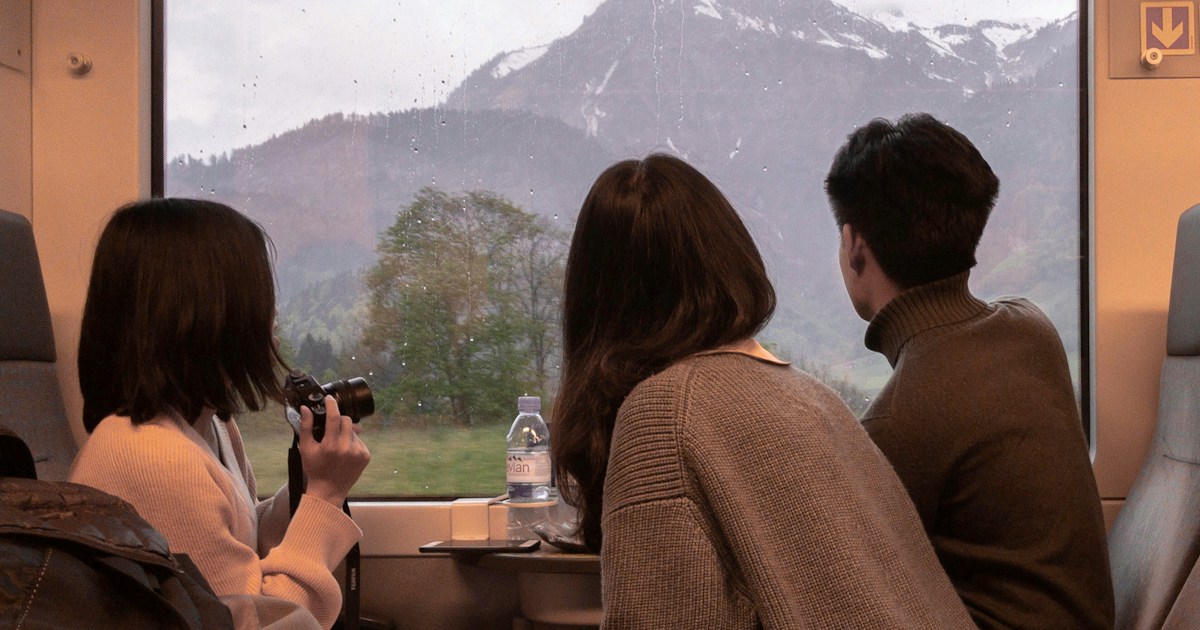
Direct booking on the national operator usually gets the best price: SNCF Connect (France), Deutsche Bahn (Germany), Renfe (Spain), Trenitalia and Italo (Italy), ÖBB (Austria), SBB (Switzerland), NS International (Netherlands), and Eurostar for cross-Channel routes. Most accept foreign cards. Renfe sometimes rejects US-issued cards on the first try; switch cards or use Trainline as a fallback.
Rail Passes: Worth It?
A Eurail (non-EU) or Interrail (EU) pass gives you a set number of travel days inside a one or two month window. High-speed trains in France, Spain, and Italy require a paid seat reservation on top of your pass at 10-35 euros per leg, and reservations are capped, so popular trains sell out the pass quota fast in summer. A pass makes sense if you're moving every two or three days and going to places where reservations are optional (Germany, Switzerland, Austria, Czechia, Hungary, Poland). For a slower trip with a fixed itinerary, point-to-point tickets booked early are almost always cheaper.
Onboard
Standard class on Western European high-speed trains is comfortable: two-by-two seating, a tray table, a power socket per seat, and racks at each end of the carriage for big suitcases. First class adds wider seats, more legroom, less crowded carriages, and a small meal on some operators. The premium is rarely worth it for a short trip, but on a six-hour Paris-Barcelona run, first class can be the difference between arriving rested and arriving fried.
Wi-Fi is widely available but inconsistent. ICE in Germany has decent connectivity. Eurostar's works for browsing but stutters in the Channel Tunnel. French TGV Wi-Fi is patchy. The reliable workaround is a local SIM or eSIM with a generous data plan, then tether your laptop. Holafly, Airalo, and Saily all sell European data eSIMs that activate in minutes. With 5G across most of Western Europe, a tethered phone usually beats onboard Wi-Fi for video calls.
Cross-Border and Sleepers
Night trains have come back from the dead. ÖBB's Nightjet network connects Vienna, Munich, Zurich, Hamburg, Berlin, Brussels, Paris, Rome, and Venice. Board around 9 or 10 pm, sleep in a couchette or private cabin, and wake up in another country. Book a private sleeper if you're working the next morning; basic couchettes are cheap but loud and you share a tiny space with five strangers.
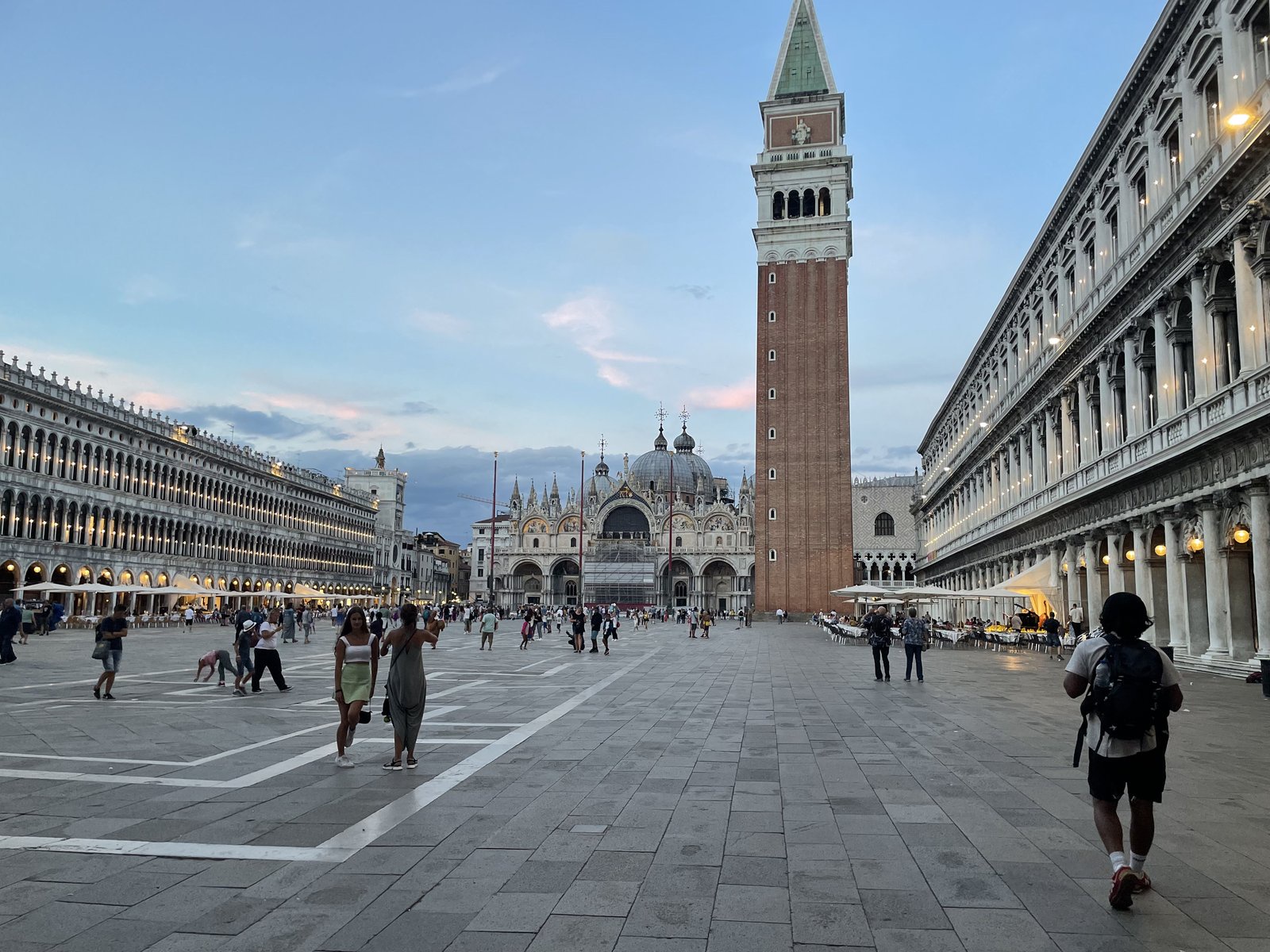
For day-time international routes, the standout connections are Eurostar (London to Paris, Brussels, Amsterdam), Thalys (Paris to Brussels, Amsterdam, Cologne), TGV Lyria (Paris to Geneva, Zurich, Basel), and Frecciarossa (Paris to Milan). Switzerland and the UK still involve passport control. Inside the Schengen Area, you walk on.
Stations
Big stations are entire neighborhoods. Gare du Nord, Roma Termini, Madrid Atocha, München Hbf, and London St Pancras have grocery stores, pharmacies, restaurants, left-luggage lockers, and lounges if you have first class or a rail pass. Show up 20-30 minutes before normal departures. Eurostar requires arrival 45-75 minutes early due to passport checks. Watch your bag in big stations; pickpocketing in Paris, Rome, and Barcelona is common.
Rides Worth a Trip
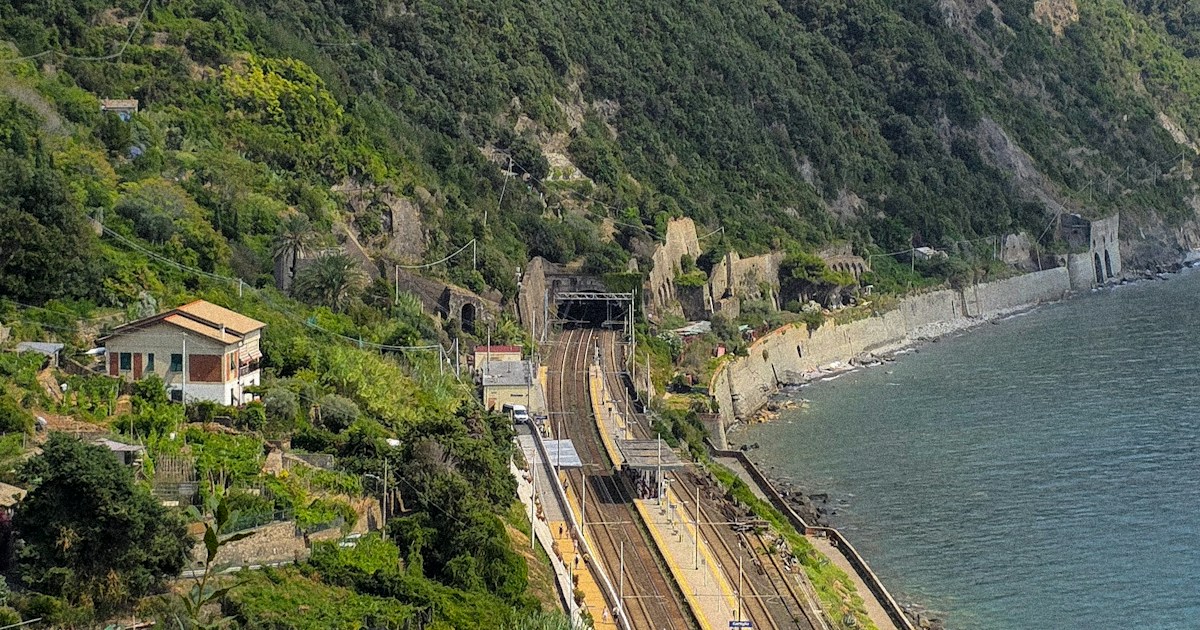
Some European train rides earn the trip on their own. The Bernina Express (Chur to Tirano) cuts through the Swiss and Italian Alps. The Glacier Express (Zermatt to St. Moritz) is among the most scenic rides on the continent. The Flam Railway in Norway drops 866 meters in 20 kilometers past waterfalls and fjords. The West Highland Line (Glasgow to Mallaig) crosses the Glenfinnan Viaduct made famous by Harry Potter.
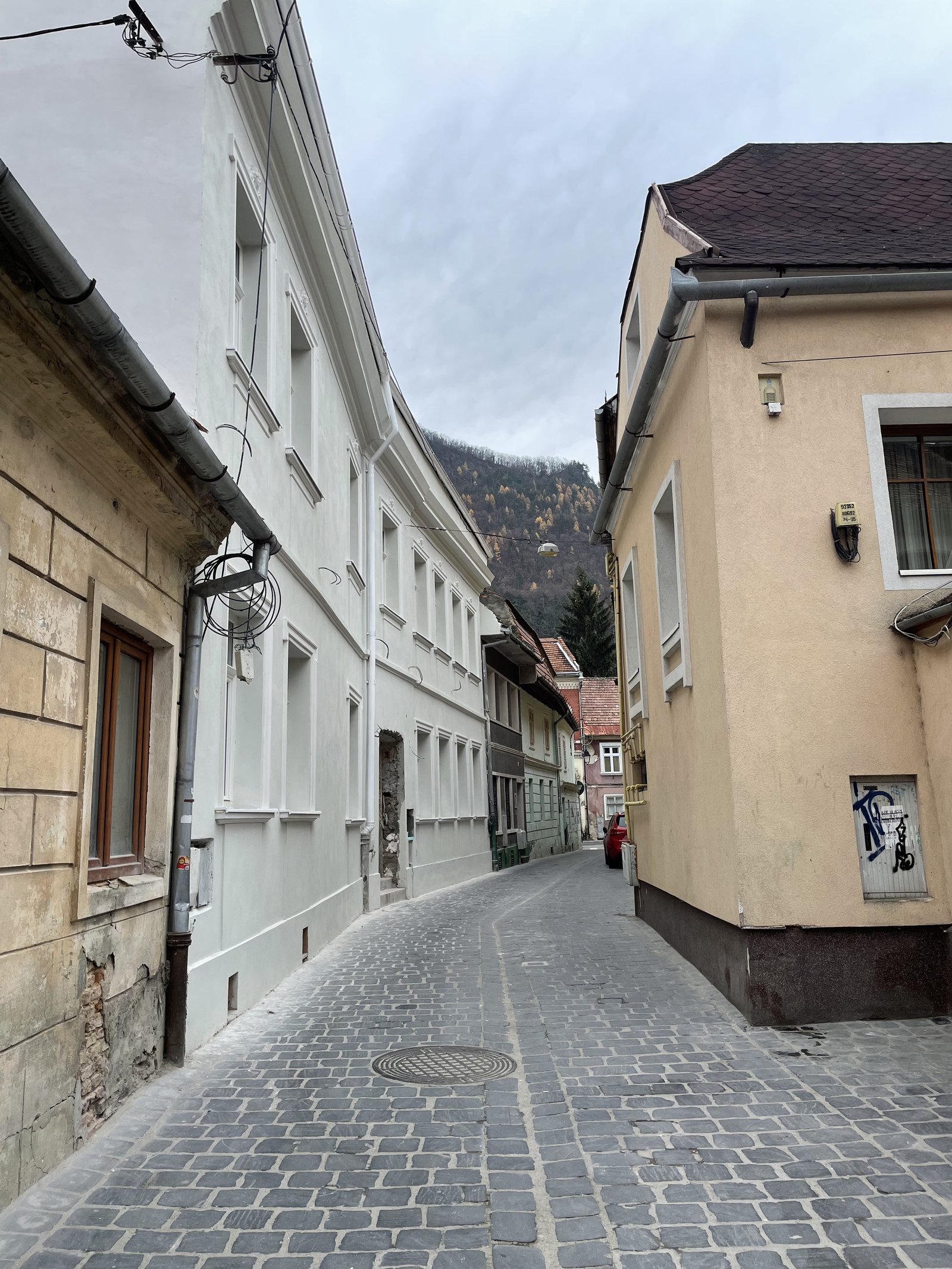
Bucharest to Brasov is two and a half hours through the Carpathians for under 15 euros. Lisbon to Porto on the Alfa Pendular gives you Atlantic coast and river valleys for around 30 euros. Vienna to Budapest in two hours forty is one of the easiest cross-border hops in Europe.
Practical Tips
Travel with a soft bag rather than a hard rolling suitcase; overhead racks vary in depth and luggage compartments fill up. Pack a small power strip if you travel with a partner so you only fight for one outlet. Save tickets offline. Most operators send a PDF or QR code that works without signal, but cell service through tunnels and rural areas is spotty, so a screenshot is good insurance. Keep your passport handy on Eurostar and any route entering Switzerland or the UK.
For working nomads, group cities by rail corridor. The Paris-Brussels-Amsterdam-Cologne corridor lets you change cities every week with sub-three-hour rides. Italy's Milan-Bologna-Florence-Rome-Naples spine puts five great destinations within a few hours of each other. The Munich-Vienna-Salzburg-Prague-Budapest cluster is another easy chain. Map a route around train lines and your travel days stop eating your work weeks. Book early on dynamic-pricing operators, lean on Rome2Rio and seat61 for routing, and bring a strong eSIM. Once you've done a few rides, the system stops feeling complicated and starts feeling like the way travel was always supposed to work.
Keep planning: Galway Day Trip: Athenry and Dunguaire Castle, Starlink Pole Mount for Pull Trailers: Two Parts, $60 and Brighton: England's Seaside City.