Budapest: Thermal Baths, Ruin Bars & the Danube
Nomad Toolkit
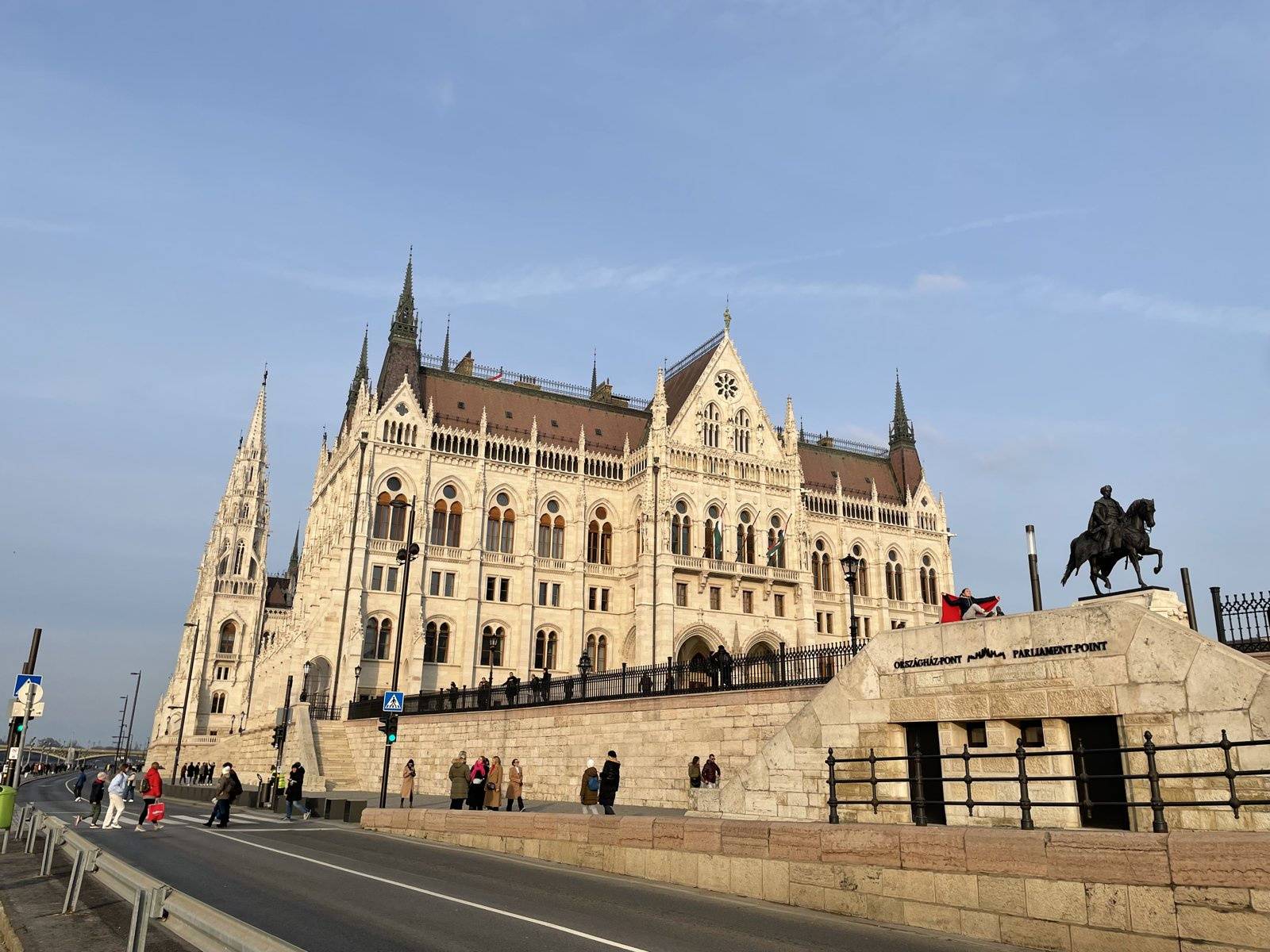
Budapest is one of the best value destinations in Europe, and a lot of remote workers still sleep on it. The Hungarian capital sits astride the Danube, with hills and a castle on Buda and a flatter, café-packed grid on Pest. You get grand Habsburg architecture, serious thermal baths, a famous ruin-bar scene, and rent that looks cheap next to Lisbon, Barcelona, or Berlin.
Demographics & Government
| Country | Hungary |
| Population | ~1.7 million (Budapest), ~9.6 million (Hungary) |
| Government | Parliamentary republic; EU member since 2004 |
| Religious mix | ~37% Catholic, ~12% Protestant, mostly secular in practice |
| Time zone | CET (UTC+1) winter, CEST (UTC+2) summer; DST observed |
| Plug type | Type C and Type F (230V / 50Hz) |
| Drive side | Right |
| Tap water safe? | Yes, fully potable across Budapest and most of the country |
| Free WiFi? | Widely available in cafés, hotels, and most coworking spots |
| Best time to visit | Late April–June or September–early October (15–25°C, fewer crowds) |
| Emergency numbers | 112 (general / EU-wide), 104 (medical), 107 (police), 105 (fire) |
| Currency | Hungarian forint (HUF), not euro. ~360 HUF per USD (varies) |
Overview & Vibe
Pest, on the east bank, is where most nomads base themselves. Districts V (Belváros), VI (Terézváros), and VII (Erzsébetváros, the Jewish Quarter) pack in specialty coffee, ruin bars, coworking spaces, and walkable everything. Buda is quieter and greener, with Castle Hill, Gellért Hill, and leafy residential blocks. Winters are moody and grey. Summers are hot and social. Spring and autumn are the sweet spots for extended stays. Good for budget-conscious remote workers, café dwellers, history buffs, and bath enthusiasts.
A Brief History
The Roman town of Aquincum, in today's Óbuda, became the capital of the province of Pannonia Inferior in AD 106. Ottoman forces took Buda in 1541 and held it for almost 150 years, which is when the city's bath culture took root. The Chain Bridge opened in 1849 as the first permanent span across the Danube here, and Buda, Óbuda, and Pest merged into a single capital in 1873. The full arc, including the 1944-45 siege and the 1956 uprising, is laid out on Budapest's Wikipedia page.
Transportation
Budapest is one of the cheapest European capitals to get around. The BKK transit system blends metro, tram, bus, and suburban rail into a single fare structure, and most central trips can be walked.
- Drive on the right. Standard EU driving rules.
- Public transit is the move. A 30-day BKK pass runs about 9,500 HUF (~$25). Single tickets are 450 HUF.
- Metro line 1 is the oldest underground railway on continental Europe (1896). It still runs.
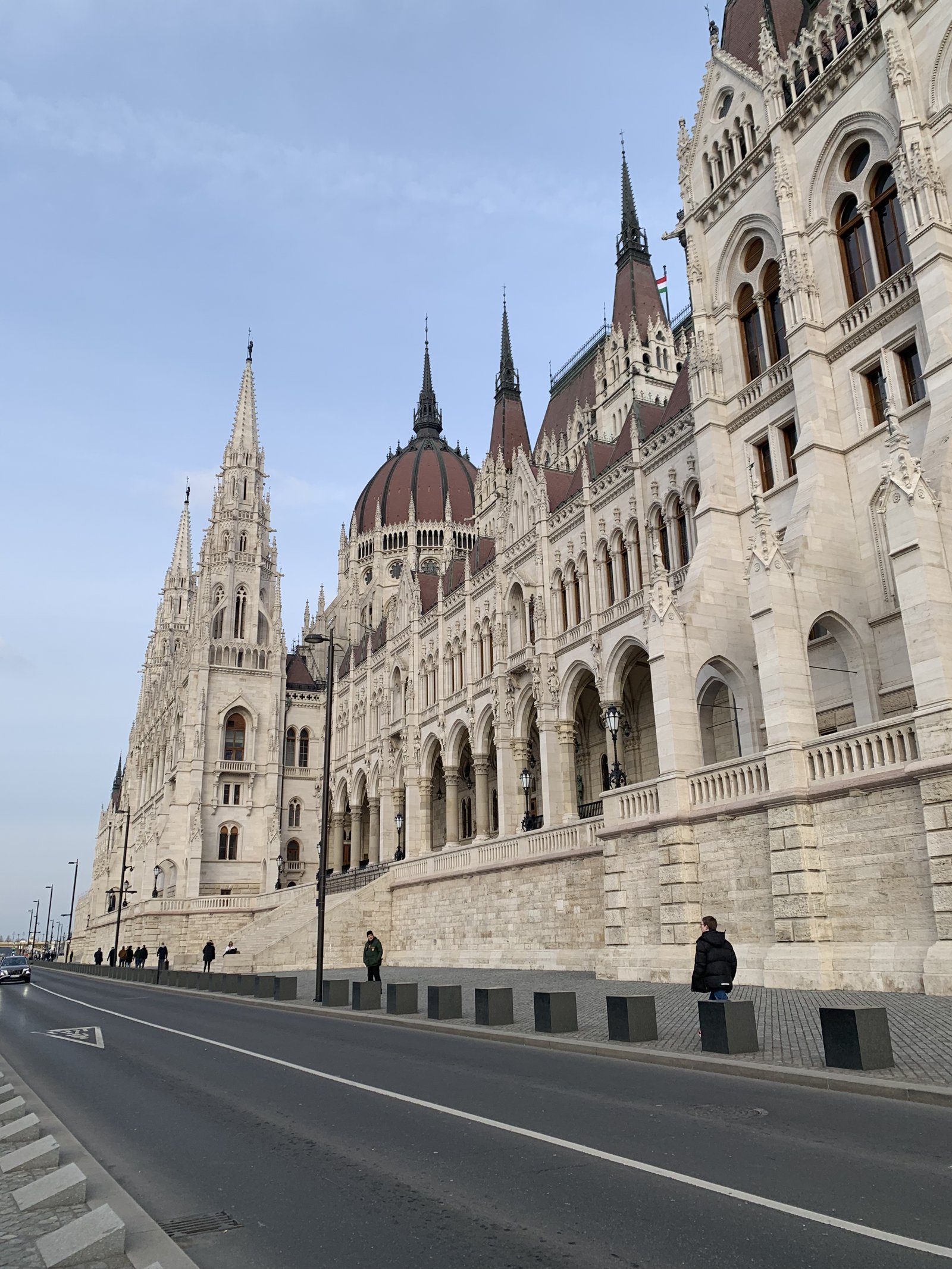
- Tram 2 along the Pest riverbank is worth riding once for the Parliament-and-Danube views.
- Bolt is the dominant ride-share app. Cross-town rides cost 2,500–4,500 HUF. Uber doesn't operate locally.
- From the airport (Ferenc Liszt, BUD): the 100E Airport Express bus to Deák Ferenc tér is 2,200 HUF. Bolt is 8,000–12,000 HUF.
- Bike share (MOL Bubi) covers central Pest and parts of Buda. Cheap and works for short hops.
Most international trains come into Budapest-Keleti station on Baross tér. If you land late or want a base while you hunt for an apartment, the IntercityHotel Budapest sits directly on the square outside the station.
Language, Customs & Etiquette
Hungarian (Magyar) is famously hard. Most service staff and under-40s speak functional English, especially in central Pest. A few words go a long way.
- Greetings. Szia (hi, informal), Jó napot (formal good day), Köszönöm (thank you), Egészségedre (cheers).
- Tipping. 10–15% at restaurants is expected. Round up for taxis. Check the bill; some tourist-zone spots already include a service charge, don't double-tip.
- Reserved by default. Hungarians can read as cool on first contact. It's a communication style, not a mood; warmth shows up after a beat.
- Bargaining. Not customary. Fixed prices everywhere except some flea markets like Ecseri.
- Religious sites. Cover shoulders and knees in churches and synagogues. The Dohány Street Synagogue has its own dress code.
- Photography. Allowed in most public buildings; check signs in museums. Don't photograph people without permission, particularly in the Jewish Quarter.
- Cash etiquette. Don't try to pay with euros, accept the forint and use it. Card is fine for most central spots, cash for markets and bakeries.
Safety & Security
Budapest is one of the safer European capitals. Violent crime against tourists is rare; the real risk is pickpocketing in crowded transit and tourist density.
- Pickpocketing clusters on the 4/6 tram, around Keleti and Nyugati train stations, and in packed ruin bars. Front pockets or zipped bags only.
- Avoid the Váci utca "hostess" bar scam. Friendly stranger invites you to a place near Váci utca; the bill comes back astronomical with aggressive bouncers if you refuse. Stick to named ruin bars (Szimpla Kert, Instant-Fogas, Mazel Tov, Doboz).
- Taxi caution. Use Bolt or Főtaxi (the regulated dispatch). Avoid unmarked cabs at stations and the airport.
- Solo female travelers generally do well. Standard urban precautions, particularly late at night around Keleti.
- LGBTQ+. Same-sex partnerships are legally recognized but not full marriage. Budapest has a visible queer scene; Pride takes place each summer despite government opposition. Discretion outside the city is wise.
- Race / ethnicity. Hungary has minimal racial diversity, and visible minorities sometimes report stares or unwelcoming attitudes outside the capital. Central Budapest is more cosmopolitan.
Weather & Climate
Continental climate with cold winters and hot summers. Spring and fall are the comfort sweet spots.
| Month | Avg High | Avg Low | Notes |
|---|---|---|---|
| January | 2°C / 36°F | -4°C / 25°F | Cold, often grey, baths feel best |
| February | 5°C / 41°F | -2°C / 28°F | Cold continues; quietest tourist month |
| March | 11°C / 52°F | 2°C / 36°F | Spring starts; variable |
| April | 17°C / 63°F | 7°C / 45°F | Mild, blossoms, terrace season opens |
| May | 22°C / 72°F | 11°C / 52°F | Warm and bright; ideal |
| June | 26°C / 79°F | 15°C / 59°F | Long evenings, festival season starts |
| July | 29°C / 84°F | 17°C / 63°F | Hot, occasional 35°C+ heat waves |
| August | 29°C / 84°F | 17°C / 63°F | Sziget Festival, peak crowds |
| September | 24°C / 75°F | 12°C / 54°F | Best month for nomad arrivals |
| October | 17°C / 63°F | 7°C / 45°F | Crisp, golden, gorgeous |
| November | 9°C / 48°F | 2°C / 36°F | Grey, layers required |
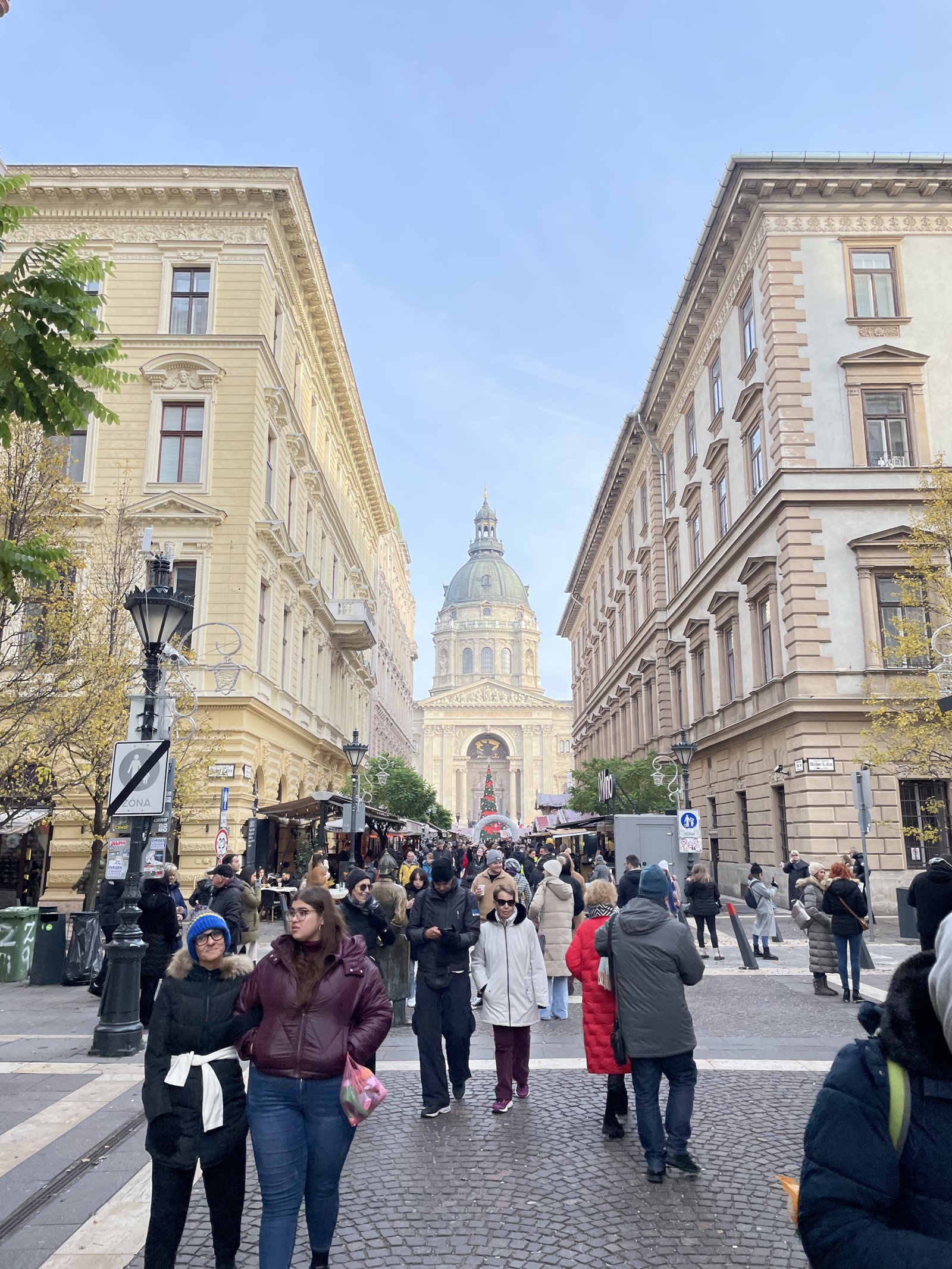
| December | 3°C / 37°F | -2°C / 28°F | Christmas markets, festive lights |
What to pack. Layers year-round. Waterproof shoes November–February. Light layers and a sweater for café terraces in shoulder seasons. A swimsuit for the baths in any season.
Logistics & Practical Info
- Currency. Hungarian forint (HUF), not euro. Most central businesses accept card. Keep cash for markets, bakeries, and tips.
- ATMs. Skip Euronet (high fees and bad rates). Use OTP, K&H, or Erste machines.
- Tap water. Safe and good. Carry a refillable bottle.
- Free WiFi. Widespread in cafés, hotels, malls, and most central public spaces.
- SIM cards. Yettel and Telekom sell prepaid plans with 20–50 GB of data for 4,000–7,000 HUF. Passport required at purchase.
- Money apps. Revolut and Wise both handle forint without conversion fees, which makes living off them simple.
- DST. Yes. Last Sunday in March (forward) and last Sunday in October (back).
- Internet censorship. Minimal. Standard EU rules apply.
Attractions & Activities
Budapest's signature is the thermal bath culture, but the city's appeal stretches well beyond the pools. Castle Hill, the Parliament, the Jewish Quarter, and the riverside promenades give you a few full days before you start running out of headline sights.
- Széchenyi Thermal Bath (Wikipedia), the big, photogenic outdoor complex in City Park.
- Gellért Thermal Bath, Art Nouveau setting with mosaic ceilings.
- Rudas Bath, Ottoman-era pools plus a rooftop hot tub with Danube views.
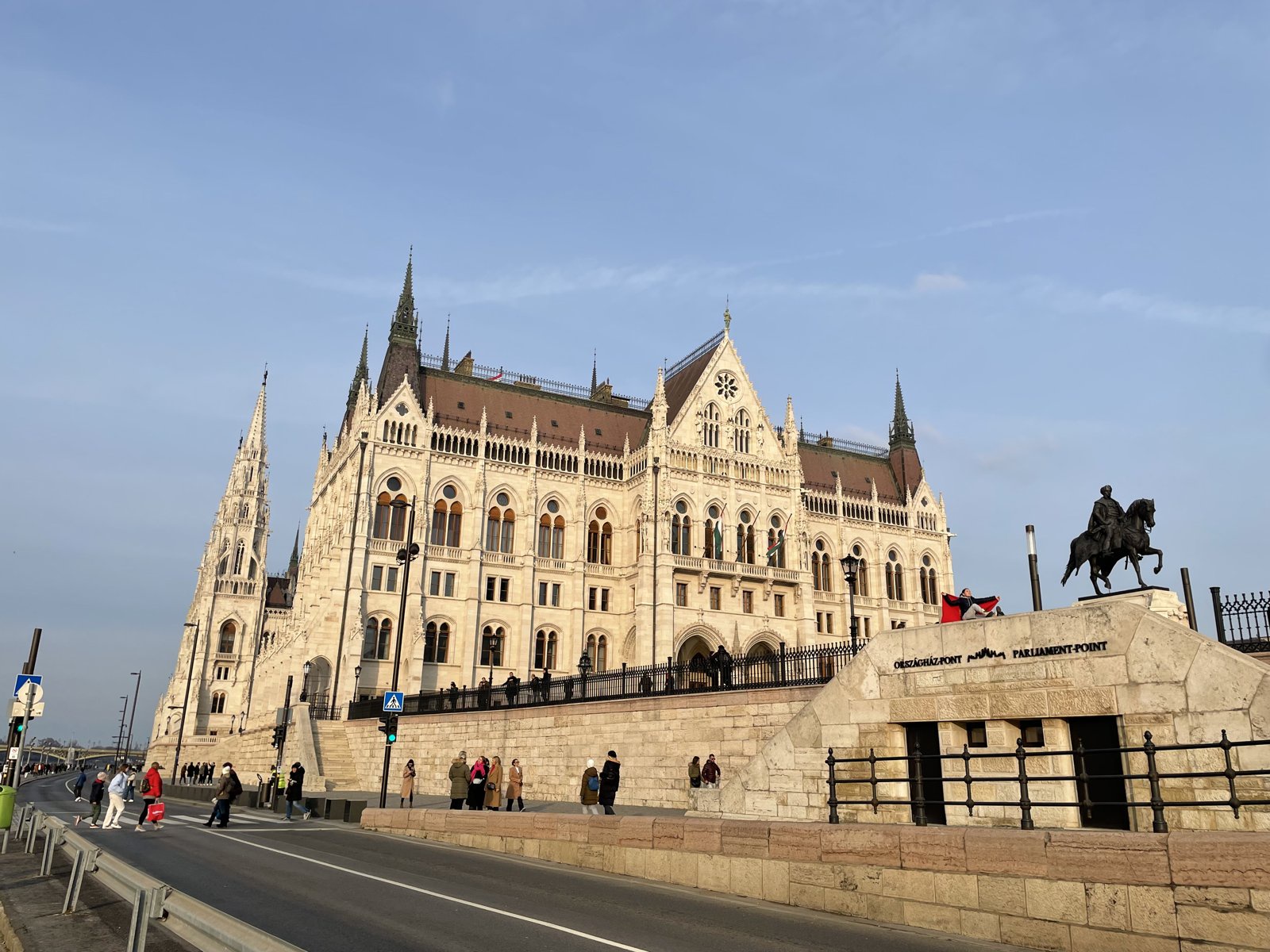
- Hungarian Parliament Building (Wikipedia), book the interior tour ahead.
- Buda Castle and Castle Hill (Wikipedia), the funicular up is a small joy.
- Fisherman's Bastion and Matthias Church (Wikipedia), postcard skyline shots.
- Dohány Street Synagogue (Wikipedia), Europe's largest, with a moving Holocaust memorial.
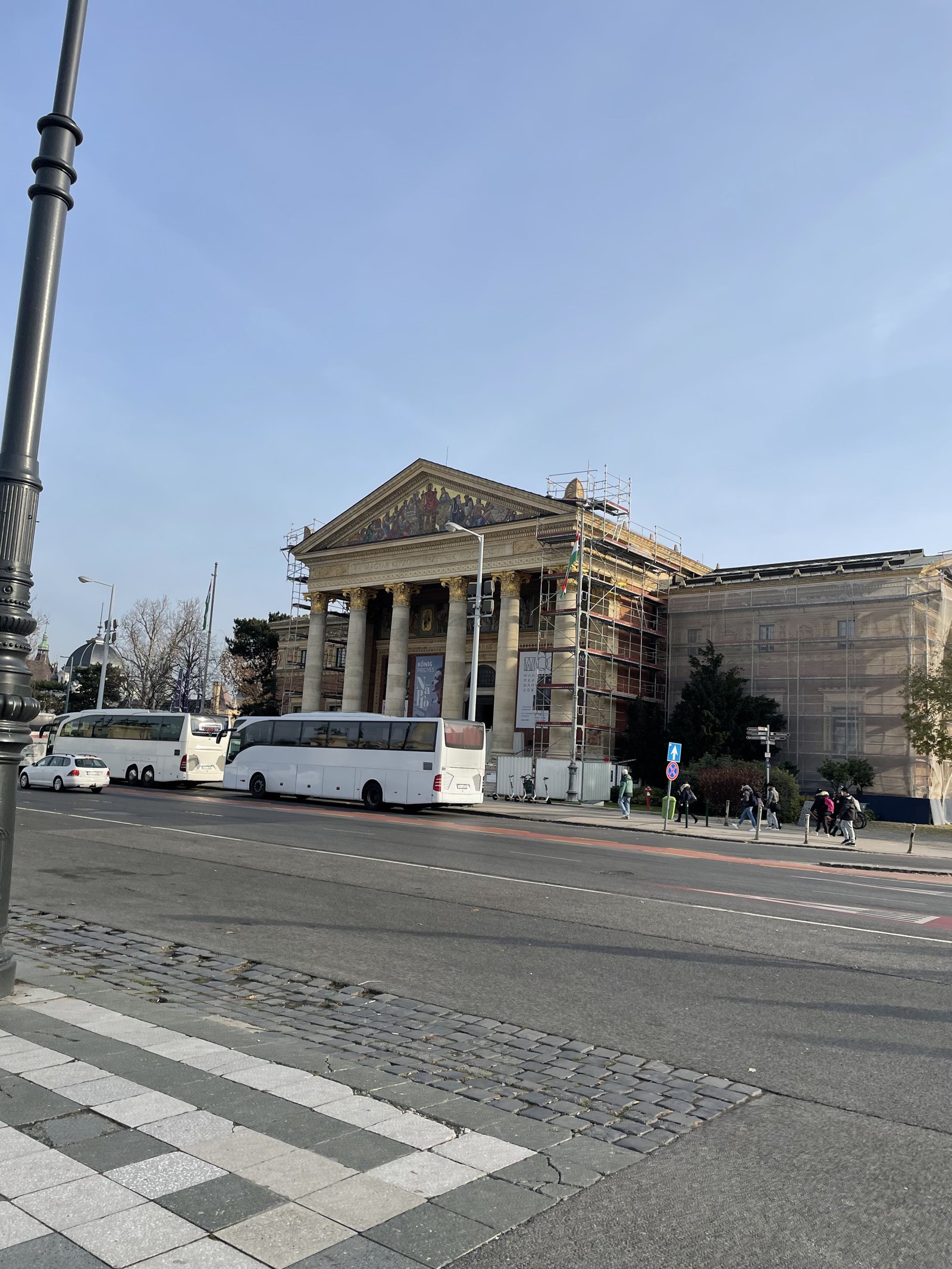
- Andrássy Avenue and Heroes' Square, UNESCO-listed boulevard ending in monumental sculpture.
- Margaret Island, car-free Danube island for a long walk or run.
- Ruin bar crawl, Szimpla Kert, Instant-Fogas, Mazel Tov, and Doboz.
Festivals and major events
| Event | When |
|---|---|
| Spring Festival (classical music + arts) | Late March / early April |
| Sziget Festival (one of Europe's largest) | Mid-August |
| St. Stephen's Day fireworks over the Danube | August 20 |
| Café Budapest Contemporary Arts Festival | Mid-October |
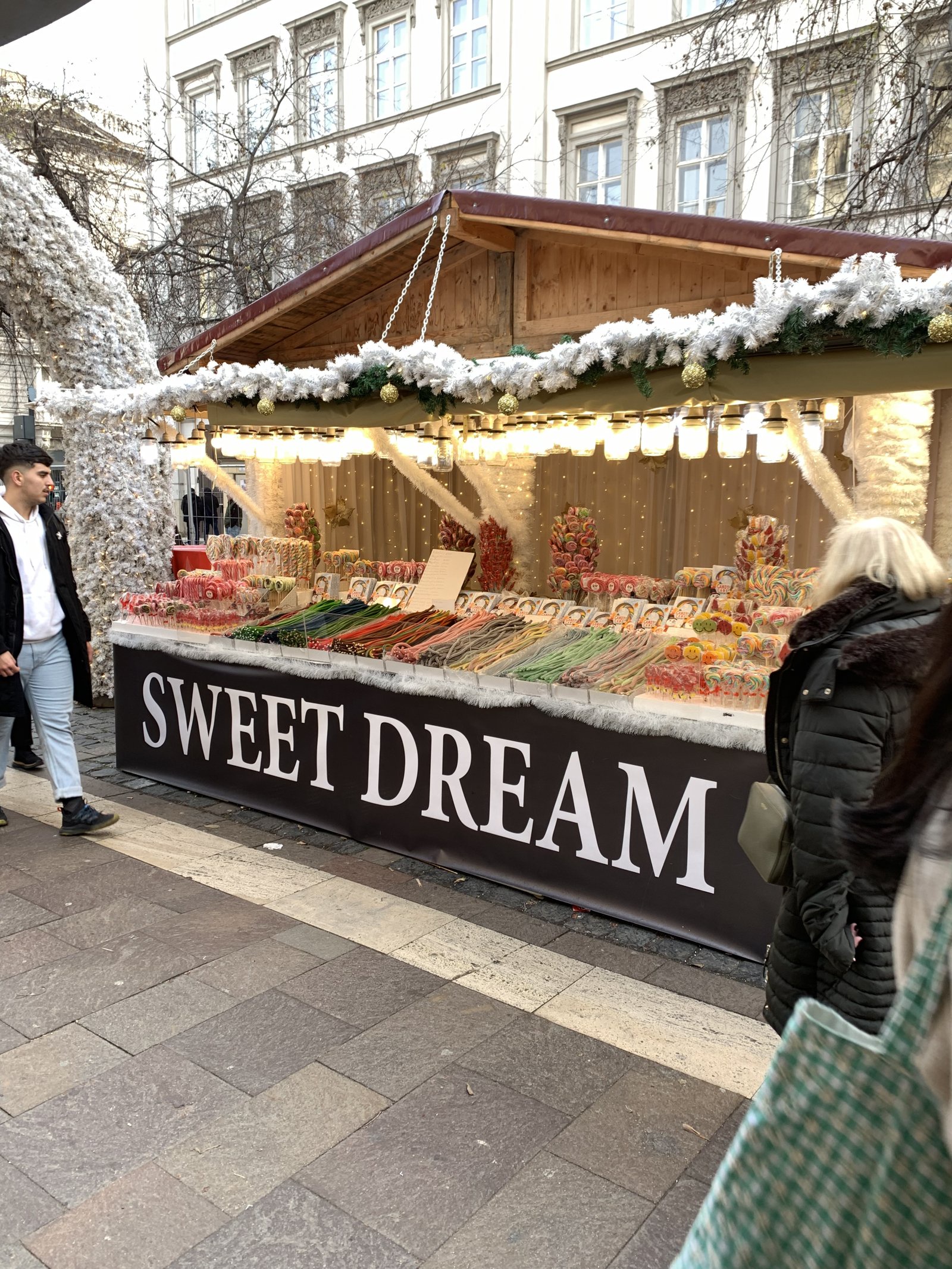
| Budapest Christmas Markets | Late November – early January |
Must-try local dishes
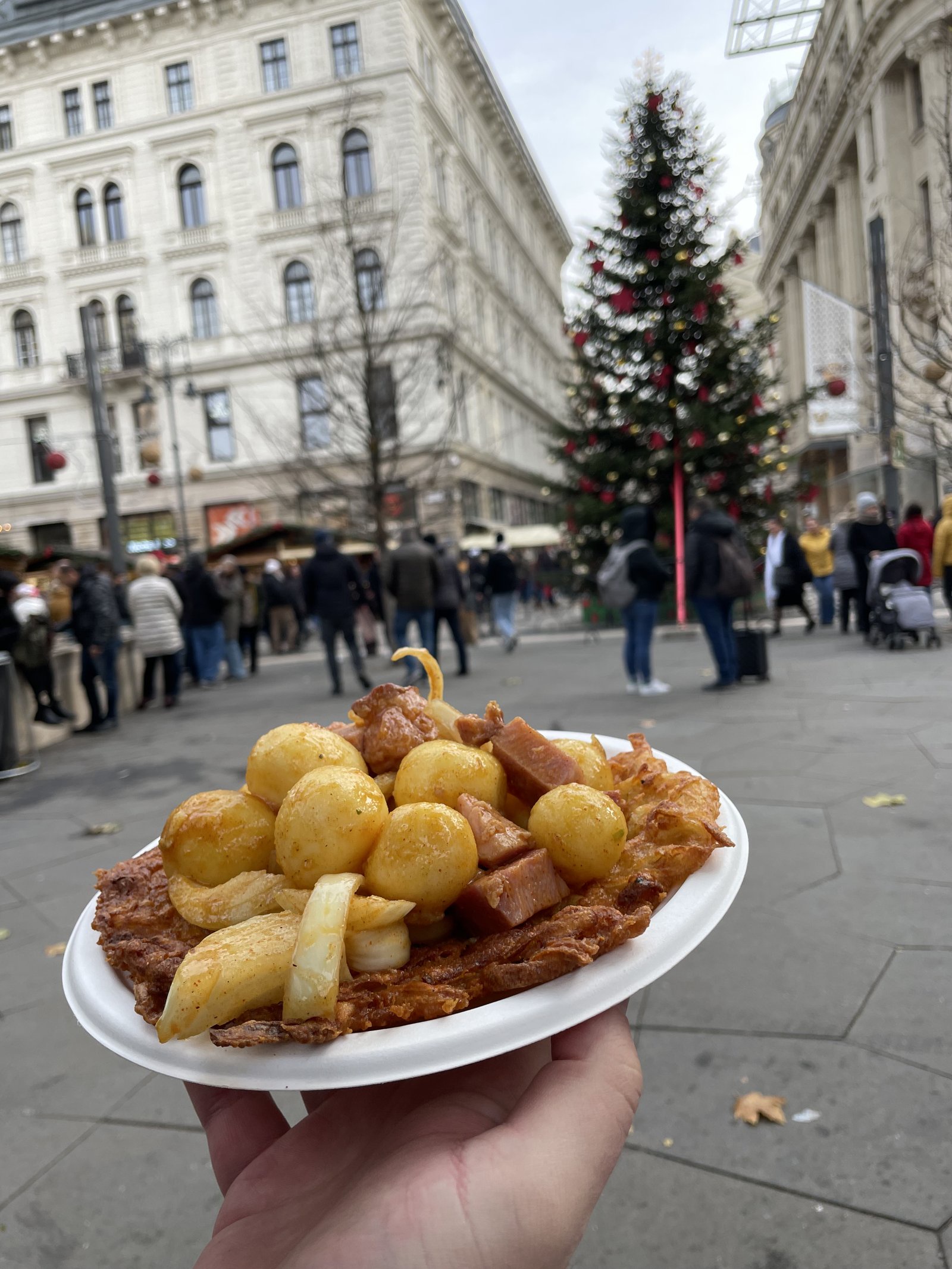
Hungarian cooking leans on paprika, lard, slow-simmered meat, and root vegetables. The strength is the comfort food: stews you eat with bread, sausages off the grill, sweets dusted in powdered sugar. Modern Budapest restaurants are doing lighter, contemporary takes, but the classics still anchor the food scene.
- Goulash (gulyás), slow-cooked beef and vegetable soup with paprika.
- Lángos, deep-fried flatbread topped with garlic, sour cream, and shredded cheese.
- Chicken paprikash, chicken in a rich paprika-cream sauce, usually with nokedli dumplings.
- Töltött káposzta, stuffed cabbage rolls in tomato sauce.
- Kürtőskalács (chimney cake), sweet spit-roasted dough rolled in cinnamon-sugar.
- Tokaji wine, sweet dessert wine from the northeast, called "the wine of kings" historically.
Souvenirs that aren't junk
- Paprika, buy the real Hungarian sweet and hot powders, ideally from Central Market Hall.
- Hungarian wine, Tokaji Aszú or Egri Bikavér ("Bull's Blood") from a proper wine shop.
- Pálinka, fruit brandy. Plum (szilva) and apricot (barack) are most accessible.
- Herend or Zsolnay porcelain, Hungary's two famous ceramic houses.
- Embroidered linens, Kalocsa and Matyó floral patterns, often hand-stitched.
Health & Medical
Hungary has solid healthcare and Budapest has the best of it. Public hospitals are free for EU residents with EHIC cards; private clinics are common, well-equipped, and usually English-speaking.
- Travel insurance is essential for non-EU travelers. Public hospitals will treat you, then bill.
- Private clinics like FirstMed, Medicover, and Rózsakert Medical Center offer same-day appointments in English. Consultations run €40–80.
- Pharmacies (gyógyszertár) are widespread. Look for green cross signs.
- Vegetarian and vegan options have expanded fast. Pest has dozens of dedicated restaurants. Traditional Hungarian menus lean meat-heavy; ask staff for vegetáriánus options.
- Tap water is safe and good across Budapest.
- No endemic tropical diseases. Tick-borne encephalitis exists in rural Hungary; vaccination recommended for hikers in the Bükk or Mátra mountains.
- Foreign prescriptions are not directly accepted. Bring enough of your medication or get a Hungarian doctor's script if staying long-term.
Legal & Substances
- Marijuana is illegal. Personal possession can result in fines and a criminal record. Take it seriously.
- Public alcohol consumption is generally tolerated in parks and along the Danube; some districts (V, VII) have local restrictions late at night around the bar zones.
- Alcohol on public transport is technically prohibited. Enforcement is loose but a fine is possible.
- Smoking is banned indoors in restaurants, bars, and on transit since 2012. Outdoor terraces usually permit it.
- Drinking age is 18.
Customs & Shopping
- Tax-free shopping for non-EU residents. Stores with the Tax-Free shopping logo can issue a refund form. Claim VAT (typically 18–20%) at the airport on departure for purchases over €175.
- Cash declarations. Anything over €10,000 leaving the EU must be declared.
- Restricted exports. Cultural items over 50 years old need export authorization from the Ministry of Culture. Vintage paprika, wine, and folk crafts are fine.
Accessibility & Inclusion
Budapest is partially accessible. The newer M4 metro line is fully step-free. The older M1, M2, M3 lines are largely not. Trams and most buses are low-floor. Many historic buildings, including museums and bath complexes, predate accessibility standards and have stairs as the only entry. Plan routes in advance and call ahead for sites you're unsure about. The Budapest Card includes accessibility filters in its companion app.
Ryan's Food Notes
What I actually ate in Budapest:
- Langos, deep-fried dough topped with garlic butter and sour cream. Get it at the Szimpla Kert Sunday market or any street stall near the Great Market Hall. About 600 HUF and it ruins you for other fried food.
- Porkolt or Gulyas, the beef stew versions that show up everywhere. Porkolt is thicker and served with egg noodles or langos; gulyas is more of a soup. Order whichever the place specializes in, paired with a half-liter of Dreher on draft.
Digital Nomad Corner
Budapest is one of Europe's best value remote-work bases. Solid internet, dense café culture, walkable scale, and a serious coworking ecosystem.
- Internet. Fiber is widespread. Central neighborhoods regularly clear 500 Mbps. Cafés generally have reliable WiFi.
- Coworking. Loffice (Pest, multiple locations), KAPTÁR, Mosaik, and HubHub are the main names. Day passes 4,000–6,000 HUF; monthly memberships 50,000–80,000 HUF.
- Long-stay visa. Hungary launched a White Card (digital nomad visa) in 2022. Up to 1 year renewable, ~$3,000/month income requirement, no Hungarian-source work allowed.
- Cost of living. A nomad in central Pest can run €1,500–2,500/month including rent (one-bedroom 180,000–280,000 HUF long-term, 700,000+ HUF/month on Airbnb), food, transit, and a coworking pass. About 40–50% cheaper than Western Europe for the same lifestyle.
Budapest rewards staying long enough to find your café, your bath, your favorite ruin bar. The headline sights take three or four days. The actual life of the city, the late dinners, the long walks across the Chain Bridge at sunset, the Sunday-morning coffee in a half-empty Pest courtyard, that takes a month and pays for itself in saved rent.
Keep planning: Acadia National Park Guide: Maine's Coastal Peaks, Aceh, Indonesia: A Practical Travel Guide and Acre: Brazil's Amazon Frontier.