Chamonix in Summer and Winter: Mont Blanc Valley Guide
Nomad Toolkit
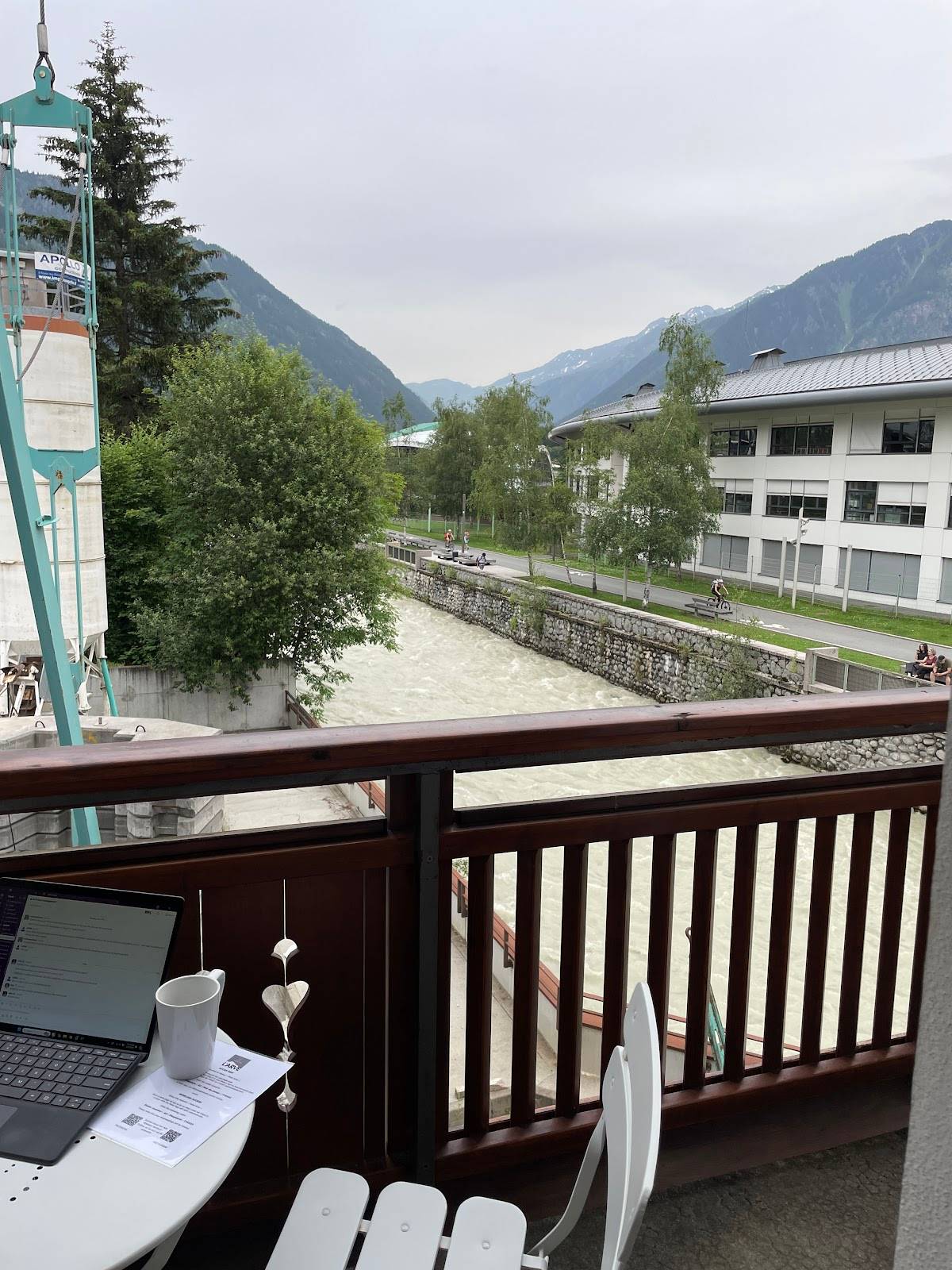
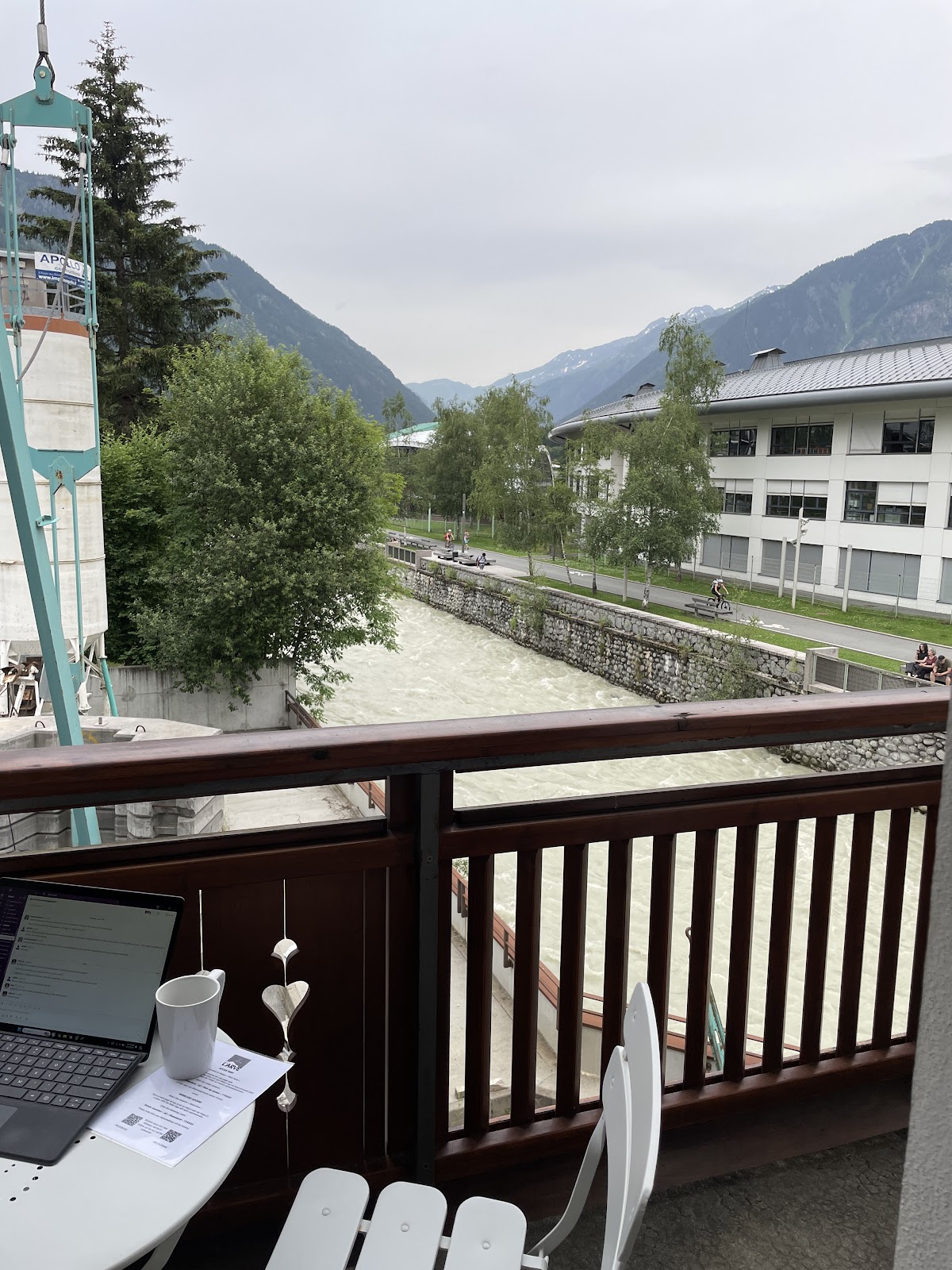
Summer in Chamonix-Mont-Blanc feels like a different place entirely. The snow melts off the lower slopes by June, revealing high-altitude hiking, glacier crossings, and the famous Ultra-Trail du Mont-Blanc running right through town in late August. The valley fills with trail runners, climbers, mountain bikers, and hikers; days are long (nearly 16 hours of daylight), the weather is mostly stable, and the town pulses with energy. Remotely, you can work from a café in the morning, hit a 2,000-meter elevation gain hike in the afternoon, and still make evening code reviews. The nomad season is brief (June to mid-September) but intense.
Demographics & Government
| Country | France |
| Population | ~9,000 (Chamonix town proper); 30,000+ with valley villages |
| Government | Unitary semi-presidential republic; regional council (Auvergne-Rhône-Alpes) |
| Religious mix | ~60% Catholic, ~20% Muslim, ~20% secular/other (regional estimate) |
| Time zone | CEST (UTC+2) summer; CET (UTC+1) winter (DST observed) |
| Plug type | Type C and Type E (230V / 50Hz) |
| Drive side | Right |
| Tap water safe? | Yes, pure Alpine spring water |
| Free WiFi? | Widely available in town cafés, hotels, and coworking |
| Best time to visit | June to early September (15 to 22°C daytime, stable weather, long days) |
| Emergency numbers | 112 (general / EU-wide), 15 (medical / SAMU), 17 (police), 18 (fire) |
| Currency | Euro (EUR); summer pricing higher than winter (~15% premium mid-July to mid-August) |
Overview & Vibe
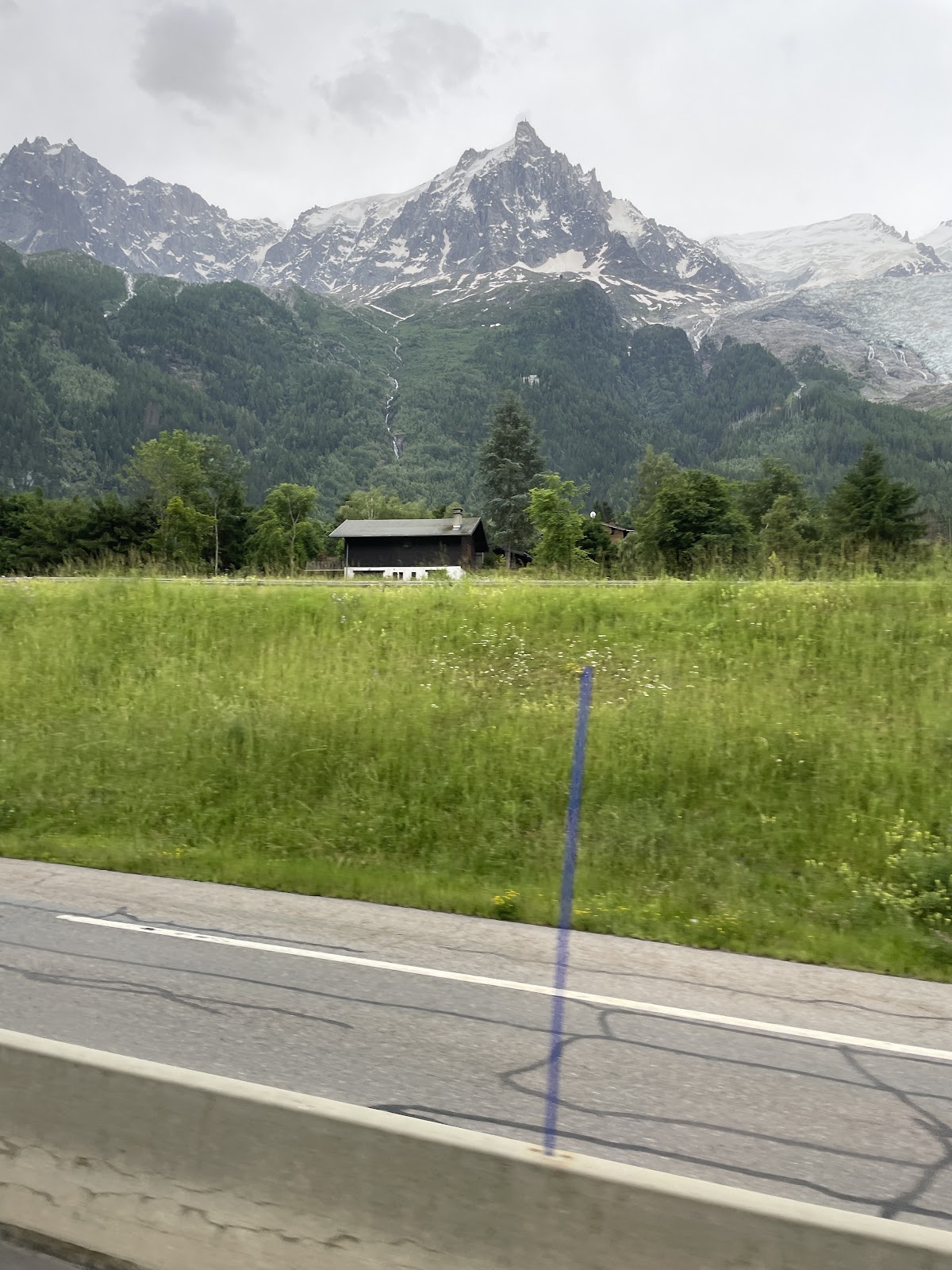
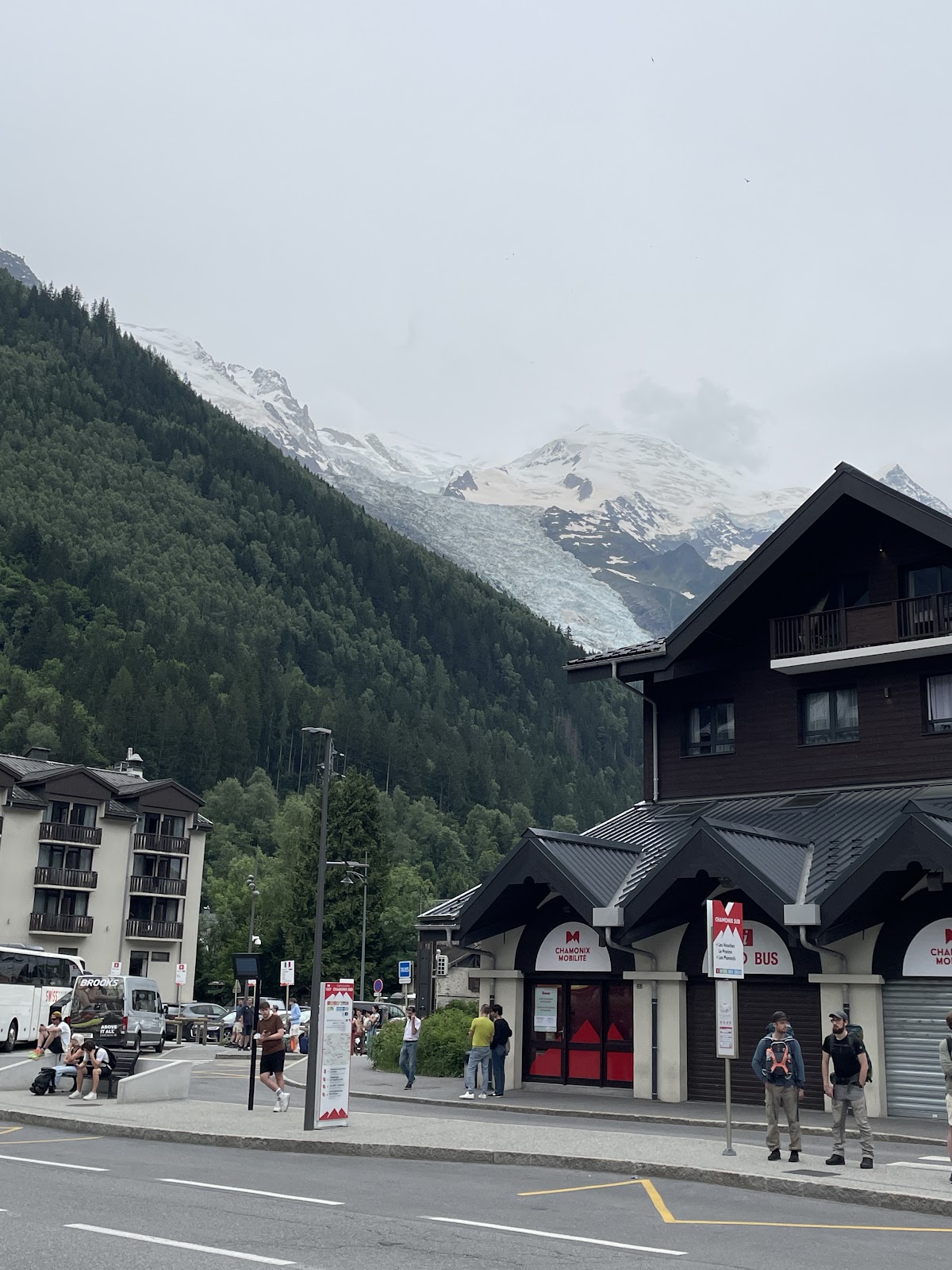
Chamonix-Mont-Blanc in summer is a hub for Alpine athletics. The valley town center (Chamonix Sud, Les Praz) teams with climbers fixing ropes, trail runners on mid-week bashes, and mountain bikers shuttling down dirt. Argentière (7 km north) offers a quieter base with equal access to trails. Le Tour, Servoz, and Les Bossons are sleepy outlier villages. The landscape is fully green and exposed: glaciers shrink and séracs collapse daily, trails open daily as the snowline recedes, and the town's energy is decidedly athletic rather than après-ski. Good for serious hikers, climbers, trail runners, mountain bikers, and nomads who can work mornings and move mountains in the afternoon.
A Brief History
Written records of the Chamonix valley go back to 1091, when the Count of the Genevois granted it to a Benedictine abbey near Turin. Tourism took hold after 1741, when the Englishmen William Windham and Richard Pococke publicized their visit to the glaciers, and the Compagnie des Guides de Chamonix formed in 1821 as the world's oldest mountain guiding company. The Montenvers rack railway to the Mer de Glace opened in 1909, and the town hosted the first Winter Olympics in 1924. The Ultra-Trail du Mont-Blanc has finished in the town center every August since 2003.
Transportation
Chamonix is walkable, but summer trails and activities scatter across 40 kilometers of valley and high terrain. Planning transit is key.
- Drive on the right. Standard EU rules. Summer roads are clear; winter chains are unnecessary (though the road remains mountainous and demanding).
- Chamonix Bus (free with valley pass or €2/trip). Shuttles to trail heads, ski lift bases (now mountain biking hubs), and villages. Regular service June to September.
- Mont Blanc Express train. Hourly TER between Saint-Gervais and Vallorcine. €2.50 to 4 per segment. Scenic and slow.
- Chairlifts and cable cars. Most run daily June to September for hiking access. The Aiguille du Midi cable car stays open (3,842m views are exceptional in summer). Brévent, Flégère, Grands Montets, Le Tour, and Les Houches chairlifts deliver hikers to high terrain. Single rides ~€12 to 18; all-day lift pass ~€40 to 50.
- Geneva Airport (GVA). 1 hour by car via the Mont Blanc tunnel. AlpyBus shuttles €35 to 50. Train: 2 hours via Saint-Gervais.
- Rental car. Recommended if exploring the wider Savoie region (Annecy, Mont-Blanc side valleys). €40 to 60/day. Roads are excellent in summer.
Language, Customs & Etiquette
Summer brings international crowds. French is still the default; mountain trail culture has unwritten codes everyone follows.
- Greetings. "Bonjour" at any shop or cafe. "Merci" and "S'il vous plaît." Guides and lodge staff speak English; assume nothing in small family hotels.
- Trail etiquette. Uphill hikers have the right-of-way. Step aside when faster runners approach. Don't blast music on trails (rule of thumb: you should hear the mountain). Respect marked boundaries; staying on-trail is legally required in protected zones.
- Mountain hut customs. Book ahead; capacity is tight in peak season. Wipe boots vigorously. Leave your climbing gear tidy. Offer to wash dishes after meals. Don't demand special meals; eat what's cooked. Headlamps off before sunrise.
- Tipping. 5 to 10% in restaurants. Mountain huts don't expect tips but appreciate 2 to 5 EUR per night.
- Religious sites. The Église Saint-Michel in town is open to visitors in summer; cover shoulders and knees.
- Photography. Allowed everywhere. Ask climbers and other athletes before shooting them.
- Dress code. Technical outdoor wear is uniform. Smart casual is fine for evening dinners.
Safety & Security
Chamonix town is very safe. Glacier and high-altitude hazards dominate the real risk profile.
- Town crime. Minimal. Peak summer crowds (July to mid-August) bring some petty theft in tourist areas; keep bags secure.
- Glacier danger. Crevasse fields are heavily traveled in July to August. Every year, 2 to 5 people die falling into crevasses here. Rope up. Hire a guide. Non-negotiable. Crossing the Mer de Glace or climbing Mont Blanc without a guide is foolish and illegal in many zones.
- Altitude and weather. Above 2,500m, afternoon thunderstorms pop up (10 to 15 minutes' notice). Descent immediately if lightning threatens. Hypothermia and exhaustion kill people on warm-looking days.
- Trail crowding. Popular trails like Lac Blanc and Mont-Blanc-du-Tacul see 500+ people daily in August. Early starts are essential.
- Mountain rescue. PGHM operates 24/7. Helicopter rescue costs €2,000 to 5,000; ensure your travel insurance covers it (critical).
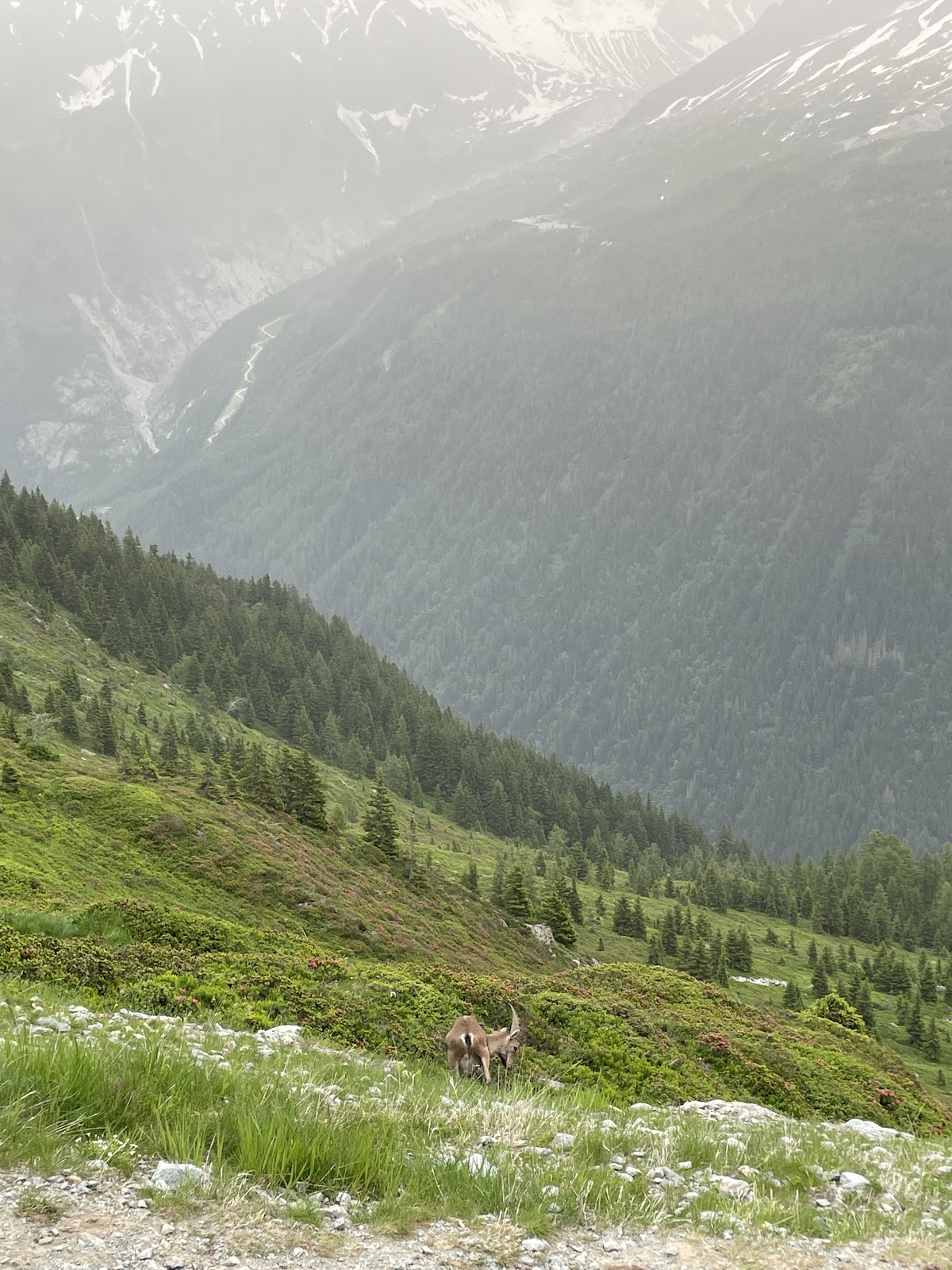
- Wildlife. Marmots (harmless, cute). Chamois (avoid during fawning season, May to June). No bears or wolves locally.
- LGBTQ+. France has strong legal protections. Chamonix is cosmopolitan; no safety concerns.
- Female solo travelers. Safe in town and on popular group hikes. Avoid solo backcountry outings; hire a guide or join a group. Standard urban precautions apply.
Weather & Climate
Alpine summer is brief, brilliant, and changeable. Weather can shift from sunny to thunderstorm in 30 minutes.
| Month | Avg High | Avg Low | Notes |
|---|---|---|---|
| June | 17°C / 63°F | 8°C / 46°F | Snowline receding, trails opening, fewer crowds, cooler |
| July | 20°C / 68°F | 10°C / 50°F | Warmest month, peak crowds (Jul 1 to 31), afternoon storms common |
| August | 20°C / 68°F | 10°C / 50°F | UTMB late August (27th), peak season, very crowded, schools on break |
| September | 16°C / 61°F | 7°C / 45°F | Quieter, crisp mornings, stable weather, shorter days, best month for nomads |
What to pack for summer. Lightweight base layers and a technical shirt. Windproof shell jacket (storms and altitude). Trail shoes or hiking boots with good ankle support. Hat and sunscreen (15+ SPF; Alpine sun is intense). Layers, even in July; temperature drops ~6°C per 1,000m of elevation. A small pack (20L) for daily hikes. Crampons, harness, and rope if climbing or glacier trekking. Rain gear is essential.
Logistics & Practical Info
Summer logistics are straightforward, but the mountains demand respect and preparation.
- Currency. Euro (EUR). Card and cash widely accepted in town; cash preferred at mountain huts and smaller villages.
- Chairlift and trail access. All-day lift pass (covers Brévent, Flégère, Grands Montets, Le Tour, Les Houches) ~€40 to 50. Most lifts run 8am, 5pm June to September. Book online for discounts.
- Guided services. IFMGA-certified guides (Compagnie des Guides de Chamonix) cost €300 to 500/day for 2 to 4 people. Climbing courses (via ferrata, glacier, Alpine rock) €400 to 700/day. Book weeks ahead for July to August.
- Mountain hut stays. €40 to 80/night with half-board (dinner, breakfast, packed lunch). Book by June if targeting July to August. Popular huts fill weeks ahead.
- SIM cards. Orange, SFR, Bouygues at tourist office or supermarket. €20 to 40 for 20 to 50 GB over 7 to 30 days.
- Tap water. Safe everywhere; sourced from Alpine springs and glacial melt. Carry a refillable bottle.
- Free WiFi. Good in town. Weak or absent above 2,000m. Hotels and cafés provide access (sometimes password-protected).
- Money apps. Revolut and Wise handle EUR cleanly.
- DST. Last Sunday in March (forward) and last Sunday in October (back). Summer is UTC+2 (CEST).
Attractions & Activities
Summer in Chamonix is an action menu. You can combine multiple activities daily if fit.
- Aiguille du Midi (Wikipedia) cable car and Pas dans le Vide, Europe's highest cable car at 3,842m with a glass walkway ("Step in the Void") extending over a 1,000m drop. On clear days (50% of summer), views span from Mont Blanc to the Gran Paradiso 50 km away. Weather can close the lift; go on the first clear morning. 1 hour round-trip, €60 to 65 round-trip. Bring layers; it's freezing at the summit even in July.
- Mer de Glace (Wikipedia) (Sea of Ice) via Montenvers train, Europe's second-longest glacier, accessible by vintage rack railway (20 min from town, €33 round-trip). The glacier is navigable in summer via guided crossing (crampons, harness, and guide required) or visitable via the train and marked paths along the glacier. A museum inside an ice cave, a café on the glacier, and surreal blue-ice tunnels. Popular but touristy and crowded; go early.
- Tour du Mont Blanc (Wikipedia) (TMB), The 170 km, 10-day circumnavigation of Mont Blanc is the most famous Alpine trek. Starts and ends in Chamonix. Daily elevation gain is 1,200 to 1,500m. Book mountain hut stays by May. Expect 150+ hikers per day in July to August on main sections. Trail is well-marked, mostly on marked paths, with prepared hut meals. Accessible to fit hikers with mountain experience. Cost: ~€600 to 800 for hut accommodation + food (budget €50 to 100/night).
- Lac Blanc trail, A 2-hour hike from the Brévent chairlift base to a jewel lake at 2,352m with a direct Mont Blanc view. Very popular (500+ hikers daily in August). Start before 7am to avoid crowds and afternoon storms. Elevation gain: ~600m. One of the single best payoff-to-effort ratios in Chamonix.
- Vallée Blanche descent (summer version), In summer, the 20 km glacier run from the Aiguille du Midi down to the Mer de Glace is a technical glacier traversal, not a ski descent. Crevasse danger is real. Requires crampons, harness, rope, and a certified IFMGA guide (€350 to 450 for 2 to 3 people). Expect 4 to 6 hours and serious exposure. Unguided descent is illegal in many sectors; don't attempt it.
- Mont Blanc (Wikipedia) summit attempt, The 4,808m monarch is climbable in summer (June to September) for experienced mountaineers with solid fitness. The standard route is 2 days from the Goûter hut. Requires crampons, ice axe, harness, rope, and a guide (€800 to 1,500 for 2 days). Altitude sickness, weather, and falling seracs kill climbers every year; underestimate the mountain at your peril. Only for those with high-altitude or mountaineering experience.
- Trail running the Chamonix-Argentière valley base, The Chamonix Valley Trail runs 14 km from Chamonix to Argentière (mostly flat, 200m elevation gain) through forest and alongside the Arve River. Popular as a morning run or afternoon trot. Unmarked sections; start from the tourist office for directions. Good for clearing your head and training legs.
- Mountain biking Vallée Blanche descent (downhill version), A technical singletrack descent from Plan Praz (Brévent chairlift top) down to town. Loose, rocky, steep; best for confident riders. 45 minutes of descent. Other trails: the green loop at Les Houches, the Chamonix-Argentière trail for gravel bikes.
- Paragliding from Plan Praz, Tandem flights launch from Plan Praz (2,000m) with views of Mont Blanc and the entire valley. Float for 30 minutes, 1 hour depending on thermals. €100 to 150 per flight. Several operators in town (Chamonix Paragliding, Air Passion Chamonix). Book ahead in peak season.
- White-water rafting on the Arve River, A Class III, IV run cutting through the valley. Guide services offer 2 to 3 hour trips (€50 to 80). Beginner-friendly outfitters exist; ask at the tourist office. June to August only (water levels drop by September).
Festivals and major events
| Event | When |
|---|---|
| Cosmojazz Festival (music in Chamonix Old Town) | Mid-July (2 to 3 weeks) |
| Bastille Day (July 14, fireworks, parades) | July 14 |
| Ultra-Trail du Mont-Blanc (UTMB), 170 km sky race | Late August (typically Aug 25 to 27) |
| Trail des Aiguilles Rouges (marathon sky run) | August (or September depending on year) |
| Chamonix-Argentière ultramarathon and sky race series | Throughout summer (various dates) |
Must-try local dishes
Alpine summer fare blends mountain traditions with fresh produce from Chamonix's market.
- Fondue and raclette, Still soul-warming in summer. Shared meals over melted cheese. Pairs with white wine or apple cider.
- Tartiflette and croziflette, Potato and cheese gratins. Lighter and more frequent in summer menus than winter.
- Reblochon cheese, Creamy AOC cheese from the valley. Eat as a standalone course or melted over hot potatoes. €25 to 40 for a small wheel.
- Beaufort cheese, Nutty, aged Alpine cheese from Savoie. Sold at markets and fromageries. Perfect with crusty bread and a local wine.
- Salade niçoise or salade de montagne, Fresh mixed greens, tomatoes, eggs, and local charcuterie. Light summer fare.
- Génépi, Herbal digestif made from Alpine plants. Sip neat or mixed with hot water. Unique to the region.
- Fresh trout and grayling, Caught locally from mountain streams. Served grilled or en papillote (in parchment) at mountain restaurants.
- Farmers market produce, Chamonix's weekly market (Thursdays and Saturdays, town square) stocks berries, vegetables, and honey from local producers.
Souvenirs that aren't junk
- Real génépi bottle, From local distilleries (not supermarket versions). Génépi de Jean-Claude Tarin or Génépi de Savoie. €30 to 60.
- Fresh or aged Beaufort or Reblochon cheese, Buy from a fromagerie or Saturday market. Wedges travel if wrapped carefully; small wheels can be shipped. €20 to 60.
- Alpine wildflower honey, From beekeepers at the summer market. Real, single-varietal, delicious. €10 to 20 for a jar.
- Hand-knit wool sweater or socks, Local artisans in Argentière and Chamonix sell traditional patterns. Functional and lasting. €60 to 150.
- Climbing or mountaineering gear, Carabiners, slings, harnesses hand-made by local craftspeople. Snell Sports carries curated gear. €50 to 300+ depending on item.
- Regional topographic maps and guides, From the tourist office or climbing shops. Practical and tied to your experience.
- Ardeche chestnuts or chestnut products, From regional producers. Unique to the broader Auvergne-Rhône-Alpes area but sold in Chamonix markets.
Health & Medical
Chamonix has basic medical infrastructure; serious injuries require helicopter evacuation.
- Hôpital de Chamonix, Small 40-bed facility on Rue de Maladière. Handles acute care, stitches, and stabilization. No major surgery capacity. Serious injuries or trauma fly to Lyon (1 hour by helicopter).
- Telemedicine. Good cellular coverage in town; fast online consultations via Doctolib or Maydocs (~€30 to 50).
- Pharmacies. Several in town center. Pharmacists can dispense and advise on minor ailments (blisters, sunburn, altitude sickness) without a doctor.
- Mountain rescue insurance. Critical. Ensure your travel insurance covers heli-rescue (€2,000 to 5,000 per call). Many standard policies cap this inadequately; upgrade.
- Altitude sickness. Affects 20 to 30% of visitors above 2,500m. Acetazolamide (Diamox) helps; get it prescribed in France or bring it from home.
- Hypothermia and heat exhaustion. Real risks even in summer. Layers, turnarounds before dark, and water discipline are non-negotiable.
- Blister prevention. Hiking 1,000+ meters elevation gain daily with poor-fitting boots is a recipe for infection. Proper footwear and immediate care matter.
- Tap water. Safe everywhere; excellent quality.
- Tick-borne encephalitis. Present in forested areas above 800m (April to October). Vaccination recommended for hikers doing a lot of time in the woods.
Legal & Substances
- Marijuana. Illegal in France. Possession is a €200 on-the-spot fine (first offense) or €3,750 + 1 year imprisonment if prosecuted.
- Alcohol. Legal from age 18. Public drinking is generally tolerated; excessive intoxication gets you removed from huts and lifts.
- Smoking. Banned indoors in restaurants and bars. Allowed on patios and outside.
- Mountain hut rules. Many prohibit alcohol above certain elevations (mountaineering ethics). Follow posted signs.
Customs & Shopping
- Tax-free shopping. Non-EU residents can claim VAT (20%) on purchases over €100.01 at departure. Keep receipts; claim at airport tax-free counter within 3 months.
- Cash declaration. Anything over €10,000 leaving the EU must be declared.
- Souvenir restrictions. No protected wildlife products. Antiques over 50 years old need export authorization (rare for mountain souvenirs).
Accessibility & Inclusion
Chamonix town is partially walkable in summer, but Alpine terrain limits accessibility for mobility-impaired travelers.
- Wheelchair accessibility in town. Chamonix's main street (Rue du Docteur Paccard) has sidewalks; some ramps exist. Call ahead to hotels and restaurants about stairs and layouts.
- Ski/chairlift accessibility. The Brévent and Flégère chairlifts are low-floor and mostly accessible. Plan ahead with lift operators.
- Hiking accessibility. Marked trails near town (Lac Blanc lower sections, gentle forest walks) are doable with accessible gear. High-altitude and glacier trekking are not wheelchair-accessible.
- Public transport. Buses are low-floor and mostly accessible. The train station has ramps. Cable cars have tight queues in peak season.
Chamonix in Winter: What to Do
Winter in Chamonix means a steep choice: you're here to ski, climb, or snowshoe. The season is short (December to mid-April); commitment matters.
- Aiguille du Midi (Wikipedia) cable car, At 3,842 meters, Europe's highest cable car. On clear days (30 to 40% of winter), views of Mont Blanc and the surrounding 4,000+ meter peaks are unforgettable. Weather closures hit hard; go on the first clear day. Ice tunnel and viewing platform. 1 hour from town, ~€65 round-trip. Bring crampons and harness if planning Vallée Blanche descent.
- Vallée Blanche off-piste descent, The most famous off-piste run in the Alps: 20 kilometers of glacier skiing from the Aiguille du Midi plateau down to the Mer de Glace and the valley. Requires a certified guide (€300 to 400/day for 2 to 3 people), strong skiing ability, and crampons. Crevasse risk is real; do not skip the guide. Book weeks ahead in peak season.
- Brévent-Flégère domain, Two linked mountains on the west side of the valley. Brévent (2,525m) has a cable car from town; Flégère (2,042m) is the sister peak. Terrain ranges from beginner to advanced. Sunsets from Brévent are famous. Cable car + chairlift day pass ~€55.
- Grands Montets domain, North face of the Chaîne des Montets at Argentière (12 km north). The steepest terrain in Chamonix; strong skiers and boarders dominate. Glacier skiing above 3,000m year-round (when weather allows). Technical and exposed. Day pass ~€60.
- Le Tour and Balme domain, The furthest north; a small, mellow resort favored by families and intermediate skiers. Connects to Switzerland (Vallorcine on the Swiss side). Cheaper than other domains and less crowded. Day pass ~€45.
- Les Houches (Wikipedia) domain, South of town, accessible by train or car. Lower elevation (1,000 to 2,000m) means warmer and sometimes less snow. Good on icy days for gentler runs. Day pass ~€50.
- Mer de Glace (Wikipedia) (Sea of Ice), Europe's second-largest glacier. Accessible via the Montenvers rack railway from the town center (20 min, €33 round-trip). In winter, the glacier is frozen solid and visitable; a museum inside the ice, marked trails, and a café on the glacier. Popular but touristy. Cold, wind-whipped, stunning.
- Ice climbing on the Cascade de Glace, Frozen waterfalls throughout the valley become climbable in midwinter. Most are accessed via guides or climbing groups. Expect to pay €80 to 150 for a group session or €300 to 400 for private guiding. Beginner-friendly options exist; book through a guide outfit.
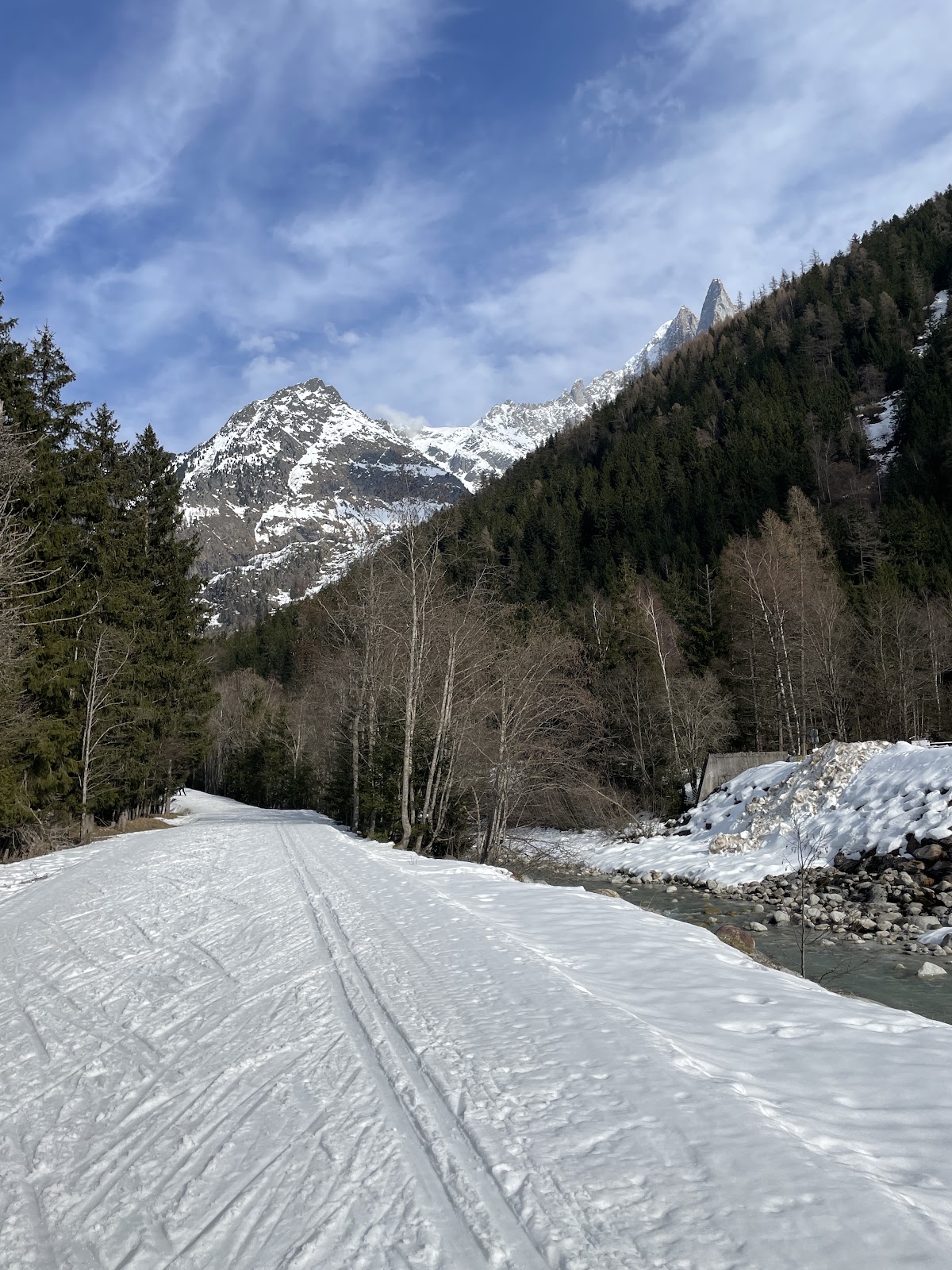
- Snowshoeing and winter hiking, Marked trails up into the forest above town (Prarion, Brevent base, Mer de Glace trails). Easy 2 to 4 hour round-trips offer views and peace from the ski crowds. Snowshoes (~€10/day rental) from guide shops.
- Mont Blanc (Wikipedia) summit attempt, The monarch of the Alps at 4,808m. Winter ascents are serious mountaineering (not trekking). Required: crampons, ice axe, rope, harness, technical climbing shoes, and a certified guide (€800 to 1,500 for 2 days). Typical ascent is 2 days; altitude sickness and weather kill climbers every year. June to September is the easier season; winter ascents add ice and cold. Only for experienced mountaineers.
Festivals and major events
| Event | When |
|---|---|
| Chamonix Unlimited Festival (ski/climbing film festival) | November (pre-season) |
| Christmas celebrations and torch-lit ski descent | December 24 (Chamonix Sud at dusk) |
| Kandahar World Cup Downhill (when held) | February or March (varies; not every year) |
| Pierra Menta ski-mountaineering race (regional) | March or April |
| End-of-season apres-ski parties | April (before lifts close) |
Must-try local dishes
Alpine mountain cuisine is hearty, cheese-heavy, and built for cold weather. Many dishes are shared across Savoie and Haute-Savoie (the two departments of Chamonix).
- Fondue savoyarde, Melted Beaufort, Tarentaise, and Reblochon cheese with white wine and kirsch. Bread cubes for dipping. The soul of mountain dinners. Pairs with Savoyard white wine or apple cider. In town, Le Monchu on Rue du Lyret is a reliable place to have it, with solid service and a location just off the main street.
- Raclette, Creamy melted cheese (Raclette de Savoie AOC) scraped onto your plate, served with potatoes, charcuterie, and pickled vegetables. Warming and social.
- Tartiflette, Sliced potatoes, onions, lardons (bacon), and melted Reblochon baked in a gratin. Comfort food. Found in every mountain restaurant.
- Croziflette, The lighter cousin: crozets (small buckwheat dumplings from the region) mixed with cheese, potatoes, and mushrooms. Easier on the stomach than tartiflette after a heavy skiing day.
- Génépi, A green herbal liqueur made from Alpine plants. Digestif after dinner; sip it neat or in hot water. Sold in every tourist shop; homemade versions are superior (harder to find).
- Vin chaud, Hot mulled wine with spices, cinnamon, and citrus. Standard at mountain hut bars and apres-ski joints.
- Reblochon cheese, Protected AOC. Creamy, rich, nutty. Eat it as a course by itself or melted into a hot potato.
Souvenirs that aren't junk
- Génépi bottle, The real deal from local distilleries (not supermarket knock-offs). Génépi de Jean-Claude Tarin or other Chamonix producers. €30 to 60.
- Beaufort cheese wheel, If you're serious about cheese, buy a small wedge from a fromagerie and pack it carefully. AOC guaranteed. ~€25 to 40 for 500g.
- Hand-knit Alpine wool sweater, Local knitters in Argentière and Chamonix sell custom pullovers with traditional patterns. €80 to 150. Functional and authentic.
- Climbing or ski gear from local makers, Snell Sports (Chamonix) and local guide shops stock hand-stitched harnesses, ice tools, and avalanche beacons. Expensive but durable and tied to the place.
- Chamonix guide map and topographic guides, From the tourist office or guide shops. Handy reference and proof you were here.
- Local honey and jam, From mountain hut gift shops. Real wildflower honey from high-altitude beekeeping.
Digital Nomad Corner
Chamonix works as a summer nomad base if you prioritize activity. Internet is solid; nomad logistics are tighter than a city.
- Internet. Fiber is widespread in town; 300 to 500 Mbps standard. Mobile data is reliable on Orange and SFR. Weaker above 2,000m.
- Coworking. ClubChamonix (Place de l'Église) is the main space; €25/day, €150/week. Several hotels and cafés are laptop-friendly (confirm with owner).
- Cafés and coworking hours. Most expect a €6 to 12 purchase per 2 to 4 hours. Popular: Le Refuge (Rue du Docteur Paccard), Chamois Bleu, La Maison Vielle.
- Long-stay visa. France's Talent Passport or long-stay visitor visa apply for remote workers. Digital nomad visas are not explicitly called out but remote work from France is legal if you're self-employed or employed outside France.
- Cost of living. Summer in Chamonix is expensive. Budget €2,500 to 4,500/month for a nomad (€900 to 1,500 rent for a small apartment, €15 to 28/meal, €50 to 70 daily activity costs). July to mid-August prices spike 30 to 50%. Argentière is 20 to 30% cheaper.
- Visa requirements. EU citizens: no restrictions. Non-EU: short-stay visa (Schengen, 90 days) or apply for long-stay (Talent Passport, €90 to 270).
- Nomad community. Tight, outdoorsy, and project-focused. Find climbing and running partners through guide shops, Mountain Outfitters, or Chamonix's trail-running clubs. Coworking provides some networking, but the town's social core is activity-based.
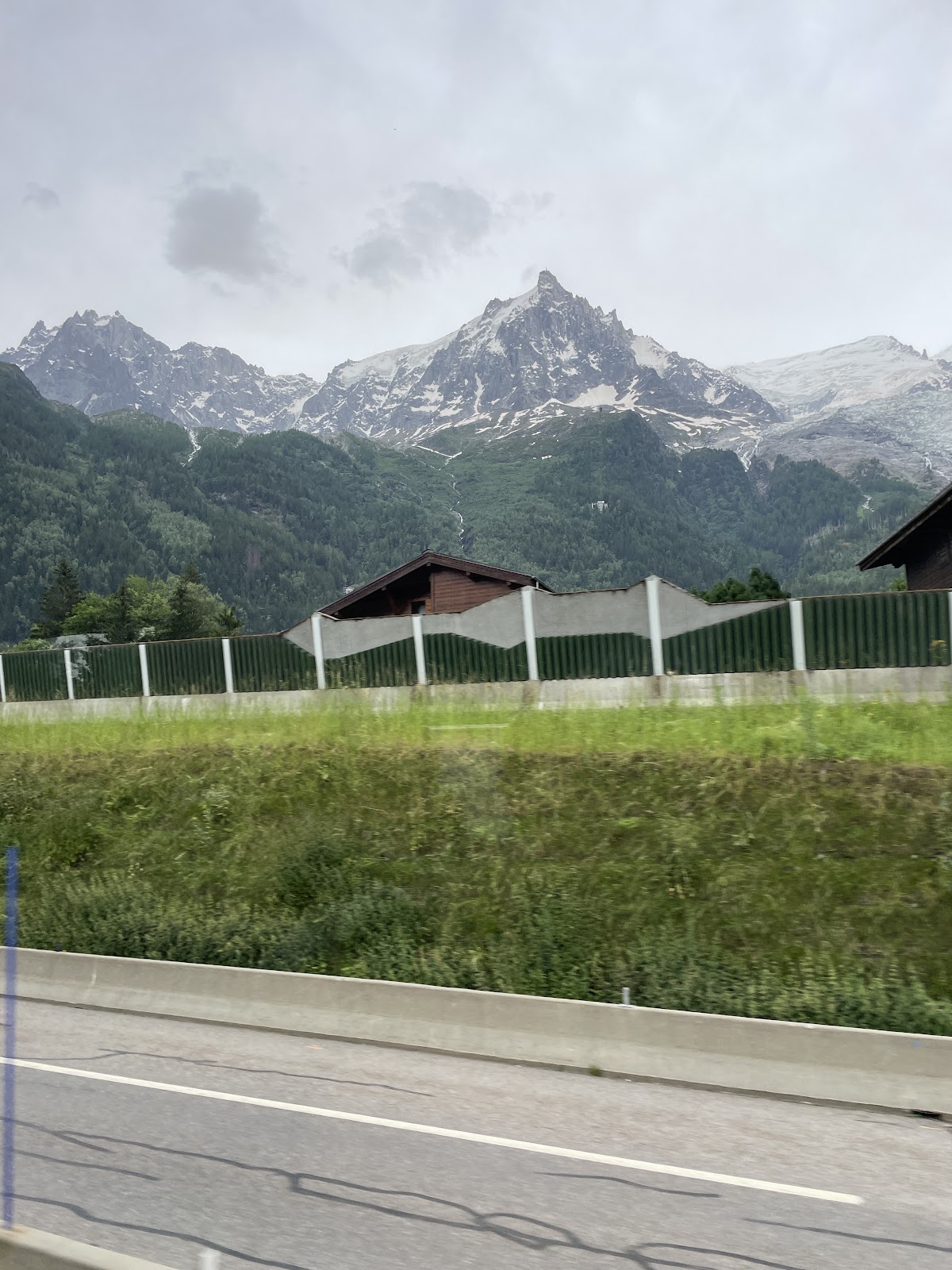
Summer in Chamonix-Mont-Blanc is a narrow window for those who love mountains and altitude. Crowds in July and August are relentless; early June and September offer the same mountains with solitude. The weather is fickle, afternoon thunderstorms are daily reminders of the Alps' power, and the people you meet are universally driven and capable. Work in the morning, climb in the afternoon, eat cheese in the evening. The season closes in September; the mountains don't care when you leave.
Where I Stayed
I stayed at Appartement Le 7, an Airbnb apartment at 88 Rue du Lyret in central Chamonix, and also at Les Hauts De Saint Gervais in nearby Saint-Gervais-les-Bains. Both give fast access to the Aiguille du Midi and the Mont Blanc Express. The Chamonix apartment puts you a short walk from the main pedestrian strip and the cable car terminals. View Appartement Le 7 on Google Maps. If you would rather book a hotel, Hôtel de L'Arve by HappyCulture is a few minutes on foot from the pedestrian center. And if you base yourself in Saint-Gervais, Aux petits gourmands on Avenue du Mont d'Arbois is a lovely bakery stop, with great pastries and friendly service.
Keep planning: Paris: The City of Light, Acadia National Park Guide: Maine's Coastal Peaks and Aceh, Indonesia: A Practical Travel Guide.