Paris: The City of Light
Nomad Toolkit
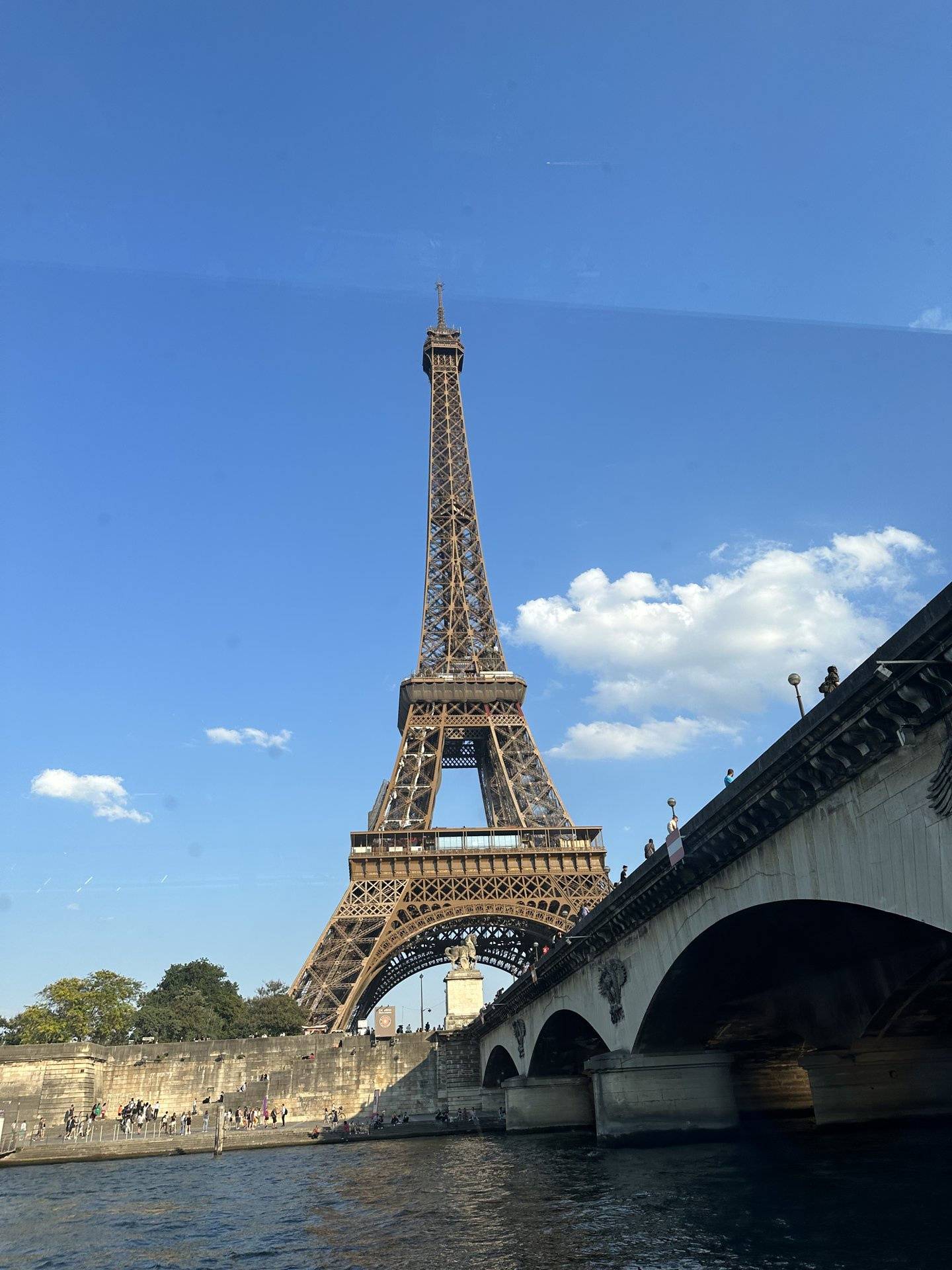
Paris earns its reputation by quietly delivering on every cliché. The Eiffel Tower really does light up at night, the cafés really do let you nurse one espresso for an hour, and the Métro really does take you everywhere for a single flat fare. This guide is the practical version: the data you need to plan a trip, the customs to know before you land, and the working-from-anywhere details for a longer stay.
Demographics & Government
| Region / Country | Île-de-France, France |
| Population | ~12.3 million (region), ~2.1 million (Paris proper) |
| Government | Unitary semi-presidential republic; regional council (209 members) |
| Religious mix | No state religion (laïcité); ~50% Catholic, ~15-20% Muslim, mixed |
| Time zone | CET (UTC+1) winter, CEST (UTC+2) summer; DST observed |
| Plug type | Type C and Type E (230V / 50Hz) |
| Drive side | Right |
| Tap water safe? | Yes, treated to strict EU standards, tested daily |
| Free WiFi? | Limited; ~260 Paris Wi-Fi hotspots, museum/library coverage, café purchase usually expected |
| Best time to visit | May–June or September (15–25°C, lower rain, fewer crowds) |
| Emergency numbers | 112 (general / EU-wide), 15 (medical / SAMU), 17 (police), 18 (fire) |
| Currency | Euro (EUR) |
Overview & Vibe
Paris pulls in more than 30 million international visitors a year, with another 20 million going to surrounding Île-de-France attractions like Versailles and Disneyland Paris. What keeps drawing them is the density: world-class museums, haute cuisine, a metro you can use without thinking, and walkable neighborhoods that each have a different personality. The Marais for boutiques and bistros, Saint-Germain for bookshops and cafés, Montmartre for hilltop views, Belleville for the after-dark scene. Good for foodies, art lovers, slow travelers, and remote workers who want a long-stay base with rail connections to the rest of Europe.
A Brief History
The Parisii, a Gaulish tribe, settled the banks of the Seine between 250 and 225 BC, minting coins and trading with other river towns until a Roman army defeated them in 52 BC and built the garrison town of Lutetia in their place. Clovis I, King of the Franks, made Paris his capital in 508, and during the Middle Ages it grew into the largest city in Europe. The center you walk today is mostly a 19th-century creation: the city was rebuilt between 1852 and 1870 with the wide avenues and parks that define it now, expanded to its present limits in 1860, and crowned by the Eiffel Tower in 1889.
Transportation
Paris runs Europe's second-busiest metro system. The integrated network (16 metro lines, 5 RER commuter lines, 8 tram lines, 1,500+ bus routes) carries about 3 billion passengers a year. A few practical points:
- Drive on the right. France switched in 1792.
- Public transport over rental car. A Navigo monthly pass covers all zones for around €84. Daily parking in Paris runs €20–50, and most travelers never need a car unless they're going beyond the region.
- Ride-share is widely available. Uber, Bolt, FreeNow, and Heetch all operate. Typical central Paris fare is €8–25; airport rides are around €50–55 if you take a regulated taxi.
- Cycling infrastructure is real. Over 1,000 km of bike lanes, plus Vélib' bike share with about 20,000 bikes.
- Renting a car? A home-country license works for stays under one year. Minimum age is 21–25, and you'll usually need to have held the license at least one year. International Driving Permit is recommended but not required for EU/EEA licenses.
Language, Customs & Etiquette
Parisians have a reputation for being prickly that's mostly about strangers skipping the greeting. Open every interaction with "Bonjour" (or "Bonsoir" after about 6 PM) before you ask for anything. That one habit changes the whole tone of your trip.
- Greetings. "Bonjour" by day, "Bonsoir" after 6 PM, "Salut" for friends. La bise (cheek kisses, usually two) for acquaintances; handshake at work.
- Dining. Hands on the table (not elbows). "Bon appétit" before eating. Meals run 1–2 hours; dinner starts around 8–9 PM. Splitting bills evenly is normal; itemized splits are not.
- Bargaining. Almost never in Paris. Fixed prices at food markets and brocantes. Maybe 5–10% off at Marché aux Puces de Saint-Ouen if you're buying multiple items.
- Religious sites. Cover shoulders and knees at Notre-Dame, Sacré-Cœur, and most Catholic churches. Modest dress and headscarf at the Grande Mosquée de Paris.
- PDA. Holding hands and kissing in public are common and accepted. About 80% of Parisians are comfortable with casual displays.
- Avoid. Pointing with the index finger (use an open hand). Loud phone calls in restaurants or the métro. Asking about salaries or housing costs.
- Photography. No flash inside most museums; some interiors (the Louvre, Versailles palace) restrict photos entirely. Check signs.
- Local laws. Commercial signs must be in French. No eating or drinking on the Paris Metro (€150 fine).
Safety & Security
Paris is generally safe for tourists. Violent crime against visitors is rare. Petty theft is the main thing to plan around.
- Pickpocketing clusters on Metro lines 1 and 4, around the Eiffel Tower and Louvre, and at major train stations. Keep cards and phone in front pockets or zipped bags.
- Common scams: petition signers near attractions (a distraction tactic), the "gold ring" find along the Seine, ATM skimming, and unregulated taxis from airports overcharging.
- Solo female travelers generally do well. Avoid poorly lit Metro stations late at night, particularly Lines 2, 4, and RER B. Anti-harassment hotline is 3919.
- LGBTQ+ friendly. Same-sex marriage since 2013, strong legal protections. Paris hosts annual Pride drawing 700,000+ participants. The Marais is the historic gay neighborhood.
- Race / ethnicity. Strong anti-discrimination laws are on the books, though about 30–40% of minority residents report having experienced discrimination, particularly in employment and housing.
Weather & Climate
Temperate oceanic climate. Mild winters, warm summers, and rain spread fairly evenly across the year (about 110–120 rainy days, ~600–650mm total).
| Month | Avg High | Avg Low | Rainy Days |
|---|---|---|---|
| January | 7°C | 2°C | 10–12 |
| February | 8°C | 2°C | 10–12 |
| March | 12°C | 4°C | 10–12 |
| April | 16°C | 7°C | 10–12 |
| May | 20°C | 11°C | 12–15 |
| June | 23°C | 14°C | 12–15 |
| July | 25°C | 15°C | 10–12 |
| August | 25°C | 15°C | 10–12 |
| September | 21°C | 12°C | 10–12 |
| October | 16°C | 9°C | 12–15 |
| November | 11°C | 5°C | 12–15 |
| December | 8°C | 3°C | 12–15 |
What to pack. Layers year-round. Light jacket and rain shell always. Warm coat and scarf November–March. Breathable summer clothes plus an evening sweater for café terraces.
Logistics & Practical Info
- Tap water is safe and good. Tested 200+ points daily, exceeds EU standards.
- WiFi. Paris Wi-Fi runs ~260 free hotspots in parks, libraries, and museums. Most cafés expect a purchase. Coverage gets thin outside central Paris.
- Tourist SIMs. Orange, SFR, Bouygues, and Free sell prepaid SIMs at CDG and Orly airports, FNAC, and tobacco shops. Expect €15–40 for 20–100 GB valid 7–30 days. Free Mobile is the cheapest at €10–20/month with up to 210 GB and no contract.
- Internet censorship. Minimal. No major platforms blocked. Government can order takedowns for terror, child-exploitation, or copyright content.
- DST. Yes. Clocks shift the last Sunday of March and October.
Attractions & Activities
Paris has the densest concentration of worth visiting attractions in Europe, and most of them are walkable from each other along the Seine. The headliners pull most travelers, and they earn the visits. Beyond the marquee names, easy day trips out to châteaux, gardens, and one famously themed park round out the trip:
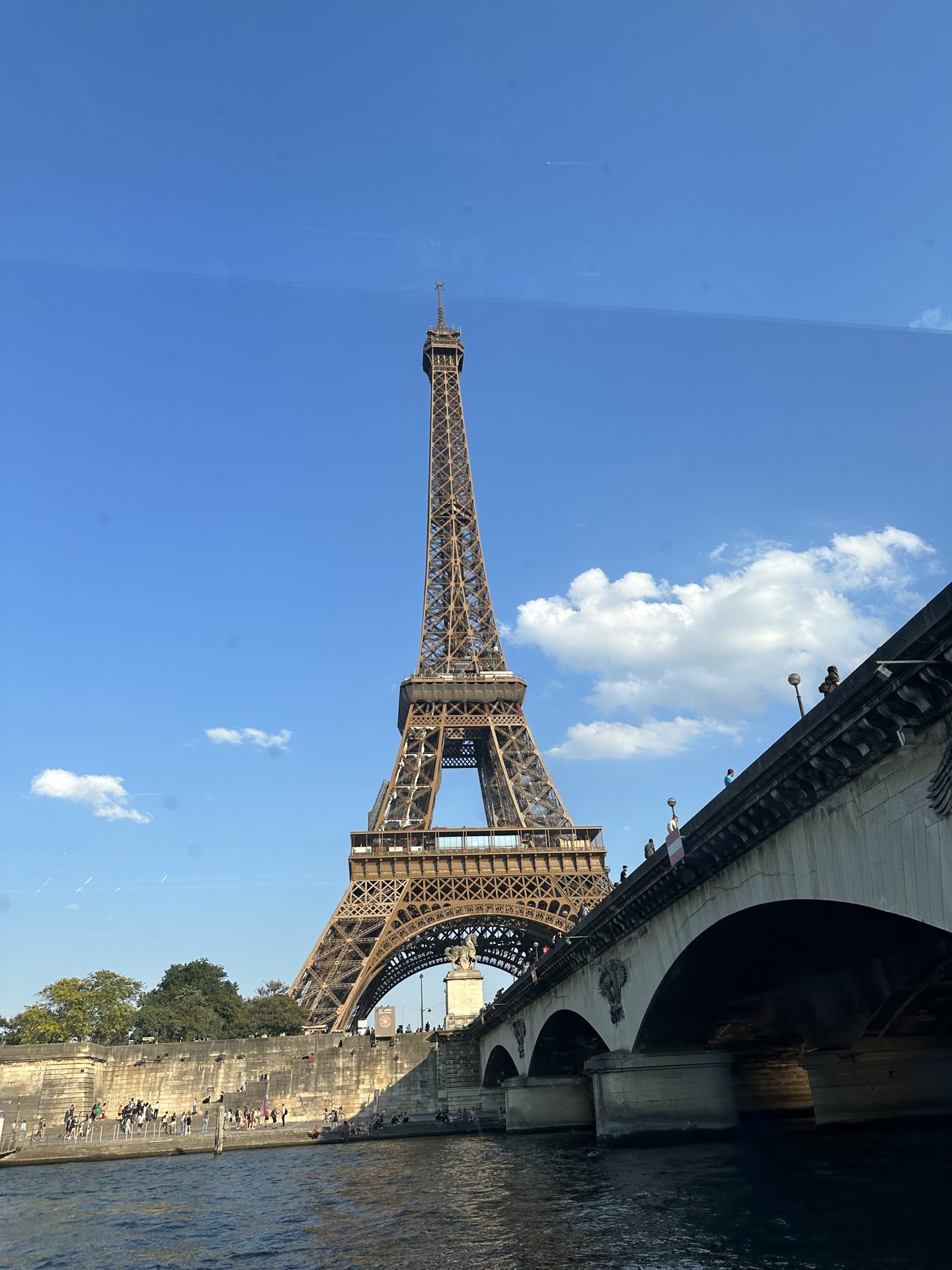
- Eiffel Tower (Wikipedia), about 7 million visitors a year. Book online; lines are long.
- Louvre Museum (Wikipedia), 9–10 million visitors. Plan a half day minimum.
- Palace of Versailles, 8 million visitors. RER C from central Paris.
- Notre-Dame Cathedral (Wikipedia), exterior visits, post-2019 reopening tours.
- Sacré-Cœur Basilica, Montmartre views, free to enter.
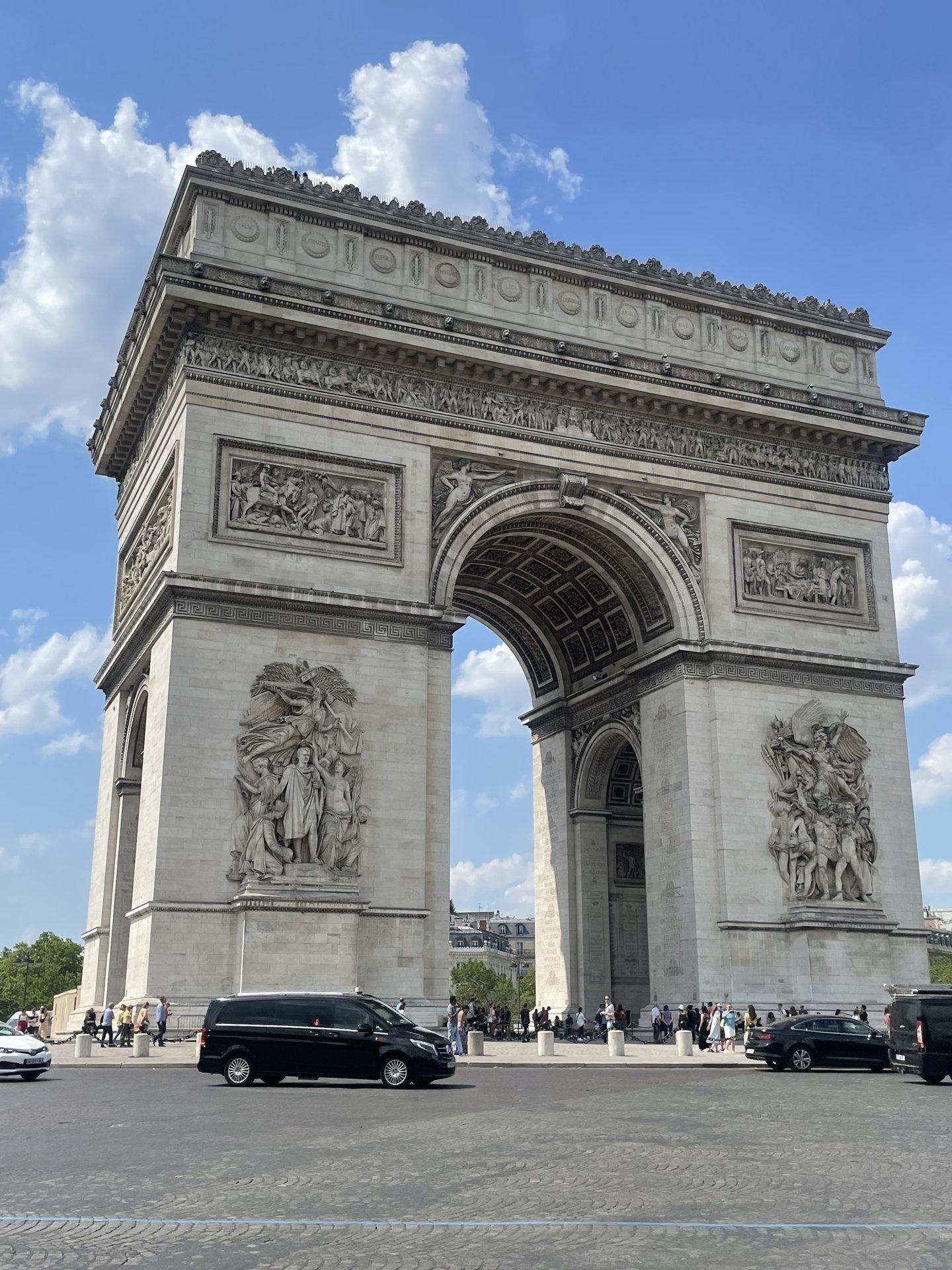
- Arc de Triomphe (Wikipedia), rooftop terrace with the straight-line view down the Champs-Élysées.
- Musée d'Orsay, Impressionists in a converted railway station.
- Centre Pompidou, modern and contemporary art.
- Sainte-Chapelle, stained glass that justifies its own trip.
- Disneyland Paris (Marne-la-Vallée), 15 million annual guests.
- Saint-Germain-en-Laye, Fontainebleau, Vaux-le-Vicomte, easy day trips for châteaux and gardens.
Festivals and major events
| Event | When |
|---|---|
| Paris Fashion Week | Late February/March and September/October (biannual) |
| Fête de la Musique | June 21 |
| Bastille Day (military parade on the Champs-Élysées) | July 14 |
| Tour de France final stage | Late July |
| Nuit Blanche (all-night arts festival) | First Saturday of October |
Must-try local dishes
Parisian cooking leans on butter, bread, cheese, and time. The strength is the basics done well: a fresh baguette from the right boulangerie, a bistro steak-frites, an aged cheese course, a glass of natural wine. The full classical repertoire (sole meunière, coq au vin, beef bourguignon) shows up in old-school brasseries; the new Paris food scene mixes that base with North African, Vietnamese, and Japanese influences from immigration.
- Brie de Meaux and brie de Melun, protected AOC cheeses since 1980.
- Parisian baguette, the 250g traditional version, UNESCO-listed in 2022.
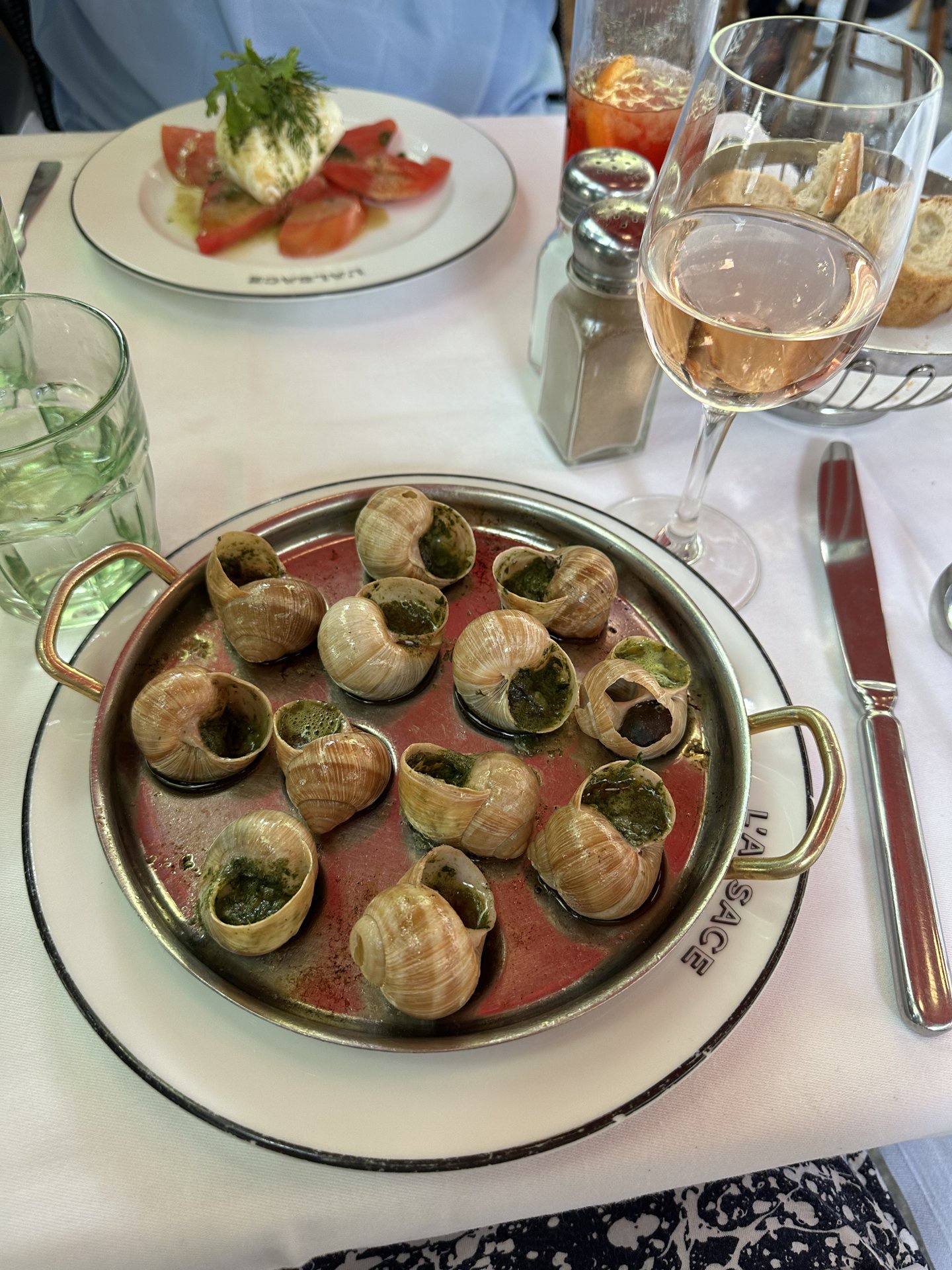
- Escargots de Bourgogne, snails in garlic butter, served everywhere.
- Steak-frites, the bistro standard. Order it medium rare unless you have a reason not to.
- Croque-monsieur, the grown-up grilled cheese.
- Champignons de Paris, cultivated in former limestone quarries.
Souvenirs that aren't junk
- Macarons from Ladurée or Pierre Hermé
- Perfume from Guerlain (founded 1828) or other Paris-historic houses
- A real béret or marinière (the striped sailor shirt)
- Vintage Métro and exhibition posters from bouquinistes along the Seine
- Champagne from the Champagne region (about 90 km east, easy day trip)
Health & Medical
France's healthcare ranks among the world's best, and Paris has the country's best-resourced facilities, with over 350 hospitals including Pitié-Salpêtrière and Hôpital Européen Georges-Pompidou.
- Travel insurance is essential. Most hospitals require upfront payment with reimbursement later. Consultations run €50–150; daily hospital costs run €600–1,200 without coverage.
- Vegetarian and vegan options are widely available, especially in Paris where 150+ dedicated restaurants operate. Carrefour and Monoprix carry plant-based products.
- Allergens are legally declared on menus (14 major allergens since EU regulations in 2014). Halal and kosher options are common.
- Street food is generally safe, regulated under EU and French rules.
- Endemic diseases. None tropical. Lyme disease is present in forested areas (Fontainebleau forest, etc.), use tick prevention spring–autumn.
- Foreign prescriptions are not directly accepted. EU/EEA prescriptions may be honored at a pharmacist's discretion; non-EU travelers need a French doctor for a new script.
Legal & Substances
- Marijuana is illegal for recreational use. First-time possession is a fixed €200 fine since 2020 reforms; max penalties run to €3,750 and one year. Medical cannabis is in a limited pilot program.
- Public alcohol consumption is generally legal but Paris bans it along certain riverbanks and canals 6 PM–8 AM, and bans glass containers in parks.
- Alcohol on public transport is prohibited. RATP fines run up to €150.
- Smoking is banned in all enclosed public places since 2007. Allowed outdoors and in designated rooms. Paris adds extra restrictions in some parks and within 15 m of school entrances.
Customs & Shopping
- EU residents shopping tax-free. On goods over €100.01 exported outside the EU, you can claim VAT refunds (typically 12–20%) at airport tax-free counters within three months of purchase.
- Cash declarations. Anything over €10,000 leaving the EU must be declared.
- Restricted exports. Cultural items over 50 years old above €150,000 need authorization. CITES-listed wildlife products and counterfeit goods are prohibited.
Accessibility & Inclusion
Paris is a mixed picture for accessibility. The newer fully automated Metro lines (1 and 14) are 100% accessible. The system overall sits at about 9% wheelchair-accessible because of older infrastructure. Major attractions, including the Louvre, Versailles, and Charles de Gaulle airport, offer accessible facilities. Cobblestone streets, older buildings without elevators, and gaps in the metro network remain real barriers for travelers with mobility constraints. Plan routes in advance using Île-de-France Mobilités' accessibility filters.
Digital Nomad Corner
Paris works well as a remote-work base, especially for stays of a month or more.
- Internet is reliable. Fiber is widespread; speeds in central neighborhoods regularly clear 500 Mbps. Free Mobile and Bouygues offer cheap home and mobile bundles.
- Coworking density is high. WeWork, Morning, Spaces, Wojo, and Anticafé all run multiple Paris locations. Cafés around Canal Saint-Martin, the Marais, and the 11th tend to be laptop-friendly.
- Long-stay visa options. The French talent passport, the long-stay visitor visa (VLS-TS), and the technology visa cover most nomad use cases. Start the paperwork at least two months out.
- Cost of living. Roughly €2,500–4,000/month for a single nomad in central Paris (small studio rent, food, transport, coworking). Outer arrondissements and inner suburbs run
Where I Stayed
I stayed in a Studio parisien moderne et cosy in Clichy, just north of the 17th arrondissement — a compact, well-equipped studio a short Métro ride from central Paris. Clichy sits right on the edge of Paris proper, so you get Paris prices without the tourist premium, and the Mairie de Clichy metro stop puts you downtown in under 15 minutes. View Clichy on Google Maps.
Keep planning: Chamonix in Summer and Winter: Mont Blanc Valley Guide, Acadia National Park Guide: Maine's Coastal Peaks and Aceh, Indonesia: A Practical Travel Guide.