Dubrovnik: The Walled City of the Adriatic
Nomad Toolkit
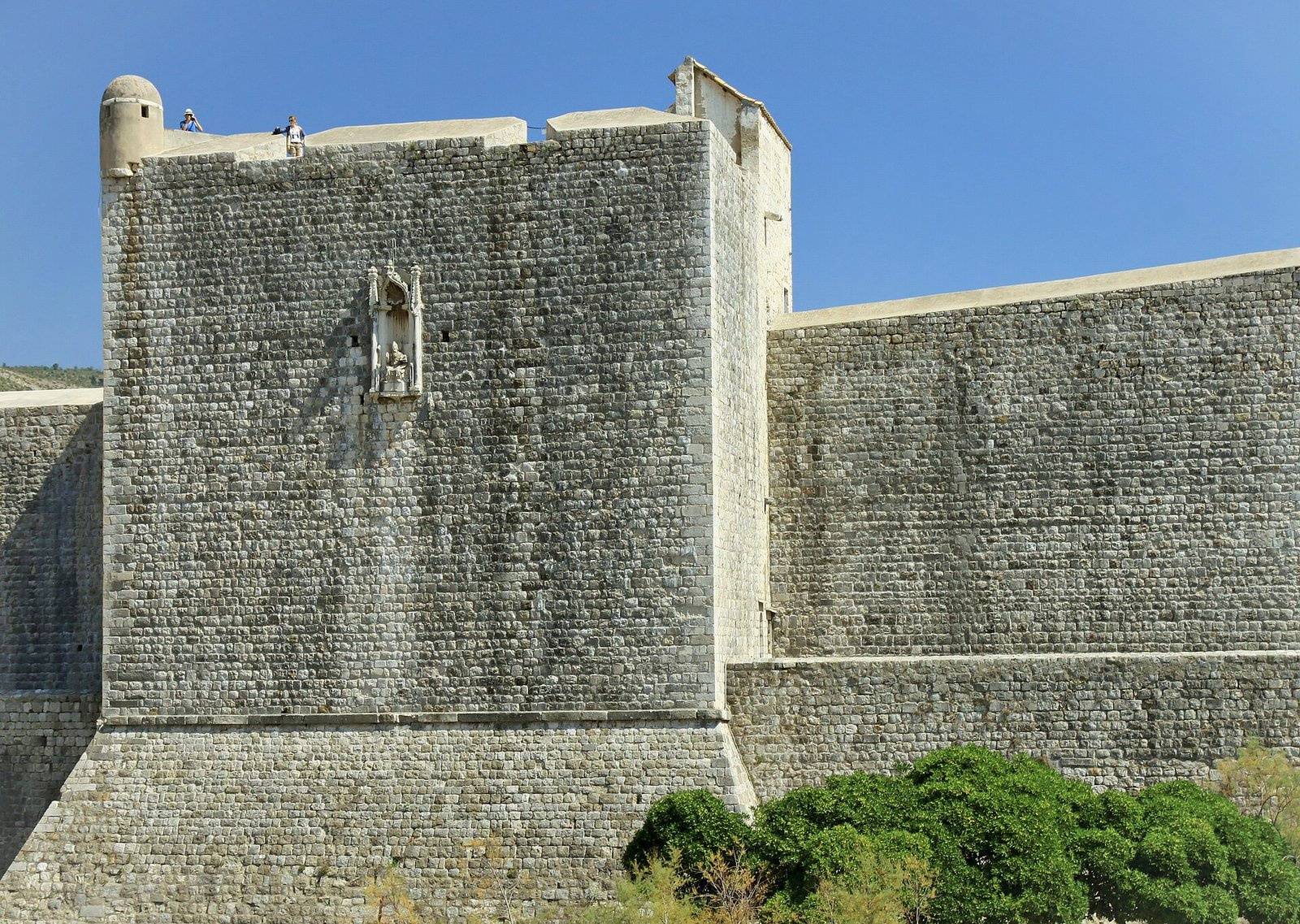
Few European cities land a first impression like Dubrovnik. You round a bend on the coastal highway, the Adriatic glitters below, and there it is, a creamy fortress of stone perched on the rocks, ringed by walls that have stood since the Middle Ages. For a digital nomad shopping for a Mediterranean base with reliable infrastructure and dramatic scenery, it is hard to beat, provided you plan around its quirks.
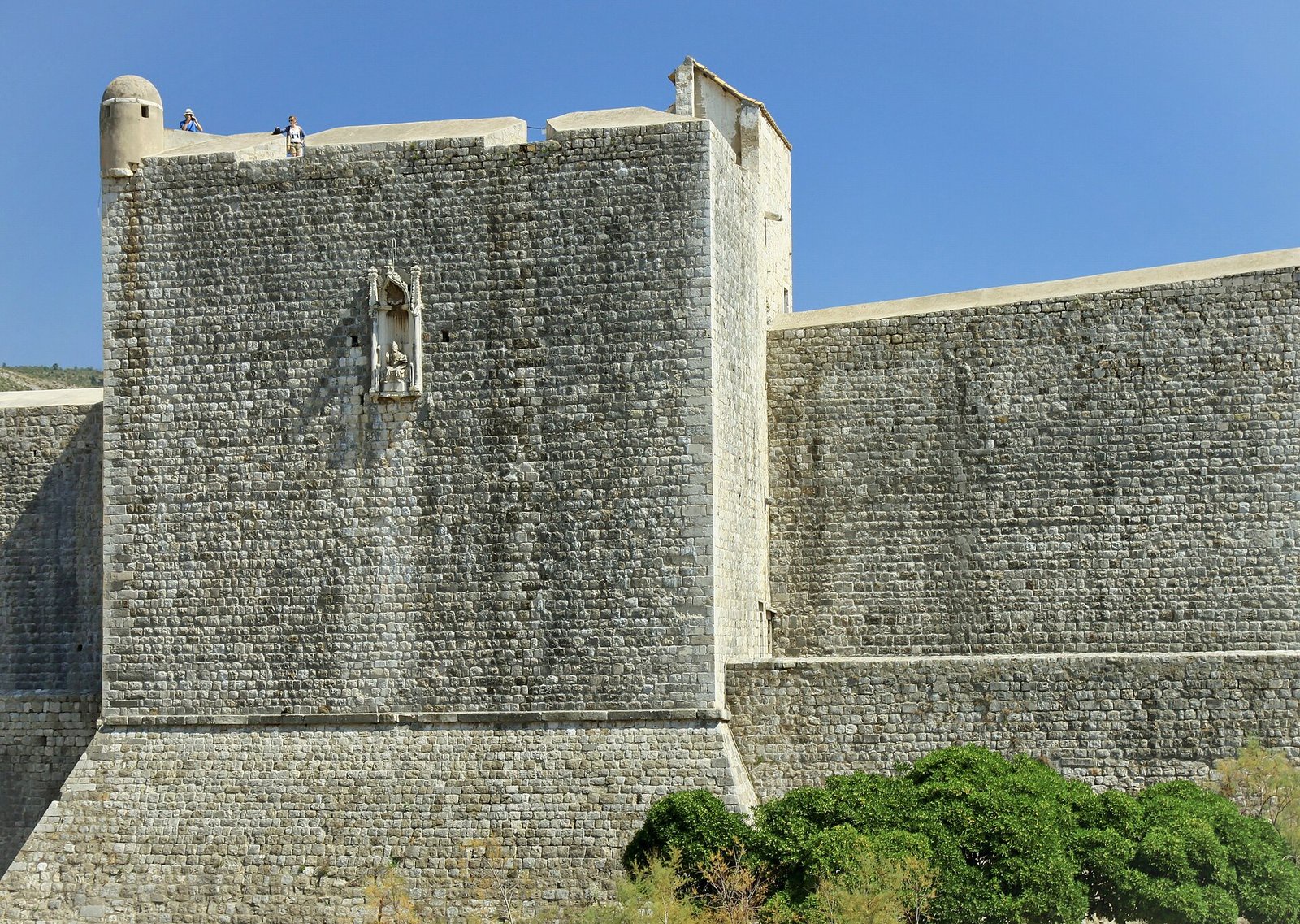
Overview & Vibe
Dubrovnik sits at the southern tip of Croatia's Dalmatian coast, near the Bosnian and Montenegrin borders. The UNESCO-listed Old Town reveals itself on day one, terracotta rooftops, baroque churches, polished stone underfoot, and a film-set atmosphere (because, famously, it has been one). Outside the walls, the city unfolds into the Lapad and Babin Kuk peninsulas, where you'll find quieter neighborhoods, beaches, and most of the long-stay rentals nomads actually book.
High summer (July–August) is hot, expensive, and packed with cruise day-trippers. Sweet spots are May, June, and September, sea swimmable, walls walkable. Even October works well for remote work: quiet streets, mild weather, and restaurants happy to see you.
A Brief History
The city was founded around the 7th century as Ragusa, and from the 14th century until 1808 it governed itself as the Republic of Ragusa, a merchant state that held its own against Venice through trade and careful diplomacy. An earthquake in 1667 flattened most of its Renaissance architecture, which is why the rebuilt Old Town reads baroque today. The walls took their most recent battering in 1991, when Yugoslav forces shelled the city during Croatia's war of independence; the restoration since has been near-total.
Transportation
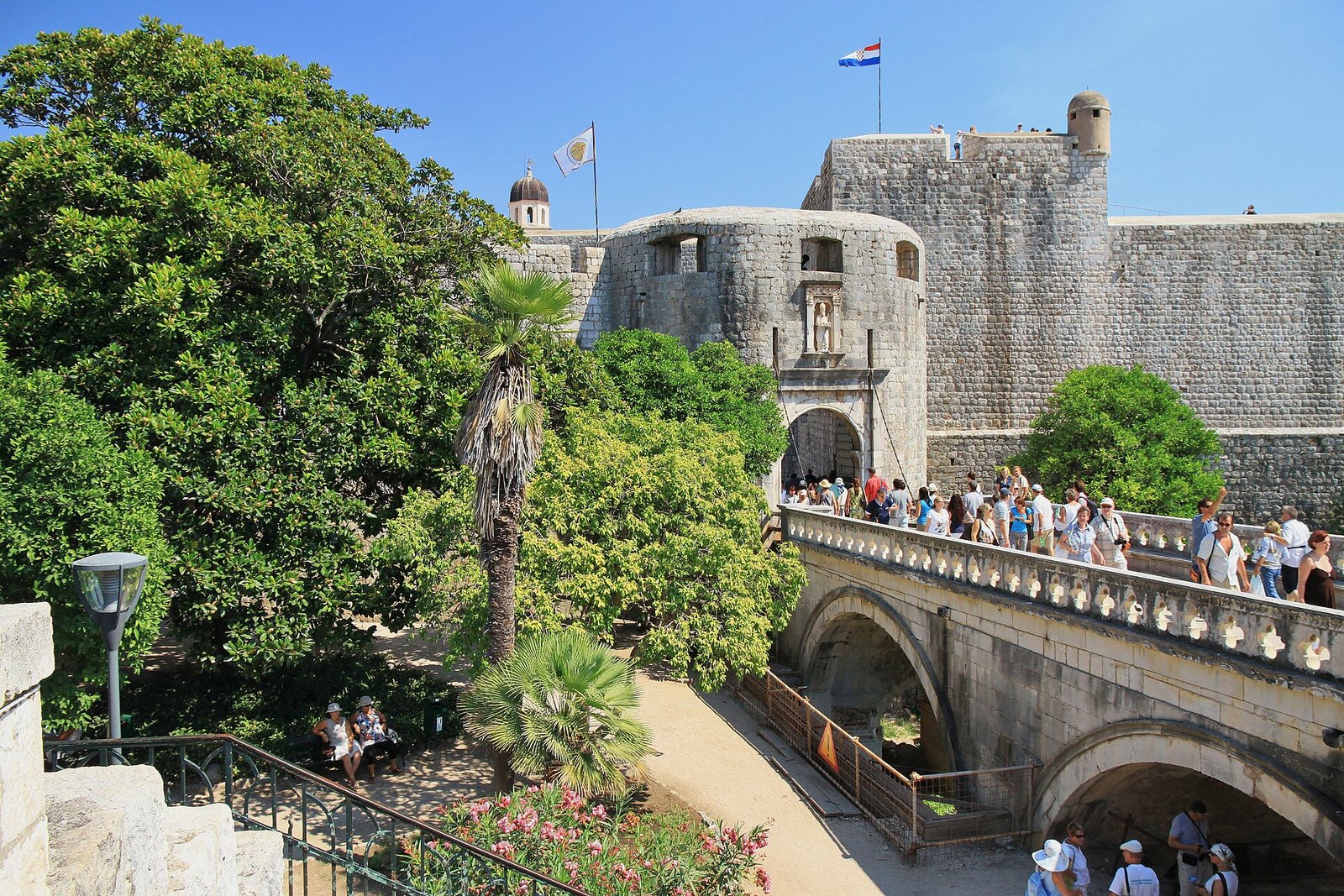
Dubrovnik Airport (DBV) is about 20 km southeast. The Atlas shuttle bus runs between the airport, Gruž cruise port, and Pile Gate for a flat €10. Taxis and rideshare (Uber and Bolt) work here too, get an estimate first. Arriving overland from Split or Mostar? The Gruž bus terminal has frequent connections.
Inside the walls, you'll walk, the Old Town is pedestrian-only. Libertas city buses cover everywhere else (airport, Lapad, Babin Kuk); buy tickets at kiosks for a discount over paying onboard. Ferries from Gruž reach the Elafiti Islands and nearby villages. A rental car is overkill for Dubrovnik proper but pays off if you want to range up the coast or pop into Montenegro.
Language, Customs & Etiquette
Croatian is the official language; English is widely spoken in Dubrovnik's hospitality industry and by most younger Croatians. Basic Croatian phrases like "Dobar dan" (good day), "Hvala" (thank you), and "Molim" (please) get a warm response, but you can absolutely get through the trip in English alone.
Dining etiquette is relaxed but a few conventions matter. Wait for the host to say "Dobar tek" before eating. Keep hands visible on the table, but not elbows. Toasting with eye contact is important when clinking glasses; "Živjeli" is the standard call. Finishing your plate signals appreciation. Tipping 10% in restaurants is customary but not mandatory, and is usually given in cash directly to the server.
For social customs: Croatians generally avoid public displays of strong emotion. Eye contact during conversation is expected. Dress is smart-casual for restaurants; only beachfront places accept swimwear away from the water. Photography of religious sites and churches is fine but flash-free during services.
Weather & Climate
Dubrovnik has a Mediterranean climate with hot, dry summers and mild, wet winters. Summer (June through September) sits at 26-32°C with low humidity coming off the Adriatic; July and August are the warmest and busiest. Spring and autumn run 15-22°C with occasional rain. Winter rarely drops below 5°C but is gray and damp, with most rain falling between November and February.
Best months to visit: May and September. The weather is warm (20-25°C), the sea is swimmable, and crowds are roughly half what they are in July. October is still pleasant for sightseeing but the sea cools. December through February the Old Town is quiet and atmospheric, but many restaurants and museums close or run shortened hours.
Packing: layered Mediterranean clothing for May-September, swimwear, sun protection (the limestone Old Town walls reflect heat), and a light jacket for evenings. Winter visitors need a waterproof shell and warmer layers, especially for the Bura wind that occasionally hits the coast in cold months.
Logistics & Practical Info
Croatia joined Schengen and adopted the euro in January 2023. US, UK, Canadian, Australian, and most other Western passport holders can stay up to 90 days in any 180-day window visa-free. To stay longer, Croatia's digital nomad residence permit allows up to a year for remote workers earning above a set threshold.
Cards work in restaurants, hotels, and chain stores; cash still rules at small konobas, market stalls, parking meters, and kiosks. Use bank-branded ATMs to dodge Euronet conversion fees. Plug type is European C/F at 230V, time zone is CET/CEST, and tap water is safe to drink.
Where to Work, Sleep, and Connect
For longer stays, target Lapad and Babin Kuk over the Old Town. Apartments are larger and cheaper, you'll have a kitchen and balcony, and you can still bus or walk into the historic core in 20–30 minutes. The Pile and Ploče neighborhoods just outside the walls are middle-ground, close to the action but slightly less touristy.
Internet is reliable. Most modern apartments offer fiber at 100 Mbps or better, and Croatia's three carriers, A1, Tele2, T-Mobile, sell tourist SIMs with 10–30 GB for €10–20. Coffee-shop wi-fi handles calls fine. For a proper desk, Coworking Studio Dubrovnik in Lapad and a few café-coworking hybrids near Gruž offer day passes.
Attractions & Activities
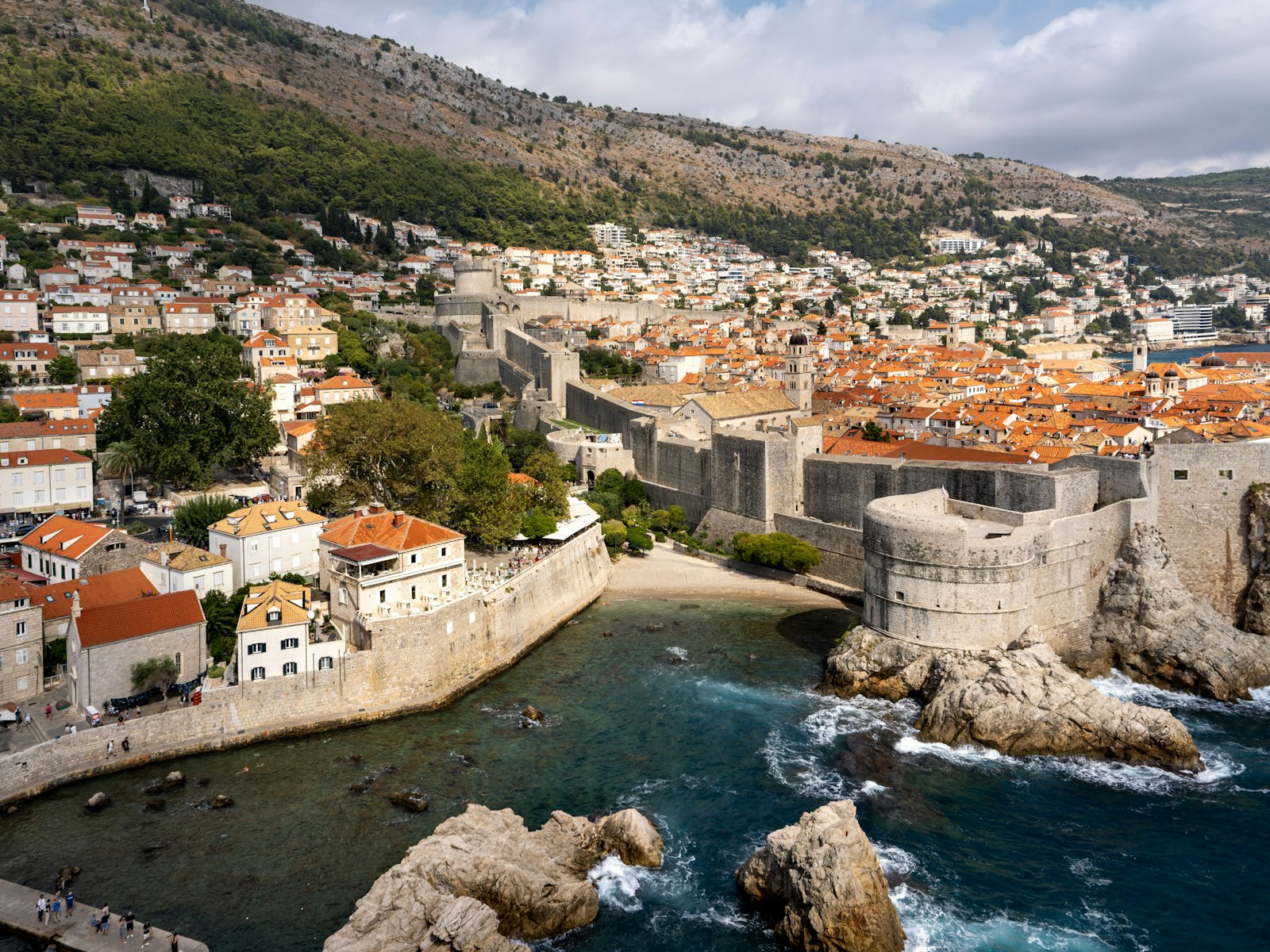
Walk the city walls (Wikipedia), there's no way around it. The 2 km circuit is the single best thing you'll do in Dubrovnik. Buy a Dubrovnik Pass (which also covers buses and several museums) and go early or just before sunset to dodge both the heat and cruise crowds.
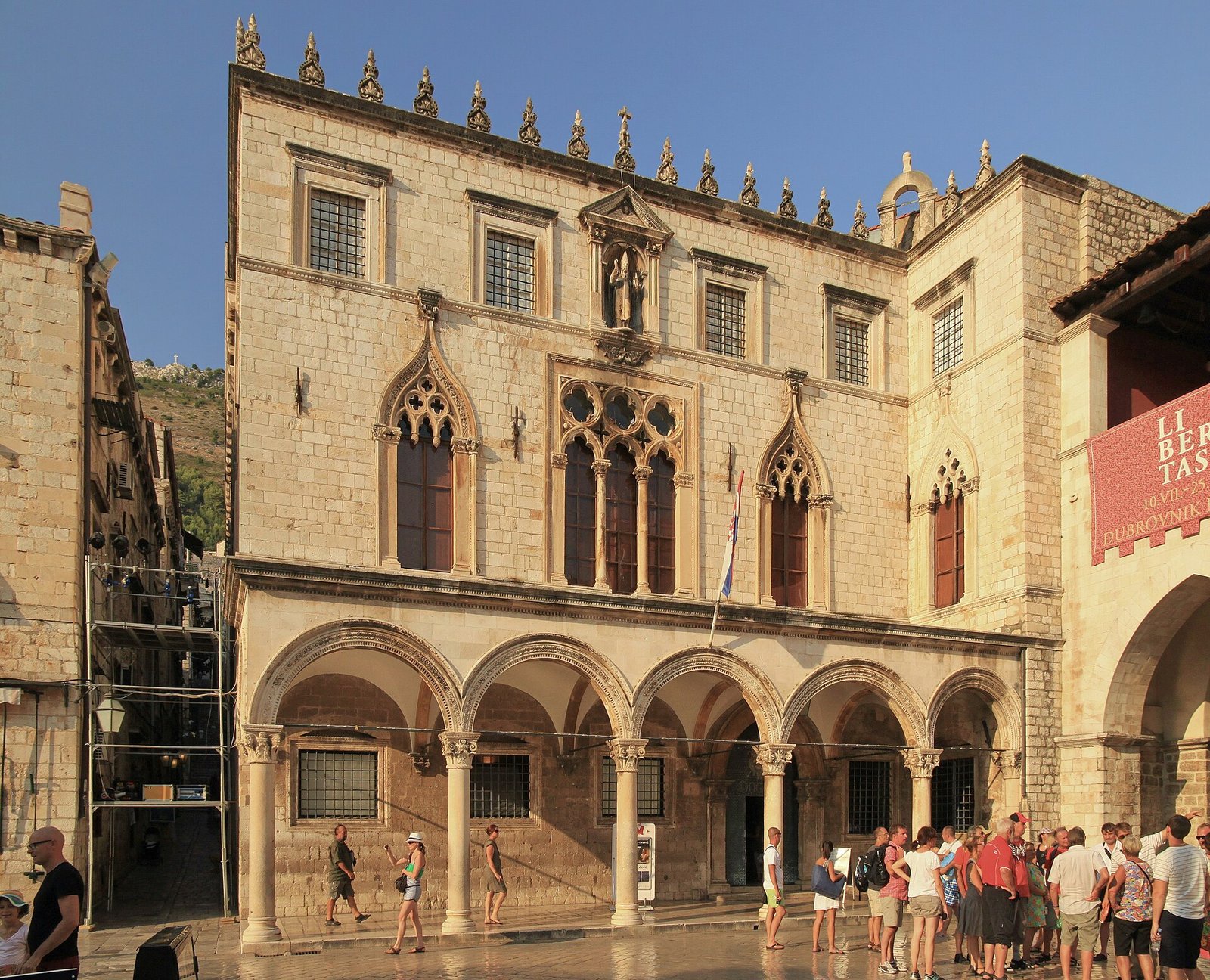
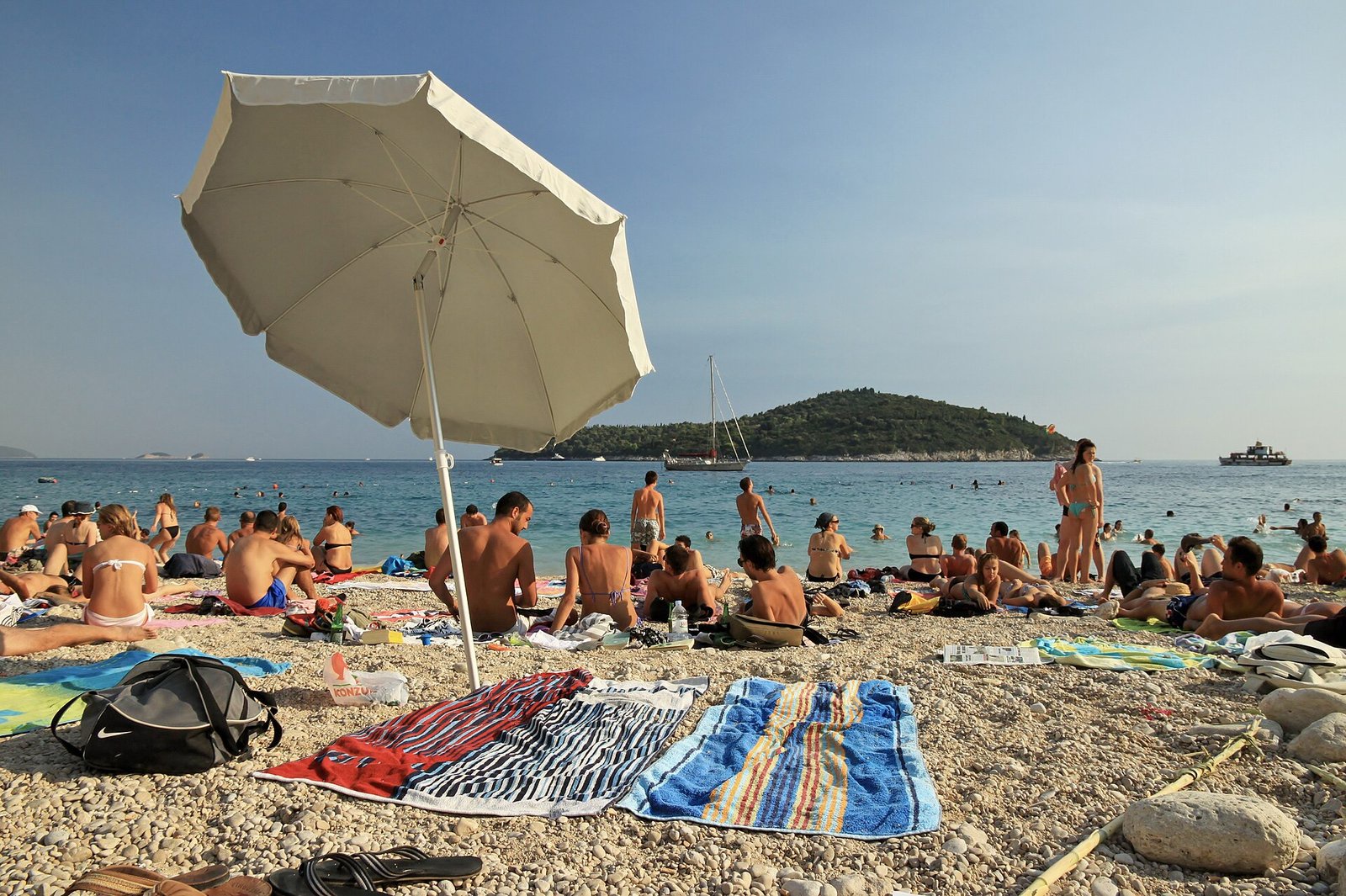
Beyond that: the cable car up Mount Srđ for the long view; Lokrum Island (Wikipedia) for shaded paths and a quiet swim; Banje Beach for an in-town dip; the Old Port for boats to Cavtat or the Elafitis; War Photo Limited for unflinching context on the 1990s siege; the Rector's Palace (Wikipedia) and Sponza Palace (Wikipedia) for the Republic of Ragusa's heyday. Game of Thrones fans get a side-quest of King's Landing locations, sunset kayaking around the walls is the real-world version of the show's signature shot.
If you want to get under the water instead of just looking at it, Blue Planet Diving Center on the Babin Kuk side runs courses and guided dives. My wife and I did our Open Water certification there and the instructors were excellent, clear teaching and a safe operation from start to finish.
Health & Medical
Healthcare in Dubrovnik is good. The Dubrovnik General Hospital handles emergencies, and several private clinics in town offer English-speaking doctors with shorter waits. EU citizens are covered under reciprocal agreements (carry your EHIC/GHIC). Non-EU visitors should have comprehensive travel insurance; private care is faster but can be expensive without coverage.
No major endemic tropical diseases. Standard vaccinations are sufficient for most travelers. Tick-borne encephalitis exists in inland forested areas (relevant if you hike inland during summer), but is not a concern on the coast itself. Tap water is safe and good-quality across the city.
Pharmacies (ljekarna) are well-stocked and staff usually speak some English. EU prescriptions are accepted under cross-border healthcare rules; non-EU prescriptions generally require a Croatian doctor's revalidation. Bring enough of any specific medications for the full trip with the original packaging and a copy of the prescription.
For dietary needs: vegetarian options are easy to find, especially in coastal restaurants where Mediterranean staples (grilled vegetables, seafood, salads) carry most menus. Vegan and gluten-free options are increasingly available in central Dubrovnik but more limited in smaller villages on the mainland or Elaphiti Islands.
Eat and Drink Like a Local
Dalmatian cooking is what happens when Italian sensibilities meet Adriatic seafood and Slavic comfort food. Order peka (octopus or veal slow-roasted under a coal-heaped iron bell) at least once, book a few hours ahead. Black risotto with cuttlefish ink, grilled fish, smoked Pag cheese, and platters of pršut are staples. Konobas, family-run taverns, host the best meals.
Dubrovnik is famously pricey, especially inside the walls, mains run €25–35 with a markup for the address. Better value lives in Lapad, Gruž, and Mokošica. Wash it down with pošip (a crisp white from Korčula) or plavac mali (a reliable red from nearby Pelješac). Coffee is a serious afternoon ritual. For a drink at sundown, Bard (Mala buža) pours drinks on the bare rocks below the seaward walls; go a half hour before sunset to claim a spot.
Safety & Security
Dubrovnik is one of the safer European cities for travelers, low violent crime, a strong tourist police presence. The realistic risks are pickpocketing in crowds, overcharging at touristy bars, and the occasional taxi driver "forgetting" the meter, agree on a price first or just use Bolt. Healthcare is solid, with English-speaking doctors at the main hospital and several private clinics. Pack a European EHIC/GHIC card if eligible; otherwise comprehensive travel insurance is non-negotiable.
Croatians are warm but reserved; a polite "Bok" (hi) or "Dobar dan" (good day) goes a long way. Cover shoulders and knees in churches, leave a 10% tip for good service, and skip jaywalking, fines are real. Smoking is banned indoors, recreational cannabis is illegal. Save loud nights for Lapad over the Old Town's residential alleys.
Demographics & Government
Croatia has a population of approximately 3.9 million as of 2023, with the population gradually declining due to emigration and low birth rates. Dubrovnik itself is about 42,000 year-round residents, swelling several-fold during summer tourist season. Zagreb (the capital, in the north) has about 800,000 people, roughly one-fifth of the national population.
Croatia is a parliamentary republic. The President serves as head of state on a five-year term; the Prime Minister leads the government. The unicameral Sabor (Parliament) has 151 members elected by proportional representation. Croatia joined the EU in 2013 and the Eurozone in 2023, so the currency is now the Euro.
Religion: no official state religion, but the Roman Catholic Church holds significant cultural influence. About 86% of the population identifies as Catholic, with smaller communities of Orthodox Christians, Muslims, and other denominations. Religious holidays (Easter, Christmas, Assumption Day on August 15) mean reduced public services and many small businesses closed.
Legal & Substances
Marijuana is illegal for recreational use in Croatia, with possession punishable by fines or imprisonment. Medical cannabis has been legal since 2015 with a prescription, though access remains limited. Cultivation and trafficking carry significant penalties. Don't assume the casual European-vacation vibe extends to drug enforcement; it doesn't.
Alcohol and tobacco are legal for adults 18 and older. Public alcohol consumption is generally tolerated in outdoor cafes and along the waterfront, though municipalities can impose local restrictions on specific areas, particularly during major events. Alcohol is prohibited on public transportation (intercity buses, trams, trains) and violations result in fines.
Smoking is banned in all enclosed public spaces including restaurants, bars, cafes, workplaces, and transit. Designated outdoor terraces and open-air areas are fine. Many restaurants in the Old Town have outdoor seating where smoking is permitted, which is worth knowing if you're sensitive to it.
Customs & Shopping
When leaving Croatia for a non-EU destination, you can export duty-free goods within standard EU limits: 200 cigarettes, 1 liter of spirits over 22% (or 2 liters under 22%), and reasonable personal items. For travel within the EU, no duty-free allowances apply since Croatia is an EU member.
Restricted exports include cultural artifacts, antiques, and certain wildlife products covered by CITES. If you're tempted by an antique olive-wood piece or an old map at a Stradun shop, ask the seller for documentation; legitimate dealers can provide it.
For shopping: Dubrovnik's strongest categories are olive oil and olive-wood crafts from the surrounding region, lavender products from Hvar and the Dalmatian islands, embroidered table linens from Konavle south of the city, and locally made Pag cheese (worth bringing back vacuum-sealed). Croatian wine, particularly Plavac Mali from the Pelješac peninsula, is a strong souvenir; airport shops stock decent selections.
Accessibility & Inclusion
Dubrovnik's Old Town is challenging for travelers with mobility limitations. The whole walled city is built on a steep slope with stone steps, cobbled streets, and few ramps. The famous city wall walk is not wheelchair accessible. Many historic accommodations inside the walls have narrow staircases and no elevators.
Outside the walls, conditions improve. The new town areas and waterfront have better surfaces, modern hotels with accessible rooms, and some adapted taxis available on request through major operators. The cable car to Mount Srđ is wheelchair accessible at both stations, though the upper viewing platform involves some uneven surfaces.
For travelers with hearing or visual impairments: most major museums and the Lokrum Island ferry now offer audio guides and tactile materials, though coverage is uneven. Restaurants in tourist areas generally have English menus, and staff are accustomed to working through language barriers. Plan accommodation outside the Old Town if accessibility is a priority and use the inner walls primarily for daytime visits.
Ryan's Food Notes
What I actually ate in Dubrovnik:
- Grilled fish with a sea view, fresh sea bass or bream grilled simply with olive oil, garlic, and lemon. Walk away from the main tourist restaurants into the side streets of Ploce or take the boat to one of the Elaphiti islands for the same fish at half the price.
- Dalmatian charcuterie plate, prsut (dry-cured ham similar to prosciutto), hard sheep's milk cheese, olives, and capers. Start every dinner here. Goes with local wine or a cold Ozujsko.
Digital Nomad Corner
Plan on roughly €1,400–€2,000 per month for a comfortable solo nomad lifestyle in shoulder season, a one-bedroom in Lapad, eating out a few times a week, a coworking pass, and weekend trips. Drop that under €1,200 in November–March if you cook at home and skip taxis. The Adriatic quiets down a bit in winter (some restaurants close, ferries thin out), but you'll get the city walls almost to yourself.
Croatia's digital nomad permit is one of the more straightforward in Europe: prove around €2,800/month in non-Croatian income, show accommodation and insurance, and you can stay up to a year. There's no renewal, you have to leave for at least six months before reapplying, but it's a fantastic option if you've burned your Schengen days elsewhere or want to root for a season without committing to a residency track.
A few practical wins: book apartments with washing machines (laundromats are scarce), keep euros for the bakery and parking, and pre-book peka or weekend dinners. Pair Dubrovnik with side trips to Mostar, Kotor, or the Pelješac wine country, all under three hours and deliciously different. Bring comfy shoes (the polished stones turn slick in rain) and a willingness to slow down to Mediterranean speed.
Photo credits: City walls, Pile Gate, Sponza Palace, and Banje Beach by Marcin Konsek via Wikimedia Commons (CC BY-SA 4.0). Food photo by Ryan Mack.
Keep planning: Ston: City Walls, Wine & Oysters on Peljesac, Acadia National Park Guide: Maine's Coastal Peaks and Aceh, Indonesia: A Practical Travel Guide.