Ston: City Walls, Wine & Oysters on Peljesac
Nomad Toolkit
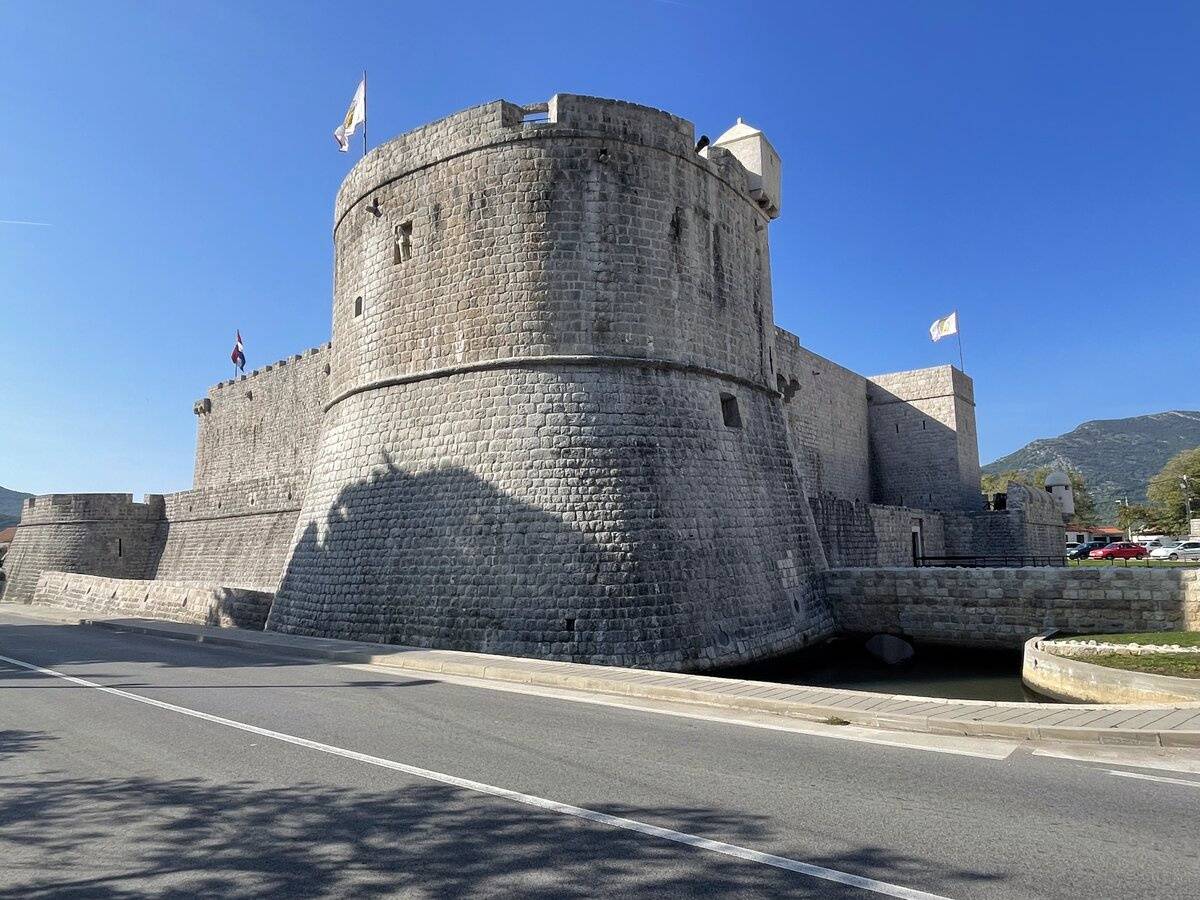
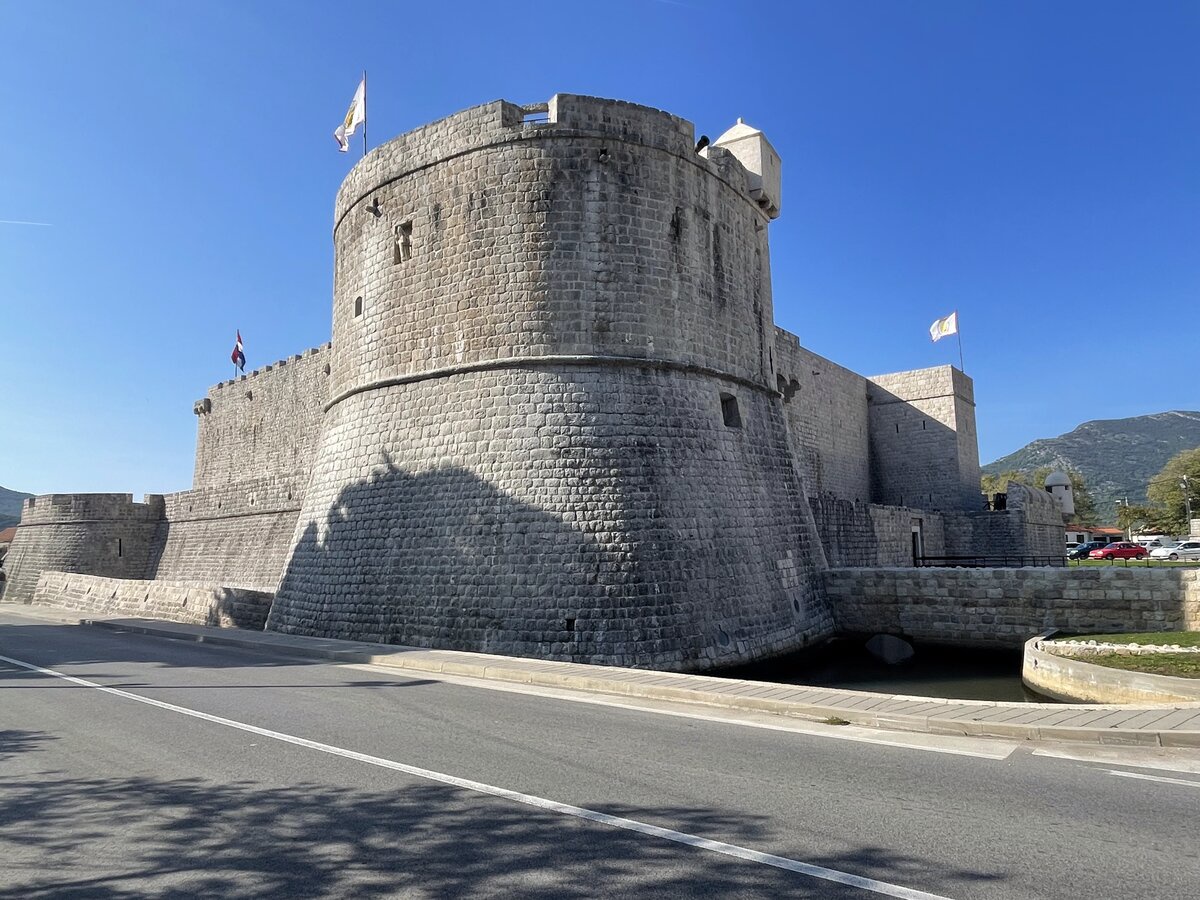
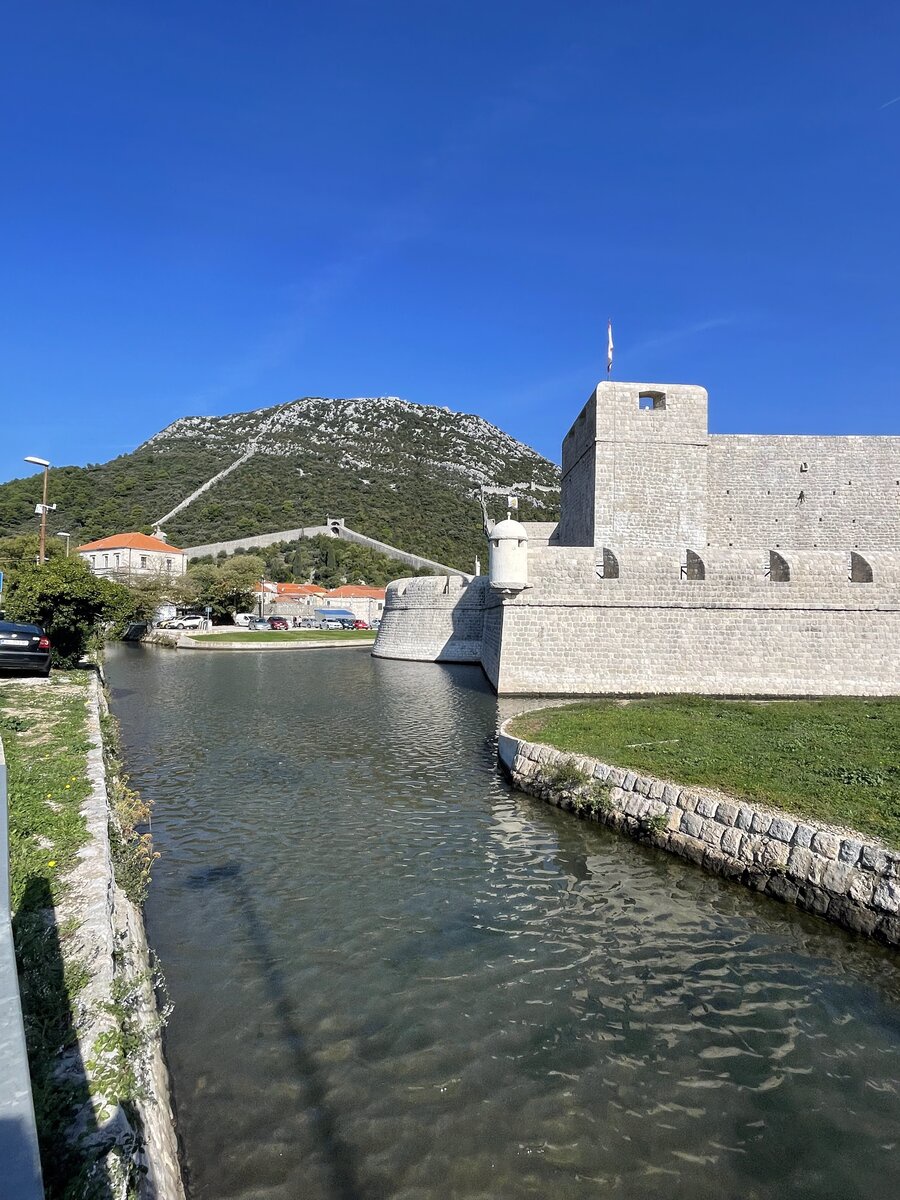
Ston is a small fortress town on the Pelješac Peninsula, best approached as a day trip or slow 1-2 week retreat from Dubrovnik. The town itself holds about 600 people, but the wider Ston-Mali Ston area reaches closer to 2,400. What draws people here are the Walls of Ston (Wikipedia), 5.5 kilometers of preserved medieval fortifications that rank among Europe's longest, and Mali Ston, the oyster-farming village across the narrow canal, where you can taste fresh oysters straight from the bay. The Pelješac Peninsula stretches northwest from here, covered in vineyards producing bold red wines and ending at Orebić, the ferry point to Korčula island. It's not a digital nomad hub. It's a slow destination for people who want to walk 17th-century walls, eat well, and sit on a stone terrace with a glass of local wine.
Demographics & Government
| Country | Croatia |
| Population | ~600 (Ston), ~2,400 (Ston and Mali Ston combined) |
| Government | Parliamentary republic; EU member since 2013 |
| Religious mix | ~84% Catholic, ~4% Orthodox, ~3% other; mostly secular in practice |
| Time zone | CET (UTC+1) winter, CEST (UTC+2) summer; DST observed |
| Plug type | Type C and Type F (230V / 50Hz) |
| Drive side | Right |
| Tap water safe? | Yes, fully potable throughout the region |
| Free WiFi? | Available in hotels, restaurants, and some cafés; rural-grade connectivity |
| Best time to visit | May to June or September to October (18 to 25°C, mild conditions) |
| Emergency numbers | 112 (general / EU-wide), 194 (police), 193 (fire) |
| Currency | Euro (EUR), adopted January 2023. ~1 EUR per 7.5 HRK (Croatian kuna legacy rate) |
Overview & Vibe
Ston sits on a narrow isthmus flanked by seawater on both sides. The main town clusters around the Walls of Ston and the canal, which splits Ston proper from Mali Ston (Little Ston) across the water. Mali Ston is the oyster hub, flat, low-key, with working family farms that have been pulling oysters from these shallow bays for centuries. The Pelješac Peninsula itself extends northwest from here, a long finger of land known for its vineyards, quiet villages, and the ferry town Orebić at its tip, where you catch boats to Korčula. The vibe is slow, working, and tied to seasonal cycles, oyster harvests, wine production, tourism waves. There are no nightclubs or hurrying. Summer is hot and crowded; spring and autumn are golden and nearly perfect.
A Brief History
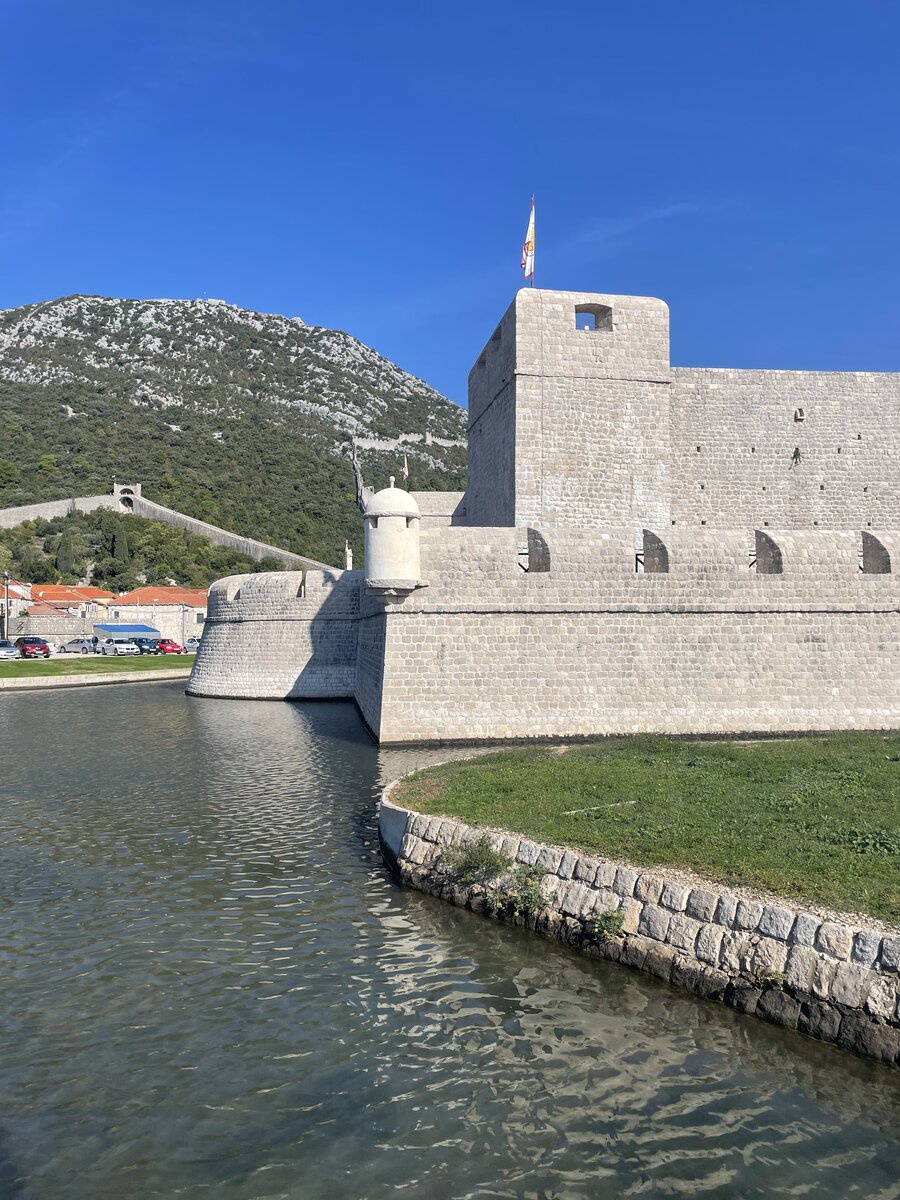
Ston began as an Illyrian settlement and became a Roman colony in 167 BC, but the town you walk today is a Ragusan project. The Republic of Dubrovnik purchased the Pelješac Peninsula in 1333 and immediately laid out Ston and Mali Ston as planned towns, stringing roughly 7 kilometers of wall between them to guard the salt pans, which earned the Republic about 15,900 ducats a year. Earthquakes in 1667, 1979, and 1996 each brought sections down; restoration work since 2004 has reopened most of the circuit to walkers.
Transportation
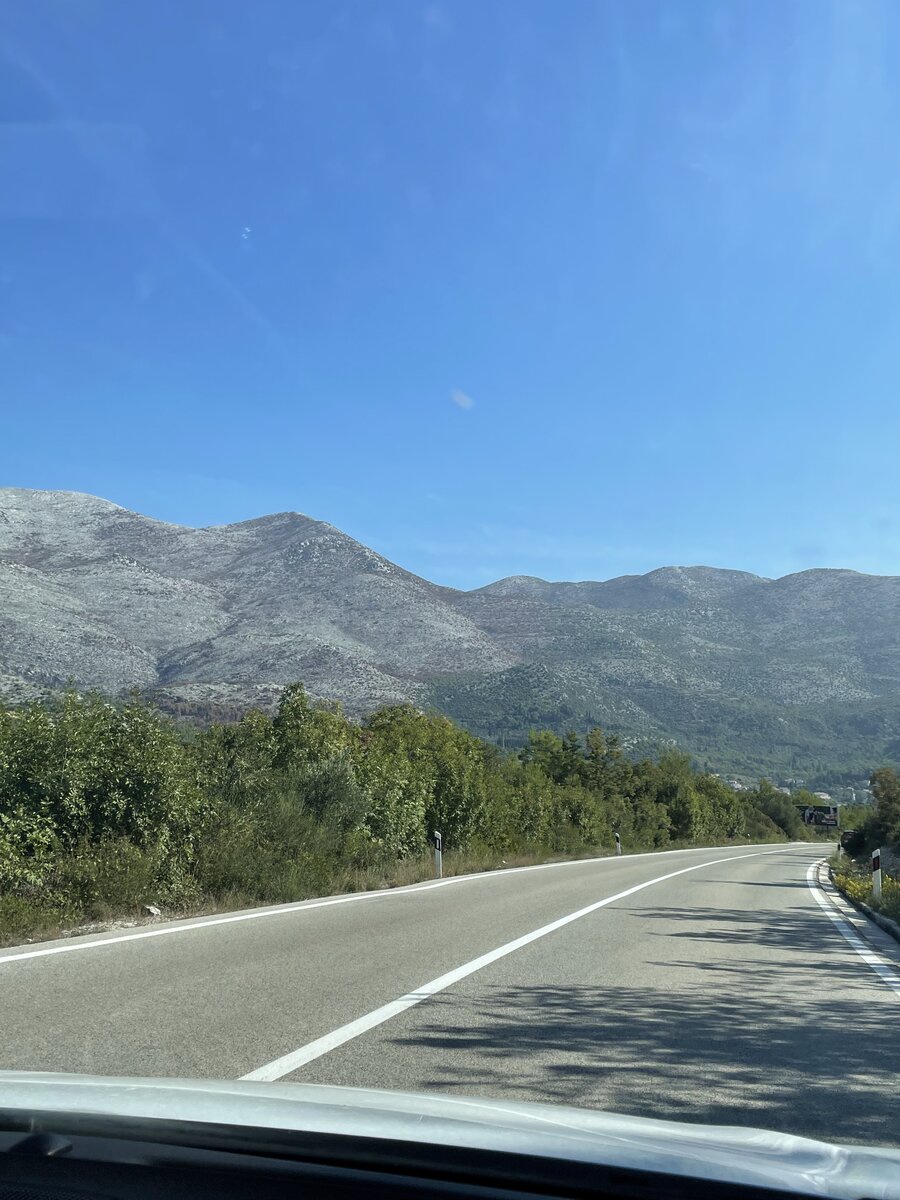
Ston is a small town and walkable on foot, but you'll want a car if you're planning to explore the wider Pelješac Peninsula or make day trips. The 2022 opening of the Pelješac Bridge means you no longer need to cross into Bosnia and Herzegovina to reach the peninsula, which has simplified road access considerably.
- You need a car. Public transit is minimal. Bus connections to Dubrovnik exist (4 services daily, ~1 hour), but getting around the peninsula itself requires wheels or joining organized tours.
- From Dubrovnik DBV airport (~50km / 1 hour drive): rent a car at the airport or in town and drive south via the coastal D8 highway toward Ston.
- The Pelješac Bridge connects the peninsula to the mainland at the north end, eliminating the old detour through Bosnia. The drive from Dubrovnik to Ston now takes roughly 1 hour.
- Ferry from Orebić to Korčula: 50-minute car ferry, multiple daily runs. Book in advance during peak season.
- Walkability within Ston. The town center is compact. The Walls of Ston can be walked from multiple entry points.
- Scooter rental. Available in Dubrovnik and sometimes in Ston itself if you prefer two wheels for the peninsula roads.
- Public bus to Dubrovuk. The coastal line runs 4 times daily in each direction. Journey takes ~1 hour; tickets roughly 80 HRK (~€11).
Language, Customs & Etiquette
Croatian is the local language, but English is widely spoken in tourism zones. Older residents and rural areas may speak less. A few words of Croatian go far.
- Greetings. Zdravo (hi, informal), Dobar dan (good day), Hvala (thank you), Na zdravlje (cheers).
- Tipping. 10% at restaurants is customary. It's not obligatory but appreciated.
- Reserved warmth. Croatians are generally friendly but not effusive on first meeting. Warmth builds.
- Respecting the coast. Don't leave trash on beaches or in the sea. Take what you bring in.
- Photography. Generally permitted in public spaces. Ask before photographing people.
- Cash and cards. Cards are accepted widely, but cash (euros) is still useful for small shops and markets. Some older establishments may not take cards.
- Religious sites. Cover shoulders and knees when visiting churches.
Safety & Security
The Ston area and Pelješac Peninsula are very safe. Violent crime is extremely rare, and petty theft is not a serious concern in a town this small.
- Road conditions. Mountain roads on the peninsula can be narrow and winding. Drive cautiously in rain. Traffic is light except in peak summer.
- Sun exposure. The Walls of Ston are exposed, and summer heat can be intense. Bring water, hat, and sunscreen if climbing the full 5.5 km.
- Swimming hazards. Jellyfish appear seasonally (usually summer). Check local conditions before swimming.
- Hiking. Trails exist across the peninsula but are not always formally marked. Wear sturdy shoes and carry water.
- Solo female travelers. Generally safe and welcome. Standard precautions apply as in any small European town.
Weather & Climate
Mediterranean climate with hot, dry summers and mild winters. The Pelješac Peninsula is sheltered and tends to be slightly warmer than Dubrovnik.
| Month | Avg High | Avg Low | Notes |
|---|---|---|---|
| January | 13°C / 55°F | 7°C / 45°F | Mild, occasional rain, quiet |
| February | 14°C / 57°F | 7°C / 45°F | Mild, low crowds, rainy days |
| March | 16°C / 61°F | 9°C / 48°F | Warming, flowers appear |
| April | 20°C / 68°F | 12°C / 54°F | Spring peak, pleasant, tourism starts |
| May | 25°C / 77°F | 17°C / 63°F | Ideal conditions, warm, low crowds |
| June | 28°C / 82°F | 20°C / 68°F | Hot, long evenings, peak swimming |
| July | 31°C / 88°F | 22°C / 72°F | Very hot, busy, occasional heat waves |
| August | 31°C / 88°F | 22°C / 72°F | Peak season, full beaches, expensive |
| September | 27°C / 81°F | 20°C / 68°F | Still warm, crowds drop, ideal month |
| October | 21°C / 70°F | 15°C / 59°F | Golden, mild, harvest season |
| November | 17°C / 63°F | 11°C / 52°F | Rainy, quiet, off-season |
| December | 14°C / 57°F | 8°C / 46°F | Cool, quiet, festive |
What to pack. Light layers for spring and autumn. Swimsuit and sun protection for May through September. Water shoes for rocky beaches. A rain jacket for winter and shoulder seasons. Sturdy shoes for walking the fortress walls.
Logistics & Practical Info
- Currency. Euro (EUR) since January 2023. Cards accepted widely in restaurants and hotels; cash useful for small shops and markets.
- ATMs. Located in central Ston and Mali Ston. Croatian banks and Erste machines are reliable.
- Tap water. Safe and good. Carry a refillable bottle, especially if walking the walls.
- Free WiFi. Available in most hotels, restaurants, and some cafés. Expect rural-grade speeds; not suitable for heavy video work.
- SIM cards. Telemach, T-Mobile, and Vodafone sell prepaid plans with 20 to 50 GB data for 50 to 80 EUR. Passport required.
- Pharmacies. Present in Ston and Mali Ston with green cross signs. EU prescriptions can be filled with local doctor approval.
- Internet censorship. None. Standard EU rules apply.
- Gas / diesel. Stations dot the peninsula. Prices in line with EU averages.
- Parking. Generally free and abundant in Ston and the peninsula. Dubrovnik's old town requires paid parking.
Attractions & Activities
Ston and the Pelješac Peninsula offer a mix of cultural sites, natural scenery, and food experiences. Most people spend 3 to 5 days here, mixing wall walks with oyster tastings, peninsula drives, and side trips.
- Walls of Ston full walk, the complete 5.5 km circuit takes 2 to 3 hours and climbs steeply on stairs; shorter loops available (1 to 2 km) if you want less exertion. Start early to avoid afternoon sun.
- Mali Ston oyster tasting, walk or drive across the canal to Mali Ston and spend an afternoon at family oyster farms like Bunculuka or Bota. Eat oysters fresh from the water, watch the farmers work, learn about the centuries-old trade.
- Salt Pans of Ston, walk the evaporation ponds and channels that have produced sea salt here since medieval times. A working part of the local economy and a peaceful walk.
- Pelješac wine tasting, drive northwest to visit Dingač and Postup vineyards. These are the peninsula's signature reds, bold and sun-soaked. Many estates offer tastings and sales. Family-run Winery LŽ, on the D414 just outside Ston, is an easy first stop; when we visited, the owner talked us through his wines, let us sample grapes off the vine, and his dog kept us company.
- Korčula Town day trip, ferry from Orebić (45 km / 45 minutes from Ston) to Korčula, a walled medieval town and alleged birthplace of Marco Polo. Overnight or day trip.
- Mljet National Park (Wikipedia), accessible by boat from various points; an island with two saltwater lakes, dense forest, and Benedictine monastery on an islet. Full day or overnight.
- Trsteno Arboretum, 20 km north toward Dubrovnik, a 500-year-old garden with exotic plants, fountains, and sea views.
- Swimming at Prapratno beach, a pebbly family-friendly beach on the peninsula with shallow water and a small waterfront village.
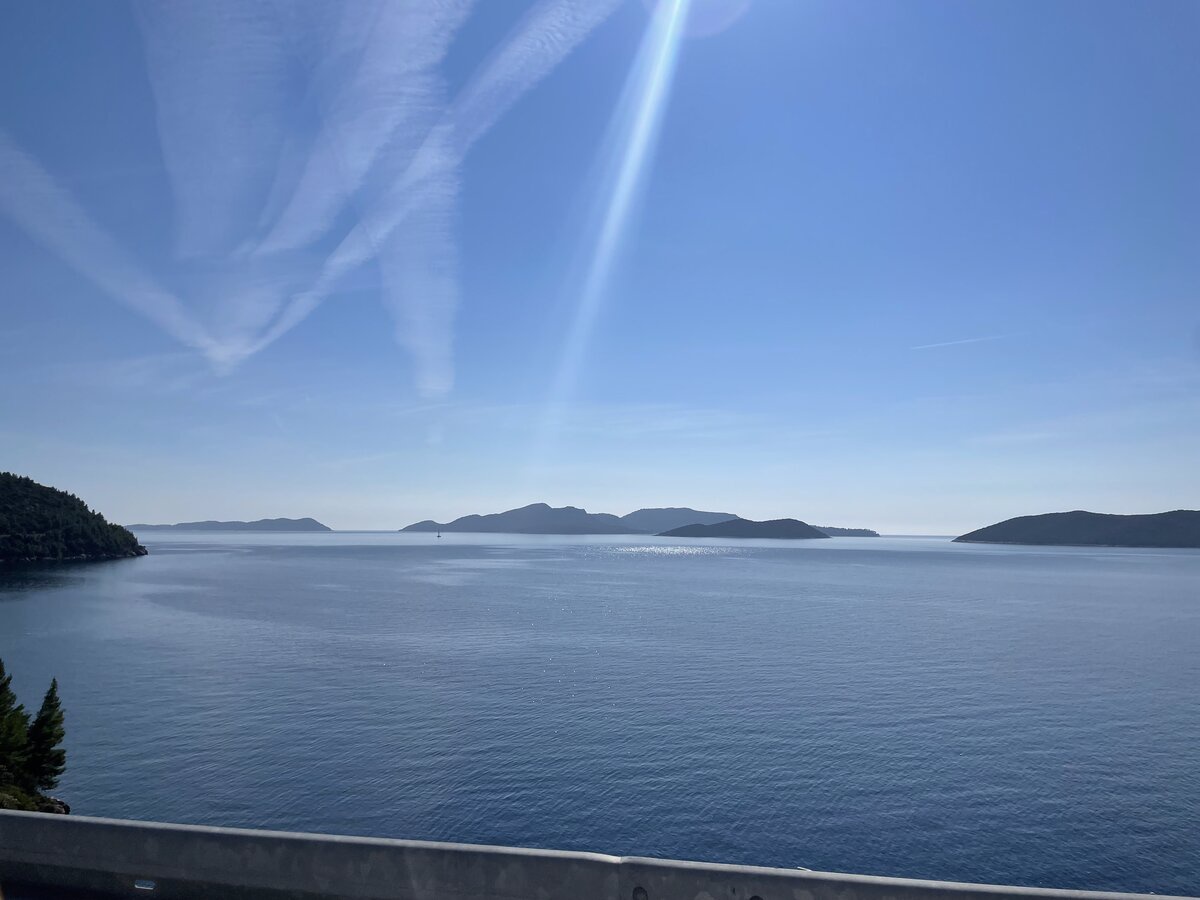
- Pelješac Peninsula scenic drive, take the mountain road through vineyard villages like Postira and Orebić, stopping at viewpoints for Adriatic vistas.
- Day trip to Dubrovnik Old Town, 50 km north; a full UNESCO-listed walled city with centuries of history. Crowds are substantial in peak season.
Festivals and major events
| Event | When |
|---|---|
| Festival of Salt (Solska Festa) | August |
| Ston Wine and Oyster Festival | September |
| Croatian National Day | June 25 |
| Christmas markets and services | December |
Must-try local dishes
Ston's food culture revolves around what the sea and land provide, oysters from Mali Ston, wine from the peninsula, and dishes rooted in Dalmatian tradition.
- Mali Ston oysters (Stonski malapezi), eaten raw with a squeeze of lemon, straight from the tasting farms. The salty, briny flavor defines the place.
- Black risotto (Crni rižot), rice cooked with squid ink, garlic, and white wine. A classic Adriatic dish.
- Peka, slow-cooked meat (veal, lamb, or octopus) and vegetables under an iron bell heated with hot stones. A feast requiring advance notice at restaurants.
- Octopus salad (Hobotnica na peci), grilled or boiled octopus with olive oil, lemon, garlic, and parsley.
- Pelješac Plavac Mali wine, the region's signature red wine, full-bodied, fruity, and food-friendly.
- Stonska torta, a local sweet cake made with macaroni, chocolate, and caramel. Unique to Ston and a popular souvenir.
- Dalmatian prosciutto (Pršut), salt-cured, air-dried ham from the peninsula.
- Sheep cheese (Ovčji sir), creamy and tangy, sold at markets and farm shops.
- Fresh fish, sea bass, sea bream, and other Adriatic catches, grilled or baked.
Souvenirs that aren't junk
- Pelješac Plavac Mali wine, buy direct from vineyard shops or local wine bars. Real wine, authentic producer bottles.
- Ston salt, packaged sea salt from the local salt pans, a genuine product with centuries of heritage.
- Stonska torta, the local sweet cake, sold in bakeries and marked as from Ston.
- Olive oil from the peninsula, pressed locally, sold at farm shops and markets.
- Dried fish and seafood, octopus, anchovies, and other catches sold at market stalls.
- Local ceramics and crafts, check small shops in the town center for handmade goods.
Health & Medical
Ston has a small health clinic, but serious medical needs require travel to Dubrovnik (50 km).
- Clinic in Ston, staff speak English; handles routine care and minor injuries.
- Dubrovnik General Hospital, the main medical center for the region, ~1 hour drive.
- EU health coverage. EU residents with an EHIC card have access to public healthcare.
- Travel insurance essential for non-EU travelers. Private clinics exist in Dubrovnik and charge per service.
- Pharmacies, present in Ston and Mali Ston. Most staff speak English.
- Tap water. Safe to drink throughout.
- Vegetarian and vegan options. More limited than in cities. Most restaurants can prepare fish and vegetable dishes if asked.
Legal & Substances
- Marijuana is illegal. Personal possession can result in fines and a criminal record.
- Alcohol on public transport. Not permitted officially, though enforcement is light.
- Smoking. Banned indoors in restaurants and bars. Outdoor terraces usually permit it.
- Public drinking. Generally tolerated in low-key ways, especially at the waterfront.
- Drinking age. 18 for beer and wine, 21 for spirits.
Customs & Shopping
- Tax-free shopping for non-EU residents. Stores with the Tax-Free logo issue refund forms. Claim VAT (typically 20 to 25%) at the airport on departure for purchases over €175.
- Currency. EUR since 2023. Easy at ATMs and card machines. Many small shops prefer cash.
- Restricted exports. Cultural items over 50 years old need authorization. Typical souvenirs (wine, salt, crafts) are fine.
Accessibility & Inclusion
The Walls of Ston are not accessible for wheelchair users or people with mobility limitations. The full walk involves steep stairs and uneven stone surfaces. Partial sections exist, but even short walks require climbing. Ston town center is largely flat and cobbled, which can be difficult with wheels. Mali Ston and the waterfront are more accessible. Oyster farms are accessible by boat with advance planning.
Digital Nomad Corner
Ston is not a digital nomad destination in the traditional sense. It's a slow-travel town best suited to 1 to 2 week working retreats, not long-term remote work bases.
- Internet. Available but rural in quality. WiFi in hotels and restaurants is functional but not fast. If you need to video-call daily or upload large files, this is not the place.
- Coworking. No dedicated spaces. Work from your accommodation or café WiFi.
- Cost of living. Cheaper than Dubrovnik, but tourism season inflates prices. Summer can push accommodation to €80 to 120/night. Off-season €30 to 50/night is normal. Food is affordable if you eat where locals eat.
- Visa. Croatia launched a Digital Nomad Visa in 2023. 1 year renewable, requires proof of €2,100/month income or equivalent. Application done online; covers all EU living costs and is straightforward.
- Work environment. Stone buildings, sea views, good wine, and time to think are plentiful. Fast internet and 24/7 power-hour productivity are not.
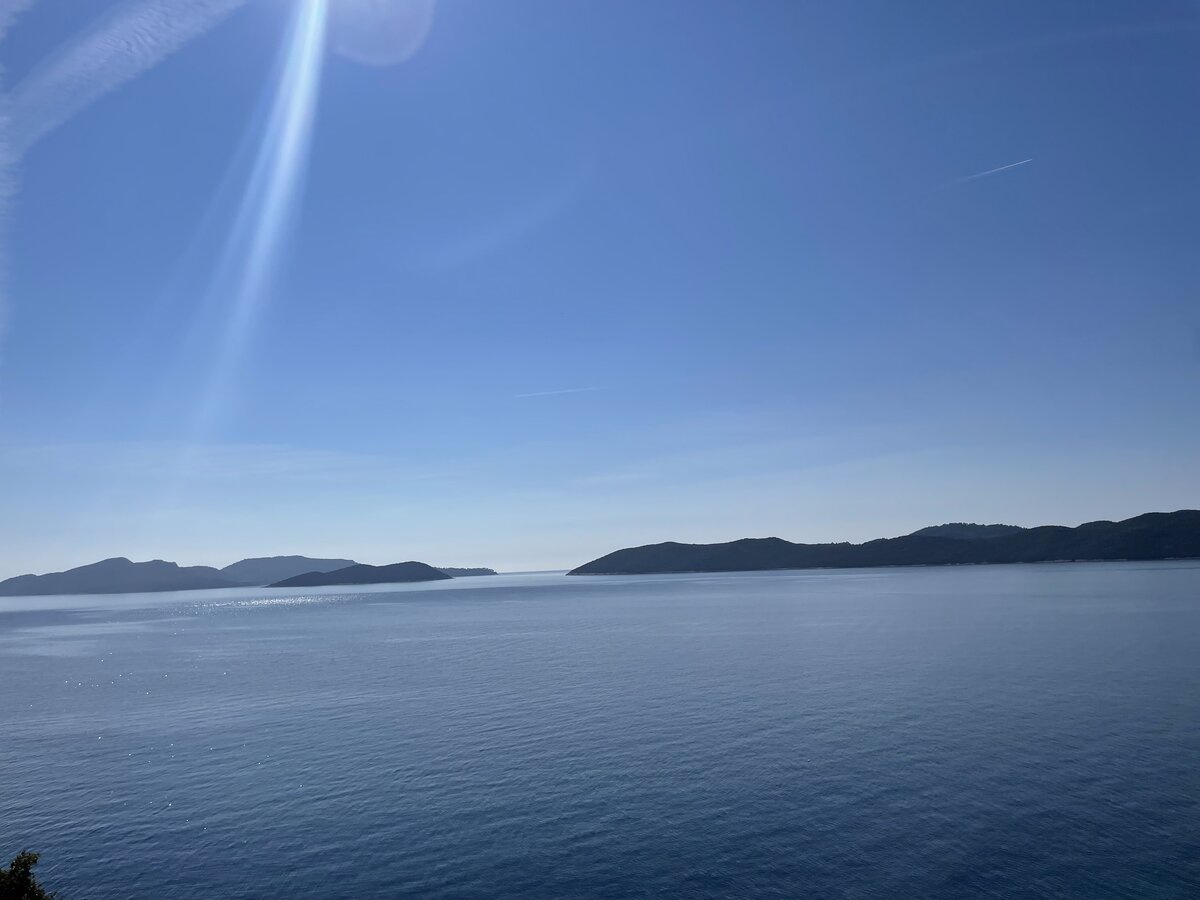
Ston works best as a 7 to 14 day break from wherever you're based. Walk the walls early in the morning before the sun rises high. Eat oysters at noon. Taste wine in the afternoon. Sit by the water and read. Take the ferry to Korčula if you want a change of scene. The Pelješac Peninsula rewards a rental car and aimless drives on mountain roads. The sea is cold in spring and autumn but swimming-warm in summer. The wine is good and inexpensive. The pace is slow and forgiving. It's not a place to check off sights; it's a place to be.
Keep planning: Acadia National Park Guide: Maine's Coastal Peaks and Aceh, Indonesia: A Practical Travel Guide.