Fort Lauderdale Travel Guide: Canals & Beaches
Nomad Toolkit
Overview & Vibe
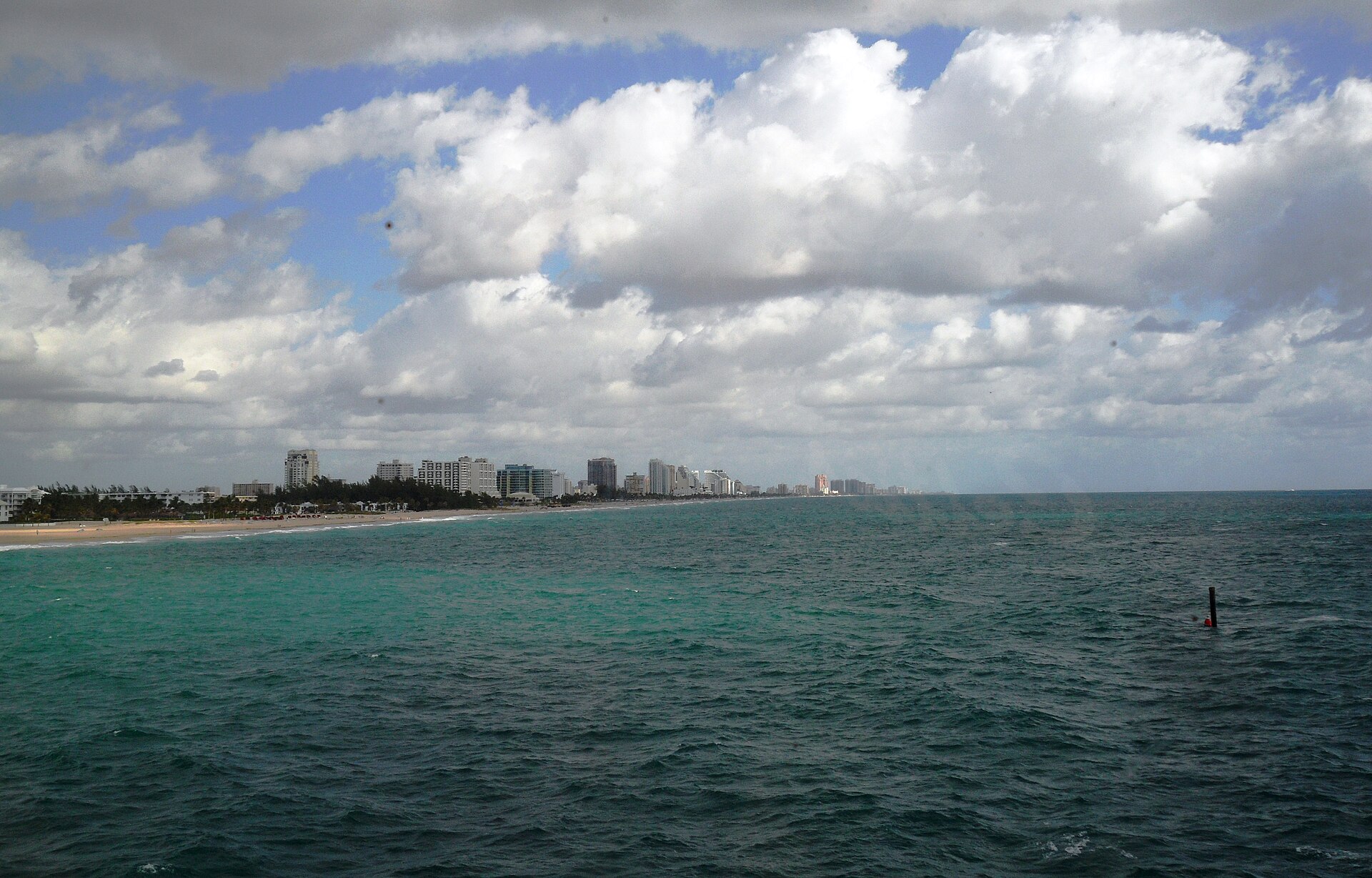
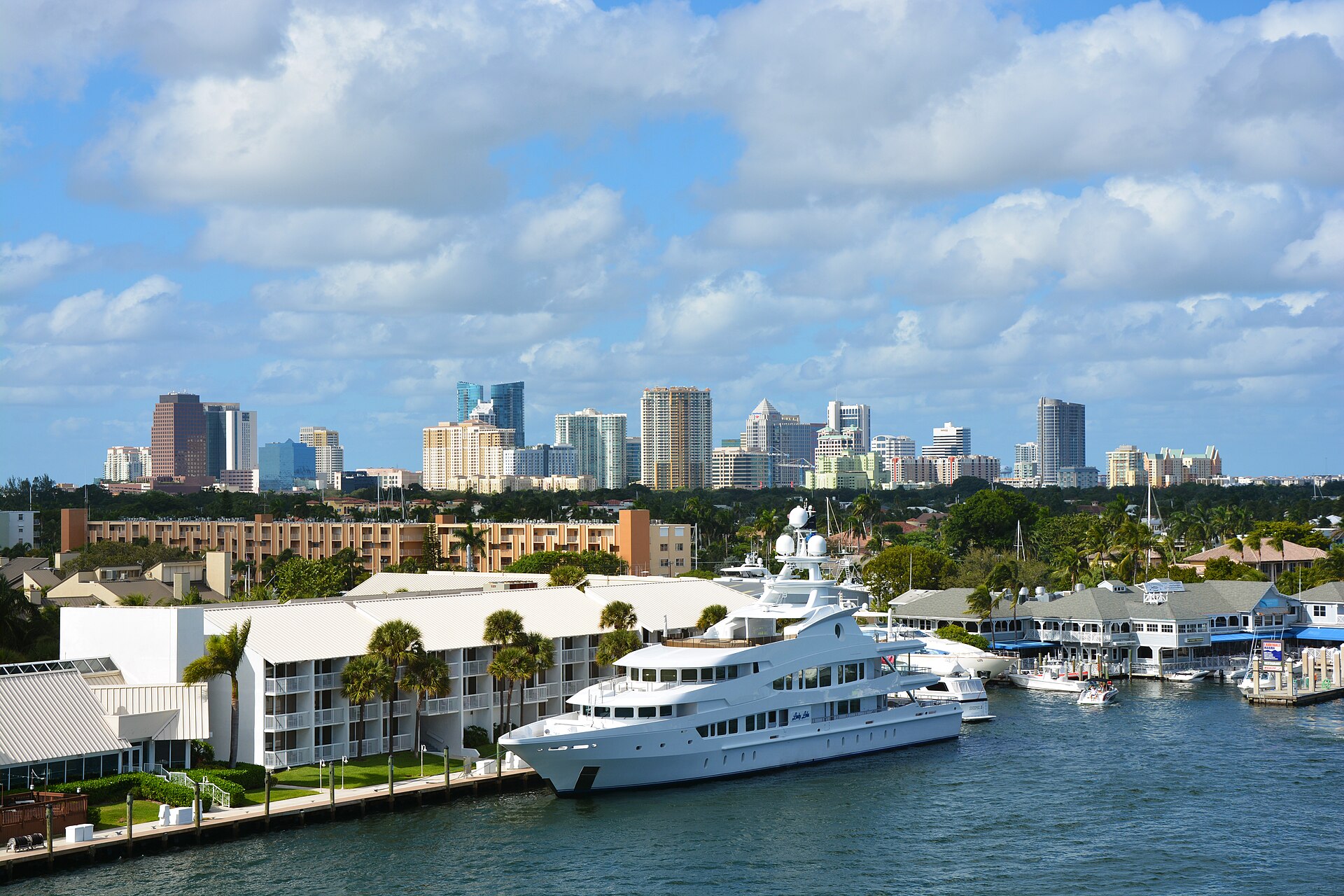
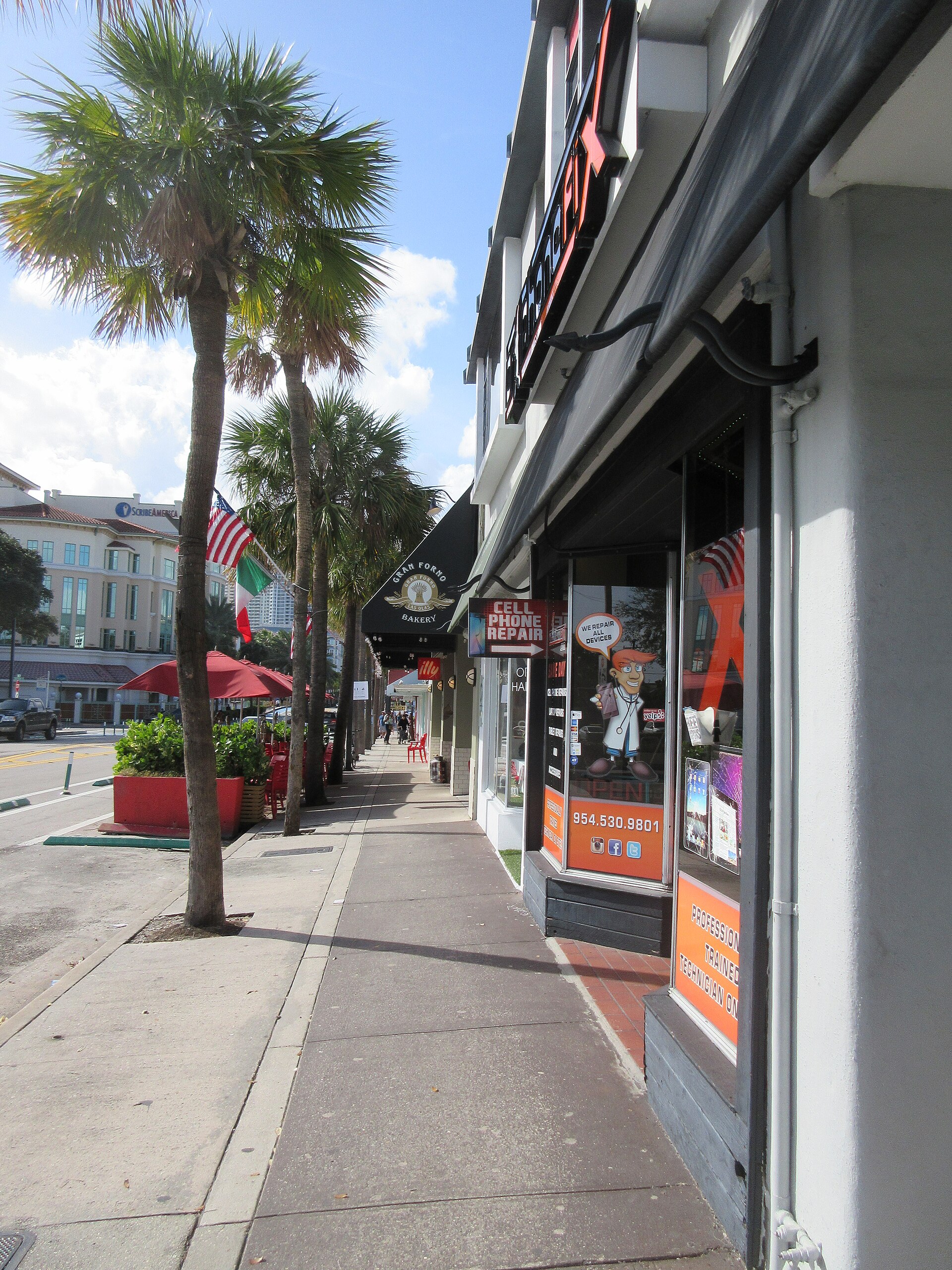
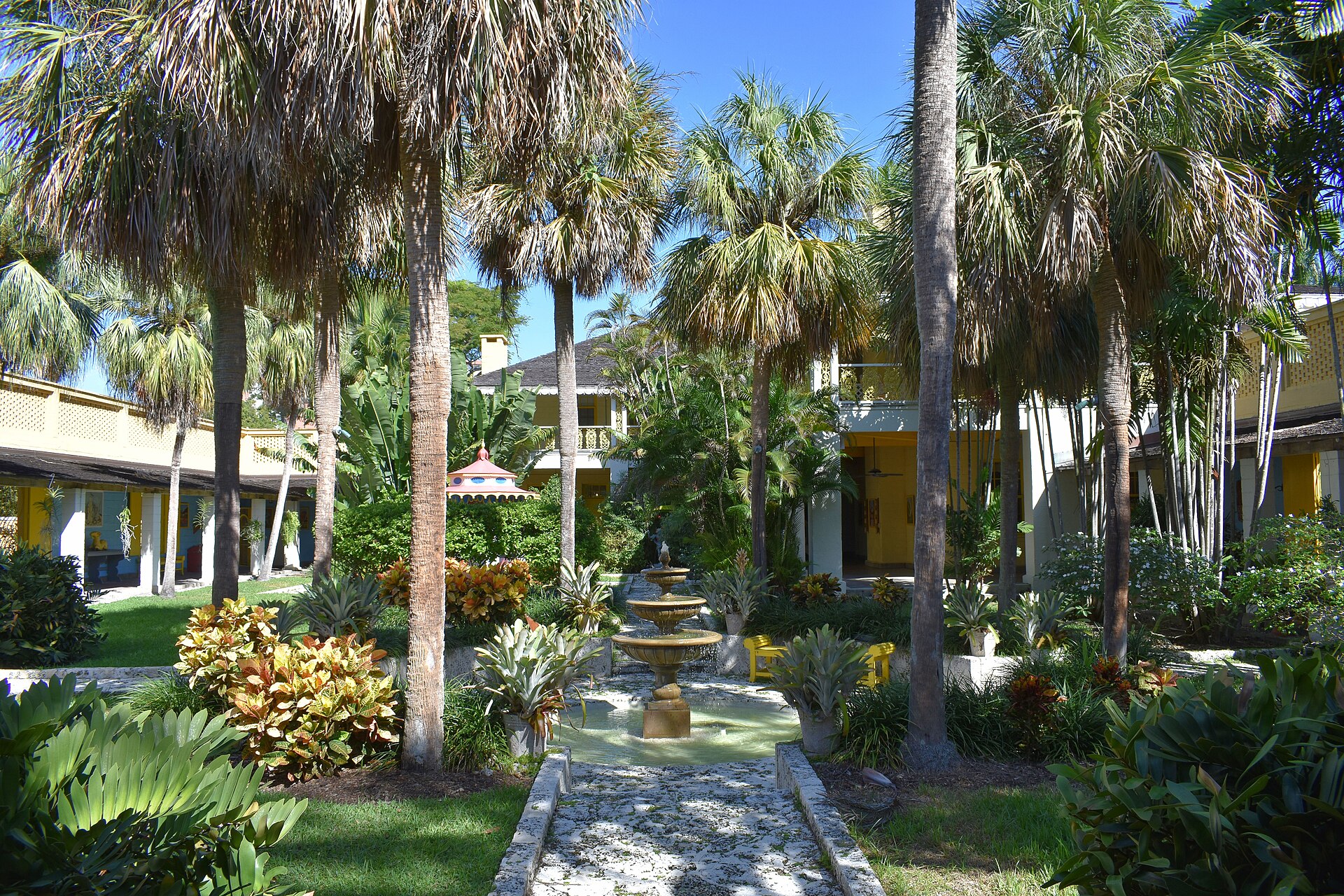
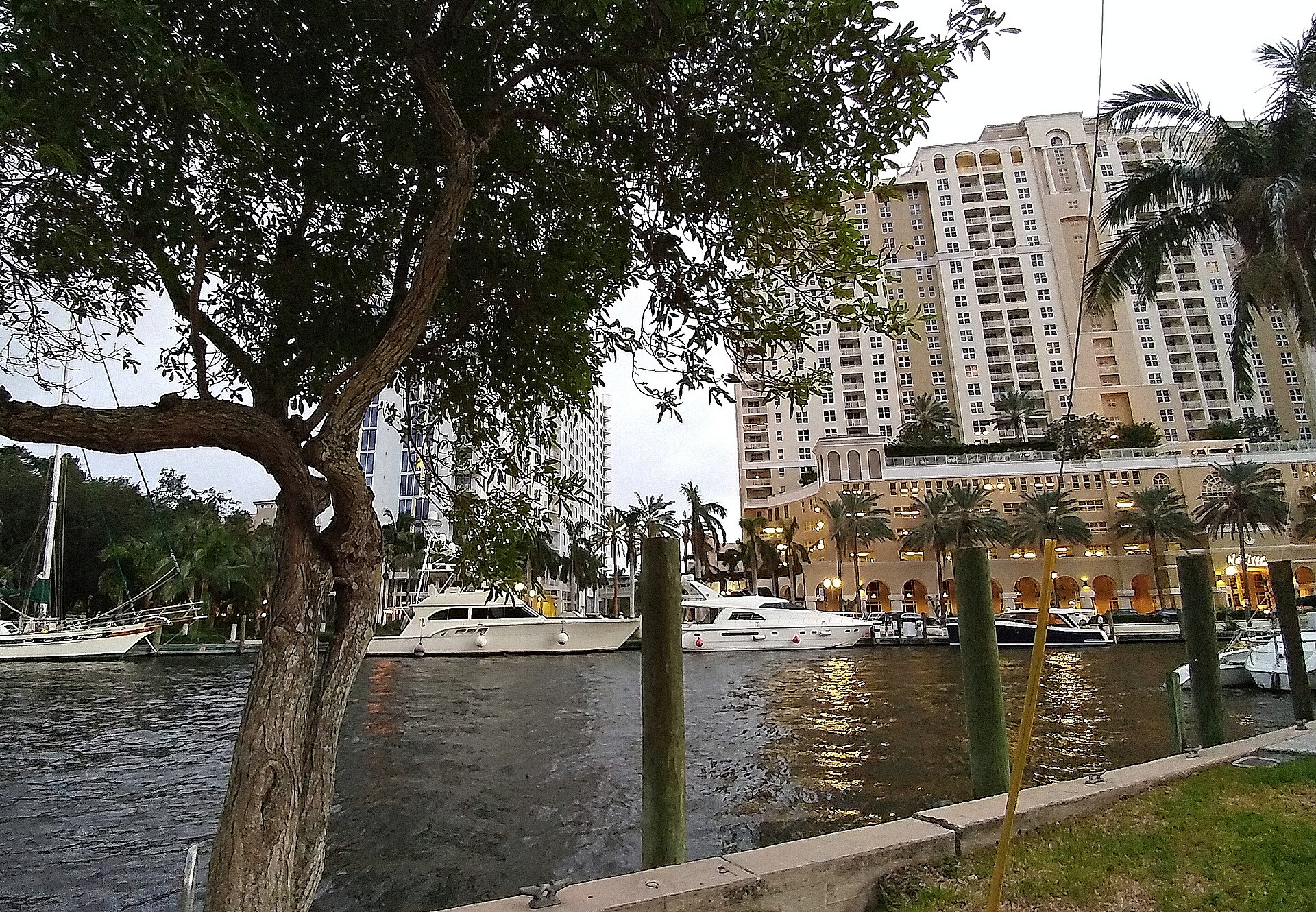
Fort Lauderdale, Florida sits on the Atlantic coast 28 miles north of Miami, with about 184,000 residents and 165 miles of navigable canals threading through its neighborhoods. Real estate agents call it the Venice of America; locals mostly call it easier than Miami. The city runs on three parallel strips: the beach along A1A, the Las Olas Boulevard restaurant corridor, and downtown along the New River, where most of the new apartment towers have gone up.
The crowd is a mix of yacht crews (the city hosts the largest in-water boat show in the world each October), snowbirds, cruise passengers moving through Port Everglades, and a growing base of year-round remote workers priced out of Miami. Flagler Village, just north of downtown, is where the coffee shops and coworking spaces cluster.
A Brief History
The name comes from Major William Lauderdale, who built a fort on the New River in 1838 during the Second Seminole War. Frank Stranahan opened a trading post on the river in 1893, his 1901 house still stands, and the city incorporated in 1911 with fewer than 150 residents. The canals were dredged in the 1920s land boom, when developer Charles Rodes copied Venice by carving long finger islands into the riverbanks. After decades as America's spring break capital, the city deliberately pushed students out in the mid-1980s and rebuilt around boating, cruising, and conventions. More on the Wikipedia page.
Transportation
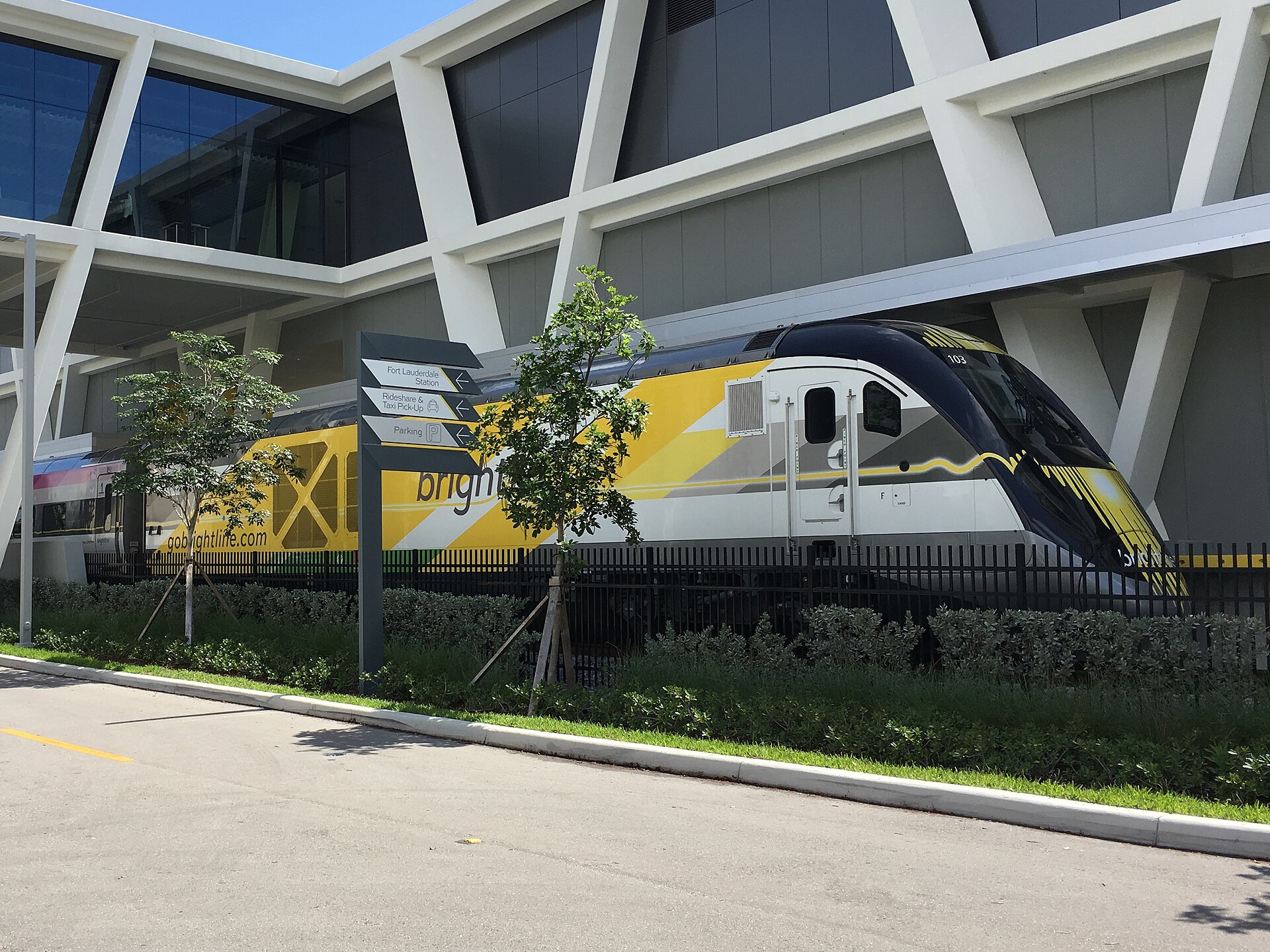
Brightline is the headline: the Fort Lauderdale station is downtown, and trains reach Miami in about 35 minutes (from $15) and West Palm Beach in about 40. Orlando is roughly 3 hours. Fort Lauderdale-Hollywood International Airport (FLL) sits 4 miles south of downtown, a $15 to $20 rideshare.
- Uber and Lyft work everywhere; beach to downtown runs $10 to $15.
- The Water Taxi doubles as transit: an all-day pass is about $40 and stops along the New River and Intracoastal.
- LauderGO community shuttles are free downtown; Broward County Transit buses cost $2 per ride.
- Driving is on the right; an International Driving Permit is not required for most visitors with a valid license. I-95 at rush hour is the thing to plan around.
Language, Customs & Etiquette
English is the default and Spanish is widely spoken; Broward County also has large Haitian Creole and Portuguese speaking communities. Tipping follows standard US practice: 18 to 20 percent at restaurants, a dollar or two per drink at bars. Dress is beach casual almost everywhere, though Las Olas dinner spots expect closed shoes. Photography is fine in public; marinas ask you not to board or photograph private yachts up close.
Safety & Security
Dial 911 for emergencies. The tourist strips are well patrolled, and the main annoyances are property crimes: car break-ins and unattended phones walking off the beach. Downtown around Broward Central Terminal gets rough after dark. Hurricane season runs June 1 to November 30; if a storm is named and heading for South Florida, follow county evacuation guidance rather than waiting it out. Fort Lauderdale is consistently ranked among the most LGBTQ+ friendly destinations in the country, with neighboring Wilton Manors having one of the highest concentrations of same-sex couples of any US city.
Weather & Climate
Subtropical: warm winters, hot wet summers, and roughly 63 inches of rain a year, most of it May through October in short afternoon downpours.
| Month | High / Low (F) | Notes |
|---|---|---|
| January | 76 / 59 | Peak season, driest stretch |
| April | 83 / 68 | Warm, before the rains |
| August | 91 / 78 | Humid, daily storms |
| October | 86 / 74 | Wet season winding down |
Pack light clothing, rain protection in summer, and one layer for over-air-conditioned interiors. November through April is the comfortable window.
Logistics & Practical Info
- Plugs: Type A/B, 120V at 60Hz. Time zone: Eastern (UTC-5, UTC-4 in summer), with US daylight saving from March to November.
- Tap water meets EPA standards and is safe to drink.
- Mobile: AT&T, T-Mobile, and Verizon all cover the city well; prepaid plans start around $30 to $50 a month, with Mint Mobile cheaper from $15.
- Home internet: Xfinity and AT&T Fiber both offer gigabit service; free WiFi is common in cafes and libraries.
- No government internet censorship.
Attractions & Activities
The beach is the anchor, 7 miles of it, with the promenade and its white wave wall running along A1A. Beyond sand:
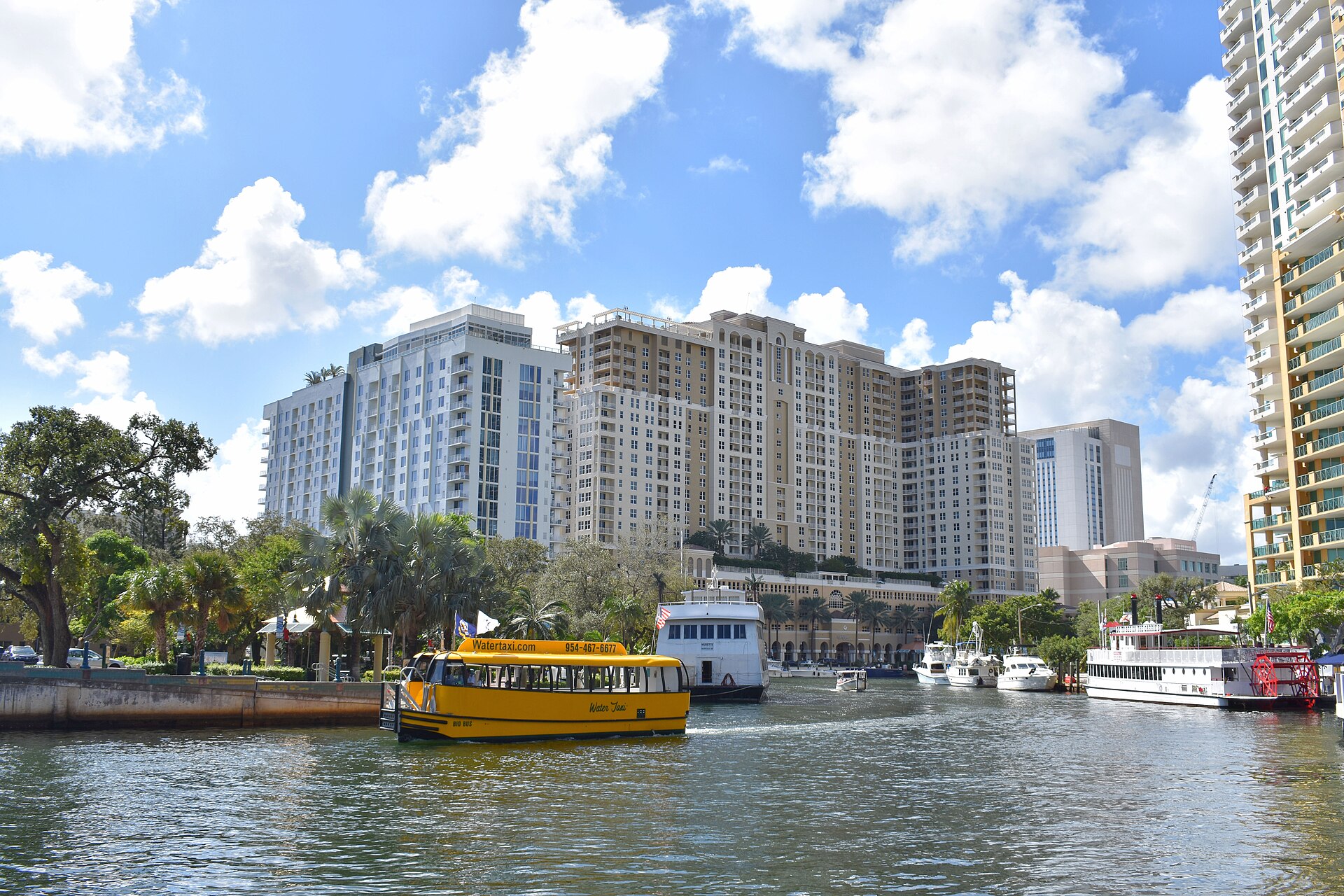
- Bonnet House Museum & Gardens: a 1920 artist's estate on 35 beachfront acres, about $25 admission.
- Hugh Taylor Birch State Park: freshwater lagoon, gopher tortoises, and a shaded 1.9-mile loop, $6 per vehicle.
- Stranahan House: the 1901 trading post turned museum, guided tours around $15.
- NSU Art Museum downtown, then the Riverwalk along the New River.
- Everglades airboat tours run about 30 minutes west; Sawgrass Recreation Park charges around $30.
Eating: Laspada's Original Hoagies stacks a Monster hoagie for about $15, Lester's Diner has poured 14-ounce coffees around the clock since 1967, and Coconuts does dockside stone crab in season.
Health & Medical
Broward Health Medical Center is the major downtown hospital and a Level I trauma center. US healthcare is excellent and expensive: an urgent care visit without insurance typically runs $150 to $250, so carry travel insurance and expect to pay upfront and claim later. Pharmacies (CVS, Walgreens) are everywhere, but foreign prescriptions generally cannot be filled directly; you need a US prescriber. No endemic tropical diseases; mosquito repellent is sensible in the wet season.
Demographics & Government
The city proper holds about 184,000 people inside a Broward County of roughly 1.9 million, part of a South Florida metro of over 6 million. Fort Lauderdale runs on a commission-manager system with an elected mayor, inside a federal constitutional republic. There is no official religion; Christianity is most common locally, alongside sizable Jewish and Caribbean faith communities.
Legal & Substances
- Marijuana: medical only in Florida with a state-issued card; recreational use remains illegal.
- Alcohol: 21 to buy. Open containers are prohibited on the beach and in most public spaces.
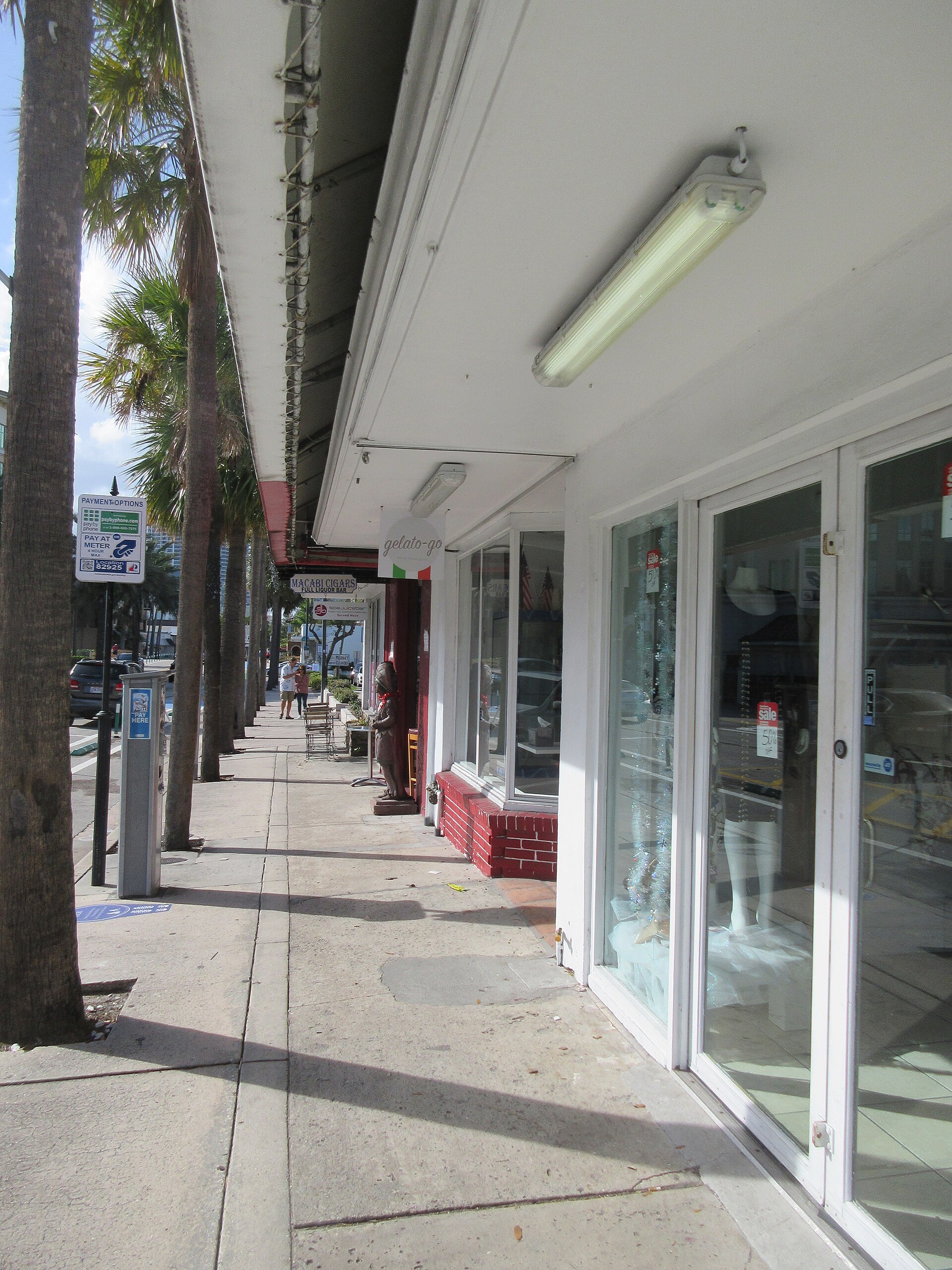
- Smoking and vaping are banned at city beaches and parks (cigar exception aside), and indoors statewide.
Customs & Shopping
Sawgrass Mills, 20 minutes west in Sunrise, is one of the largest outlet malls in the US and a standard stop for international visitors. Leaving the US, declare currency over $10,000 and skip anything made from protected wildlife (coral, turtle shell), which is seized under CITES rules. FLL has standard duty-free shopping.
Accessibility & Inclusion
ADA standards apply citywide: curb cuts, accessible restrooms, and ramped access are the norm. Fort Lauderdale Beach lends free beach wheelchairs at lifeguard headquarters, and both the Water Taxi's main stops and LauderGO shuttles accommodate wheelchairs. The city scores a perfect 100 on the Human Rights Campaign's Municipal Equality Index.
Digital Nomad Corner
- Cost: a downtown one-bedroom runs $2,200 to $2,500 a month; Flagler Village studios start around $1,900. Budget $4,000 or more monthly all-in.
- Coworking: General Provision in Flagler Village is the local anchor (day passes about $25); Regus and Industrious have downtown floors.
- Cafes: Wells Coffee and Brew Urban Cafe, built inside a book-lined studio warehouse, are the reliable laptop rooms.
- Visas: the US has no digital nomad visa; most visitors work remotely on ESTA (90 days) or a B1/B2. Working for a US employer requires proper authorization.
- Community: the FATVillage art walk (last Saturday monthly) and South Florida tech meetups in both Fort Lauderdale and Miami, 35 minutes away by train.
Photos via Wikimedia Commons (CC BY / CC BY-SA). Prices checked August 2026.