Miami: Beaches, Cafecito & Remote Work
Nomad Toolkit
Overview & Vibe
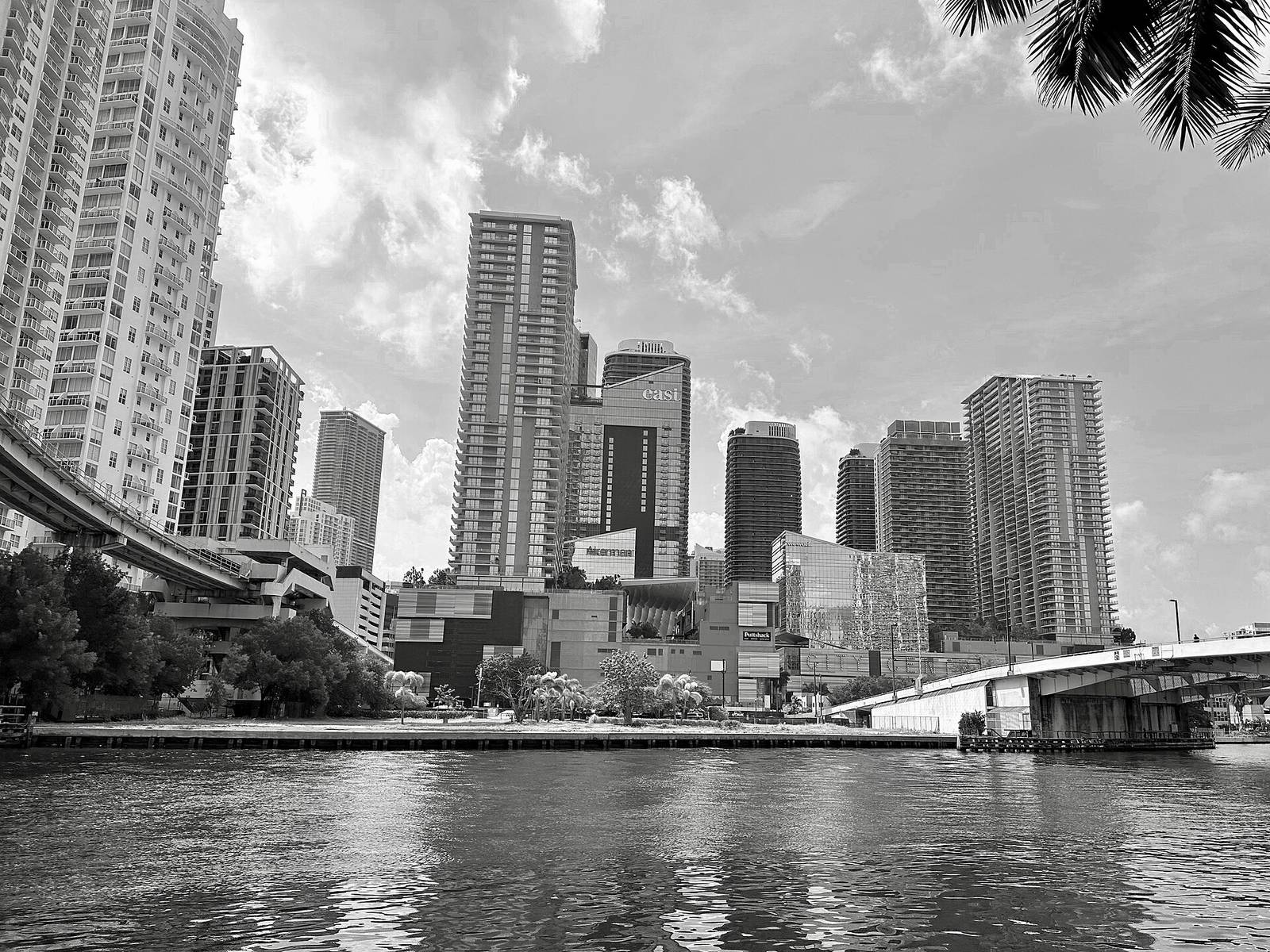
Miami is a city of about 455,000 people anchoring a metro area of more than 6 million, and roughly 70 percent of Miami-Dade households speak Spanish at home. That mix shows up everywhere: you order a colada at a walk-up window, hear three languages on the Metromover, and finish the workday with your laptop closed by 5 because the beach is 20 minutes away.
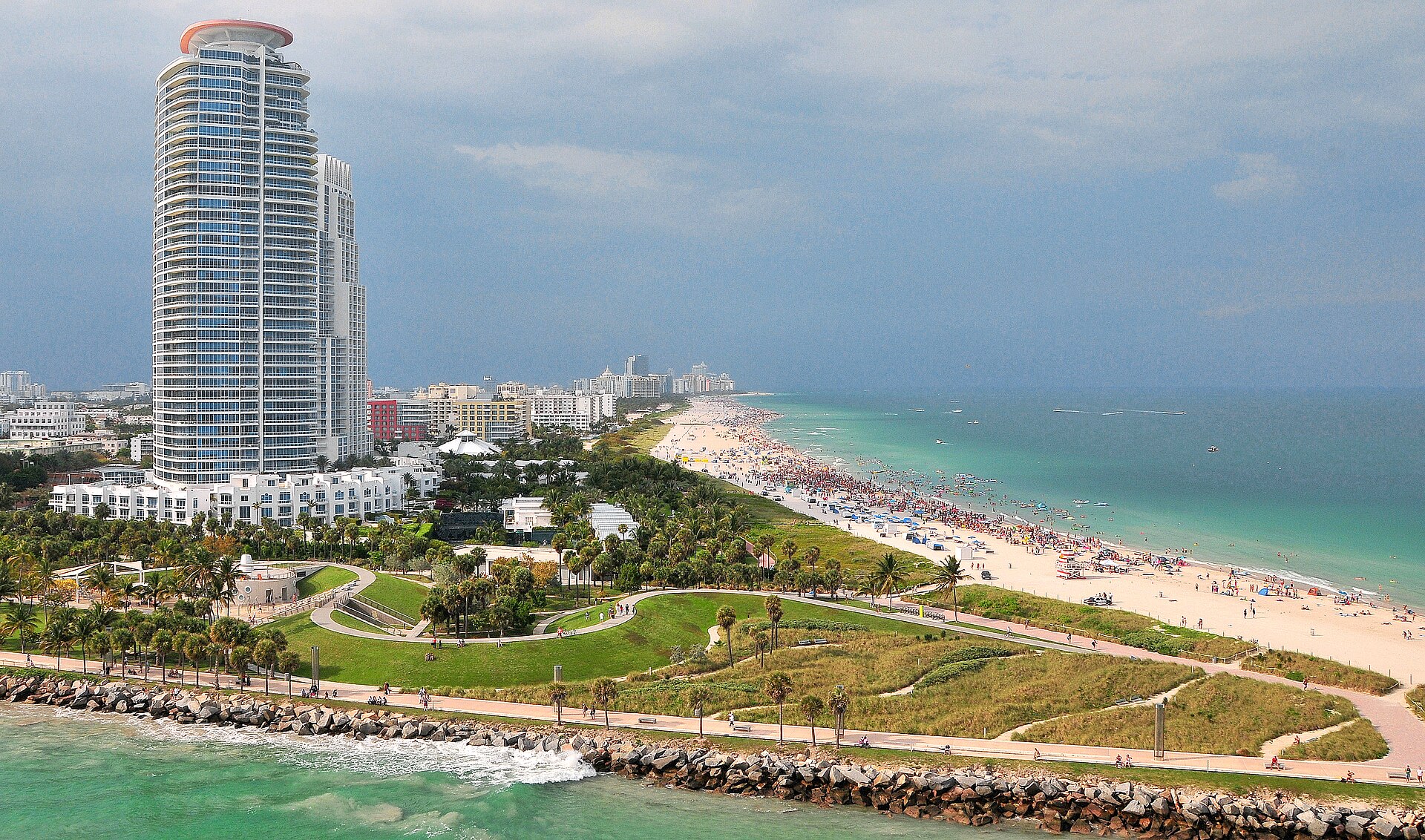
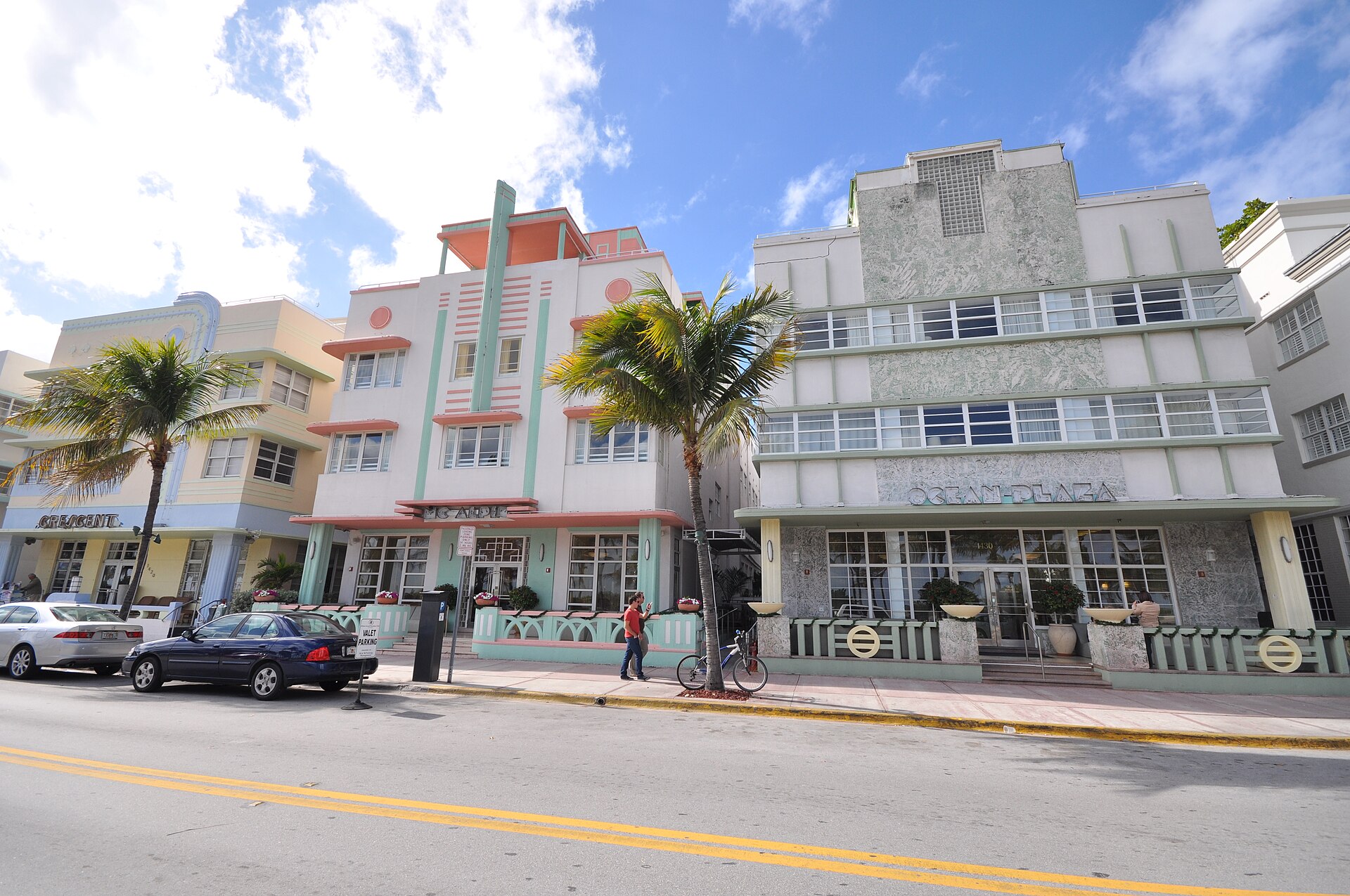
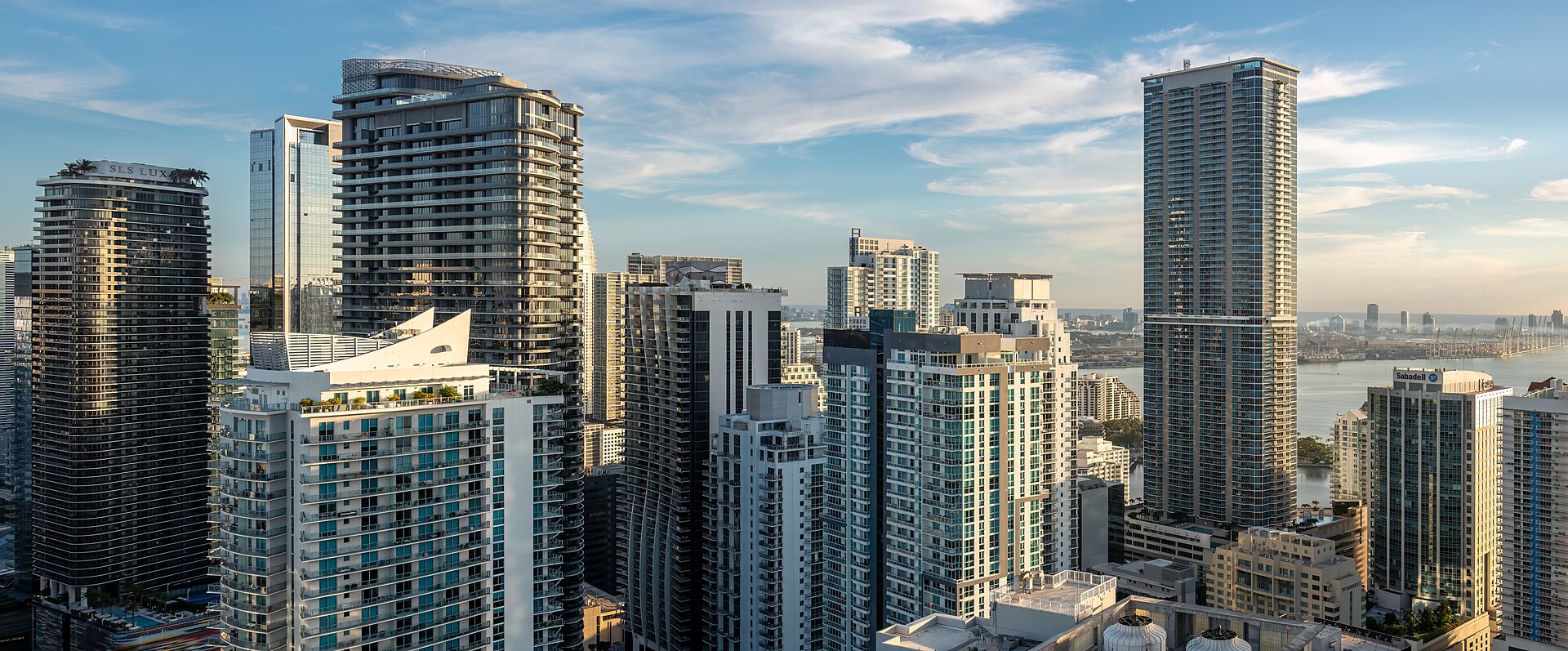
The city splits into distinct zones. Brickell is the banking district with high-rise rentals and most of the coworking space. Wynwood is the mural-covered warehouse district with the best coffee. Little Havana runs on cafecito and dominoes along SW 8th Street. Across Biscayne Bay, Miami Beach is a separate city, where the Art Deco Historic District holds around 800 pastel buildings from the 1920s and 1930s, most of them along and behind Ocean Drive.
A Brief History
The Tequesta people lived at the mouth of the Miami River for roughly 2,000 years before European contact. Local citrus grower Julia Tuttle persuaded railroad magnate Henry Flagler to extend his Florida East Coast Railway south, and the city incorporated on July 28, 1896 with just 368 voters, making Miami the only major American city founded by a woman. A land boom in the 1920s and Cuban migration after the 1959 revolution shaped the bilingual city you land in today.
Transportation
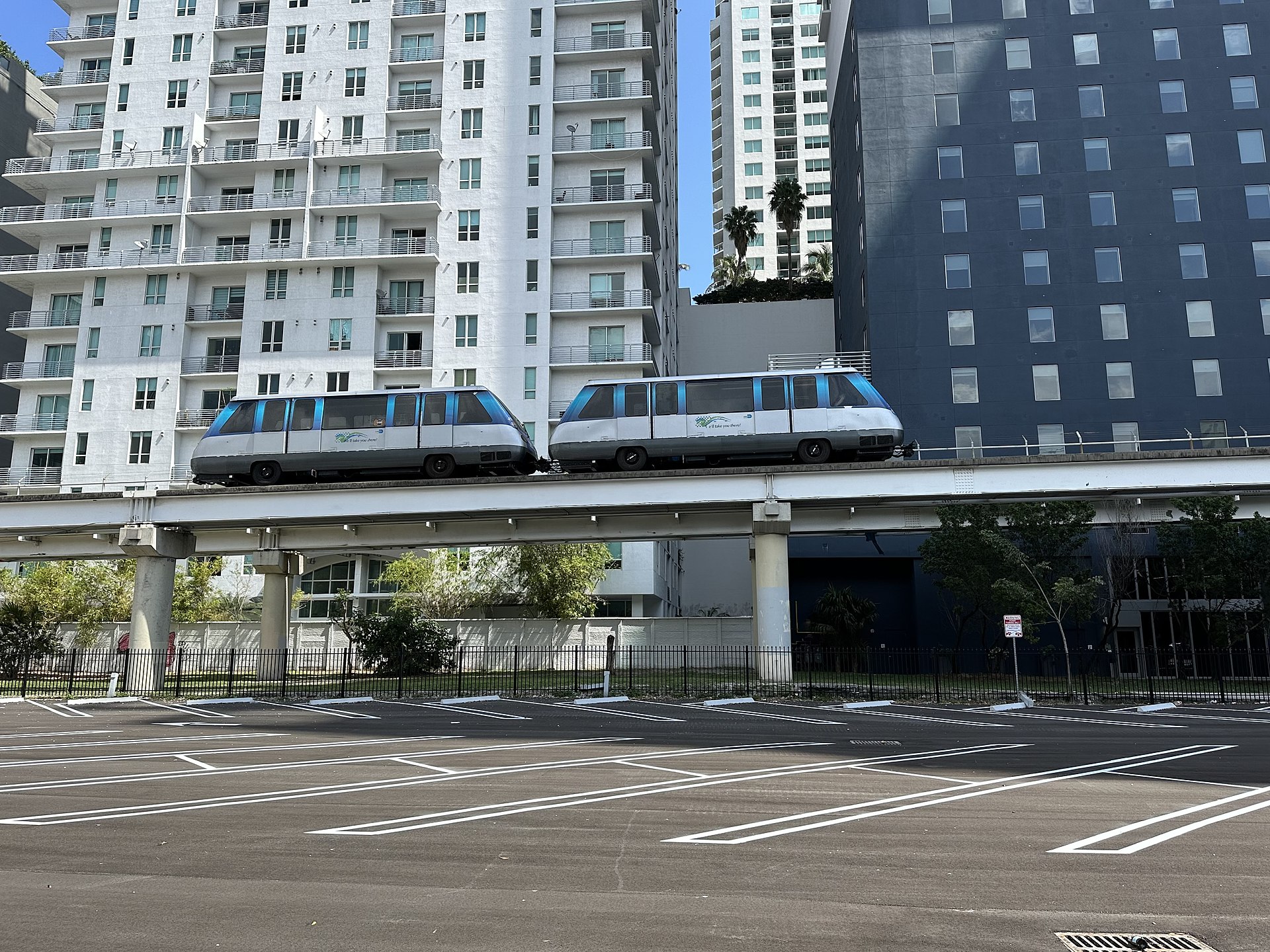
You can skip a rental car if you stay near the rail lines. Metrorail runs two lines for a $2.25 flat fare, including an Orange Line stop inside Miami International Airport, about 8 miles from downtown. The elevated Metromover loops through downtown and Brickell for free. Brightline trains leave MiamiCentral for Fort Lauderdale and West Palm Beach with fares that start around $15, and continue to Orlando in about 3.5 hours.
- Uber and Lyft cover the whole metro; airport pickups run $15 to $30 to downtown.
- Citi Bike Miami rents by the half hour; flat terrain makes cycling easy, traffic does not.
- Driving is on the right; a foreign license works for rentals with a passport.
- The free trolley systems in Miami and Miami Beach fill gaps between rail stops.
Language, Customs & Etiquette
English and Spanish are both everyday languages, and many service interactions start in Spanish. Nobody expects fluency, but ordering a cafecito or colada in Spanish gets a warmer reception. Tipping follows standard American practice, 18 to 20 percent at sit-down restaurants, and many Miami restaurants add a service charge automatically, so read the bill before doubling it. Dress is casual by northern standards; linen and sandals pass almost everywhere except a handful of Brickell steakhouses.
Safety & Security
Tourist zones like South Beach, Brickell, and Wynwood are heavily patrolled, and 911 works for all emergencies with 311 for city services. The practical risks are car break-ins at beach parking lots and inflated bar tabs on Ocean Drive, where a few venues are known for menu prices that multiply after midnight. Check reviews before sitting down. Miami is one of the most LGBTQ+ friendly cities in the American South, with a long-established scene centered on Miami Beach.
Weather & Climate
Miami is the warmest major city in the mainland United States. Winter is the payoff; summer is a commitment to humidity and afternoon thunderstorms. Hurricane season runs June through November, and locals genuinely track storms in August and September.
| Season | Avg High / Low | Notes |
|---|---|---|
| Dec to Feb | 76°F / 62°F | Dry, sunny, peak season |
| Mar to May | 83°F / 69°F | Warm, rain returns in May |
| Jun to Sep | 90°F / 78°F | Humid, daily storms, hurricane watch |
| Oct to Nov | 84°F / 72°F | Storm season tapers, crowds thin |
Logistics & Practical Info
- Plugs: Type A and B, 120V. Time zone: Eastern (UTC-5, UTC-4 in summer).
- Tap water is safe to drink; most locals still filter it for taste.
- Prepaid SIMs from T-Mobile or AT&T run $30 to $50 a month; Mint Mobile is cheaper if you bring an unlocked phone.
- Home internet from Xfinity or AT&T Fiber commonly delivers 500 Mbps to 1 Gbps; no government censorship of websites or apps.
- Florida has no state income tax, one reason so many remote workers relocate here.
Attractions & Activities
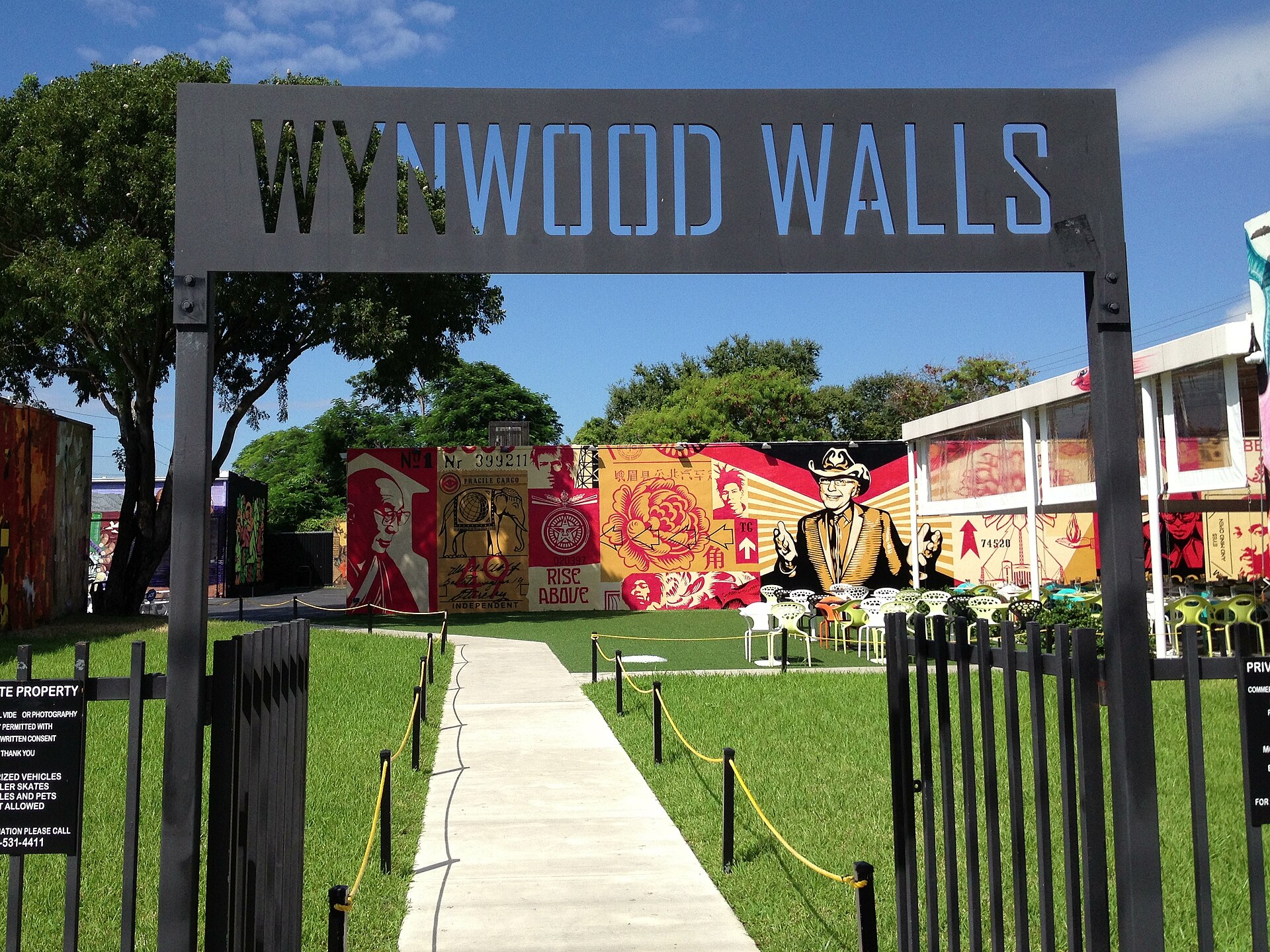
Wynwood Walls turned a warehouse district into an outdoor museum when it opened in 2009; entry runs about $12, and the surrounding blocks of free street art justify the trip on their own.
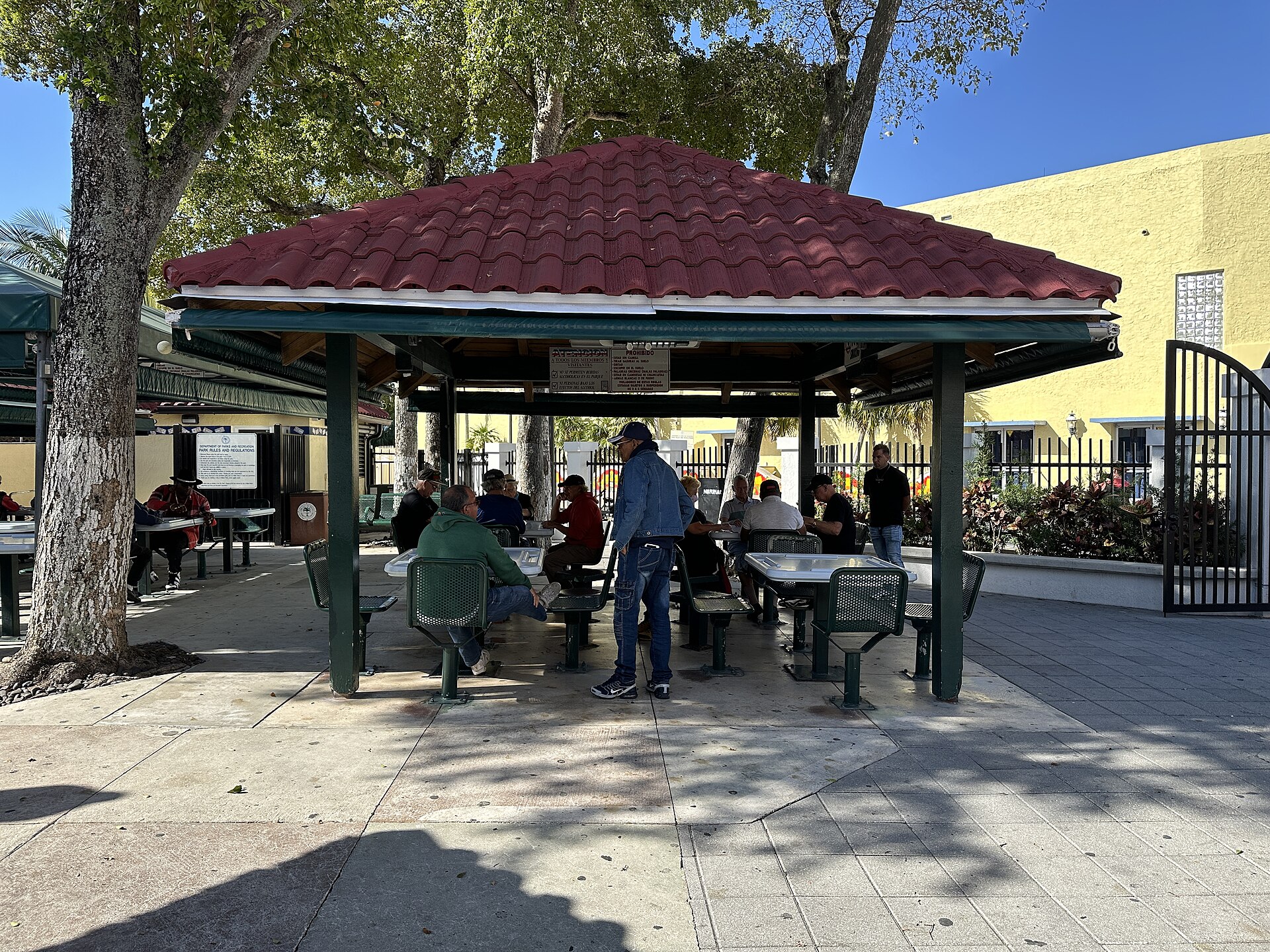
In Little Havana, Máximo Gómez Park, better known as Domino Park, hosts daily domino games at the corner of SW 8th Street and 15th Avenue. Stand at the window of Versailles Restaurant at 3555 SW 8th St for a colada around $3 and a guava pastelito for about $2.
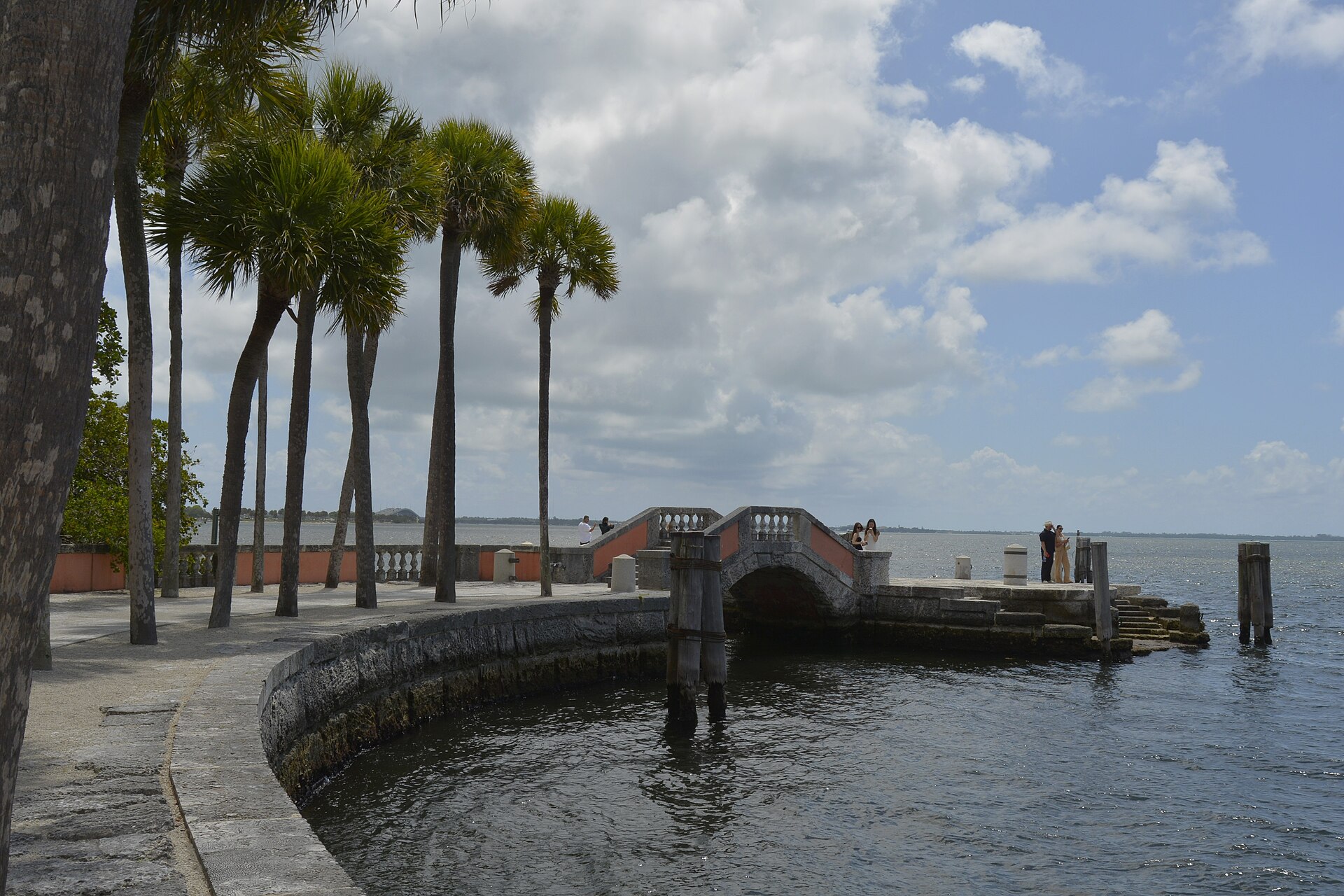
Vizcaya Museum and Gardens, the 1916 bayfront villa of industrialist James Deering, charges $25 and pairs Italian Renaissance gardens with mangrove shoreline. Add South Beach for the classic lifeguard towers, and time a visit for the Calle Ocho Festival in March, when a mile of Little Havana becomes one street party.
Health & Medical
Jackson Memorial and Baptist Health run large hospital networks, and walk-in urgent care clinics handle minor issues for $100 to $200 without insurance. US healthcare bills at full price, so carry travel insurance and expect to pay upfront and claim later. Pharmacies (CVS, Walgreens) are everywhere and open late; foreign prescriptions generally cannot be filled directly, so bring enough medication plus a doctor's letter.
Demographics & Government
The city of Miami holds about 455,000 people inside a Miami-Dade County of 2.7 million; the wider metro tops 6 million. It is a majority-Hispanic city, with large Cuban, Venezuelan, Colombian, Haitian, and Brazilian communities. Miami runs a mayor-commission government, Miami Beach is a separate municipality with its own, and Catholicism is the largest single religious affiliation.
Legal & Substances
- Recreational marijuana is illegal in Florida; only registered medical patients can buy.
- Drinking age is 21, enforced with ID checks even for obvious adults.
- Open containers are banned on streets and on Miami Beach sand; fines are real.
- Smoking is banned in restaurants and, since 2023, on Miami Beach public beaches.
Customs & Shopping
Arriving passengers clear US customs with the usual $800 duty-free exemption for returning residents. Skip the Ocean Drive souvenir shops and buy hand-rolled cigars from El Titan de Bronze on Calle Ocho, Cuban coffee beans, or guayabera shirts from La Casa de las Guayaberas. Cuban cigars themselves remain restricted; Miami's are rolled locally, often by Cuban emigres.
Accessibility & Inclusion
Metrorail and Metromover stations are elevator-equipped and ADA compliant. Miami Beach lends beach wheelchairs for free at lifeguard stands and has installed roll-out beach mats at several access points, including 10th Street. Sidewalk quality varies in older neighborhoods like Little Havana, where curb cuts can be inconsistent.
Digital Nomad Corner
Budget realistically: a one-bedroom near Brickell or Edgewater runs $2,400 to $2,800 a month, and a monthly coworking desk adds $200 to $350. The trade is real infrastructure, a major international airport, and winter weather that lets you work outside in January.
- Coworking: The LAB Miami in Wynwood, CIC Miami in the Health District, and multiple Industrious and WeWork floors in Brickell.
- Cafés: Panther Coffee in Wynwood is the default laptop spot; buy a drink an hour and you can camp.
- Visas: the US has no digital nomad visa; Visa Waiver Program nationals get 90 days, B-2 visitors up to 6 months, and neither permits US employment.
- Community: the South Florida Tech Hub and eMerge Americas conference (every spring) anchor a growing startup and remote-work scene.
Keep planning: Naples: Southwest Florida Gulf Coast and Panama City Beach: Florida Panhandle.
Photos via Wikimedia Commons: Phillip Pessar (CC BY 2.0), M McBey (CC BY 2.0), Jorge Láscar (CC BY 2.0), Leslie Platt (CC BY 2.0), Rhododendrites (CC BY-SA 4.0).