Panama City Beach Travel Guide: Florida Panhandle
Nomad Toolkit
Overview & Vibe
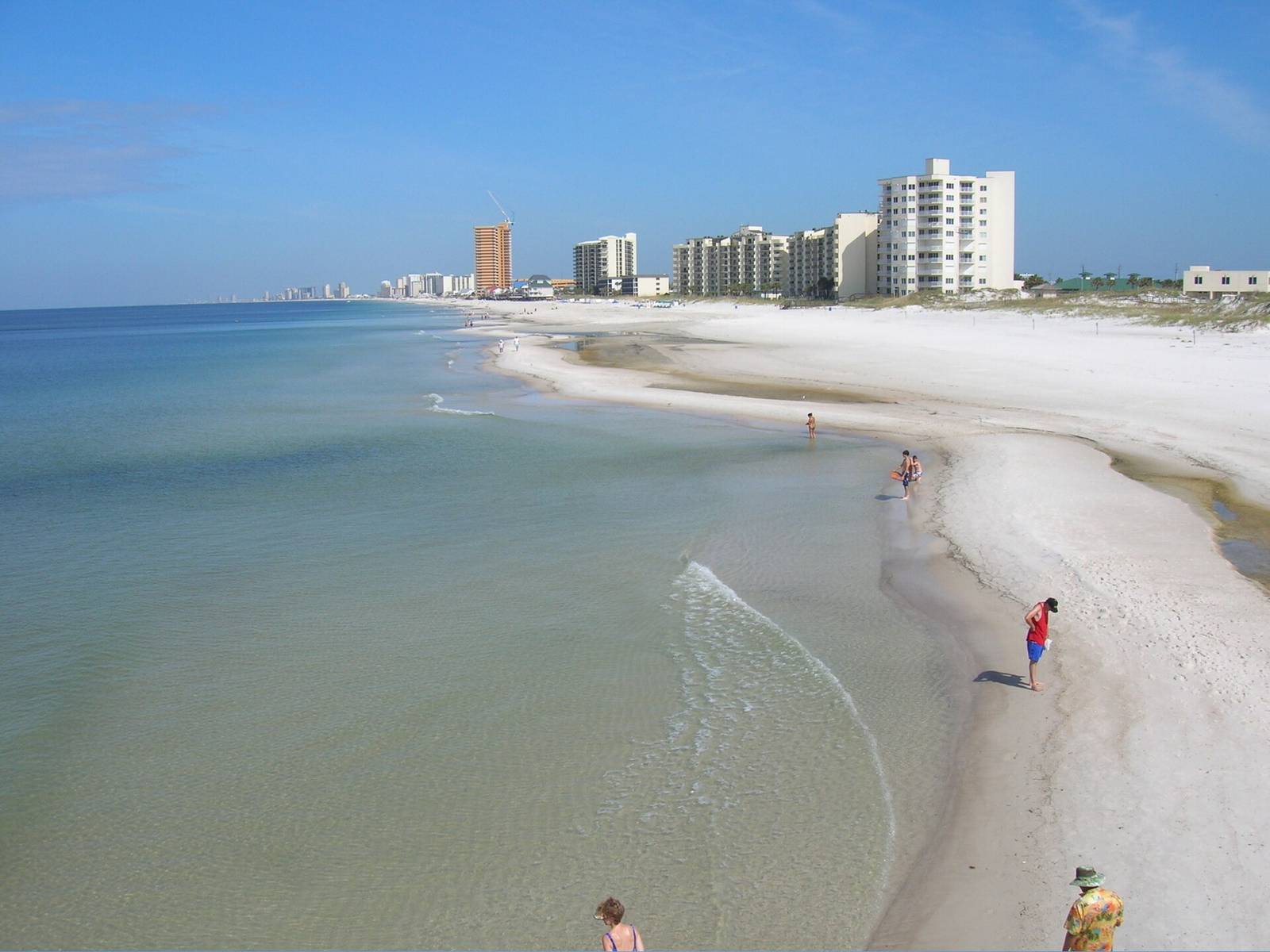
Panama City Beach, Florida fronts about 9 miles of Gulf of Mexico shoreline in the Florida Panhandle, 10 miles west of Panama City. The 2020 census counted 18,094 residents, up 50 percent from 12,018 in 2010, and the sand is different here: fine white quartz washed down from the Appalachians, the basis of the city slogan "The World's Most Beautiful Beaches."
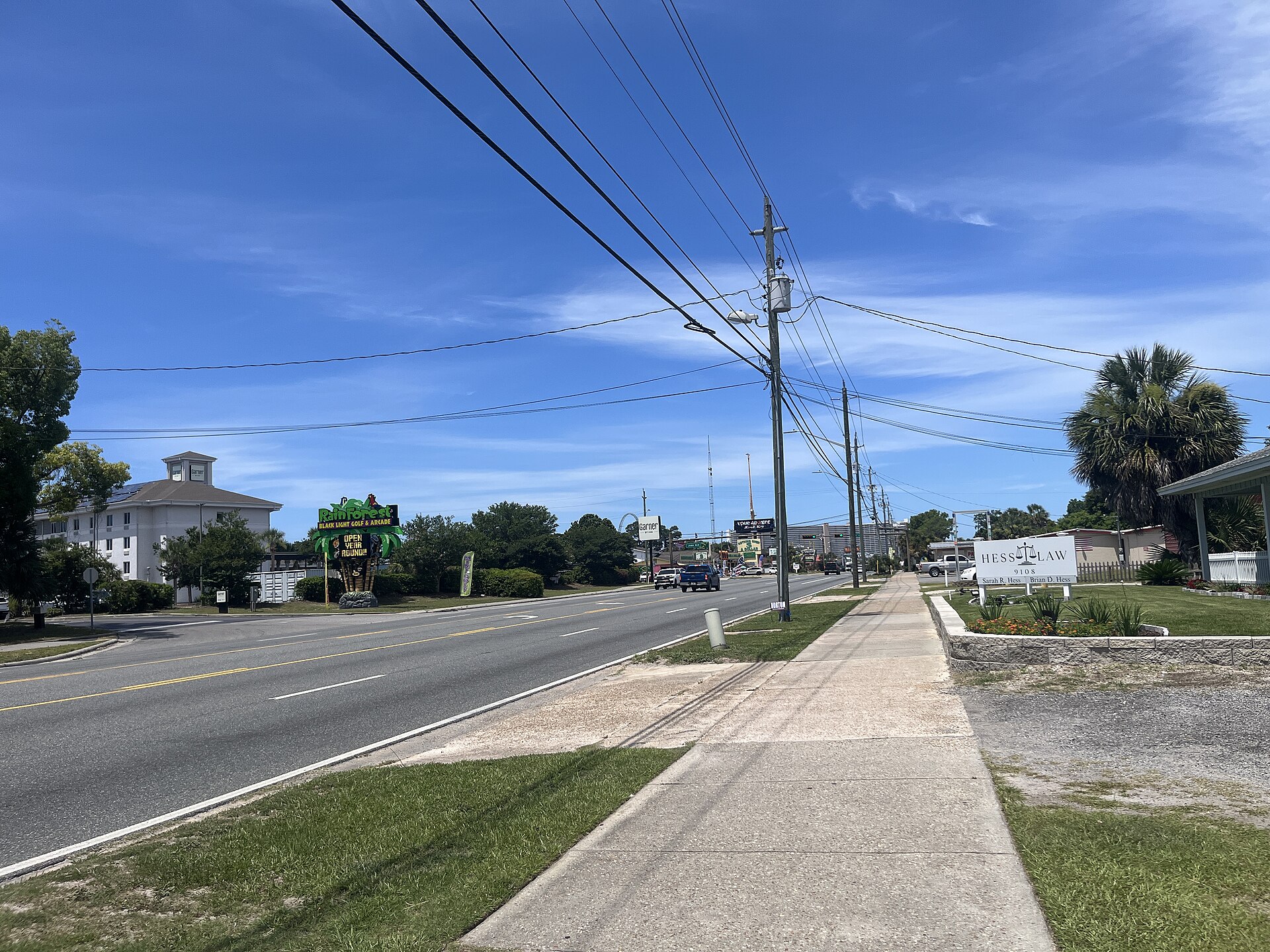
The town runs on tourism. Of 20,052 housing units, 59.9 percent sat vacant at the last census, most of them condos and vacation rentals. Summer brings families from Georgia, Alabama, and Tennessee, March brings college spring breakers, and the quiet stretch from September to February belongs to snowbirds and anyone who wants a Gulf-front condo at the year's lowest rates. The year-round community clusters inland while the coast itself is nearly all resorts.
A Brief History
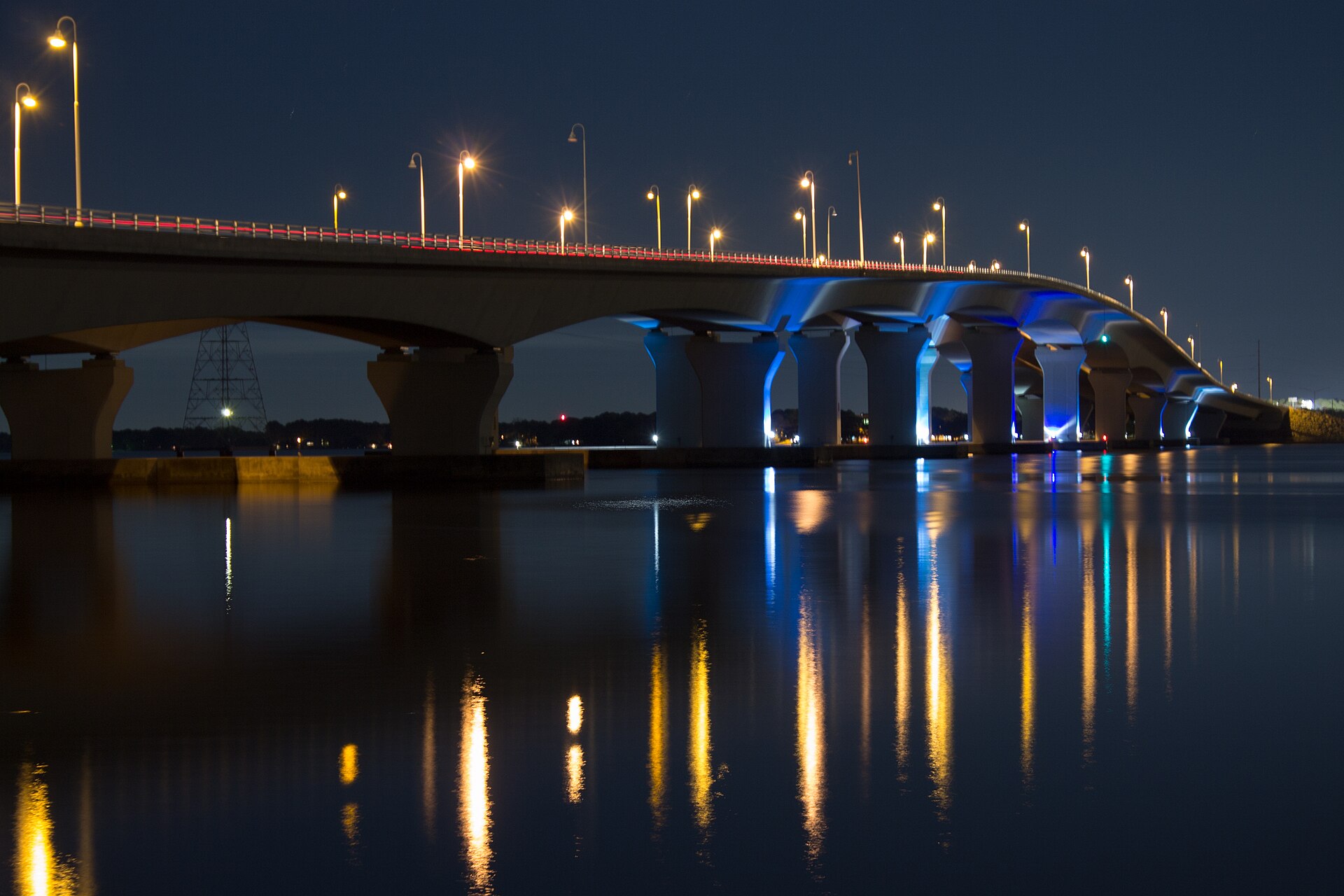
The resort era began when the Hathaway Bridge opened in 1929 and developer Gideon Thomas opened his Panama City Beach resort in 1936, a year after J. E. Churchwell's Long Beach Resort started renting cottages nearby. The modern city was incorporated in 1970 when those resorts merged with Laguna Beach, Edgewater Gulf Beach, and several other beachside communities. On October 10, 2018, Category 5 Hurricane Michael made landfall just east of the county and wrecked much of the area, though Panama City Beach escaped the worst of it. The full story is on the city's Wikipedia page.
Transportation
Northwest Florida Beaches International Airport (ECP) sits 20 minutes north of the beach with nonstops from Southwest, Delta, American, and United, mostly to hubs like Atlanta and Dallas. The Bayway public bus runs hourly Monday through Saturday, but service is thin, so nearly everyone drives. US 98 (Back Beach Road to locals) carries through traffic, Front Beach Road hugs the sand, and State Road 79 runs 35 minutes north to Interstate 10.
- Uber and Lyft cover the beach reliably; ECP to mid-beach runs roughly $25 to $35.
- Rental cars are the practical default. Summer traffic on Front Beach Road crawls, so use Back Beach Road for anything over a mile.
- Scooter and golf cart rentals are licensed by the city and common in summer; drive on the right.
Language, Customs & Etiquette
English is the working language, delivered with Southern habits: strangers say hello, cashiers chat, and "yes ma'am" is normal. Tip 15 to 20 percent at any table-service restaurant and a couple of dollars per drink at beach bars. Posted prices are what you pay plus Bay County's 7 percent sales tax; nobody bargains.
Safety & Security
The biggest danger here is not crime, it is the Gulf. Rip currents kill more people at Panama City Beach than at almost any other American beach, and entering the water under double red flags carries a $500 fine. If a current pulls you out, swim parallel to shore until free of it rather than fighting straight back in.
- Emergency number: 911 for police, fire, and ambulance. The Panama City Beach Police Department patrols the city.
- Property crime concentrates on unlocked cars and unattended beach gear. Violent crime against visitors is uncommon outside of March, when spring break crowds bring extra enforcement and a beach alcohol ban.
- LGBTQ+ travelers will find a conservative family-resort town rather than a scene, but day-to-day treatment at hotels and restaurants is unremarkable.
Weather & Climate
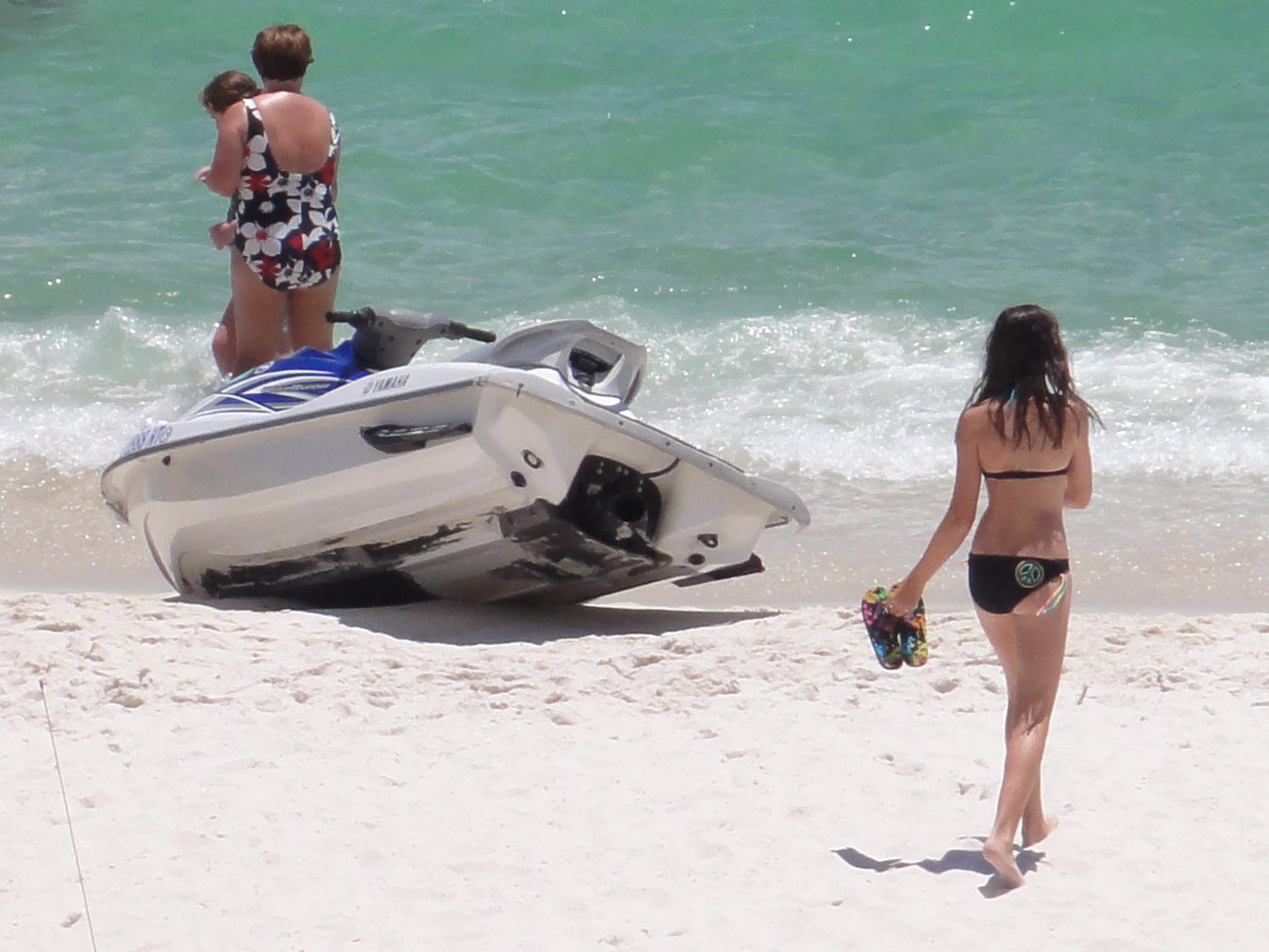
The Panhandle is humid subtropical: long, humid summers, brief mild winters, and a real hurricane season from June 1 to November 30. Gulf water is swimmable from roughly April through October.
| Season | Highs | Lows | Notes |
|---|---|---|---|
| Dec to Feb | 60 to 65°F | 42 to 47°F | Quietest months, lowest condo rates |
| Mar to May | 70 to 84°F | 52 to 66°F | Spring break in March, then a sweet spot |
| Jun to Aug | 88 to 90°F | 73 to 76°F | Peak crowds, afternoon thunderstorms |
| Sep to Nov | 72 to 87°F | 55 to 72°F | Warm water, thinner crowds, peak hurricane risk into October |
Pack light cotton, a rain layer for summer storms, and a fleece for winter evenings. If a named storm enters the Gulf, take evacuation notices literally; Michael went from tropical storm to Category 5 landfall in about 72 hours.
Logistics & Practical Info
- Time zone: Central Time (UTC-6, UTC-5 in summer). Most of Florida runs on Eastern; the western Panhandle does not.
- Power: US Type A/B plugs, 120V at 60Hz.
- Tap water: Safe to drink; municipal supply meets EPA standards.
- SIMs and data: Verizon, AT&T, and T-Mobile all cover the beach well. Prepaid MVNOs like Mint Mobile run $15 to $30 a month if you bring an unlocked phone.
- WiFi: Free in most cafes and all vacation rentals, and there is no government internet censorship to plan around.
Attractions & Activities
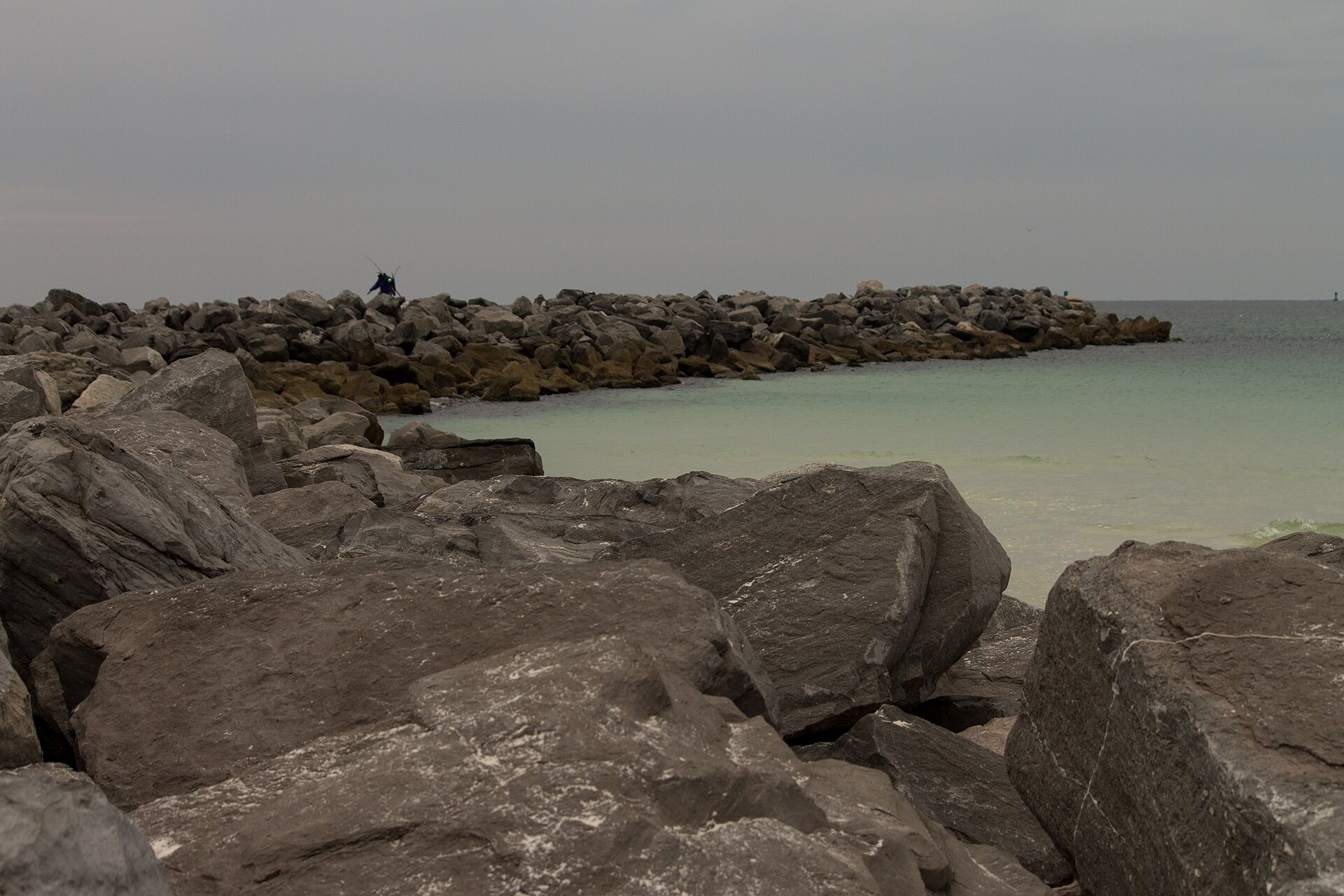
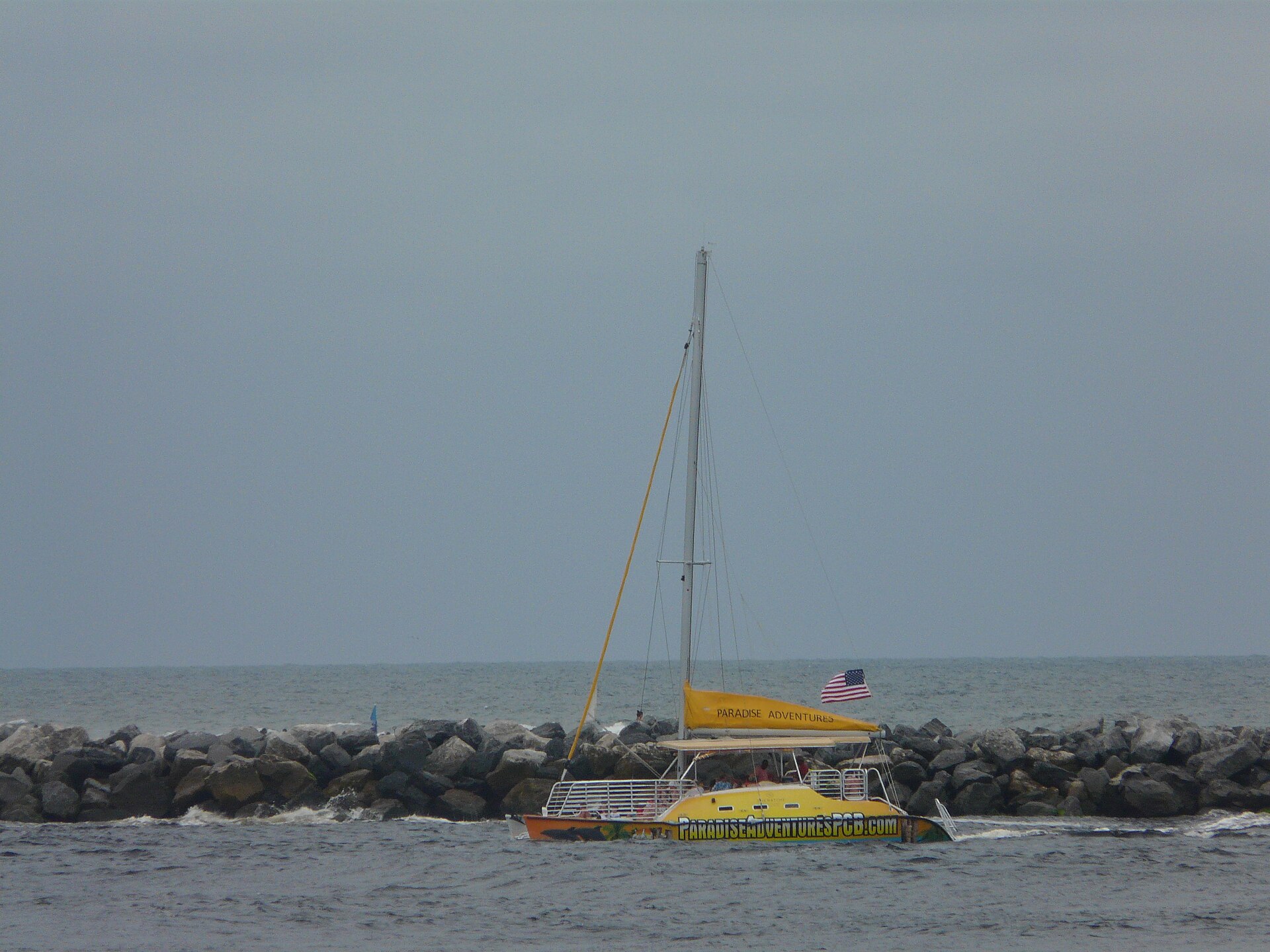
St. Andrews State Park anchors the east end with 1,200 acres of dunes, two fishing piers, and a calm, snorkel-friendly jetty pool where kids float over sheepshead. Entry is $8 per vehicle, and the seasonal shuttle to undeveloped Shell Island leaves from inside the park.
- Pier Park, a 900,000-square-foot open-air district at the foot of the city pier, holds most of the beach's shopping, restaurants, and the SkyWheel.
- Russell-Fields Pier stretches 1,500 feet into the Gulf; walk-on sightseeing costs a few dollars and anglers pull in Spanish mackerel and pompano.
- Conservation Park offers 24 miles of free hiking and biking trails over pine flatwoods and cypress boardwalks.
- Gulf World Marine Park and Ripley's Believe It or Not cover the rainy-day circuit.
Eat the local catch: a fried grouper sandwich runs about $18 at Schooners on the east end, and Capt. Anderson's on Grand Lagoon has served Gulf seafood off its own docks since 1967.
Health & Medical
The nearest full hospitals, Ascension Sacred Heart Bay and HCA Florida Gulf Coast, sit across the Hathaway Bridge in Panama City, 15 to 25 minutes from most of the beach; urgent care clinics along Panama City Beach Parkway handle sunburns and stitches. US healthcare has no universal coverage and hospitals rarely bill foreign travel insurance directly, so carry a policy that reimburses you and expect to pay upfront. Pharmacies (CVS, Walgreens, Publix) are plentiful, but foreign prescriptions cannot be filled without a US doctor's script. There are no endemic tropical diseases; the real risks are sunburn, dehydration, and the surf.
Demographics & Government
Panama City Beach runs a council-manager government with a mayor, currently Stuart Tettemer, presiding over the council while a professional city manager handles daily operations. The year-round population of 18,094 skews older (median age 45.7) and mostly white (80 percent), with the Hispanic community at 7.5 percent and growing. The United States has no official religion; Protestant churches dominate the Panhandle.
Legal & Substances
- Marijuana: Recreational use is illegal in Florida. Medical marijuana requires a Florida-issued card, which visitors will not have.
- Alcohol: Drinking age is 21, enforced hard. Alcohol is generally allowed on the sandy beach in cups except during March, when a city ordinance bans it beach-wide for spring break.
- Smoking: Banned indoors statewide in workplaces and restaurants; Florida law now lets cities restrict smoking on beaches, so follow posted signs.
- Open containers: Prohibited on streets and in vehicles.
Customs & Shopping
Leaving the US, there is no exit duty, though currency over $10,000 must be declared and endangered-species products like some corals are restricted under CITES. Souvenir shopping means Pier Park chains, airbrushed T-shirt shops on Front Beach Road, and shell vendors; the better keepsake is Tupelo honey from a roadside stand on State Road 79.
Accessibility & Inclusion
The ADA applies everywhere: hotels, restaurants, and attractions must provide accessible entrances and restrooms, and newer condo towers have elevators and accessible parking. Several public beach accesses use Mobi-Mat walkways over the soft sand, and St. Andrews State Park lends beach wheelchairs at the ranger station. Quartz sand is otherwise tough going for standard chairs, so call your resort ahead to line up equipment.
Digital Nomad Corner
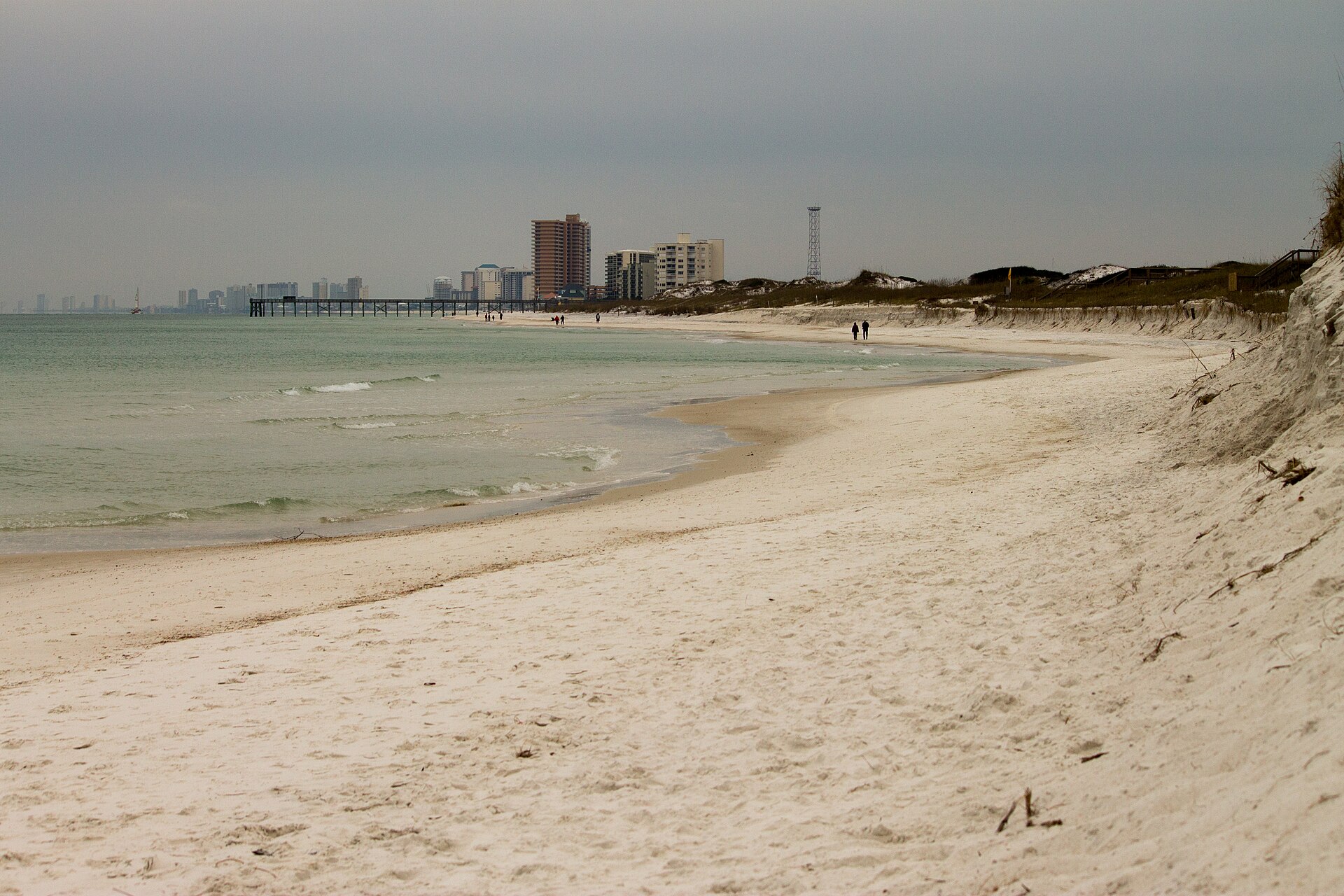
Panama City Beach works best as a September-to-February base. That is when the vacation housing stock goes empty and Gulf-front one-bedrooms that fetch $250 a night in July rent for $1,400 to $1,800 a month, often with utilities and WiFi included. Snowbird season is the play.
- Internet: Cable and fiber serve the condo towers; typical rental speeds of 100 to 300 Mbps handle video calls fine. Verify speeds with hosts, since older buildings still run slow shared cable.
- Workspaces: No dedicated coworking space exists on the beach itself; nomads work from condos, cafes along Panama City Beach Parkway, and the Bay County Public Library across the bridge.
- Visas: The US has no digital nomad visa. Visa Waiver Program nationals get 90 days under ESTA; B-2 visitors can receive up to six months, working only for foreign employers or clients.
- Community: Expect snowbirds, military families from nearby Tyndall Air Force Base, and remote-working parents rather than a laptop scene.
Photos via Wikimedia Commons: J.S. Clark (CC BY-SA 2.0), Bart Everson (CC BY 2.0), The Bushranger (CC BY-SA 4.0), Jesselikeswx, Waspinat0r, and Balon Greyjoy (CC0).