Jackson Hole vs. Snowbird: Which Big Mountain Actually Wins?
Nomad Toolkit
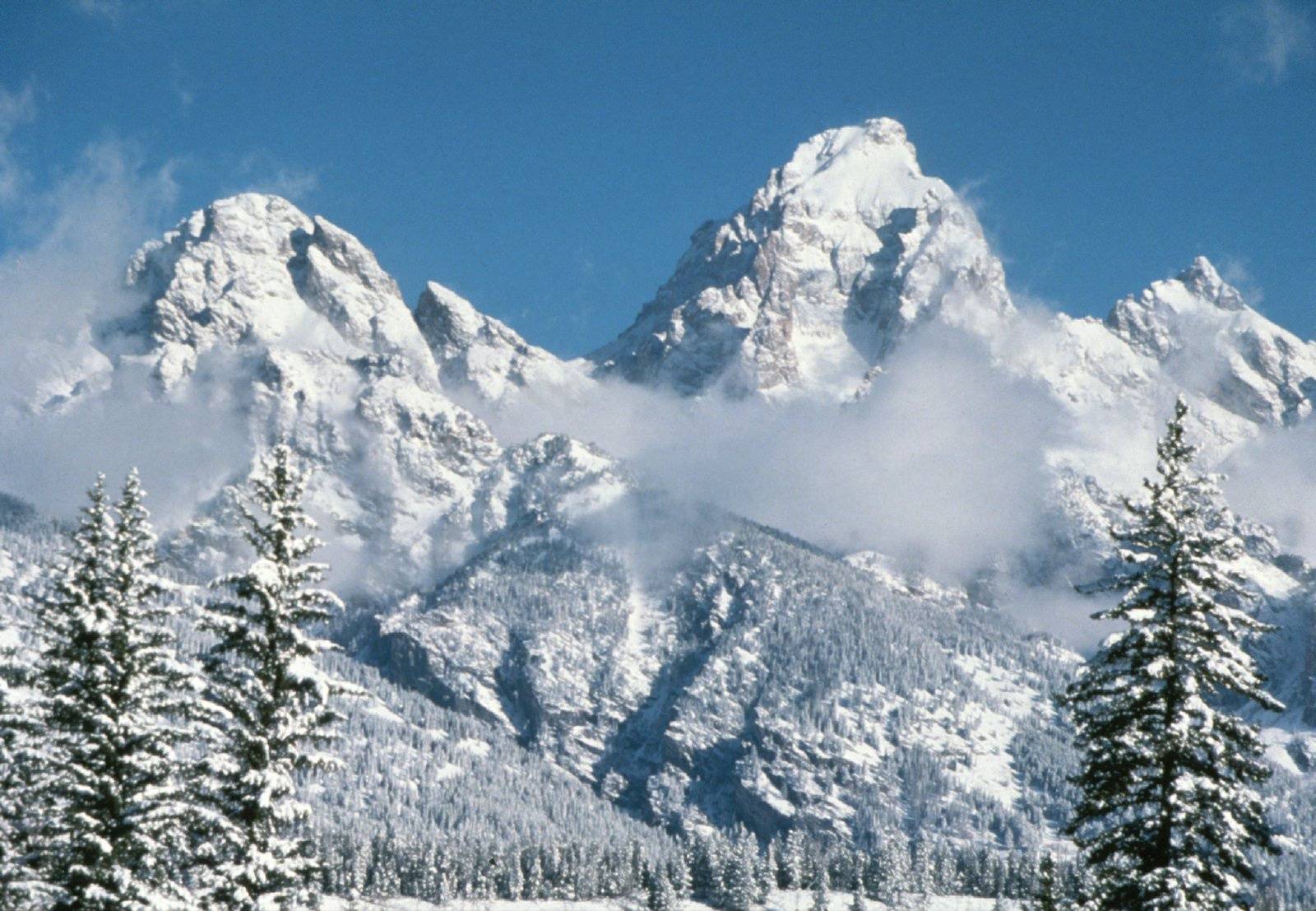
If you live in Salt Lake City and you already ski Snowbird hard, you've probably had this internal debate more than once: is Jackson Hole worth the drive, the lift ticket, and the extra logistics, or are you better off just stacking another deep day in Little Cottonwood? I've been chewing on this recently while planning a Jackson trip, so I did the homework. Here's the honest, skier-to-skier breakdown.
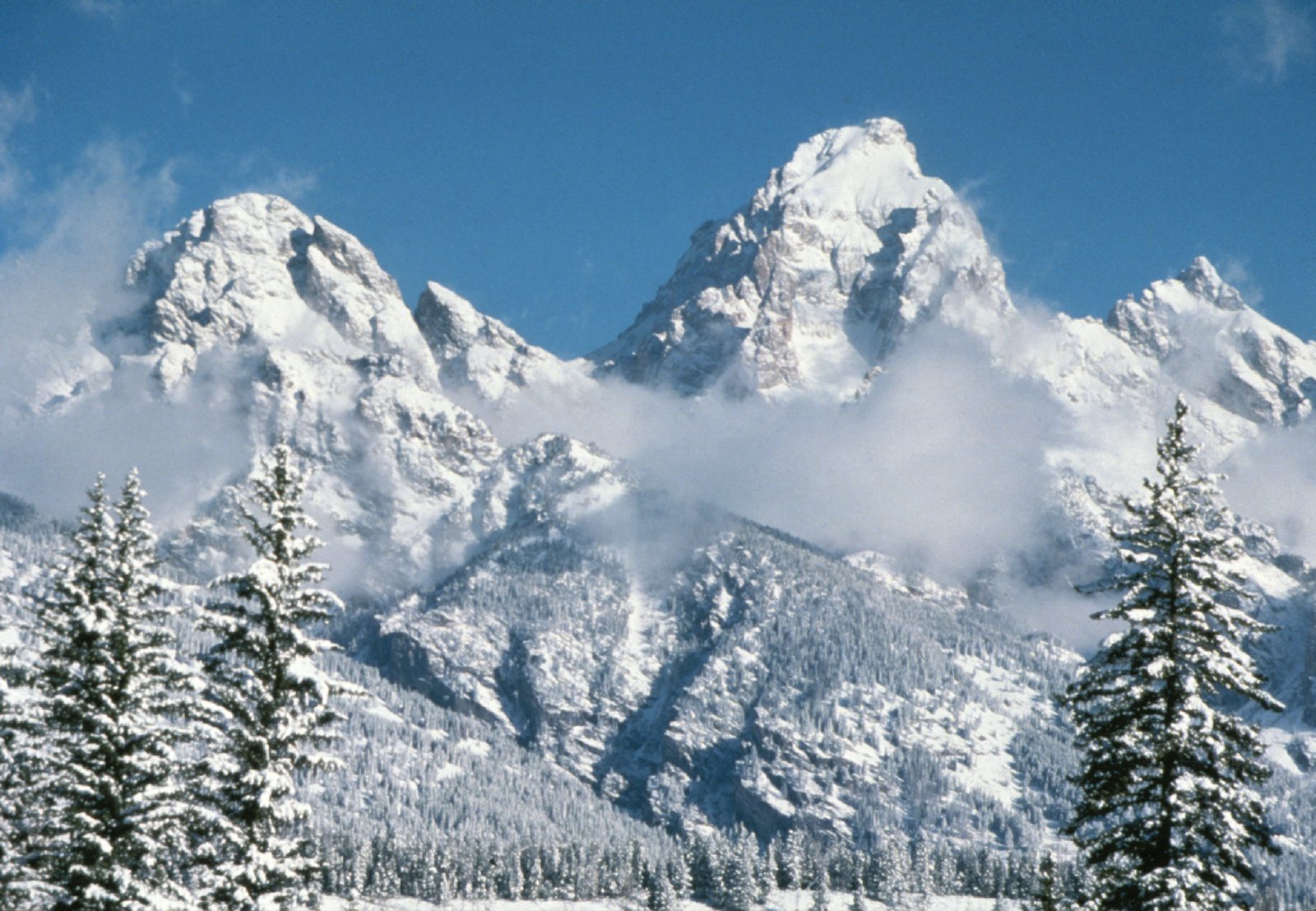
A Brief History
Paul McCollister formed the Jackson Hole Ski Corporation in 1963 on the site of a former Girl Scout ranch; Apres Vous opened for the 1965-66 season, and the original 62-passenger aerial tram up Rendezvous Mountain started hauling skiers in 1966. Snowbird was the idea of Ted Johnson, a longtime Alta Lodge manager who partnered with Texas oilman Dick Bass in 1969 to build a resort over Peruvian Gulch and Gad Valley, ground that had produced millions in silver from the Emma Mine a century earlier. Snowbird opened in December 1971, and Bass bought out Johnson three years later. Wikipedia has deeper dives on both Jackson Hole Mountain Resort and Snowbird.
The Quick Verdict
Snowbird wins on raw snow quantity and convenience if you're based in SLC. Jackson Hole wins on scenery, town vibe, and pure bucket-list lines. Both are roughly the same size. Both are steep. Both sit at the top tier of North American big-mountain skiing. They're not really competing, they're different flavors of the same elite category.
The Numbers, Side by Side
| Feature | Jackson Hole | Snowbird |
|---|---|---|
| Skiable acreage | ~2,100–2,500 acres | ~2,500 acres |
| Vertical drop | 4,139 ft | 3,240 ft |
| Avg annual snowfall | ~300–350\"+ | 450–500\"+ |
| Terrain mix | 10% / 40% / 50% | 8% / 26% / 66% |
Two things jump out. First, Jackson's 4,139 feet of continuous vertical is bonkers, nothing in Utah touches it. When you drop from Rendezvous down to the base, your legs know. Second, Snowbird averages roughly 100–150 more inches of snow per year, which is a real difference when you're trying to chase powder days rather than just ski.
Terrain Feel: How They Actually Ski
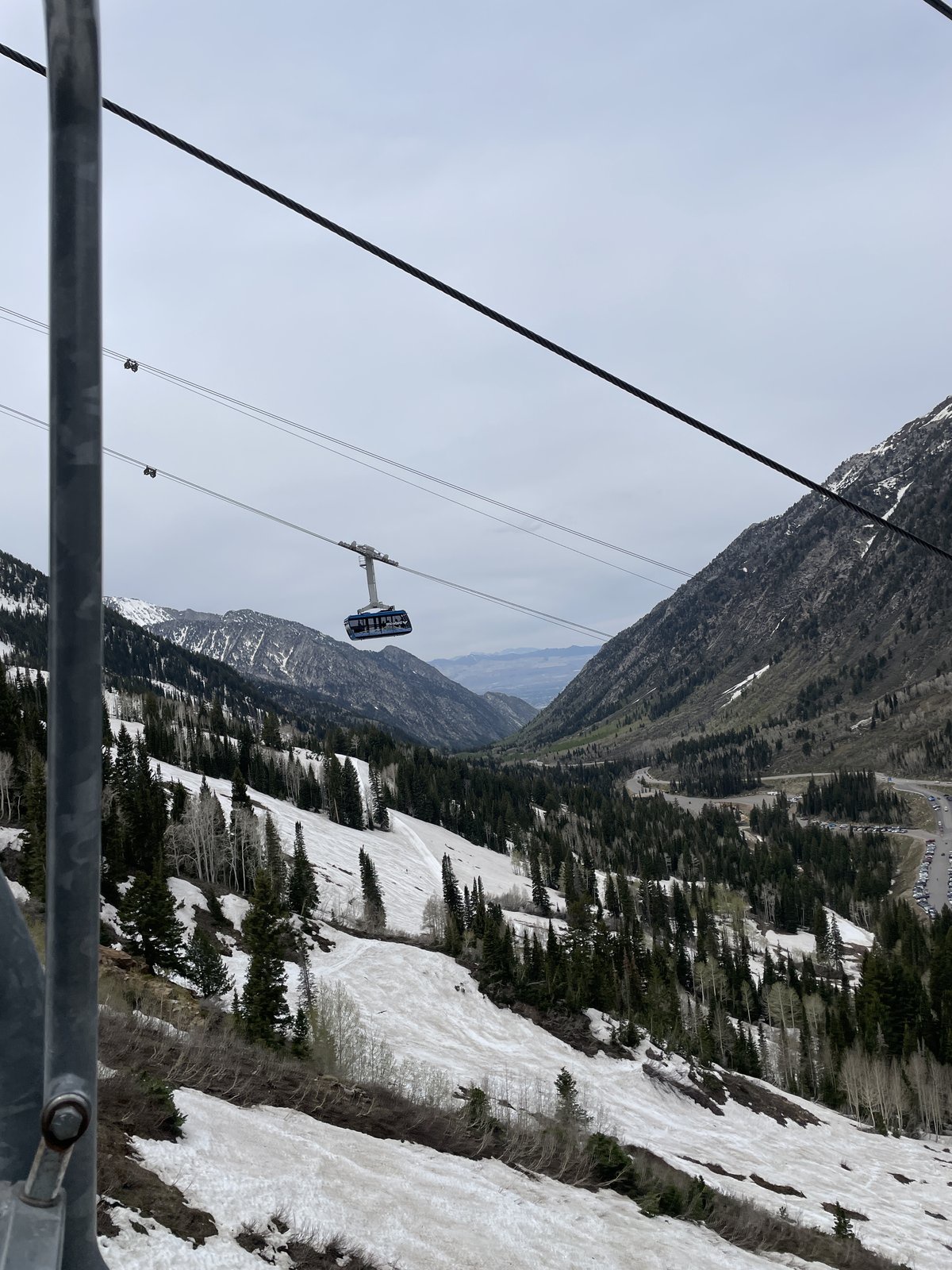
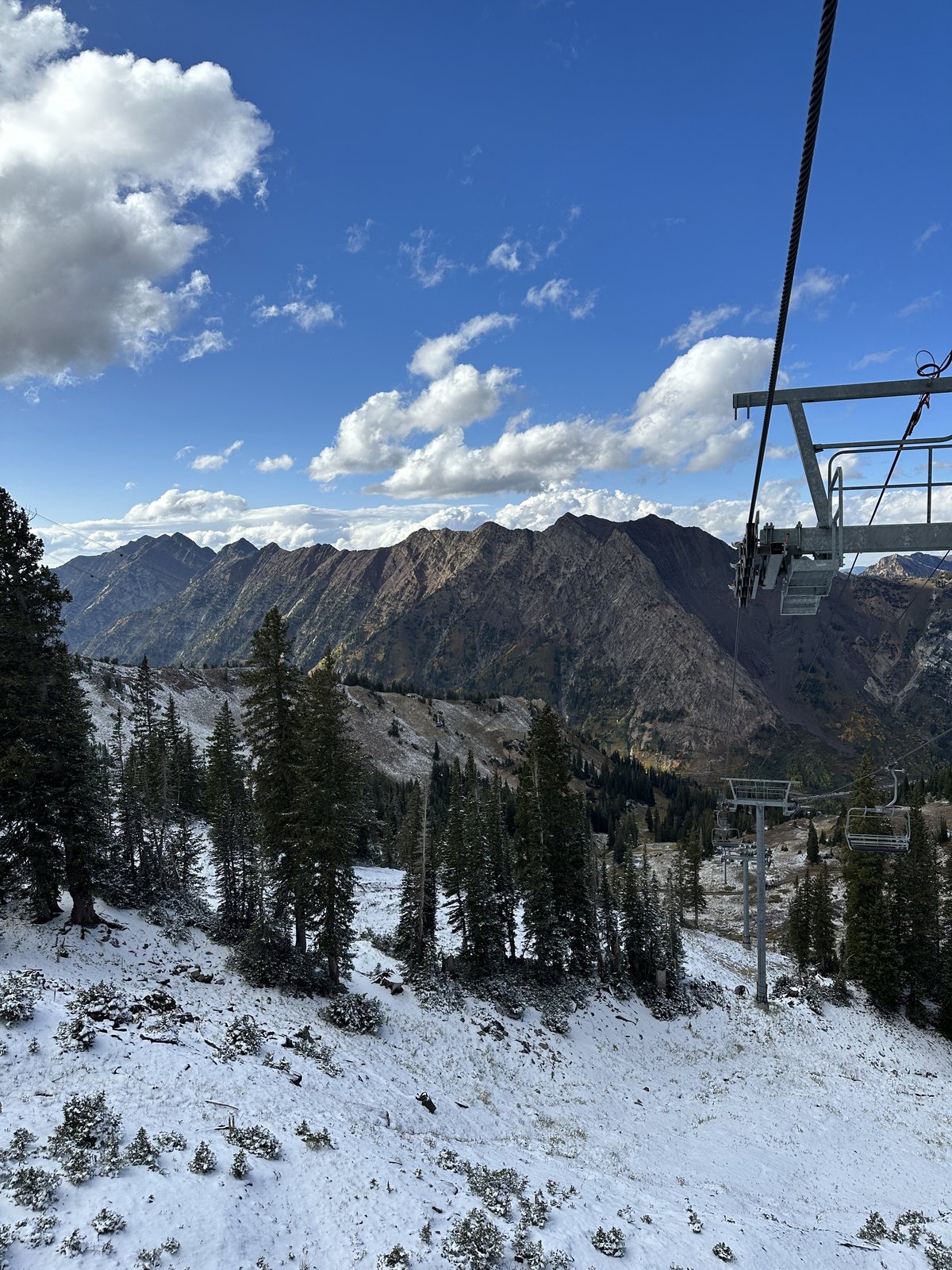
Snowbird is an endlessly replayable playground. The density of steep options, High Baldy, the Cirque, Gad Chutes, Mineral Basin when it opens, means you can lap hard terrain all day without retracing your lines. If you're the kind of rider who wants to drill technical skiing and log vert, Snowbird rewards that like few mountains on earth.
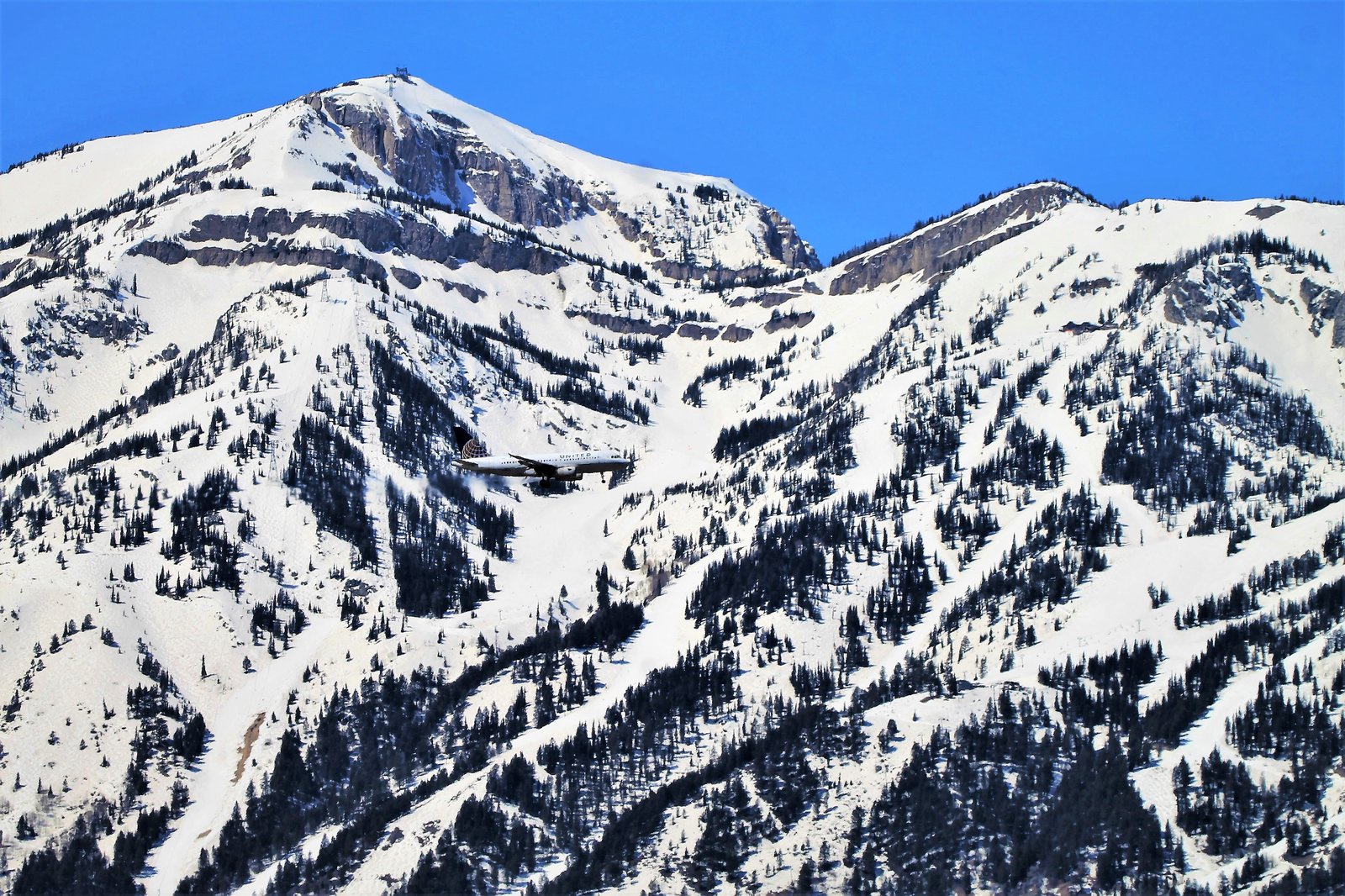
Jackson is more quality over quantity. The marquee zones, Rendezvous Bowl, Laramie Bowl, the Hobacks, and of course Corbet's Couloir (Wikipedia), are legit bucket-list lines. You don't go there for variety so much as for the feeling. Long fall lines, exposed shoulders, committing entrances. When people say Jackson skis 'bigger,' this is what they mean: the runs don't just end, they unfold.
The Hardcore Question
If you're already comfortable ripping Snowbird's Cirque and High Baldy, you have the skill set for Jackson. The raw pitch isn't dramatically steeper, the difference is length, exposure, and consequence. Jackson's classic couloirs feel more committing, and top-to-bottom laps with no rest breaks will hammer your legs harder than anything at the 'Bird. The mental game component is bigger too: more no-fall zones, more cliffy options right off the lift, fewer bailouts.
So it's not 'hardcore A vs. hardcore B.' It's hardcore A vs. hardcore A+. For true expert double-black terrain, Jackson gets the nod for maximum seriousness. For sheer density of advanced lines and how much of the mountain skis hard once you leave the groomers, Snowbird actually has the edge.
Snow Quality and Reliability
This is where Little Cottonwood quietly smokes the competition. Snowbird is one of the snowiest lift-served mountains on earth, with long seasons and consistently deep storm cycles. When an LCC storm hits right, it's more than a powder day, it's a week.
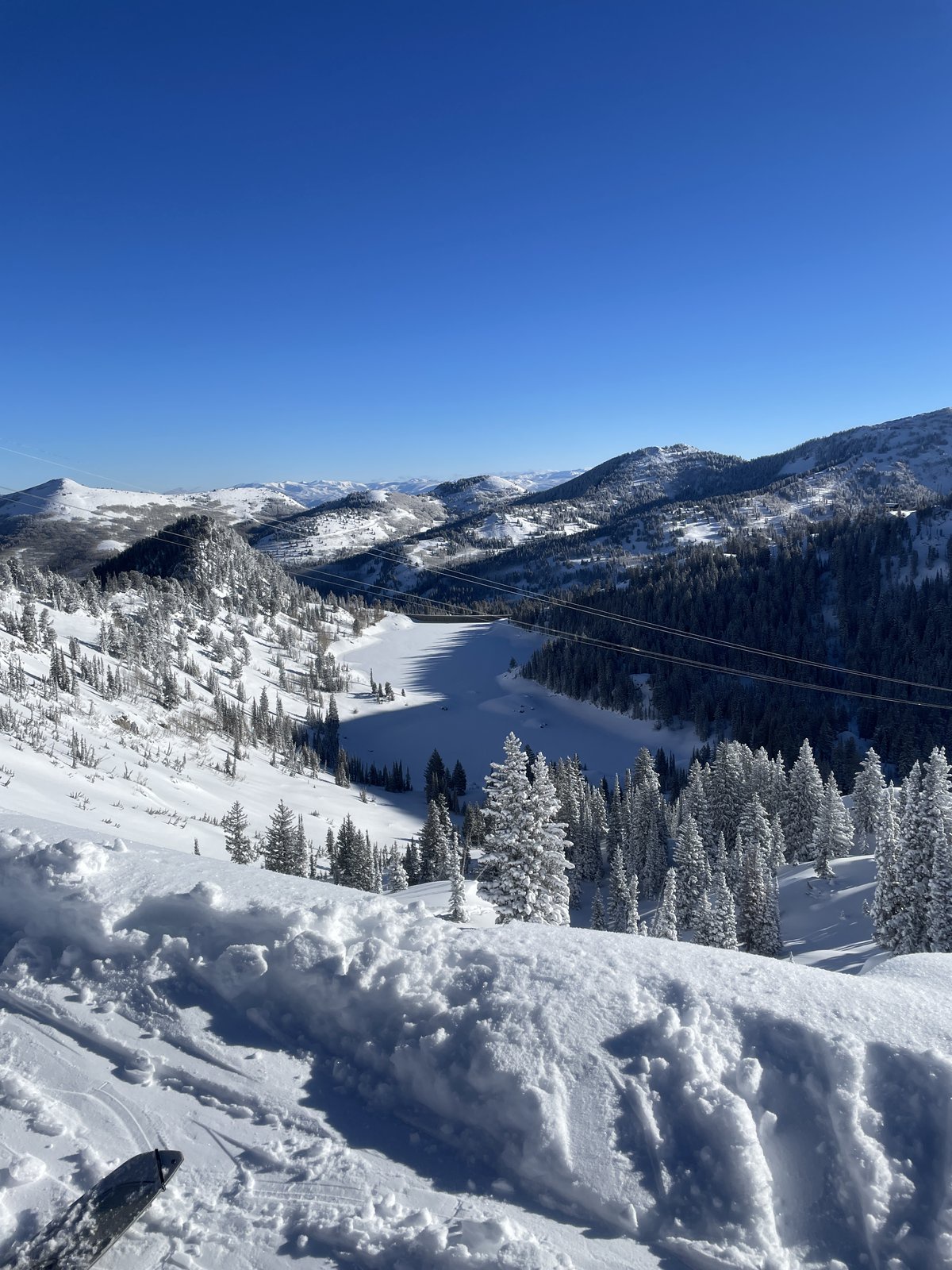
Jackson still gets plenty, 300 to 350 inches is nothing to sneeze at, but year-to-year it's more variable. In a weak snow year, Jackson can feel thin in spots compared to a typical Utah cycle. So if your goal is mid-winter powder chasing, the 'Bird is the safer bet. If you're going for the experience regardless of conditions, Jackson still delivers.
Vibe, Town, and Logistics
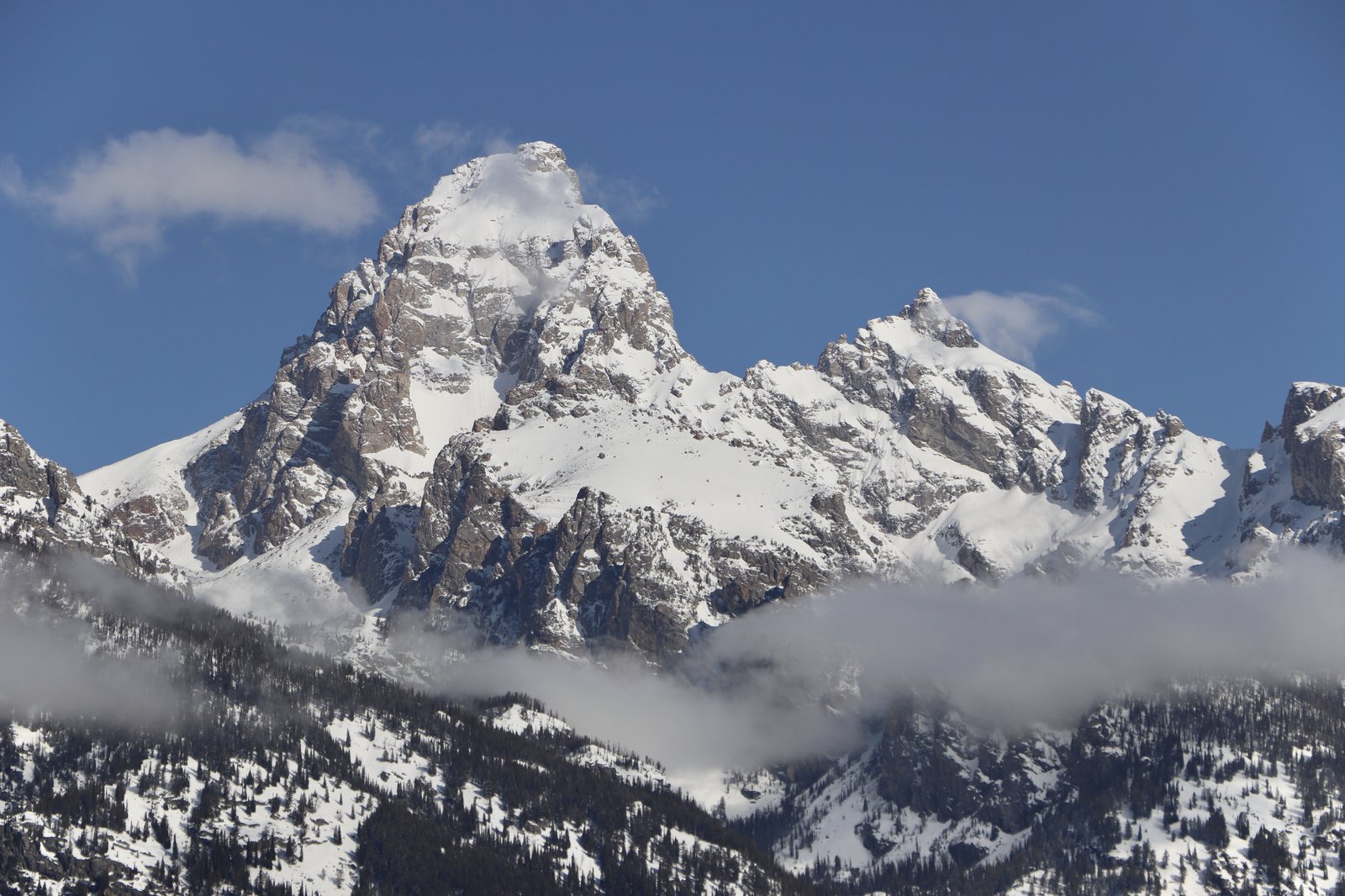
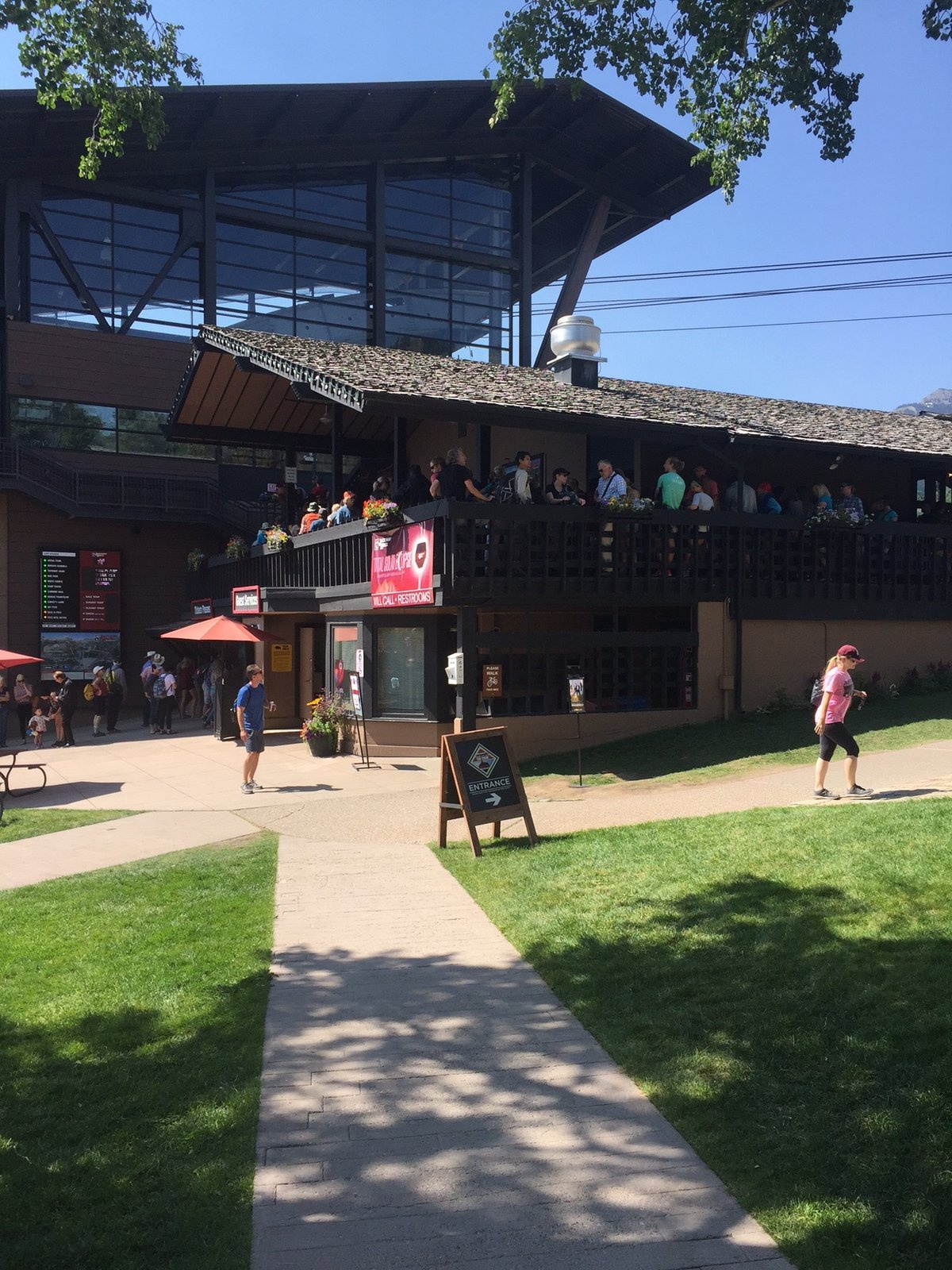
Here's where Jackson pulls away on feel. The Tetons are a different species of mountain than the Wasatch, more dramatic, more vertical, more movie-set. The town of Jackson is a real Western town with great food, bars, and a proper après scene. It feels like a destination. Plus, access to the Teton backcountry and heli operations is top-tier if you're chasing objectives beyond the resort boundary.
Snowbird is the opposite trade: a purpose-built ski resort base with limited non-skiing nightlife, but from SLC you're on the tram in under an hour. You can wake up, check the overnight report, and be making turns before Jackson skiers have finished coffee. And you can stack Alta, Brighton, Solitude, and Deer Valley into the same trip without moving your base.
So Which Should You Pick?
Pick Snowbird if:
- You want the highest odds of a deep powder day.
- You're optimizing for days skied and stacking multiple Wasatch resorts.
- You want hard terrain you can lap rather than build a trip around.
- You're short on time or coming from SLC as a day trip.
Pick Jackson Hole if:
- You want a destination trip with scenery, a cool Western town, and a full vacation feel.
- You're chasing iconic big-mountain lines, Corbet's, the Hobacks, the Headwall.
- You want to mix in Teton touring or heli-style objectives.
- You value exposure, continuous vert, and that 'load the car and make a trip of it' energy.
What It Costs in 2026
Jackson Hole's day pass runs around $215 to $260 in peak season; an Ikon pass is the realistic value play if you ski multiple Ikon resorts in a season. Snowbird's day pass is $185 to $230 peak; the Mountain Collective gets you two days there and pairs well with other independent resorts. Lodging in Snowbird right at the base hovers around $400 to $700 a night in February; staying in Salt Lake City and driving up most days saves a couple hundred per night. If you go that route, Café Madrid in Holladay sits a few minutes from the canyon mouths and makes a reliable dinner stop after a Snowbird day. Jackson Hole base lodging is similar or higher; the town of Jackson is a 12-minute drive from Teton Village.
Bottom Line for a Snowbird Regular
If Snowbird is your home hill, Jackson will feel familiar in pitch but more go-big-or-go-home on the marquee lines. You're not going to find it technically impossible, you're going to find it more committing. Longer runs. Bigger consequences. More mental game.
My take: once a season, load the car, make the drive, and go ski Jackson. Treat it as an experience, not a snow-quality bet. Then spend the rest of your winter lapping LCC on storm days and thanking your stars you live ten minutes from one of the snowiest mountains on earth. That's the dream setup, and it's the one you already have.
Where I Stayed
On the Park City side of this comparison I stayed at Marriott's MountainSide, a ski-in/ski-out property at Park City Mountain Resort. Slope access is as direct as advertised, and the Canyons Village gondola is a short walk. View Marriott's MountainSide on Google Maps.
On the Jackson Hole side, I stayed at the Rustic Inn Creekside Resort & Spa on North Cache Street — a mountain lodge right on Cache Creek, with fire pits, hot tubs, and a full spa. Walking distance from the town square and the Snow King ski area. View on Google Maps.
For Snowbird itself, the resort's on-mountain lodging at Snowbird Resort (Cliff Lodge and the surrounding base facilities) puts you ski-in/ski-out at the top of Little Cottonwood Canyon. View on Google Maps.
Keep planning: Alta: Utah's Skier-Only Mountain, Atlanta: Southern Culture, Food & Remote Work and Brighton: Utah Ski Town in Big Cottonwood Canyon.
Before you drive up the canyon: check Wasatch Powder Alerts for 24-hour snowfall forecasts and powder alerts for Alta, Snowbird, Brighton, Park City and other Utah resorts.