Charleston: History, Food & Coastal Charm
Nomad Toolkit

Charleston, South Carolina was founded in 1670, making it one of the oldest cities in the United States. Its downtown peninsula measures roughly 4.5 miles long by 2 miles wide, flanked by the Ashley River to the west and the Cooper River to the east. Charleston International Airport (CHS) sits 12 miles northwest with nonstop flights to 30-plus U.S. cities and a handful of seasonal European routes.

Overview & Vibe
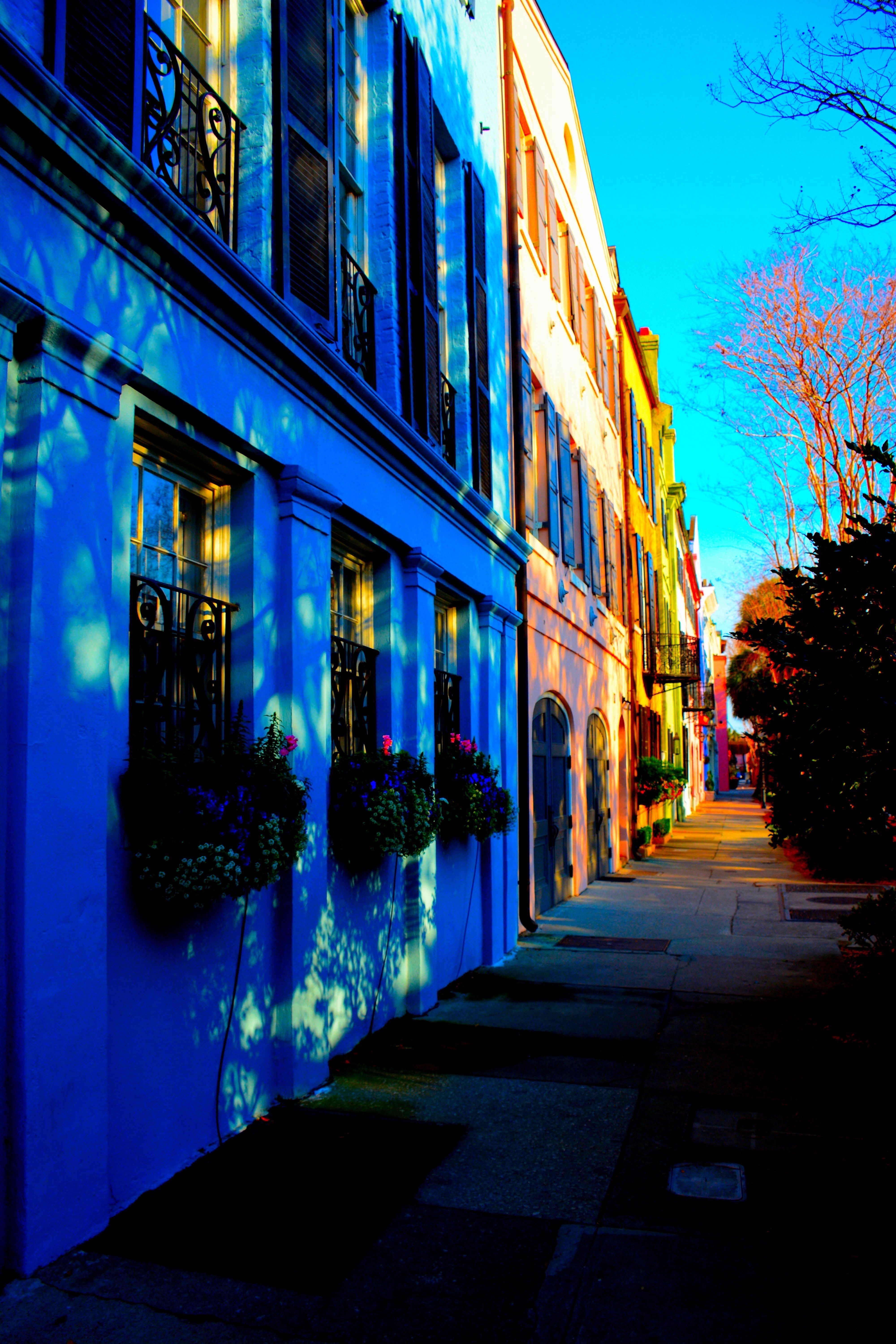
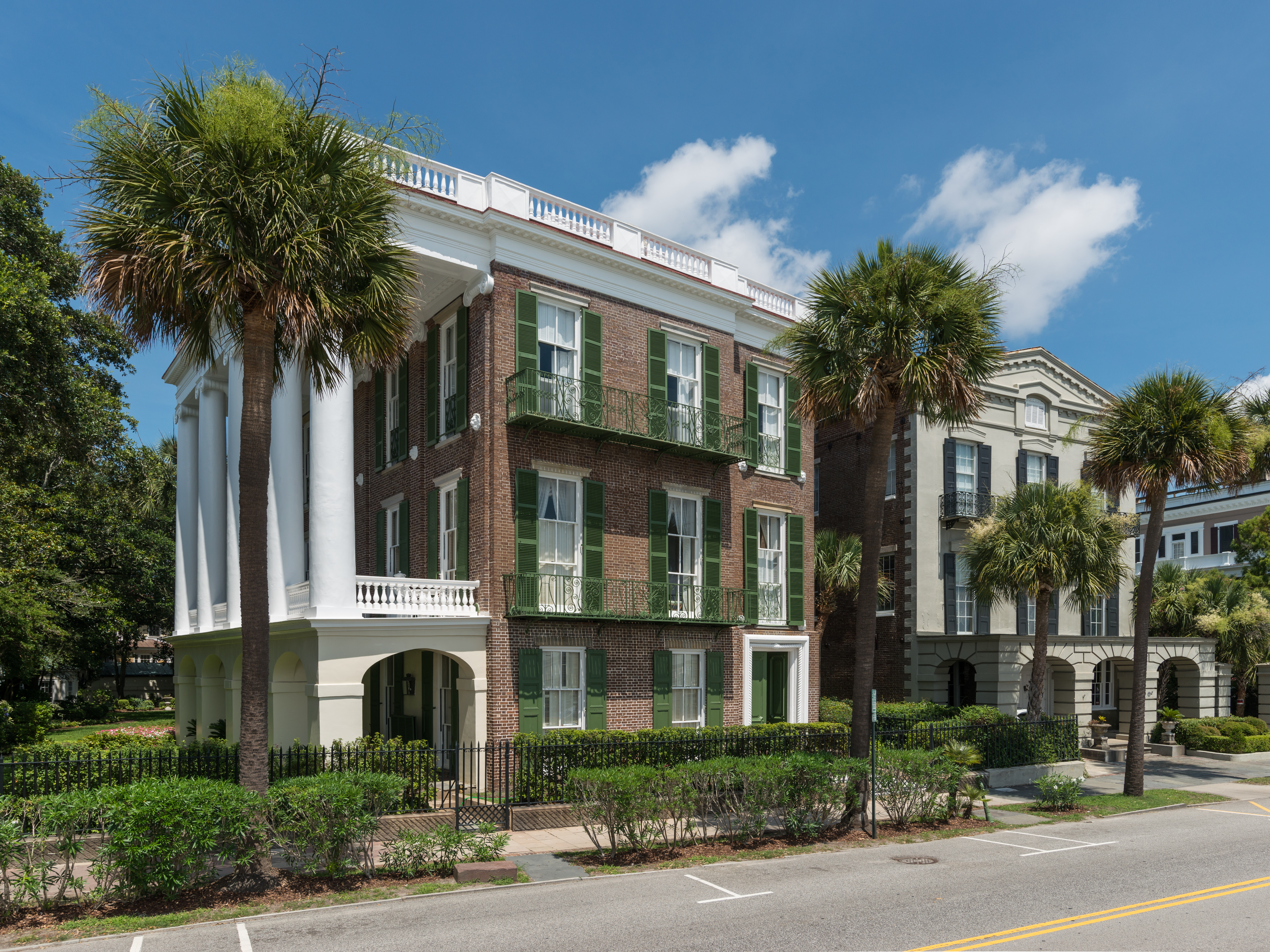
Charleston's downtown peninsula holds antebellum mansions, cobblestone French Quarter streets, and Rainbow Row's 13 pastel-painted 18th-century row houses on East Bay Street. The city carries a serious history as one of the largest slave-trading ports in North America, and engaging with that history is part of what sets Charleston apart from other Southern cities. The Gullah Geechee culture, descended from enslaved West Africans, remains a living presence: the sweetgrass basket weavers at the Historic Charleston City Market trace an art form back to West Africa, and Lowcountry cuisine owes most of its character to the same traditions.
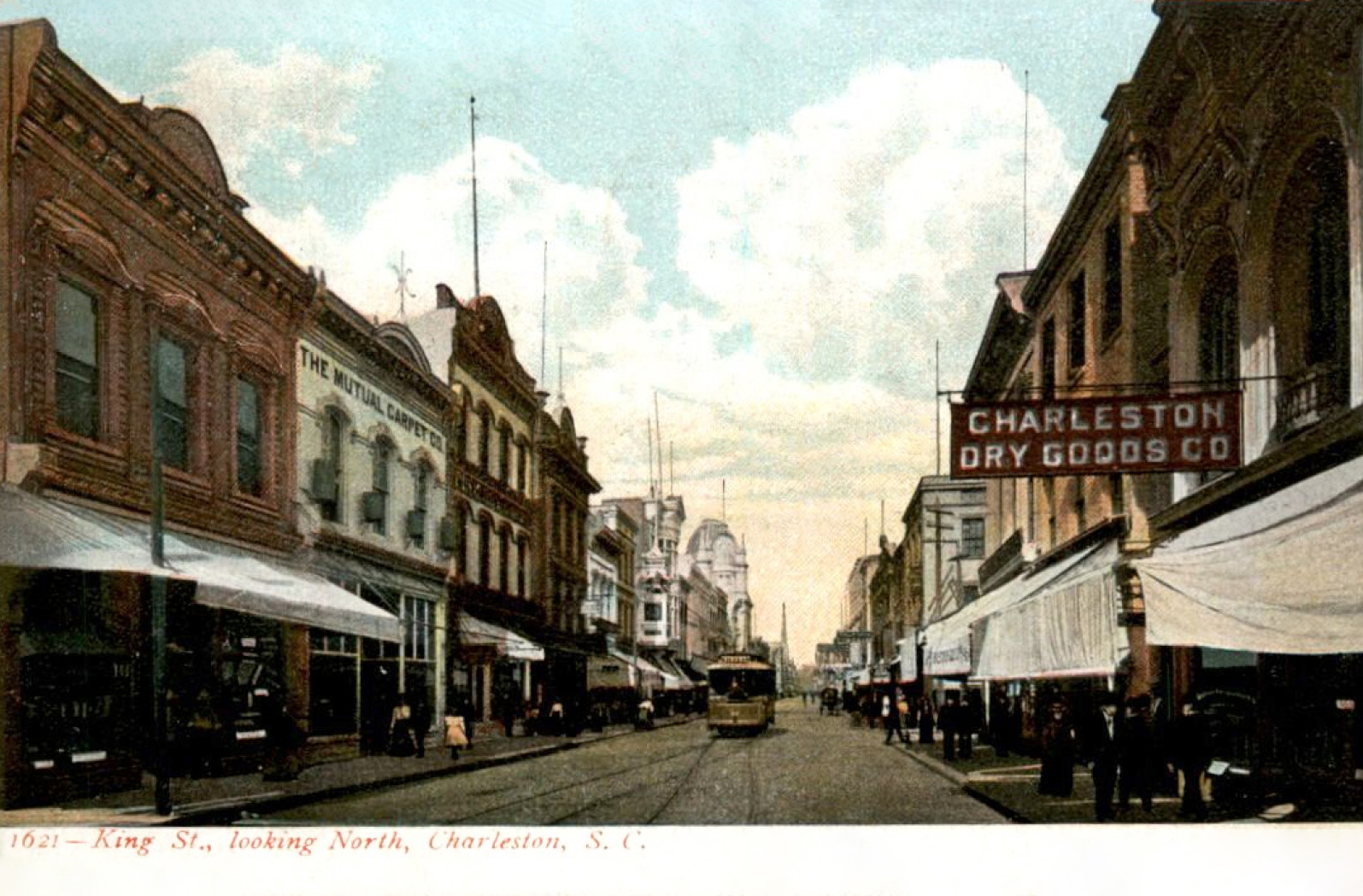
King Street is the main commercial corridor, running from the College of Charleston south to Broad Street. Independent boutiques, restaurants, and bars fill the King Street stretch between Calhoun and Broad. Visitor traffic peaks April through June and October through November. July and August bring intense heat, humidity, and summer vacation crowds, when hotel rates run 30-40% higher than shoulder season.
A Brief History
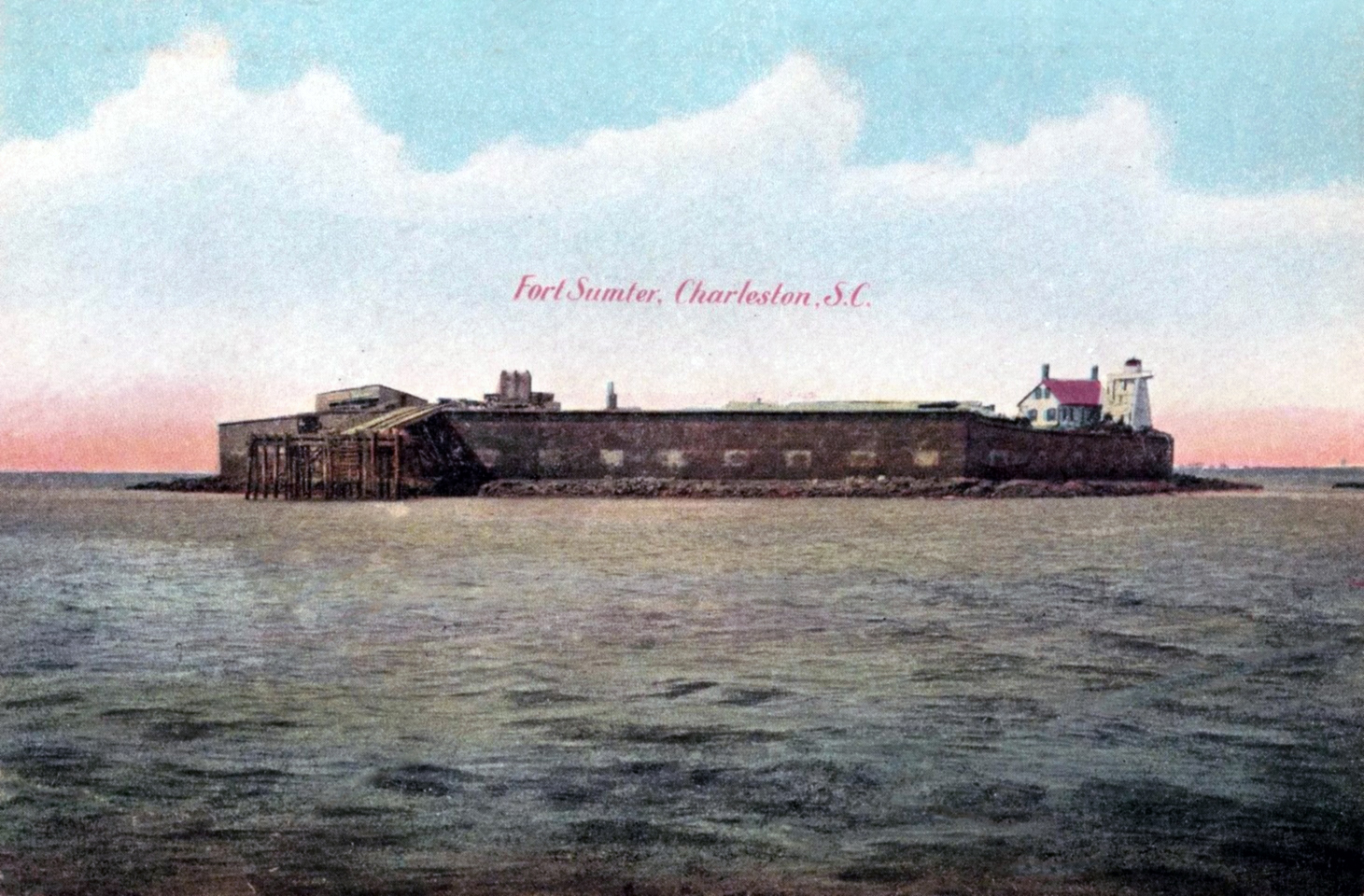
English colonists founded Charles Town in 1670 at Albemarle Point on the Ashley River, naming it for King Charles II, then moved the settlement to the present peninsula in 1680. By the 1690s it was the fifth-largest city in North America, grown wealthy on rice, indigo, and the Atlantic slave trade; nearly half of all enslaved Africans brought to what became the United States entered through this port. The city incorporated under its current spelling, Charleston, in 1783, and Confederate batteries fired the first shots of the Civil War at Fort Sumter in its harbor in April 1861. An earthquake on August 31, 1886, one of the strongest ever recorded on the East Coast, damaged much of the city, which is why many older houses wear visible iron earthquake bolts.
Transportation
Charleston International Airport (CHS) is 12 miles from the downtown peninsula, typically a 20-25 minute Uber ride ($25-35). A car is required for anything outside the walkable downtown core: Folly Beach (11 miles southwest), Sullivan's Island (14 miles northeast), and plantation sites along Ashley River Road (10-15 miles northwest) all need a vehicle or rideshare. Within the peninsula, the area between Broad Street and Marion Square is walkable in 25 minutes end to end. CARTA buses charge $2 per ride and cover the peninsula and parts of North Charleston. Uber and Lyft operate reliably throughout the metro area. Downtown garage parking runs $2-3 per hour.
Language, Customs & Etiquette
English only. Southern hospitality carries real expectations: greet shopkeepers when you walk in, hold doors, and say please and thank you. Locals notice when tourists skip basic courtesies. Tip 18-20% at sit-down restaurants. At the City Market, ask before photographing sweetgrass basket weavers. Bargaining is not customary at any retail establishment.
Safety & Security
The historic downtown peninsula is safe for solo travelers during the day and at night. North Charleston and parts of West Ashley have higher property and violent crime rates and are best navigated by car after dark rather than on foot. Emergency number: 911. Keep bags close in crowded tourist areas and don't leave valuables visible in rental cars at beach or trailhead parking lots. Charleston is generally LGBTQ+ friendly in the downtown area, though South Carolina has fewer state-level protections than most of the United States.
Weather & Climate
Charleston has a humid subtropical climate. Summers (June-August) reach 90-92°F (32-33°C) with high humidity and frequent afternoon thunderstorms. September is peak Atlantic hurricane season; South Carolina's coast has seen major landfalls. Spring (April-May) and fall (October-November) are the best windows for visiting: temperatures stay between 68-80°F (20-27°C) with lower humidity and reliably clear skies.
| Month | High °F | Low °F | Rain days |
|---|---|---|---|
| Jan | 57 | 40 | 9 |
| Apr | 76 | 55 | 7 |
| Jul | 92 | 74 | 14 |
| Oct | 77 | 57 | 7 |
Logistics & Practical Info
Charleston is in the Eastern Time Zone (UTC-5 standard, UTC-4 during daylight saving time, which runs March through November). The U.S. uses Type A and B outlets at 120V/60Hz; European travelers need both a plug adapter and a voltage converter for non-dual-voltage devices. Tap water is safe from the municipal supply. Most cafes and restaurants offer free WiFi. T-Mobile and AT&T prepaid SIM cards ($30-50 per month) are sold at airport stores and major retailers. There is no government internet censorship in the United States.
Attractions & Activities
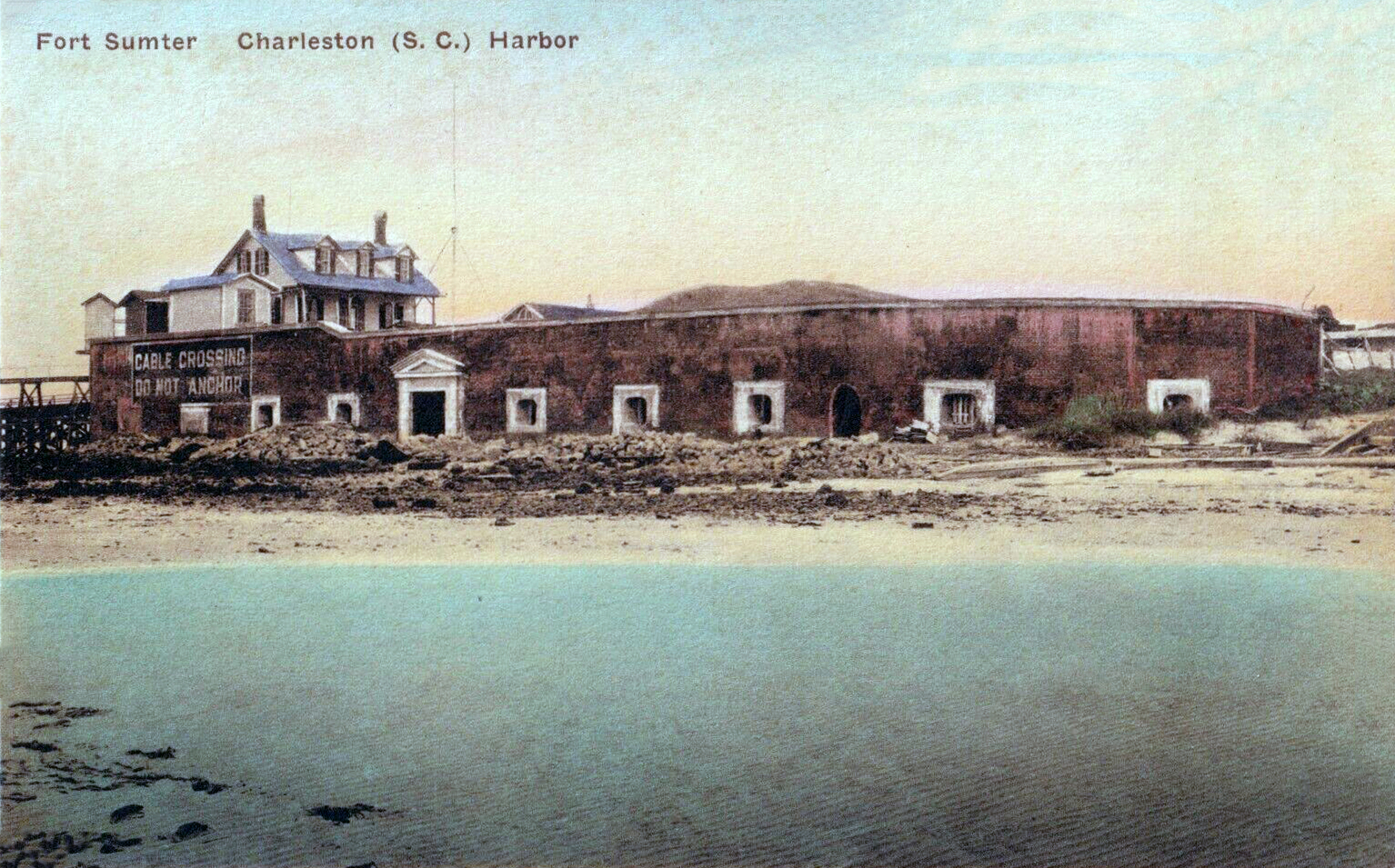
Fort Sumter National Monument (Wikipedia) is where the first shots of the Civil War were fired in April 1861. It sits on an island in Charleston Harbor and is accessible only by ferry from Liberty Square downtown. Tickets cost $25-30 per adult for the 2.5-hour round trip, which includes one hour on the fort. The fort itself is free to enter once you arrive.
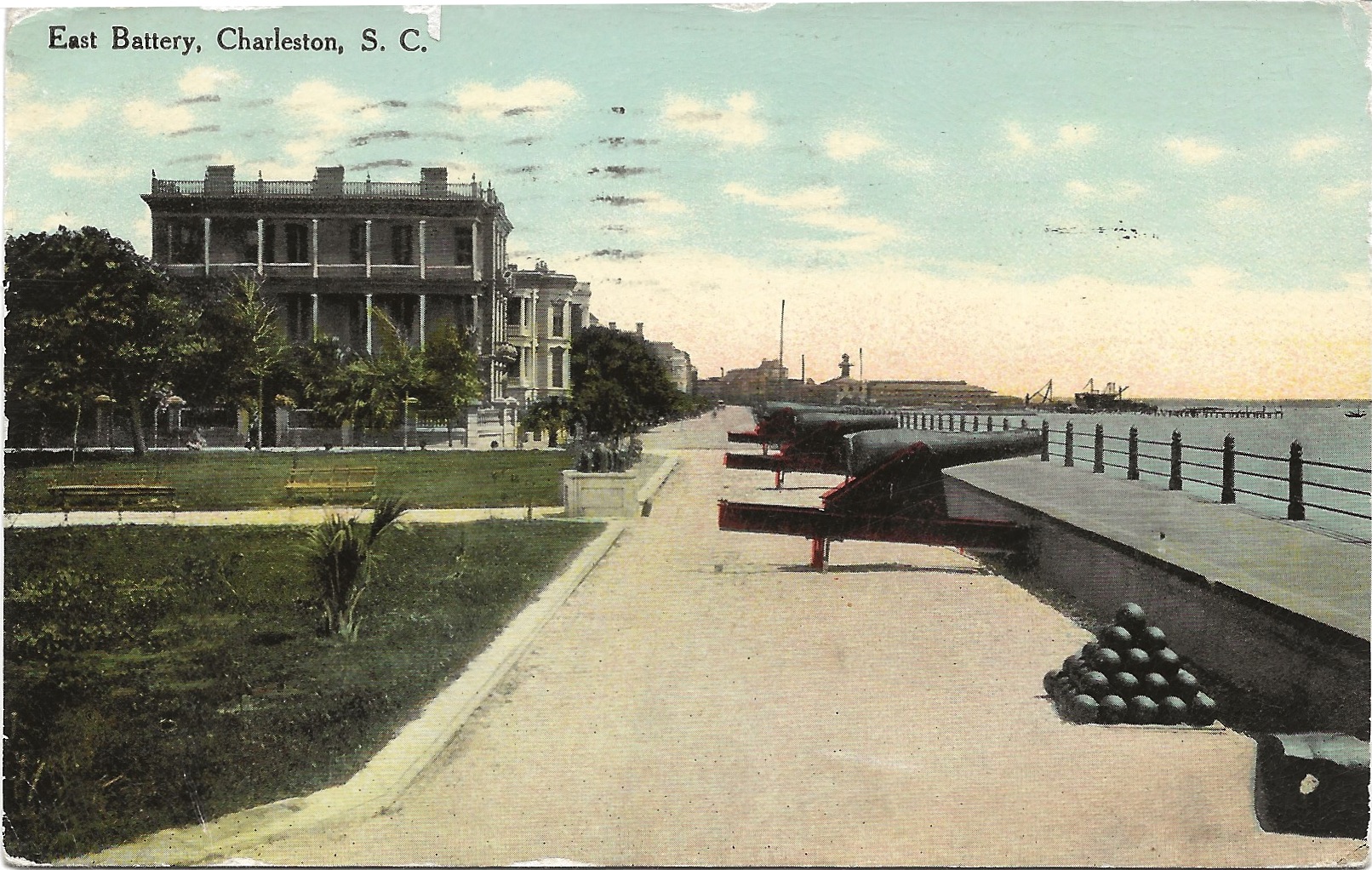
The Historic Charleston City Market (Wikipedia) has operated since 1788, running four blocks through the French Quarter. The Gullah sweetgrass basket weavers are the standout; baskets range from $30 for small pieces to $300 for large coiled baskets, reflecting hours of labor. Magnolia Plantation and Gardens, 10 miles northwest via Ashley River Road, has operated since 1676. Garden admission is $29 per adult, with azalea season (April through May) as the peak. White Point Garden at the Battery is a free public park with harbor views and 19th-century cannon displays. For dining, 82 Queen serves classic she-crab soup and Lowcountry boil ($15-18 a bowl); Husk Restaurant, a James Beard Award-winning spot on Queen Street, focuses on Southern ingredients with entrees at $28-42.
Health & Medical
The U.S. has no universal healthcare system. An emergency room visit without insurance can run $1,000-5,000 for minor issues; anything surgical runs far higher. Travel insurance with medical coverage is necessary. MUSC Health (Medical University of South Carolina) is the main hospital system and is nationally ranked. Foreign prescriptions are generally not honored at U.S. pharmacies; bring a sufficient supply of any medications in original packaging. Restaurant and street food are inspected by county health departments and are safe.
Demographics & Government
Charleston's city population is approximately 142,000; the greater metro area is 850,000. The city is roughly 67% white and 25% Black, with a growing Hispanic population. The U.S. is a federal constitutional republic, and South Carolina is a conservative-leaning state, which shapes local ordinances on alcohol sales hours, cannabis, and other matters.
Legal & Substances
Marijuana is illegal for recreational use in South Carolina; the state has a limited medical cannabis program that does not extend to visitors. Alcohol is legal for ages 21 and older, with IDs strictly checked. Public drinking is prohibited except within Charleston's small designated downtown open container district. Smoking is banned in most indoor public spaces statewide.
Customs & Shopping
Retail prices are fixed; bargaining is not customary except at flea markets and garage sales. South Carolina charges 6% state sales tax plus 1-2% local tax, so budget 7-9% above listed prices. The U.S. duty-free allowance when returning home is $800 per person. Sweetgrass baskets, local hot sauces, and South Carolina-grown peach preserves are the most distinctive souvenirs from the Charleston area.
Accessibility & Inclusion
ADA requirements mandate wheelchair ramp access and accessible restrooms in most public buildings, restaurants, and transport. The French Quarter's cobblestone streets and some brick sidewalks downtown are challenging for wheelchair users. Fort Sumter ferry and the fort are ADA-accessible. The CARTA bus fleet is equipped with wheelchair ramps. Most major attractions, including Magnolia Plantation and the City Market, have accessible entry points.
Digital Nomad Corner
Charleston works well for short- to medium-term stays. A furnished one-bedroom apartment on the downtown peninsula runs $1,500-2,500 per month on short-term rental platforms. Casual lunch costs $15-20; dinner at a mid-range restaurant runs $30-55 per person. Groceries for one person average $80-120 per week at Harris Teeter or Publix.
For coworking, Endeavor (78 Alexander Street) offers day passes at $30 and monthly memberships from $250, with gigabit fiber and dedicated meeting rooms. Spark Coworking in the Cigar Factory building on East Bay Street has comparable pricing and a ground-floor cafe. For cafe work, Kudu Coffee & Craft Beer at 4 Vanderhorst Street has reliable WiFi, generous table space, and stays open until 11 PM most nights. Sightsee Coffee has multiple downtown locations and is less crowded than Kudu on weekday mornings.
Visa: eligible nationals from 41 countries enter under the Visa Waiver Program (ESTA) for stays up to 90 days. B-2 tourist visas allow stays of up to 6 months per CBP officer determination. There is no U.S. digital nomad visa. Day trips from Charleston are easy: Savannah, Georgia is 2 hours south on I-95; Asheville, North Carolina is 3.5 hours north; and the ACE Basin, a 350,000-acre coastal reserve with kayaking and bird watching, is 45 minutes southwest.
Where I Stayed
I stayed at Courtyard by Marriott North Charleston Airport/Coliseum — a clean, well-positioned Marriott near the Charleston International Airport. Good for an arrival night before heading into the historic peninsula — easy shuttle and reliable parking. View on Google Maps.
Keep planning: Alta: Utah's Skier-Only Mountain, Amicalola Falls State Park Guide and Arches National Park Guide: Delicate Arch & Top Trails.
Images: Wikimedia Commons (CC BY 2.0 / CC BY-SA 4.0 / Public Domain)