Lisbon: Hills, Trams & a Digital Nomad Hub
Nomad Toolkit
Overview & Vibe
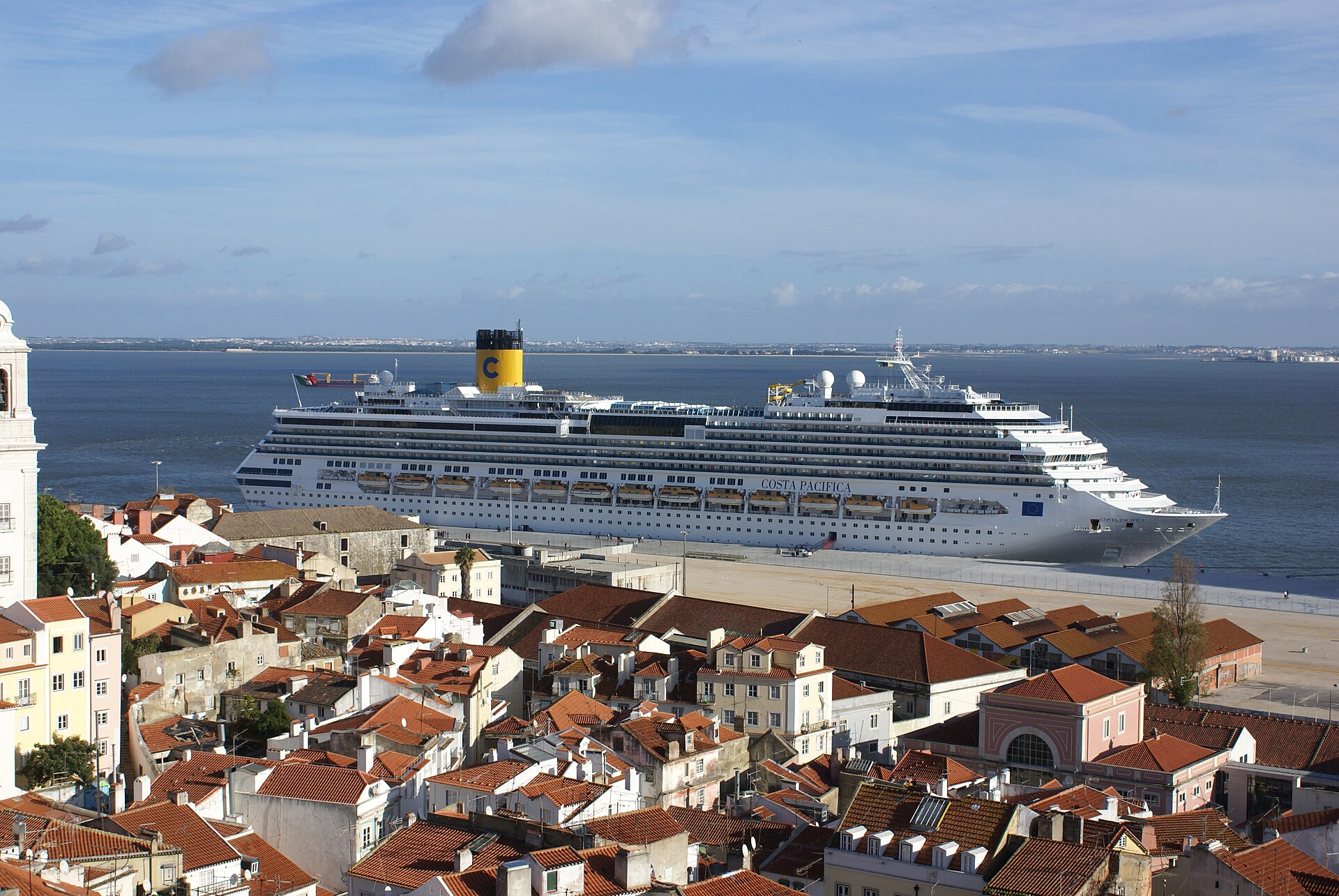
Lisbon had 658,236 residents in 2025, with about 3.35 million across the metro area. The city sits on the north bank of the Tagus estuary, and most of its older districts climb steep slopes above the river, so you will spend a lot of time on stairs, trams and funiculars.
Baixa, the flat grid between the river and Rossio, is the commercial center. Alfama climbs east toward the castle, Bairro Alto and Chiado sit on the hill to the west, and Belém lies about 6 km downriver with the big monuments of the Age of Discovery. Late October brings daytime highs around 23 C and thinner crowds than summer.
A Brief History
The Romans knew the city as Olisipo. Umayyad forces took it in 711, and Afonso I captured it in 1147 with help from crusaders; it became the capital in the mid-1250s. The earthquake of 1 November 1755 and the tsunami after it killed an estimated 30,000 to 40,000 people and destroyed about 85 percent of the buildings, and the Marquis of Pombal rebuilt the Baixa on the grid you walk today (Wikipedia).
Transportation
Humberto Delgado Airport sits inside the city, and the red metro line runs from the terminal into town. Buy a reusable Navegante or Viva Viagem card at any metro machine and load it with credit.
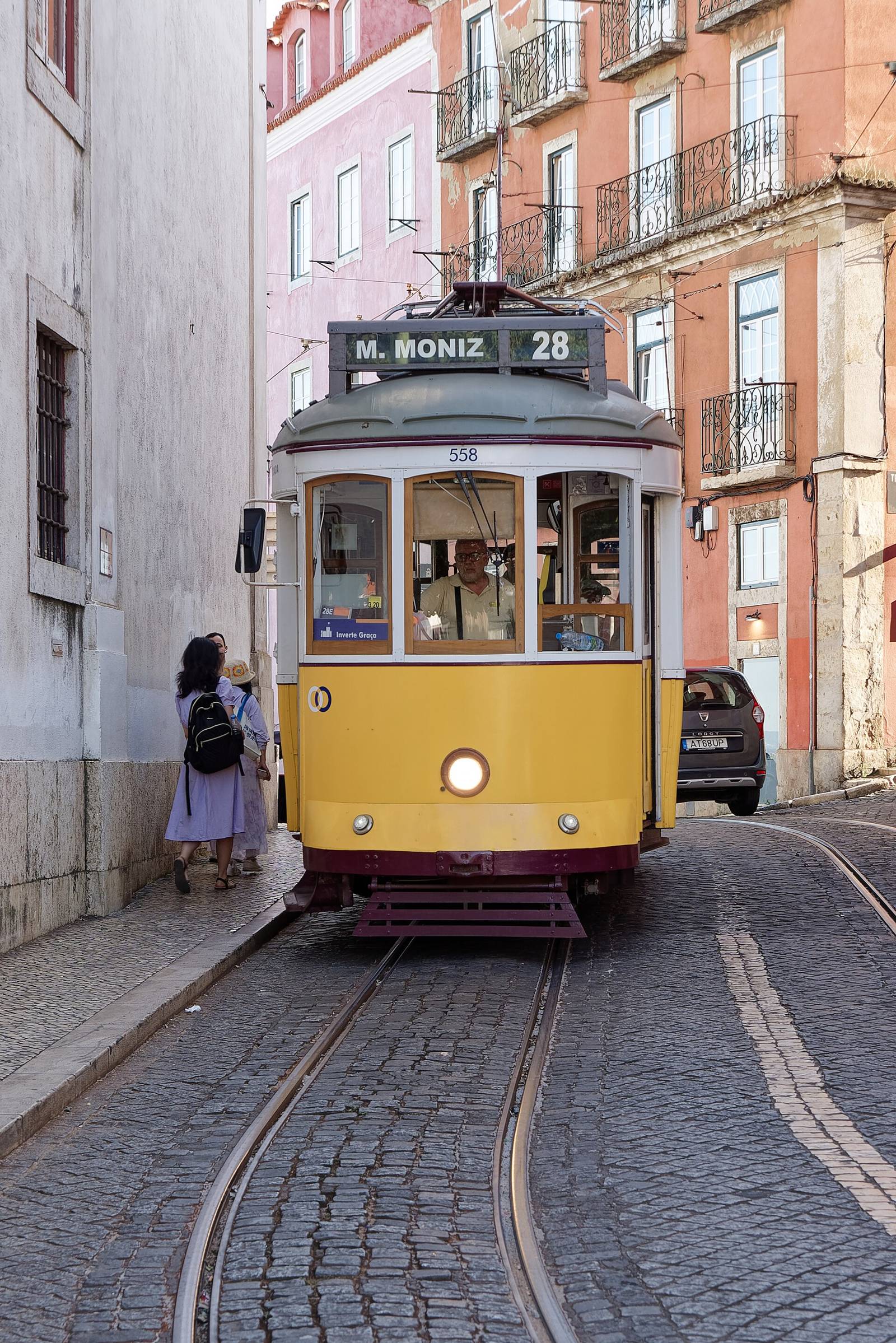
- Tram 28 runs from Martim Moniz through Graça, Alfama, Baixa and Estrela to Campo de Ourique (Prazeres). In 2026 a ride costs 3.30 euros paid to the driver or 1.72 euros by card credit, and a 24-hour pass is 7.25 euros.
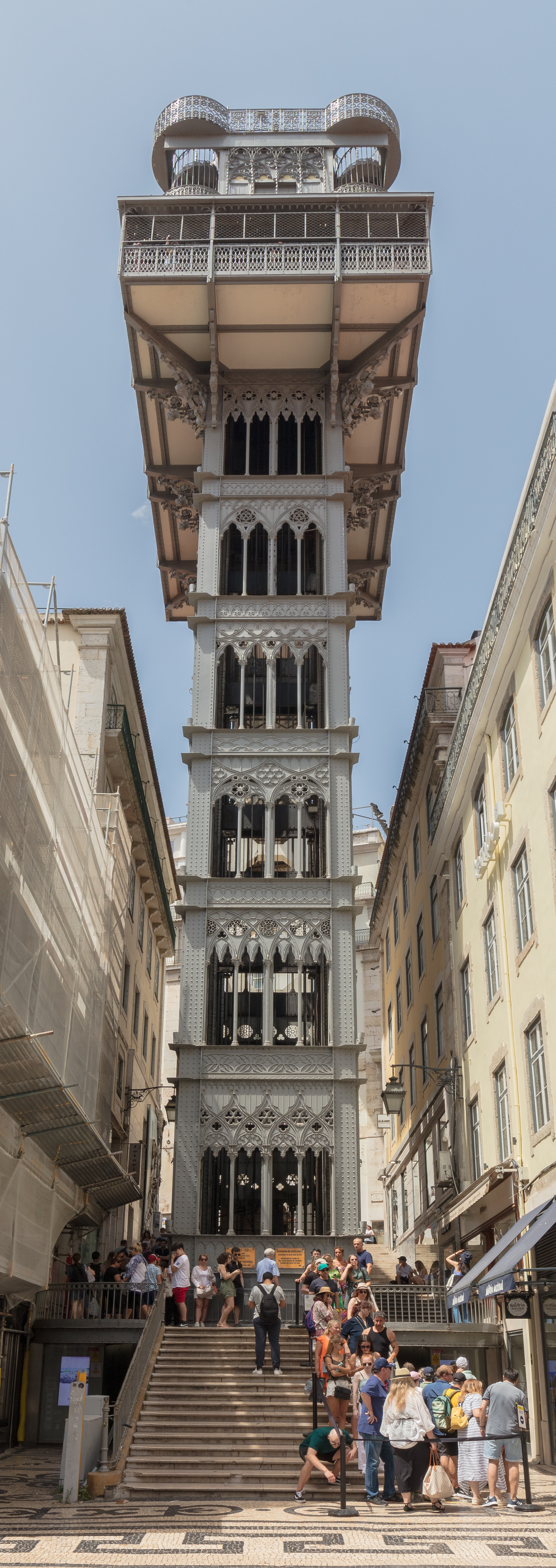
- The Elevador de Santa Justa, opened in 1902 and designed by Raoul Mesnier du Ponsard, lifts you from Baixa to Carmo. The onboard ticket is about 6 euros return, or about 1.80 euros with a transit card.
- Trains to Sintra leave from Rossio station and to Cascais from Cais do Sodré.
- Ride-hailing apps work across the city and are the easy option from the airport late at night.
Language, Customs & Etiquette
Portuguese is the language, and English is widely spoken in central districts and anywhere near tourism. A "bom dia" before you start talking goes a long way. Bread, olives and cheese placed on the table at restaurants are charged if you eat them; leave them untouched if you do not want them. Tipping is modest, usually rounding up or leaving a few euros for good service. Dinner starts late, often after 20:00.
Safety & Security
Violent crime is uncommon. Pickpocketing is the main risk, especially on Tram 28, at the Santa Justa queue and in packed Bairro Alto streets on weekend nights. Keep your phone in a front pocket and your bag zipped. The polished limestone pavements turn slick in rain, so wear shoes with grip. The European emergency number is 112.
Weather & Climate
Rounded 1991 to 2020 normals for Lisbon, in Celsius (Wikipedia). Rain arrives with autumn and peaks in winter.
| Month | High C | Low C |
|---|---|---|
| Jan | 15 | 9 |
| Feb | 16 | 9 |
| Mar | 19 | 11 |
| Apr | 20 | 12 |
| May | 23 | 14 |
| Jun | 26 | 17 |
| Jul | 28 | 18 |
| Aug | 29 | 19 |
| Sep | 27 | 18 |
| Oct | 23 | 15 |
| Nov | 18 | 12 |
| Dec | 15 | 9 |
Logistics & Practical Info
- Currency: the euro. Cards are accepted almost everywhere, though some small tascas and kiosks prefer cash.
- Entry: Portugal is in the Schengen Area, so visa-exempt visitors get 90 days in any 180 across the zone.
- Power: 230 V with Type F plugs.
- Water: tap water is safe to drink.
Attractions & Activities
- Belém Tower: built from about 1514 to 1519 to a design by Francisco de Arruda, and a UNESCO World Heritage Site since 1983 together with the monastery next door (Wikipedia).
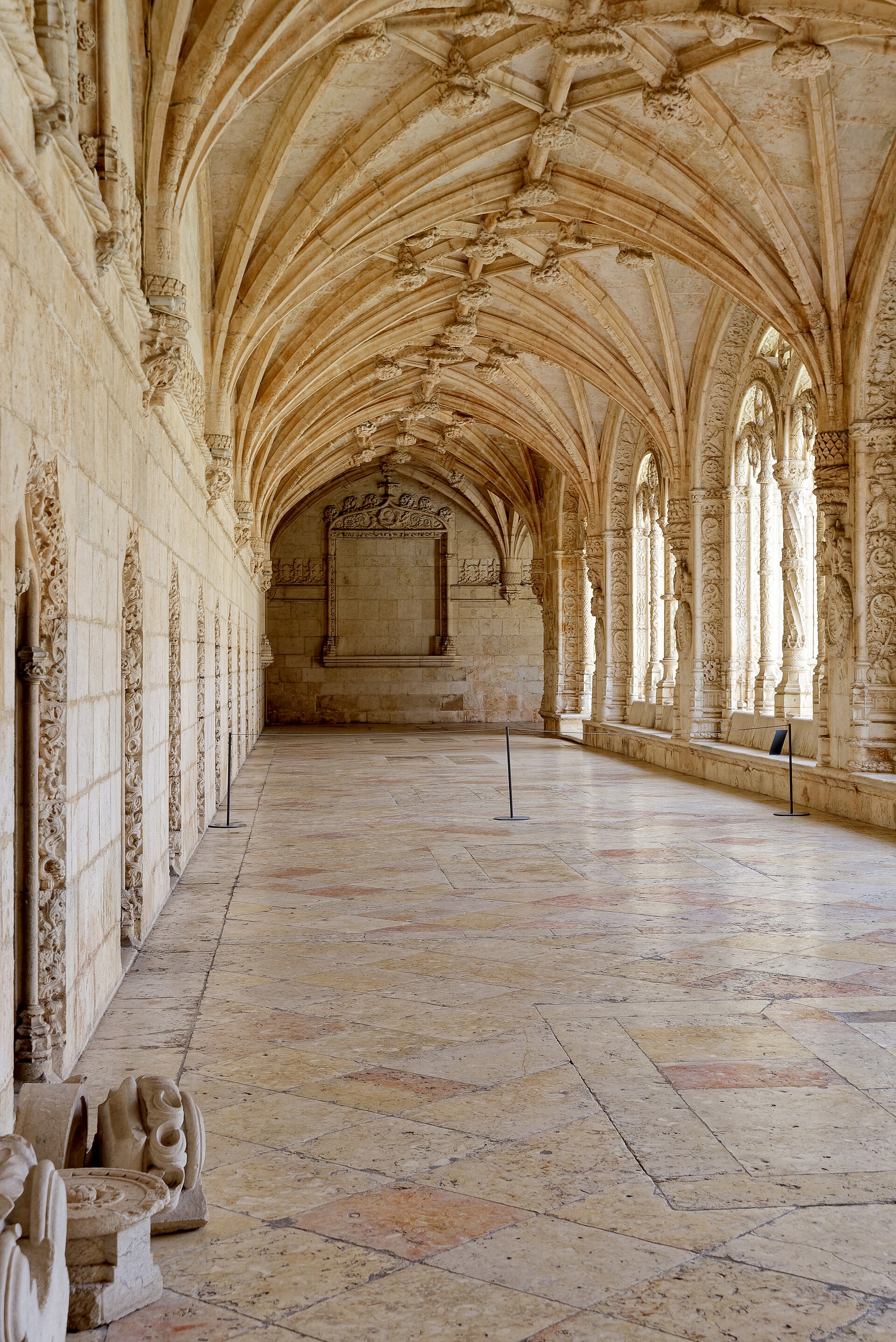
- Jerónimos Monastery: the two-level Manueline cloister is the reason to go; arrive at opening to see it before tour groups (Wikipedia).
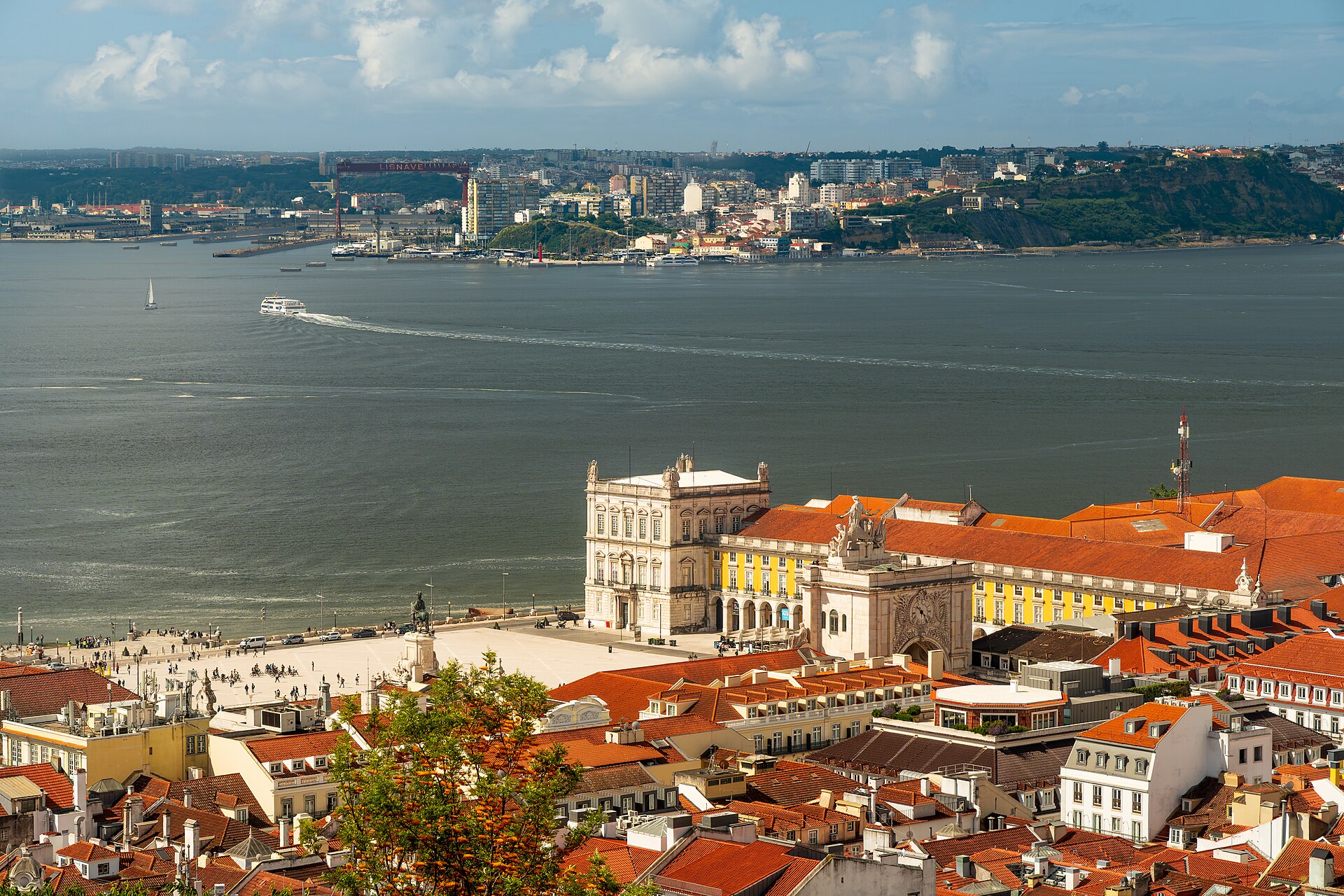
- Castelo de São Jorge: the hilltop castle above Alfama, with walls you can walk and views over the Baixa and the river (Wikipedia).
- Praça do Comércio: the riverfront square rebuilt after 1755, entered through the Rua Augusta Arch (Wikipedia).
- Miradouro de São Pedro de Alcântara: a garden terrace in Bairro Alto facing the castle across the Baixa.
- Alfama: walk downhill from the castle through the lanes toward the river, the opposite direction from the climb most visitors make.
Where to Eat
Pastéis de Belém at Rua de Belém 84 to 92 has baked its custard tarts to the same recipe since 1837 and charges 1.05 euros each. Order at the counter and eat in the tiled back rooms; the takeaway line moves faster than it looks. Combine it with the tower and the monastery in one morning.
Health & Medical
Pharmacies, marked with a green cross, handle minor problems and rotate late-night duty. Santa Maria and São José are the big public hospitals. EU visitors should carry the European Health Insurance Card; everyone else should have travel insurance. Summer heat is the main health concern, so in July and August keep the climbing to mornings.
Neighborhoods & Where to Stay
Baixa and Chiado put you on flat ground with metro access. Alfama and Graça are quieter at night but steep. Príncipe Real and Estrela are residential and leafy, good for a longer stay. Cais do Sodré is the transport hub for the Cascais train and the river ferries, and it is loud late. Check whether a listing has an elevator before you book anything above the second floor.
Legal & Substances
Portugal decriminalized personal possession of drugs in 2001, but selling remains illegal and street dealers in Baixa offering "hashish" are often selling fakes. The legal age for buying alcohol is 18. Carry a copy of your passport, since police can ask for ID.
Customs & Shopping
Hand-painted azulejo tiles, canned fish, cork goods and port wine are the classic buys. Buy tiles from a shop that marks reproductions as such, since antique tiles from old buildings are often stolen and removing them is illegal. Non-EU residents can claim back VAT on larger purchases at shops that offer tax-free forms.
Accessibility & Inclusion
The hills, cobbles and stairs make Lisbon hard going for wheelchair users. Baixa, the riverfront and Belém are the flattest areas, and most metro stations have lifts. The historic trams have high steps. Príncipe Real is the center of Lisbon LGBTQ+ bars and cafes.
Digital Nomad Corner
Second Home Lisboa, inside the Mercado da Ribeira at Cais do Sodré, sells day passes from 25 euros plus VAT, with 3-day and 5-day bundles at 70 and 115 euros. Lunch is downstairs in the market food hall.
For a longer stay, Portugal offers the D8 digital nomad visa. The income requirement is about four times the Portuguese minimum wage, roughly 3,280 euros a month in 2026, earned from outside Portugal. You can apply for a temporary stay of up to one year, or for residence: a 4-month entry visa followed by a residence permit, typically for two years and renewable.
Ride Tram 28 from Martim Moniz before 9:00 to get a seat, then walk down through Alfama to the river for coffee.
Keep planning: Porto, Portugal: Ribeira, Port Cellars and Coworking, Acadia National Park Guide: Maine's Coastal Peaks and Aceh, Indonesia: A Practical Travel Guide.
Details checked October 2026. Prices change often; confirm before you go. Photos: Wikimedia Commons (CC BY and CC BY-SA).