Porto, Portugal: Ribeira, Port Cellars and Coworking
Nomad Toolkit
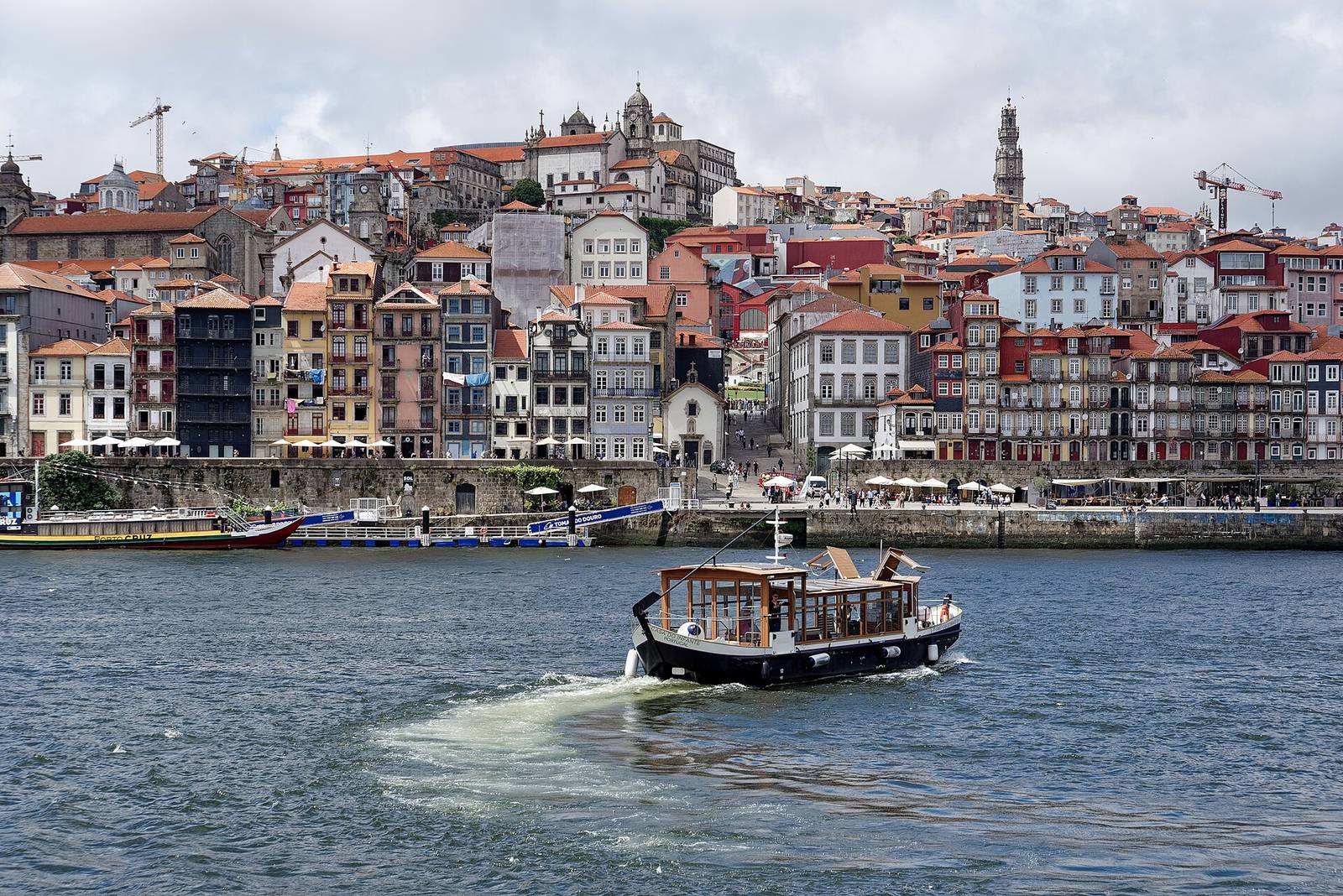
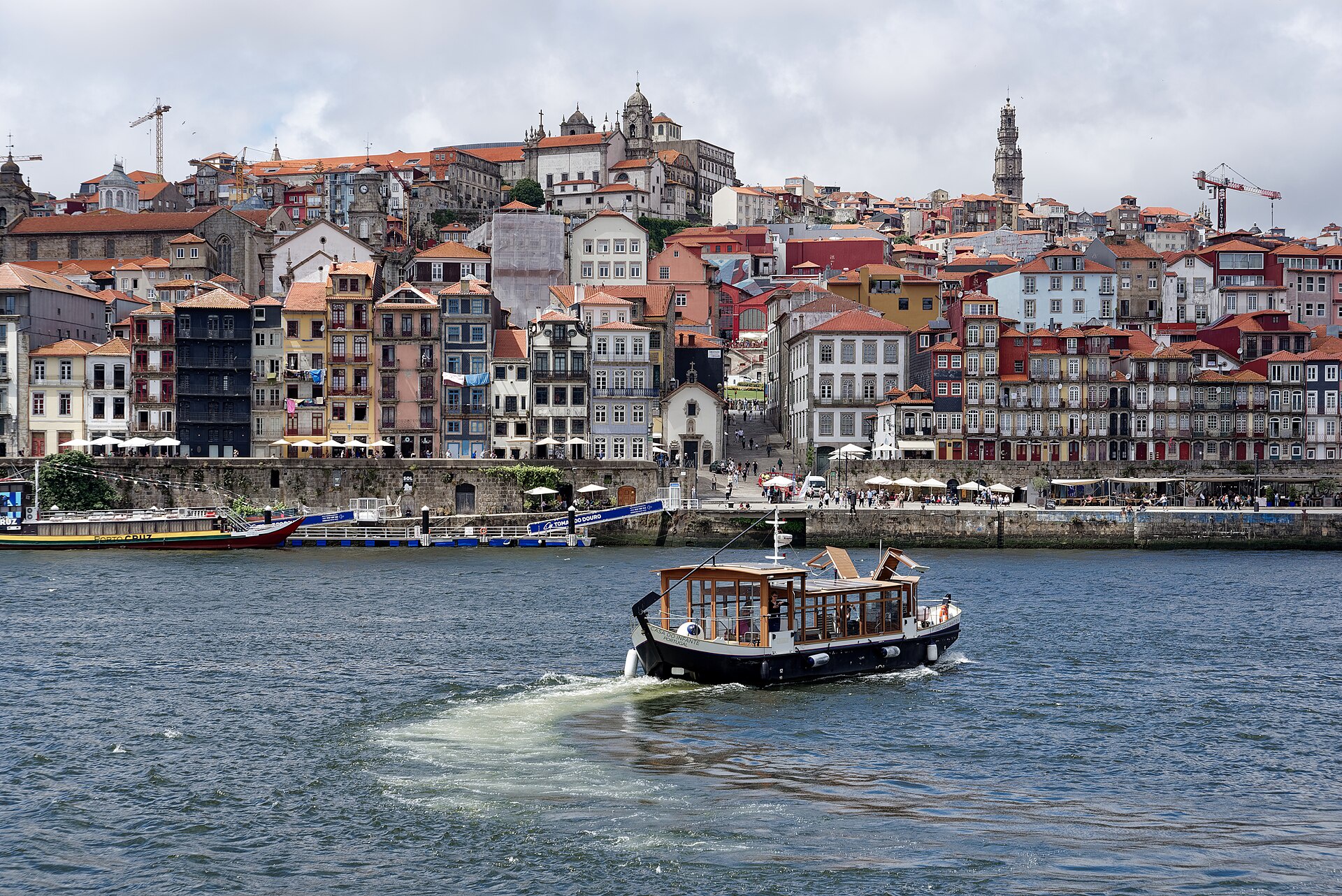
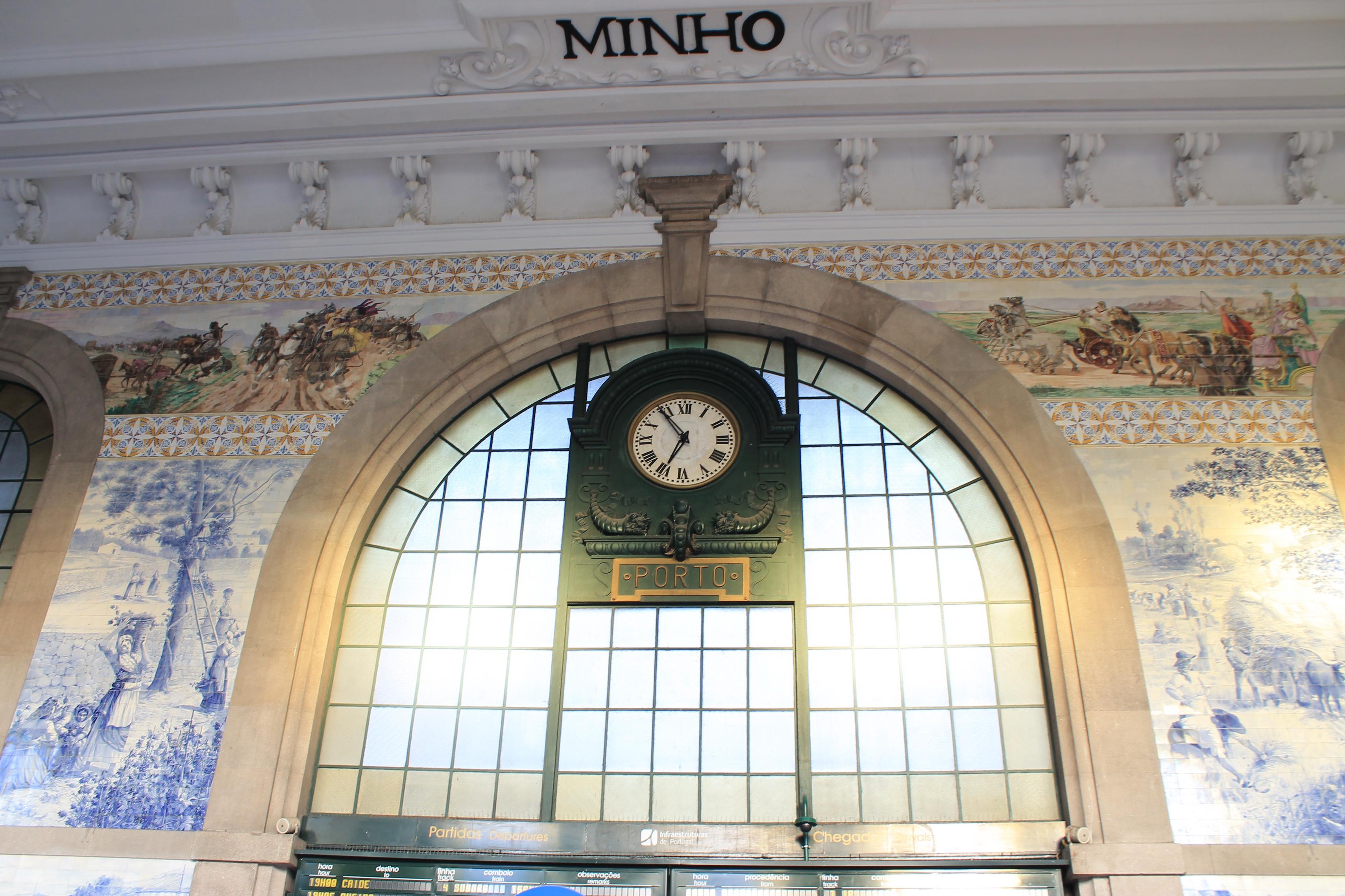
Porto is a 1.7-million metro on granite hills along the Douro, where rents run half of Lisbon. The old city earned UNESCO status in 1996, and the blue-and-white azulejos you photograph at São Bento station (Wikipedia) face apartment buildings five blocks inland. For a remote worker who wants slow mornings, fast fiber, and short flights across Europe, this is one of the easiest cities in the EU to settle into.
Overview & Vibe
The vibe is working-class port city dressed up as a tourist favorite. Locals call themselves Tripeiros (tripe-eaters), after a legend where Henry the Navigator's fleet took the beef and the people kept the offal. Prices are fair, and the same café serves €1 espresso to a tram driver and a banker. Expect rain October to March, hills that Google Maps lies about, and a post-work culture of standing-up wine bars (tascas).
A Brief History
The Romans knew this settlement as Portus Cale, the name that eventually became Portugal itself. John I of Portugal married Philippa of Lancaster in Porto in 1387, sealing the Anglo-Portuguese alliance that still stands as the world's oldest, and Henry the Navigator launched the 1415 conquest of Ceuta from the city's docks. In March 1809, thousands of residents fleeing Napoleon's troops collapsed the Ponte das Barcas pontoon bridge under their weight, killing an estimated 4,000 people. Porto then survived an 18-month siege by absolutist forces in 1832 and 1833, earning the nickname Cidade Invicta, the Unvanquished City.
Transportation
Uber, Bolt, and Free Now all operate legally and run 30–50% cheaper than in Lisbon. A 5km cross-town ride is €4–6. The metro has six lines, costs €1.40 with an Andante card, and connects the airport to downtown in 35 minutes. Tram 1 from Infante to Foz do Douro is real transit, locals use it daily.
Portugal drives on the right. Rental cars are useful only for Douro Valley day trips. In the city, parking is brutal, gas runs €1.85/L, and most apartments do not include a spot.
Language, Customs & Etiquette
Portuguese is official. European Portuguese sounds nothing like Brazilian, the vowels collapse and the rhythm is closer to Russian. Most service workers under 40 speak functional English, especially in Cedofeita, Baixa, and Foz. Five phrases will carry you: olá (hello), obrigado/obrigada (thank you, gendered to match yourself), bom dia (good morning before noon), se faz favor (please, after the request), and uma cerveja (a beer).
Friend greetings are two cheek kisses (right side first); business is a handshake. Tipping is optional, 5–10% is normal. Skip jokes comparing Portugal unfavorably to Spain.
Safety & Security
Porto ranks in the top 20 safest cities in Europe. Violent crime is rare, but pickpockets work São Bento and Trindade metro stations, the Ribeira on summer evenings, and the airport bus. Front pockets, no phone on a café table, and no bag hanging off your chair handle most of the risk.
Universal emergency number is 112. Solo female travelers describe it as comfortable to walk alone after midnight. Same-sex marriage has been legal since 2010, and Portugal ranks in the top five LGBTQ+ friendly countries in Europe.
Weather & Climate
Porto is wetter and cooler than Lisbon. Atlantic weather moves fast, expect a sunny morning, a downpour at lunch, and a clear sunset in the same day from October through April.
| Month | High | Low | Rain days |
|---|---|---|---|
| Jan | 14°C | 5°C | 14 |
| Apr | 18°C | 9°C | 11 |
| Jul | 25°C | 15°C | 2 |
| Oct | 21°C | 11°C | 10 |
Pack a waterproof shell, wool layers for shoulder seasons, and shoes with serious tread (calçada portuguesa stones get glassy when wet). May, June, and September are the sweet spots.
Logistics & Practical Info
Power is 230V/50Hz with Type C/F plugs. Time zone is WET (UTC+0) winter, WEST (UTC+1) summer, convenient for both London and US East Coast clients. Tap water is safe and tastes fine.
WiFi is everywhere; cafés post the password on the wall. Residential fiber runs €30/month for 1Gbps from MEO or NOS. Tourist SIMs cost €10–20 for 5–15GB. No internet censorship.
Practical tip: Get a NIF (tax number) at any Loja do Cidadão for €10 your first week. You need one to sign a lease, get a phone contract, or open a bank account. With a NIF and a Wise account, expect €600–900/month for a one-bedroom in Cedofeita or Bonfim.
Attractions & Activities
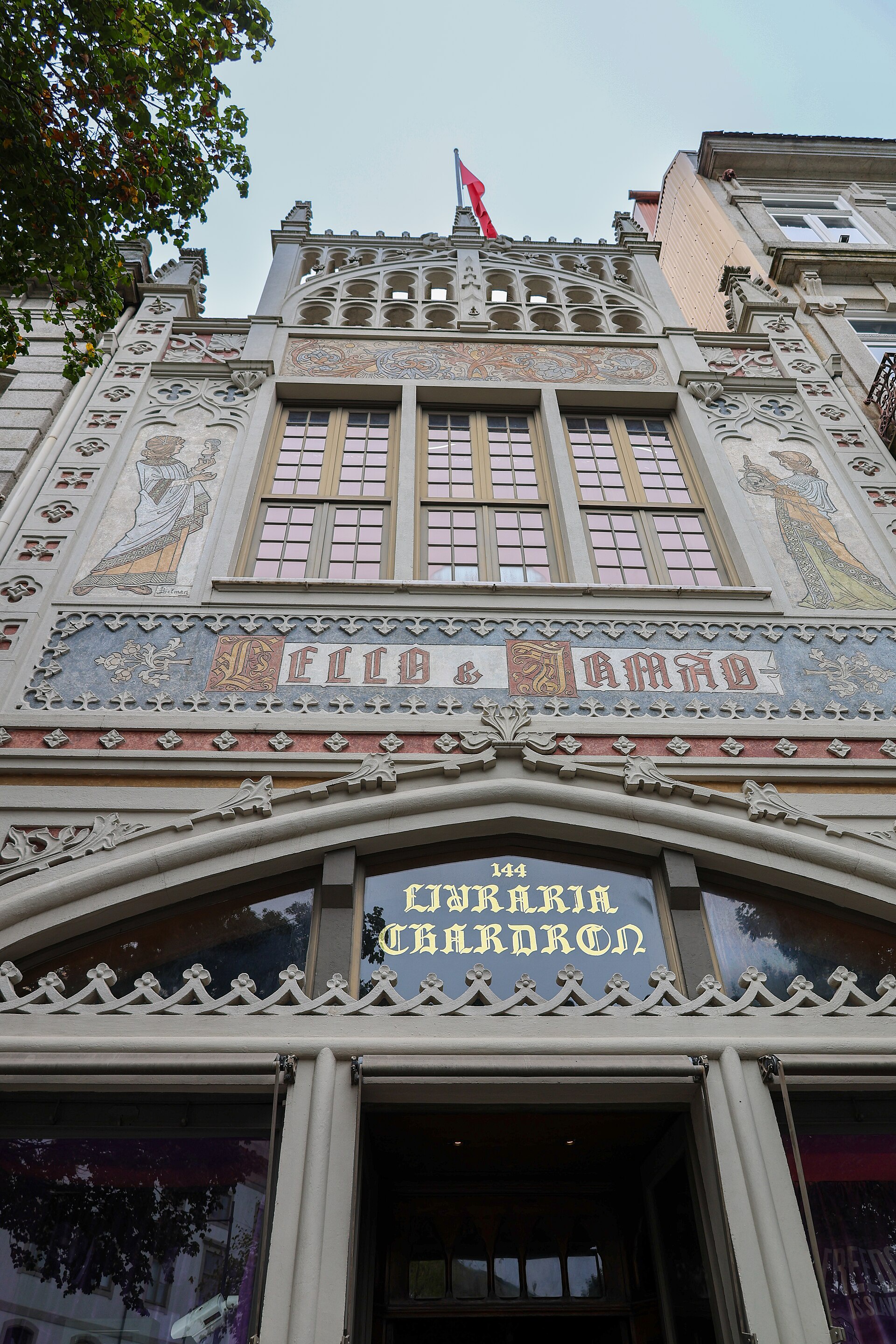
Livraria Lello (€8, redeemable on a book; Wikipedia) is one of the most photographed bookstores in the world thanks to its red staircase. Buy the ticket online a day ahead.
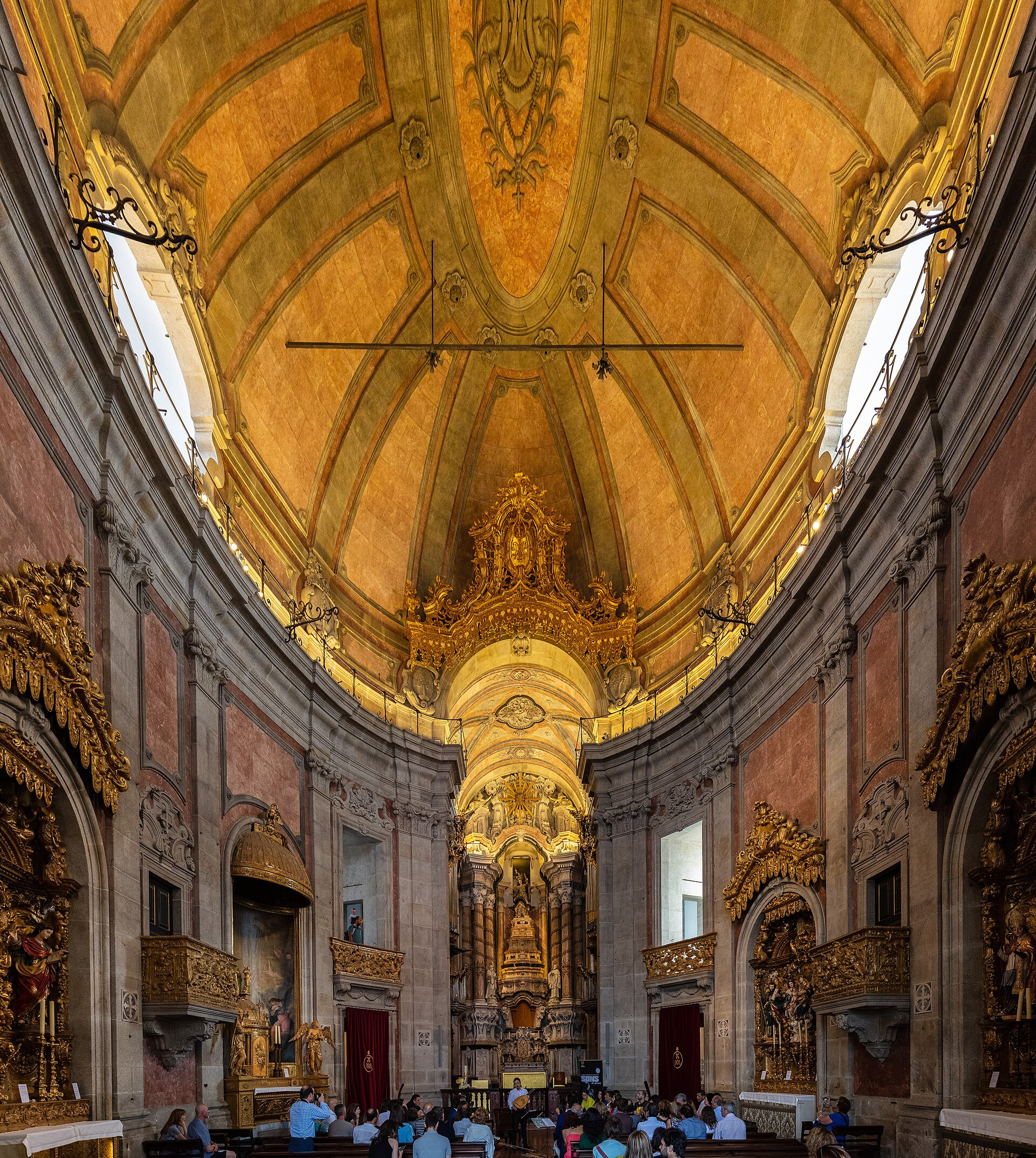
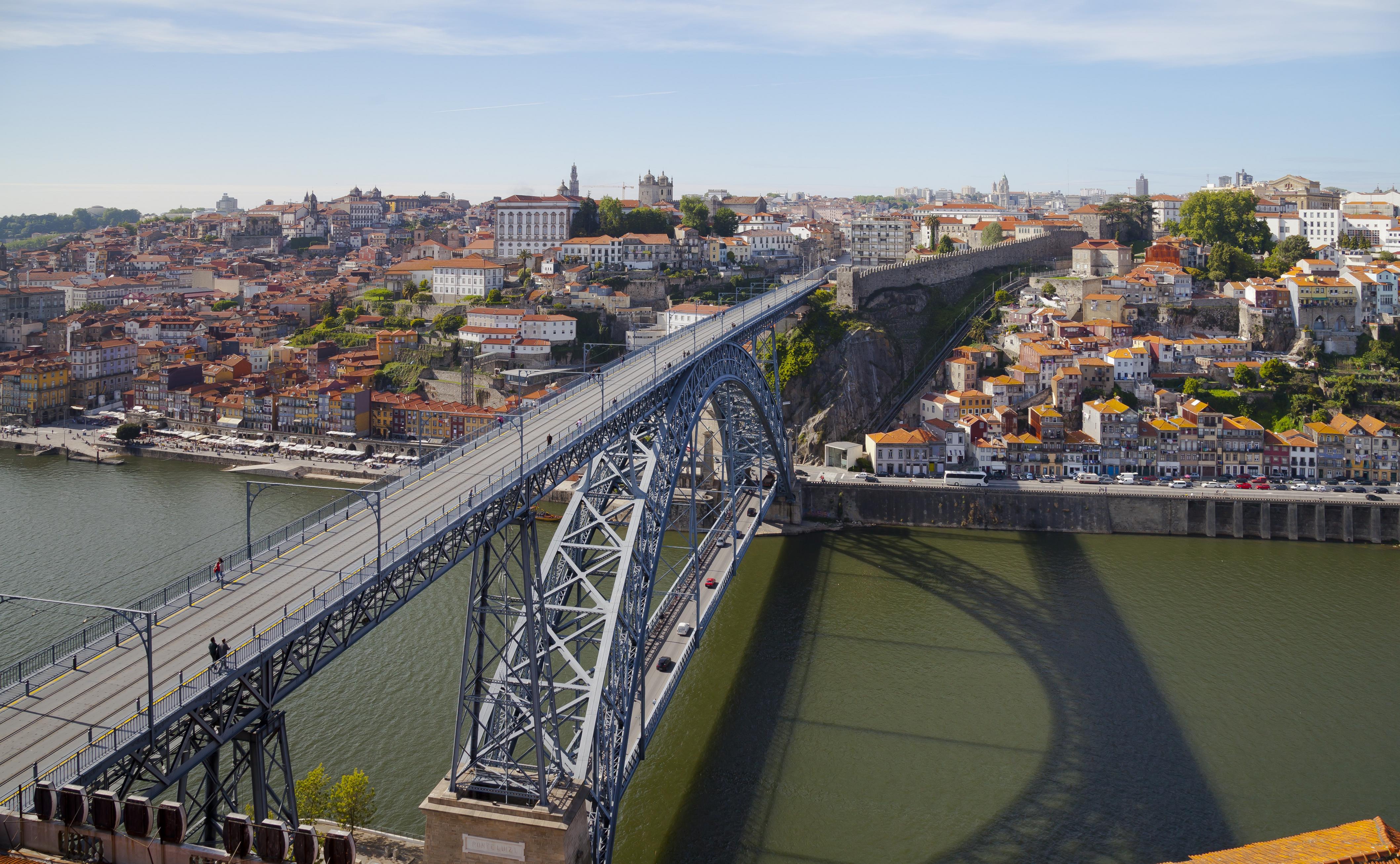
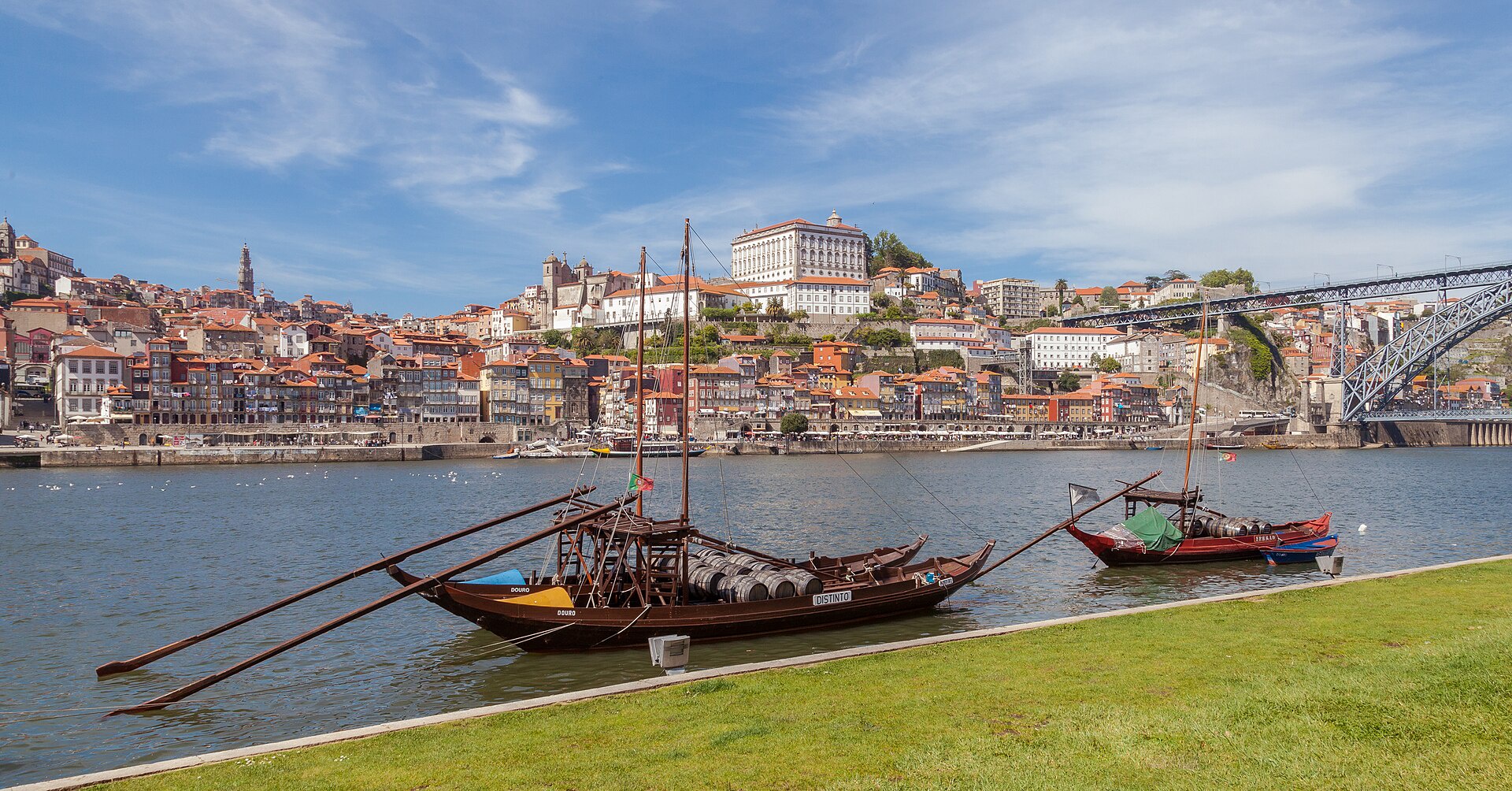
Climb the 240 steps of Torre dos Clérigos (Wikipedia) for the best view of the old city. Walk Rua das Flores to the Ribeira, cross the upper deck of Dom Luís I Bridge (Wikipedia), and end at Vila Nova de Gaia for port tasting at Graham's, Taylor's, or Sandeman's (€15–25).
Festival peak is São João (June 23–24): grilled sardines and squeaky plastic hammers. Must-try: francesinha (€10–14, a sandwich of cured meats, cheese, and beer-tomato sauce), tripas à moda do Porto, bacalhau à brás, and a pastel de nata from Manteigaria for €1.30. Souvenirs: azulejo tiles, cork wallets, and a 2017–2018 LBV port.
Health & Medical
Healthcare is high quality and cheap by US standards. A private GP visit at CUF or Lusíadas runs €60–90 uninsured. Pharmacies (green cross) handle most minor issues, and English is common centrally. Travel insurance is rarely direct-billed, you pay upfront and reimburse later. EU prescriptions are honored; US ones are not, so pack what you take. No endemic tropical diseases. Vegetarian options are widely available (Daterra in Baixa is reliable); vegan menus are growing.
Demographics & Government
Portugal is a unitary semi-presidential republic. Population is 10.3 million; metro Porto is 1.7 million. There is no state religion, but about 80% of the population identifies as Roman Catholic.
Legal & Substances
Personal possession of any drug (up to roughly a 10-day supply) was decriminalized in 2001. Small amounts of cannabis will not get you arrested, but you may be sent to a dissuasion commission. Sale and trafficking remain criminal. Alcohol can be consumed in most public spaces, though metro and bus systems prohibit it. Smoking has been banned in all enclosed public venues since 2008.
Customs & Shopping
Standard EU duty-free limits apply leaving for a non-EU destination: 200 cigarettes, 1L of spirits or 2L of wine, €430 of other goods. Cultural heritage items over 50 years old need a DGPC export license. CITES rules cover endangered-species products.
Accessibility & Inclusion
The metro is fully accessible, buses kneel, and central museums (Serralves, Casa da Música) are wheelchair-friendly. The historic core is the problem: cobbles, steep grades, no elevators. Foz, Boavista, and the riverfront promenade are flat and easy.
Ryan's Food Notes
What I actually ate in Porto:
- Pastel de Nata, the custard tart that everyone talks about and everyone is right about. The ones from Manteigaria on Rua do Almada are different from the rest. Order two, eat them standing outside while still warm.
- Amorino Gelato, yes it's a chain, but the flower-shaped scoop in Porto is done with care. Good for an afternoon riverside walk.
- Mango cream gelato along the river, there are independent gelato spots along the waterfront in Vila Nova de Gaia worth a stop after the port wine caves.
Digital Nomad Corner
A comfortable solo nomad runs €1,800–2,400/month: €700–1,000 for a one-bedroom in Cedofeita or Bonfim, €350–450 groceries, €200–300 dining out, €25 transit, €30 phone, plus coworking at €130–180. About 30% cheaper than Lisbon and 60% cheaper than Madrid.
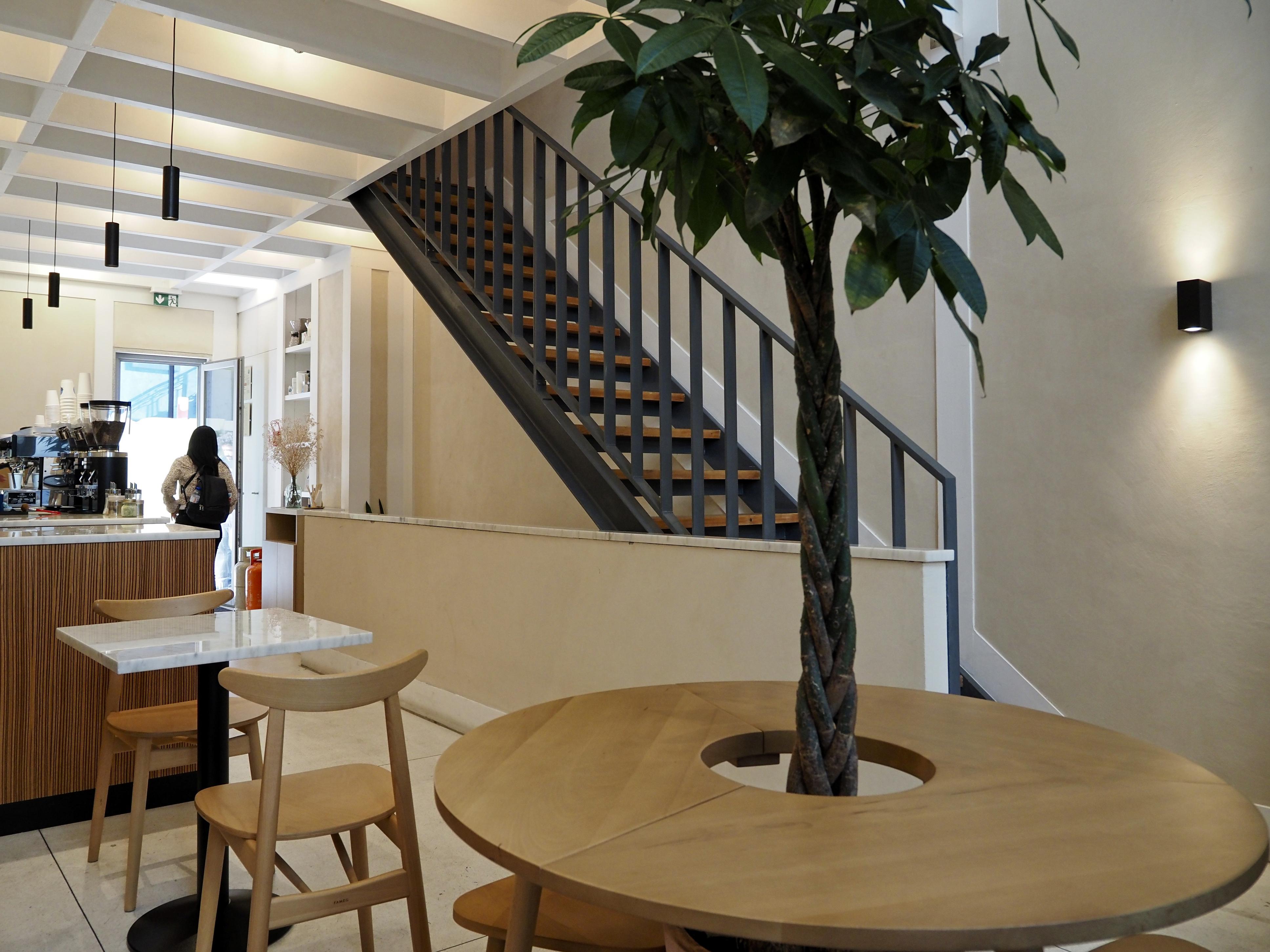
Coworking is solid: Selina Secret Garden, Porto i/o, CRU Cowork in Cedofeita, and Porto Tech Hub offer day passes from €15 and memberships from €130. For café work, Combi Coffee Roasters, Mesa 325, and So Coffee Roasters tolerate laptops and have outlets.
Visa: Portugal's D8 Digital Nomad Visa requires €3,480/month income (4x Portuguese minimum wage), proof of remote work, and clean criminal records. Processing runs 60–90 days; the visa converts to a 2-year residence permit on arrival.
Check the Porto Digital Nomads Facebook group, the monthly Nomad Coffee meetup at Combi, and the 3.5-hour Lisbon train (€25 booked ahead) when you want the bigger Lisbon scene.
Keep planning: Alborz, Iran: Your Complete Travel and Remote Work Guide and Atlanta: Southern Culture, Food & Remote Work.
Photos via Wikimedia Commons (CC BY/CC BY-SA).