Moab: Gateway to Arches & Canyonlands
Nomad Toolkit
Overview & Vibe
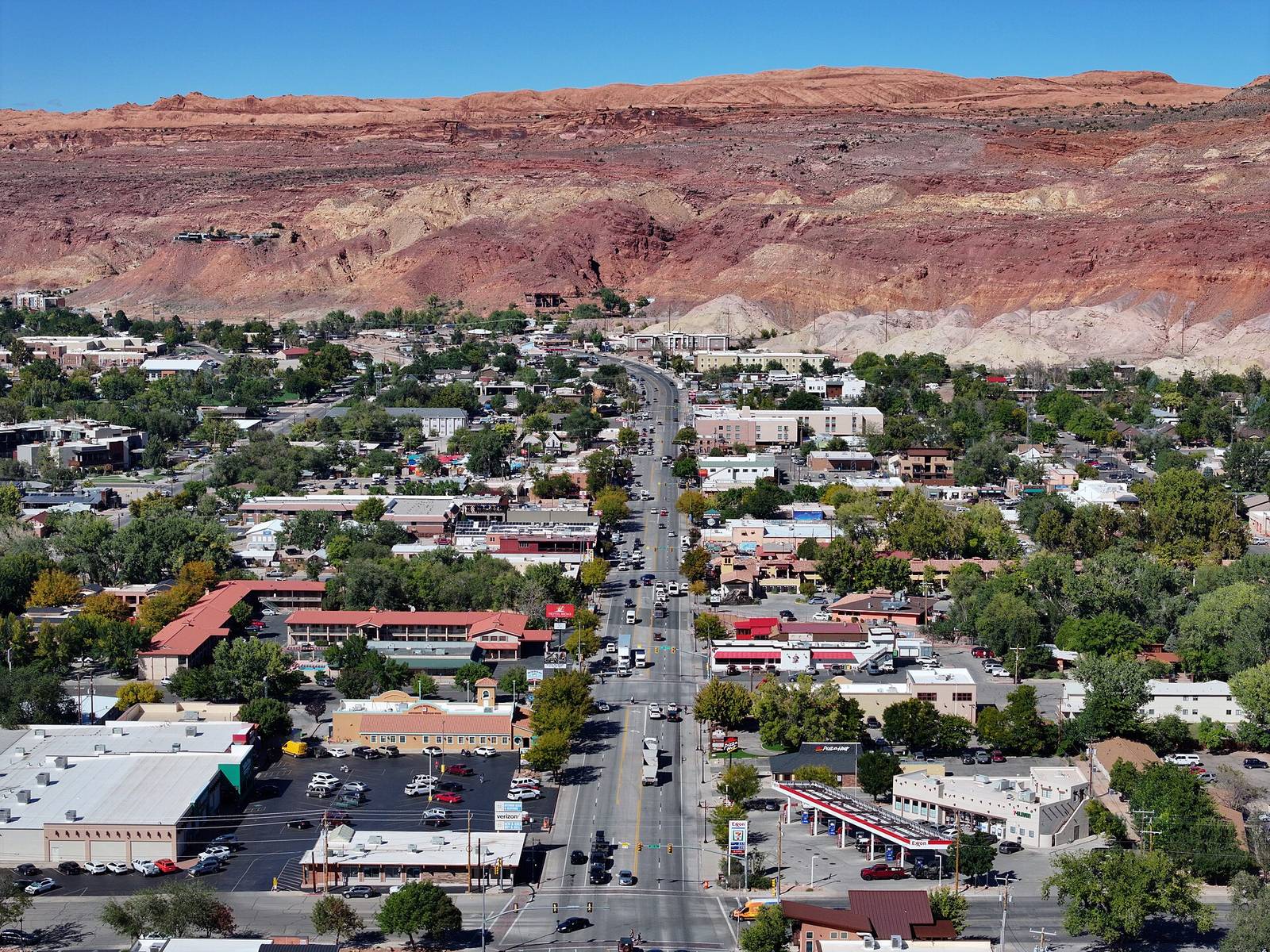
Moab sits at 4,025 feet on the Colorado Plateau, 4 miles south of the Arches National Park entrance and 31 miles south of Interstate 70. The 2020 census counted 5,366 residents, yet the town serves as the base camp for the millions who visit Arches and Canyonlands each year. The result is a three-block Main Street with gear shops, food trucks, and dusty rental Jeeps parked outside every motel.
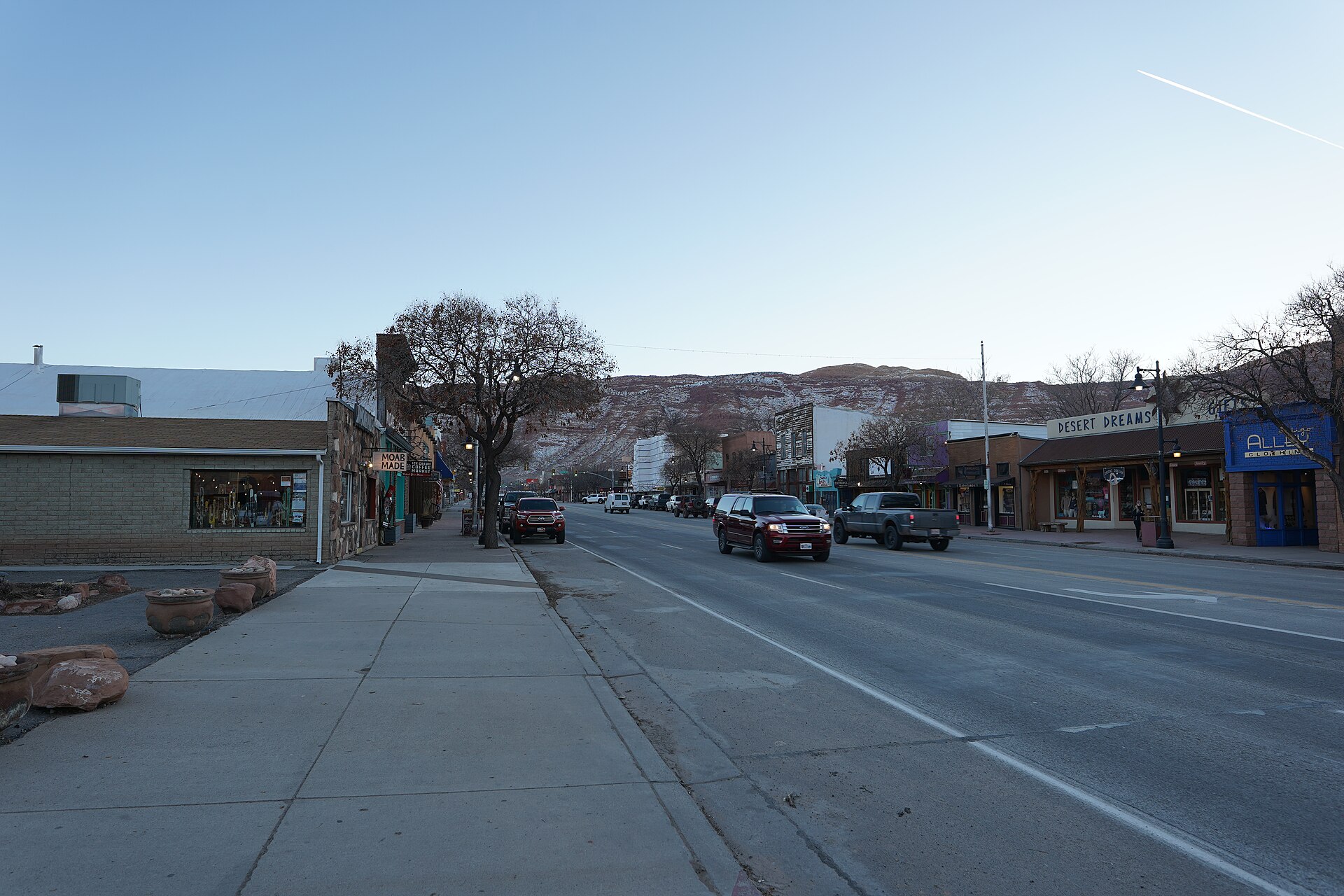
The crowd is a mix of mountain bikers, off-roaders, river runners, and park tourists. Spring and fall are packed; January is quiet enough that some restaurants close for the season.
A Brief History
Settlers named the town Moab in 1880, either for the biblical region or the Paiute word moapa, meaning mosquito. The site had been the Colorado River crossing on the Old Spanish Trail since 1829, and an 1855 Mormon trading post called the Elk Mountain Mission was abandoned after attacks the same year. Moab incorporated on December 20, 1902, and boomed in 1952 when geologist Charles Steen found rich uranium ore south of town, earning it the nickname Uranium Capital of the World. After the mines closed by the early 1980s, mountain biking on the Slickrock Trail rebuilt the economy around tourism. The full story is on Wikipedia.
Transportation
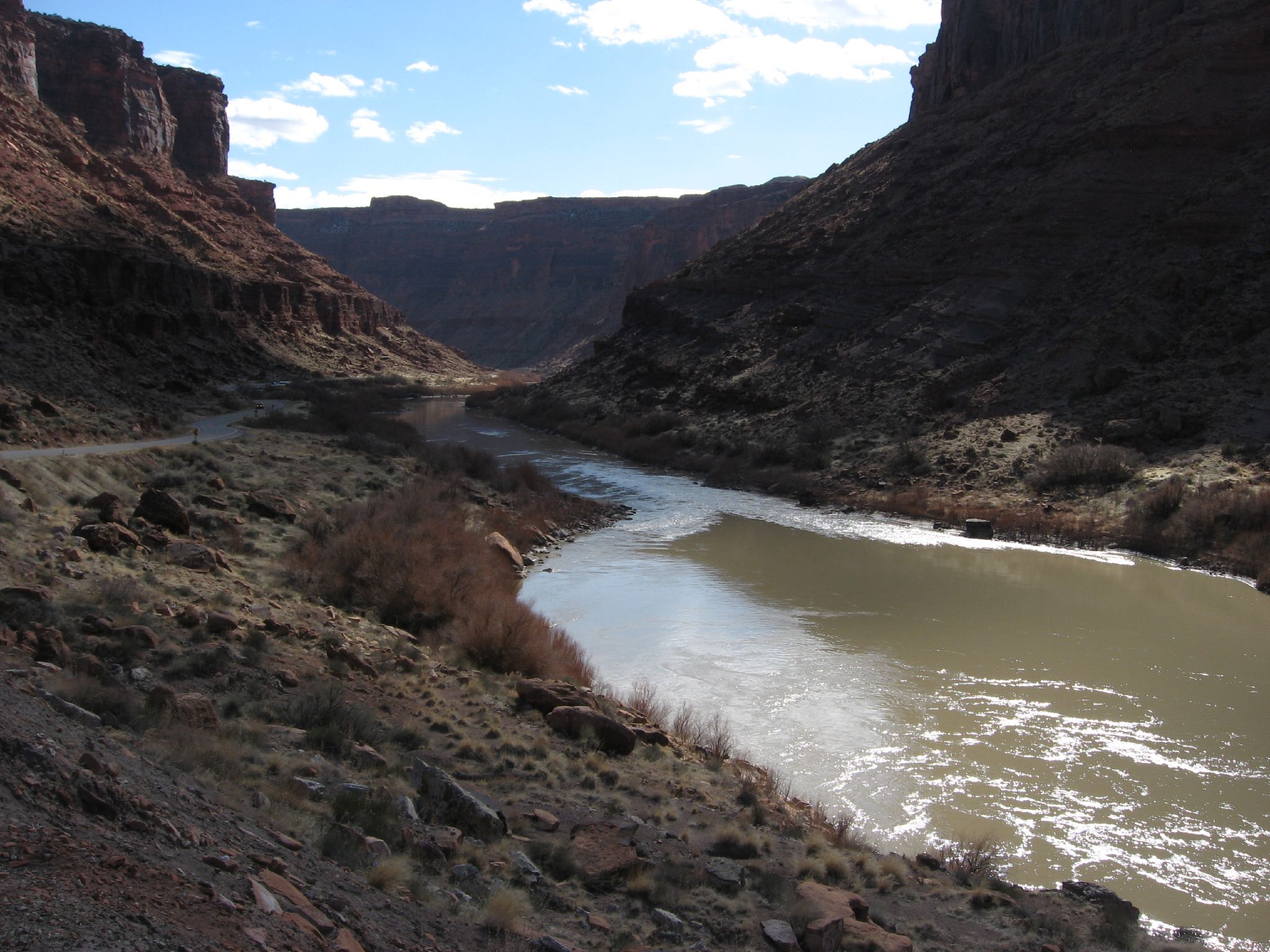
A car is essential. US Route 191 is the spine of town, and State Route 128 follows the Colorado River northeast under 1,000-foot sandstone walls, one of the best paved drives in the state.
- Flying: Canyonlands Field (CNY) is 18 miles north with limited commercial service to Denver; schedules change seasonally. Grand Junction, Colorado (110 miles) has more flights, and Salt Lake City (230 miles) is the nearest major hub.
- Train: Amtrak's California Zephyr stops in Green River, 52 miles northwest. There is no rail into Moab.
- Rideshare: Uber and Lyft exist but coverage is thin, especially at trailheads. Book shuttles for river trips and bike drops.
- Driving rules: Right side of the road; foreign licenses are accepted for rentals in Utah.
Language, Customs & Etiquette
English is the daily language. Greetings are a casual hi or how's it going, and strangers chat easily at trailheads. Tip 15 to 20 percent at sit-down restaurants and a dollar or two per drink at bars. Posted prices are fixed; bargaining is not a thing. Leave No Trace habits are a local social norm: stay on slickrock or trails, since the black cryptobiotic soil crust takes decades to regrow after one footprint.
Safety & Security
Dial 911 for emergencies. Violent crime is rare; the real dangers are environmental. Summer hikers get heat exhaustion on exposed trails, and narrow canyons flash flood after storms that fell miles away. Carry more water than feels reasonable, a gallon per person per day in summer. Lock vehicles at trailheads. Solo female travelers report the town feels safe, and as a tourist economy Moab is more welcoming to LGBTQ+ visitors than rural Utah's reputation suggests.
Weather & Climate
Moab has a semi-arid climate with about 9 inches of precipitation a year and an average of 41 days at or above 100°F. The record high is 114°F, set in July 1989.
| Month | Avg High | Avg Low | Notes |
|---|---|---|---|
| January | 44°F | 22°F | Quiet season, some closures |
| April | 72°F | 42°F | Peak crowds, Jeep Safari |
| July | 99°F | 65°F | Hike at dawn only |
| October | 73°F | 42°F | Best light, thinner crowds |
Pack sun protection year-round, layers for cold desert nights, and traction devices if visiting December through February.
Logistics & Practical Info
- Plugs: Type A and B, 120V at 60Hz.
- Time zone: Mountain Time (UTC-7, UTC-6 in summer), same as Denver.
- Tap water: Safe to drink and tastes fine.
- Cell service: Verizon, AT&T, and T-Mobile all work in town. Expect dead zones inside both national parks and on river stretches.
- SIMs: Prepaid plans run $30 to $50 a month from the major carriers.
- Internet censorship: None.
Attractions & Activities
Arches National Park charges $30 per vehicle for a 7-day pass and has used timed-entry reservations from April through October in recent seasons; check recreation.gov before you drive up.
Book Arches timed entry as soon as your dates firm up. Slots for sunrise hours go first, and sunrise is when you want to be inside the park anyway.
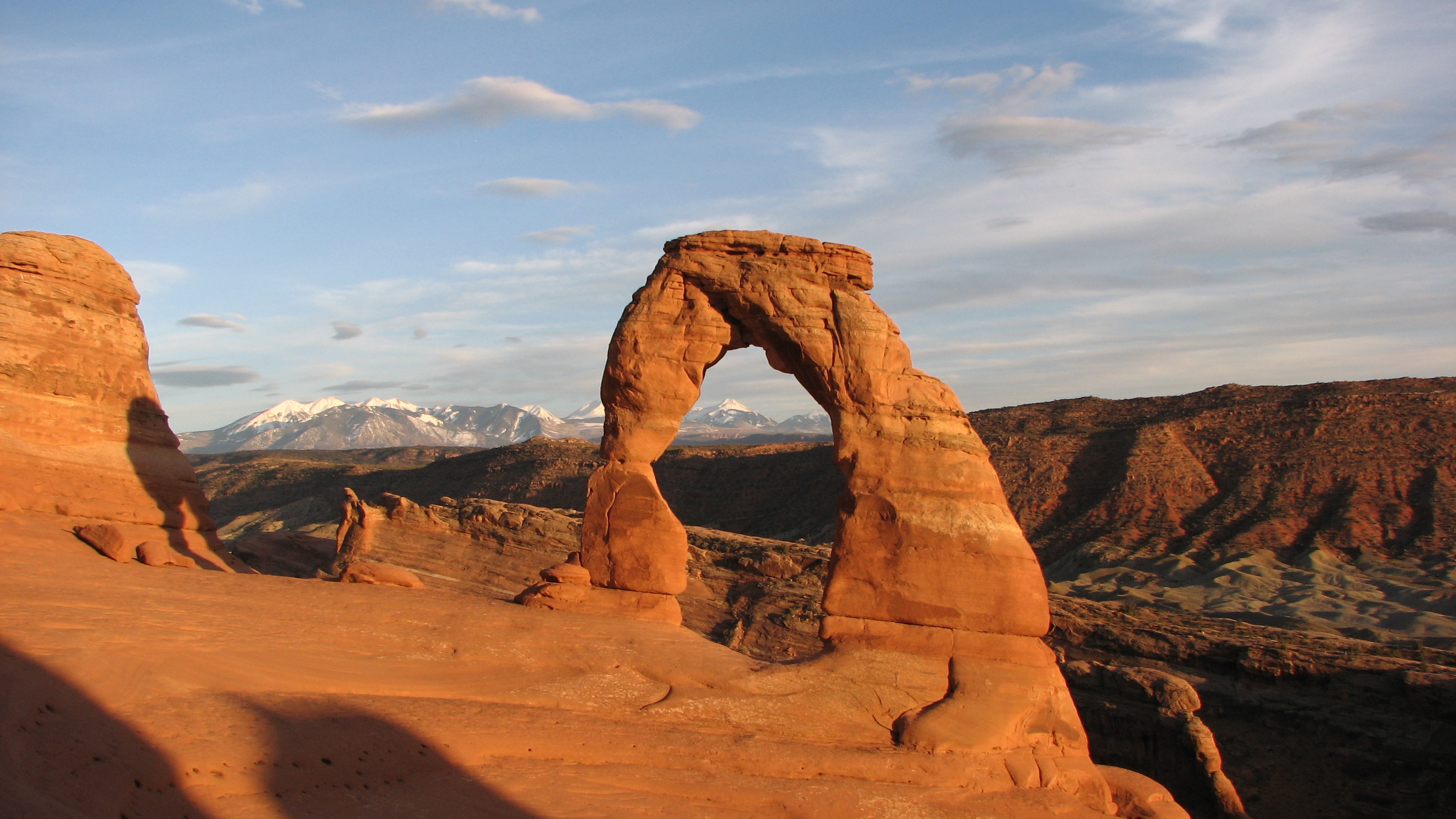
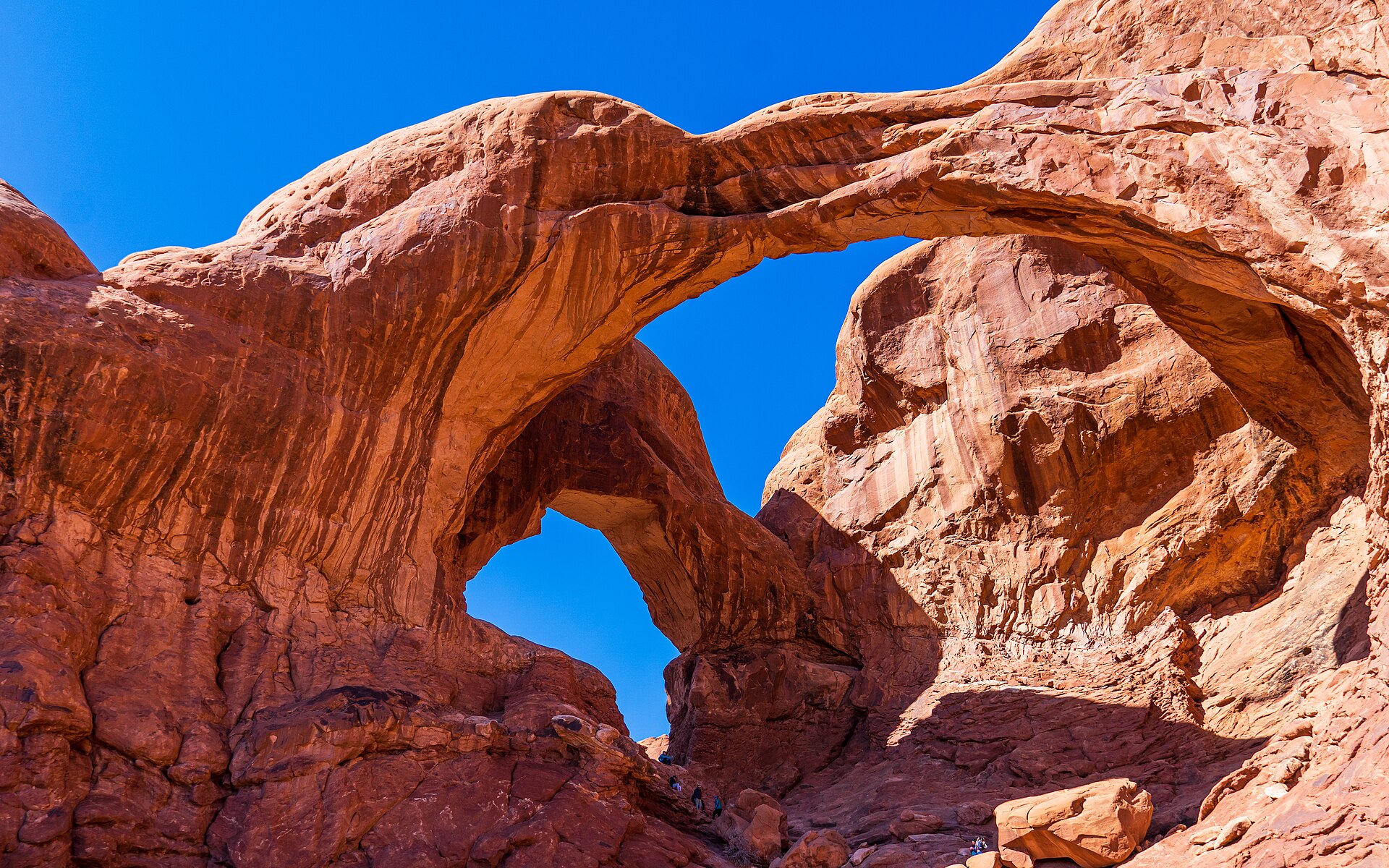
The Delicate Arch hike is 3 miles round trip with 480 feet of gain over bare slickrock. Double Arch rewards a flat half-mile walk.
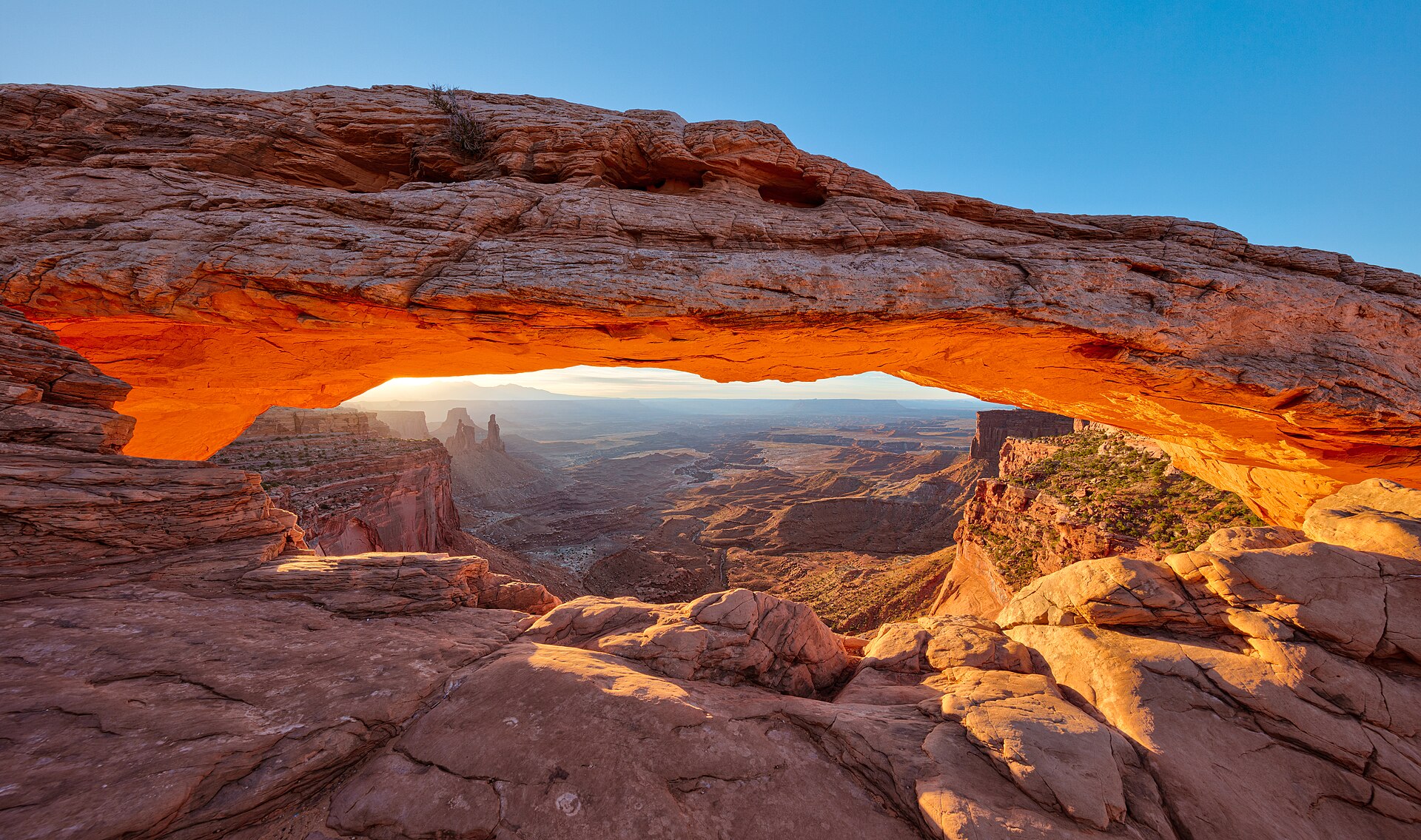
In Canyonlands' Island in the Sky district, 32 miles from town, Mesa Arch is a 0.6-mile loop to a cliff-edge arch that glows orange at sunrise.
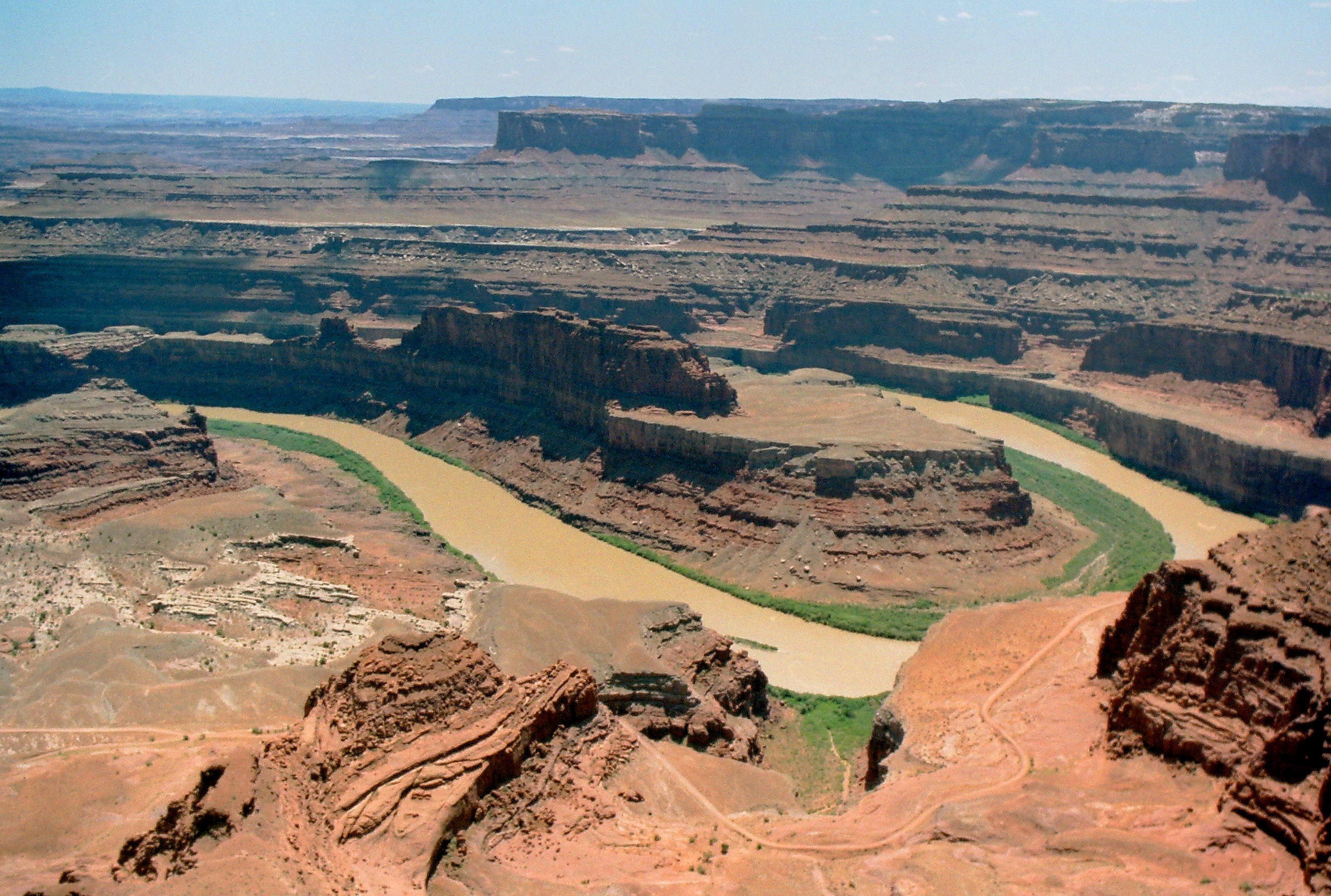
Dead Horse Point State Park ($20 per vehicle) overlooks a gooseneck bend of the Colorado 2,000 feet below. Mountain bikers ride the Slickrock Trail in the Sand Flats Recreation Area ($5 per vehicle).
For food, Milt's Stop & Eat has flipped burgers and shakes since 1954, and Moab Brewery pours its own beer a short walk from most motels. April's Jeep Safari week is the busiest event on the calendar.
Health & Medical
Moab Regional Hospital, a 17-bed critical access facility on Williams Way, handles emergencies; the nearest larger hospitals are in Grand Junction. US hospitals expect payment or US-recognized insurance up front, so carry travel medical coverage. Pharmacies sit right on Main Street. The practical health issues here are dehydration, sunburn, and altitude adjustment, all manageable with water, sunscreen, and a slower first day.
Demographics & Government
Moab's 5,366 residents make it the seat and largest city of Grand County, population roughly 9,700. Utah is a US state within a federal constitutional republic. There is no official religion; the Latter-day Saint influence that shapes much of Utah is lighter in Moab, where the service economy sets the tone.
Legal & Substances
- Marijuana: Illegal recreationally in Utah; medical use requires a state card. Federal land makes possession in the parks a federal matter.
- Alcohol: Grocery and convenience stores sell beer up to 5 percent ABV. Wine and spirits come only from the state liquor store, which closes Sundays. Drinking age is 21, and open containers in public are illegal.
- Smoking: Banned indoors statewide; 21 and over to buy tobacco or vapes.
Customs & Shopping
Standard US customs rules apply when departing. One local rule matters more: removing rocks, arrowheads, or any artifact from the national parks is a federal offense, so buy your souvenirs on Main Street instead. Sales tax near 9 percent is added at the register, not shown on price tags.
Accessibility & Inclusion
The ADA sets accessibility standards nationwide. In Arches, Balanced Rock and the Delicate Arch Viewpoint have paved, level paths, and Dead Horse Point's main overlook is wheelchair accessible. Main Street has curb cuts and flat sidewalks. Many trailhead restrooms are accessible, though the famous hikes themselves cross bare rock.
Digital Nomad Corner
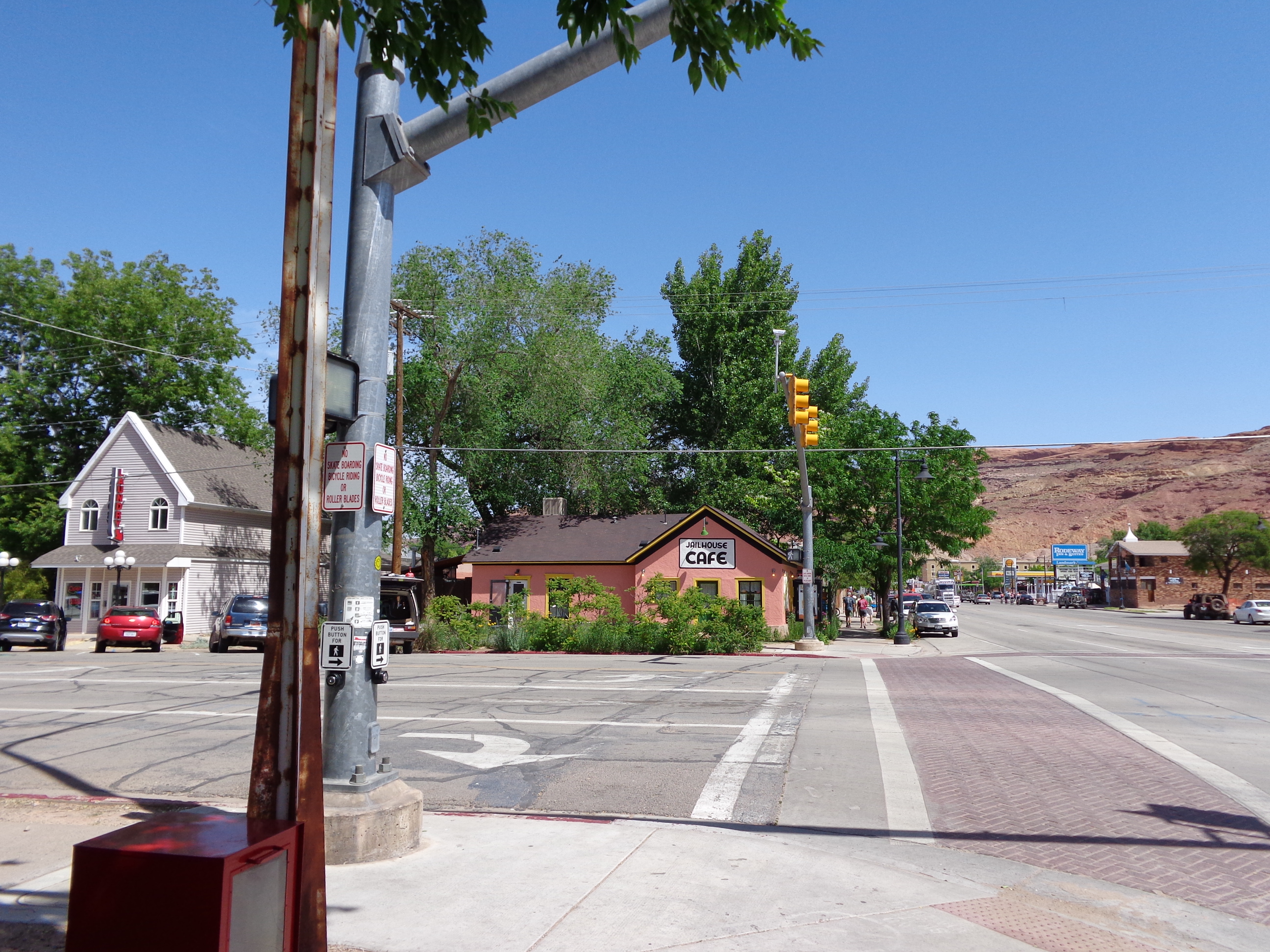
Moab works better as a one-to-three-month base than a permanent one. Cable and fiber connections in town are solid, and the Grand County Public Library on Center Street offers free WiFi and quiet desks. Cafés like the Jailhouse Cafe cover mornings, though most kitchens close early.
Come in shoulder season. November through February lodging drops sharply from peak rates, the parks empty out, and daytime highs in the 40s and 50s are fine for hiking.
Housing is the catch: a small permanent population and heavy short-term-rental demand keep rents high, so nomads typically book monthly motel or condo rates in the off season. Mountain Time keeps you aligned with US clients, and the reward for the housing math is sunrise at Mesa Arch on a Tuesday before your first call.
Keep planning: Alta: Utah's Skier-Only Mountain, Amicalola Falls State Park Guide and Atlanta: Southern Culture, Food & Remote Work.
Photos: Quintin Soloviev (CC BY 4.0), Steven Baltakatei Sandoval (CC BY-SA 4.0), Ken Lund (CC BY-SA 2.0), Ymaup (CC BY-SA 3.0), Thomas Wolf, foto-tw.de (CC BY-SA 3.0), OrangeJedi (CC BY 4.0), Nikater (public domain), Saalebaer (CC0), via Wikimedia Commons.