Montenegro: Bay of Kotor, Mountains & Coast
Nomad Toolkit
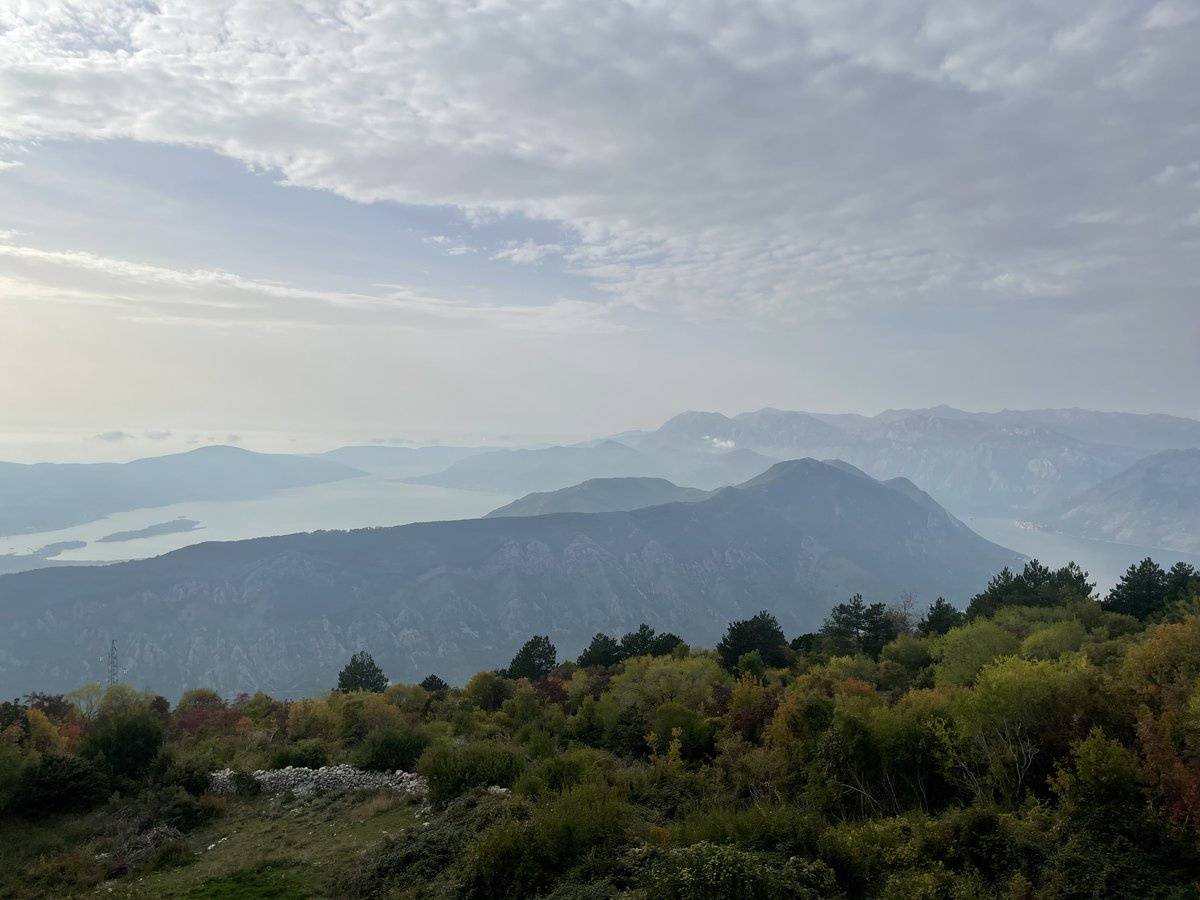
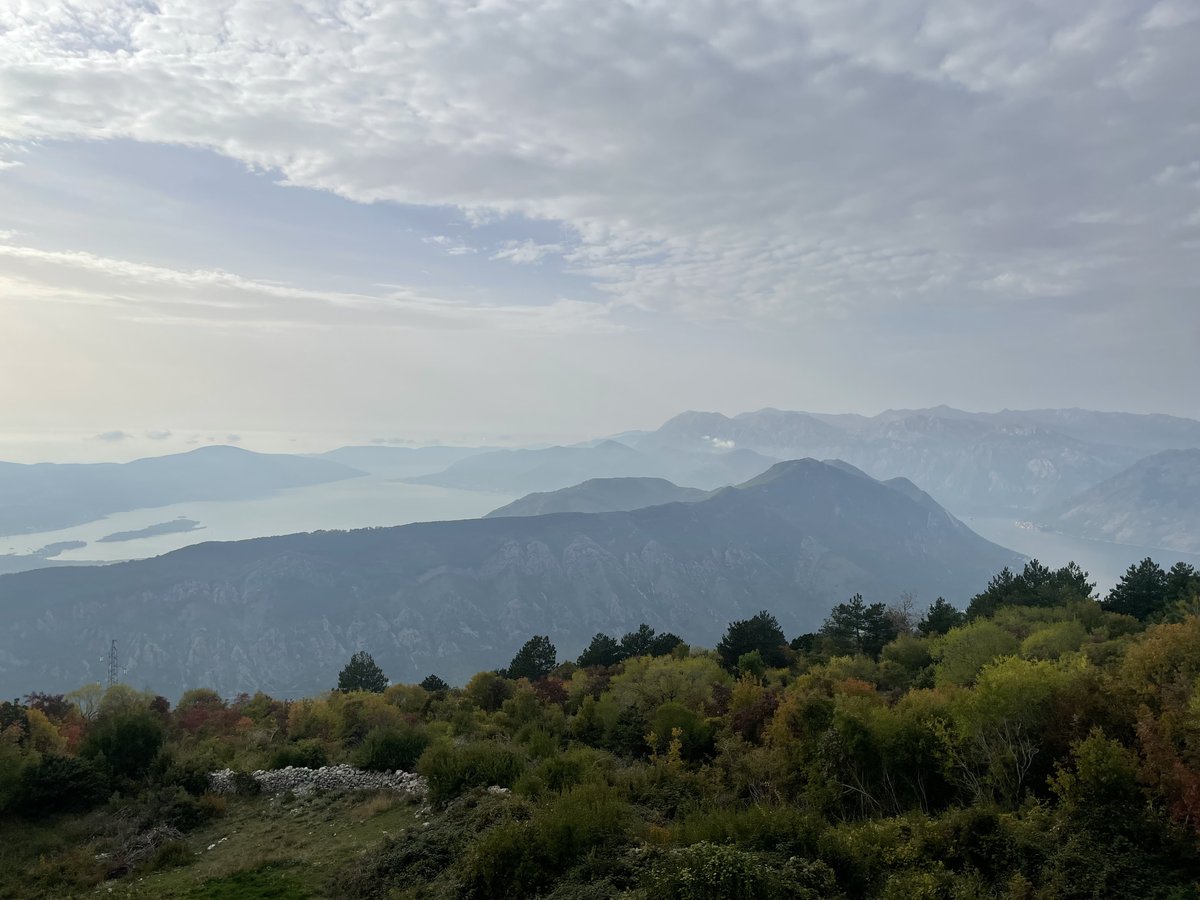
Montenegro is the Balkans' best-kept secret: a sliver of Adriatic coastline wedged between Croatia and Albania, ringed by mountains that drop straight into one of Europe's most dramatic fjords. The Bay of Kotor mirrors Norway's fjords but with Mediterranean warmth, terracotta roofs, and prices that won't wreck a monthly budget. Digital nomads are quietly discovering it, the infrastructure is solid, the food is honest, and Tivat is emerging as a real alternative to Lisbon or Chiang Mai for remote work bases. Three days gets you the postcard sights; three months reveals why people stay.
Demographics & Government
| Country | Montenegro |
| Population | ~620,000 (country), ~24,000 (Kotor), ~15,000 (Budva) |
| Government | Parliamentary republic; independent since 2006 |
| Religious mix | ~72% Serbian Orthodox, ~19% Muslim, ~3% Catholic |
| Time zone | CET (UTC+1) winter, CEST (UTC+2) summer; DST observed |
| Plug type | Type C and Type F (230V / 50Hz) |
| Drive side | Right |
| Tap water safe? | Yes, safe in cities and tourist areas; bottled in remote villages |
| Free WiFi? | Widely available in cafés, hotels, and coworking spaces |
| Best time to visit | May to June or September to October (18 to 25°C, fewer crowds) |
| Emergency numbers | 112 (general), 124 (police), 123 (fire), 194 (ambulance) |
| Currency | Euro (EUR); uses euro but not an EU member. ATMs widespread |
Overview & Vibe
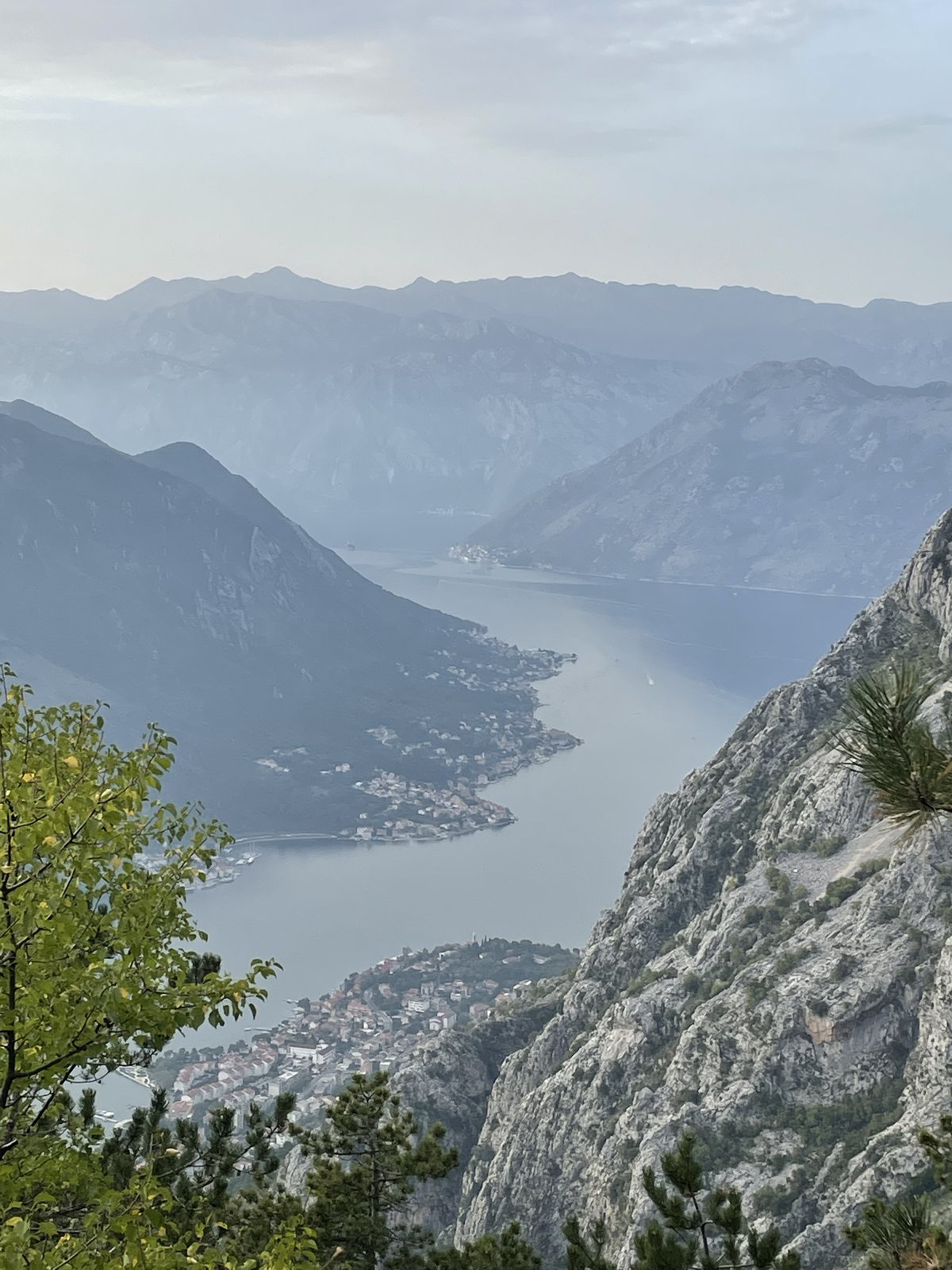
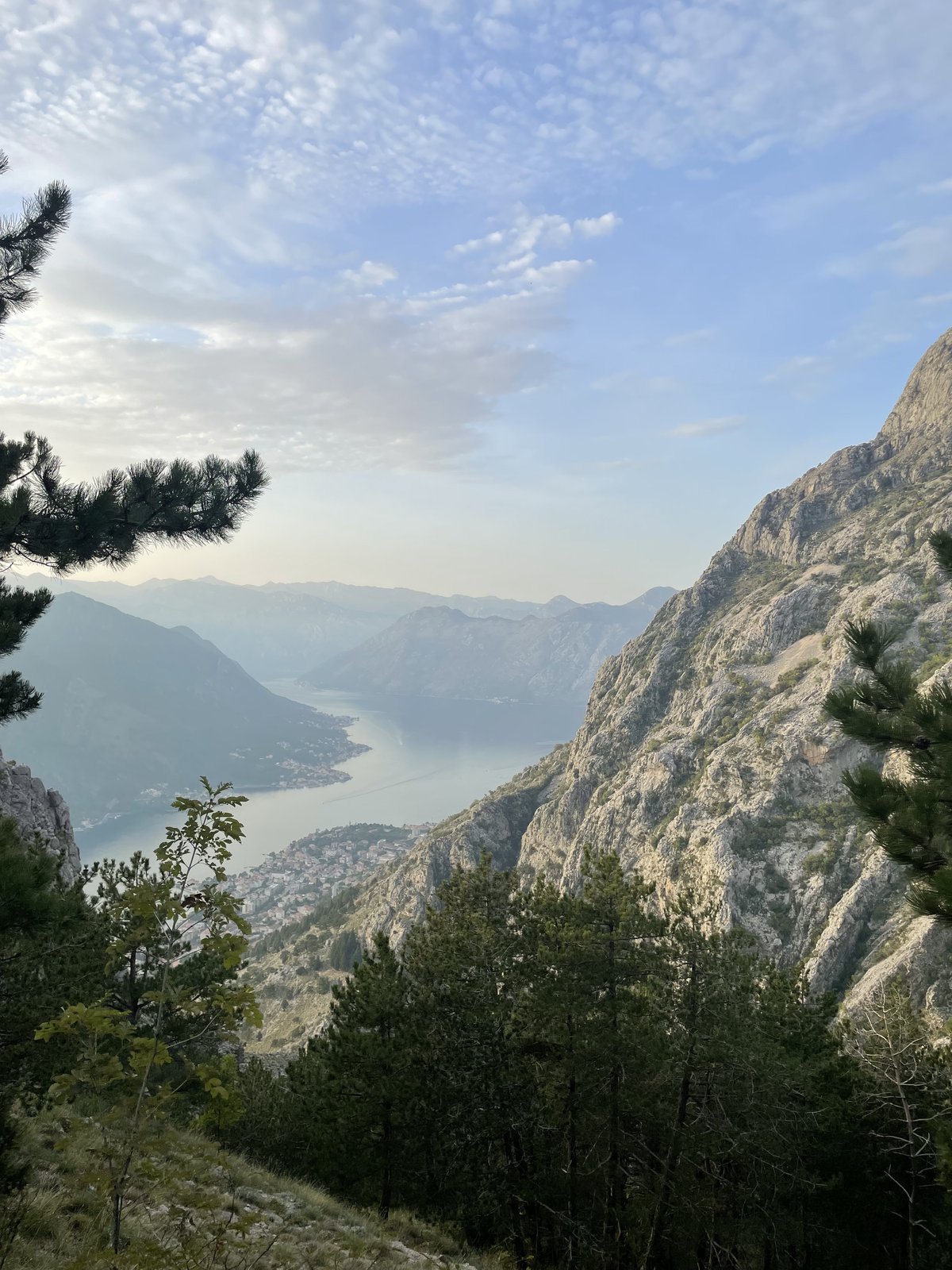
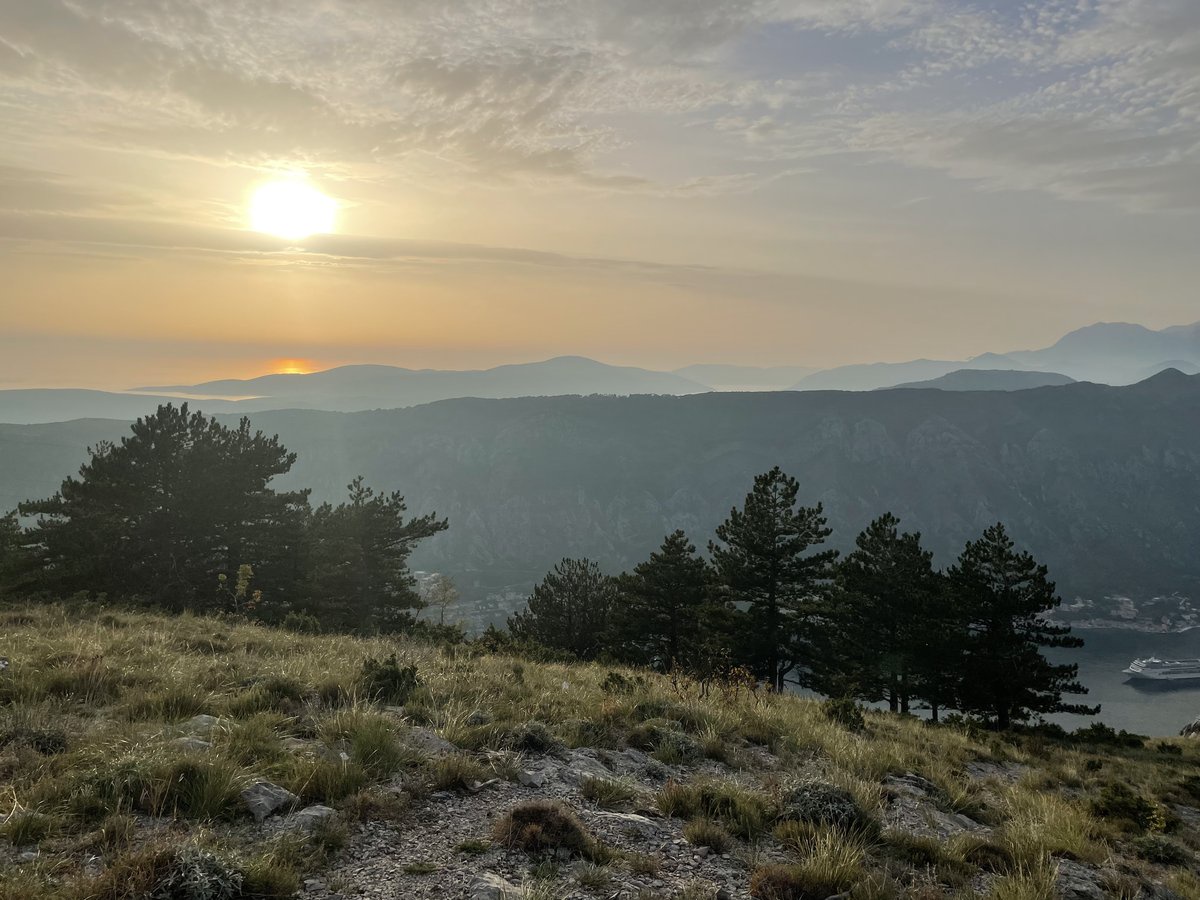
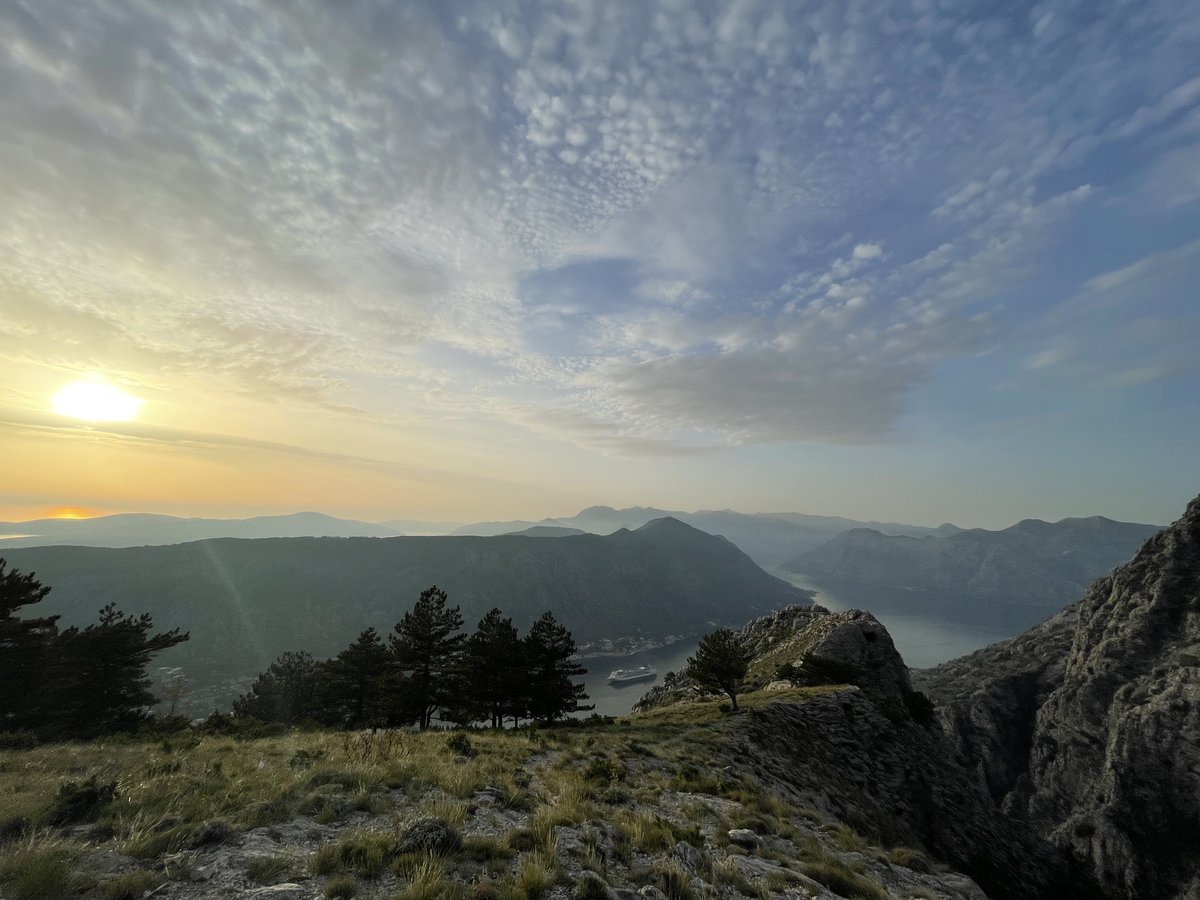
Montenegro is geography compressed. The coast hugs a series of fjord-like bays: the Bay of Kotor (deepest fjord in the Mediterranean), the Budva Riviera beaches south toward Ulcinj, and Tivat's modern marina developments. Inland, the country rises dramatically into the Dinaric Alps, Durmitor National Park (Wikipedia) dominates the north with its glacial lakes and 2,000-meter peaks; Lovcen (Wikipedia) towers above Kotor with hairpin mountain roads and a mausoleum complex. Podgorica, the landlocked capital, feels gritty and un-touristy, a real Balkan city. Lake Skadar (Wikipedia), shared with Albania, is Europe's largest shallow lake and a birdwatcher's paradise. For nomads: the coast is Mediterranean and settled; the mountains are wild and accessible; the vibe is Balkan-friendly, fewer crowds than Croatia, strong coffee culture, and a palpable sense that tourism infrastructure is still being built.
A Brief History
The name Crna Gora, "black mountain", was in regular use for this territory by the 15th century, when the Crnojević family ruled from the Zeta hinterland. Venice held the Bay of Kotor until the Republic's fall in 1797, which is why Kotor and Perast read Venetian, while the mountainous interior was governed for generations by the prince-bishops of the Petrović-Njegoš dynasty. The Treaty of Berlin recognized Montenegro as independent on 13 July 1878, it became a kingdom in 1910, and after most of a century inside Yugoslavia the country declared independence again on 3 June 2006 following a razor-thin referendum.
Transportation
Montenegro is small enough to cross in a day by car but dramatic enough that journeys take longer than you'd expect. Mountain passes, coastal hairpins, and ferries add character and time.
- Airports. Podgorica Golubovci (TGD, the primary hub, 15 km south) and Tivat (TIV, coastal, smaller). Both connect to regional EU hubs. Tivat is closer to Kotor and Budva beaches; Podgorica serves the interior.
- Rental cars are essential. Mountain roads are narrow, winding, and require attention, but they're the only way to reach Durmitor, Lovcen, and rural villages. Budget 50 to 70 EUR/day mid-range. International driving permit recommended.
- Bolt and local taxis. Available in Kotor, Budva, Tivat, and Podgorica. Uber does not operate; Bolt is the ride-app standard.
- No public highways. Buses connect major towns (FlixBus, regional operators), but schedules are irregular and holiday-dependent. Routes exist to Sarajevo, Dubrovnik, and Albania; book in advance.
- Ferries. Car ferries cross the Bay of Kotor (Perast to Lesendro, Tivat to Herceg Novi). Scenic shortcuts; book ahead in July to August.
- Driving rules. Drive on the right. Seatbelts mandatory. Headlights on during day in winter. Alcohol limit 0.05%. Fines for speeding are steep (~150 EUR).
Language, Customs & Etiquette
Montenegrin (or Serbian / Croatian, it's one language called by three regional names) is Slavic and challenging for English speakers, but you'll hear Italian and English in tourist zones. Orthodox Christian customs are visible on the coast, Islamic customs in some inland towns.
- Greetings. Zdravo (hi, informal), Dobar dan (good day, formal), Hvala (thank you), Na zdravlje (cheers).
- Tipping. 10% at restaurants is customary; round up for taxis and café staff. Many tourist-area restaurants already add service charge, check the bill.
- Respectful dress at religious sites. Cover shoulders and knees at Orthodox monasteries and mosques. Shoes off indoors.
- Bargaining. Not standard. Markets in Podgorica and some Old Towns have some flex, but prices are usually fixed.
- Photographing people. Ask first, especially in rural areas. Monasteries sometimes restrict photos inside; check signs.
- Reserved on first meeting. Montenegrins warm up quickly but can read as guarded initially. It's cultural; persistence pays off.
- Cash and cards. Euro is primary; cards accepted in cities. Always carry cash for small towns, markets, and tips.
Safety & Security
Montenegro is physically safe. Violent crime against tourists is nearly absent. The real hazards are environmental and behavioral.
- Mountain roads. Hairpin turns, no guardrails in places, gravel shoulders. Drive slowly, especially in rain or at night. Many accidents involve locals speeding or drunk drivers; stay alert.
- Hiking weather in Durmitor. Trails change fast. Sudden fog, snow, or lightning in summer. Bring weather-appropriate layers and a map. Don't hike alone.
- Coastal jellyfish. June to August, some beaches (Budva, southern bays) see jellyfish. Check local advice before swimming.
- Old Town scams. Kotor and Budva have a few overpriced tourist traps and overly friendly "guides" who expect tips. Stick to named restaurants, ask locals.
- Pickpocketing. Rare but possible in crowded Old Towns and on buses. Front pockets, zipped bags.
- Solo female travelers. Montenegro is generally safe for women. Standard urban precautions apply; late nights in Podgorica warrant extra care.
- LGBTQ+. Same-sex partnerships have legal recognition but not marriage. Pride events occur but remain low-key. Discretion outside major cities is wise.
Weather & Climate
Mediterranean coast, alpine interior, very different climates depending on elevation. Summers are hot and dry on the coast; winters bring snow to mountains, gray skies to the coast. Spring and fall are perfect.
| Month | Avg High | Avg Low | Notes |
|---|---|---|---|
| January | 9°C / 48°F | 4°C / 39°F | Cold coast, snow in mountains; quiet |
| February | 10°C / 50°F | 4°C / 39°F | Kotor Carnival mid-month; still chilly |
| March | 13°C / 55°F | 6°C / 43°F | Spring arrives; occasional rain |
| April | 17°C / 63°F | 10°C / 50°F | Mild, wildflowers, hiking season opens |
| May | 21°C / 70°F | 14°C / 57°F | Ideal; warm, dry, not yet crowded |
| June | 25°C / 77°F | 18°C / 64°F | Warm, summer crowds arrive; Sea Dance Festival |
| July | 28°C / 82°F | 21°C / 70°F | Hot, peak season, jellyfish more common |
| August | 28°C / 82°F | 21°C / 70°F | Hottest, Boka Night festival, crowded |
| September | 24°C / 75°F | 17°C / 63°F | Summer winds down; ideal for nomads |
| October | 19°C / 66°F | 13°C / 55°F | Golden, cool nights, perfect; fewer tourists |
| November | 14°C / 57°F | 9°C / 48°F | Autumn rain; cooler, quieter |
| December | 10°C / 50°F | 6°C / 43°F | Cold coast, snow in mountains; Orthodox Christmas Jan 7 |
What to pack. Layers year-round. Waterproof jacket for rain November to March. Good hiking shoes if you're going into mountains. Swimsuit for any season, the sea cools down but locals still swim. Sunscreen; the Adriatic sun reflects hard off water.
Logistics & Practical Info
- Currency. Euro (EUR). Montenegro uses the euro without being an EU member (eurozone status via stabilization agreement). ATMs are everywhere in cities.
- ATMs. Podgorica Banka, Hipotekarna Banka, and international chains are trustworthy. Avoid sketchy machines in tourist Old Towns.
- Tap water. Safe in Kotor, Budva, Tivat, and Podgorica. Rural mountain villages: ask locals or buy bottled.
- Free WiFi. Widespread in cafés, hotels, coworking spaces, and most restaurants. Reliable fiber in cities.
- SIM cards. Telenor, Mtel, and T-Mobile sell prepaid plans with 10 to 50 GB data for 20 to 40 EUR/month. ID card or passport required.
- Money apps. Revolut, Wise, and PayPal all handle EUR easily. Digital transfers are fast locally.
- DST. Yes. Last Sunday of March (forward) and last Sunday of October (back).
- Internet censorship. Minimal. No major restrictions; standard EU-adjacent rules.
Attractions & Activities
Montenegro rewards slow travel, but the headline sights are concentrated. Three days hits Kotor, Budva, and a coastal drive. Three weeks lets you hike Durmitor, explore mountain monasteries, and feel the rhythm of towns beyond the Bay.
- Kotor Old Town and the city walls (Wikipedia), medieval fortified town on the fjord. Climb the walls (30 minutes) for views. Expect crowds.
- Sveti Stefan island (Wikipedia), photogenic islet with a resort; the beach is public. Excellent at sunset, touristy at midday.
- Lovcen National Park and Njegoš Mausoleum, hairpin mountain road (27 switchbacks), viewpoints over the Bay of Kotor and Adriatic, mausoleum complex at 1,657 meters.
- Cetinje historical capital, quiet, culture-rich town inland with monasteries, museums, and local Balkan atmosphere. No crowds.
- Durmitor National Park and Tara Canyon, Europe's deepest river canyon, glacial lakes (Rikavac, Nad Jezercima), hiking trails from easy to extreme. Base in Zabljak.
- Bay of Kotor cruise, hire a small boat or join a tour from Kotor or Tivat. Perast, Our Lady of the Rocks (Wikipedia), and Herceg Novi viewpoints.
- Budva Old Town, smaller, more tourist-focused than Kotor, with beaches and nightlife nearby. Good base for the Riviera.
- Lake Skadar boat tour, shared with Albania, Europe's largest shallow lake. Birdwatching, fishing villages, pristine feel. Base in Virpazar.
- Perast and Our Lady of the Rocks, tiny village with two islets (one a church on a reef). Day trip from Kotor or ferry destination.
- Ulcinj and the long southern beaches, Albania-adjacent coastal town. Warmer, less crowded than Budva Riviera. 12-km Velika Plaža (Great Beach) nearby.
Festivals and major events
| Event | When |
|---|---|
| Kotor Carnival | Mid-February |
| Sea Dance Festival (electronic music) | Early July at Buljarica Beach |
| Boka Night (cultural celebration) | August across the Bay of Kotor |
| Petrovac Theater Festival | September |
| Orthodox Christmas (Jan 7 celebration) | January 7 |
Must-try local dishes
Montenegrin food is Balkan and Mediterranean mixed: grilled meat, seafood, dairy, and bread cooked simply. Expect paprika, kajmak (clotted cream), olive oil, and wine. The produce is seasonal and direct.
- Njeguški pršut, cured prosciutto from the village of Njeguši on Lovcen. Salty, smoky, sliced paper-thin. One of the Balkans' best.
- Crmnica wine, red wine from the Vinarija Plantaže vineyards (the second-oldest in the world). Vranac grape, earthy and complex. Worth the detour.
- Kačamak, polenta-like mountain dish of potato, cheese, and kajmak. Comfort food, eaten with savory or sweet additions.
- Cevapi, small grilled meat tubes. Everywhere on menus; excellent street food. Serve with bread and onions.
- Riblja čorba, traditional fish soup from the coast. Usually with white fish, mussels, tomato base. Rich and filling.
- Burek, pastry with meat, cheese, or spinach filling. Often sold at bakeries for breakfast or lunch.
- Rakija, fruit brandy (plum, apple, grape). Given to guests, used in cooking. Sip it neat in small glasses.
- Nikšićko beer, local pilsner from the northern city of Nikšić. Crisp, widely available.
- Fresh seafood, grilled squid, sea bass, langoustines in butter. Cheaper than Western Europe; quality high. Kotor and Tivat waterfront best.
Souvenirs that aren't junk
- Plantaže Vranac wine, the national wine; a bottle travels well and speaks for itself.
- Njeguški pršut, buy at the source or from reputable delis in Kotor. Vacuum-sealed versions last weeks.
- Handcrafted leather goods, belts, wallets, bags from mountain artisans. Markets in Podgorica and Cetinje.
- Traditional rakija, artisanal fruit brandies from specific regions (Njeguški, Rijeka Crnojevića). Buy from producers, not tourist shops.
- Boka olive oil, small-batch oils from the Bay of Kotor region. PDO-protected in some areas. Gives away well.
Health & Medical
Montenegro has functioning healthcare, though private clinics are preferred for speed and English. Dental work is notably cheaper than Western Europe.
- Travel insurance required for non-EU visitors. Public hospitals are state-run and slow; private clinics are the practical choice.
- Klinički centar Podgorica, the main public hospital; functional but bureaucratic.
- Private clinics. Euromedika (Podgorica, Tivat, Budva), Istok Klinika (Kotor), and smaller practices in tourist towns. Consultations €30 to 60. English-speaking staff common.
- Dentists. Significantly cheaper than the UK or US. Many European expats use Montenegrin dentists as a cost play.
- Pharmacies (apoteka). Widespread. Look for green crosses. Over-the-counter meds easily obtained; some prescription meds require local scripts.
- No endemic tropical diseases. Tick-borne encephalitis and Lyme disease present in mountain areas; vaccination recommended for long-term hiking.
- Foreign prescriptions. Not accepted. Carry enough medication or see a local doctor for a script.
- Vegetarian and vegan options. Limited outside tourist zones. Salads, bread, cheese, beans available; ask bez mesa (without meat).
Legal & Substances
- Marijuana is illegal. Possession can result in fines and a criminal record. Enforcement is inconsistent but penalties are real.
- Public alcohol. Tolerated in parks and along the waterfront; some towns (Kotor, Budva) have late-night restrictions in Old Town areas.
- Alcohol on transport. Technically prohibited; enforcement is loose.
- Smoking. Banned indoors (restaurants, bars, offices) since 2010. Outdoor terraces allow it. Compliance is better on the coast.
- Drinking age. 18.
Customs & Shopping
- Tax-free shopping for non-EU residents. No VAT refund system exists yet, though it's under discussion. Prices shown are final.
- Restricted exports. Cultural items (art, antiquities, books over 100 years old) may need export permits from the Ministry of Culture. Wine, rakija, and food are fine.
- Currency declaration. Anything over EUR 10,000 leaving the country must be declared.
Accessibility & Inclusion
Kotor's Old Town is stairs, cobblestones, and medieval alleys, nearly impossible for wheelchairs or reduced mobility. Same for Budva and Cetinje. Tivat's newer marina district and waterfront promenades are more accessible. Podgorica has some level walking areas but overall accessibility infrastructure is limited. Plan routes in advance and call accommodations ahead.
Digital Nomad Corner
Montenegro launched a Digital Nomad Visa in 2024, making it one of Southeast Europe's most nomad-friendly countries. The combination of low cost, short visa processing, and growing coworking infrastructure is attracting remote workers from Western Europe and beyond.
- Digital Nomad Visa (2024 launch). Two-year residency option; no visa extensions needed. Visa cost around EUR 300. Income requirement around EUR 2,200/month (income, not location requirement). Montenegrin embassy can process in EU time zones within 2 to 4 weeks.
- Internet. Fiber widely available in cities. 50+ Mbps standard in Kotor, Tivat, Budva, Podgorica. Cafés have solid WiFi; many Airbnbs are fiber-connected. Mountain locations (Cetinje, Zabljak) are slower; 4G is fallback.
- Coworking. Cowork Hub Tivat (Porto Montenegro complex, €30 to 40/day), Komuna Bar Coworking (Kotor Old Town, €20 to 30/day). Both have monthly plans (EUR 200 to 350). Informal desk spaces in cafés common.
- Nomad hub. Tivat is the rising hub. Porto Montenegro (luxury marina) has attracted digital nomad communities, a few coworking spaces, and restaurant/bar infrastructure. Kotor is touristy but walkable and central. Budva is beach-focused and younger.
- Cost of living. A nomad budget: €900 to 1,500/month total (apartment EUR 400 to 700, food EUR 200 to 350, WiFi/utilities EUR 50, coworking if daily, entertainment EUR 150 to 300). Significantly cheaper than Lisbon, Barcelona, or Chiang Mai's costs.
- Banking. Wise, Revolut, and traditional banks (Podgorica Banka, Hipotekarna) work smoothly with EUR. No special account opening required for digital nomads yet.
- Visas. EU citizens: 90 days visa-free. US/UK/Canada/Australia: 90 days visa-free. Schengen and Balkans reciprocal; overstays are fined per day.
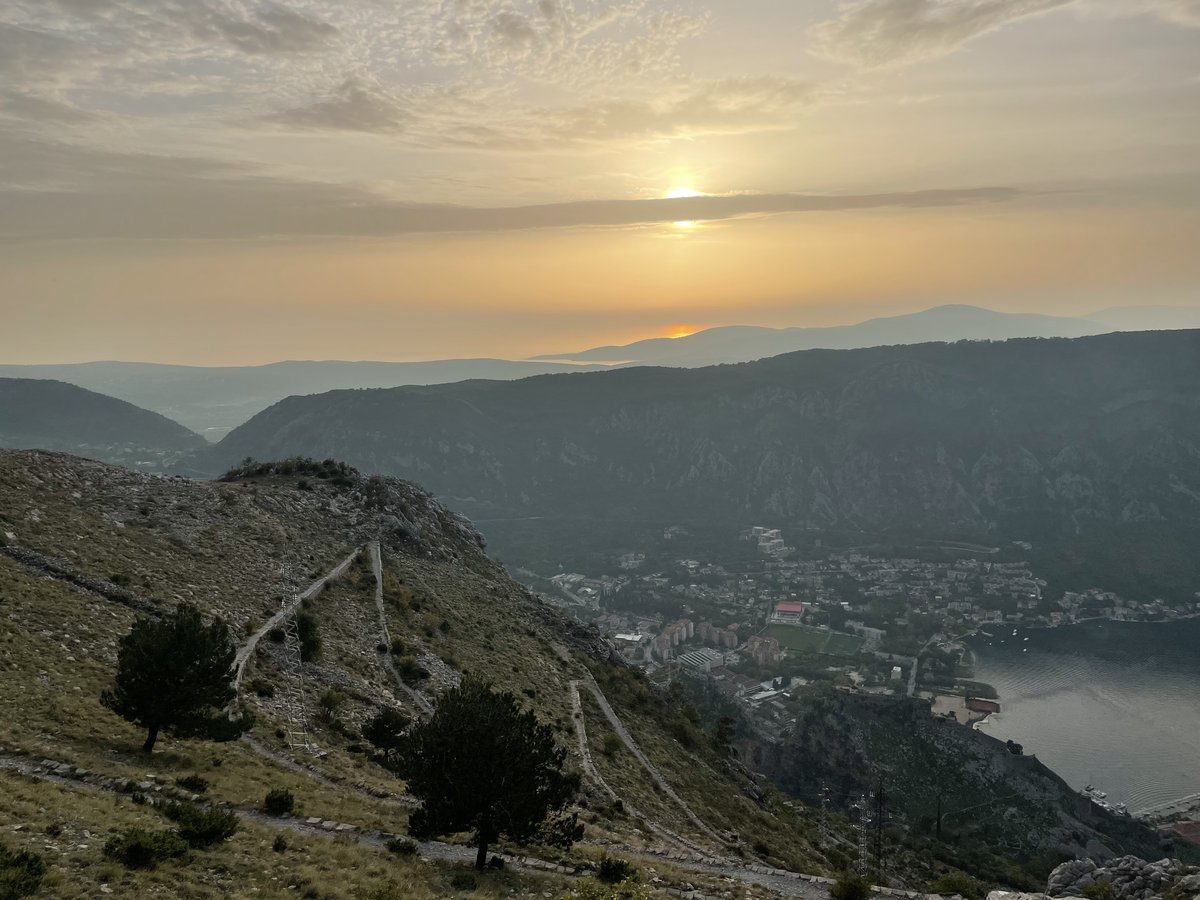
Montenegro does not overwhelm. A month here will reveal more character than a year in a big capital. The pace is slower, the light in the afternoons is stunning, and the people are direct but kind. The digital nomad infrastructure is young but real, Tivat's Porto Montenegro is becoming a genuinely international space, coworking exists, and your EUR will stretch. Start with Kotor for the postcard views and Old Town coffee walks. Move to Tivat for work sessions and modern convenience. Drive into the mountains when you need altitude and silence. Stay long enough to find your favorite kafana (café), learn five words of Serbian, and understand why writers and remote workers are quietly buying property here.
Keep planning: Acadia National Park Guide: Maine's Coastal Peaks, Aceh, Indonesia: A Practical Travel Guide and Acre: Brazil's Amazon Frontier.