Mostar: The Heart of Herzegovina
Nomad Toolkit
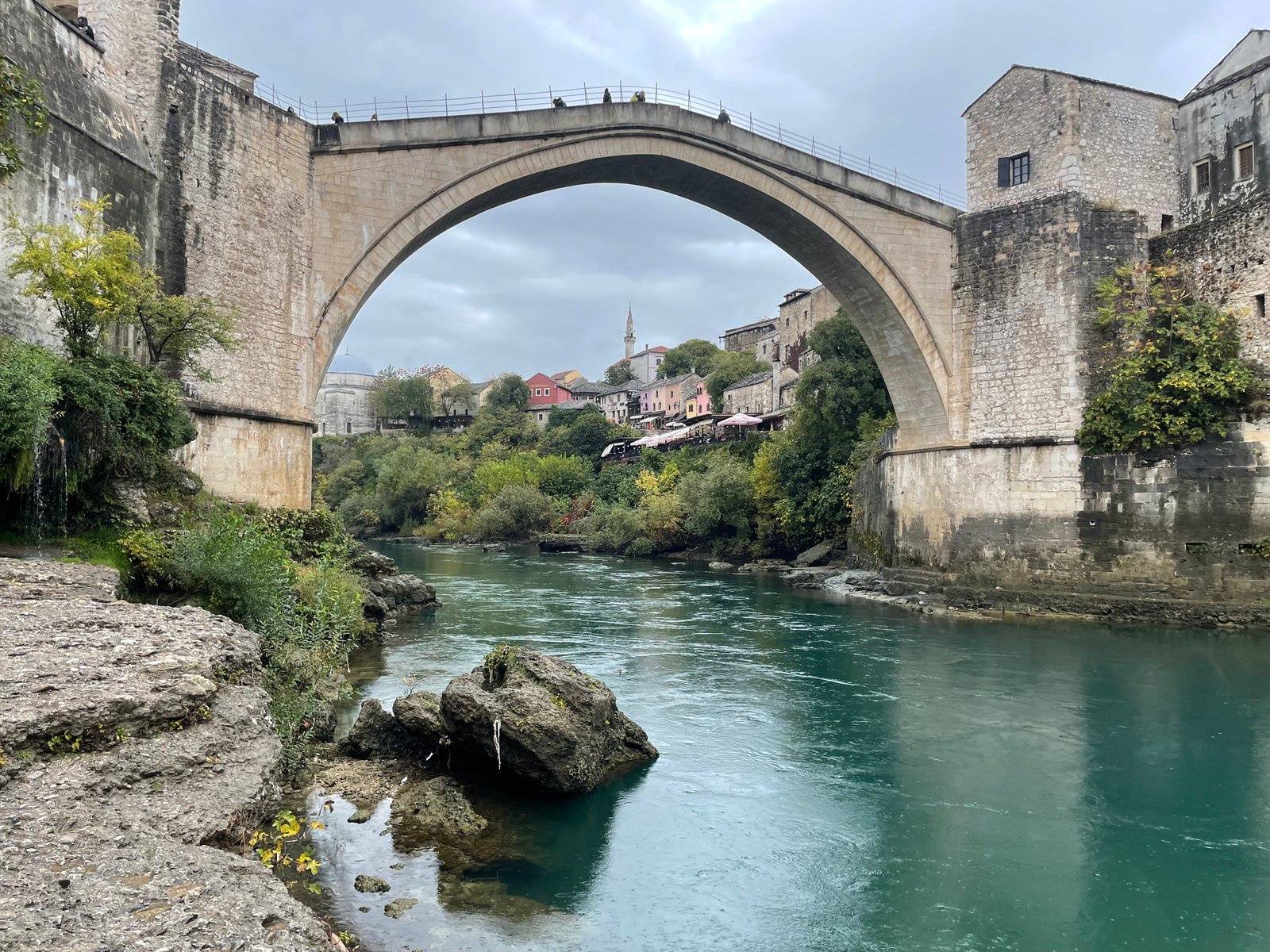
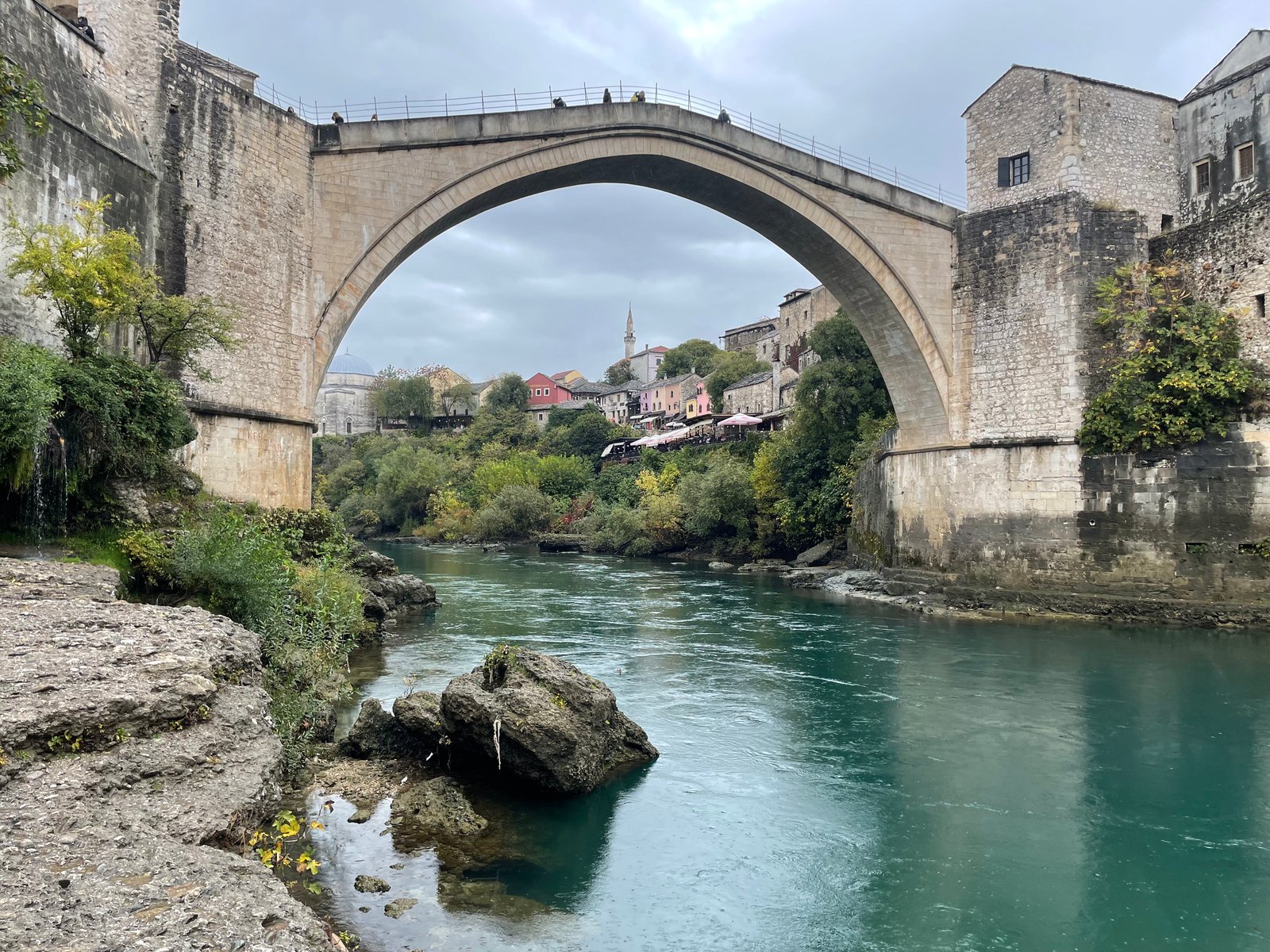
Mostar is one of the Balkans' most photogenic and historically layered towns, sitting at the edge of the cheapest European travel region. The Stari Most (Wikipedia), an Ottoman-era arch bridge that survived war and has become a symbol of reunification, rises above the turquoise Neretva River. The Old Town's cobbled bazaar, the two sides with their distinct religious and cultural identities, and the price point make it perfect for remote workers and slow travelers seeking something less obviously touristy than the Croatian coast.
Demographics & Government
| Country | Bosnia and Herzegovina |
| Population | ~105,000 (Mostar), ~3.3 million (country) |
| Government | Federal parliamentary republic; not EU member |
| Religious mix | ~51% Bosniak Muslim, ~24% Serb Orthodox, ~17% Croat Catholic; secular daily practice mixed |
| Time zone | CET (UTC+1) winter, CEST (UTC+2) summer; DST observed |
| Plug type | Type C and Type F (230V / 50Hz) |
| Drive side | Right |
| Tap water safe? | Yes, safe to drink throughout Mostar and most urban areas |
| Free WiFi? | Available in most cafés, hotels, and tourist-facing businesses |
| Best time to visit | May to June or September to October (20 to 25°C, fewer crowds) |
| Emergency numbers | 112 (police / emergency), 124 (fire), 115 (medical) |
| Currency | Bosnia-Herzegovina convertible mark (BAM), pegged to EUR. ~1.95 BAM per USD (varies slightly) |
Overview & Vibe
Mostar is a town split visibly by recent history. The west bank, predominantly Croat and Catholic, centers around the Spanish Square and faces the newer shopping districts. The east bank, predominantly Bosniak and Muslim, holds the UNESCO-listed Old Town (Stari Grad) and the Kujundžiluk bazaar, a warren of copper shops, carpet dealers, and family-run restaurants that has sold the same goods for centuries. The Stari Most, rebuilt in 2004 after its destruction in 1993, has become the symbol of reconciliation; locals and tourists still dive from it into the river each summer. The war scars remain visible on building facades, but the mood is forward-looking rather than mournful. You'll find young people of all backgrounds in the same cafés, though the neighborhoods still carry their distinct character.
A Brief History
Mostar takes its name from the mostari, the bridge keepers who tended a wooden crossing over the Neretva, and the town is first mentioned by that name in a document from 1474. The Ottomans fortified it between 1520 and 1566 and replaced the wooden bridge with the stone arch of the Stari Most in 1566. That bridge stood for 427 years until Bosnian Croat forces shelled it into the river on 9 November 1993; a faithful reconstruction opened on 23 July 2004, and UNESCO added the bridge and its surroundings to the World Heritage List in 2005.
Transportation
Mostar is small and the Old Town is entirely walkable, though hilly and cobbled. Regional connections require a bit more planning.
- Drive on the right. Standard road rules; driving is manageable from the coast or Sarajevo.
- Walking is the main move. The Old Town can be crossed on foot in under 15 minutes. Main streets are sloped but mostly paved.
- GIPS buses serve the city and region, but schedules are sparse and often in local language only. A ride costs 1 to 2 BAM (~$0.50 to 1).
- Bolt operates in Mostar, though availability is less reliable than in larger cities. Rides 5 to 15 BAM depending on distance.
- Taxis are cheap and plentiful, around 10 to 20 BAM for a trip across town. Use a metered cab or ask your hotel to call one.
- Sarajevo airport (SJJ) is 2.5 hours by car (rental or shared transfer). Tivat, Montenegro (MNE) is 2 hours; Dubrovnik (Croatia) is 1.5 hours but requires a border crossing.
- Mostar airport (OMO) has limited international flights; most travelers route through Sarajevo.
- Train to Sarajevo is scenic and takes about 2 hours, with departures roughly twice daily.
Language, Customs & Etiquette
Bosnian, Croatian, and Serbian are technically three languages but mutually intelligible, think regional accents as much as separate tongues. In Mostar, you'll hear Bosnian dominate, but locals code-switch easily. English is spoken in tourist zones by younger staff; older generations and outside the center may require patience or Google Translate.
- Greetings. Zdravo (hi), Dobar dan (good day), Hvala (thank you), Živeli (cheers).
- Tipping. 10% is customary in restaurants. Round up for taxis. Tip in BAM, not USD.
- Religious respect. Mostar's mosques are active and beautiful; women should cover shoulders and knees, men too. Remove shoes before entering. Photography inside mosques requires permission.
- Bargaining. Not expected in fixed-price shops, but negotiating is normal at the bazaar for larger purchases or crafts.
- Bosnian coffee culture. Coffee is a social ritual, not a quick caffeine grab. Accepting a small cup of thick, sweet coffee (often served with a Turkish delight) is respectful.
- Casual dress. Conservative by Western standards is appreciated, though Mostar is more relaxed than rural areas.
Safety & Security
Mostar is considered safe by Balkan standards. Tourist-focused violent crime is rare; petty theft exists but not at the level of major European capitals.
- Bridge jumpers. The Stari Most attracts young locals (and increasing numbers of tourists) who dive for tips. The crowds can get dense; watch for pickpockets in the scrum.
- Landmine warning. The 1990s war left mines in remote, off-path areas. Stick to marked trails for hiking and follow local advice. Mined areas are usually signed, but ask guides or locals before venturing into unfamiliar countryside.
- Taxis. Use marked, metered cabs or call one through your hotel. Unmarked vehicles are uncommon but less trustworthy.
- Currency confusion. BAM is not the euro. Check your change carefully and don't expect to use EUR in most transactions; BAM is the legal tender.
- War-related sites. Some buildings still bear bullet and shrapnel marks. Respect them and don't treat them as Instagram props. War museums exist, and visiting them thoughtfully adds context rather than morbidity.
- Solo travelers and LGBTQ+. Solo visitors, especially women, report feeling safe during the day. LGBTQ+ travelers should exercise discretion outside the main tourist zone; Mostar is progressive by Balkan standards but still conservative compared to Western Europe.
Weather & Climate
Mostar has a Mediterranean-influenced climate: hot, dry summers and mild, wet winters. Spring and fall are the sweet spots for comfort and exploration.
| Month | Avg High | Avg Low | Notes |
|---|---|---|---|
| January | 9°C / 48°F | 2°C / 36°F | Cool, damp, quiet |
| February | 11°C / 52°F | 3°C / 37°F | Still damp; few tourists |
| March | 15°C / 59°F | 6°C / 43°F | Spring emerging; variable |
| April | 19°C / 66°F | 9°C / 48°F | Green and mild; Easter crowds |
| May | 24°C / 75°F | 13°C / 55°F | Perfect; warm and dry |
| June | 28°C / 82°F | 17°C / 63°F | Hot and crowded; festival season |
| July | 31°C / 88°F | 19°C / 66°F | Peak heat; river swimming popular |
| August | 31°C / 88°F | 18°C / 64°F | Peak crowds; Red Bull Cliff Diving |
| September | 26°C / 79°F | 14°C / 57°F | Ideal; warm, fewer tourists |
| October | 20°C / 68°F | 9°C / 48°F | Crisp, golden, good for walking |
| November | 14°C / 57°F | 5°C / 41°F | Grey, rain begins; shoulder season |
| December | 10°C / 50°F | 3°C / 37°F | Cool and damp; quiet tourist season |
What to pack. Layers year-round. Waterproof shoes and a light jacket November to March. Breathable clothes and sunscreen May to September. Comfortable walking shoes are non-negotiable; the Old Town's cobbles are unforgiving.
Logistics & Practical Info
- Currency. Bosnia-Herzegovina convertible mark (BAM), pegged to the euro at ~1.95 BAM per USD. Most businesses in tourist areas accept card; locals and markets prefer cash.
- ATMs. Widespread in central Mostar. Use Raiffeisenbank, UniCredit, or local banks. Withdraw during business hours and in well-lit areas.
- Tap water. Safe and decent quality in Mostar proper. Carry a refillable bottle.
- Free WiFi. Common in hotels, cafés, and restaurants. Reliable but sometimes password-gated.
- SIM cards. Mtel and BH Telecom offer prepaid plans with 5 to 20 GB of data for 15 to 30 BAM (~$8 to 15). ID required at purchase.
- Money apps. Wise and Revolut are used by expats; local apps are limited. Some shops accept PayPal.
- Postal service. Pošta BiH is reliable. Postcards to the US or EU take 1 to 2 weeks.
- DST. Yes. Last Sunday in March (forward) and last Sunday in October (back).
Attractions & Activities
The Old Town and bridge are the centerpiece, but the region offers waterfalls, monasteries, and nearby Dalmatian villages. Most sights are walkable from the center or a short trip away.
- Stari Most, the iconic Ottoman arched stone bridge, rebuilt and reopened in 2004. The views of the river and Old Town are best from both sides and from the riverbank below.
- Kujundžiluk bazaar, the medieval-era copper and craft souk. Narrow, tight, and full of small shops selling copperware, rugs, souvenirs, and local food. Best in late morning or early evening; avoid midday crowds.
- Old Bridge Museum, inside a tower adjacent to the Stari Most. Small but worthwhile for the 1993 destruction photos and the views from the top.
- Karadjoz-Bey Mosque (Wikipedia), 16th-century Ottoman mosque with an ornate interior and peaceful courtyard. Women and non-Muslims can enter if respectfully dressed and silent.
- Koski Mehmed Pasha Mosque rooftop, ascend the tight wooden stairs to the terrace for panoramic views of the Old Town and river. A few BAM donation expected.
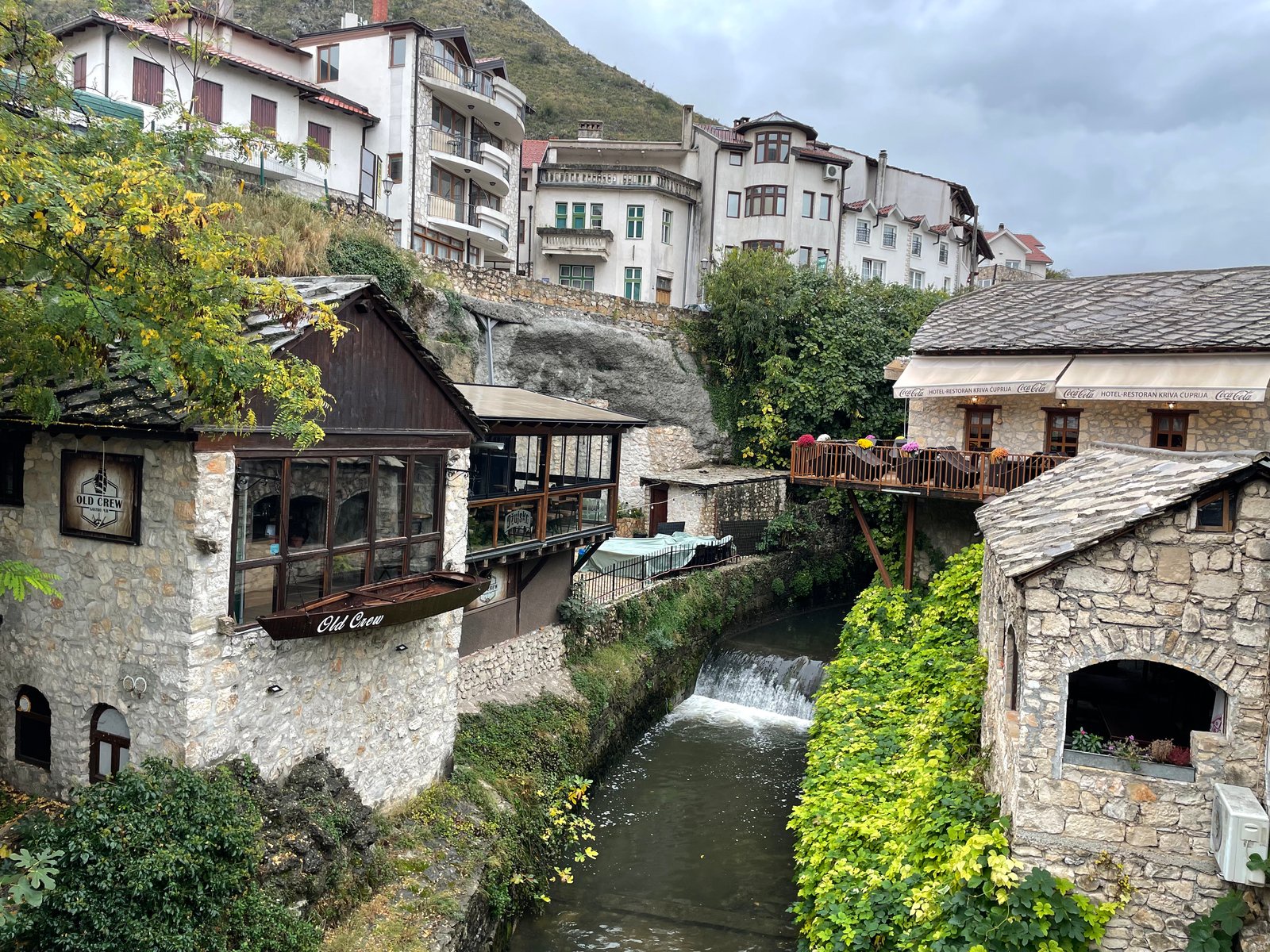
- Crooked Bridge (Kriva Cuprija), a smaller, pre-Ottoman stone arch further downriver. Peaceful and less crowded than the Stari Most.
- War Photo Exhibition, documenting the 1990s conflict through photography. Tasteful and educational; a shift from tourist-mode into historical gravity.
- Blagaj Tekija (Wikipedia), a dervish monastery 12 km south, built into a cliff above the turquoise Buna spring. Accessible by taxi or local bus. Worth a morning trip.
- Kravice Waterfalls (Wikipedia), a scenic cascade 30 km south. Swimmable in summer; best visited May to September with a rented car or tour operator.
- Pocitelj (Wikipedia), a fortress town 30 km away with Ottoman ruins, art galleries, and village charm. Day trip by car or tour.
Festivals and major events
| Event | When |
|---|---|
| Mostar Diving Competition (Red Bull Cliff Diving) | August |
| Mostar Summer Festival (music, theatre, dance) | July to August |
| Spanish Square Cultural Festival (live music, food, art) | May to June, September |
| Easter (Paskha) | Variable (March to April) |
| Ramadan and Bayram/Eid (Islamic calendar) | Variable (27 days fasting, 3-day festival) |
Must-try local dishes
Bosnian cuisine is a blend of Ottoman, Mediterranean, and Central European influences. The food is hearty, spiced, and best eaten slowly with friends.
- Cevapi, grilled, spiced minced meat cylinders served with flatbread, raw onion, and sour cream. The street food of choice.
- Burek and pita, pastry pies filled with meat, cheese, or spinach. Burek is savory; pita is the generic term for all varieties.
- Klepe, tiny hand-rolled pasta dumplings, usually boiled and served with yogurt and paprika.
- Sogan dolma, onions stuffed with meat and rice, then braised in tomato sauce.
- Baklava, layers of phyllo, walnuts, honey, and butter. Sticky, sweet, and best with strong coffee.
- Bosnian coffee, thick, dark, served in small copper cups with traditional Turkish delight (rahat lokum) on the side.
- Rakija, fruit brandy (plum, apricot, grape), often homemade. Sip it slowly as an aperitif or after-dinner drink.
Two Old Town spots stood out when we ate our way through this list: Restaurant Šadrvan, steps from the Stari Most, serves excellent Turkish and Bosnian dishes and everything we ordered was top quality; Hindin Han, also in the heart of the old town, matches great food with a beautiful view.
Souvenirs that aren't junk
- Handmade copperware, buy direct from the artisans in the Kujundžiluk bazaar. Prices drop for larger pieces or multiple items.
- Traditional rugs, kilims and hand-woven carpets from the bazaar. Check quality and negotiate for bulk buys.
- Bosnian coffee sets, traditional copper or brass cezve (coffee pots) and small cups, often with decorative handles.
- Rakija, buy bottles from local shops or makers. Plum and apricot are the most popular flavors.
- Mostar embroidery, hand-stitched linens and garments using traditional patterns.
Health & Medical
Healthcare in Mostar is accessible and inexpensive, though standards are lower than Western Europe. Private clinics cater to foreign travelers.
- Travel insurance is essential for non-EU visitors. Public facilities will treat urgent cases, then bill.
- Mostar Cantonal Hospital is the main public facility. Long waits for non-emergencies; English is limited.
- Private clinic Sunce and smaller private practices offer English-speaking staff and shorter wait times. Consultations 30 to 60 BAM (~$15 to 30).
- Pharmacies (ljekarne) are widespread and well-stocked. Pharmacists often speak English and can advise on minor ailments.
- Tap water is safe in Mostar proper; use bottled water if traveling to rural areas.
- No endemic tropical diseases. Tick-borne encephalitis exists in forested regions; ticks are most active May to September. Long pants and insect repellent are sensible precautions.
- Vegetarian and vegan options exist but are limited. Most traditional meals center meat; alert restaurants in advance.
- Prescription medications. Bring a copy of your prescription or doctor's letter; local doctors can issue new scripts if needed.
Legal & Substances
- Cannabis is illegal. Possession is a criminal offense. Local enforcement is inconsistent but not worth testing.
- Public alcohol is tolerated in parks and along the river. No official bans in central areas, though discretion is wise late at night.
- Smoking is banned in enclosed public spaces and restaurants, though enforcement is looser than in Western Europe. Outdoor terraces and streets are smoking-normal.
- Drinking age is 18.
- Driving under the influence has stiff penalties. Don't drive after drinking.
Customs & Shopping
- Not an EU member. VAT refunds for non-EU tourists are limited and not widely advertised. Check with individual shops.
- Cash declarations. Anything over €10,000 leaving the country must be declared (same rule as the EU).
- Restricted exports. Cultural artifacts over 50 years old may require export authorization. Modern crafts and food are fine.
Accessibility & Inclusion
The Old Town is challenging for mobility issues: cobbled streets, steep hills, narrow alleys, and no curb cuts. The Stari Most has sloped sides but uneven surfaces. Newer areas on the west bank and modern hotels are more accessible. Call ahead to confirm accessibility before visiting museums or restaurants. Mostar has been developing better access over recent years, but expectations should be modest.
Digital Nomad Corner
Bosnia and Herzegovina is among Europe's cheapest countries to live. Mostar is quieter and less developed than Sarajevo, but it offers lower costs and fewer crowds.
- Internet. Fiber is available in central Mostar through local ISPs (Radiosarajevo, BH Telecom). Speeds vary but 50 Mbps+ is common. WiFi in cafés is reliable.
- Coworking. Limited formal coworking in Mostar. Mostar Hub exists but is small. Most nomads work from cafés or their accommodation.
- Digital nomad visa. Bosnia and Herzegovina does not offer a dedicated digital nomad visa. Standard tourist visas (90 days visa-free for many nationalities) apply.
- Cost of living. One of the cheapest in Europe. A nomad can live on €700 to 1,100/month including rent (200 to 350 BAM/month for a one-bedroom apartment long-term, or 500+ BAM/night short-term), food, transit, and café work. Food and local transport are especially cheap; rent depends on location and season.
Mostar works best as a base for 2 to 4 weeks rather than a single week. The Old Town and bridge take a day; diving deeper into the culture and the region's day trips needs time. The cost and quiet make extended stays appealing for remote workers seeking a break from the usual digital nomad routes.
Ryan's Food Notes
What I actually ate in Mostar:
- Mixed Grill with Kajmak, cevapi, pljeskavica, and grilled meats with kajmak, a thick cultured dairy spread between clotted cream and soft cheese. Outstanding combination and costs about 8-10 BAM per person. Any grill house on the side streets off the Old Town has a good version.
Closing
Mostar sits between tradition and reconstruction. The Stari Most is iconic, but the real reward is the pace, the river, the coffee culture, and the emerging sense of normalcy in a place that lived through extraordinary hardship. For nomads seeking European character at a fraction of the Western price, and for travelers tired of algorithmic tourism, Mostar delivers.
Keep planning: Acadia National Park Guide: Maine's Coastal Peaks, Aceh, Indonesia: A Practical Travel Guide and Acre: Brazil's Amazon Frontier.