Sandy: Salt Lake Valley Suburb
Nomad Toolkit
Overview & Vibe
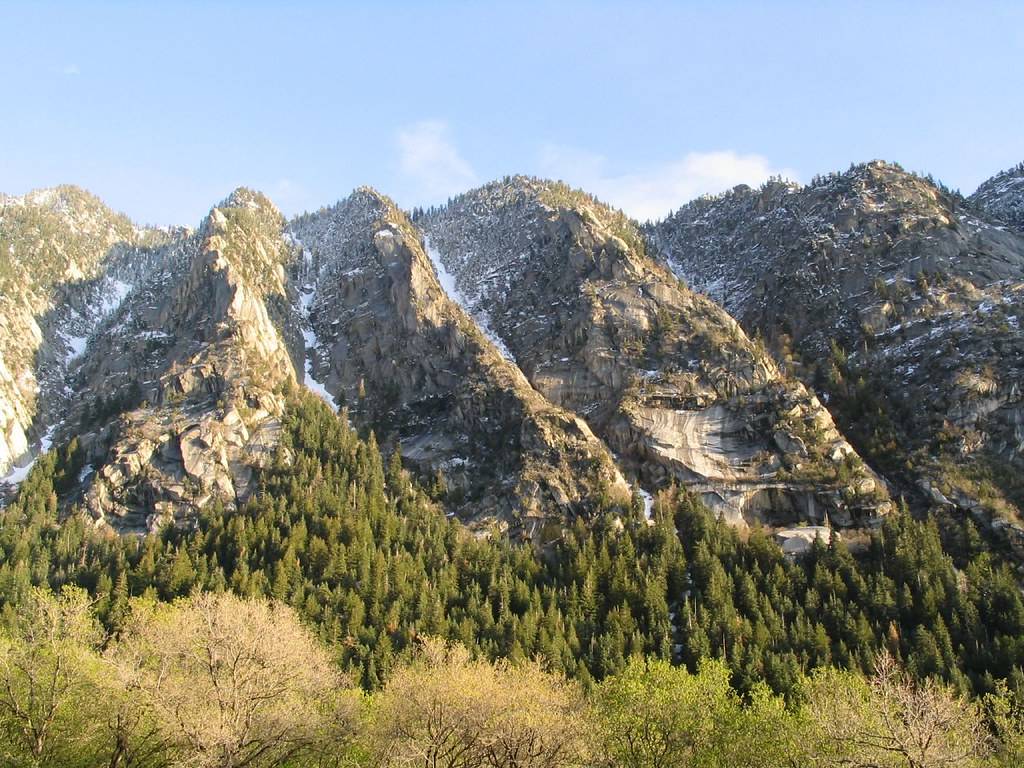
Sandy sits at 4,449 feet at the foot of the Wasatch Range, 13 miles south of Salt Lake City, and counted 96,904 residents in the 2020 census. It is a family-heavy suburb of cul-de-sacs and big-box corridors, but it also owns the mouth of the Little Cottonwood ski road, a pro soccer stadium, and a canyon trail system that starts behind the houses on the east bench.
For a nomad, the appeal is position: TRAX light rail to downtown Salt Lake, Alta and Snowbird up the road, and quieter streets than the city proper. The trade-off is a car-oriented layout where most errands happen along State Street.
A Brief History
Settlers moved into the southern Salt Lake Valley in the 1860s and 1870s, and silver mining in Little Cottonwood Canyon turned Sandy into a supply stop, with the Flagstaff, Mingo and Saturn smelters making it the territory's main smelting center for a time. The railroad arrived in 1873 and the town incorporated in 1893. Nobody has settled where the name came from: thirsty soil is the popular story, while an engineer called Alexander "Sandy" Kinghorn is the other candidate. More on Wikipedia.
Transportation
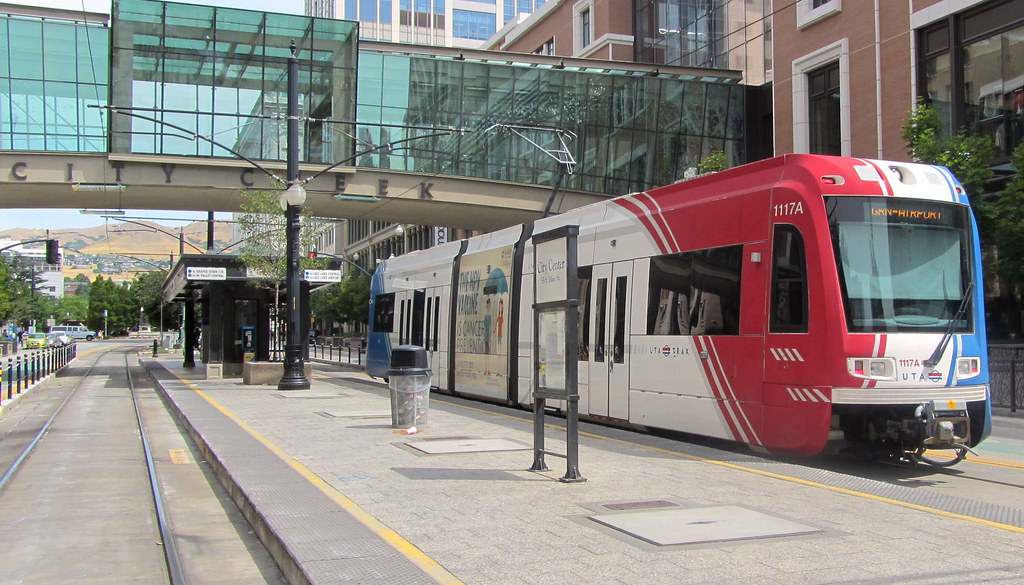
The TRAX Blue Line stops at four Sandy stations: Crescent View, Sandy Civic Center, Sandy Expo and Historic Sandy. Trains run every 15 minutes on weekdays and Saturdays and every 30 minutes on Sundays, between Draper Town Center and Salt Lake Central.
In winter, UTA ski buses leave from Historic Sandy Station for Snowbird and Alta, and many season passes, including Ikon, cover the fare. State Route 210 climbs about 8.3 miles up Little Cottonwood Canyon at an average 9.2 percent grade, so check canyon road status before you drive it in snow. Everything else, from groceries to trailheads, is easiest with a car.
Language, Customs & Etiquette
English is the language of daily life, with Spanish common in shops and services. Utah is majority Latter-day Saint, and in Sandy that shows up as big families, quiet Sundays and some businesses closing that day. People are polite and informal. Tipping follows US norms of 18 to 20 percent at sit-down restaurants.
Safety & Security
Sandy is a residential city and everyday safety concerns are ordinary ones: lock the car at busy trailheads and keep valuables out of sight. The bigger risks are environmental. Winter inversions can trap smog in the Salt Lake Valley for days, and Little Cottonwood Canyon closes for avalanche control after heavy storms. Summer heat above 90°F is normal in July and August, so carry water on east-bench trails.
Weather & Climate
| Month | High °F | Low °F | Precip (in) |
|---|---|---|---|
| Jan | 41 | 22 | 1.51 |
| Feb | 47 | 25 | 1.22 |
| Mar | 56 | 32 | 1.56 |
| Apr | 65 | 38 | 1.82 |
| May | 75 | 46 | 1.79 |
| Jun | 87 | 54 | 0.85 |
| Jul | 95 | 61 | 0.95 |
| Aug | 94 | 60 | 0.95 |
| Sep | 83 | 51 | 1.08 |
| Oct | 69 | 40 | 1.73 |
| Nov | 53 | 30 | 1.32 |
| Dec | 42 | 22 | 0.96 |
Sandy gets about 15.7 inches of precipitation a year. September averages a high of 83°F and October 69°F, which makes early fall the best hiking stretch of the year.
Logistics & Practical Info
- Airport: Salt Lake City International, reachable by car or by TRAX with a transfer.
- Currency: US dollar; cards accepted almost everywhere.
- Power: 120V, Type A and B plugs.
- Groceries and errands: State Street and the area around The Shops at South Town.
- Water: Little Cottonwood Canyon is a protected watershed that supplies much of Salt Lake County, so dogs and swimming are restricted in parts of the canyon.
Attractions & Activities
Bells Canyon: start at the Preservation Trailhead, the largest lot and the one with restrooms. The lower reservoir is about 0.6 miles in, and the Lower Falls hike covers roughly 4.5 miles, climbing from about 5,310 to 6,732 feet. Lots fill early on summer weekends.
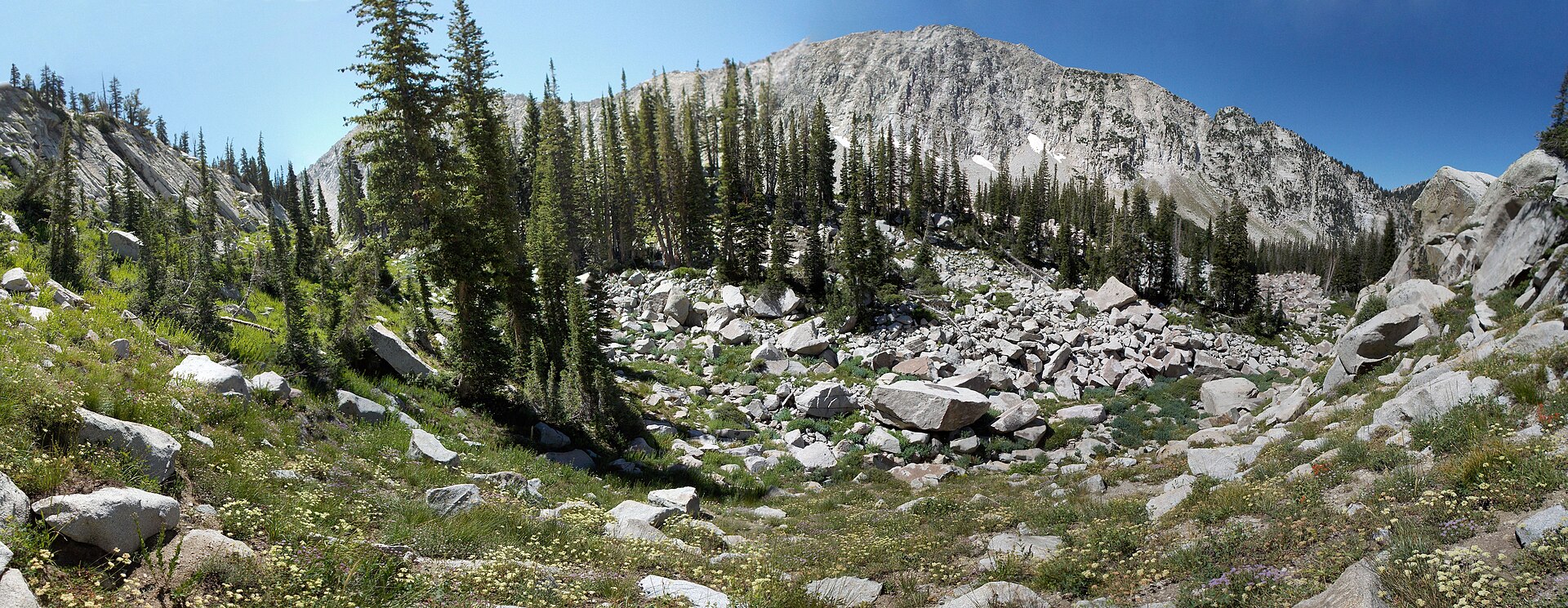
Dimple Dell Regional Park: 630 acres of natural area cutting east to west through town, with more than 15 miles of trails open to hikers, cyclists and horseback riders. The Wrangler trailhead at 10350 South 1300 East has parking, water and restrooms.
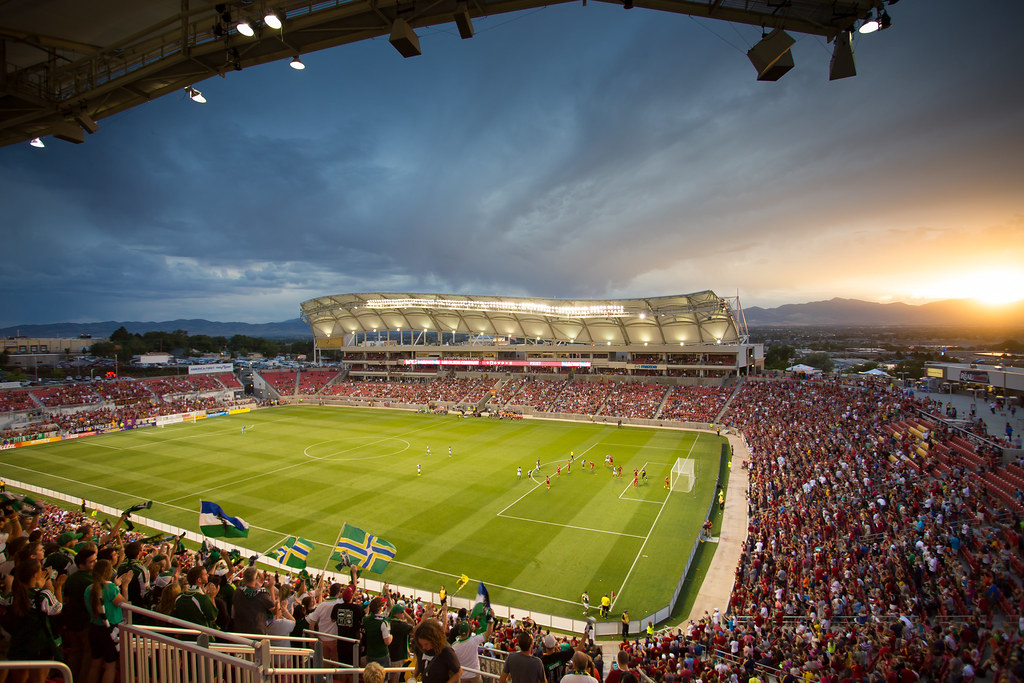
America First Field: the 20,213-seat home of Real Salt Lake and the Utah Royals, opened in 2008 at 9256 South State Street. Stadium history.
Hale Centre Theatre: a 900-seat theater-in-the-round plus a 461-seat thrust stage at 9900 South Monroe Street, running musicals most of the year.
Little Cottonwood Canyon: the canyon mouth is minutes from east Sandy. Alta averages around 550 inches of snow a year, and pioneers quarried the granite for the Salt Lake Temple near its base. Canyon background.
Sandy Museum: local history in a two-story building from the 1890s, with free admission.
Health & Medical
Intermountain Alta View Hospital at 9660 South 1300 East runs a 24-hour emergency department, and Intermountain operates InstaCare urgent care nearby. Bring travel insurance, since US care is expensive without it. The 4,449-foot base elevation and dry air mean more water and sunscreen than you would expect.
Demographics & Government
The 2020 census recorded a median age of 36.7, with 25.4 percent of residents under 18. About 81 percent identify as white, 10.8 percent as Hispanic or Latino and 4.2 percent as Asian. Sandy has a mayor and city council; Monica Zoltanski is mayor. The city is building a walkable downtown called The Cairns, planned across about 1,100 acres between 9000 South and 11400 South.
Legal & Substances
Utah has the lowest DUI limit in the country at 0.05 percent blood alcohol. Grocery and convenience stores sell beer up to 5 percent ABV; wine and spirits come from state-run liquor stores. Cannabis is legal only for registered medical patients.
Customs & Shopping
The Shops at South Town is the main mall, and Jordan Commons bundles a cinema, offices and restaurants. For food, Crown Burgers serves the Utah pastrami burger and fry sauce the local chain has been known for since 1978. Slackwater Pizzeria lists its Tikkachu masala pie at $14.25, and Bhutan House does stir-fried momos in chili sauce.
Accessibility & Inclusion
TRAX trains and stations are built for wheelchair boarding, and the malls, stadium and theater are modern, step-free buildings. Canyon trails are another matter: Bells Canyon has a steep boulder section right before the lower reservoir. The Dimple Dell Wrangler trailhead has restrooms and drinking water, which helps on shorter outings.
Digital Nomad Corner
Sunset Coffee Company at 7978 South 1300 East is a good first stop: a 12-ounce coffee starts at $2.00 and lattes run $4.75 to $7.50. A few doors down at 7984 South 1300 East, Salt Mine coworking offers desks from about $30 a day, and Regus runs a center at Sandy Center. The major US carriers all cover the valley well.
Foreign visitors on the Visa Waiver Program get up to 90 days per entry; the US has no digital nomad visa. Sandy works best as a base for someone who wants to ski or hike before work and still reach Salt Lake City by train.
Practical tip: on powder days, take the ski bus from Historic Sandy Station instead of driving. Parking at the canyon resorts fills fast, and the bus skips the hunt.
Keep planning: Alta: Utah's Skier-Only Mountain, Amicalola Falls State Park Guide and Arches National Park Guide: Delicate Arch & Top Trails.
Photos: Ken Lund, Scott Catron, Loozrboy, rayterrill (CC BY-SA 2.0); Andrey Zharkikh (CC BY 2.0); USGS (CC0).
Before you drive up the canyon: check Wasatch Powder Alerts for 24-hour snowfall forecasts and powder alerts for Alta, Snowbird, Brighton, Park City and other Utah resorts.