Snowbird: Little Cottonwood Ski Base
Nomad Toolkit
Overview & Vibe
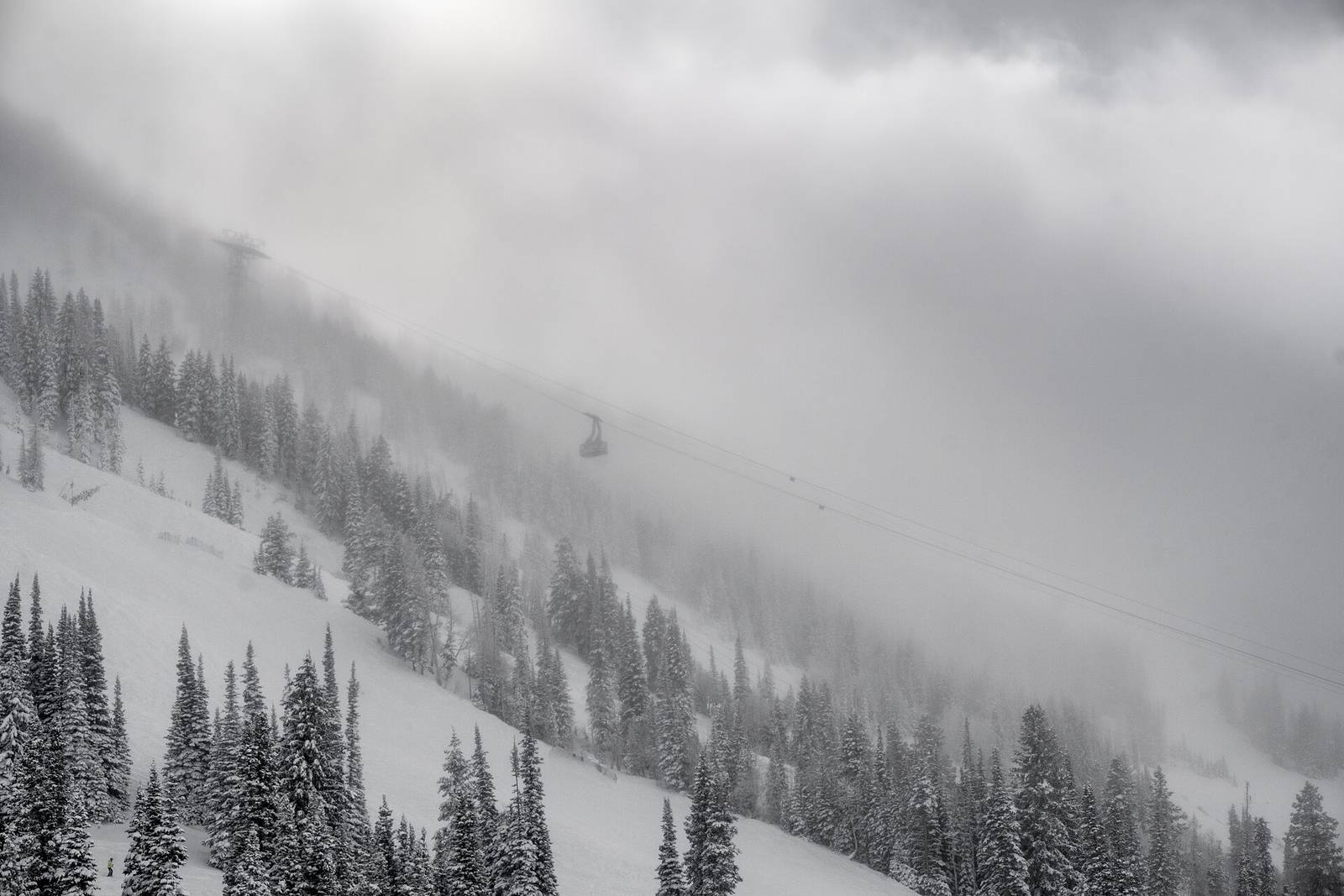
Snowbird sits at 7,760 feet in Little Cottonwood Canyon, about 29 miles from Salt Lake City International Airport, and averages roughly 500 inches of snow a year. That combination, a major international airport within an hour of a high alpine base, is the whole story of the place. It draws serious skiers and snowboarders from November into May, one of the longest seasons in Utah, and in big snow years the resort has spun lifts into summer.
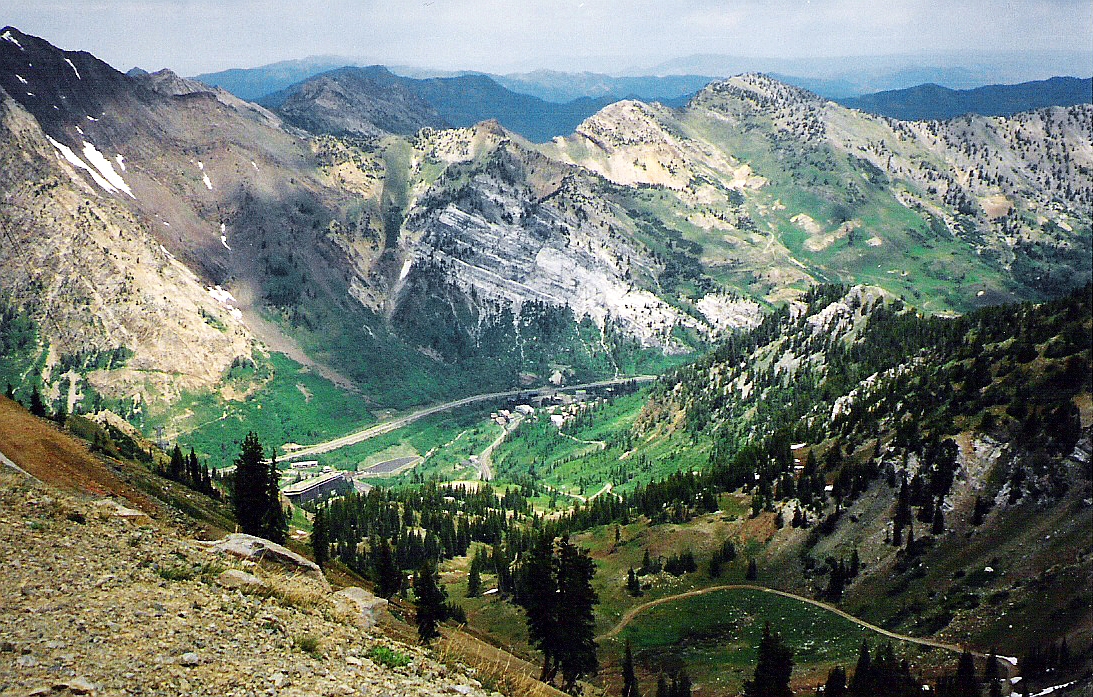
This is not a town in the normal sense. Snowbird is an unincorporated resort community: a compact base village of lodges, restaurants, and a tram plaza wedged into a granite canyon, with Sandy and the Salt Lake Valley 20 to 30 minutes downhill. Expect a mix of hard-charging locals riding before work, destination travelers on Ikon Passes, and summer hikers and Oktoberfest crowds. Nightlife is limited to a handful of lodge bars; people go to bed early and ride the tram at 9 a.m.
A Brief History
Ted Johnson, who worked at the neighboring Alta ski area, began buying up old mining claims in the canyon in the 1960s, and Texas oilman Dick Bass financed the resort's construction. Snowbird opened in December 1971 with its signature aerial tram. Bass, who in 1985 became the first person to climb the Seven Summits, remained the owner until 2014, when the Cumming family acquired a majority stake.
Transportation
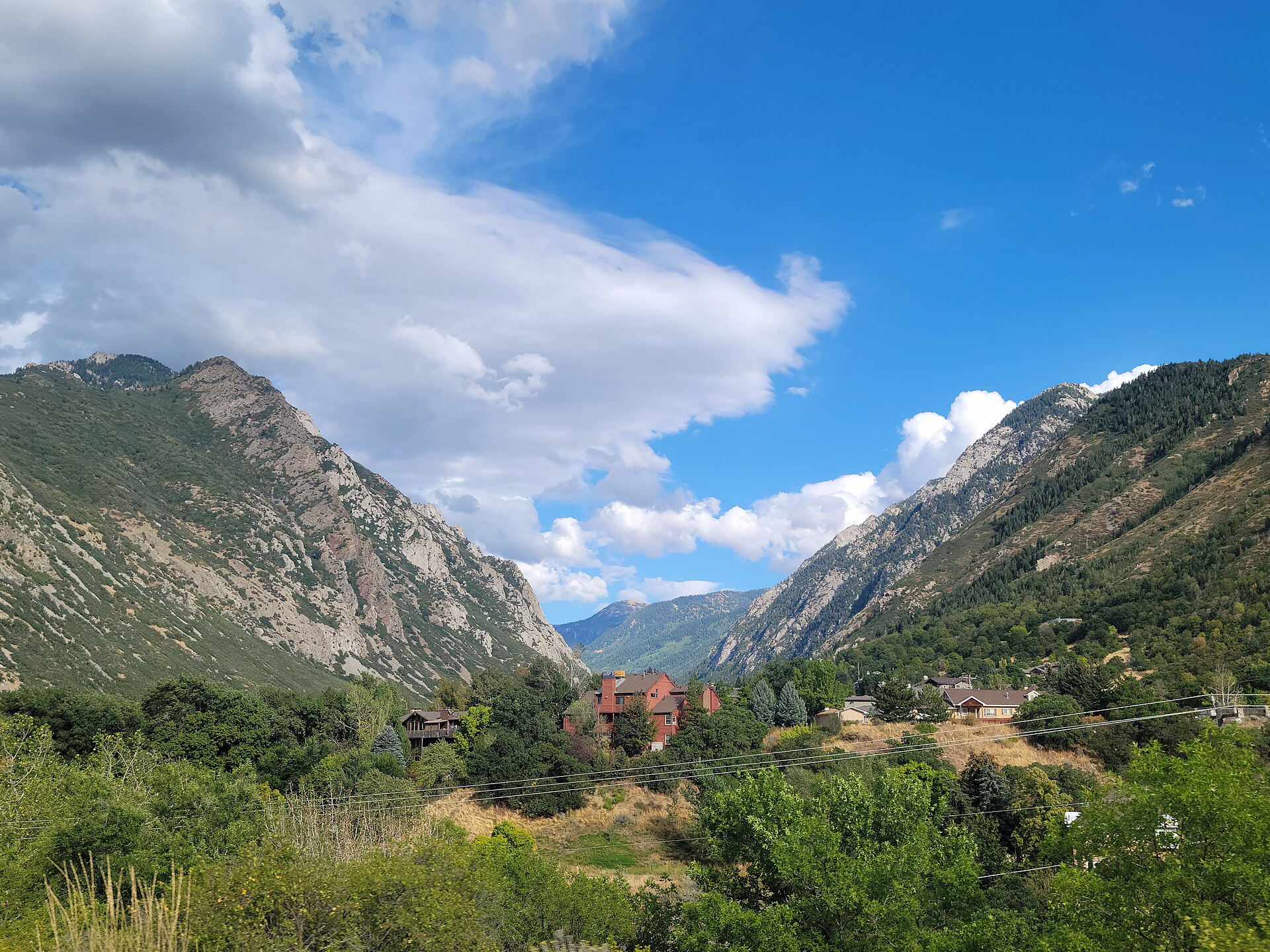
Little Cottonwood Canyon has exactly one road, State Route 210. On powder mornings it turns into a slow-moving line of cars locals call the red snake, and the canyon closes entirely during avalanche control work. In winter Utah enforces a traction law: you need snow tires or chains, and unprepared rentals get turned around at the mouth. The stress-free option is the UTA Ski Bus, which runs from park-and-ride lots in Sandy and Midvale to the Snowbird plaza for a few dollars each way. Ride-share works to and from the valley but gets expensive and scarce during storms. There is no reason to drive once you are at the resort, since the base area is walkable end to end.
Language, Customs & Etiquette
English is the language, and mountain etiquette is the culture. Learn the lift line basics: alternate at merges, do not walk on skis in the tram line, and downhill riders have the right of way. Utah runs on an early schedule, so restaurants at the base wind down by 9 p.m. Tipping follows standard American practice, 15 to 20 percent at sit-down restaurants and a few dollars per drink at the bar. Locals are protective of powder stashes and canyon parking, and friendly to anyone who rides the bus, carpools, or otherwise makes the traffic slightly less terrible.
Safety & Security
Violent crime is essentially a non-issue; the real hazards are environmental. Snowbird's terrain is steep, and avalanche control is a daily fact of winter life. Stay inside the ropes, check the Utah Avalanche Center forecast before any backcountry travel, and take the interlodge restriction seriously: when control work is underway, guests are legally required to stay indoors. Altitude is the other quiet risk, since the base sits above 7,700 feet and the summit at 11,000. Hydrate, ease into exertion, and expect sunburn to happen fast on snow. Dial 911 for emergencies; ski patrol handles on-mountain incidents.
Weather & Climate
Snowbird has a true alpine climate. Winters are snowy and cold, summers are dry with warm days and cool nights, and the shoulder seasons swing between the two. Approximate base-area averages:
| Month | High / Low (F) | Conditions |
|---|---|---|
| December | 31 / 16 | Deep winter, frequent storms |
| February | 34 / 17 | Peak snowpack, powder days |
| April | 46 / 27 | Spring skiing, corn snow |
| July | 76 / 51 | Dry, sunny, afternoon storms |
| September | 65 / 42 | Crisp days, fall color begins |
| November | 38 / 23 | Season openers, early storms |
Pack layers in every season. Even in July, the Hidden Peak summit can be 20 degrees colder than Salt Lake City.
Logistics & Practical Info
- Power: standard US Type A/B plugs, 120V.
- Time zone: Mountain Time (UTC-7, UTC-6 in summer).
- Tap water: safe to drink.
- Cell service: usable at the base on major carriers, patchy mid-canyon and on parts of the mountain.
- WiFi: free in the lodges and base-area restaurants; adequate for email, not for heavy uploads at peak times.
- Money: cards accepted everywhere on the resort, no need for cash beyond tips.
- Nearest full-service groceries and pharmacies are in Sandy and Cottonwood Heights, so stock up before driving up the canyon.
Attractions & Activities
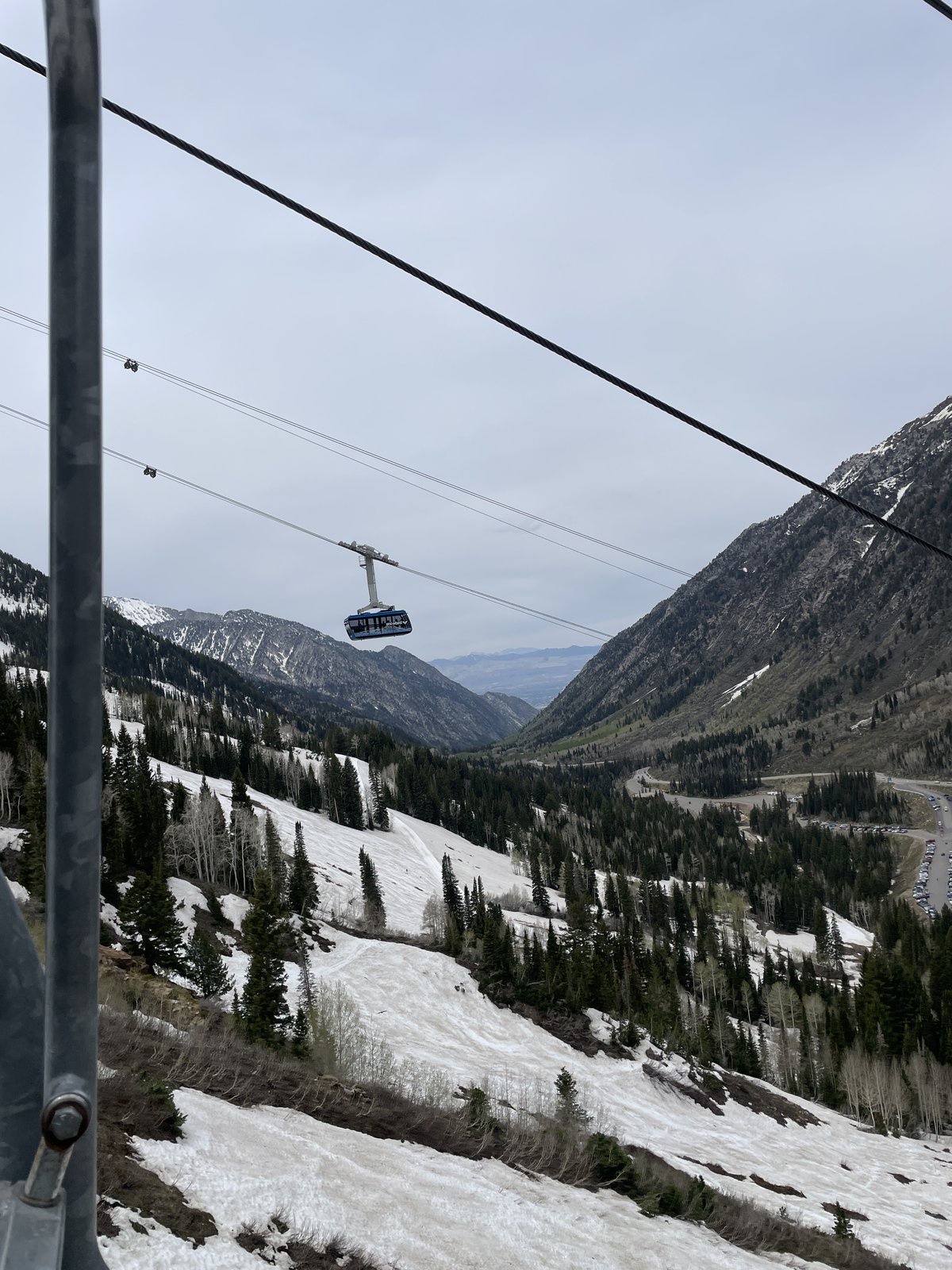
The 125-passenger Aerial Tram is the centerpiece, climbing from the plaza to the summit of Hidden Peak at 11,000 feet in about eight minutes, with The Summit lodge at the top. In winter that opens up roughly 2,500 acres of terrain, from the groomers of Gad Valley to the open bowls of Mineral Basin and the cliffs that made runs like Great Scott famous. Next door, Alta connects to Snowbird via Mineral Basin on a joint pass (skiers only, Alta still bans snowboards).
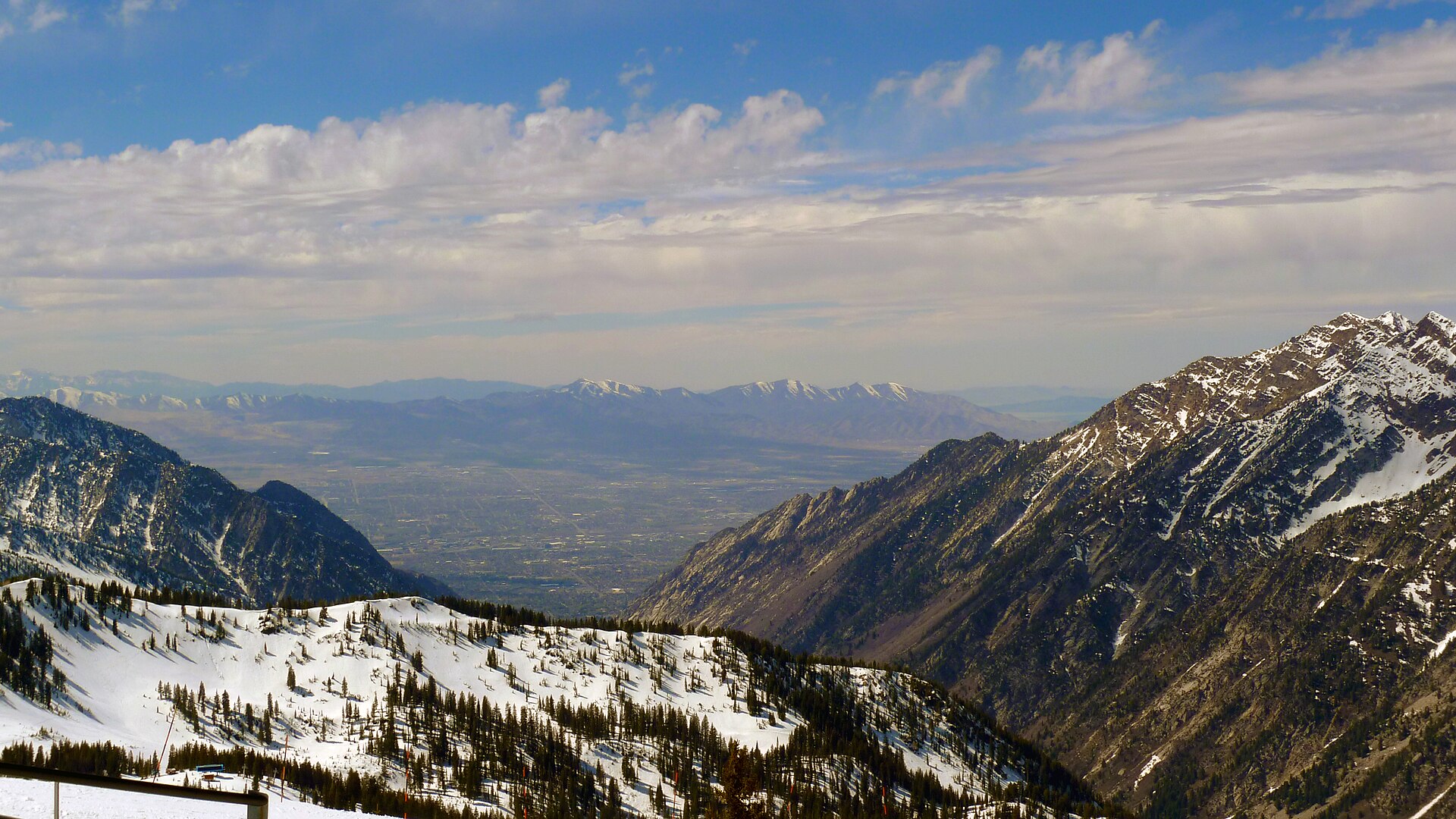
Summer flips the script: lift-served mountain biking, the mountain coaster and alpine slide, and hiking trails up Peruvian Gulch and around the canyon's granite walls. Oktoberfest, running weekends from mid-August into October since 1973, is Utah's biggest, with free entry, bratwurst, and polka bands on the plaza.
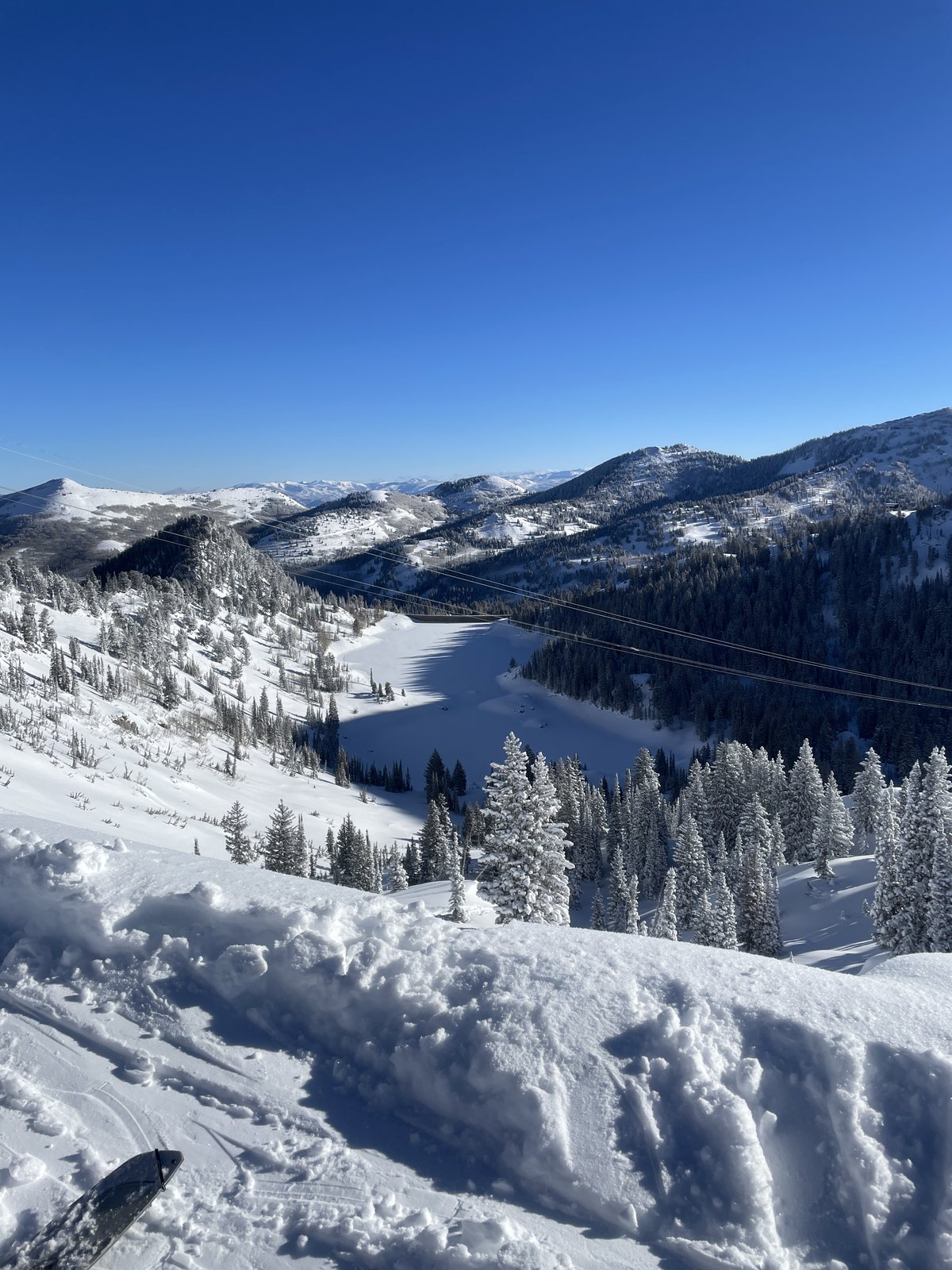
For a rest-day outing, the Temple Quarry Trail at the canyon mouth is a short interpretive walk past the granite cut for the Salt Lake Temple.
Health & Medical
Snowbird operates a clinic at the base during ski season for injuries and altitude issues, and the nearest emergency room is Alta View Hospital in Sandy, about 25 minutes down the canyon. US healthcare pricing applies, so travel insurance with winter sports coverage is worth having; a ski injury without it can cost thousands. Pharmacies are down in the valley. The altitude deserves respect: headaches and poor sleep are common the first two nights above 7,700 feet, and alcohol hits harder up here. Food safety is a non-issue, and dietary accommodations (vegetarian, gluten-free) are standard in resort restaurants.
Demographics & Government
Snowbird is an unincorporated community in Salt Lake County with only a tiny permanent population, mostly resort staff; the workforce commutes up from the valley. It is governed by the county rather than a town council, and Utah state law shapes daily life, most visibly in alcohol rules. The Salt Lake Valley skews young for a US metro, and the ski towns are noticeably more secular than the rest of Utah.
Legal & Substances
- Marijuana: illegal recreationally in Utah; medical only with a Utah patient card. Do not bring it from a legal state.
- Alcohol: sold at resort bars and restaurants; draft beer is capped at 5% ABV, stronger drinks require a licensed bar or restaurant with food. No public drinking, and open containers in cars are illegal.
- Smoking: banned indoors statewide and effectively everywhere on resort property outside designated areas.
- Drones: prohibited over the resort without permission.
Customs & Shopping
International visitors clear US customs at their first port of entry; returning US travelers face no exit duty-free limits. On-mountain shopping means ski shops: the Cliff Sports and General Gritts cover rentals, tuning, goggles, and groceries at resort prices. Buy sunscreen, hand warmers, and snacks in the valley first. The classic souvenir is functional, a Snowbird-logo beanie from the plaza shops, and end-of-season gear sales in April offer real value.
Accessibility & Inclusion
Wasatch Adaptive Sports is headquartered at Snowbird and runs year-round programs for people with disabilities, including adaptive ski and snowboard lessons with trained instructors and specialized equipment. The tram, plaza, and major lodges are wheelchair accessible, though the village involves ramps and elevators between split levels, and snow adds friction to everything in winter. The resort and the Salt Lake area in general are welcoming to LGBTQ+ travelers, and Salt Lake City hosts one of the larger Pride festivals in the Mountain West each June.
Digital Nomad Corner
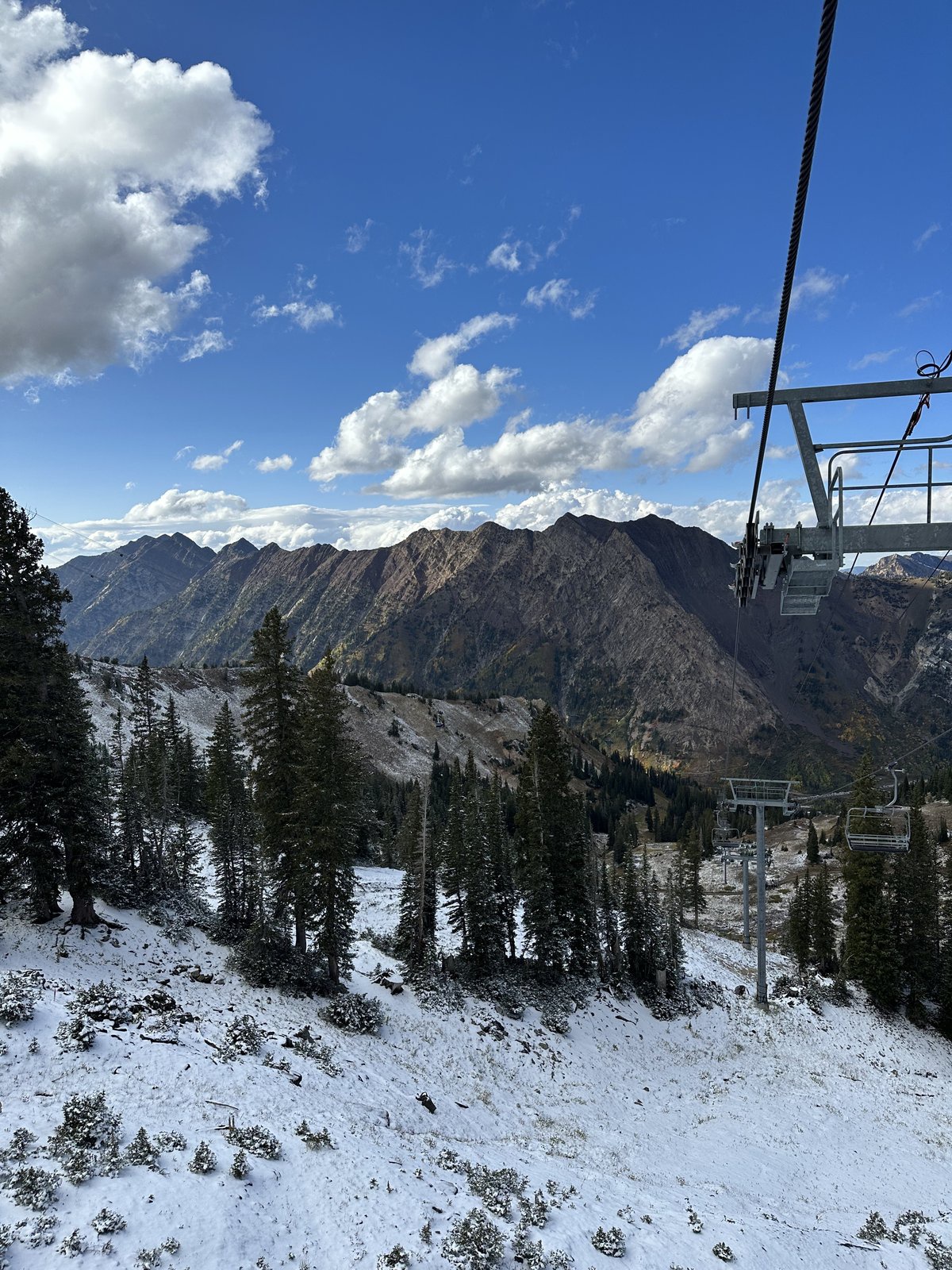
The honest play is to base in the valley and treat Snowbird as your after-work mountain. Sandy, Midvale, and Cottonwood Heights put you 25 to 35 minutes from the tram with gigabit home internet, and monthly furnished rentals there run far below the $300-plus winter nightly rates at the Cliff Lodge. Salt Lake City proper adds coworking options and a real nomad and startup scene about 45 minutes out. Staying on the mountain works for a splurge week: lodge WiFi handles video calls fine outside the 4 p.m. checkout crush, and you can ride the first tram, work 11 to 7, and still catch sunset from the plaza. Cost of living for a valley-based month, with rent, runs roughly $2,500 to $3,500. No special visa options apply beyond standard US entry rules.
Keep planning: Alta: Utah's Skier-Only Mountain, Brighton: Utah Ski Town in Big Cottonwood Canyon and Park City: Mountain Town for Nomads.
Photos: Ryan's own Snowbird shots plus Wikimedia Commons and Unsplash contributors (CC0, public domain, CC BY 4.0, CC BY-SA 4.0).
Before you drive up the canyon: check Wasatch Powder Alerts for 24-hour snowfall forecasts and powder alerts for Alta, Snowbird, Brighton, Park City and other Utah resorts.