Park City: Mountain Town for Nomads
Nomad Toolkit
Overview & Vibe
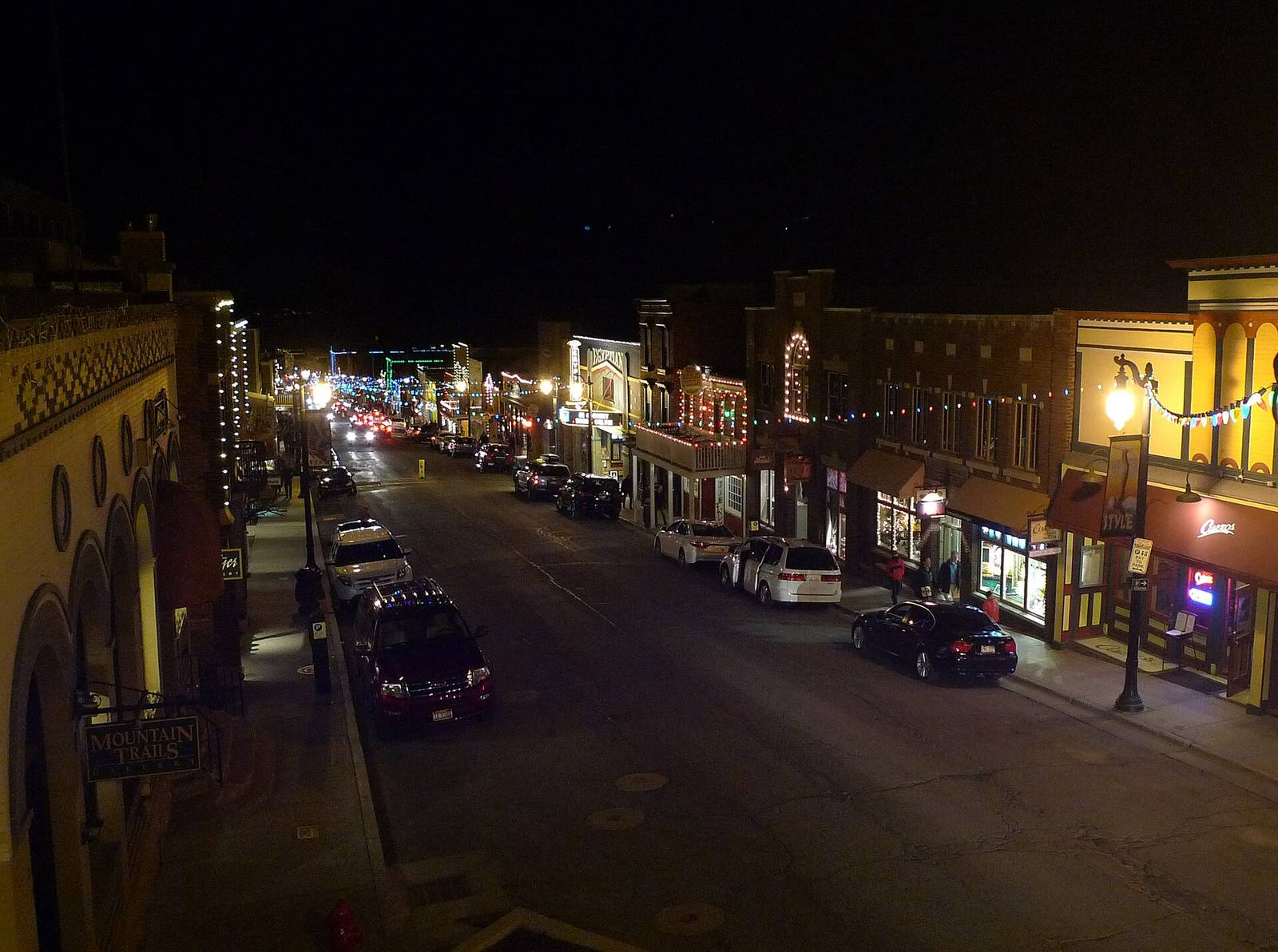
Park City sits at 6,936 feet in the Wasatch Back, 32 miles southeast of downtown Salt Lake City along Interstate 80. The 2020 census counted 8,396 permanent residents, yet the town absorbs roughly 600,000 visitors a year, so the restaurant, transit, and lodging infrastructure runs at a scale far beyond what the population suggests. That mismatch works in a remote worker's favor: big-city amenities, small-town footprint.
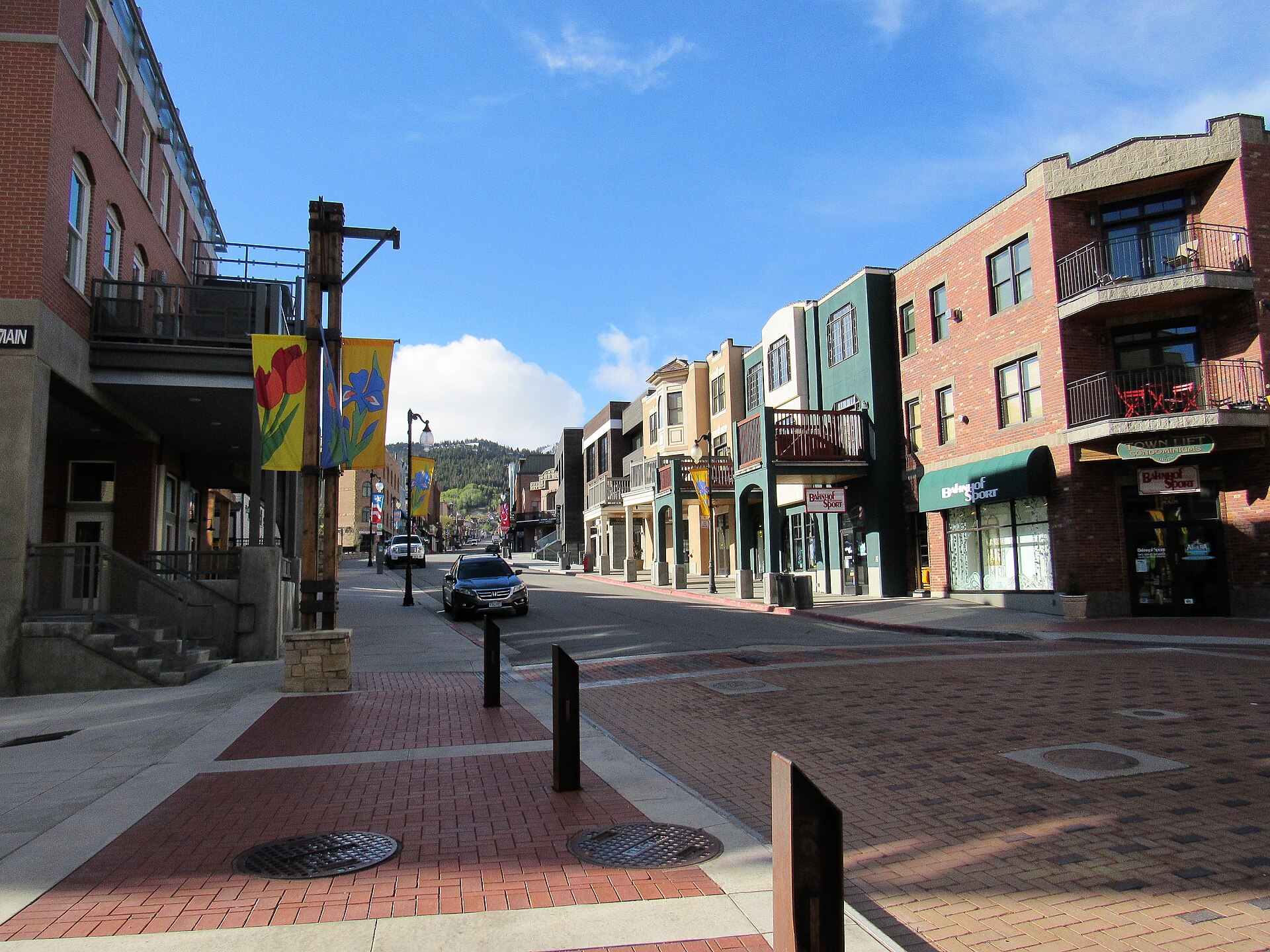
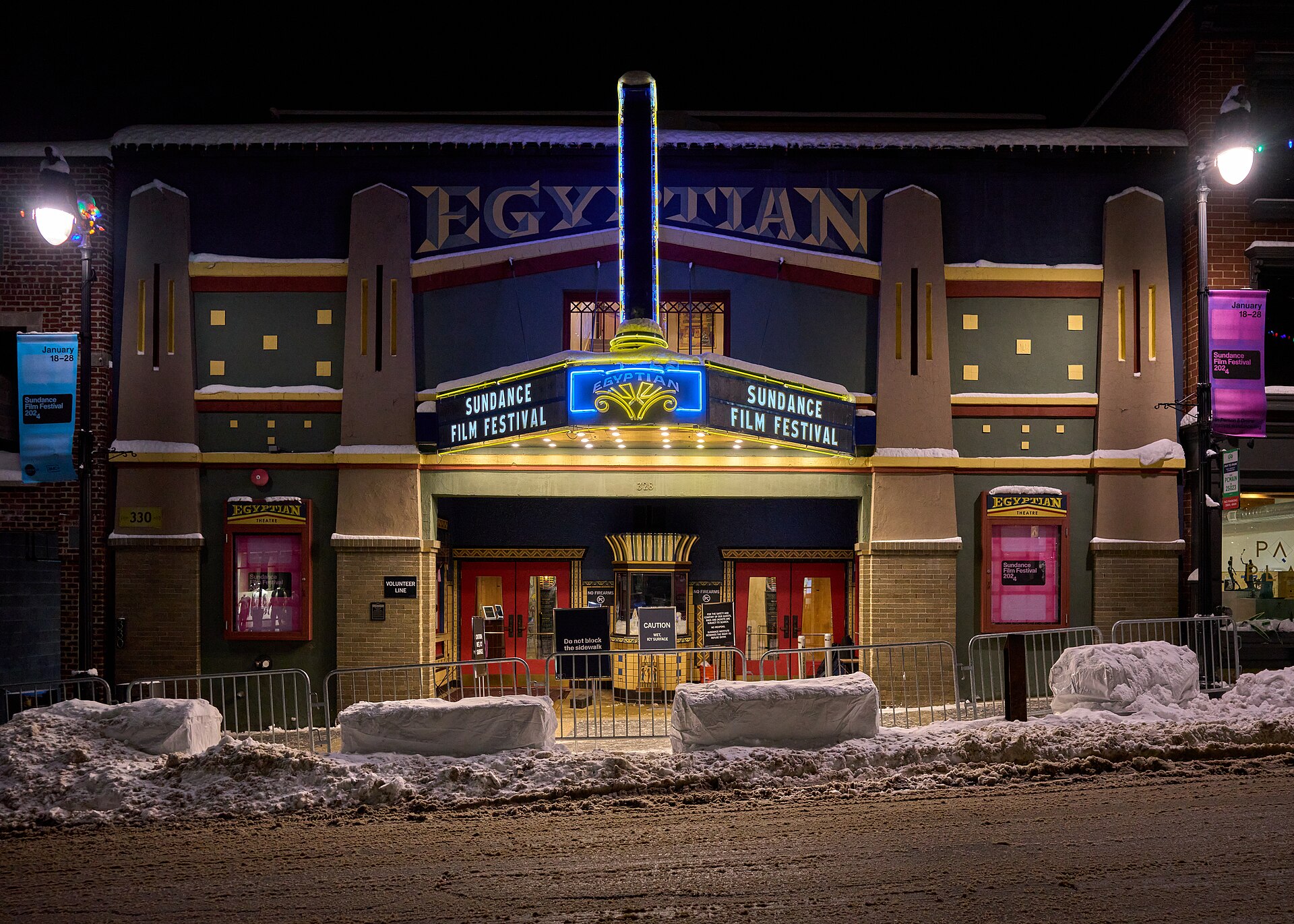
The town attracts skiers from December through early April, mountain bikers and hikers the rest of the year, and film people every January when the Sundance Film Festival takes over the Egyptian Theatre and venues across town. Sixty-four Victorian-era buildings on Main Street are listed in the National Register of Historic Places, a leftover from the silver era that gives the town center more character than most purpose-built resort villages.
A Brief History
Soldiers under Colonel Patrick E. Connor prospected these hills in the 1860s, and the Ontario silver mine, discovered in 1872 and bought by George Hearst, became the first major producer. The town incorporated as Park City in 1884, burned nearly to the ground in the Great Fire of 1898, and after silver prices collapsed it was close to a ghost town by the 1950s. Treasure Mountain resort (now Park City Mountain Resort) opened on the miners' land in 1963, the 2002 Winter Olympics brought ski and snowboarding events to town, and the 2034 Games are set to return. The full story is on Wikipedia.
Transportation
Salt Lake City International Airport is about 40 minutes away via I-80, one of the shortest airport-to-slopes transfers of any major North American ski town. Once in town, you do not need a car: Park City Transit runs a free citywide bus network with routes to Canyons Village, Deer Valley, Kimball Junction, and Prospector Square, and High Valley Transit covers nearby Summit County stops, also fare-free.
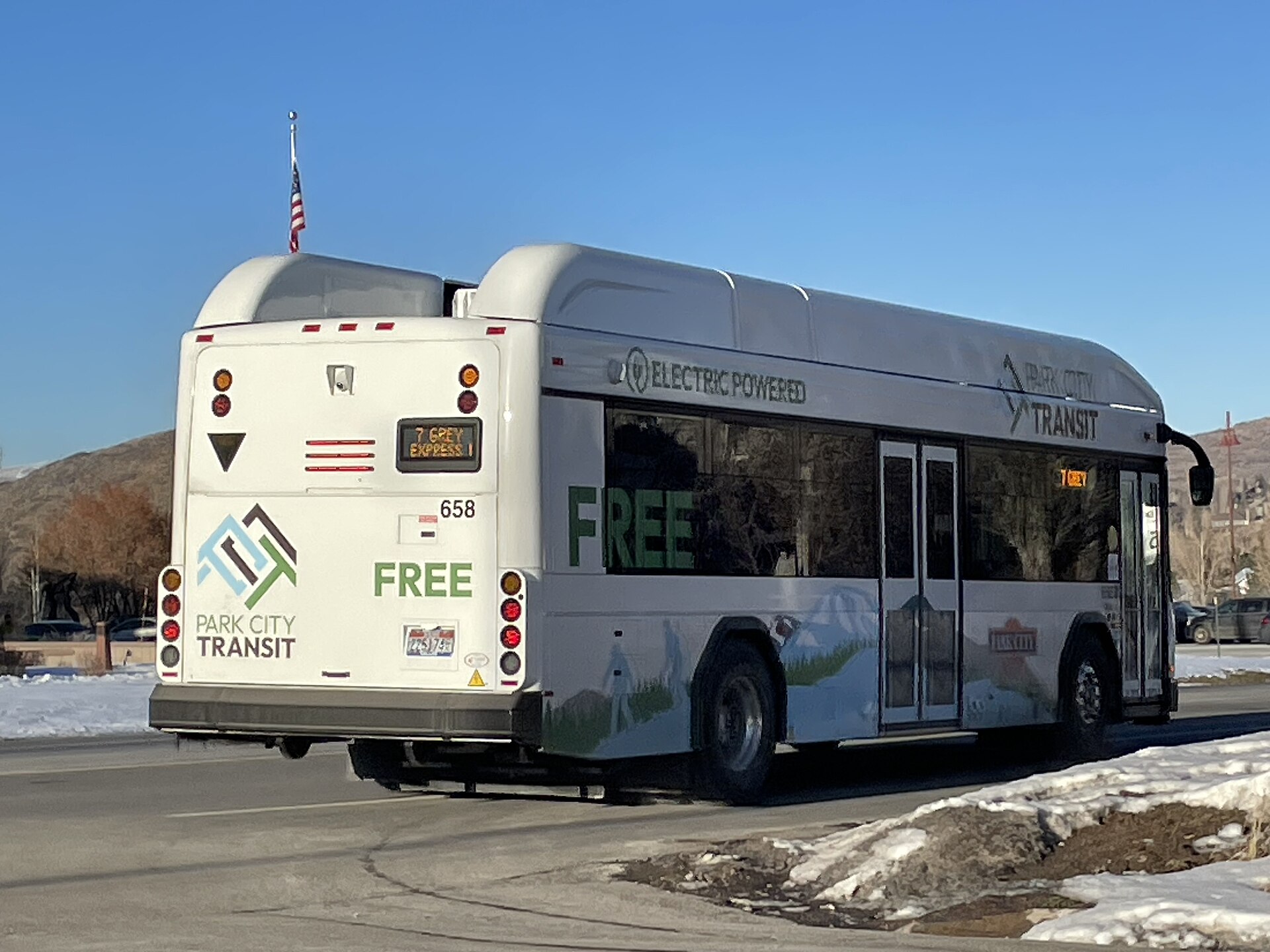
Every Park City Transit route is free. From Kimball Junction park-and-ride you can reach Main Street in about 25 minutes without touching a parking fee.
Uber and Lyft operate reliably, driving is on the right, and a foreign license is accepted for rentals for up to a year in most states. Rent a car only if you plan day trips: Salt Lake City, the Uinta Mountains, and five national parks sit within a day's drive.
Language, Customs & Etiquette
English is the working language. Tipping is expected: 15 to 20 percent at sit-down restaurants and bars, a few dollars per bag or ride for shuttle drivers. Dress is mountain-town casual everywhere, including nicer restaurants. Bargaining is not customary in shops, and posted prices are what you pay, plus sales tax added at the register.
Safety & Security
Park City is a low-crime resort town; the practical risks are environmental. Dial 911 for any emergency. Winter driving on Parleys Canyon (I-80) during storms is the most dangerous thing most visitors do, so check Utah Department of Transportation road conditions before driving in snow. Car break-ins at trailheads happen occasionally, so keep gear out of sight. Solo female travelers generally report feeling safe, including at night on Main Street.
Weather & Climate
Park City has a humid continental climate with cold, snowy winters (121 inches of snow in an average year, 306 days of it useful to the resorts) and warm, dry summers with cool nights.
| Month | Avg High (F) | Avg Low (F) | Snowfall (in) |
|---|---|---|---|
| January | 33 | 16 | 26.6 |
| April | 51 | 31 | 10.0 |
| July | 80 | 53 | 0 |
| October | 56 | 33 | 3.2 |
| December | 33 | 16 | 23.3 |
Pack layers year-round: July afternoons hit 80 while the same night drops to the low 50s. Ski season generally runs mid-November to mid-April.
Logistics & Practical Info
- Plugs: Type A and B, 120V at 60Hz.
- Time zone: Mountain Time (UTC-7, UTC-6 in summer), with daylight saving from March to November.
- Tap water is safe to drink and tastes like it came off a mountain, because it did.
- Free WiFi is common in cafes, the library, and hotels; gigabit home fiber is available in most neighborhoods.
- Prepaid SIMs from AT&T, T-Mobile, and Verizon start around $30 to $50 per month; all three carriers cover town well.
- No government internet censorship.
Attractions & Activities
Park City Mountain Resort is one of the largest ski areas in the United States after its link-up with Canyons Village, and Deer Valley Resort next door bans snowboards and grooms obsessively. Both hosted 2002 Olympic events.
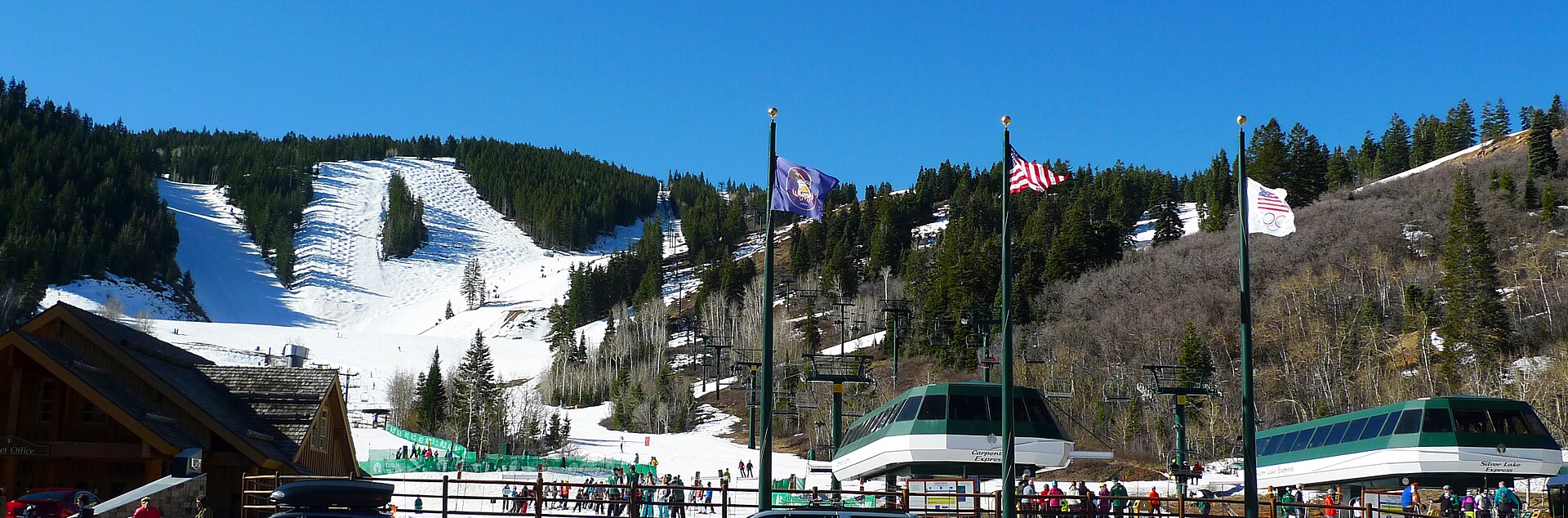
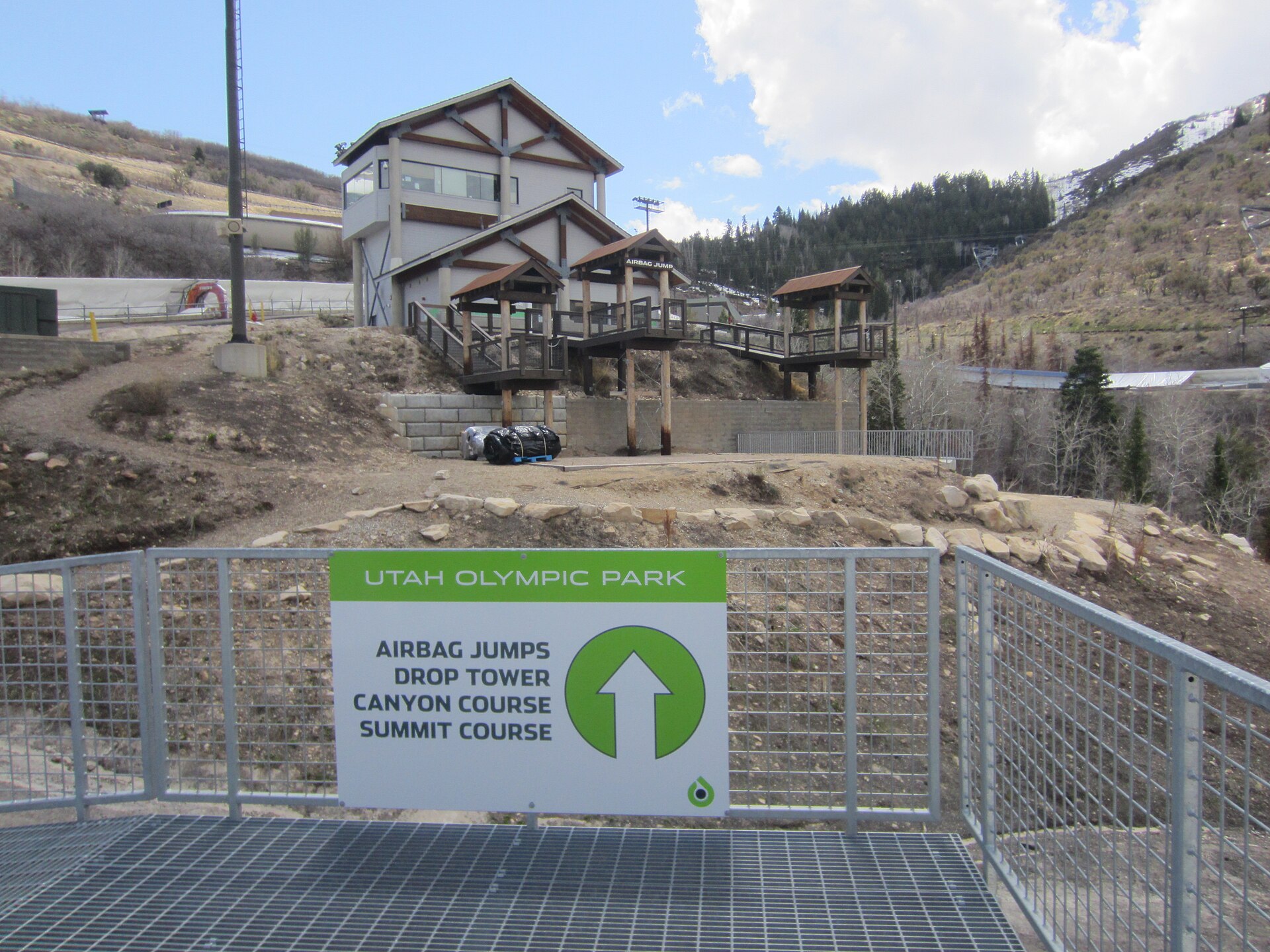
At the Utah Olympic Park you can watch aerialists train year-round, ride the bobsled track, and tour the Alf Engen ski museum, most of it free to walk around.
On Main Street, the 1926 Egyptian Theatre anchors the Sundance Film Festival every January (book lodging months ahead or commute from Salt Lake City that week). Summer brings 400-plus miles of lift-served and cross-country trails for mountain biking and hiking.
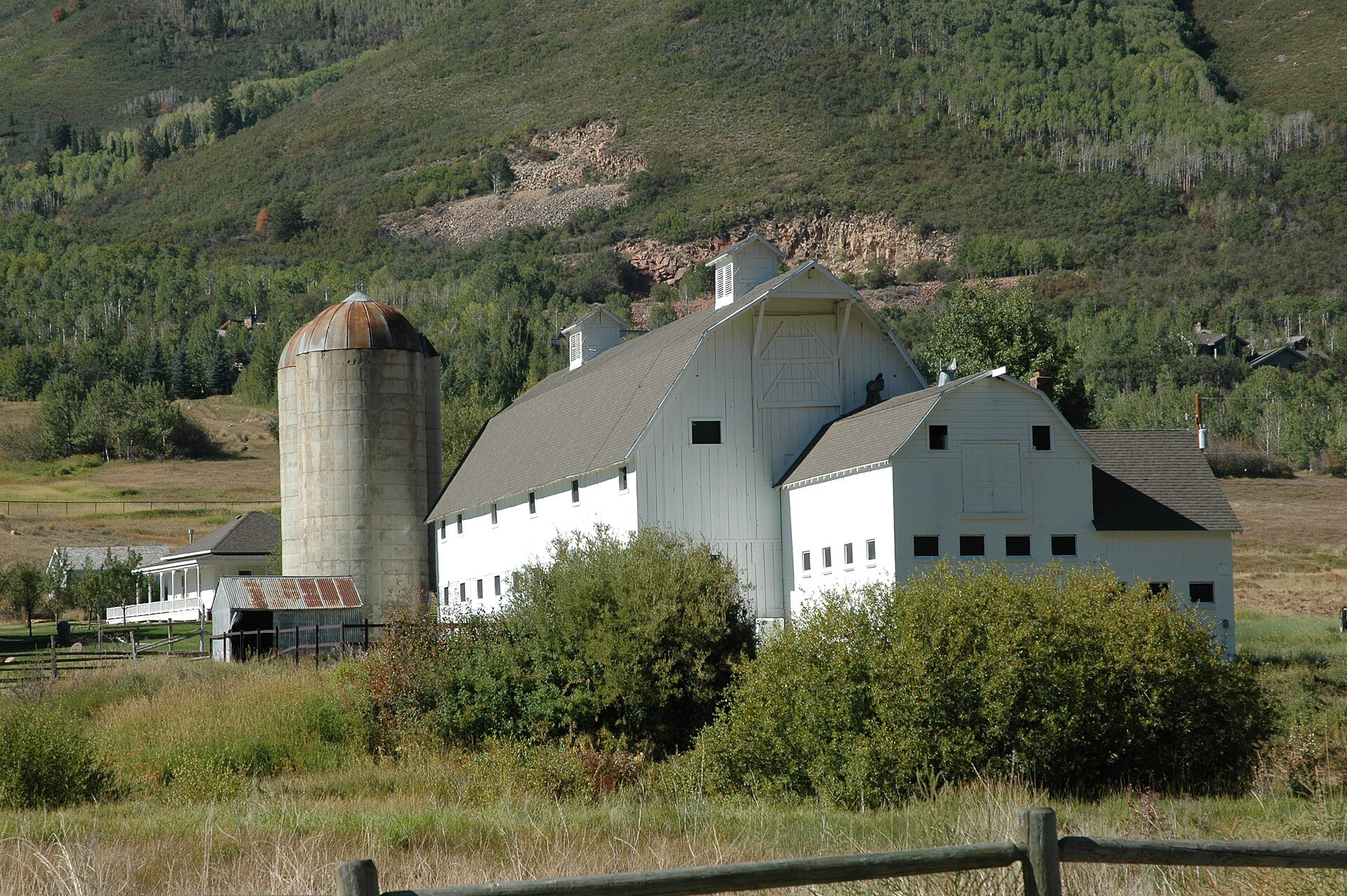
The white McPolin Farm barn on Highway 224 is the most photographed structure in town and has a flat walking loop around it. For food, locals line up at Yuma Ramen on Park Avenue (Ryan rates it 5 stars: heavy on noodles and meat, the best he has had outside Okinawa), and Hearth and Hill at Kimball Junction handles everything from work lunches to family dinners.
Health & Medical
Intermountain Park City Hospital, off Highway 248, runs a 24-hour emergency department. United States healthcare is excellent and expensive; hospitals bill you directly and settle with travel insurers later, so carry a policy with high medical limits and keep every receipt. The town sits near 7,000 feet, so expect a day or two of shortness of breath, drink more water than usual, and go easy on alcohol on arrival.
Demographics & Government
Park City has 8,396 residents (2020 census) governed by a mayor and city council, and it spans Summit and Wasatch counties. The workforce that staffs the resorts largely commutes from Heber City, Kamas, and the Salt Lake Valley, which is why the free transit network extends so far beyond city limits.
Legal & Substances
Utah has some of the stricter alcohol rules in the country: the drinking age is 21, spirits and wine are sold only in state liquor stores, and grocery beer is capped at 5 percent ABV. Drinking in public spaces is prohibited. Marijuana is illegal recreationally; Utah allows only card-holding medical patients, and it remains federally illegal. Smoking is banned indoors statewide and within 25 feet of building entrances.
Customs & Shopping
There are no exit duties on personal purchases when leaving the United States, though your home country's import allowances still apply. Main Street's galleries and outfitters sell silver-mining memorabilia, local art, and ski gear; end-of-season gear sales in April are genuinely steep.
Accessibility & Inclusion
ADA standards apply throughout: the free buses kneel and carry wheelchair ramps, and newer buildings have step-free access, though some Victorian Main Street storefronts keep their original narrow entries. The National Ability Center, based in Park City, runs one of the best adaptive skiing and recreation programs in the country.
Digital Nomad Corner
This is a premium-cost base: one-bedroom rentals commonly run $2,200 to $3,000 a month, and winter short-term rates climb far higher. The trade is an unusually workable setup: gigabit fiber, free transit, an international airport 40 minutes out, and world-class trails or lifts within 15 minutes of any desk.
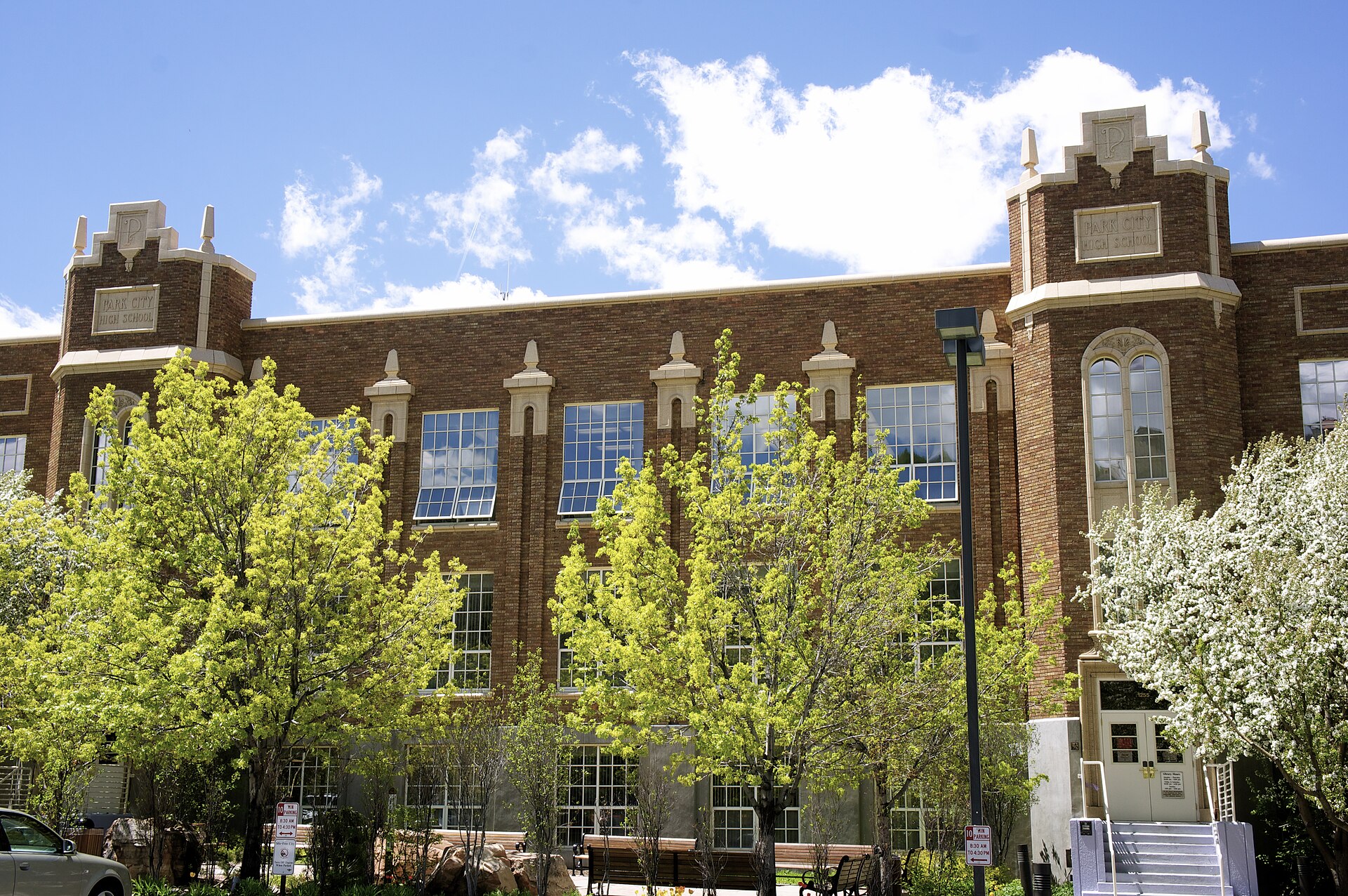
For workspace, Kiln's Kiln Park City coworking campus at Kimball Junction offers day passes and hot desks, and the Park City Library on Park Avenue has free WiFi, mountain views, and quiet rooms. Remember that entry under the Visa Waiver Program or a B-2 visa does not authorize employment in the US; nomads typically work remotely for foreign employers for stays up to 90 days under ESTA. Mountain Time overlaps both US coasts and catches European mornings at a stretch.
Skip the winter premium: visit May through June or September through October, when trails are open, rents drop, and the town is at its quietest.
Keep planning: Alta: Utah's Skier-Only Mountain, Brighton: Utah Ski Town in Big Cottonwood Canyon and Snowbird: Little Cottonwood Ski Base.
Photos: Don Ramey Logan (CC BY-SA 4.0, CC BY 4.0), Farragutful (CC BY-SA 4.0), Maylingoed (CC BY-SA 4.0), Frank Schulenburg (CC BY-SA 4.0), Tricia Simpson (CC BY-SA 3.0), Another Believer (CC BY-SA 4.0), Morganpitcher (CC BY-SA 3.0), via Wikimedia Commons.
Before you drive up the canyon: check Wasatch Powder Alerts for 24-hour snowfall forecasts and powder alerts for Alta, Snowbird, Brighton, Park City and other Utah resorts.