Victoria Falls: Zimbabwe & Zambia
Nomad Toolkit
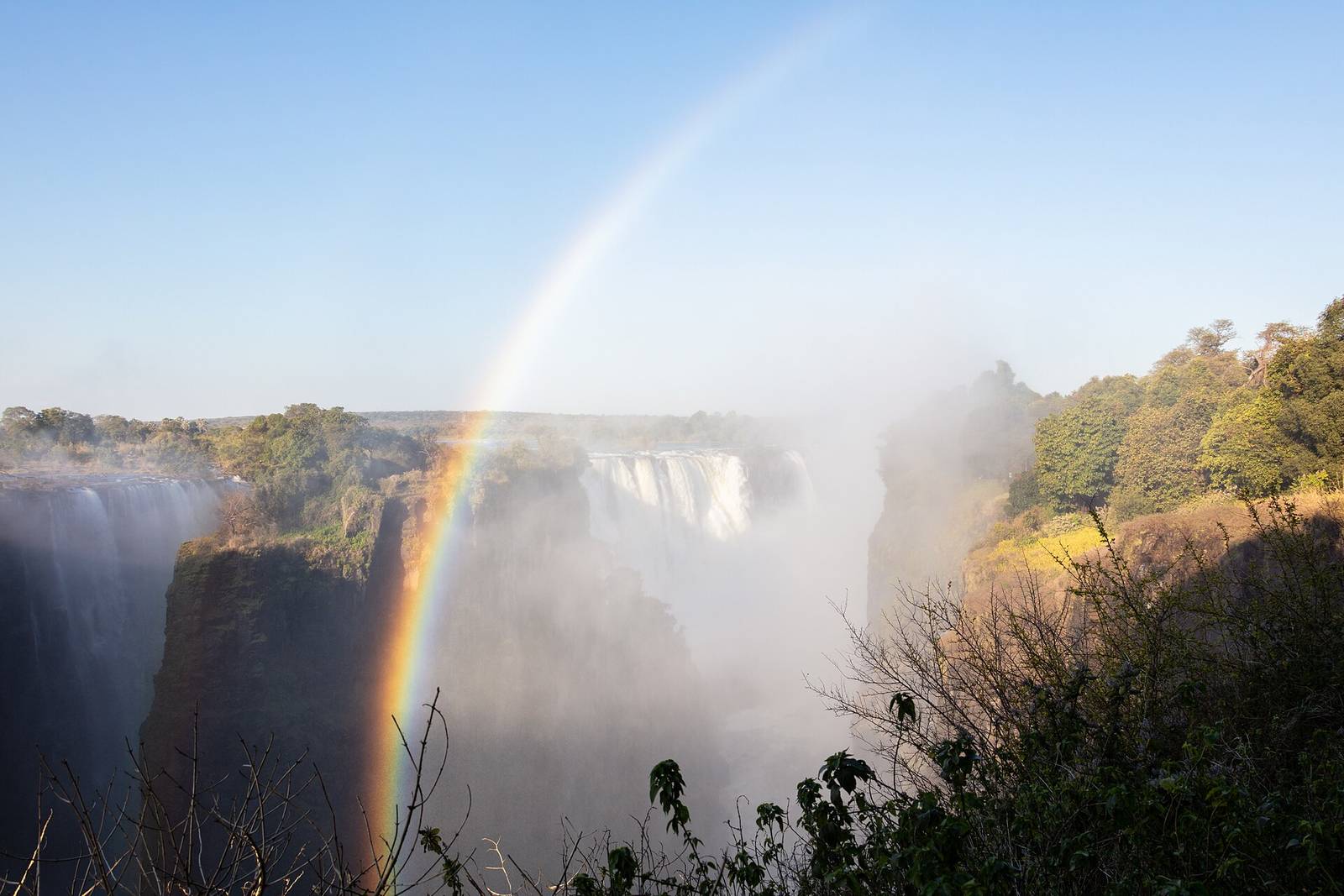
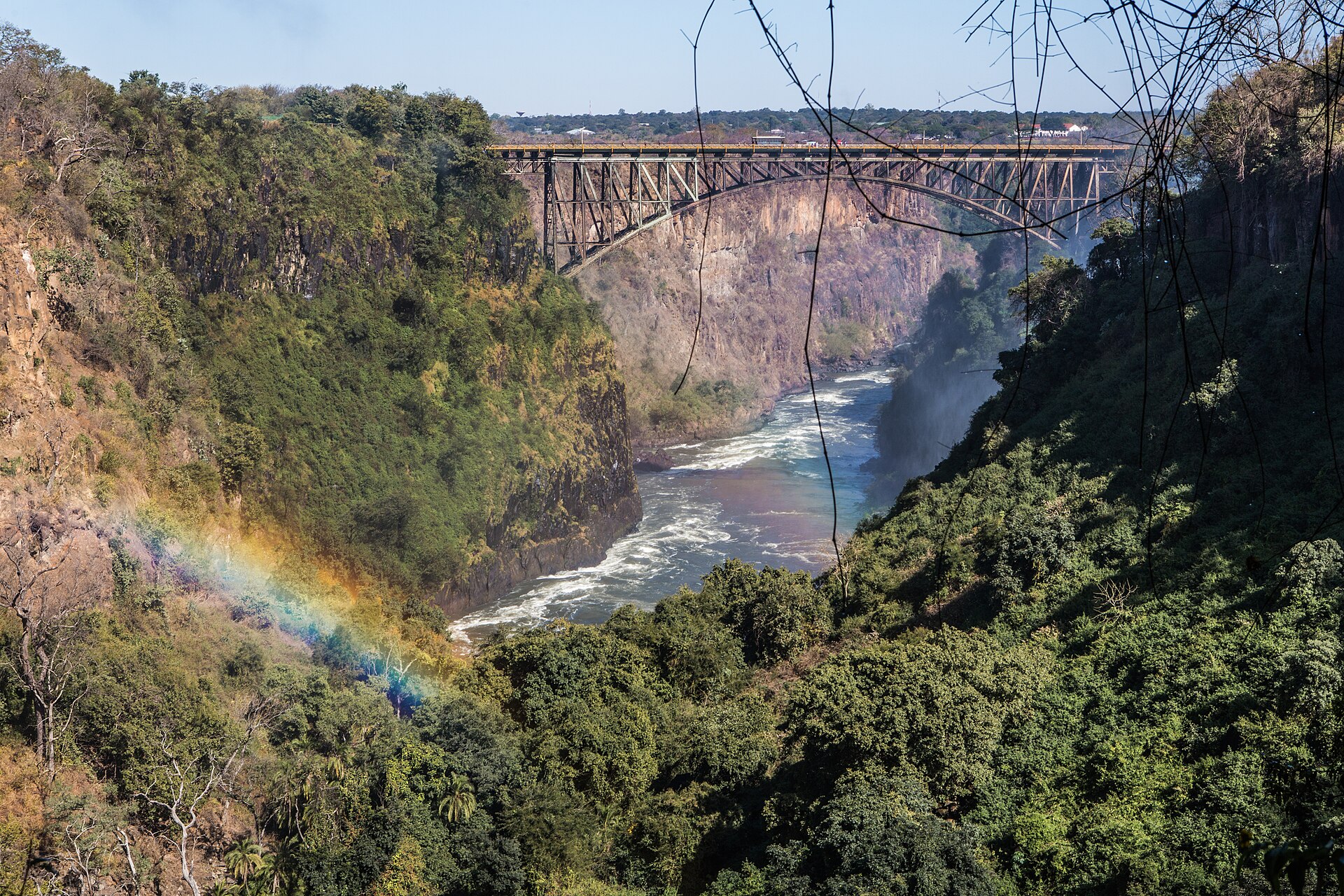
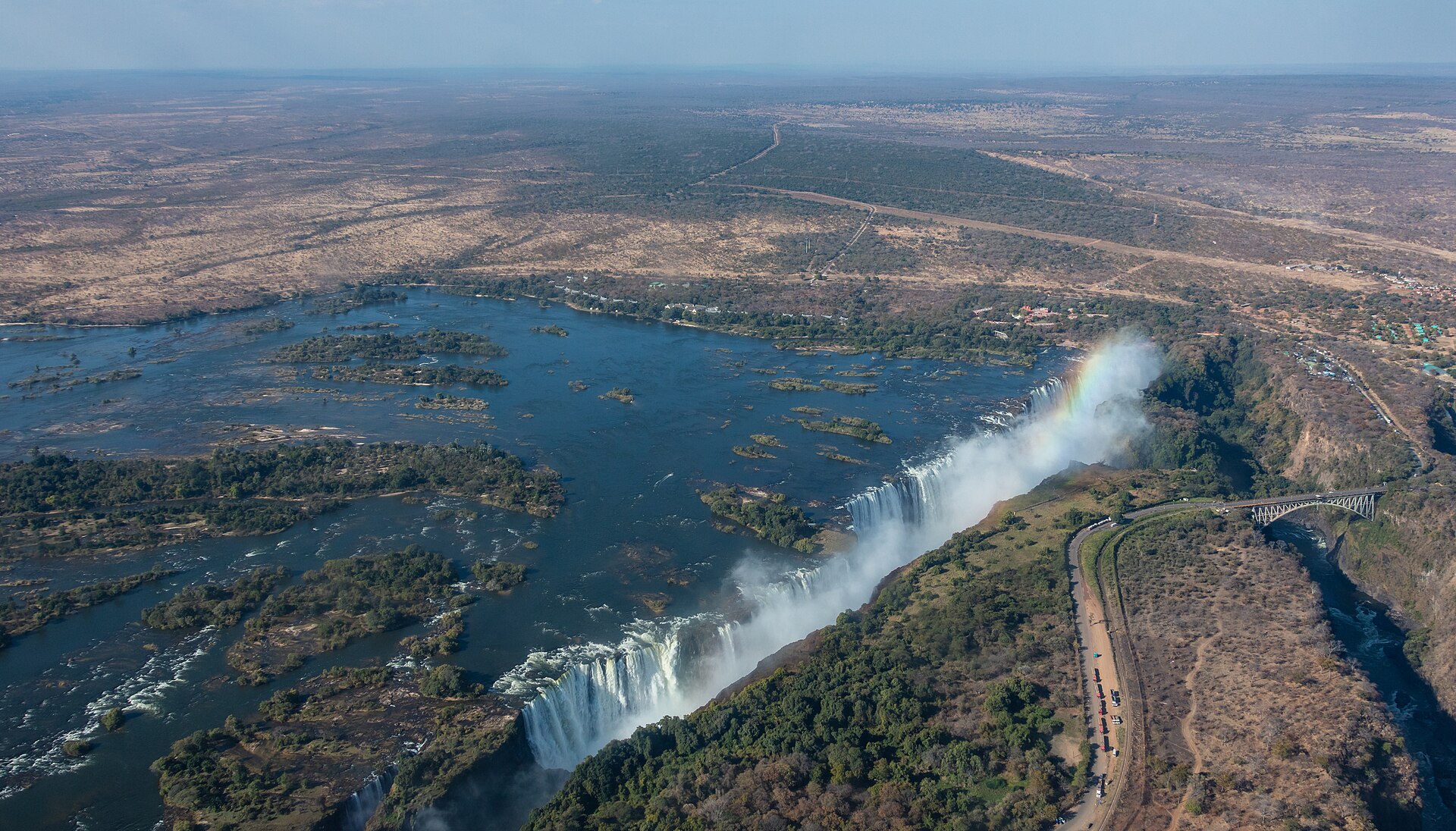
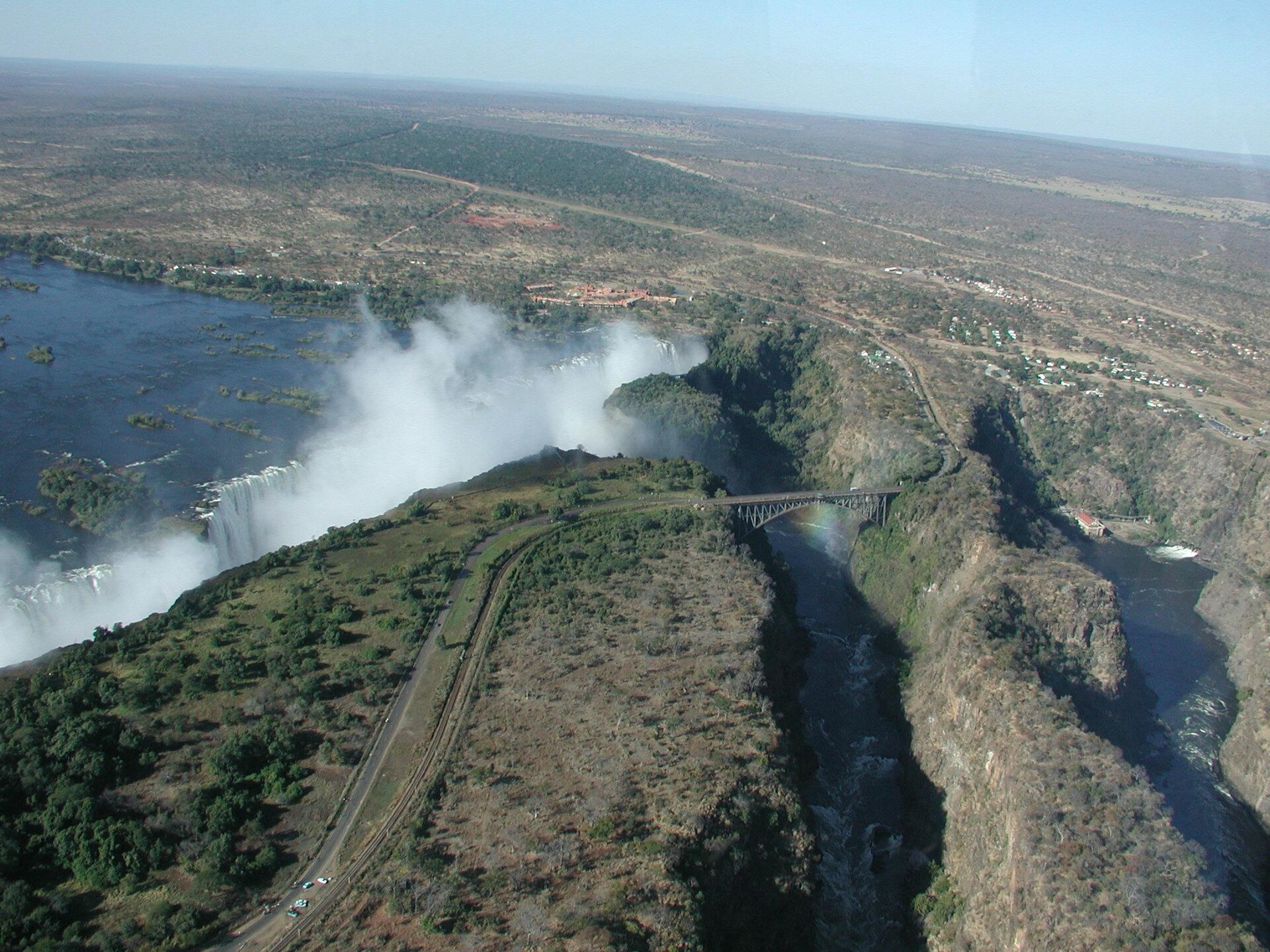
Victoria Falls drops 108 meters across a curtain of water 1,708 meters wide, the largest sheet of falling water on the planet. Two towns share it: Victoria Falls, Zimbabwe, ten minutes from the entrance gate, and Livingstone, Zambia, about 10 kilometers upstream. A US$50 KAZA UniVisa covers both countries, and you can walk between them across a 1905 railway bridge.
Overview & Vibe
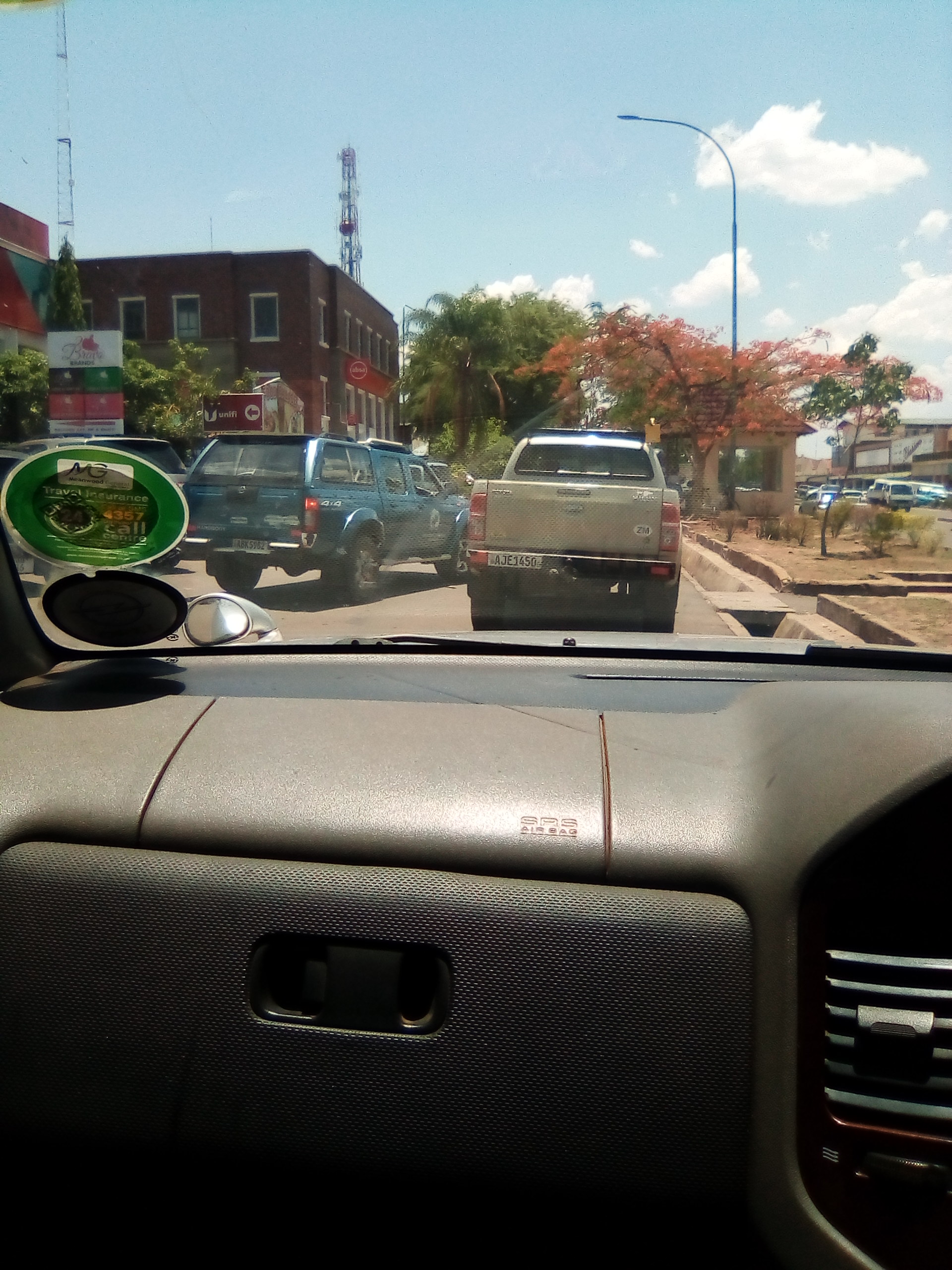
This is a safari and adrenaline hub, not a laptop city. The crowd mixes overlanders, honeymooners, rafting guides, and remote workers passing through. The Zimbabwe side is a compact tourist town where elephants and warthogs sometimes cross the road at dusk. Livingstone is a working Zambian city of about 140,000 with cheaper beds and a livelier market scene.
Timing changes everything. February through May, after the rains, the falls run at full force and the spray rises over 400 meters, visible from 48 kilometers away. In October and November the Zambian side can slow to a trickle while the main Zimbabwean cataracts keep flowing.
A Brief History
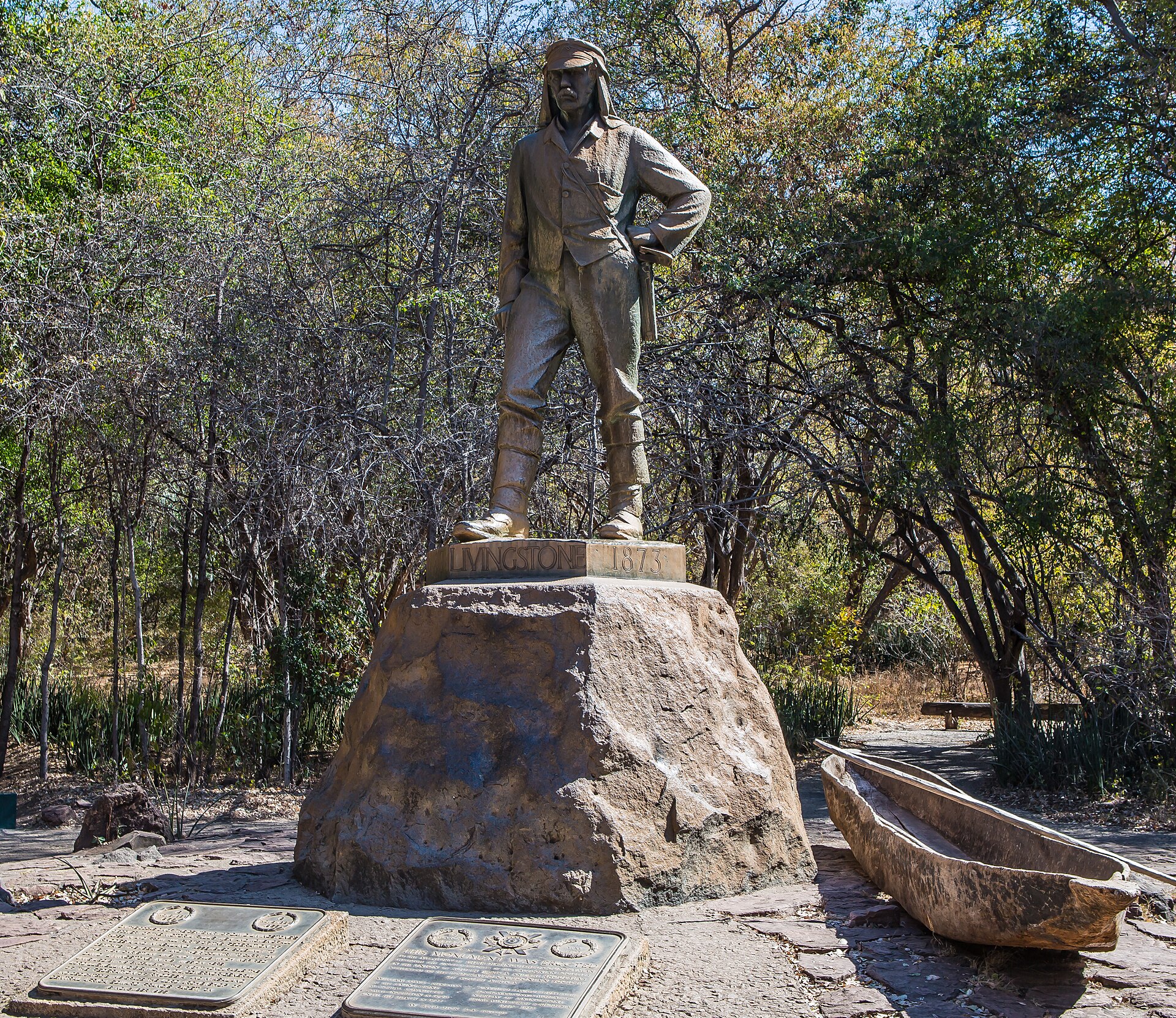
The Lozi name is Mosi-oa-Tunya, "the smoke that thunders." Scottish missionary David Livingstone became the first European to record the falls on 16 November 1855 and named them for Queen Victoria. The Victoria Falls Bridge opened in 1905 as part of Cecil Rhodes' unfinished Cape to Cairo railway, and UNESCO listed the falls as a World Heritage Site in 1989.
Transportation
Victoria Falls Airport (VFA) sits 18 kilometers south of the Zimbabwean town; Harry Mwanga Nkumbula International (LVI) serves Livingstone. Both get daily flights from Johannesburg. Airport taxis run about US$25 to 30; agree on the fare before getting in.
- Both countries drive on the left. Renting a car requires an International Driving Permit, and most agencies want drivers 23 or older.
- Uber and Bolt work in Harare and Lusaka but not reliably at the falls. Use registered taxis; rides around town cost US$5 to 10.
- The border crossing on the bridge is walkable. The US$50 KAZA UniVisa on arrival covers both sides without separate visas.
Language, Customs & Etiquette
English is official in both countries and works everywhere at the falls. On the Zimbabwean side you will hear Shona ("mangwanani" is good morning) and Ndebele; around Livingstone, Nyanja ("muli bwanji" means how are you), Lozi, and Tonga.
- Pass and receive items with the right hand; the left is considered unclean.
- Ask before photographing people, and never photograph border posts, police, or government buildings.
- Skip political topics, especially Zimbabwean politics and the economy. Sports and family are safe ground.
- Bargaining is expected at curio markets. Counter at 20 to 30 percent below the first quote and keep it friendly.
- Dress modestly away from the lodges, especially at churches and cultural sites.
Safety & Security
Tourist areas on both sides are heavily policed and generally safe. The real hazards are pickpockets in markets, overcharging taxis at airports, and wildlife: elephants, baboons, and buffalo walk through the Zimbabwean town at night, so take a taxi after dark. The emergency number is 999 in both countries; Zambia also uses 991 for police and 993 for ambulance.
Watch for fake tour operators selling discounted activities on the street; book through your lodge or directly. Solo female travelers should avoid walking alone after dark. Same-sex relationships are criminalized in both Zimbabwe and Zambia, and LGBTQ+ travelers should exercise real discretion.
Weather & Climate
| Season | Months | Highs / Lows | Rain |
|---|---|---|---|
| Wet season | Nov to Mar | 29-32°C / 16-18°C | 150-200mm per month, peak Dec-Jan |
| Cool dry | May to Aug | 25-27°C / 7-10°C | Near zero |
| Hot dry | Sep to Oct | 32-35°C / 15-18°C | Rare until late Oct |
For full falls, come February through May and bring a rain jacket for the spray. For rafting, Devil's Pool, and dry trails, come August through December. July mornings can hit 7°C before climbing 20 degrees by noon.
Logistics & Practical Info
- Power: 220-240V, 50Hz. Zimbabwe uses plug types D and G; Zambia adds type C. Bring a universal adapter, since both grids schedule outages.
- Time zone: Central Africa Time, UTC+2 year round, no daylight saving.
- Money: US dollars are legal tender in Zimbabwe; carry small bills because change is scarce and ATMs often sit empty. Zambia uses the kwacha, and Livingstone ATMs are more dependable.
- SIM cards: Econet or NetOne in Zimbabwe, Airtel or MTN in Zambia. A SIM costs US$1 to 3 and data runs roughly US$1 to 3 per GB. Registration requires your passport.
- Tap water is not safe on either side; stick to bottled or filtered.
- Zimbabwe has blocked social media during past unrest, so carry a VPN.
Attractions & Activities
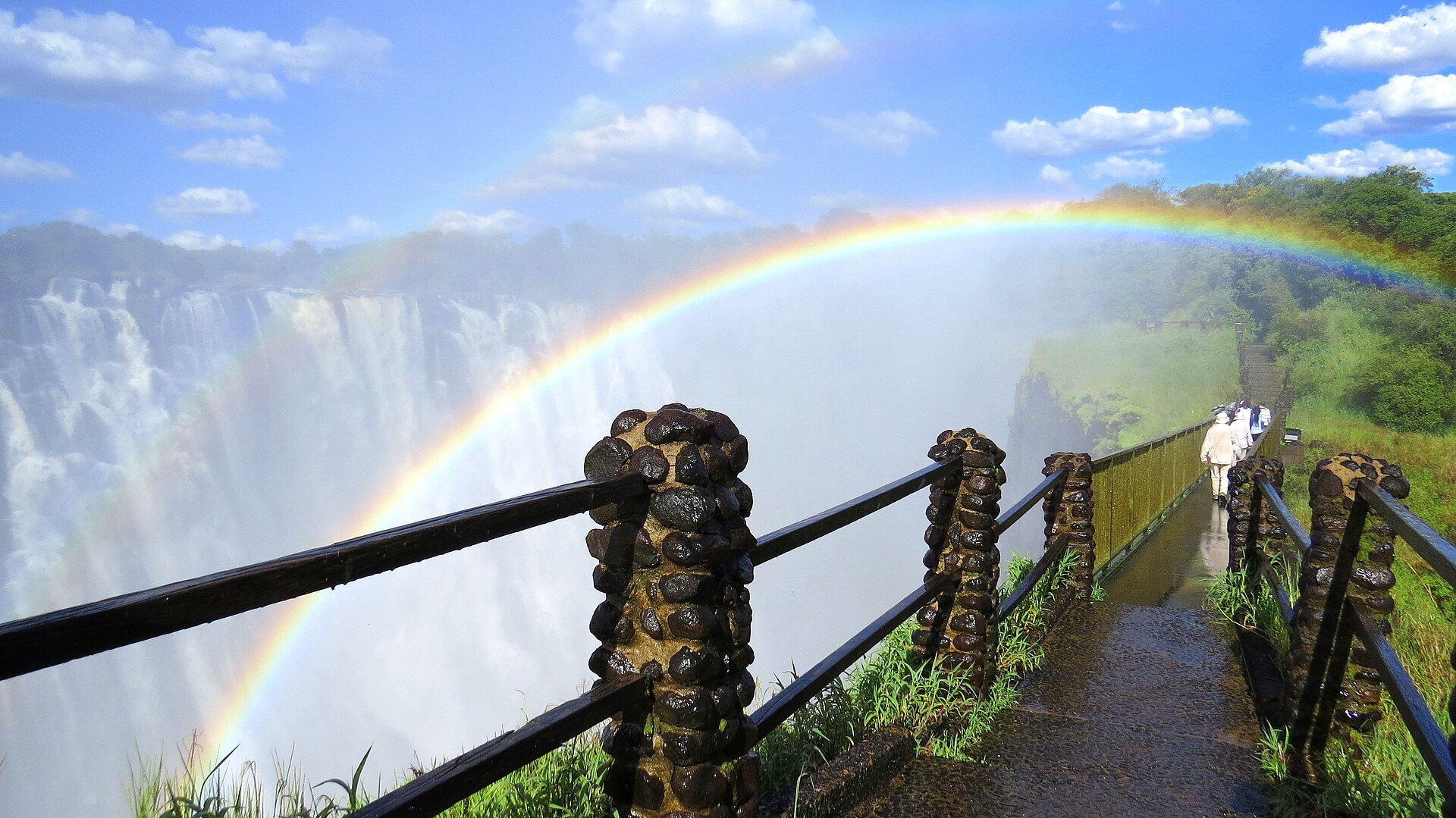
The falls have two entrances. The Zimbabwean rainforest path passes 16 numbered viewpoints and costs US$50 for international visitors. The Zambian side, inside Mosi-oa-Tunya National Park, costs US$20 and includes the Knife-Edge Bridge, where spray soaks you February to May.
- Devil's Pool on Livingstone Island: swim to the lip of the falls during low water, roughly mid-August to mid-January. Tours from the Zambian side start near US$100; book days ahead.
- Bungee jump 111 meters off the Victoria Falls Bridge, around US$160.
- The "Flight of Angels" helicopter loop, 12 to 15 minutes for roughly US$150 to 180, is the only way to see the full curtain at once.
- White-water rafting in Batoka Gorge runs grade V rapids from about US$120, peaking August through December.
- Hwange National Park, two to three hours away, holds one of Africa's largest elephant populations; day trips start near US$150.
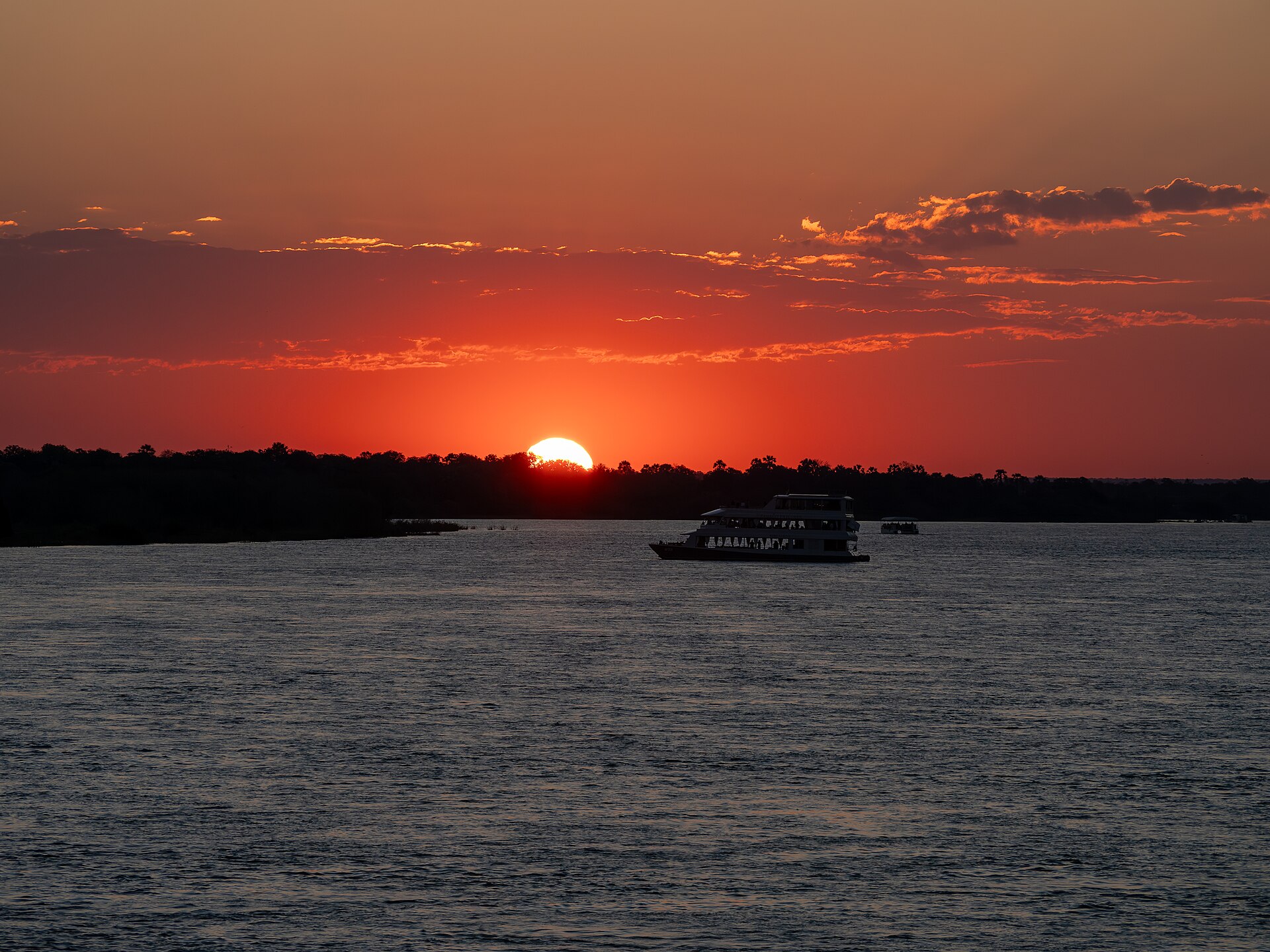
A Zambezi sunset cruise (US$50 to 85 with drinks) is the standard first-evening plan; hippos and crocodiles usually show up. On land, try sadza with nyama stew in Zimbabwe and nshima with ifisashi (greens in peanut sauce) in Zambia. The Lookout Café hangs over the gorge on the Zimbabwean side. Souvenirs worth the space: Shona soapstone carvings, Tonga baskets, and Zambian malachite.
Health & Medical
Malaria is endemic; the Zambezi Valley sees transmission mainly November through June, and prophylaxis is standard advice for both sides. A yellow fever certificate is required only if you arrive from an endemic country. Private clinics in both towns handle minor issues, but serious cases get evacuated to Lusaka or Johannesburg, so carry insurance that covers medical evacuation. Hospitals expect payment upfront; you claim reimbursement later. Do not swim in still or slow Zambezi water outside guided spots, since bilharzia is widespread, and bring prescription medications in original packaging because local pharmacies stock a limited range.
Demographics & Government
Zimbabwe has about 16.3 million people, a median age near 19, and a presidential republic dominated by ZANU-PF. Zambia has about 20.2 million, a median age near 17, and a multi-party presidential democracy whose constitution declares it a Christian nation. Christianity is the majority religion in both. Victoria Falls town holds around 35,000 residents; Livingstone around 140,000.
Legal & Substances
- Cannabis is illegal for recreational use in both countries; Zimbabwe's medicinal licensing does not extend to visitors.
- Public drinking is prohibited in Zimbabwe outside licensed venues; Zambia is looser, but public drunkenness draws fines.
- Smoking is banned in enclosed public spaces in both countries. Drinking age is 18 in both.
Customs & Shopping
Zimbabwe allows departing visitors to export locally purchased goods up to US$2,000 duty-free with receipts, so keep them for carvings and baskets. Ivory, rhino horn, and any protected wildlife products are banned under CITES, and raw minerals or uncut stones need permits. Buy finished malachite from licensed shops and keep the receipt for the border.
Accessibility & Inclusion
Infrastructure is limited. The first few Zimbabwean viewpoints are reachable on paved paths, but the full rainforest circuit involves steps and wet stone, and the Zambian trails are rougher. High-end lodges like the Victoria Falls Hotel and Royal Livingstone offer accessible rooms and adapted vehicles if requested in advance; budget guesthouses rarely do.
Digital Nomad Corner
Treat Victoria Falls as a working stopover of three days to two weeks, not a base. There are no formal coworking spaces; you will work from lodge WiFi, which ranges from unusable to a solid 20 Mbps where Starlink has been installed (licensed in Zambia in 2023 and Zimbabwe in 2025). Scheduled power cuts hit both grids, so favor accommodation with generator or solar backup.
- Cost: Livingstone guesthouses run US$30 to 50 a night, and monthly rooms can be negotiated for roughly US$400 to 700. The Zimbabwean side costs more.
- Visas: Zambia grants most nationalities 90 days on arrival; Zimbabwe grants 30 days (about US$30), extendable to 90. Neither offers a nomad visa, so the KAZA UniVisa plus border hops is the practical play.
- Backup connectivity: an Airtel Zambia SIM with 10 to 20 GB costs under US$20 and tethers well enough for calls in Livingstone.
- Community: small and transient, built around lodges, rafting crews, and safari staff rather than resident nomads.
Keep planning: Acadia National Park Guide: Maine's Coastal Peaks, Aceh, Indonesia: A Practical Travel Guide and Acre: Brazil's Amazon Frontier.
Photos via Wikimedia Commons: Diego Delso (hero and gorge, CC BY-SA 4.0); rainbow, bridge, sunset cruise, Livingstone statue, and Livingstone town (CC BY-SA 4.0); helicopter view (public domain). Images hosted by Nomad Toolkit.