Vienna: Coffee Houses, Music & Imperial History
Nomad Toolkit
Vienna is one of the easiest European cities for a digital nomad to land in and get to work. You can ride a 1970s tram across the Ring, eat a 16-euro schnitzel, and end the day in a coffee house older than the United States. Population: 1.9 million in greater Vienna, of Austria's 9.1 million.
Overview & Vibe
Vienna runs on order. Trams arrive on time, streets are clean, shops close on Sunday. The mood is reserved, with a cafe culture that rewards anyone who likes to nurse one drink for three hours while working. The city skews older than other European capitals.
For nomads: steady infrastructure, very low crime, fast internet, a compact center you can walk. Expect to spend more than Lisbon or Budapest but less than Zurich or Paris.
A Brief History
Roman soldiers built the garrison camp of Vindobona on the site of Vienna's city center around AD 97, and the emperor Marcus Aurelius may have died there in AD 180. The Babenberg dynasty made the city its residence in 1155, and the Habsburgs governed from here for centuries, holding off Ottoman sieges in 1529 and 1683. The Congress of Vienna redrew the map of Europe here in 1814-15, and after the city walls came down in the 1860s the old fortifications became the Ringstrasse. Vienna's Wikipedia page covers the imperial rise and the 1918 collapse in detail.
Transportation
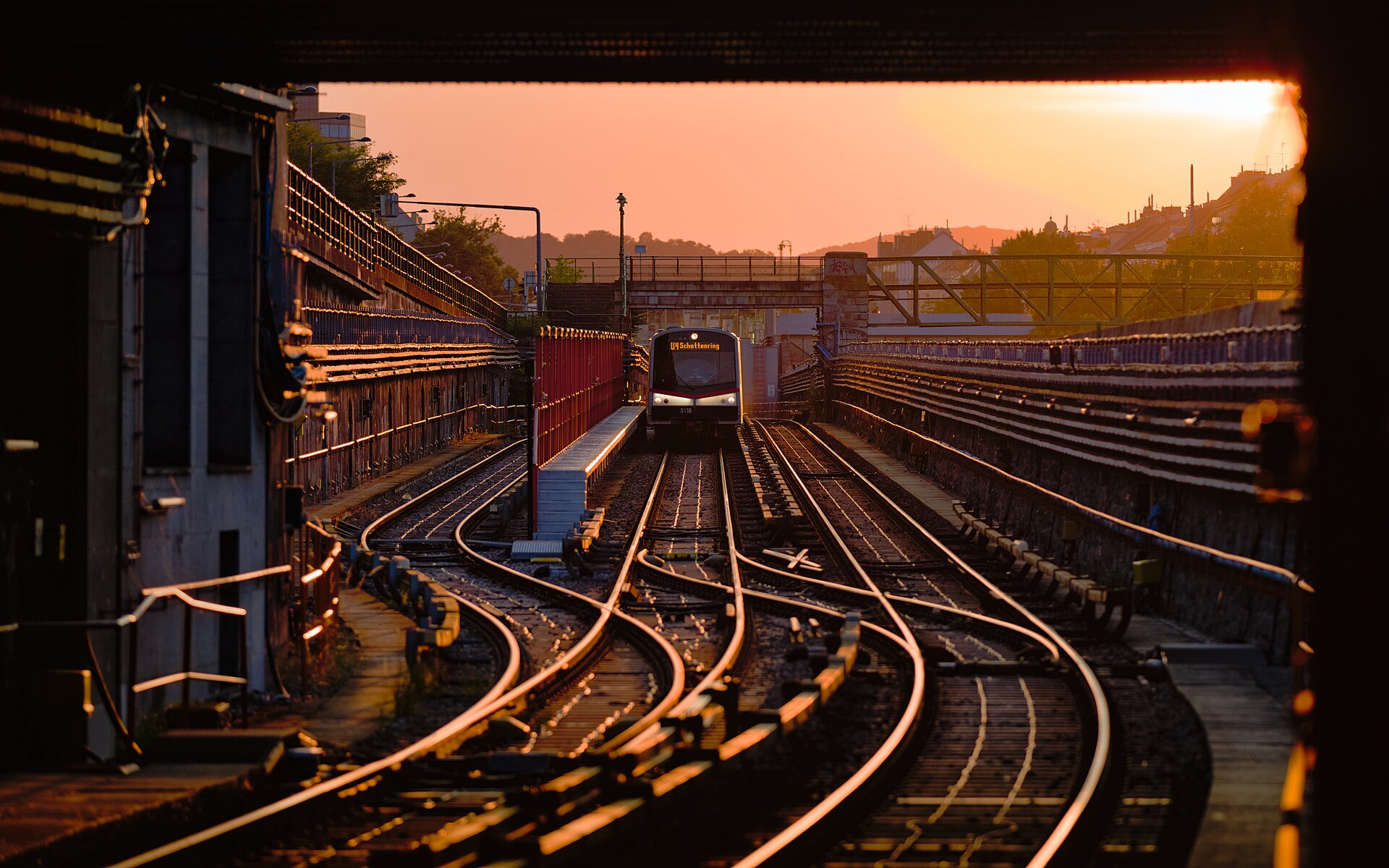
The Wiener Linien network covers U-Bahn, trams, and buses on one ticket. A 24-hour pass is about 8 euros, a 7-day pass about 17. Tickets are honor system; inspectors check, and the fine is about 105 euros.
For longer trips, ÖBB trains run from Wien Hauptbahnhof to Salzburg, Graz, Munich, and Prague. Ride-sharing works (Uber, Bolt, Free Now). Austria drives on the right; an International Driving Permit is recommended for non-EU visitors.
Language, Customs & Etiquette
German is the official language. The most useful greeting is Grüß Gott, any time of day; among friends, Servus. Most people in central Vienna speak conversational English.
- Tipping: 5 to 10 percent, handed to the server when you pay.
- Dining: hands on the table (not elbows), Continental fork-and-knife, eye contact on a "Prost".
- Bargaining is not a thing, even at the Naschmarkt.
- Skip jokes about WWII history with people you just met.
Safety & Security
Austria is one of Europe's safest countries. Violent crime against tourists is rare. Realistic risks: pickpocketing around Stephansplatz, on the U-Bahn, and at major train stations; occasional overcharging at cafes near big sights. Solo female travelers report feeling safe at night in central districts.
Emergency: 112 any emergency, 133 police, 144 ambulance, 122 fire. Same-sex marriage legal since 2019; large Pride event each June.
Weather & Climate
Continental climate, so winters are cold and summers can get hot. Pack layers regardless of season.
| Month | Low | High | Notes |
|---|---|---|---|
| Jan | -2°C | 3°C | Christmas markets through Jan 6 |
| Apr | 5°C | 15°C | Park weather |
| Jul | 18°C | 27°C | Hot, humid, thunderstorms |
| Oct | 7°C | 15°C | Wine harvest at Heuriger |
Best months for nomads: May, September, early October.
Logistics & Practical Info
- Plugs: Type F (Schuko), 230V/50Hz. Type C also fits.
- Time zone: CET (UTC+1), CEST (UTC+2) late March to late October.
- Tap water: Excellent. Direct from Alpine springs.
- WiFi: Reliable in cafes, hotels, apartments. Public WiFi is patchy outside main squares.
- SIM cards: A1, Magenta, Drei. Prepaid tourist SIMs at airport for 10-20 euros, 5-15 GB, EU roaming included.
- Censorship: Minimal. Nazi-related content is restricted.
Attractions & Activities
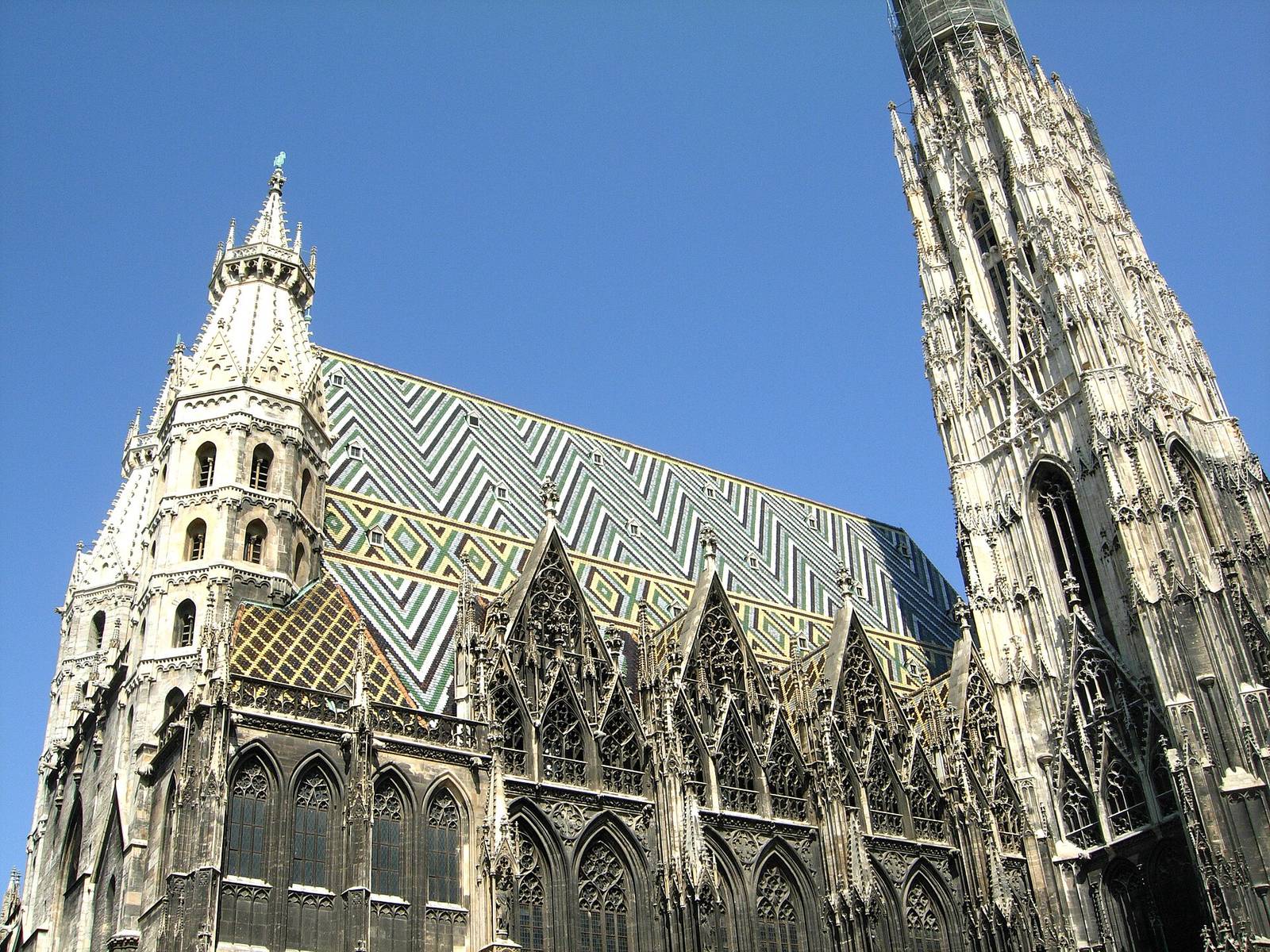
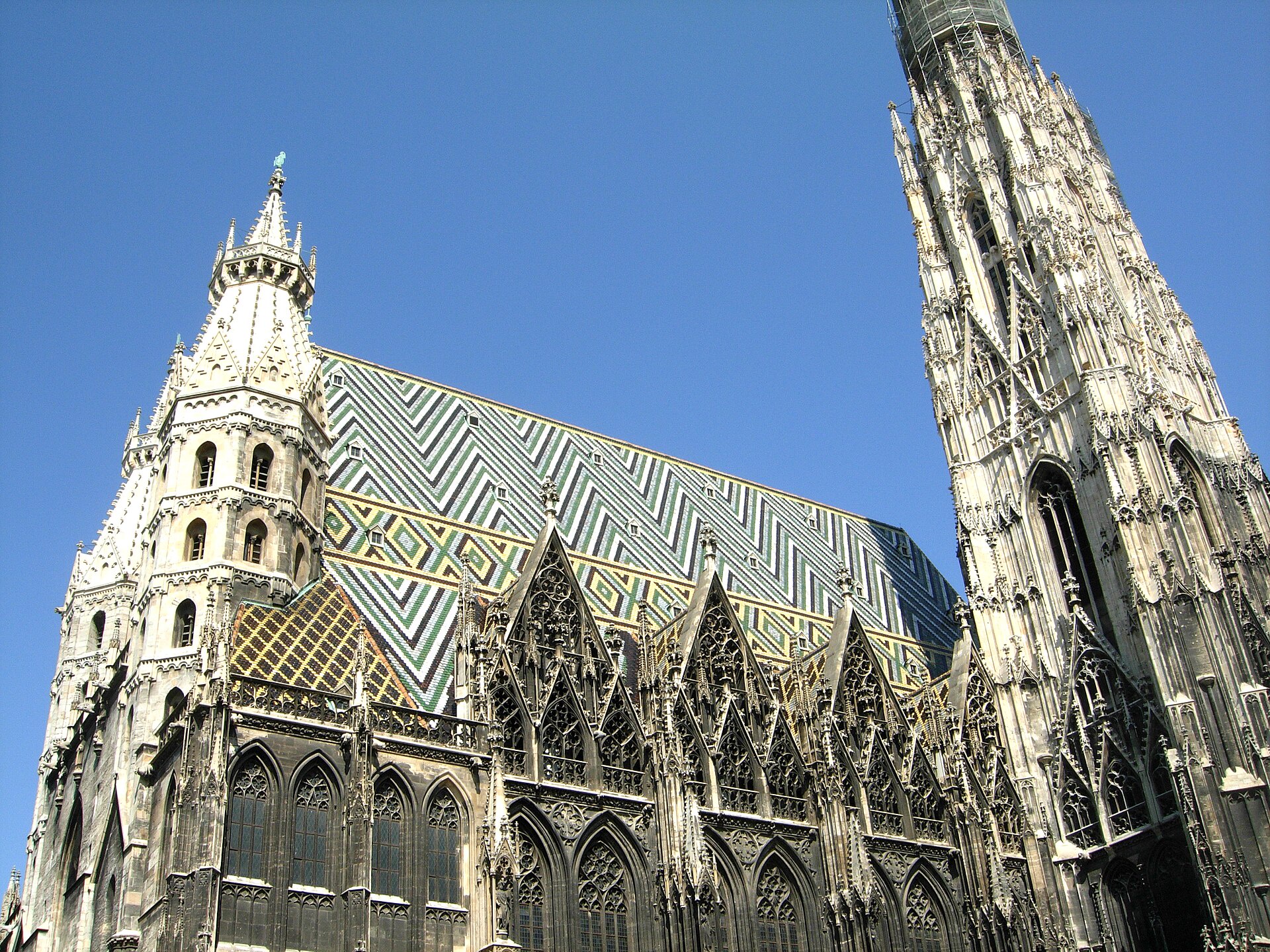
The classic loop: Stephansdom (cathedral, Wikipedia), Hofburg Imperial Palace (Wikipedia), the Ringstrasse boulevard with its 19th-century buildings (State Opera, Parliament, Rathaus).
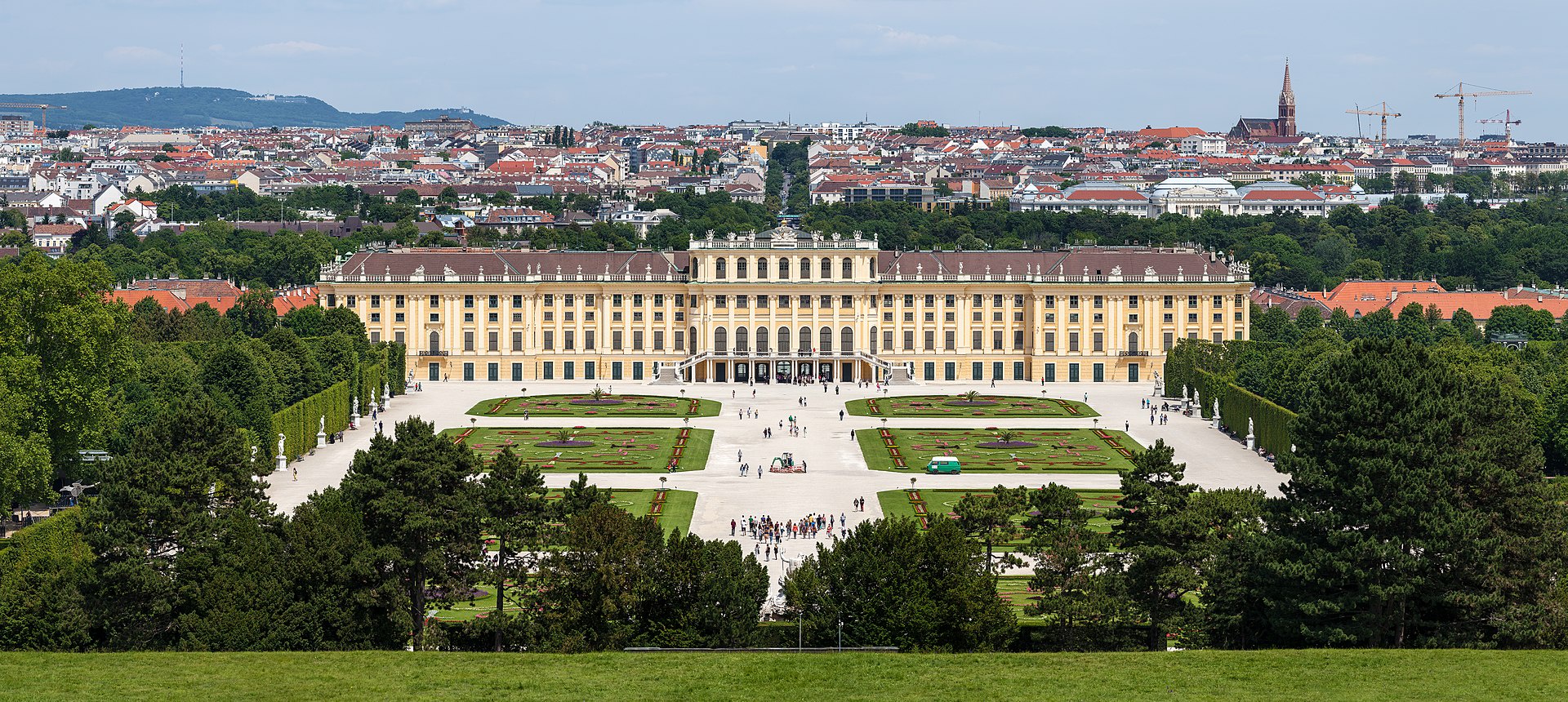
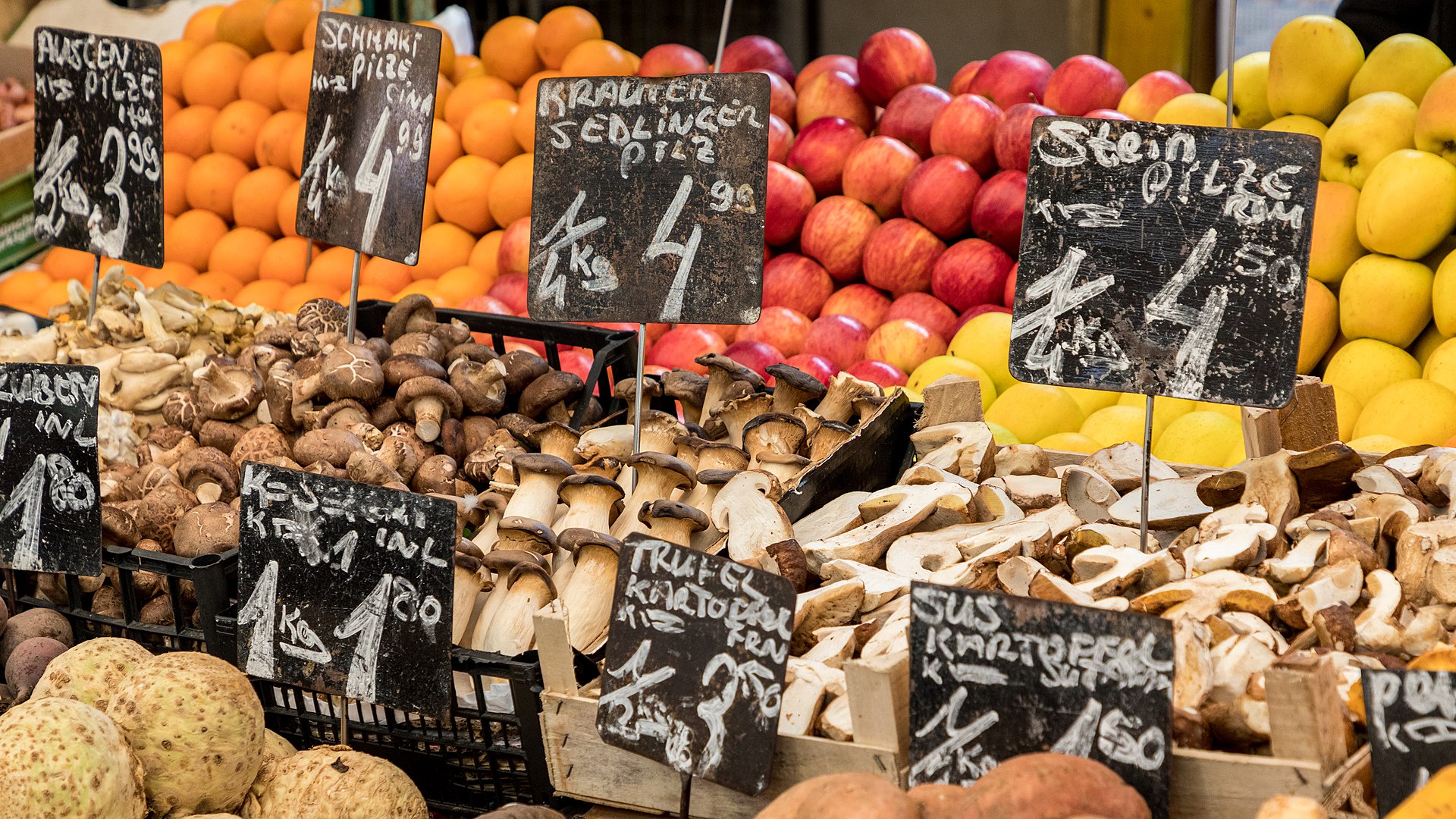
A 30-minute U-Bahn ride takes you to Schönbrunn Palace (Wikipedia), the Habsburg summer residence with formal gardens. The MuseumsQuartier holds the Leopold, MUMOK, and Albertina museums. The Naschmarkt (Wikipedia) is a working food market with Austrian, Turkish, and Levantine stalls and sit-down restaurants.
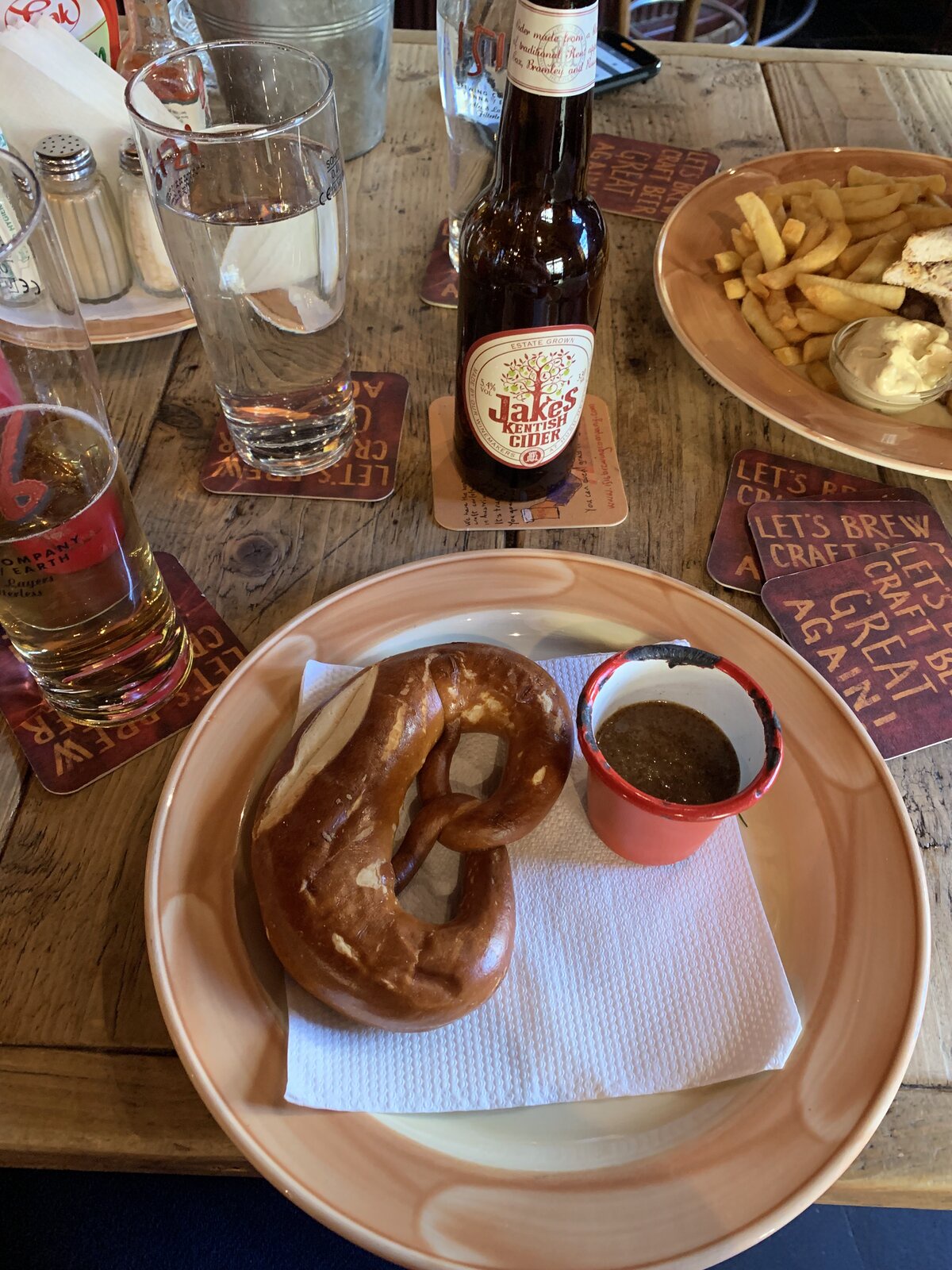
Dishes to order: Wiener Schnitzel (proper version is veal), Tafelspitz, Sachertorte, Apfelstrudel, and Kaiserschmarrn (a torn sweet pancake with stewed plums). A pretzel and a beer at a neighborhood pub is also a fine lunch. For the traditional list in a vaulted cellar setting, Melker Stiftskeller on Schottengasse is a reliable pick.
Plan around: Vienna Ball Season (Jan-Feb), Vienna Festival (May-Jun), Donauinselfest (free three-day music festival, late June), and Christmas markets from mid-November to December 24.
Health & Medical
Healthcare is high quality. Public hospitals expect upfront payment from non-EU visitors (claim back through travel insurance); EU citizens with EHIC pay little or nothing. Pharmacies are well-stocked, but non-EU prescriptions usually need re-issuing by an Austrian doctor for controlled meds.
No tropical disease risks. Tick-borne encephalitis exists in forested areas in summer; vaccine recommended for serious hiking. Tap water and street food are safe. Vegetarian and vegan options are easy in central Vienna.
Demographics & Government
Austria is a federal parliamentary republic with nine states. The Chancellor leads government, the President is head of state. EU member since 1995, not in NATO. No official state religion, though the Catholic Church has special legal recognition.
Legal & Substances
- Marijuana: Decriminalized for personal use in small amounts but not legal. Sale and cultivation are still prosecuted. Medical use by prescription.
- Alcohol in public: Generally allowed in parks and on streets. Some U-Bahn lines restrict it.
- Smoking: Banned in all enclosed public spaces since 2019. Outdoor terraces are fine.
- Drinking age: 16 for beer and wine, 18 for spirits.
Customs & Shopping
Leaving for non-EU destinations: standard EU duty-free allowance (200 cigarettes, 1L spirits over 22%, goods up to 430 euros by air, 300 by land). Antiques over 50 years old need an export permit. Sundays are dead for shopping; only train station shops and gas stations stay open.
Accessibility & Inclusion
Vienna is one of the more accessible European capitals. U-Bahn elevators at most stations, low-floor trams on most lines, ramps at major museums and palaces. The historic center has cobblestones that can be tough on wheelchair wheels, but most of the city is navigable. Schönbrunn and the MuseumsQuartier publish detailed accessibility info.
Digital Nomad Corner
Internet is fast (fiber is common), the city is safe, and a furnished one-bedroom in inner districts runs 1,200-1,800 euros per month if you avoid the absolute center.
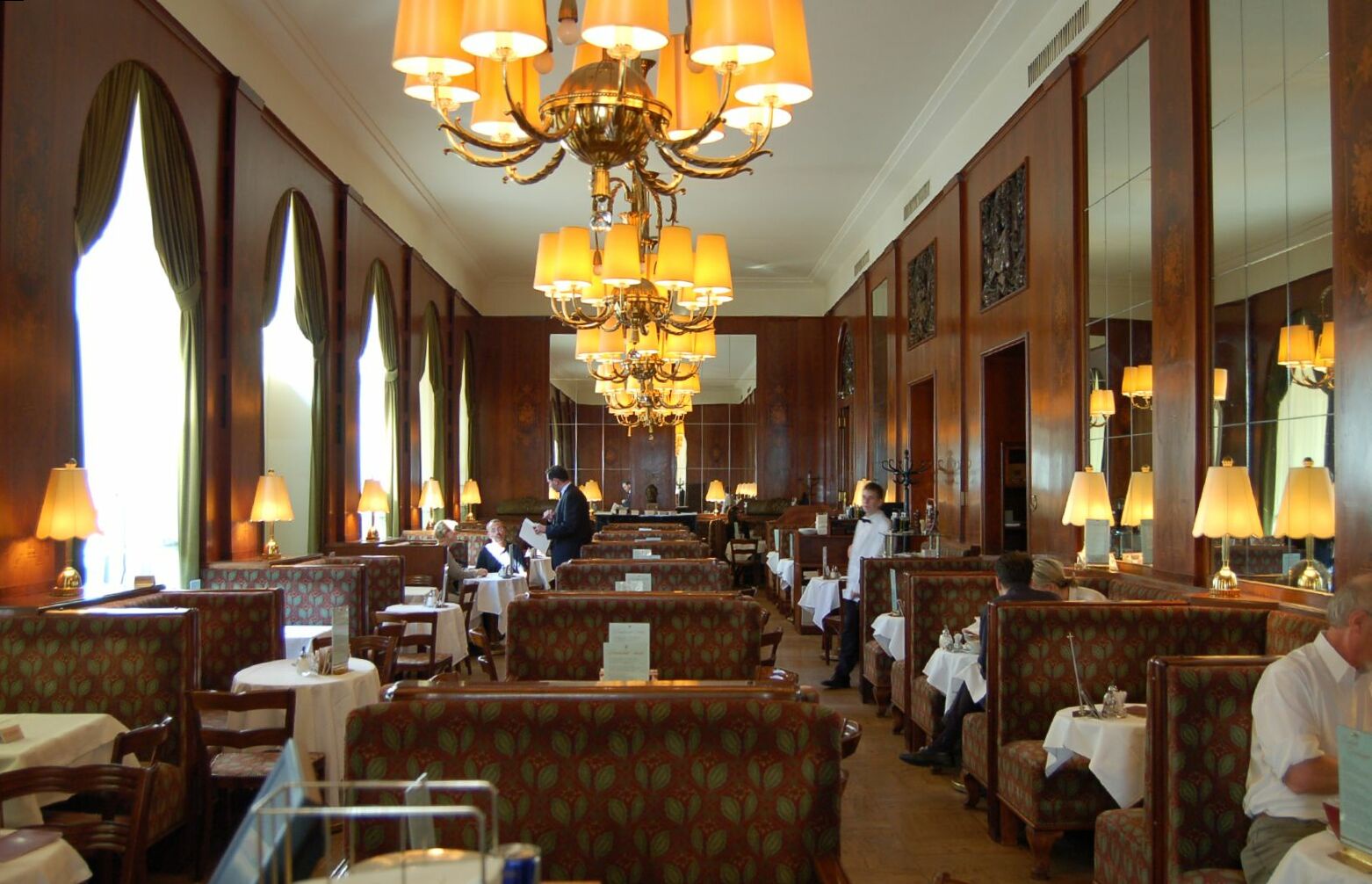
Coworking: Talent Garden (Liechtensteinstraße), Stockwerk (Pater-Schwartz-Gasse), Andersplatz. Day passes 20-30 euros, hot-desks 250-400/month. The historic cafes (Central, Landtmann, Sperl, Hawelka) encourage long sits but are touristy; neighborhood cafes in the 7th, 6th, and 8th districts are quieter and cheaper.
Visa: US, UK, Canadian, Australian, and most other passport holders get 90 days in any 180-day Schengen period. For longer, the Red-White-Red Card (skilled workers) or Selbständige permit (freelance) require advance application from outside Austria.
Monthly cost for a single nomad outside the center: rent 1,200-1,800, groceries 300-450, transit 51, gym 40-60, eating out 250-400. Total roughly 2,000-2,800 euros.
Practical tip: Buy the annual Wiener Linien pass for 365 euros if you are staying more than seven months. It pays for itself in 22 weeks and covers every tram, bus, and U-Bahn line.
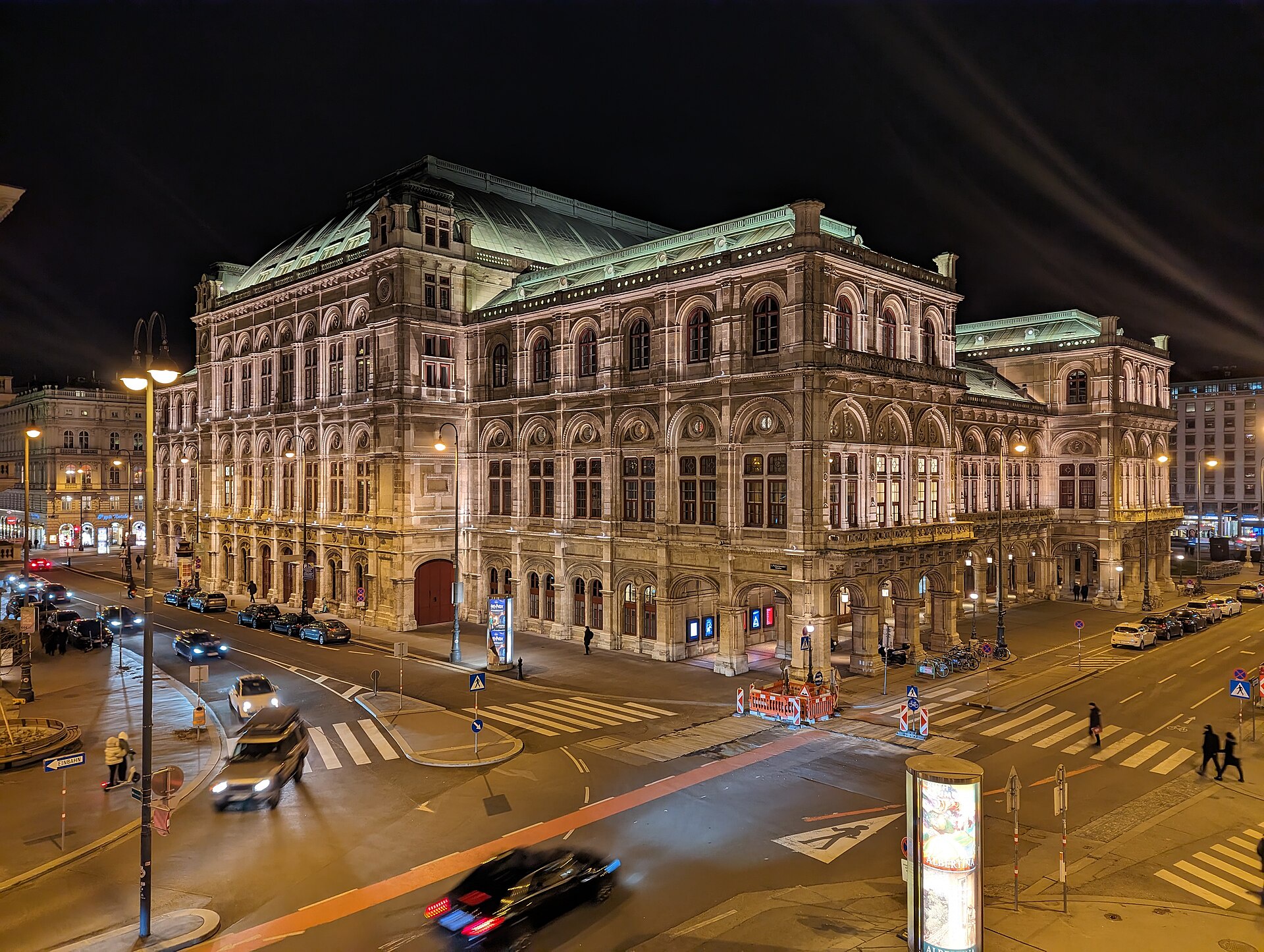
Photo credits: Wikimedia Commons contributors (CC BY-SA / CC BY) and personal photos.
Keep planning: Acadia National Park Guide: Maine's Coastal Peaks, Aceh, Indonesia: A Practical Travel Guide and Acre: Brazil's Amazon Frontier.