Barcelona & Catalonia: Spain's Creative Capital
Nomad Toolkit
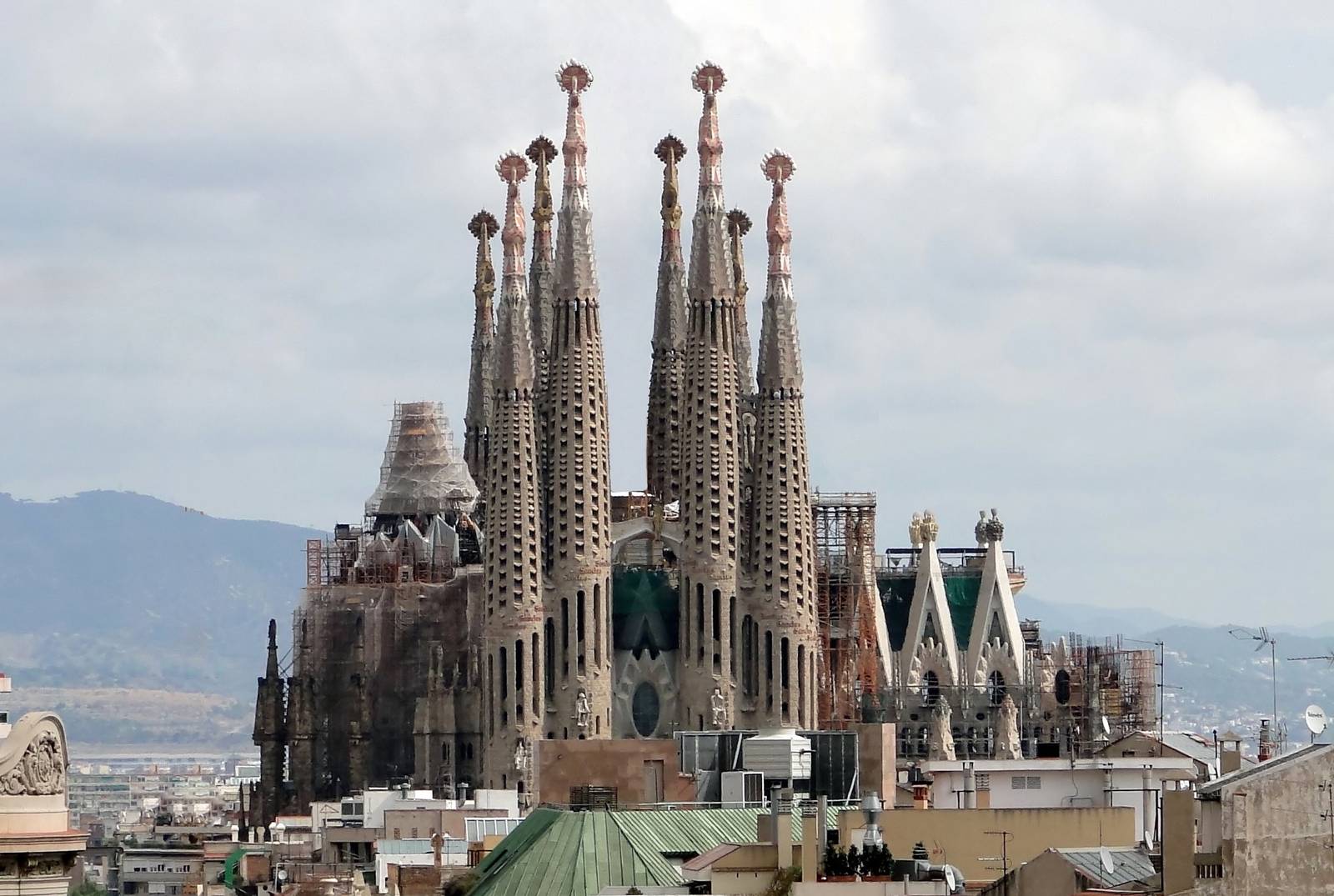
Catalonia is Spain's northeastern autonomous community with 7.7 million residents, two co-official languages, and Barcelona as a capital that draws 12 million overnight visitors per year. The region extends from the French border south along the Mediterranean coast, taking in the Costa Brava, the Pyrenean foothills, and the Penedès wine country.
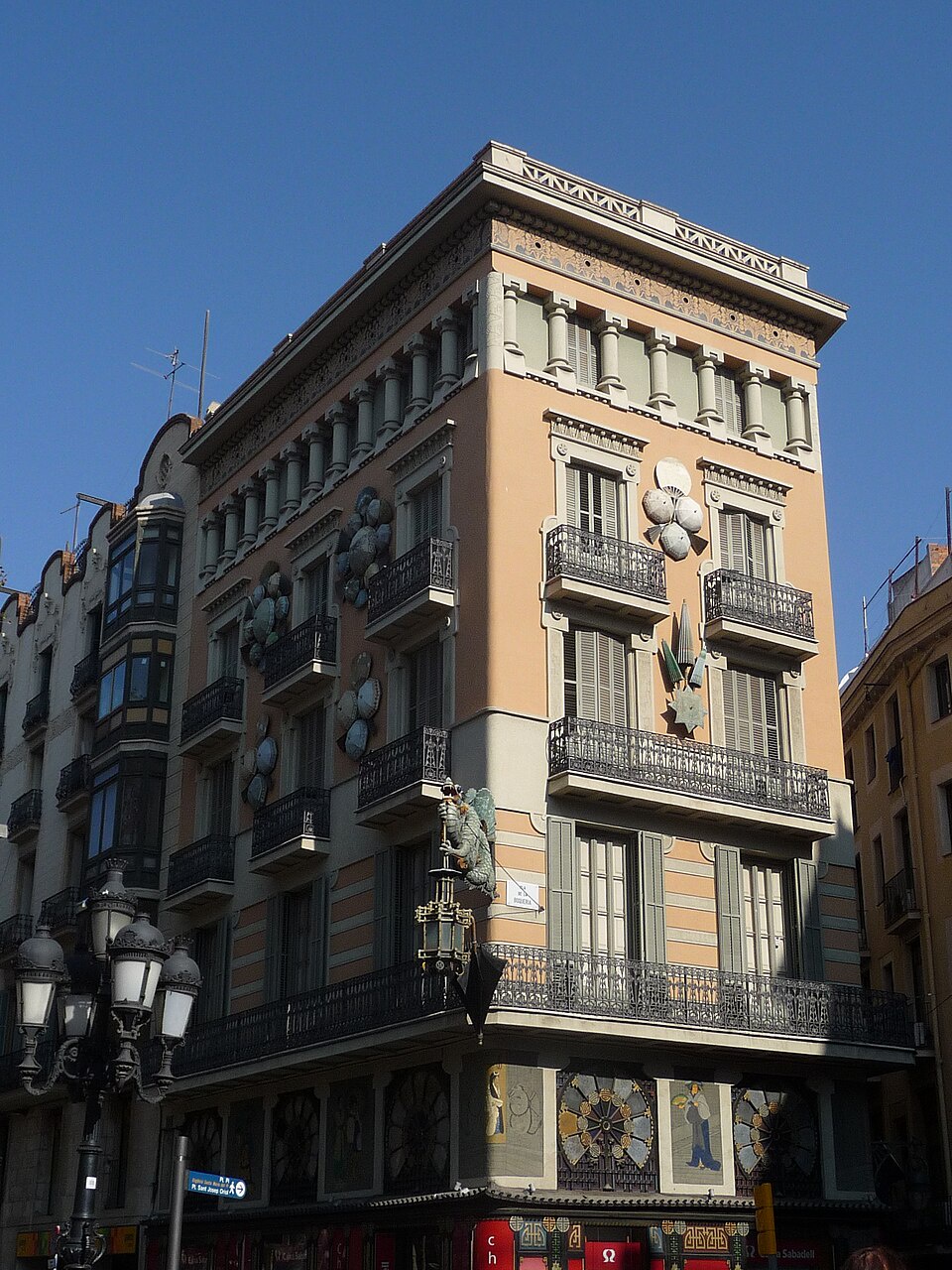
Overview & Vibe
Barcelona sits on a 101-square-kilometer coastal plain between the Collserola hills and the sea. The Eixample grid, designed by engineer Ildefons Cerdà in 1860, defines the city's central neighborhoods with octagonal block corners that create open intersections throughout. The Gothic Quarter preserves the street layout of Roman Barcino, founded around 10 BCE.
Catalan identity shapes the city visibly: street signs are in Catalan first, menus default to Catalan, and locals greet with Bon dia. Spanish works everywhere. The region's independence movement has been prominent since 2017, though day-to-day life is calm and the political question rarely affects travelers.
A Brief History
Louis the Pious, son of Charlemagne, took Barcelona from Umayyad control after a siege in 801 and made it the seat of the Counts of Barcelona. The county's 1137 dynastic union with Aragon produced the Crown of Aragon, a maritime power that ruled Sicily, Naples, and, at its 13th-century height, Athens. The city fell to Bourbon forces on September 11, 1714 after a year-long siege, a defeat that ended Catalonia's separate institutions and that Catalans now mark as their national day. The 1992 Olympics remade Barcelona again, clearing industrial buildings from the waterfront and adding three kilometers of new beach.
Transportation
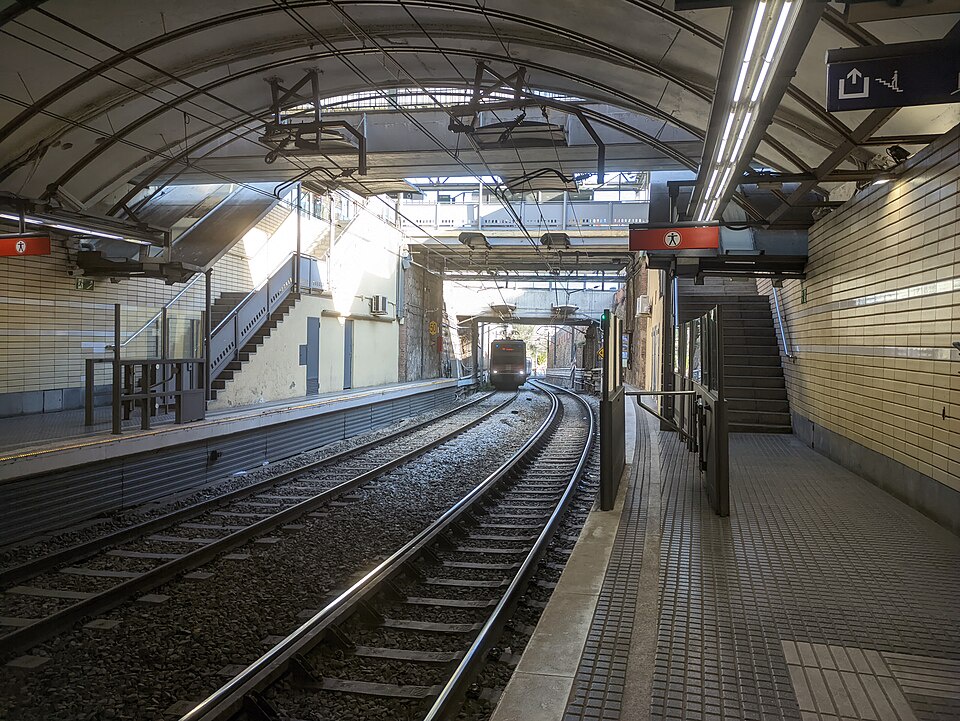
- Metro, bus and the Montjuïc funicular share fares. A single ticket is €2.90 and the T-casual (10 trips, zone 1) is €13.00 for 2026.
- For a month-long stay, the T-usual gives unlimited zone 1 travel for 30 days at €22.80.
- From the airport, metro line L9 Sud serves T1 and T2 with a dedicated €5.90 airport ticket. Regular tickets are not valid there.
- Walking covers most of the center; Eixample to the old town takes about 20 minutes.
- The Hola Barcelona card covers unlimited travel for up to 5 days and includes the airport metro.
AVE trains reach Madrid in 2.5 hours (€35-65) and the French border at Perpignan in 50 minutes (€15-35). Renfe regional trains serve Girona in 38 minutes (€7.70 return) and Tarragona in 55 minutes (€7.50 return).
Language, Customs & Etiquette
Catalan and Spanish are both official. In Barcelona, Spanish is universally understood; English is standard in tourist and business contexts. Opening with Bon dia (good morning) or Gràcies (thank you) is a small courtesy locals notice. The social greeting is two cheek kisses (right-left) in informal settings and with people you already know. Dinner before 9pm marks you as a tourist; restaurants fill between 9 and 11pm. Tipping is discretionary: 5-10% at sit-down restaurants is the norm, rounding up at bars is fine. Bargaining is not customary in established shops.
Safety & Security
Barcelona has a pickpocketing problem in specific zones. La Rambla, the Gothic Quarter, Barceloneta beach, and the L3 metro near Drassanes are the highest-risk areas. Bag-snatching from café tables and organized distraction theft operate near major attractions. Use a crossbody bag, keep phones in front pockets, and don't leave devices visible on tables. The rest of Catalonia, including Girona, Tarragona, and the Costa Brava, is low-risk. Violent crime against tourists is rare throughout the region. Emergency: 112. Mossos d'Esquadra (Catalan police): 088.
Weather & Climate
Barcelona has a Mediterranean climate: warm, dry summers and mild, wet winters. Best months: May, June, September, and October for warm weather and manageable crowds.
| Period | High | Low | Rain |
|---|---|---|---|
| Jan–Feb | 14–15°C | 7–8°C | 5–6 |
| Mar–Apr | 17–19°C | 10–12°C | 6–8 |
| May–Jun | 23–27°C | 16–20°C | 4–7 |
| Jul–Aug | 30°C | 22–23°C | 2–3 |
| Sep–Oct | 21–26°C | 16–20°C | 6–8 |
| Nov–Dec | 14–17°C | 8–11°C | 5–6 |
Logistics & Practical Info
- Plugs: Type C and Type F (Schuko), 230V/50Hz
- Time zone: CET (UTC+1 winter), CEST (UTC+2 summer)
- Tap water: Safe; heavily chlorinated in central Barcelona, lighter in smaller Catalan towns
- SIM cards: Orange, Vodafone, and Movistar at El Prat airport and city stores; €10-20 for 20-30GB (passport required)
- WiFi: Fast and reliable at coworking spaces and hotels; variable at small bars
- Censorship: None; EU regulations, no blocked platforms
Attractions & Activities
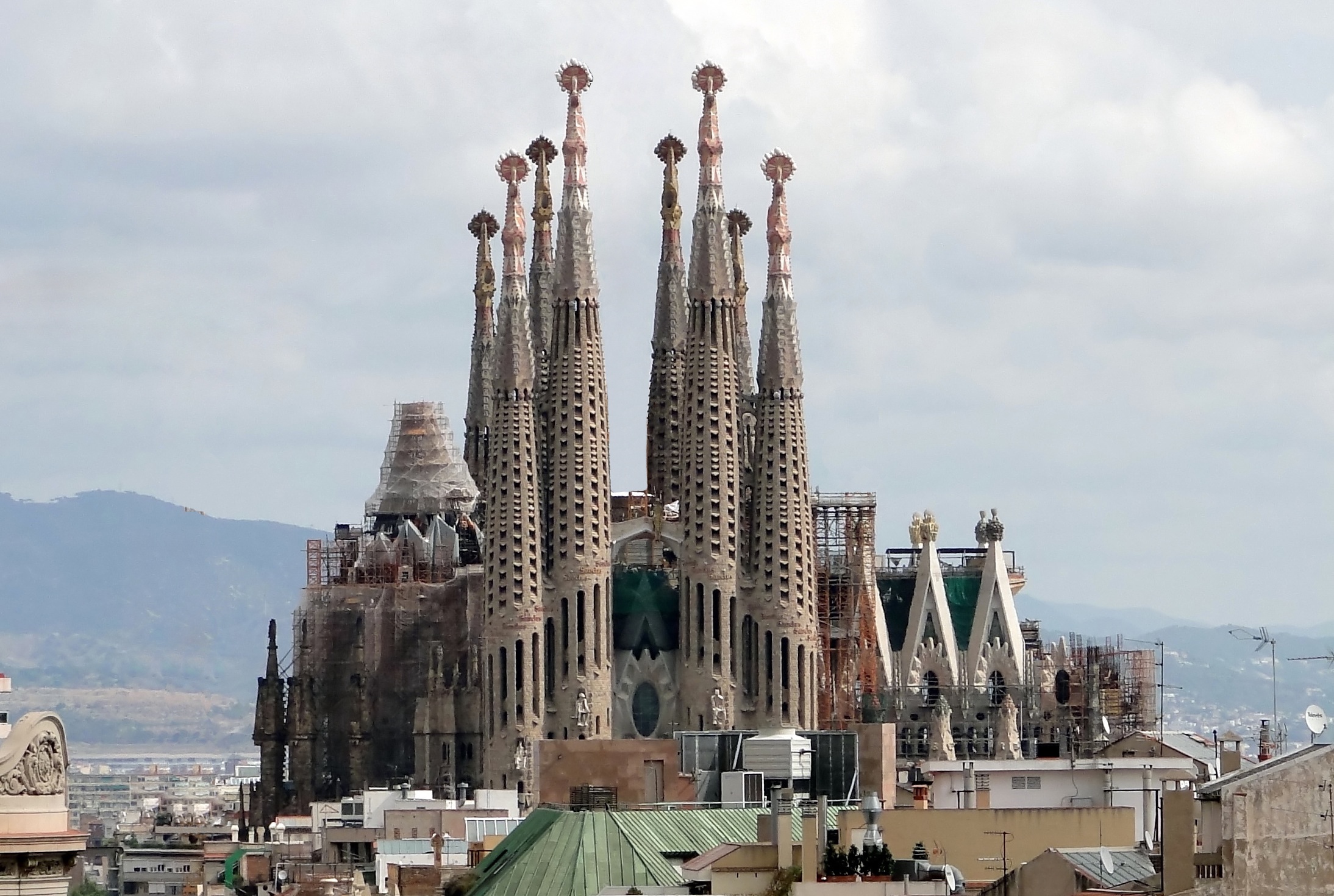
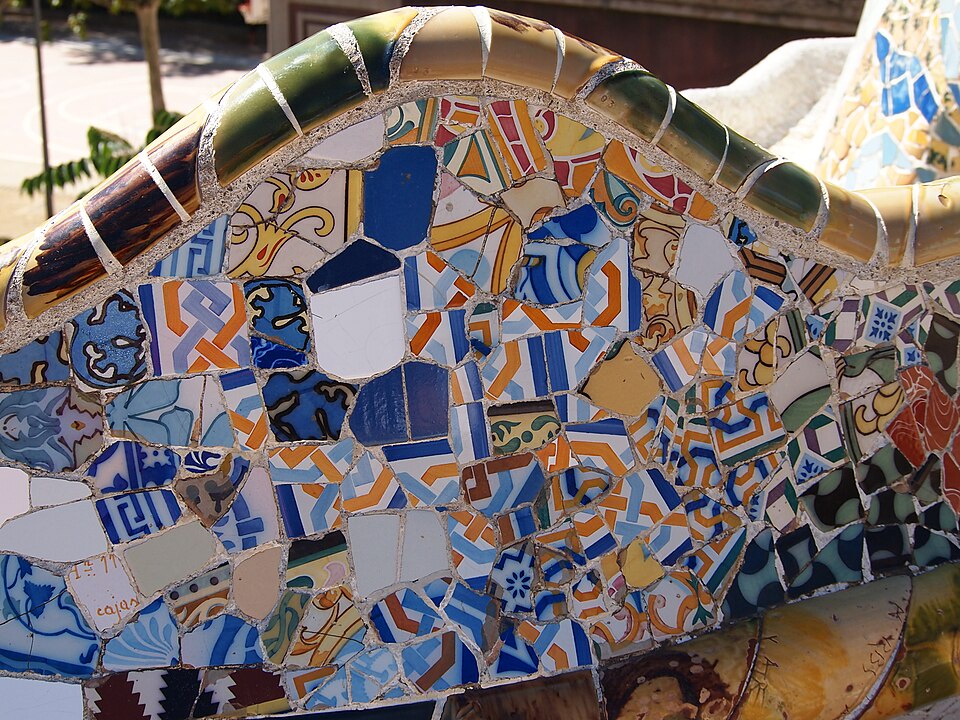
The Sagrada Família (Wikipedia) has been under construction since 1882; entry is €26, tower access €36. Book two weeks ahead in summer. Park Güell's monumental zone (Wikipedia) costs €10 and limits visitors to 400 per 30-minute slot. On Passeig de Gràcia, La Pedrera (€28; Wikipedia) has a more unusual rooftop sculpture garden than Casa Batlló (€35; Wikipedia). The Picasso Museum in El Born holds the full Las Meninas series (€14; free on Thursdays after 6pm).
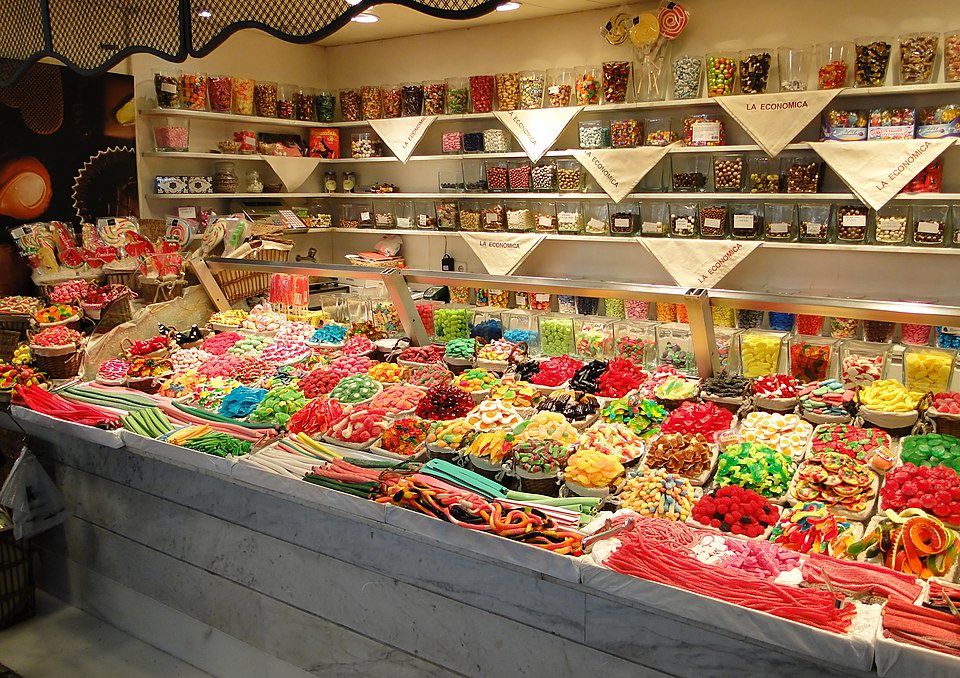
Pa amb tomàquet (bread rubbed with tomato and olive oil) costs €2-4 at any bar and is the essential Catalan food. The Mercat de Sant Antoni (Eixample, reopened 2019) is a better daily-market experience than the tourist-heavy La Boqueria. Penedès cava starts at €3-4 a glass at bars in El Born. Day trips: Girona's medieval Jewish quarter is 38 minutes by train; Montserrat's mountain monastery is 1.5 hours via rack railway from Plaça Espanya.
Health & Medical
EU citizens with a valid EHIC card receive public healthcare coverage. Non-EU visitors pay upfront and claim reimbursement from their travel insurance afterward. Hospital Clínic (Eixample) and Hospital de la Vall d'Hebron (north) are the main teaching hospitals. Pharmacies (green cross) are on every main street; a farmàcia de guàrdia is always open 24 hours per district. No vaccinations are required for entry. Spain has no endemic diseases of concern for travelers. Vegetarian restaurants cluster in Gràcia and the Eixample; vegan options are widespread throughout central Barcelona.
Demographics & Government
Catalonia has 7.7 million residents; the Barcelona metropolitan area holds 5.5 million across 164 municipalities. Spain is a parliamentary constitutional monarchy with 17 autonomous communities. Catalonia's Generalitat has its own parliament, president, and police force. Approximately 58% of Spaniards identify as Catholic, though weekly attendance is lower among younger generations. Barcelona has significant communities from Pakistan, China, Italy, France, and Latin America.
Legal & Substances
Marijuana is decriminalized for private consumption but illegal in public; administrative fines apply for outdoor use. Cannabis social clubs operate in a legal gray area in Catalonia and can be joined by local residents. Alcohol is legal from age 18. Barcelona bans public street drinking in most neighborhoods, with fines of €100-600. Smoking is prohibited in all enclosed public spaces and increasingly restricted on beaches and in parks.
Customs & Shopping
EU duty-free allowances: €430 by air or sea. Global Blue VAT refunds on purchases over €154.94. Worth buying: handmade espadrilles from La Manual Alpargatera (Carrer Avinyó 7, Gothic Quarter, since 1941, €25-60), artisan ceramics from El Born workshops (€10-40), and Penedès cava from producers' own shops (€5-12 per bottle).
Accessibility & Inclusion
Metro lines L1, L2, L3, L4, L5, L9, and L10 have lifts at most stations; L6, L7, and L8 have limited access. The Gothic Quarter's cobblestones are challenging for wheelchair users. Barceloneta beach has adapted beach chairs and a firm mat to the waterline. Barcelona hosts Pride Barcelona each June, and the Gayxample LGBTQ+ district sits in the central Eixample between Consell de Cent, Muntaner, Gran Via, and Balmes.
Neighborhoods & Where to Stay
- Gràcia: village-style squares, local bars and a short walk to Park Güell. Quieter at night than the old town.
- Eixample: central, walkable and close to Passeig de Gràcia and the Sagrada Família, with the best metro access.
- El Born: old-town lanes, small museums and bars, but noisy streets and higher rents.
- Poblenou: former industrial district by the beach with a tech and coworking cluster.
Digital Nomad Corner
Barcelona costs 30-40% less than London or Paris. A one-bedroom in Eixample rents for €900-1,400 per month; Gràcia and Poblenou average €800-1,100. Coworking options: OneCoWork at Arc de Triomf (€15/day, €200/month, fiber), Aticco at multiple Eixample locations (€12-15/day), and MOB at Carrer de Bailèn 12 (€12/day, €160/month). The Poblenou @22 innovation district has larger spaces for teams.
Spain's Digital Nomad Visa (2024) covers non-EU remote workers earning at least €28,000 annually from foreign clients. Valid one year, renewable annually; apply at a Spanish consulate before travel. EU citizens stay indefinitely. Non-EU visa-exempt nationals (US, Canada, Australia) get 90 days per 180-day Schengen period. Barcelona has active monthly nomad meetups through Internations and local Slack communities.
Keep planning: Alicante: The Costa Blanca Capital, Andalusia: Seville, Granada & the Costa del Sol and Paella Valenciana: The Traditional Spanish Recipe.
Barcelona: 2.5 hours from Madrid by AVE, 38 minutes from Girona, 50 minutes from the French border.