Paella Valenciana: The Traditional Spanish Recipe
Nomad Toolkit
Paella is the dish Spain is most famous for, and most versions outside Spain get it wrong. The real thing is simple, regional, and almost stubborn about its ingredients. If you've had a version with chorizo and peas at a tapas bar in London, you've had a cousin of paella, not the dish Valencians grow up eating.
This is the recipe I cook most often after time on Spain's east coast. It's paella Valenciana, the original: rice, saffron, rabbit, chicken, two kinds of beans, and a wide shallow pan over a big flame. Once you've made it a few times it becomes the kind of meal you pull out for friends because it looks like a lot of work and isn't.
What Makes a Paella a Paella
Three things define it: the pan, the rice, and the bottom. The pan (a paellera) is wide and shallow so the rice cooks in a thin, even layer. The rice is short-grain (bomba or Calasparra) and drinks stock without turning to mush. The bottom is the socarrat, the caramelized crust of rice that forms against the pan in the last two or three minutes. No socarrat, no paella. You've got rice with stuff on top.
Traditional paella Valenciana uses chicken, rabbit, flat green beans (bajoqueta), white butter beans (garrofón), tomato, saffron, sweet paprika, and rosemary. In Alicante and Valencia you'll also find arroz a banda and seafood paellas, different dishes with shared technique. Start with Valenciana, then branch out.
Ingredients (serves 4)
- 2 cups (400g) bomba or Calasparra rice
- 4 cups (1L) warm chicken stock, plus extra
- 6 bone-in chicken thighs, halved through the bone
- 1/2 rabbit (about 500g) in small pieces, or another 4 chicken thighs
- 150g flat green beans, cut in 2-inch pieces
- 1 can (400g) butter beans or cooked garrofón
- 2 ripe tomatoes, grated (skin discarded)
- 1 tsp sweet Spanish paprika (pimentón dulce)
- A generous pinch of saffron threads
- 3 cloves garlic, minced
- 1 sprig fresh rosemary
- Olive oil, salt
- Lemon wedges
A note on rice: you can substitute arborio in a pinch, but bomba is what you want. It swells three times its size without breaking, which is why Valencian cooks trust it. Big-city grocery stores usually carry it; online it's easy to find.
Gear You Actually Need
A 14 to 16-inch paella pan feeds four. A wide skillet works but the rice layer ends up deeper than ideal, which makes socarrat harder to get. Heat matters too: Spanish cooks use a dedicated paella burner or open wood fire so the flame reaches across the whole pan. On a home stovetop, move the pan around every minute or two for even cooking.
Method
1. Toast the saffron. Crumble the saffron threads into a small dry pan over low heat for about 30 seconds until they smell fragrant. Tip them into your warm stock and let them steep.
2. Brown the meat. Heat 3 tbsp olive oil in the pan over medium-high. Salt the chicken and rabbit, brown well on all sides (8-10 minutes), then push to the edges.
3. Cook the vegetables. Add green beans to the middle of the pan; cook 3 minutes. Add grated tomato and minced garlic. Cook, stirring, until the tomato darkens and most of its water has evaporated, about 5 minutes. This is the sofrito, the flavor base. Don't rush it.
4. Add paprika. Stir in the paprika for 10 seconds only. It burns fast and turns bitter if you let it sit.
5. Add stock and beans. Pour in the saffron stock, scatter in the butter beans, and bring to a strong simmer. Taste for salt now, because once the rice goes in you won't be stirring.
6. Add the rice. Sprinkle the rice evenly across the pan. Shake gently to settle it into a flat layer. Lay the rosemary sprig on top. From this point forward, do not stir. Stirring breaks the socarrat.
7. Cook uncovered. Strong simmer for 10 minutes, rotating the pan every couple of minutes for even cooking. Drop to low simmer for another 8 minutes. The rice should be almost tender, most liquid absorbed.
8. Build the socarrat. Crank the heat back up for the final 2 minutes. Listen. You'll hear a light crackling as the rice caramelizes against the pan. The moment you smell a faint toastiness (before any burn), pull it off the heat.
9. Rest. Cover loosely with foil or a tea towel for 5 minutes. The rice finishes absorbing the last of the stock.
10. Serve. Bring the pan to the table with lemon wedges. Eat straight out of the pan with big spoons, Valencian-style.
What Usually Goes Wrong
Soggy rice. Too much stock, or you stirred. Measure carefully and leave the rice alone after step 6.
Dry, undercooked rice. Not enough stock, or too much flame early. Keep extra warm stock nearby and add a splash if the rice looks parched before 15 minutes.
No socarrat. The pan wasn't hot enough at the end, or you pulled it too early. Blast it at the finish and trust your nose.
Burnt bottom. You stayed past the crackle point. Pull the pan the moment caramel starts turning to smoke.
Regional Variations Worth Trying
Paella de marisco swaps meat for prawns, mussels, clams, and squid. Use fish stock and add the seafood in the last 5 minutes.
Arroz a banda is an Alicante specialty: short-grain rice cooked in a rich fish broth, served without the seafood that flavored the stock (that comes on a separate plate). Deceptively simple and deeply flavorful.
Paella mixta combines meat and seafood. Valencians have opinions about this one; it's delicious, even if purists will scowl.
For Nomads Cooking on the Road
Paella packs well into a nomadic kitchen. In European rentals with basic gas stoves, a small paella pan fits in a suitcase and doubles as a giant skillet. In Asia or Latin America, rabbit is rare but chicken and prawns are everywhere, so seafood or mixta versions work better. A small tin of saffron travels easily and lasts a year.
On a shared stove in a coworking hostel, make it for the whole crew. Nothing bonds a group of strangers faster than a pan of rice cooked slowly in front of them.
What to Drink With It
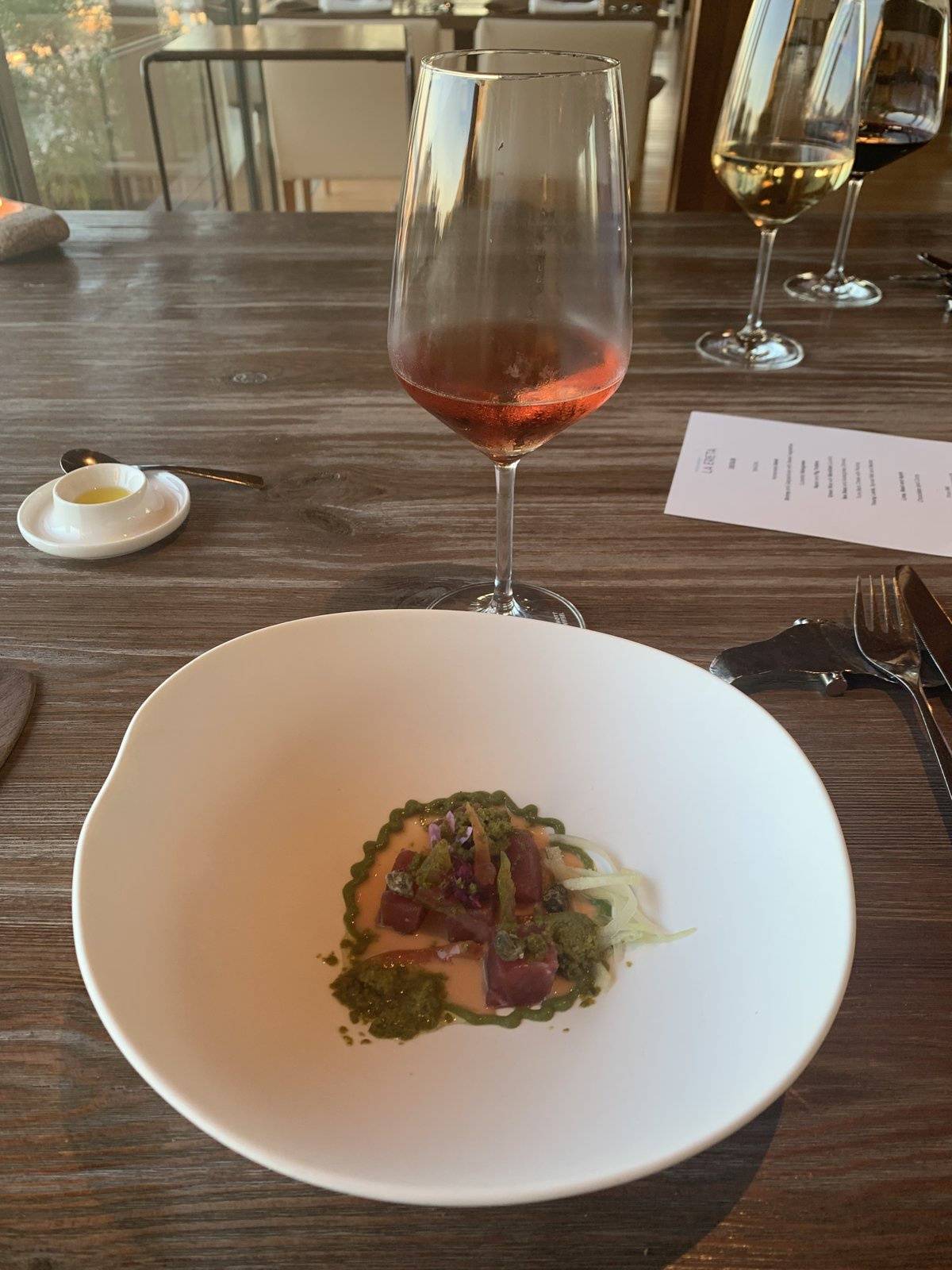
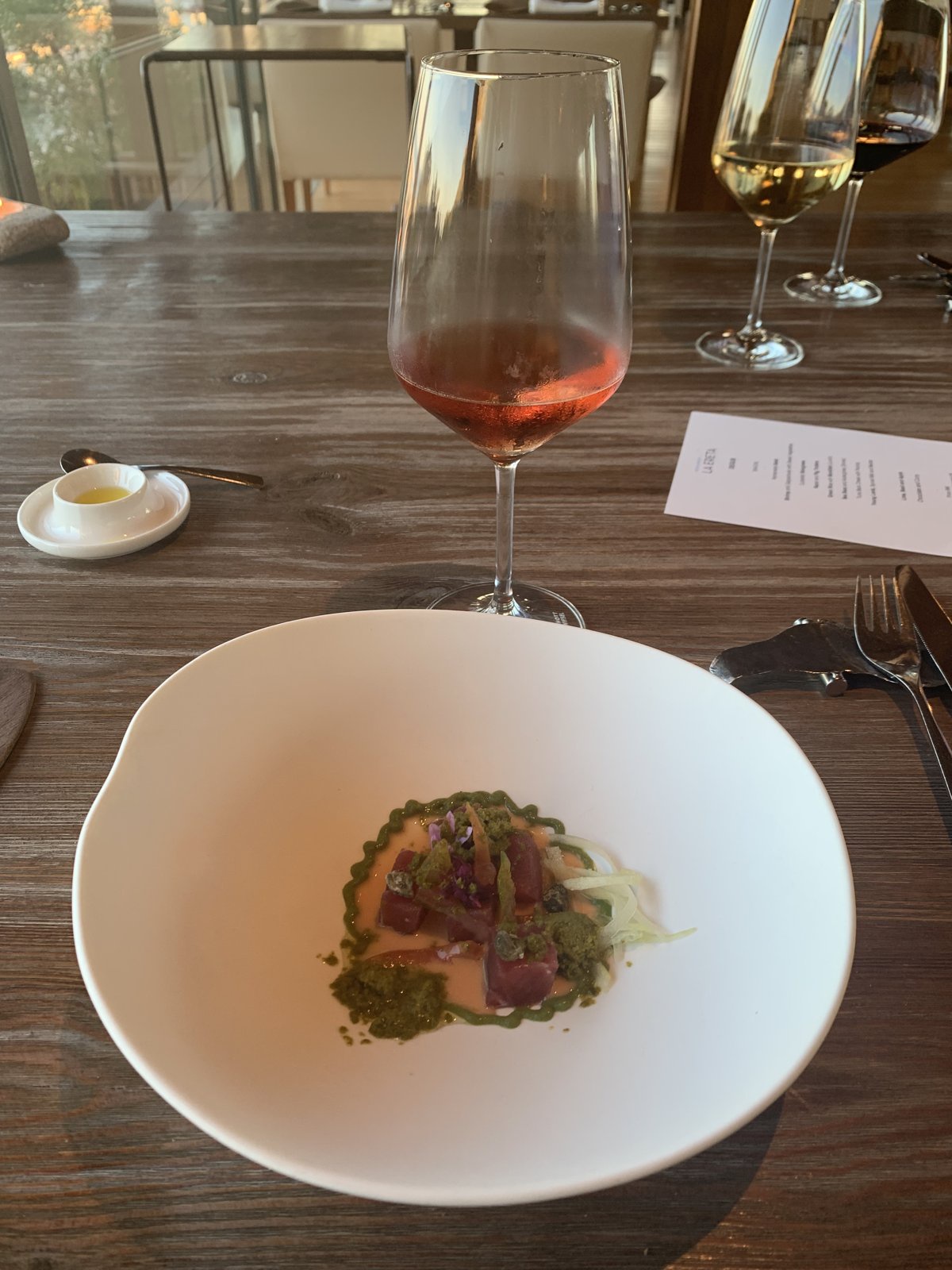
A chilled Spanish rosé from Navarra or Valencia is the classic pairing, light enough to cut the oil without fighting the saffron. Dry cava works if you want bubbles. Skip heavy reds; save those for the meatier northern stews.
Where to Eat Paella in Spain
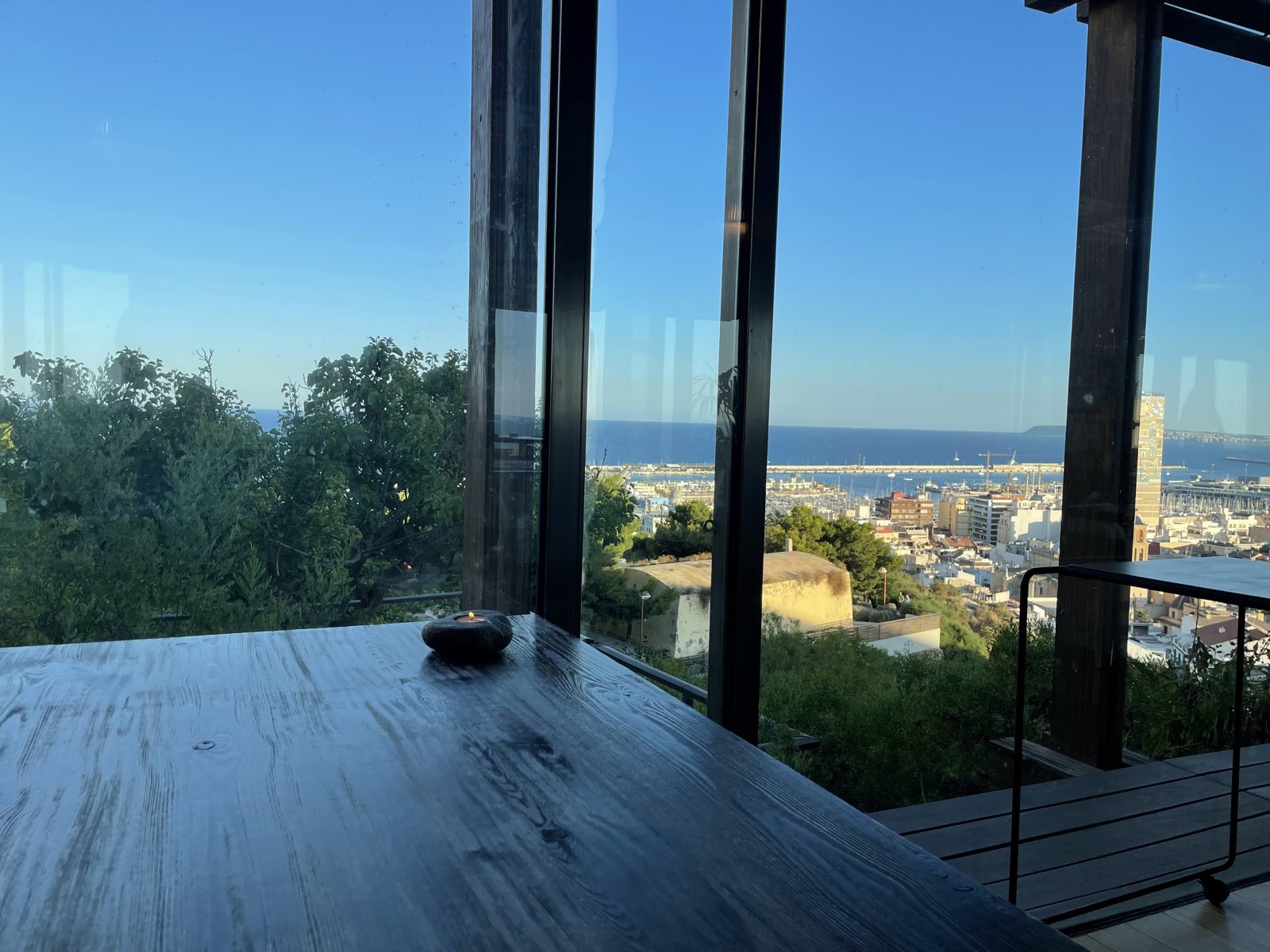
If you're traveling and want the real thing, head to Valencia or the coastal towns south of it. Lunch is the correct time (Spaniards wouldn't eat paella at dinner). Look for restaurants that only serve paella at lunch and require you to order it when you book. Avoid places with photos of paella on the menu near a tourist plaza. Good paella doesn't need to advertise.
Once you've made it yourself a few times, you'll taste the difference immediately. That's the best reason to cook it: your bar shifts, and you know what to look for the next time a pan arrives at your table by the sea.
Keep planning: Alicante: The Costa Blanca Capital, Andalusia: Seville, Granada & the Costa del Sol and Barcelona & Catalonia: Spain's Creative Capital.