Campania: Naples, the Amalfi Coast & Pompeii
Nomad Toolkit
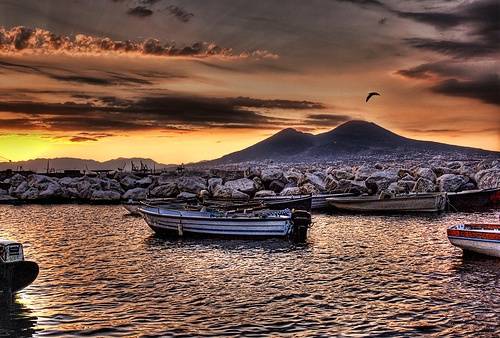
Campania is home to 5.8 million people, the ruins of Pompeii (Wikipedia), 50 kilometers of Amalfi coastline, and the pizza that the rest of the world has been trying to copy for 200 years. The region sits south of Rome along the Tyrrhenian coast, with Naples as its capital and Mount Vesuvius rising 1,281 meters over the bay on a clear day.
Overview & Vibe
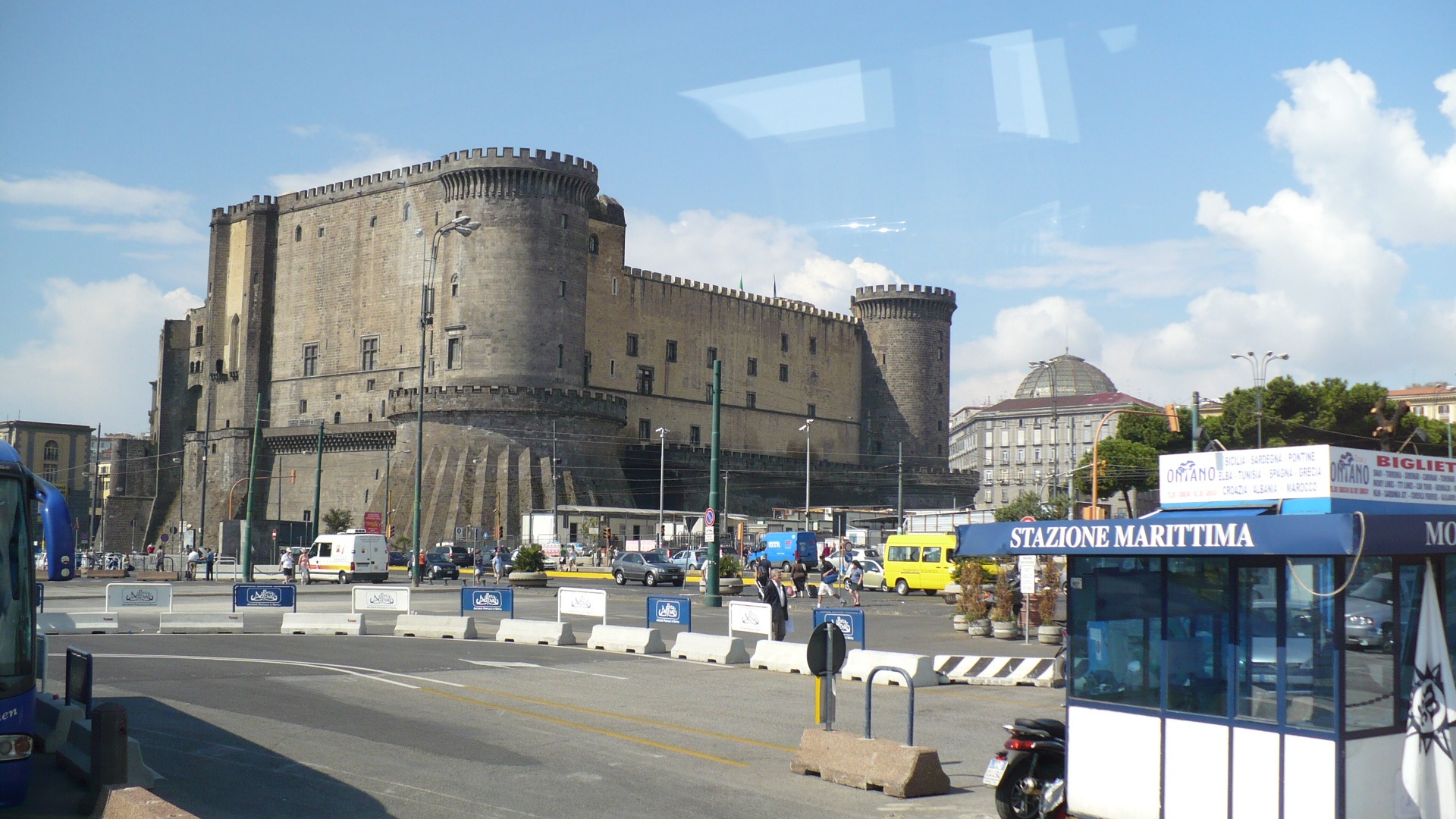
Naples is loud, direct, and chaotic in ways that are difficult to dislike after a day or two. Scooters share lanes with pedestrians, laundry hangs between apartment windows, and a street-bar espresso costs €1.10. It is Italy's third-largest city, with a metro area of 3.1 million people, and functions as the economic and cultural capital of the Italian south.
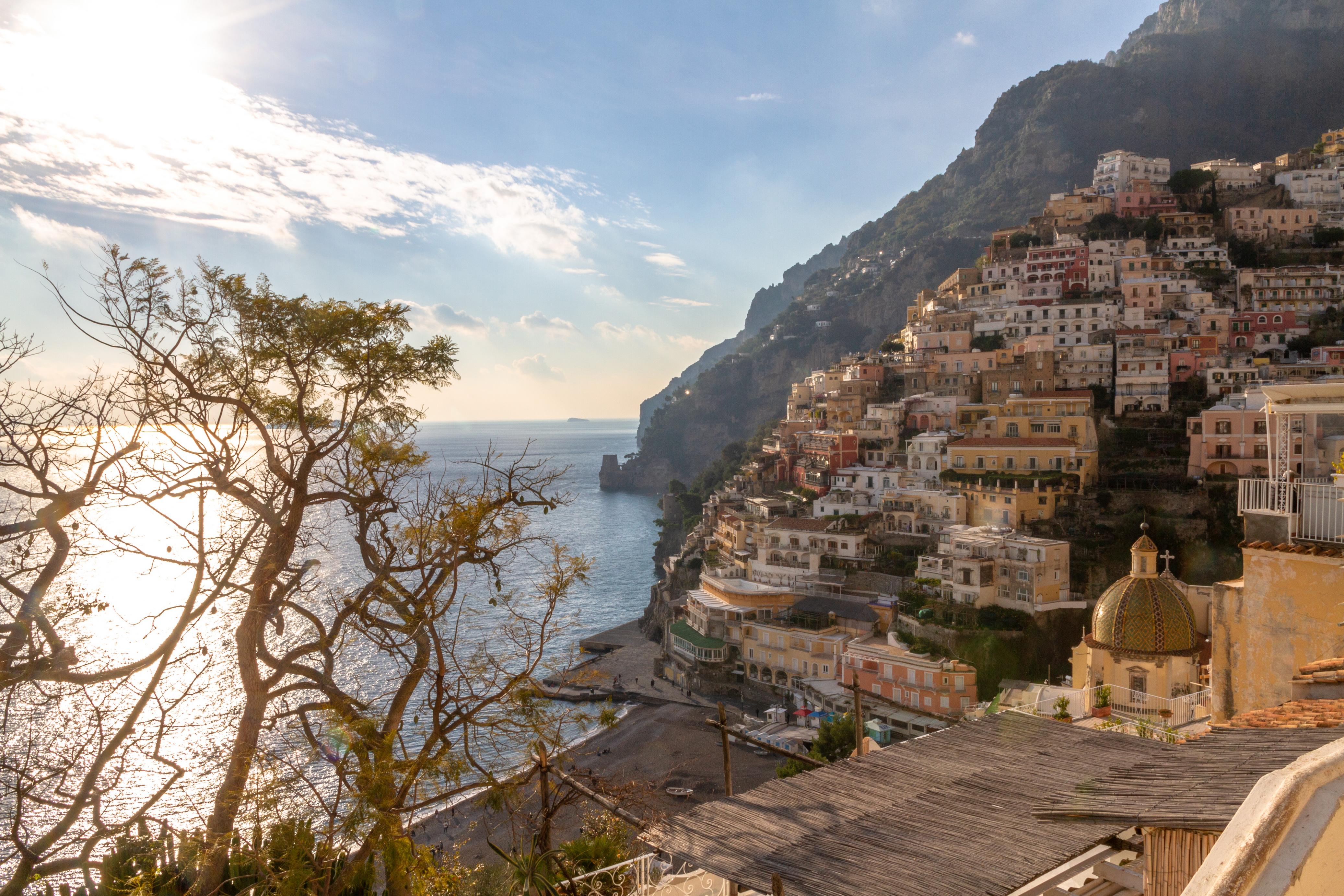
Outside Naples, Campania shifts dramatically. The Amalfi Coast offers seaside towns stacked against limestone cliffs. Pompeii and Herculaneum (Wikipedia) are two of the best-preserved archaeological sites in Europe. Capri is 35 minutes by hydrofoil. Caserta, 30 minutes north by train, has a royal palace with gardens that rival Versailles. The region rewards travelers who want variety without covering large distances.
A Brief History
Greek settlers from the island of Euboea founded Cumae on this coast in the 8th century BC, and Naples itself began as their small port of Parthenope. Rome had absorbed Campania by the end of the 4th century BC, and the eruption of Vesuvius in AD 79 buried Pompeii and Herculaneum in the same afternoon. Centuries of Norman, Spanish, and Bourbon rule followed, and after the Congress of Vienna in 1815 Naples served as capital of the Kingdom of the Two Sicilies until Italian unification in 1861. The kingdom built the first railway on the Italian peninsula in 1839, a short line out of Naples.
Transportation
Frecciarossa trains connect Rome to Naples Centrale in 1 hour 10 minutes, from €20 booked in advance. Within Campania, the Circumvesuviana railway is the essential link: Pompeii costs €2.60 from Naples, Sorrento €4.50, with trains every 30 minutes. Naples has two metro lines plus buses and funicular railways; a single ticket costs €1.60. Taxis from the airport (Aeroporto di Capodichino) to the city center run a fixed €23.
For the Amalfi Coast, SITA buses run the SS163 road from Sorrento to Salerno (€2.50 to €4 per leg). Hydrofoils to Capri depart from Molo Beverello (€22 to €25 one-way). Skip the rental car on the coast: the road is narrow, summer traffic restrictions apply in most towns, and parking is nearly impossible.
Language, Customs & Etiquette
Italian is the official language; Neapolitan dialect is widely spoken. Tourist-area staff generally speak English. Greet with Buongiorno (until early afternoon) or Buonasera (evening). Restaurants add a coperto of €1 to €3 per person. Ordering a cappuccino after lunch marks you as a visitor. Dress for churches: shoulders and knees covered. Bargaining is not customary in established shops.
Safety & Security
Naples has documented petty theft. Bag-snatching from scooters is a real risk near the train station and in the Quartieri Spagnoli at night. Use a crossbody bag, keep phones in front pockets, and avoid the Circumvesuviana after dark with visible luggage. Centro Storico, Chiaia, and Vomero are safe for daytime walking. Pompeii, Herculaneum, and all Amalfi Coast towns are low-risk. Emergency number: 112.
Weather & Climate
Mediterranean climate: hot, dry summers and mild, wet winters. Best months to visit: May, June, September, and October for weather and smaller crowds on the Amalfi Coast.
| Period | High | Low | Rain days |
|---|---|---|---|
| Jan–Feb | 12–13°C | 4–5°C | 8–9 |
| Mar–Apr | 16–19°C | 7–11°C | 7–8 |
| May–Jun | 24–28°C | 15–19°C | 3–5 |
| Jul–Aug | 32°C | 22°C | 1–2 |
| Sep–Oct | 22–27°C | 14–18°C | 5–7 |
| Nov–Dec | 13–17°C | 5–9°C | 9–10 |
Logistics & Practical Info
- Plugs: Type F (Schuko) and Type L (Italian 3-pin), 230V/50Hz
- Time zone: CET (UTC+1 winter), CEST (UTC+2 summer)
- Tap water: Safe throughout the region
- SIM cards: TIM, Vodafone, WindTre at Naples Centrale and airport; €10–20 for 20–30GB (passport required)
- WiFi: Reliable in Naples; patchy on the Amalfi Coast
- Cash: Smaller Amalfi towns often prefer it; ATMs in all towns
Attractions & Activities
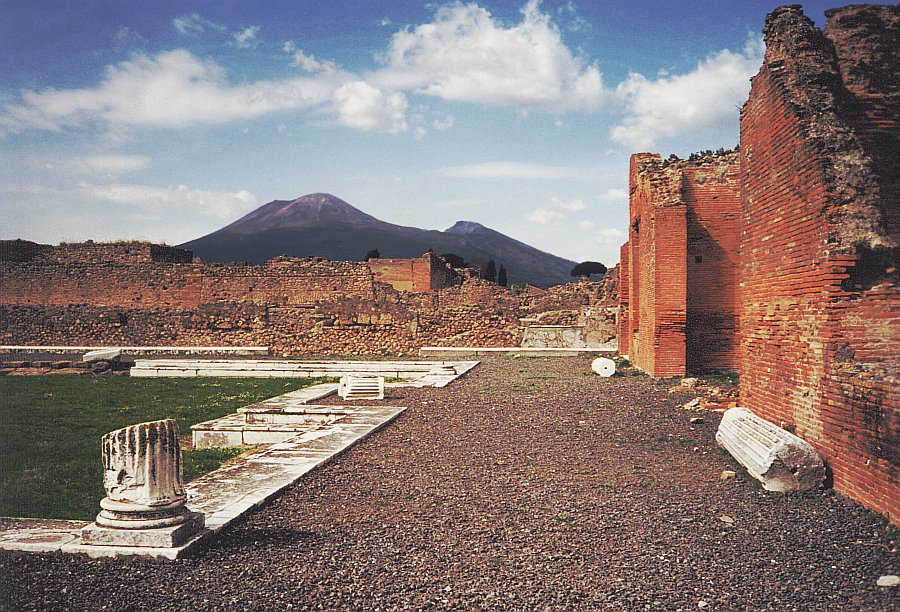
Pompeii is the main anchor: €18 entry, open 9am to 7pm, allow at least 3 hours. Herculaneum (€15) is smaller and better preserved, with intact wooden structures sealed by lava rather than burned. The Circumvesuviana stops at both. The Vesuvius summit hike from the crater parking area takes about 30 minutes and costs €10.
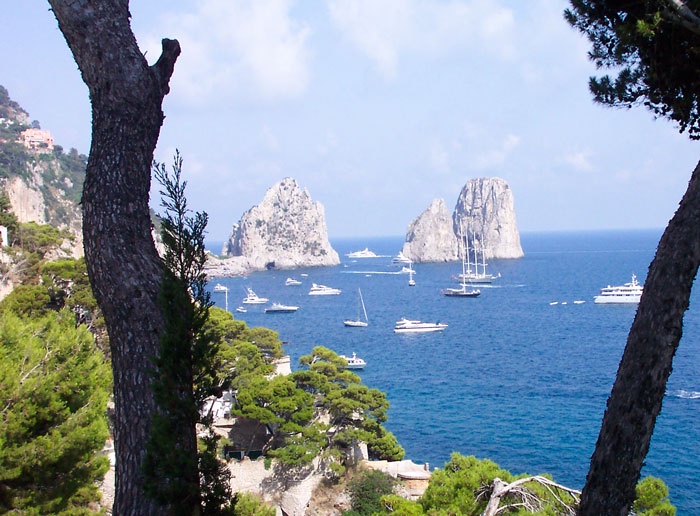
Capri is a half-day trip by hydrofoil. The Blue Grotto costs €14 for the rowboat inside, on top of the motorboat transfer. Villa Jovis (Tiberius's cliffside villa ruins, €4) is far less crowded and worth the 45-minute walk from the main square. The SS163 passes through Positano, Atrani, Amalfi town, and Ravello, each worth at least an hour.
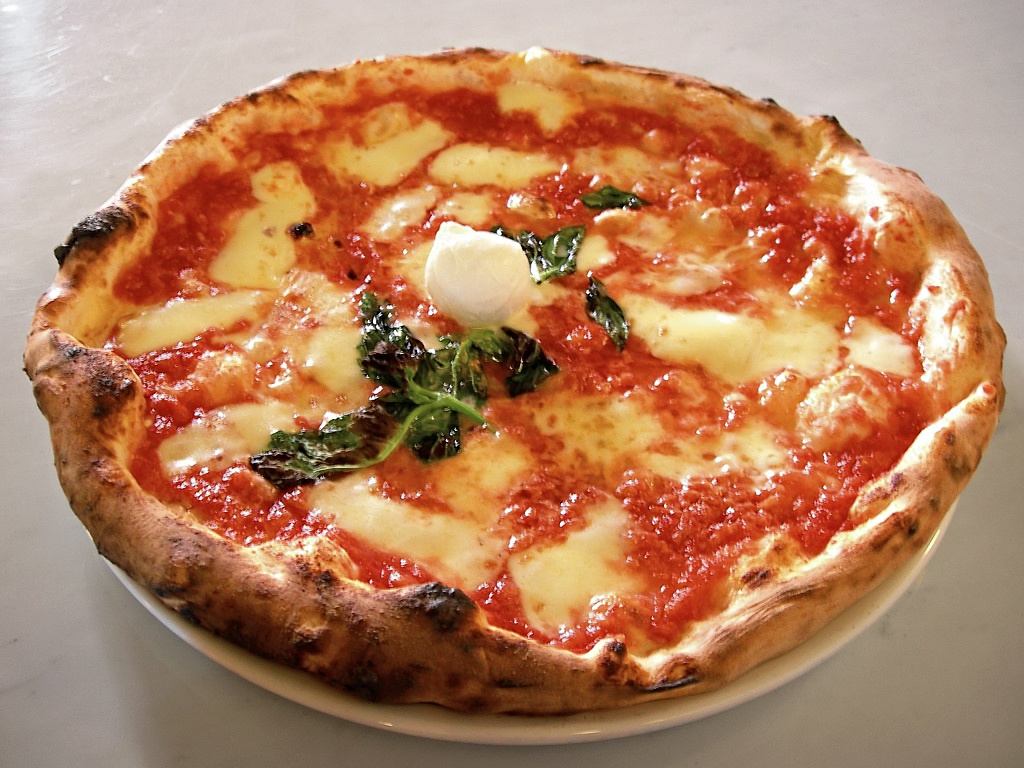
Food is a real draw. Pizza Margherita at Sorbillo on Via dei Tribunali costs €7 to €9. A sfogliatella pastry at any street bar runs €2. Buffalo mozzarella from Caseificio La Stella in Aversa (30 minutes north by Circumvesuviana) sells for around €5 per 200g. The National Archaeological Museum (Wikipedia) in Naples holds the best Roman artifacts in existence, including bronzes from Herculaneum (€15, free with Campania Arte Card).
Health & Medical
EU citizens with a valid EHIC card receive public healthcare coverage. Non-EU visitors should carry travel insurance. Ospedale del Mare on Naples' eastern edge is the main modern hospital. Pharmacies (green cross) appear on nearly every block in the city center. No tropical diseases or vaccinations are required. Food safety meets EU standards throughout. Vegetarian options are common at trattorias; vegan restaurants cluster around Piazza Bellini.
Demographics & Government
Campania has approximately 5.8 million residents; Naples holds about one million. The region has its own elected assembly within Italy's parliamentary republic. Roman Catholicism dominates; the Feast of San Gennaro on September 19 draws crowds to the cathedral to witness the liquefaction of the saint's blood. Naples has a notably younger population than northern Italian cities.
Legal & Substances
Marijuana is illegal for recreational use; small personal amounts are an administrative offense rather than criminal, but buying on the street in Naples is inadvisable. Alcohol is legal from age 18; public drinking is generally permitted. Smoking is banned in all enclosed public spaces. Naples is notorious for illegal fireworks in the historic center, common despite prohibitions.
Customs & Shopping
EU duty-free allowances apply on departure: €430 by air or sea. Exporting antiquities over 50 years old requires Ministry of Culture authorization. Worth buying: handcrafted Nativity figures from San Gregorio Armeno in Naples (€10 to several hundred euros), Vietri sul Mare ceramics, and Sorrento-produced limoncello. Global Blue VAT refunds apply on purchases over €154.94 at participating shops.
Accessibility & Inclusion
Naples' historic center is challenging for wheelchair users: cobblestones and steep hills dominate the Centro Storico. Metro Line 1 stations (Toledo, Università, Dante) are fully accessible. Pompeii has a designated accessible route; download the site map in advance. The Amalfi Coast terrain is largely inaccessible for wheelchair users. LGBTQ+ travelers will find Naples tolerant, with an established community centered in Chiaia. Italy has legal protections against discrimination based on sexual orientation.
Digital Nomad Corner
Naples costs 30 to 40 percent less than Rome or Milan. A one-bedroom in Chiaia or Vomero rents for €600 to €900 per month. Coworking: Impact Hub Naples at Via Duomo 32 (€15/day, fiber), Workness at Piazza Bovio (€12/day, near the port). Cafes in Chiaia have reliable WiFi; a coffee costs €1.20 to €1.50, and two-hour work sessions are standard. City-center internet averages 50 to 150 Mbps on fiber.
Italy's Digital Nomad Visa, launched in 2024, covers non-EU remote workers earning at least €28,000 annually from a foreign employer or clients. It is valid for one year and renewable annually. Apply at an Italian consulate before travel. The Amalfi Coast and Capri are impractical as work bases due to limited connectivity and high seasonal costs, but both make excellent weekend trips from a Naples base.
Keep planning: Florence & Tuscany: Renaissance Art, Food & Hill Towns and Palermo: Sicily's Street-Food Capital.
Base in Naples: Pompeii, the Amalfi Coast, and Capri are each a day trip.