Palermo: Sicily's Street-Food Capital
Nomad Toolkit
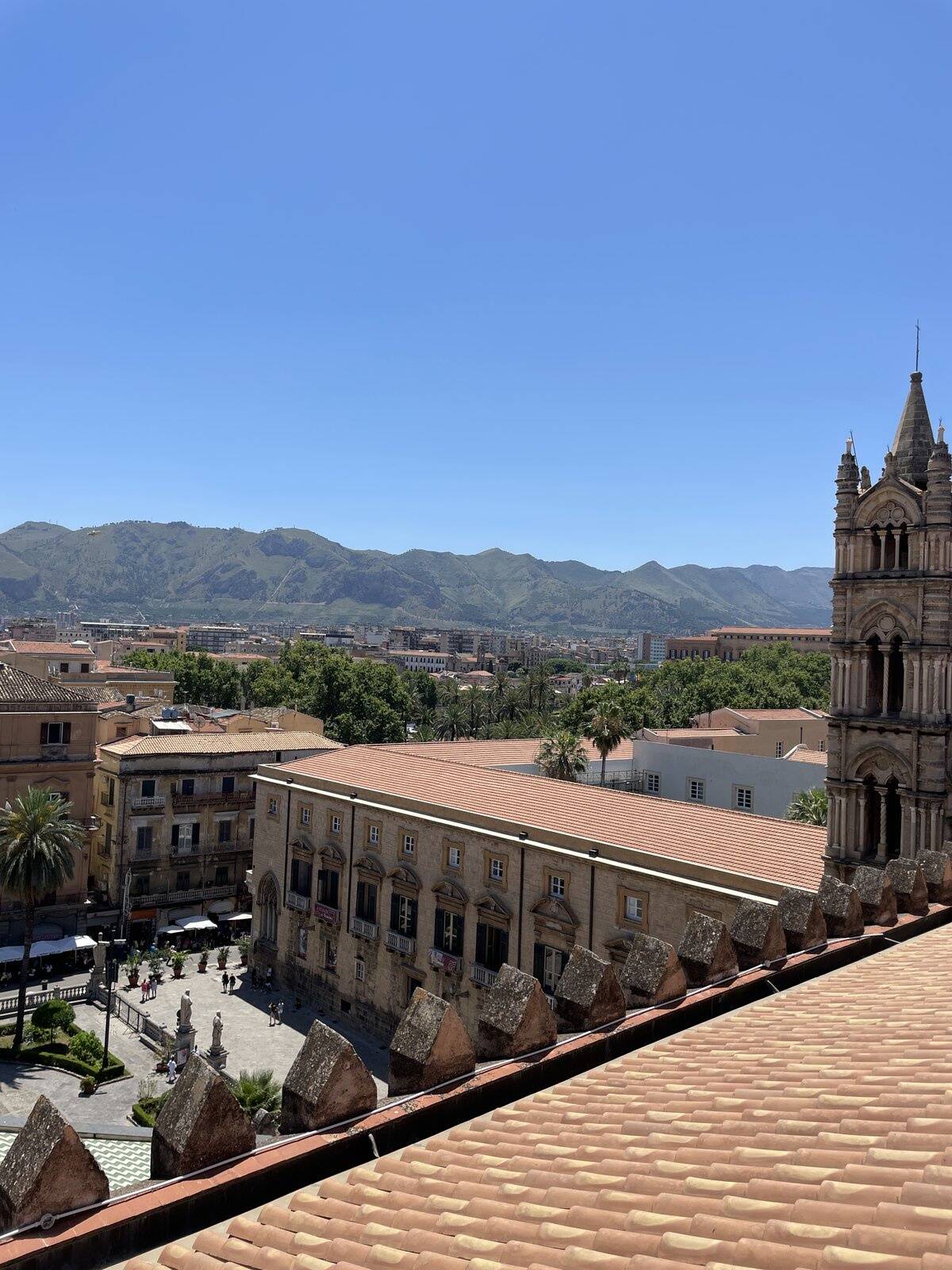
Palermo isn't the manicured postcard version of Italy. It's the gritty, lived-in capital of Sicily, where Norman castles sit next to crumbling Art Deco facades, and street markets sprawl where opera houses once commanded total attention. You get layered history, Arab, Norman, Byzantine, Spanish, baked into tight centro storico streets, world-class street food for pennies, and a cost of living that makes rent look almost apologetic. The energy is rawer than Rome or Florence. The pace is slower. The value is unreal.
Demographics & Government
| Country | Italy |
| Population | ~660,000 (Palermo), ~5 million (Sicily) |
| Government | Republic; EU and Eurozone member |
| Religious mix | Predominantly Catholic; Islamic heritage sites common |
| Time zone | CET (UTC+1) winter, CEST (UTC+2) summer; DST observed |
| Plug type | Type C and Type F (230V / 50Hz) |
| Drive side | Right |
| Tap water safe? | Yes, but many locals drink bottled; carry a refillable bottle |
| Free WiFi? | Widely available in cafés, hotels, coworking, and malls |
| Best time to visit | April to May or September to October (18 to 28°C, minimal crowds) |
| Emergency numbers | 112 (general / EU-wide), 118 (medical), 113 (police), 115 (fire) |
| Currency | Euro (EUR). Cash still king in markets and small cafés |
Overview & Vibe
Palermo's geography is the key to understanding the city. The centro storico (old town) sits inland, layered and chaotic, cut through by the Quattro Canti intersection and bounded by the Vucciria and Capo markets. This is where nomads live: cheap rent, street food, noise, character. The Kalsa district to the south offers quieter streets and some green space. Moving north and west toward Politeama and Liberta you hit more upscale residential areas, galleries, and cafés. The beach suburb of Mondello lies 30 minutes north by bus or train, perfect for a Saturday afternoon swim. Palermo isn't orderly. It's not Venice or Positano. It's a working city where you feel the layers of history, Arab conquest, Norman grandeur, Spanish decline, compressed into every alley. The energy is frenetic mornings in markets, lazy afternoons in courtyards, and alive evenings spilling onto piazzas.
A Brief History
Phoenician traders founded the city as Sis in 734 BC, and as Panormus it spent more than a thousand years under Rome. Arab rule from 831 to 1072 made Balarm, as it was then called, the capital of Sicily for the first time, and the Normans who took it kept the arrangement: Palermo served as capital of the Kingdom of Sicily from 1130 to 1816. The collision you see in the buildings, Byzantine gold mosaics inside Norman churches with Arab geometry, comes from that 12th-century royal court, which employed craftsmen from all three traditions at once.
Transportation
Palermo's traffic is chaotic and driving isn't worth it for visitors or extended-stay nomads. AMAT buses and the two-line metro connect the main areas, but walking the centro storico is the only way to actually see and move through the city.
- Drive on the right. Standard EU driving rules apply, but locals are famously aggressive; scooters ignore red lights and sidewalk borders.
- Buses and metro. AMAT runs buses and the metro (M1, M2 lines, both limited coverage in centro). A single ticket is EUR 1.50; day passes EUR 5. Monthly passes EUR 27 if you're staying long.
- Walking is the move. The centro storico is tight and best experienced on foot. Cobblestones mean decent shoes.
- Scooter rental. Popular with both locals and visitors. Be honest: traffic is intimidating if you're not used to Italian chaos. Consider it only if experienced.
- From the airport (Falcone Borsellino, PMO): the Trinacria Express train runs to Centrale station (EUR 6.50, 30 min). Prestia e Comandè buses are cheaper (EUR 4, 45 to 60 min). Taxi or Bolt 15 to 25 EUR depending on traffic.
- Ferries. Tirrenia operates ferries to Naples (12 hrs overnight), Cagliari (12 hrs), and Tunis (10 hrs). Advance booking required.
Language, Customs & Etiquette
Italian is the official language, but Sicilian is the street dialect, lots of Arabic and Spanish words baked in. Under-30s and service staff speak functional English in centro; elsewhere, Italian helps.
- Greetings. Ciao (hi, informal), Buongiorno (good morning, formal), Grazie (thank you), Arrivederci (goodbye).
- Sicilian words you'll hear. Salvu (hello, Sicilian), Bedda (beautiful, Sicilian), Sfogliatella (pastry), Babbu (father, Sicilian).
- Tipping. Not expected, but rounding up or leaving EUR 1 to 2 on small bills is appreciated. Restaurants rarely add service charges automatically.
- Social pace. Slower than Northern Italy. Shops close 1 to 4 PM for riposo (afternoon rest). Dinner starts at 8 or 9 PM. Don't expect quick service; service is unhurried by design, not by neglect.
- Dress modestly in churches and religious sites. Cover shoulders, knees, and avoid shorts or tank tops.
- Bargaining. Not customary in shops or restaurants. Fixed prices everywhere. Some market stalls might budge on bulk buys, but it's not expected.
- Photography. Allowed in public spaces. Ask permission before photographing people. Some churches charge for interior photography.
Safety & Security
Palermo is reasonably safe for tourists and long-term visitors, but petty theft and scooter snatch-theft are genuine concerns, especially around crowded markets and the Vucciria nightlife zone.
- Pickpocketing happens. Watch bags on packed buses. Front pockets and zipped bags only in markets and crowded zones.
- Scooter snatch-theft. Thieves on scooters grab bags, phones, or necklaces. Keep bags on your body, not hanging off your chair at outdoor cafés.
- Vucciria nightlife. The market transforms into a lively bar zone after dark. It's fun but crowded and loose, watch your surroundings and travel in groups if you're not familiar with the area.
- Taxi safety. Use official white taxis with meters or the TaxiOK app to book legitimate drivers. Unmarked cabs at the airport are common scams.
- Mafia history. Palermo's Mafia past is real and still present, but it's not a tourist concern. The city's crime revolves around organized crime at higher levels, not street-level violence against visitors.
- Solo female travelers generally do fine with standard urban precautions. Avoid being visibly drunk or alone late at night in unfamiliar areas.
- LGBTQ+. Palermo is more progressive than rural Sicily, but discretion is still wise outside centro. Same-sex partnerships are legally recognized.
Weather & Climate
Mediterranean climate: hot, dry summers; mild, occasionally rainy winters. Spring (April to May) and autumn (September to October) are the sweet spots for working and exploring without melting or freezing.
| Month | Avg High | Avg Low | Notes |
|---|---|---|---|
| January | 13°C / 55°F | 8°C / 46°F | Mild and damp; occasional rain |
| February | 14°C / 57°F | 8°C / 46°F | Still cool; fewer tourists |
| March | 16°C / 61°F | 9°C / 48°F | Spring beginning; variable |
| April | 20°C / 68°F | 12°C / 54°F | Gorgeous; ideal for working outdoors |
| May | 25°C / 77°F | 16°C / 61°F | Warm and bright; peak spring nomad season |
| June | 29°C / 84°F | 19°C / 66°F | Hot; festivals begin |
| July | 32°C / 90°F | 22°C / 72°F | Very hot; Festino mid-month; peak crowds |
| August | 32°C / 90°F | 21°C / 70°F | Scorching; many locals on holiday |
| September | 28°C / 82°F | 19°C / 66°F | Still warm; locals back; excellent month |
| October | 24°C / 75°F | 15°C / 59°F | Perfect; still sunny, cooling off |
| November | 18°C / 64°F | 12°C / 54°F | Autumn rain begins |
| December | 14°C / 57°F | 9°C / 48°F | Damp; holiday mood in centro |
What to pack. Light layers year-round. Waterproof jacket for November to February. Swimsuit for Mondello or any month. Sunscreen is non-negotiable April to September. Comfortable walking shoes (the cobblestones punish blisters).
Logistics & Practical Info
- Currency. Euro (EUR), used everywhere. Cash is still king in markets, smaller cafés, and street food stalls. ATMs are plentiful; bank fees are standard.
- ATMs. Avoid Euronet (bad rates). Use BancaNapoli, UniCredit, or Intesa Sanpaolo machines.
- Tap water. Technically safe across Palermo, but many locals drink bottled water due to mineral content and local preference. Carry a refillable bottle.
- Free WiFi. Widespread in cafés, hotels, coworking, and shopping malls. Speeds are usually solid.
- SIM cards. Vodafone, TIM, and Wind Tre sell prepaid plans with 20 to 50 GB for EUR 5 to 15. Passport required at purchase.
- Money apps. Revolut and Wise handle EUR without fees, making digital nomad life simple.
- DST. Yes. Last Sunday in March (forward) and last Sunday in October (back).
- Internet censorship. Minimal. Standard EU rules apply.
- Banking holidays. Most offices and many shops close on national holidays (Jan 1, Epiphany Jan 6, Easter, Apr 25, May 1, Republic Day Jun 2, Assumption Aug 15, All Saints Nov 1, Immaculate Dec 8, Dec 25 to 26).
Attractions & Activities
Palermo's appeal isn't just the big buildings, it's the texture of walking through the centro, eating from street stalls, sitting in cramped piazzas watching the chaos. The top sights below can fill 4 to 5 days of touring, but the real Palermo unfolds in the time between.
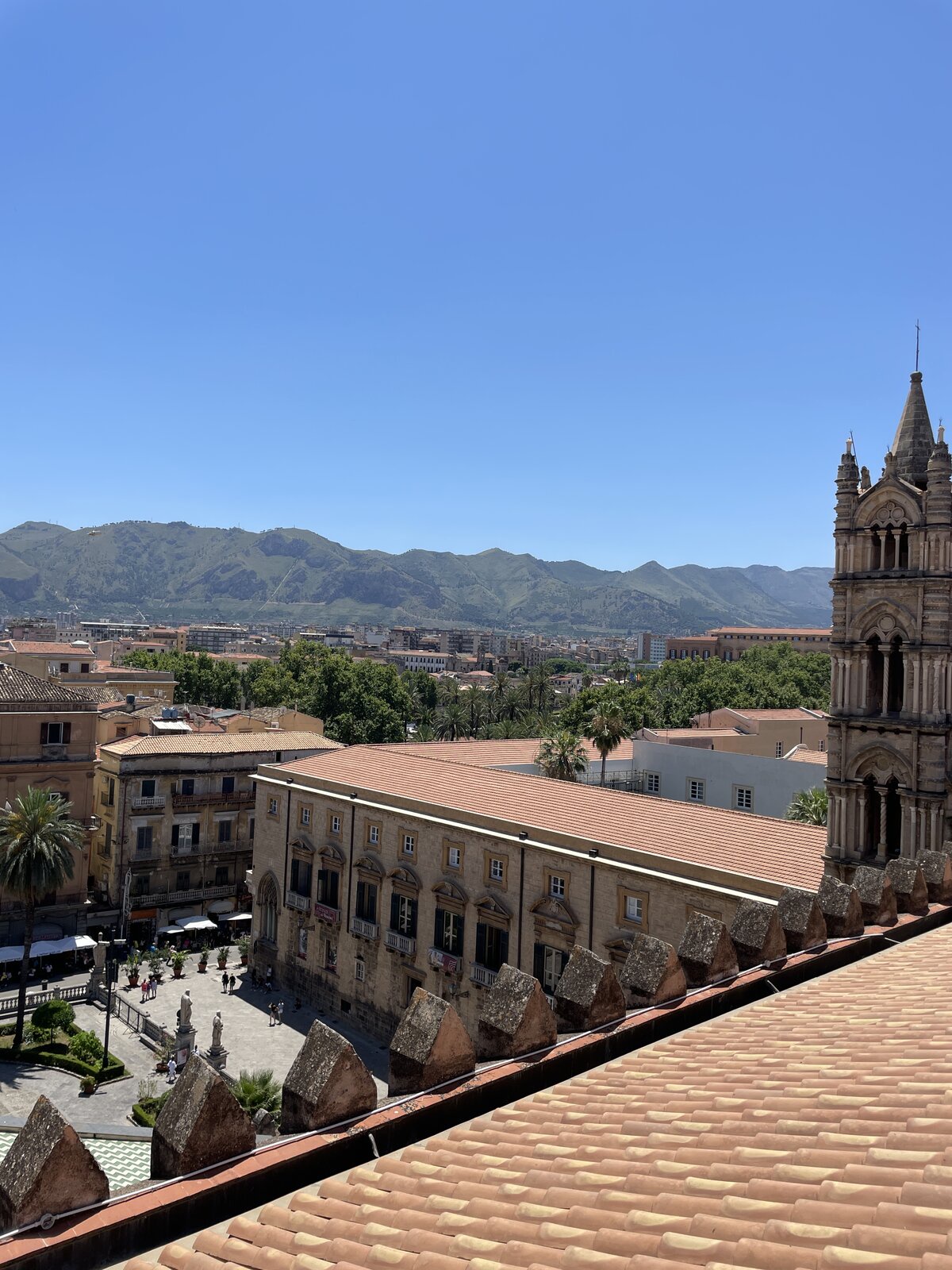
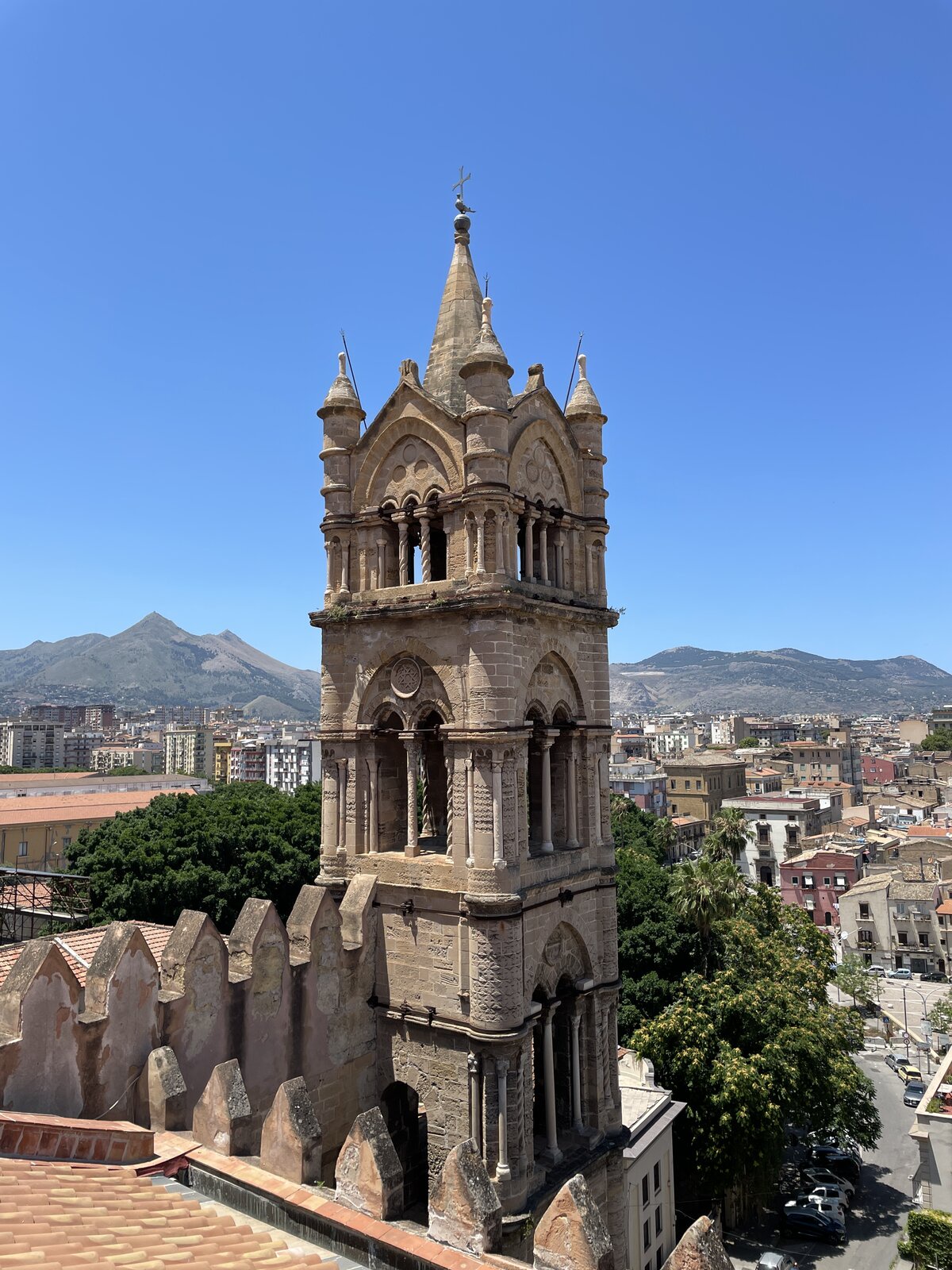
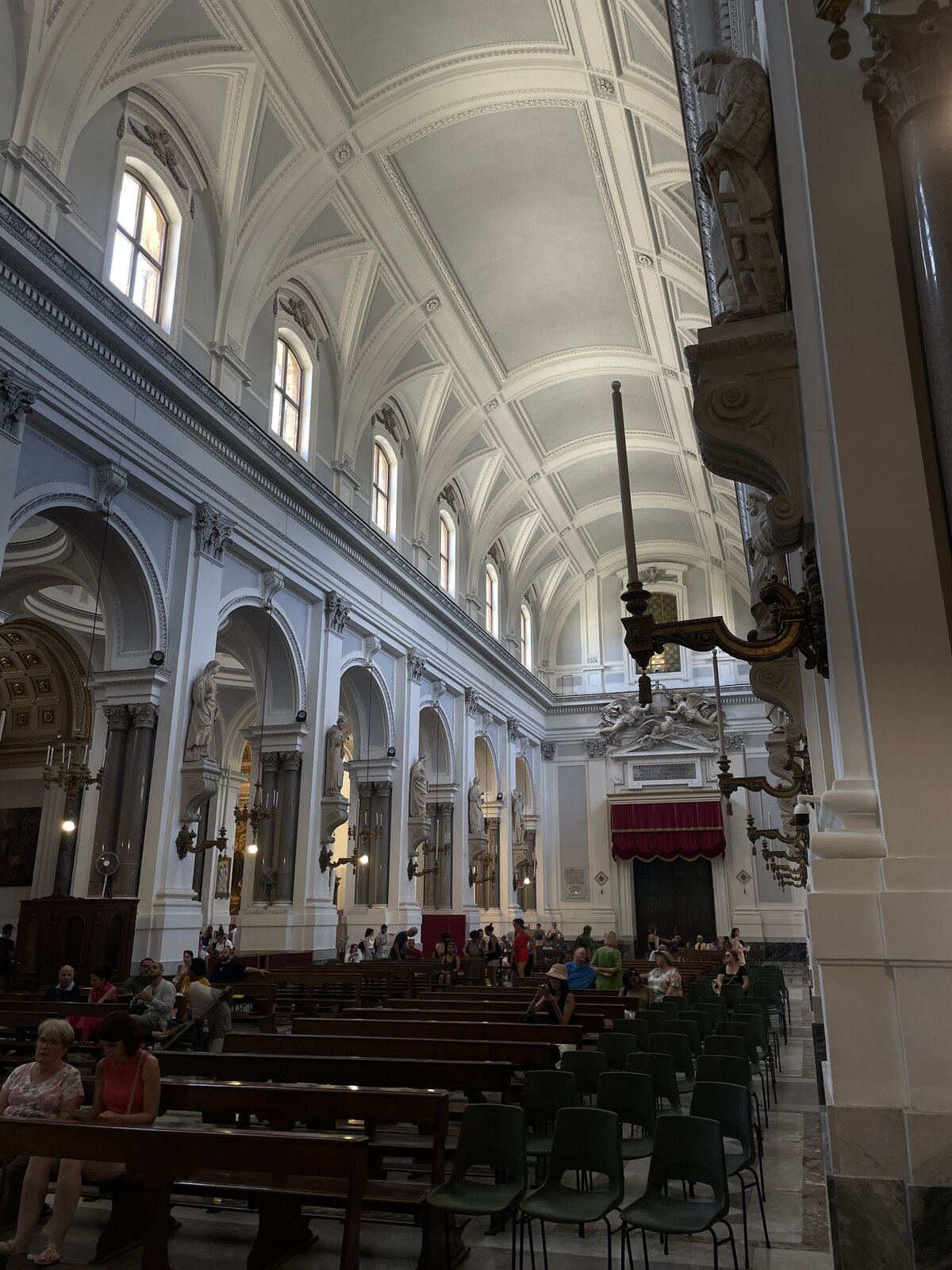
- Palermo Cathedral (Wikipedia), Gothic, Baroque, and Norman elements smashed together in one massive facade. Climb to the roof for views over the centro.
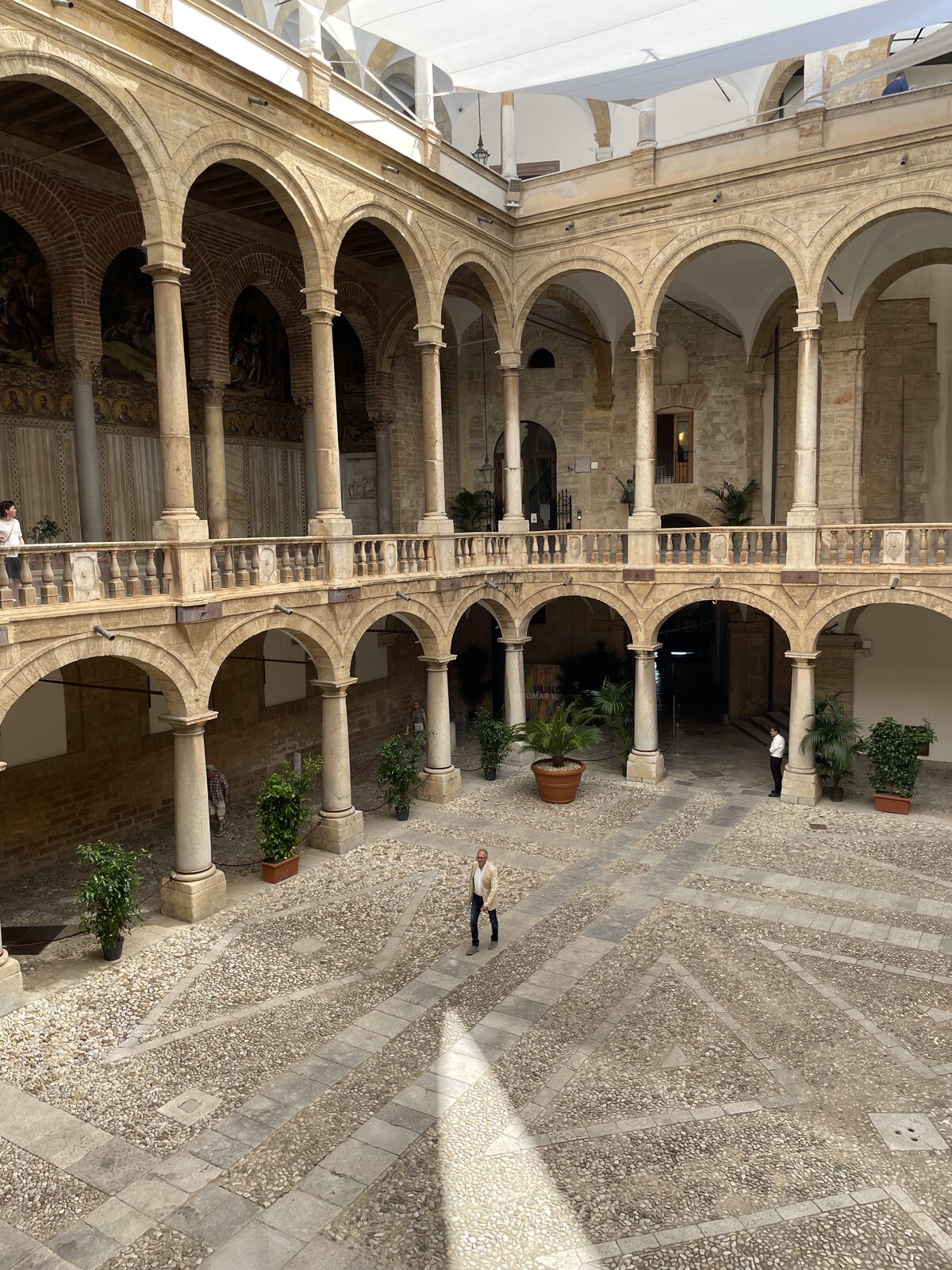
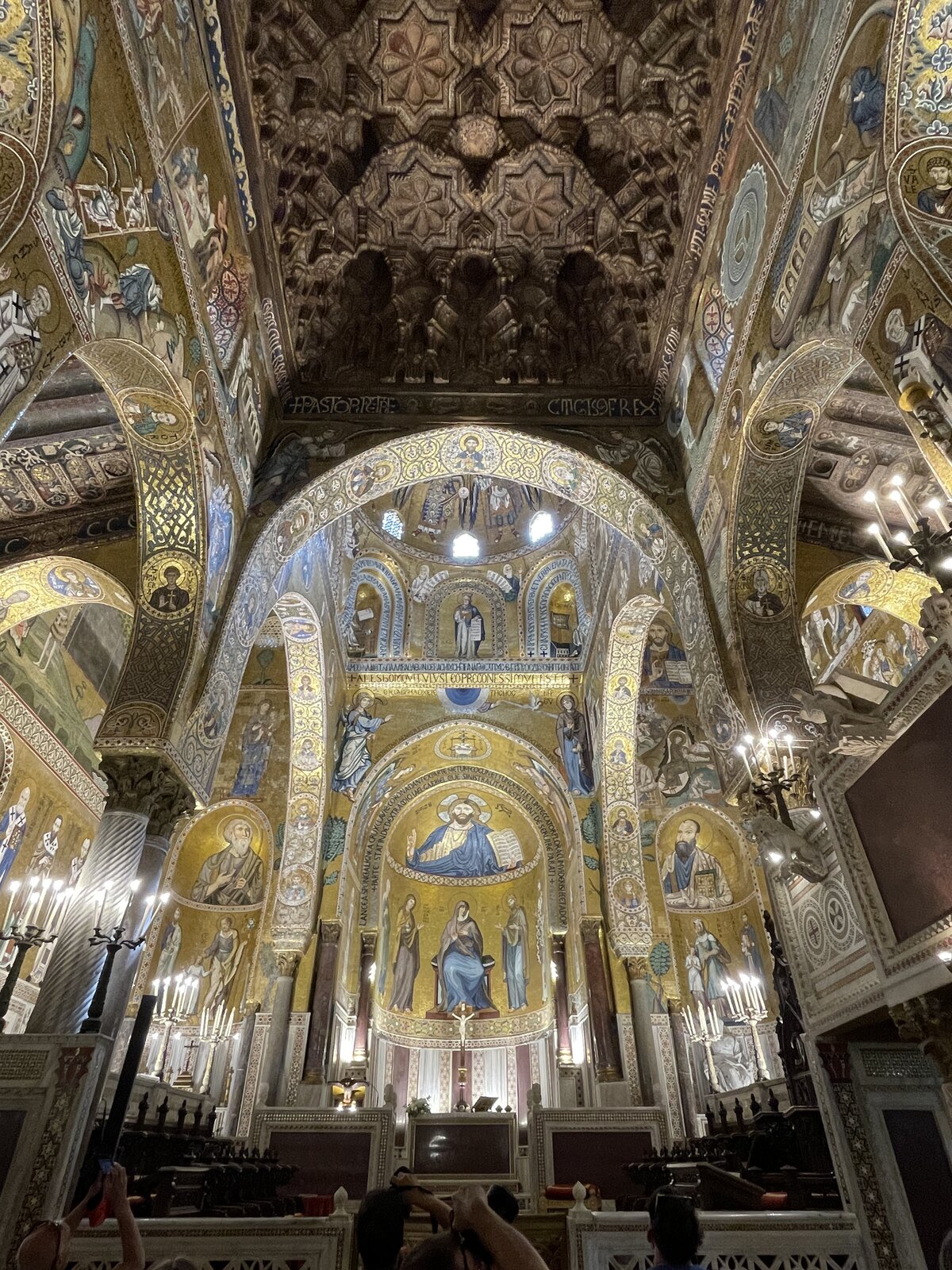
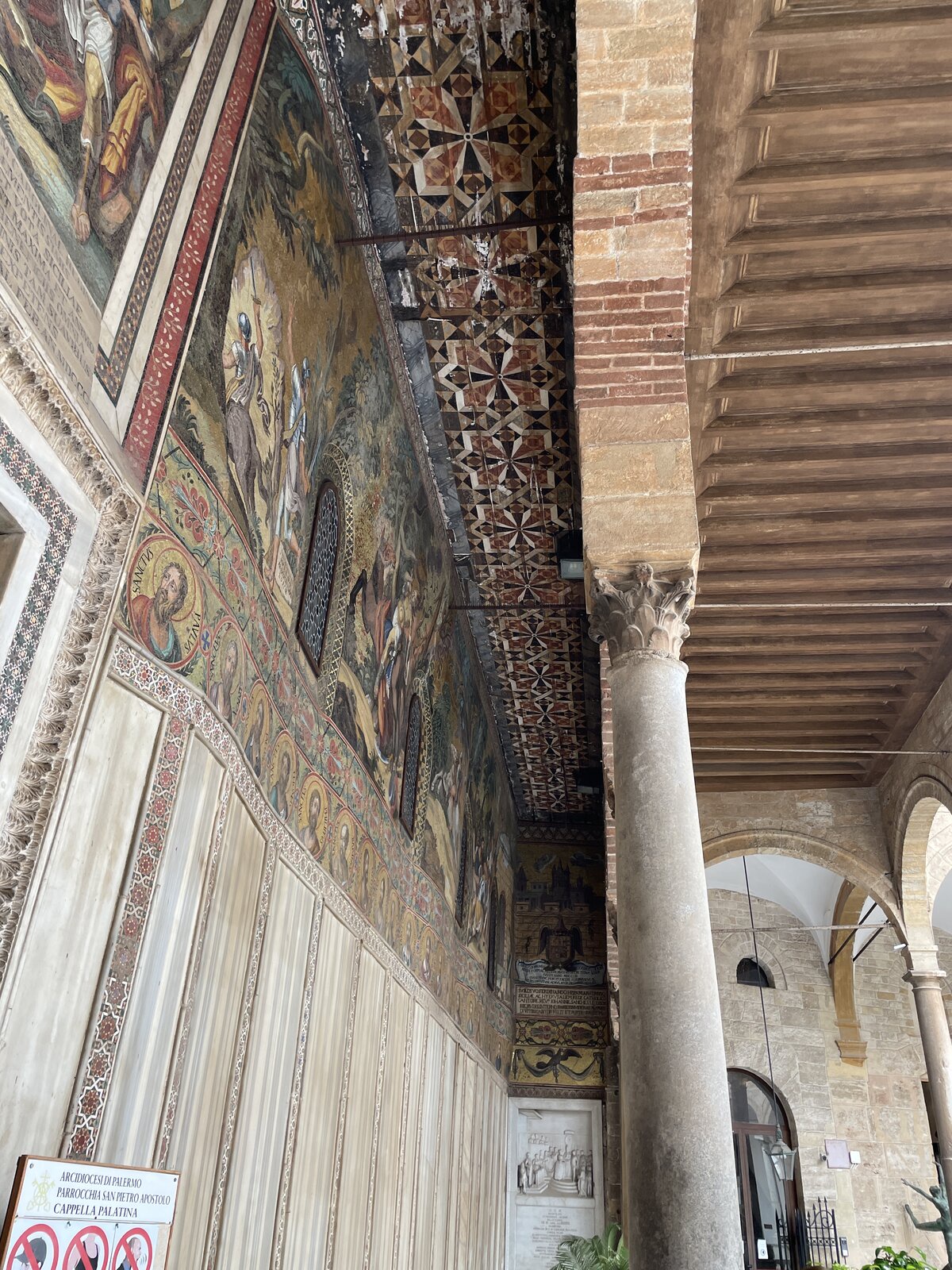
- Palazzo dei Normanni (Wikipedia) & Cappella Palatina, the 12th-century royal palace with a Byzantine chapel decorated in glittering gold mosaics.
- Quattro Canti, the intersection of four grand baroque buildings that anchors the centro storico.
- Teatro Massimo (Wikipedia), grand opera house overlooking the centro. Tours available; check for performances.
- Ballarò Market, one of three big street markets, lines up off Via Ballarò, crammed with produce, fish, and street food.
- Vucciria Market, the biggest and most chaotic market. Seafood, vegetables, and energy. Better for food than souvenirs.
- Capo Market, smaller and more local than Vucciria, less touristy, great panelle and arancini from stalls.
- Mondello Beach, simple beach town 30 min north by bus or train. Swimming, cafés, weekend crowds.
- Cefalù day trip, charming coastal town 2 hrs east by car or train. Beach, Norman cathedral, worth an overnight if time allows.
- Monreale Cathedral, UNESCO site 1 hour south by bus. Byzantine mosaics and cloisters rival anything in Palermo; best as a half-day trip.
Festivals and major events
| Event | When |
|---|---|
| Settimana Santa (Easter week processions) | March or April (varies) |
| Festino di Santa Rosalia (city patron saint festival) | July 14 to 15 |
| Sicilia Jazz Festival | Summer (June to August) |
| Palermo International Film Festival | October |
| Christmas markets and holiday lights | November to December |
Must-try local dishes
Sicilian cooking is the backbone of what tourists eat in Palermo, sharp, flavorful, mixed with North African and Spanish influences that show Sicily's complex history. Street food is where the real flavors are.
- Arancini, fried rice balls, typically stuffed with ragù and peas. Iconic and cheap.
- Sfincione, Sicilian pizza: thin crust, tomato sauce, onions, breadcrumbs, anchovies. Every corner has a stall.
- Pani ca musica, street sandwich: boiled veal spleen, caciocavallo cheese, on sesame bun. Smells weird, tastes incredible. Try it at Vucciria stalls.
- Panelle, fried chickpea fritters. Served plain or in sandwiches. EUR 1 to 2.
- Cannoli, pastry shells filled with sweet ricotta. The real ones are crispy, not cake-like. Avoid tourist-zone shops.
- Granita with brioche, frozen fruit syrup served with a butter brioche. A breakfast ritual May to September.
- Sarde a beccafico, fresh sardines stuffed with breadcrumbs, raisins, pine nuts.
- Caponata, sweet and sour eggplant dish with tomatoes, olives, and capers.
- Pasta all'arancina, pasta with tomato, eggplant, basil. Not to be confused with arancini (the rice balls).
- Nero d'Avola, full-bodied red wine from Sicily. Perfect with seafood pasta.
Souvenirs that aren't junk
- Sicilian ceramics from Caltagirone, hand-painted pottery, tiles, and decorative pieces. Expensive but authentic; many shops in centro sell them.
- Marzipan (frutta di Martorana), almond paste candy shaped like fruit. Made in convents historically; mainstream bakeries sell them, but convent versions are better.
- Sicilian wines, Nero d'Avola, Grillo, Nerello Mascalese. Buy from a wine shop or market for real prices, not tourist markups.
- Sea salt from Trapani, the salt pans west of Palermo produce mineral-rich salt. Find it in specialty food shops.
- Capers from Pantelleria, tiny island off Sicily; capers are a local specialty. Buy dried or preserved in shops.
- Linen and embroidered textiles, look for items from Modica or Ragusa, towns known for linen weaving.
Health & Medical
Palermo's healthcare is solid. EU residents with EHIC cards get public treatment for free; private clinics are common and usually English-speaking.
- Travel insurance is essential for non-EU travelers. Public hospitals will treat emergencies, then bill later.
- Main public hospital: Ospdale Civico, Piazza Nina Salvo (Kalsa area). English spoken by some staff.
- Private clinics: Casa di Cura Triolo Zancla (Viale Strasburgo) and Policlinico (Monreale) offer English-speaking doctors and faster appointments. Consultations EUR 50 to 100.
- Pharmacies (farmacie) are everywhere. Look for green cross signs. Staff speak some English in centro. Common OTC medications are available.
- Vegetarian and vegan options exist, but Sicily is meat and seafood-heavy. Cafés in centro have salads and pasta dishes; communicate clearly.
- No endemic tropical diseases. Tick-borne encephalitis is possible in rural Sicily; vaccination recommended if hiking inland mountains.
- Foreign prescriptions are not directly accepted. Bring enough medication for your stay, or get a local doctor to write a script if staying long-term.
Legal & Substances
- Marijuana is illegal. Possession can result in fines and a criminal record. Cannabis is treated seriously.
- Public alcohol consumption is generally tolerated in piazzas and parks. Some central districts have local restrictions late at night around bar zones.
- Alcohol on public transport is technically prohibited. Enforcement is loose.
- Smoking is banned indoors in restaurants, bars, and transit. Outdoor terraces permit it.
- Drinking age is 18.
Customs & Shopping
- Tax-free shopping for non-EU residents. Stores with Tax-Free logos can issue refund forms. Claim VAT (typically 22%) at the airport on departure for purchases over EUR 155.
- Cash declarations. Anything over EUR 10,000 leaving the EU must be declared.
- Restricted exports. Cultural items over 50 years old need export authorization from the Ministry of Culture. Ceramics, wine, and food are fine; pre-1974 furniture or antiques need paperwork.
Accessibility & Inclusion
Palermo presents accessibility challenges. The centro storico is a maze of cobblestones with tight streets and no ramps in many areas. The Cathedrale is partly accessible (ground floor). Public transit is improving, newer bus models are low-floor, but the two-line metro has limited elevator availability at some stations. Plan routes in advance and call attractions ahead to confirm access.
Ryan's Food Notes
What I actually ate in Palermo:
- Granita e Brioche for breakfast, the signature Sicilian morning. Almond granita in a split brioche bun. Order it at any bar near the Ballaro market. Costs about 2.50 EUR and is better than any pastry you've had elsewhere.
- Brioche con Gelato, same concept but with gelato. Afternoon version. Messier and worth every napkin.
- The fish market, Mercato della Vucciria in the morning for atmosphere, Ballaro for produce. Buy from the stall with the longest line of local grandmothers, not the loudest vendor.
- Cappuccino and pastry, Palermo's bar culture is serious. Order standing at the counter, which costs less than sitting. The cannoli here are better than anywhere else in Italy.
Digital Nomad Corner
Palermo is genuinely emerging as a remote-work destination. It's much cheaper than Northern Italy, has decent internet, and the pace is relaxed enough for long stays without burning out.
- Internet. Fiber is expanding fast. Central neighborhoods often get 100 to 300 Mbps. Cafés and coworking spaces have reliable WiFi; residential apartments vary widely.
- Coworking spaces. Cre.Zi.Plus (multiple locations, EUR 200 to 250/month), Spazio Magnete (Kalsa, EUR 180/month), and Moltivolti (Albergheria, EUR 150/month for long-term). Day passes EUR 15 to 20.
- Italy digital nomad visa. Launched in 2024. Requirements: EUR 2,400/month income, proof of non-Italy-source work, up to 1 year renewable. Good for EU border crossers; US citizens need to check current ESTA rules.
- Cost of living. A comfortable nomad budget in central Palermo runs EUR 1,000 to 1,600/month: rent one-bedroom EUR 400 to 700 (long-term; EUR 800 to 1,500/month on Airbnb), food EUR 250 to 350, transit EUR 30, coworking EUR 150 to 200, social EUR 200 to 400. 30 to 40% cheaper than Rome, 50% cheaper than Milan. Comparable to Catania but with more character.
- Community. Nomad community is smaller than Barcelona or Lisbon, but growing. Facebook groups and coworking communities are active; connect through events and cafés.
Palermo rewards staying long enough to have a favorite arancini stall, a regular café, a preferred piazza for evening passeggiata. The big sights take 4 to 5 days. The real Palermo, the street markets, the slow meals, the crumbling architecture you walk past every day, that unfolds over a month and stays with you after you leave.
Where I Stayed
I used the Four Points by Sheraton Catania Hotel & Conference Center as my Sicily base when flying into Catania. It sits on the eastern edge of the city near the ring road, about 90 minutes by car from Palermo and 45 minutes from Taormina, making it a practical transit hub for a sweep of the island's highlights. View on Google Maps.
For my time in Palermo itself, I stayed at CASA VELA38 — an apartment a due passi dal Teatro Massimo (steps from the Teatro Massimo opera house) in the heart of Palermo. A great base for exploring the Ballarò market, the Vucciria, and the street food circuit. View on Google Maps.
Keep planning: Campania: Naples, the Amalfi Coast & Pompeii, Florence & Tuscany: Renaissance Art, Food & Hill Towns and Milan: Italy's Fashion Capital.