Milan: Italy's Fashion Capital
Nomad Toolkit
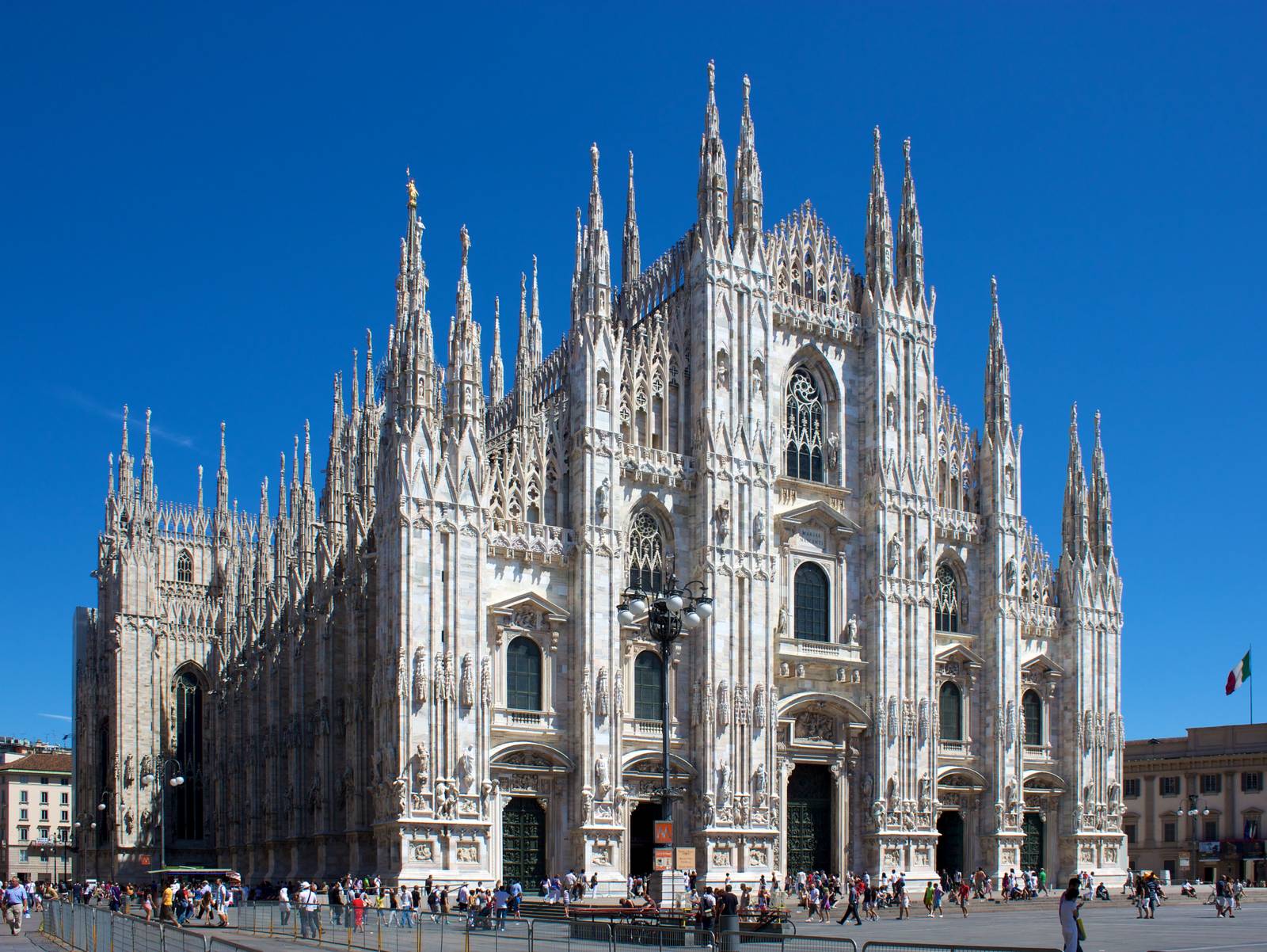
Milan is Italy's financial and fashion capital, home to 1.4 million people and 3.2 million across the metro. It sits at the foot of the Alps in Lombardy, runs at a northern pace, and delivers the urban infrastructure most Italian cities don't: fast metro service, dense co-working options, and a food scene that takes things as seriously as Rome.
Overview and Vibe
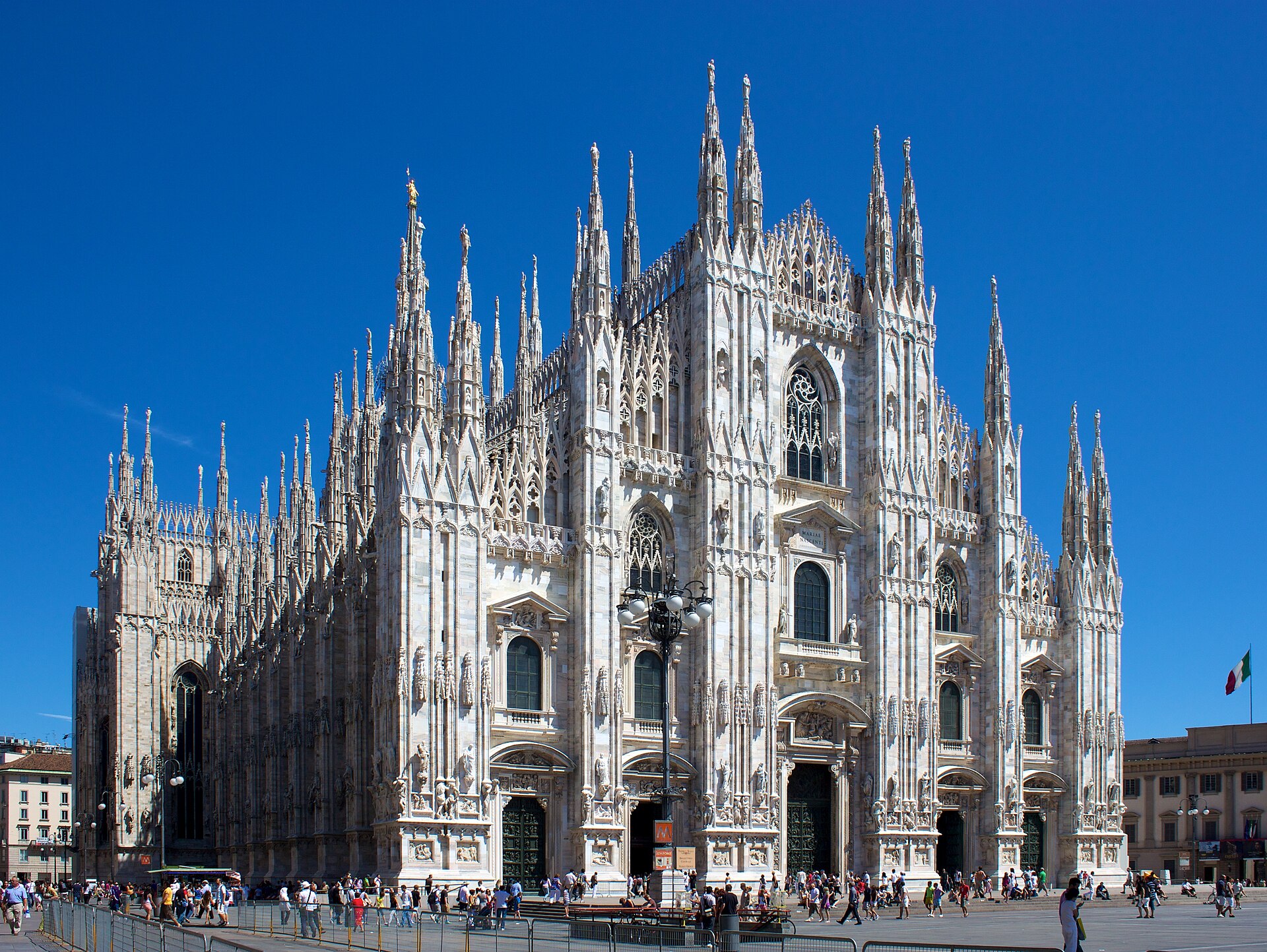
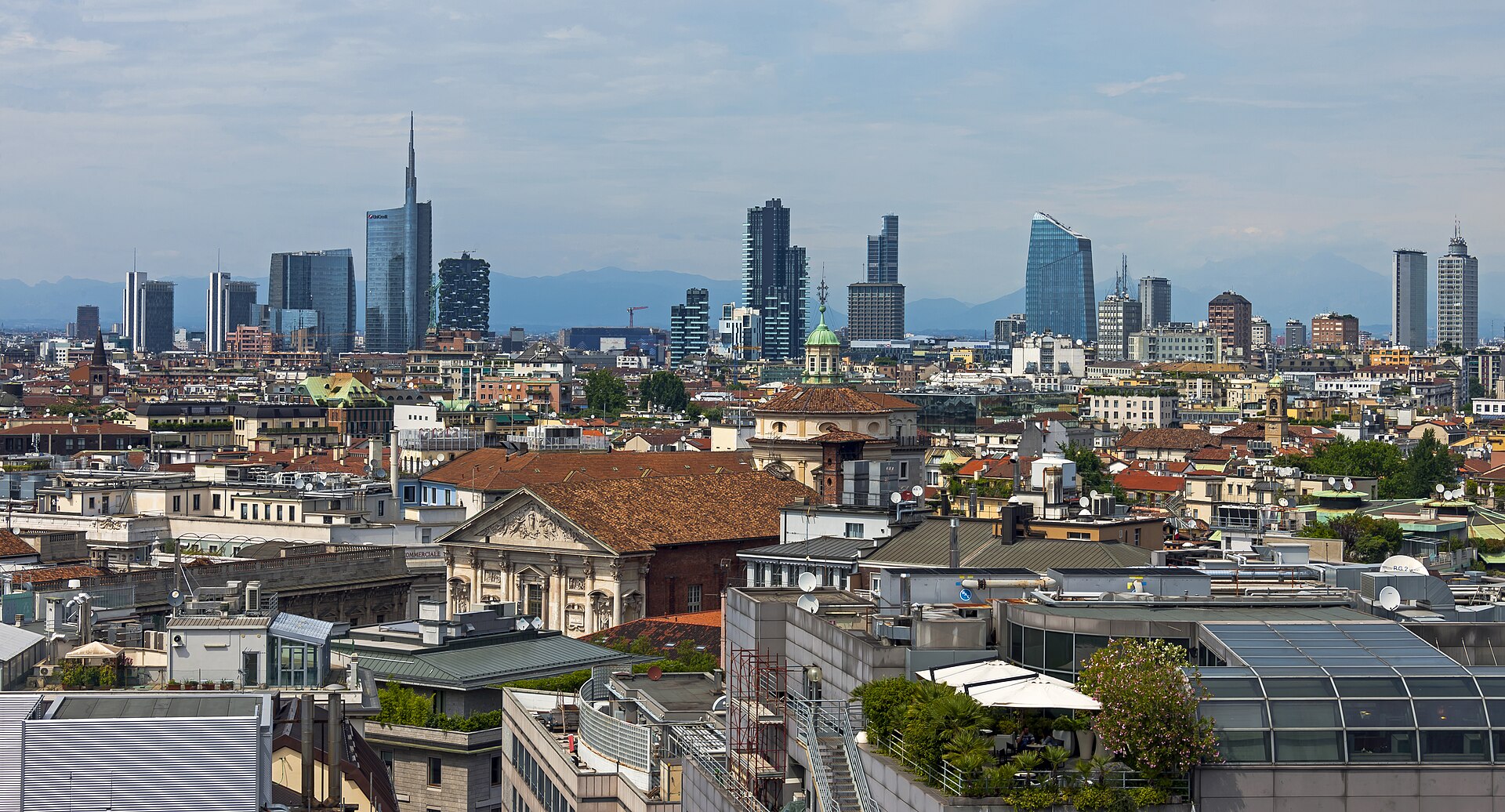
Milan takes itself seriously. Streets are clean, coffee is drunk standing at the bar, and people dress with more care here than anywhere else in Italy. The city splits into distinct neighborhoods: fashion and finance around the Duomo and Quadrilatero d'Oro (Via Montenapoleone, Via della Spiga); students and artists in Brera and Navigli; the new-construction tech corridor in Porta Nuova, where the Bosco Verticale and Unicredit Tower cluster around aperitivo bars and co-working spaces.
Avoid Fashion Week (February, September) and Salone del Mobile design week (April) unless your work is in those industries. Hotel prices double and good restaurant tables fill weeks in advance. October through early December is the best window for remote workers: prices settle, crowds thin, and the Po Valley fog rolling in from the plains gives the city a particular mood that fashion photographers spend entire February trying to recreate artificially.
A Brief History
A Celtic tribe of the Insubres settled this site around 590 BC, and Rome captured it in 222 BC, renaming it Mediolanum, "in the midst of the plain." Diocletian moved the capital of the Western Roman Empire here in 286 AD, and the Edict of Milan, which granted tolerance to Christianity across the empire, was issued in the city in 313. The Visconti and Sforza dukes ran Milan through the Renaissance, when Leonardo da Vinci painted The Last Supper here in the 1490s under Sforza patronage. Spanish and Austrian rule followed before the city joined unified Italy in 1861.
Transportation
Four metro lines (M1 red, M2 green, M3 yellow, M4 blue), trams, and buses run by ATM. Single ticket: €2.20, valid 90 minutes; 10-trip carnet: €19.50; monthly pass: ~€39. FreeNow and Bolt are the reliable app-based options; Uber is limited due to local regulations. The Area C congestion zone (€7.50 on weekdays) makes driving impractical in the center. Lake Como and Bergamo are both 50 minutes by train from Milano Centrale. Non-EU drivers should carry an International Driving Permit.
Language, Customs, and Etiquette
Italian is the main language; English is workable in the center and business districts. "Buongiorno" until ~2 PM, "Buonasera" after. Cappuccino is a morning drink; ordering one after lunch marks you as a tourist immediately. Bread comes without butter; it's used for sauce-mopping ("la scarpetta") at the end of meals. Cover charges (coperto) of €1.50-3 per person are standard. Tipping is optional. Religious sites including the Duomo require covered shoulders and knees.
Safety and Security
Milan is safe with low violent crime. Pickpockets target M1 and M3 metro stations around the Duomo, Stazione Centrale, and Loreto. Keep bags in front in crowded areas and avoid leaving phones on café tables. Emergency: 112. State Police: 113. The area south of Stazione Centrale is rougher at night but the main station itself is busy and manageable. LGBTQ+ travelers: Porta Venezia is the most openly gay-friendly neighborhood in Italy; same-sex civil unions are recognized under Italian law.
Weather and Climate
| Month | High (°C) | Low (°C) | Notes |
|---|---|---|---|
| Jan-Feb | 5-8 | 0-2 | Cold, foggy; heavy coat required |
| Mar-May | 15-22 | 6-12 | Best season; April rainy |
| Jun-Aug | 28-32 | 18-22 | Hot and humid; city empties in August |
| Sep-Oct | 20-25 | 12-16 | Pleasant; Fashion Week spikes costs |
| Nov-Dec | 8-12 | 2-5 | Fog returns; Christmas markets open |
Logistics and Practical Info
Plugs: Type L and Type F (Schuko), 230V/50Hz. Time zone: Central European Time (UTC+1 winter, UTC+2 summer). Tap water is safe to drink. SIM cards from TIM, Vodafone, Wind Tre, or Iliad: €10-20 for 20-50GB prepaid; passport required for registration. Credit cards widely accepted in the center; carry €50-100 cash for small shops and markets. No internet censorship.
Attractions and Activities
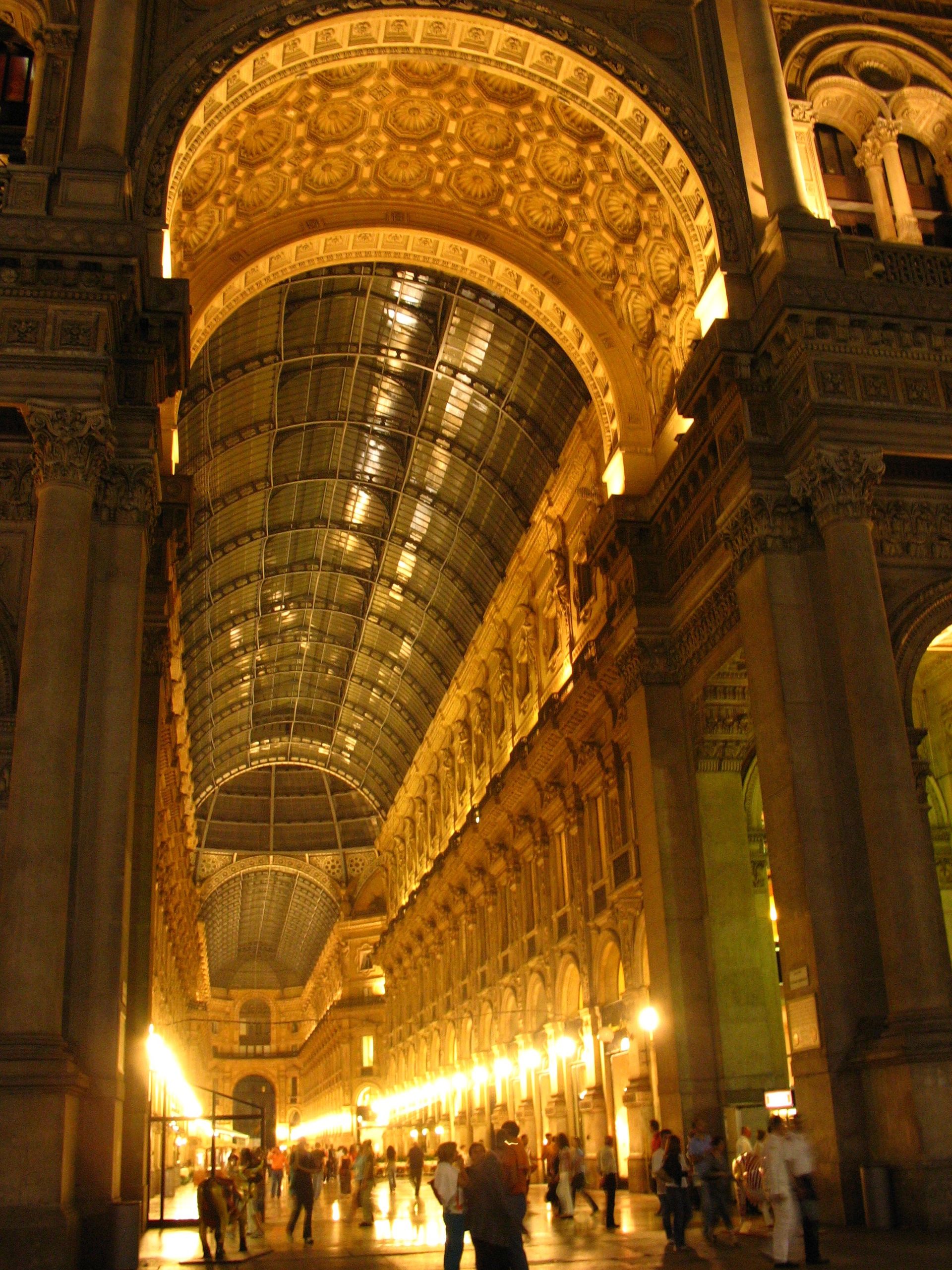
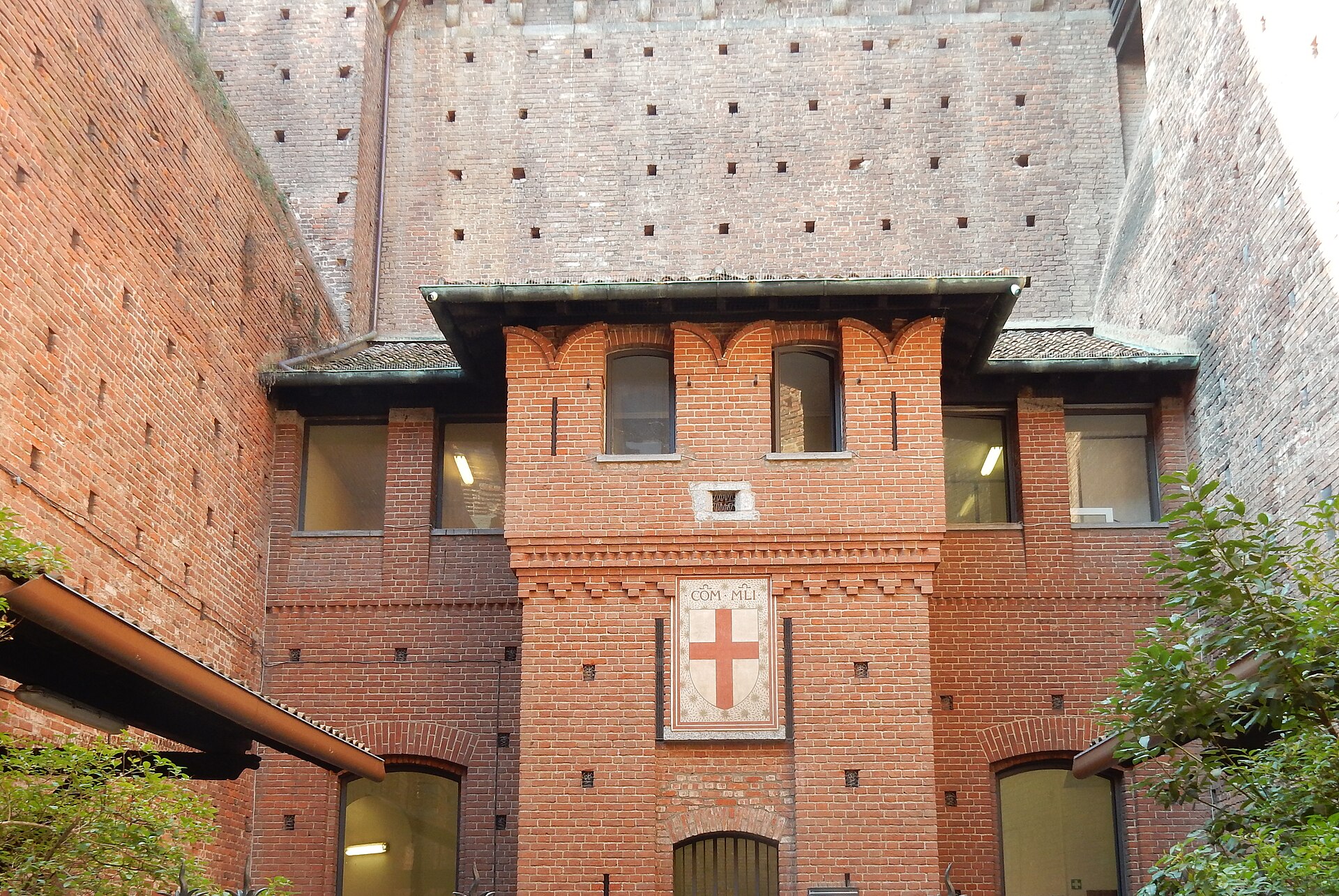
The Duomo di Milano (Wikipedia) is worth climbing for rooftop views of the city and Alps on clear days (€15 stairs, €20 elevator). The Galleria Vittorio Emanuele II (Wikipedia) next to it holds Prada, Gucci, and Campari Bar, where one €12 Negroni on the mosaic floor is worth the visit. Castello Sforzesco (Wikipedia) houses civic museums including a late Michelangelo Pieta (€5); the adjacent Parco Sempione is free. Leonardo's Last Supper at Santa Maria delle Grazie (Wikipedia) requires booking months ahead (€15 plus €2 fee) for a 15-minute timed viewing. Pinacoteca di Brera (Wikipedia) holds the best northern Italian Renaissance collection in the city (€15).
Local food: risotto alla milanese (saffron and bone marrow, €12-18 at a neighborhood trattoria), ossobuco (braised veal shank, €18-25), cotoletta alla milanese (pan-fried breaded veal, €15-22). Aperitivo culture runs 5-8 PM: a €10-14 cocktail at most Navigli or Brera bars includes access to a free buffet that often substitutes for dinner.
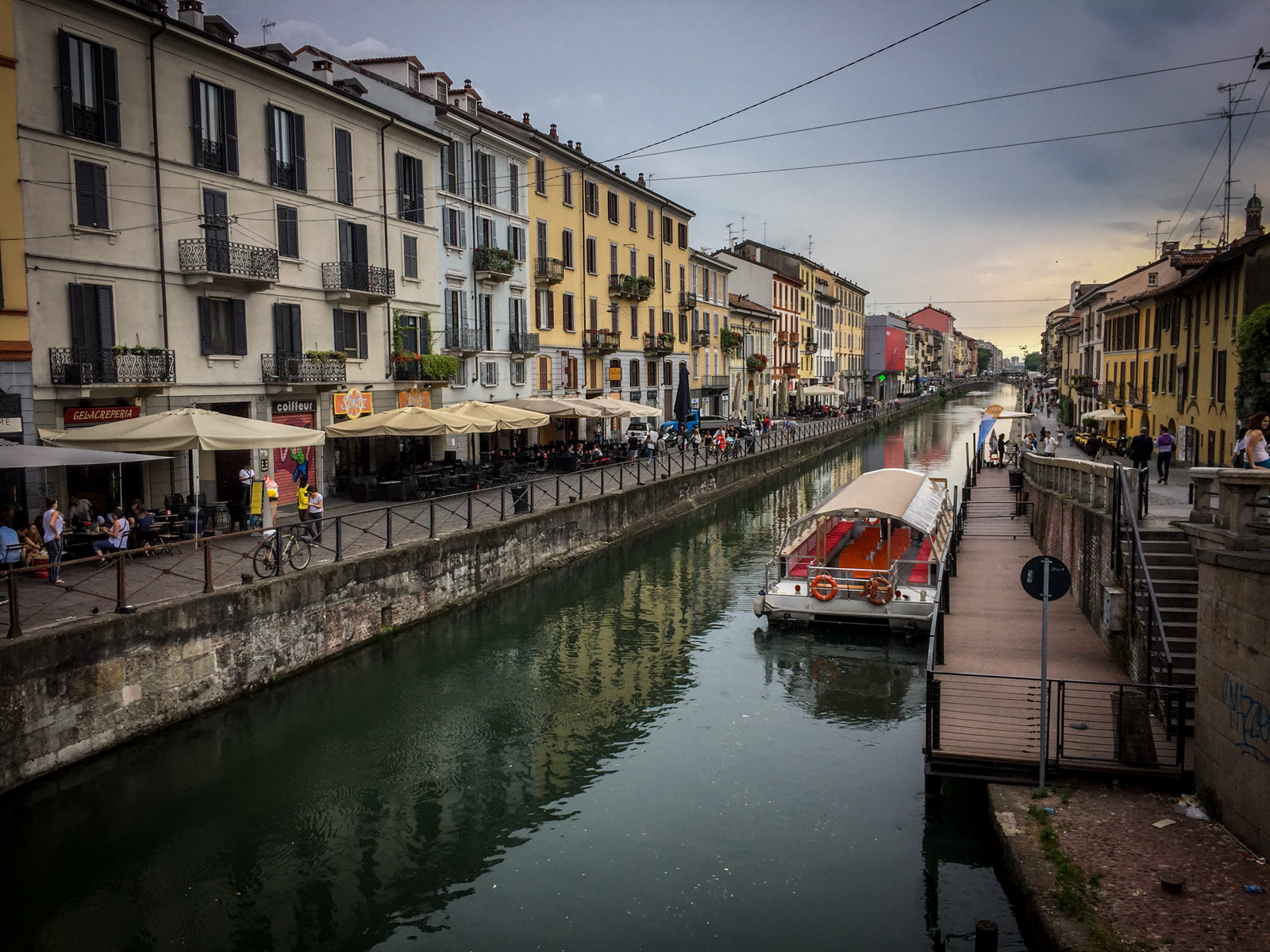
The Navigli district (two historic canals, southwest of center) is the best area for aperitivo and mid-range restaurants. Brera, north-center, is the art-and-design quarter: galleries, independent bookshops, and better restaurant-to-tourist ratios than near the Duomo.
Health and Medical
Healthcare is high quality. Emergency care (dial 118) is available to all; non-EU visitors receive a bill afterward. EU citizens are covered by the EHIC card. Private clinics throughout the city accept international insurance; confirm direct billing arrangements before visiting. Pharmacies (farmacia, green cross sign) are dense and pharmacists can advise on and dispense many medications without a prescription. No endemic tropical diseases; standard EU food and water safety standards apply.
Demographics and Government
City population: 1.4 million; metro area: 3.2 million. Lombardy generates roughly 22% of Italy's national GDP, one of the most productive regions in the EU. About 18% of Milan's residents are foreign-born, primarily Filipino, Egyptian, Chinese, and South American communities, making it considerably more internationally diverse than most Italian cities. Italy is a parliamentary republic; Milan is governed by a directly elected mayor and city council.
Legal and Substances
Alcohol legal for adults 18+. Milan has local ordinances restricting glass bottles in parts of the Navigli area on weekend nights. Smoking is banned in all enclosed public spaces and on public transport; outdoor smoking is generally permitted. Cannabis for recreational use is illegal; small amounts may receive administrative rather than criminal treatment, but this outcome is not consistent. All other recreational drugs are illegal.
Customs and Shopping
Duty-free for non-EU departures: €430 by air/sea, 200 cigarettes, 1 liter spirits. Non-EU residents can reclaim VAT on purchases over €154.94 at a single store; get the tax receipt in-store and validate at the airport. Export of cultural goods over 50 years old requires Ministry of Culture authorization.
Accessibility and Inclusion
The M4 metro line (opened 2022) is fully step-free; lines M1-M3 have partial elevator coverage with ongoing upgrades. Major museums, the Duomo, and most central hotels have accessible entrances. Historic cobblestone streets in Brera and parts of the center remain difficult for wheelchairs. ATM's bus fleet is majority low-floor. The city's accessibility guide with rated attractions and routes is at accessiblemilano.it.
Digital Nomad Corner
Milan is expensive by Italian standards. A furnished studio in Navigli or Porta Romana runs €1,200-1,600/month; closer to Brera or the Duomo, €1,800-2,500. A trattoria lunch: €12-18. A specialty coffee: €3.50-4.50. Co-working at Copernico, Impact Hub, or Talent Garden runs €150-200/month for hot-desk access; dedicated desks €300-400; day passes €25-40.
The nomad community is smaller than in Lisbon or Barcelona, but the city has a genuine startup ecosystem in the Bovisa district and around Politecnico di Milano. Italy's Digital Nomad visa, launched in 2024, is open to non-EU remote workers earning at least €28,000/year: a 1-year renewable permit applied for through your nearest Italian consulate (processing: 30-90 days). EU citizens need no additional registration for stays under 90 days.
Keep planning: Campania: Naples, the Amalfi Coast & Pompeii, Florence & Tuscany: Renaissance Art, Food & Hill Towns and Palermo: Sicily's Street-Food Capital.
Information current as of 2026. Verify visa rules and costs with official sources before travel.