Florence & Tuscany: Renaissance Art, Food & Hill Towns
Nomad Toolkit
Overview and Vibe
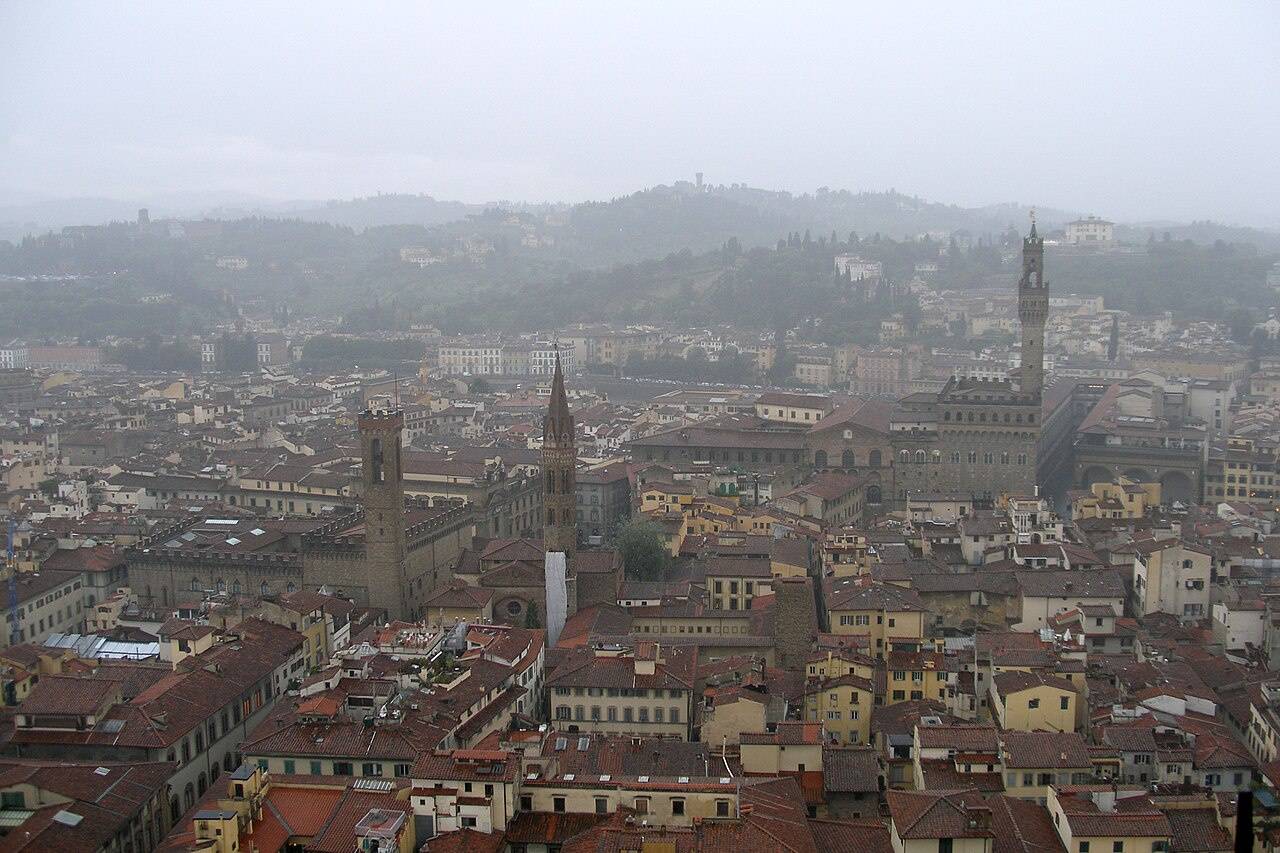
Florence (Firenze), population 375,000, is the capital of Tuscany and holds the world's highest concentration of Renaissance art and architecture per square kilometer. The Arno River divides the historic center from the quieter Oltrarno neighborhood, home to artisan workshops and local trattorias that see fewer tourists than the north bank.
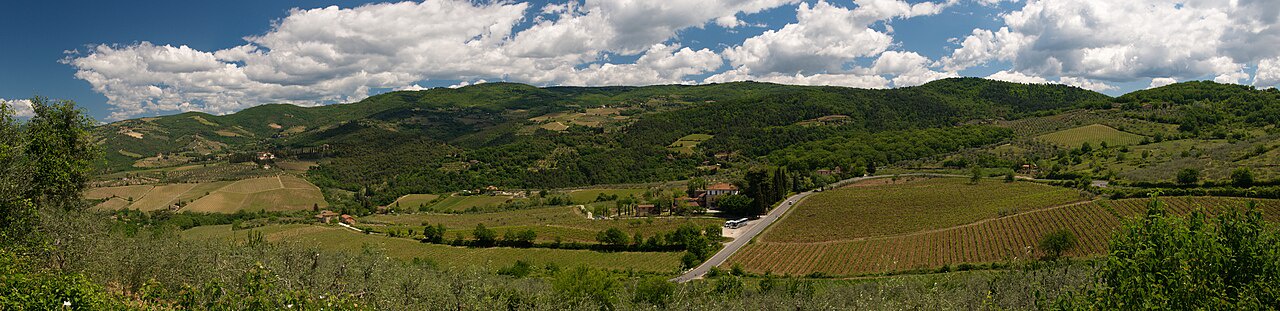
Tuscany beyond Florence spans 3.7 million people, rolling vineyards, and medieval hill towns including Siena, San Gimignano, Lucca, and Volterra. The Chianti wine corridor between Florence and Siena runs roughly 35 km through the region's most photographed agricultural landscape.
Peak season (June to August) brings heavy foot traffic and daily highs above 33°C. April, May, September, and October offer better crowd levels and temperatures. A growing digital nomad community has taken root, helped by Italy's remote work visa introduced in 2024.
A Brief History
Rome established Florence in 59 BC as a colony for veteran soldiers, laid out like a military camp beside the Arno. By 1100 it was a self-governing commune, and its wool and banking wealth carried it through the Black Death of 1348, which killed more than half the city. Cosimo de' Medici took effective control in 1434, and his grandson Lorenzo bankrolled Michelangelo, Leonardo da Vinci, and Botticelli. Florence later served as capital of the newly unified Kingdom of Italy from 1865 to 1871, before Rome took the role.
Transportation
Florence Santa Maria Novella (SMN) connects to Rome in 1h 30m from €19, Milan in 2h from €24, and Venice in 2h from €20 via Trenitalia and Italo high-speed trains. Regional trains reach Siena in 1h 30m for €9 and Pisa in 1h for €8.70.
The historic center is a ZTL zone (Zona a Traffico Limitato) with camera enforcement around the clock. Entering without an authorized permit results in fines of €80 to €160 mailed to the renter weeks later. ATAF buses cover the wider city; tram lines run from SMN toward the suburbs. Bikes rent from €15 per day. No metro exists.
- EU license valid without additional permits; non-EU drivers need an International Driving Permit
- Metered taxis are the most reliable option; Uber operates but has limited coverage
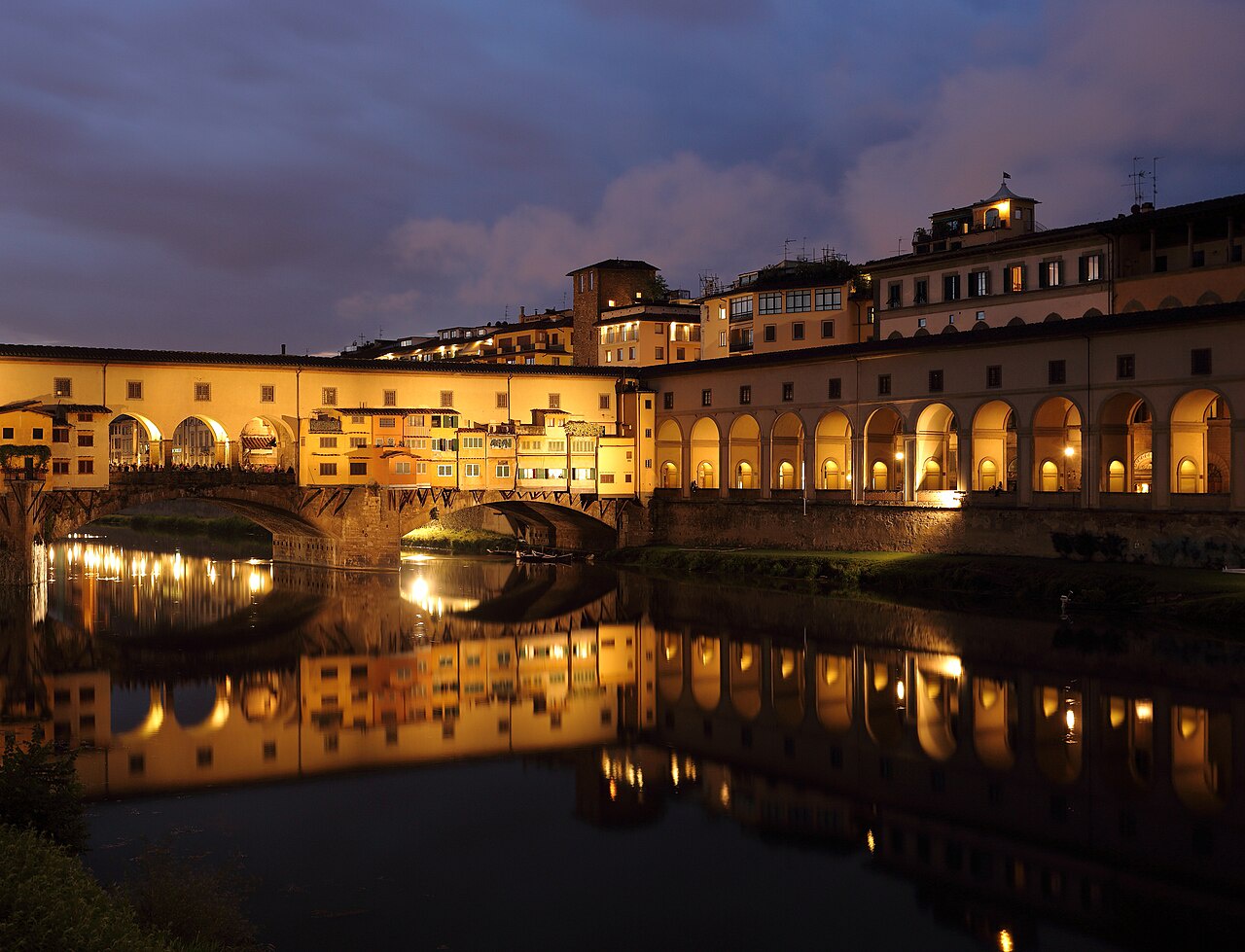
- The Piazzale Michelangelo viewpoint is a 20-minute uphill walk from Ponte Vecchio (Wikipedia)
Language, Customs and Etiquette
Italian is the official language. Hospitality workers in Florence typically manage functional English; rural Tuscany is far less English-friendly. Cappuccino is a morning drink; ordering one after noon marks you as a tourist. Espresso at the bar costs €1.20 to €1.50 and is drunk standing. Church dress codes require covered shoulders and knees; the Duomo enforces this at entry.
Safety and Security
Florence has low violent crime. Pickpocketing concentrates around the Uffizi queue, SMN station, and Piazza del Duomo. Keep phones in front pockets and bags worn across the body. Restaurant bill padding is common near the Duomo; verify prices against the menu before paying. A coperto (cover charge) of €2 to €4 per person is standard; additional "service charges" on top are not.
- General emergency: 112
- Ambulance: 118 | Police: 113
Weather and Climate
| Season | Avg High | Avg Low | Notes |
|---|---|---|---|
| Winter (Dec-Feb) | 10-12°C | 3-5°C | Jacket required; few crowds |
| Spring (Mar-May) | 16-25°C | 7-14°C | Best overall; 8-9 rain days/month |
| Summer (Jun-Aug) | 29-33°C | 18-21°C | Hot and crowded; 3-5 rain days |
| Autumn (Sep-Nov) | 15-27°C | 8-17°C | Best for wine harvest; more rain by Nov |
Pack a light waterproof for spring and autumn. July and August in the Arno valley are hot; stone streets retain heat into the evening.
Logistics and Practical Info
- Currency: Euro (EUR). ATMs throughout the center.
- Plugs: Type F and Type L, 230V/50Hz. Bring an adapter for Type A/B devices.
- Time zone: CET (UTC+1), CEST (UTC+2) late March to late October.
- Tap water: Safe to drink. Free public nasoni fountains are throughout the center.
- SIM cards: TIM, Vodafone, Wind Tre prepaid tourist SIMs cost €10 to €20 for 20-30GB; passport required. Available at SMN and the airport.
- Internet: No censorship; VPNs legal and unrestricted. 4G/5G coverage is strong citywide.
Attractions and Activities
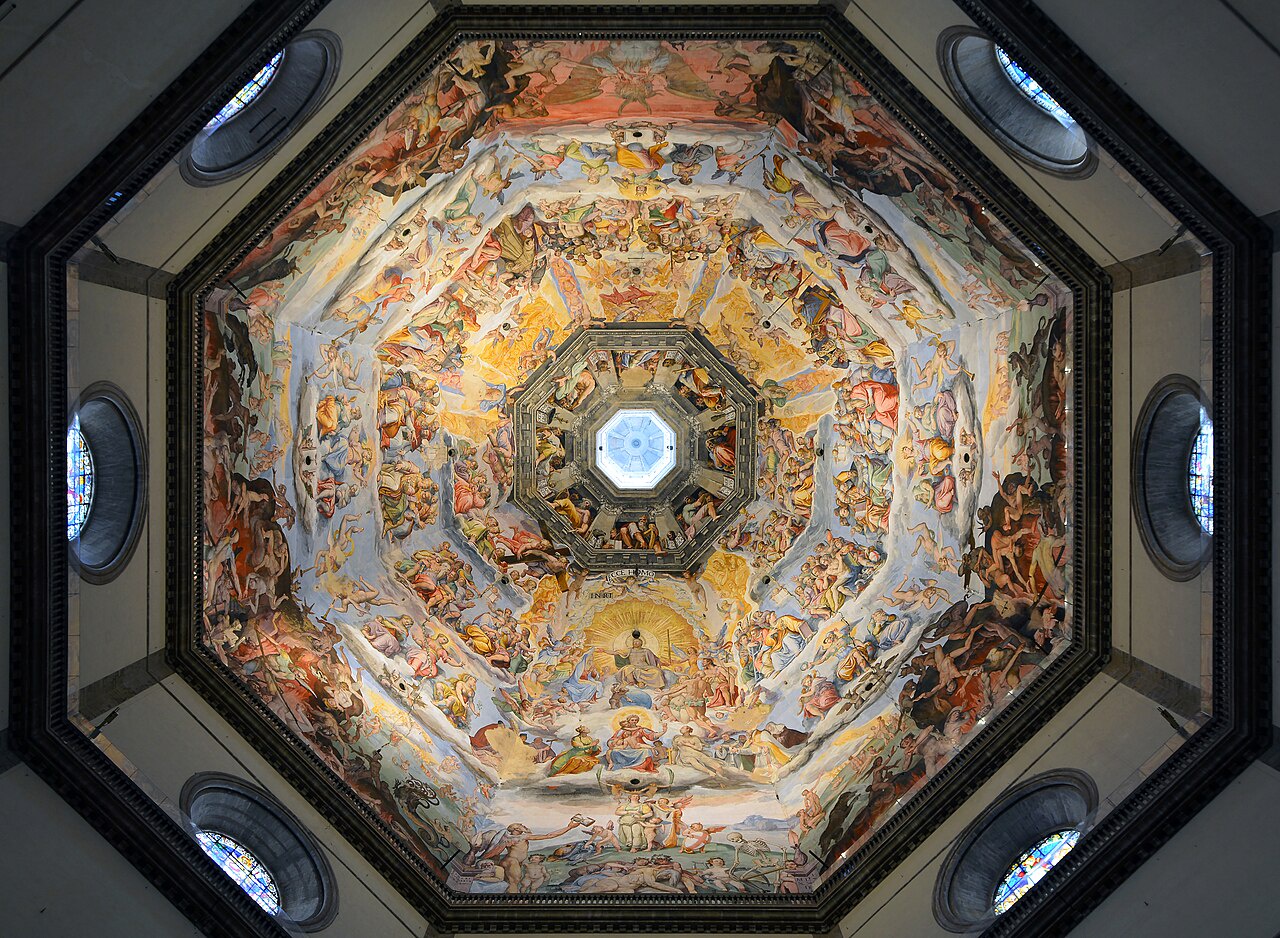
The Uffizi Gallery (Wikipedia) holds Botticelli's Birth of Venus and La Primavera alongside the world's largest Italian Renaissance collection. Admission is €25; timed entry sells out days ahead during peak season at uffizi.it. The Duomo (Wikipedia) complex charges €20 to climb Brunelleschi's dome (463 steps); the exterior and piazza are free.
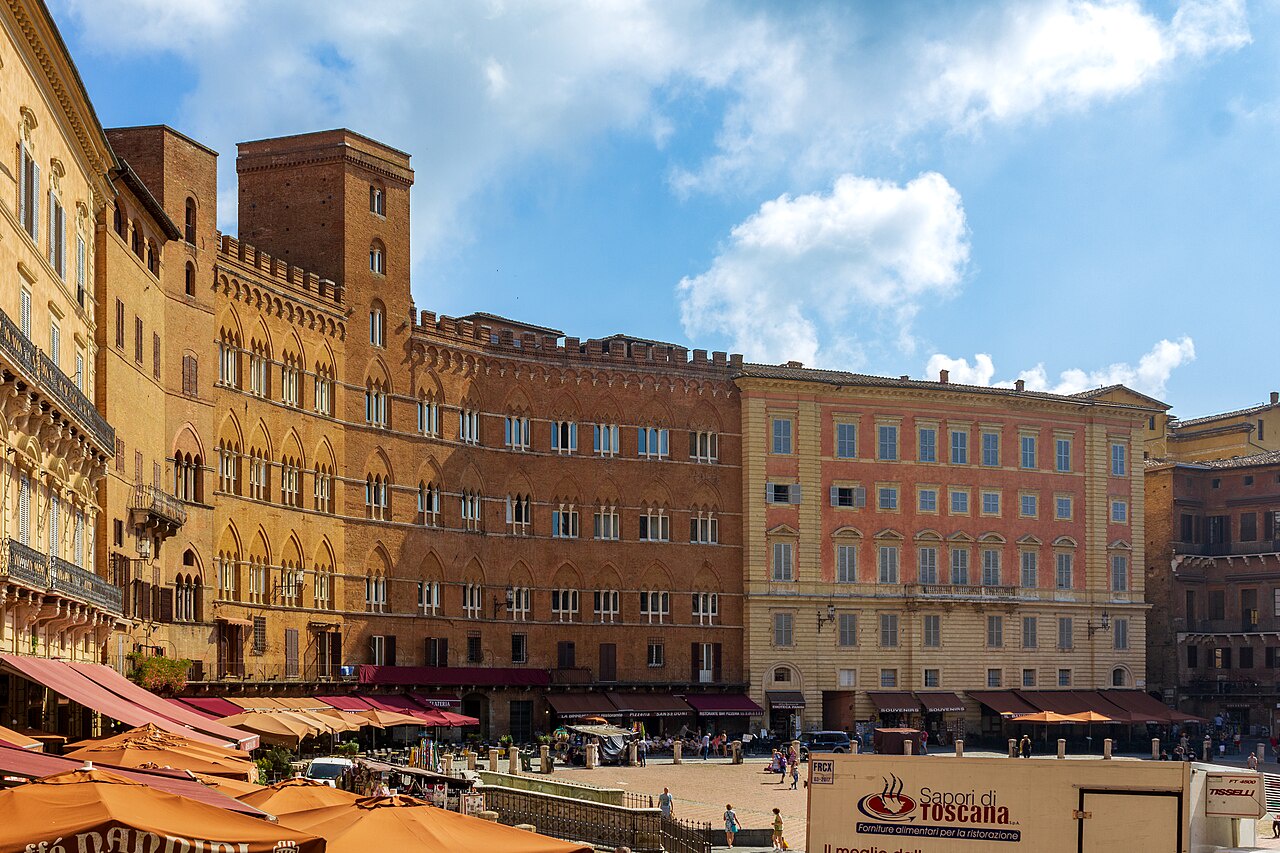
Siena's Piazza del Campo, 70 km south of Florence, is one of Europe's best-preserved medieval public squares. Regular SITA buses from SMN autostazione take 1h 15m for around €9 round trip. San Gimignano (14 medieval towers, 56 km away) is reachable in under 90 minutes.
Tuscany produces some of Italy's most recognized wines. Chianti Classico (Sangiovese-based, €12 to €25 per bottle retail) and Brunello di Montalcino (€35+) are the primary appellations; regional wine bars (enoteche) throughout Florence serve both by the glass from €5 to €8.
Specific food worth tracking down: bistecca alla fiorentina (Chianina T-bone, €5 to €7 per 100g) at Buca Mario near Piazza della Signoria; lampredotto sandwich (€5) from Nerbone inside the Mercato Centrale; ribollita (thick bread and vegetable soup, €9 to €12) at Trattoria da Ruggero in Oltrarno; gelato at Gelateria dei Neri, Via dei Neri 9r (cup from €2.50).
Health and Medical
Ospedale di Santa Maria Nuova (Piazza Santa Maria Nuova 1) is the nearest hospital to the historic center. EU residents with an EHIC card receive public hospital care on Italian resident terms. Non-EU visitors pay upfront and claim reimbursement from travel insurance. Pharmacies (farmacia, green cross sign) are widespread across the city. Foreign prescriptions require a local physician to reissue them.
Demographics and Government
Florence proper holds 375,000 residents; the Tuscany region reaches 3.7 million. Italy's national population of 59 million has a median age of approximately 48, one of the oldest in Europe. Italy is a parliamentary republic with a directly elected bicameral parliament. Tuscany has significant regional autonomy. No state religion; Catholicism holds a prominent cultural role under a 1984 church-state concordat.
Legal and Substances
- Alcohol: Legal from age 18. Public drinking is generally allowed; some neighborhoods enforce local nighttime restrictions.
- Cannabis: Recreational use illegal. Small personal amounts may result in administrative penalties rather than criminal charges. Medical cannabis is legal with prescription.
- Smoking: Banned in all enclosed public spaces. Outdoor areas are generally permitted except near schools and hospitals.
Customs and Shopping
Genuine handmade leather goods cluster around the San Lorenzo market and Mercato di Sant'Ambrogio. Quality leather wallets start at around €40 from reputable stalls. Non-EU visitors can claim a VAT refund (IVA) on purchases over €154.94 from Tax Free retailers; request the form at purchase and get it stamped at EU customs on departure. Standard EU exit allowance: €430 duty-free by air, 200 cigarettes, 1 liter of spirits above 22% ABV.
Accessibility and Inclusion
Historic cobblestones and medieval steps challenge wheelchair access throughout the center. Major museums including the Uffizi and Accademia have ramps and lifts, and most ATAF routes use low-floor vehicles. Florence is LGBTQ+ friendly with an annual Pride event in June; smaller Tuscan towns tend to be more conservative.
Digital Nomad Corner
Italy's digital nomad visa (in force since April 2024) requires proof of remote income above €28,000 per year, health insurance, and accommodation arrangements. The visa is valid for one year and renewable. Non-EU nationals working remotely are the target applicants.
Coworking in Florence: Impact Hub Firenze (Via Panciatichi 26) charges €20 to €25 per day or from €180 per month. Fabrica CoWorking (Via di Mezzo 42r) runs comparable pricing. Both serve a mixed local and international crowd.
- Studio apartment in the center: €900 to €1,500/month; Oltrarno area: €650 to €950/month
- Lunch at a local trattoria: €12 to €18
- Monthly transit pass: €35
- Internet: 100 to 300 Mbps average at coworking spaces; 5G from TIM and Vodafone
The Internations Florence chapter and several active Facebook expat groups organize regular meetups for newly arrived remote workers.
Where I Stayed
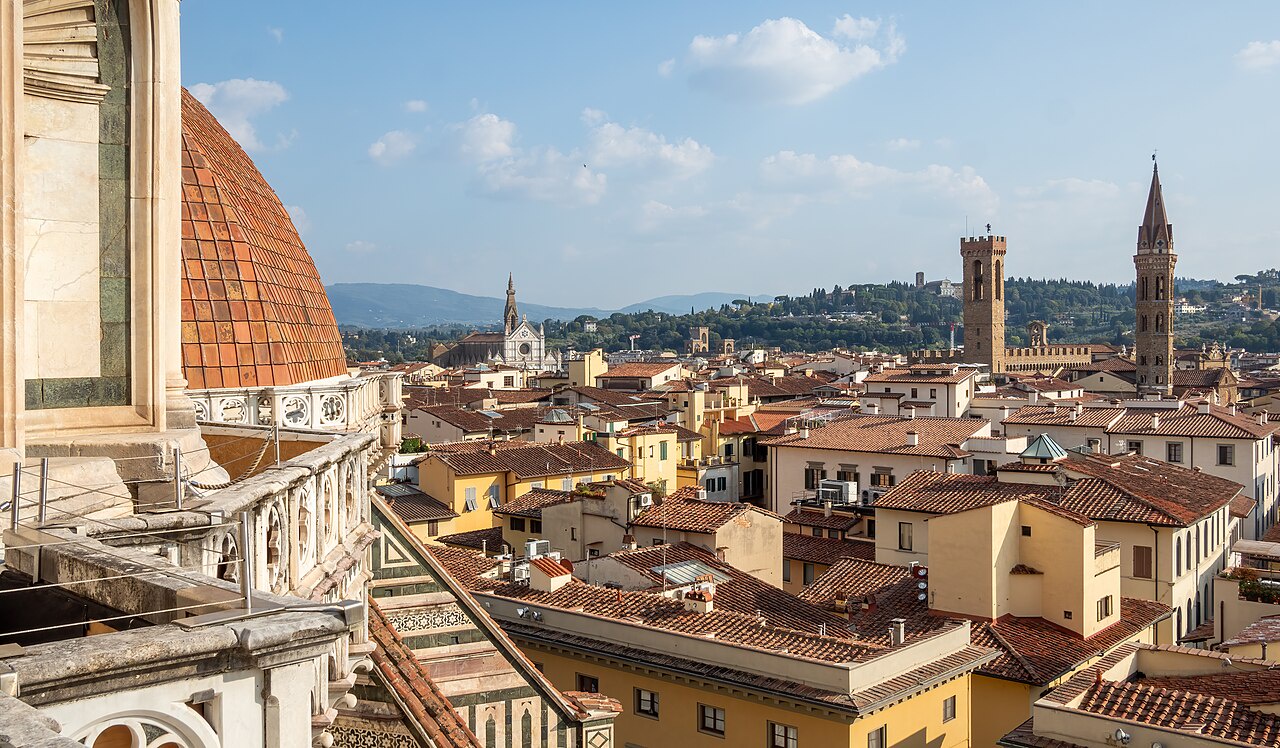
I stayed at Luxurius Duplex Penthouse in a Medieval Tower — a stunning duplex apartment inside a genuine medieval tower in the Florence historic center. The location put me steps from the Ponte Vecchio with rooftop views across the terracotta roofline. View on Google Maps.
Keep planning: Campania: Naples, the Amalfi Coast & Pompeii and Palermo: Sicily's Street-Food Capital.
Prices approximate as of 2025. Always verify opening hours and entry fees before visiting.