Denver: Mile High City for Nomads
Nomad Toolkit
Overview & Vibe
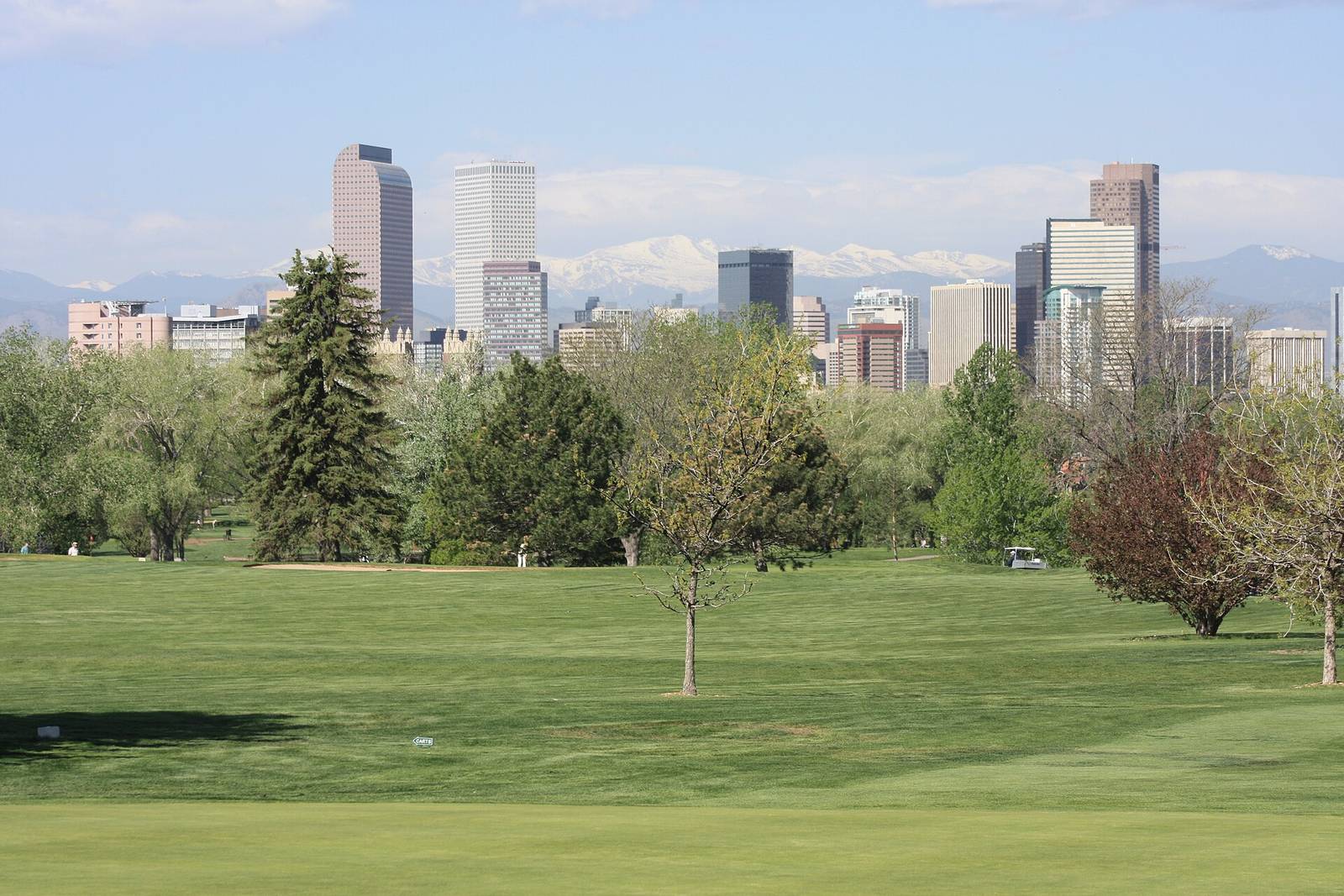
Denver sits at exactly 5,280 feet, one mile above sea level, on the high plains where the Rockies rise out of flat Colorado farmland. About 715,000 people live in the city and roughly 3 million in the metro area, and the mix skews young, outdoorsy, and transplanted. The rhythm of the place is built around the mountains an hour west: people work early, leave early, and spend weekends on trails or ski lifts.
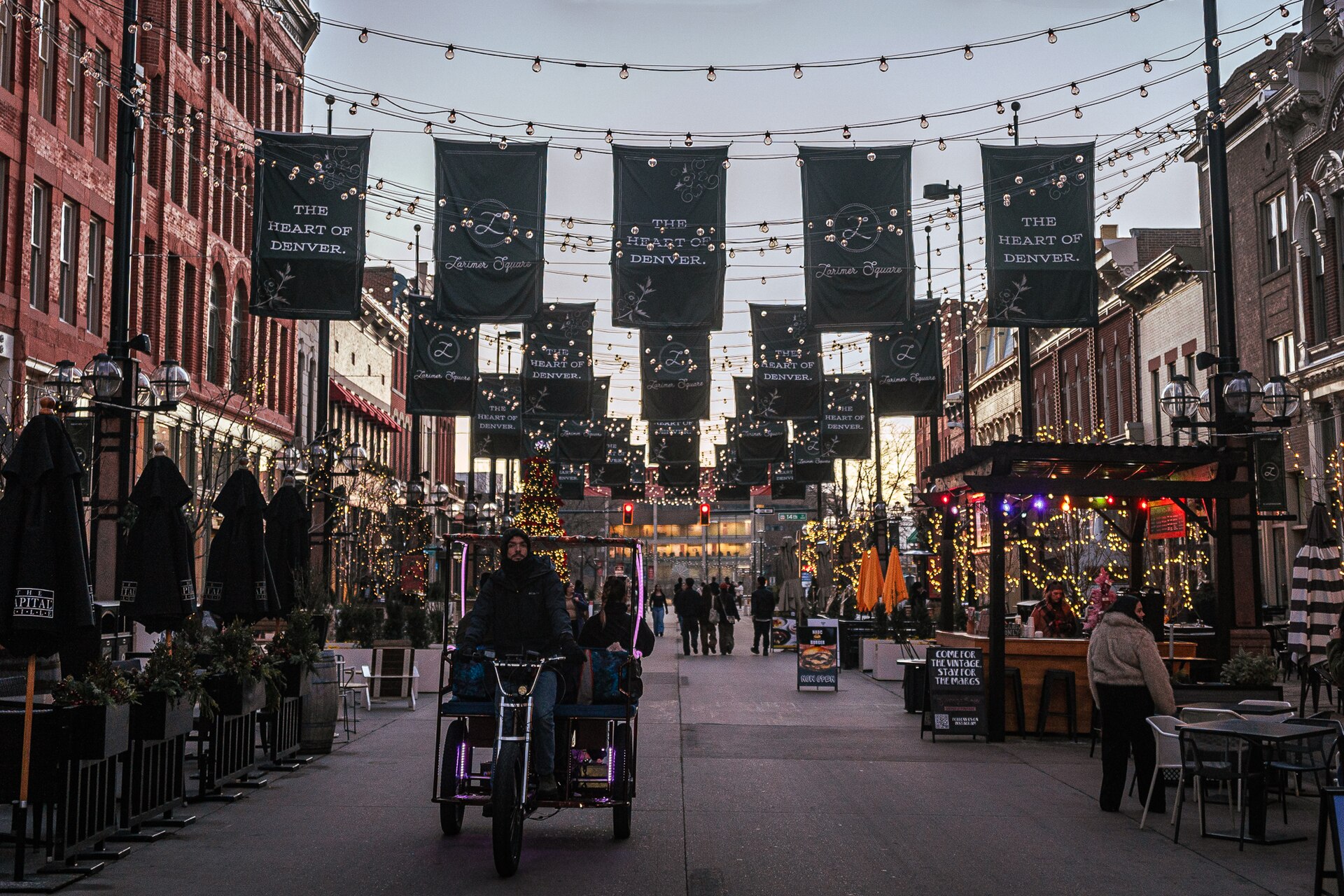
Each neighborhood has its own register. LoDo and Larimer Square hold the historic core and the sports bars, RiNo is warehouses covered in commissioned murals and taprooms, Capitol Hill is dense and scruffy with cheap rent by Denver standards, and the Highlands across the river is where the brunch lines are. Five Points, once called the Harlem of the West, anchors the city's jazz history along Welton Street.
A Brief History
Gold prospectors founded Denver in 1858 at the confluence of Cherry Creek and the South Platte, naming the camp after Kansas territorial governor James W. Denver in a bid for political favor. The Denver Pacific Railway connected the city to the transcontinental line at Cheyenne in 1870, and Denver became Colorado's capital when statehood arrived in 1876. The 1893 silver crash gutted the economy, but federal jobs, oil, and aerospace rebuilt it across the 20th century.
Transportation
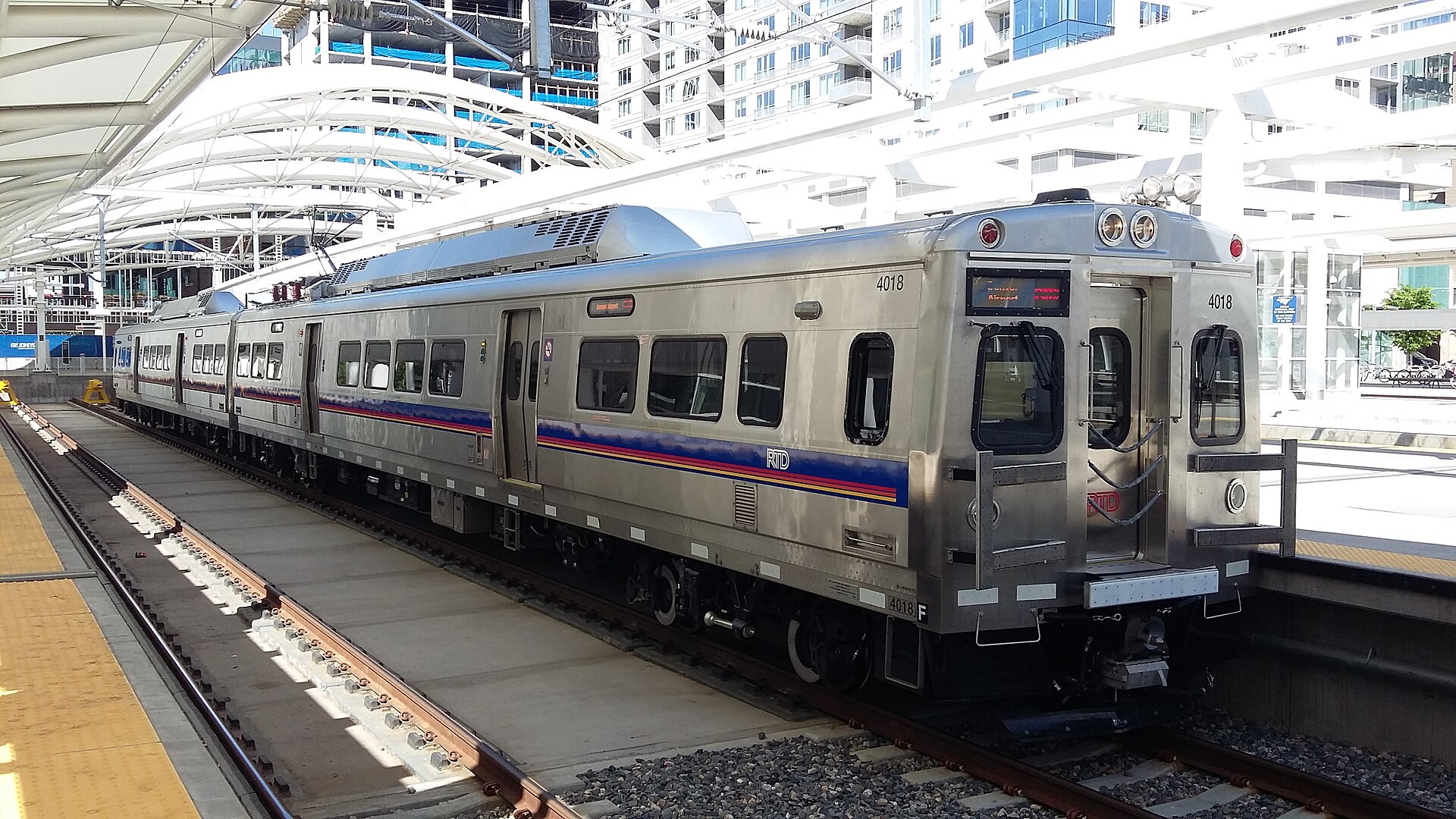
The A Line train runs from Denver International Airport to Union Station in 37 minutes for $10, which beats a $50 to $70 ride-share across the 25 miles of prairie between the airport and downtown. RTD's local buses and light rail cost $2.75 per three-hour window, a day pass is $5.50, and the Free MallRide shuttle covers the length of the 16th Street Mall. Downtown, Uber and Lyft are everywhere, and Lime scooters handle the last mile. You only need a car for the mountains: rentals are cheap by big-city standards, but plan ski trips around I-70, which jams badly on winter weekends in both directions.
Language, Customs & Etiquette
English is the default and Spanish is widely spoken, a reflection of Denver's large Mexican-American community. Tipping is standard American practice: 18 to 20 percent at restaurants, a dollar or two per drink. The local etiquette that actually matters is outdoors etiquette, so yield to uphill hikers, keep dogs leashed where posted, and do not blast music on trails. Dress codes barely exist; fleece is acceptable nearly everywhere, including nice restaurants.
Safety & Security
Emergency number is 911. Denver is safe by large-city standards, with the usual caveats: car break-ins and bike theft are the most common problems, and the stretch of the 16th Street Mall late at night draws complaints. Capitol Hill and parts of Five Points feel rougher after dark than the Highlands or Wash Park. The city is consistently ranked among the most LGBTQ-friendly in the interior US, and the annual PrideFest at Civic Center Park is one of the country's largest. Lock your car, keep skis and bags out of sight, and you have covered the main local risk.
Weather & Climate
Denver is semi-arid and sunny, averaging around 245 sunny or partly sunny days a year, with roughly 50 inches of snow spread across a long winter. The defining feature is volatility: a 70-degree January afternoon can precede a snowstorm by 24 hours.
| Month | High / Low (F) | Conditions |
|---|---|---|
| January | 45 / 18 | Sunny cold, periodic snow |
| April | 62 / 34 | Swingy, wet spring snows |
| July | 90 / 59 | Hot days, afternoon storms |
| September | 79 / 49 | Warm, dry, stable |
| October | 66 / 37 | Crisp, first snows possible |
| December | 44 / 17 | Cold snaps, sunny breaks |
Pack layers year-round and real sunscreen. At a mile high the UV index runs about 25 percent stronger than at sea level, and the dry air dehydrates you faster than you expect.
Logistics & Practical Info
Standard US logistics apply: type A/B plugs at 120 volts, Mountain Time (UTC-7, UTC-6 in summer), drinkable tap water, and no internet censorship. Home internet is strong, with Xfinity cable and Quantum Fiber gigabit service covering most of the city, and 5G from all three major carriers is reliable. SIM cards and eSIMs are sold at the airport and any carrier store downtown. One practical note: hydrate constantly for your first week. The altitude is real, and it hits sleep and alcohol tolerance before anything else.
Attractions & Activities
Red Rocks Amphitheatre, 15 miles west in Morrison, is the non-negotiable one. The 9,525-seat venue opened in 1941 between two 300-foot sandstone monoliths, and it is free to walk during the day when no show is on; locals run the bleachers at sunrise. Catching any concert there, regardless of who is playing, is worth the ticket.
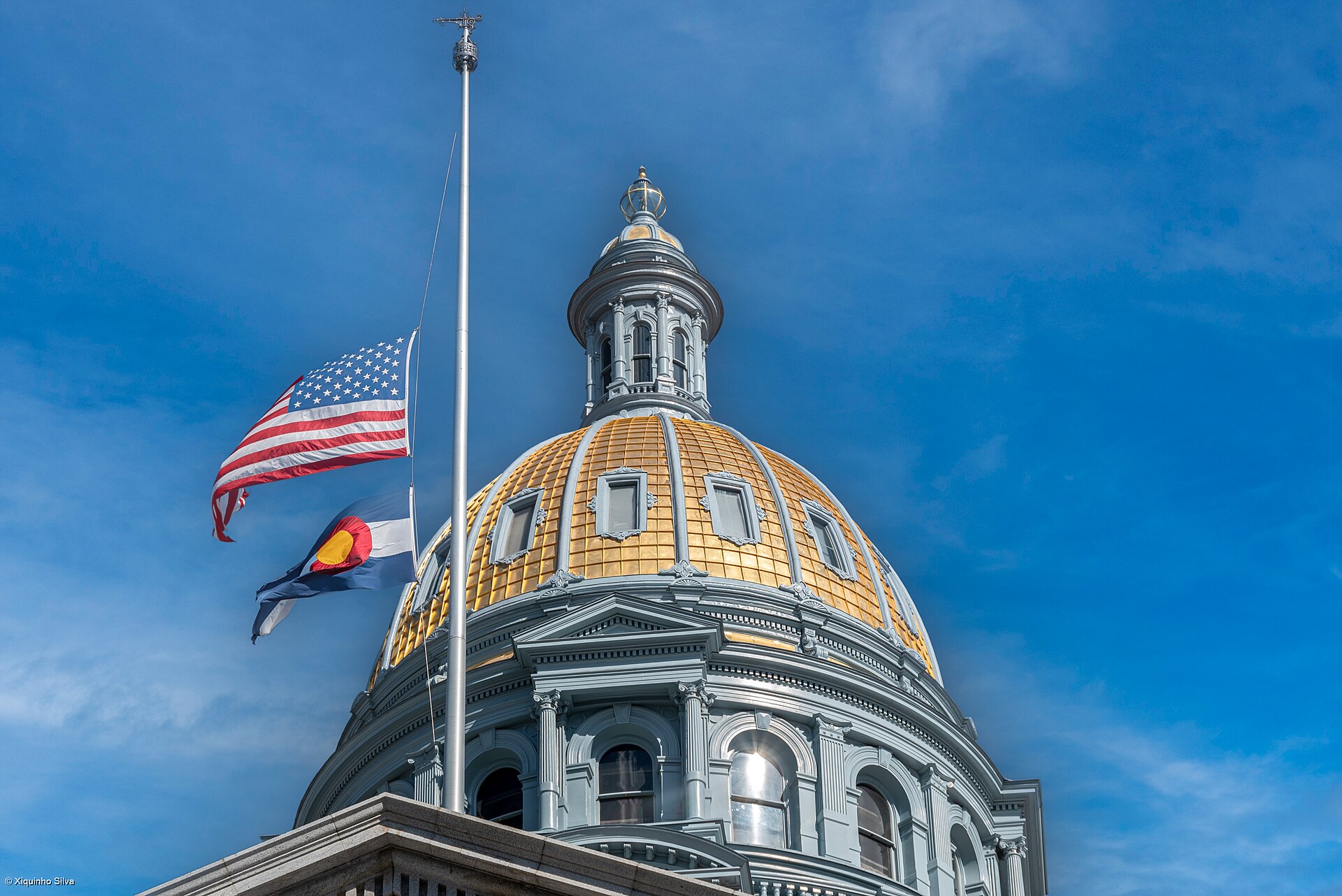
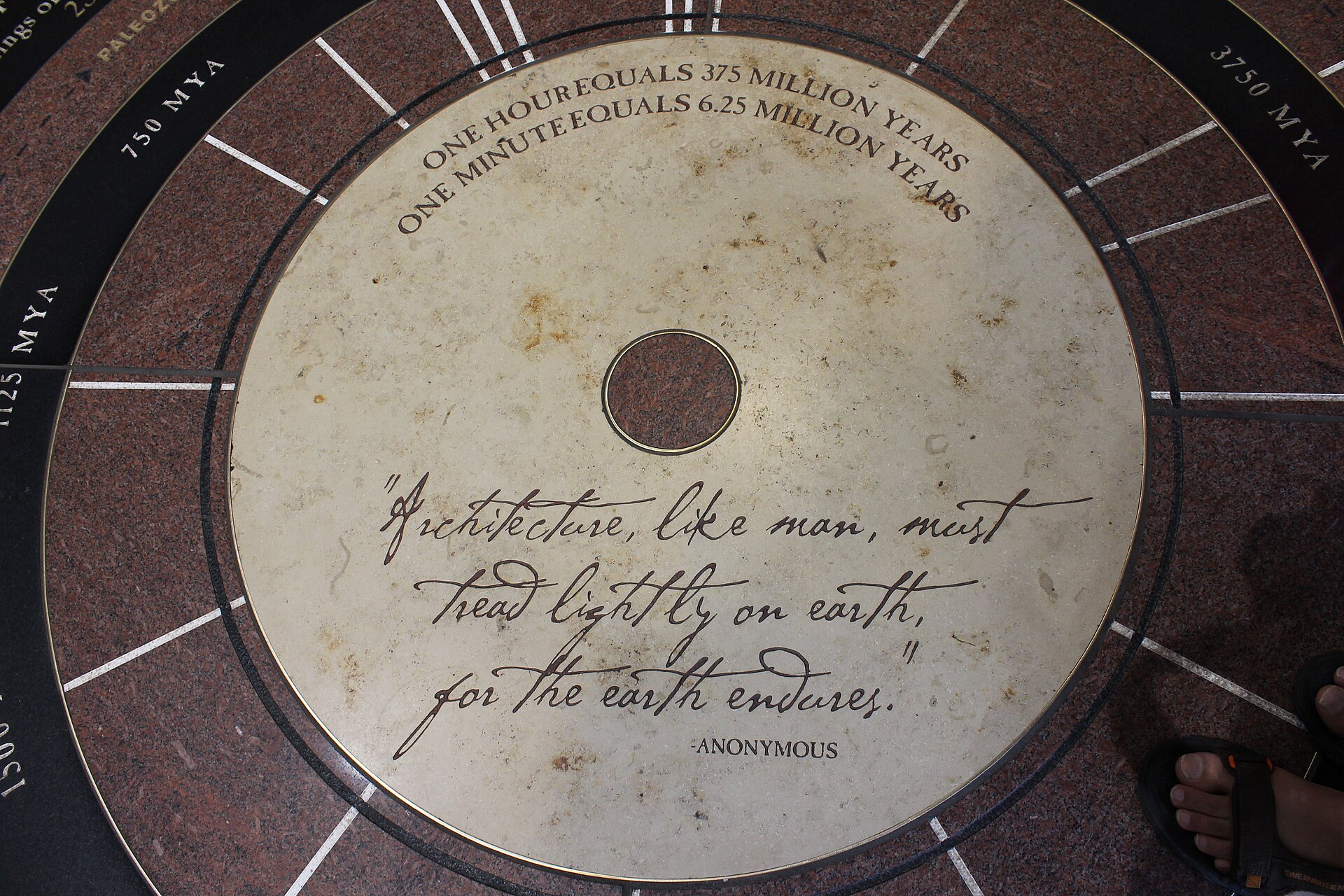
In the city, climb the Colorado State Capitol steps to the marker at exactly one mile of elevation, then walk the free tour under the real-gold dome. The Denver Art Museum has one of the best Indigenous art collections anywhere, and Meow Wolf Convergence Station is a four-story immersive art maze near the stadium, around $45 a ticket.
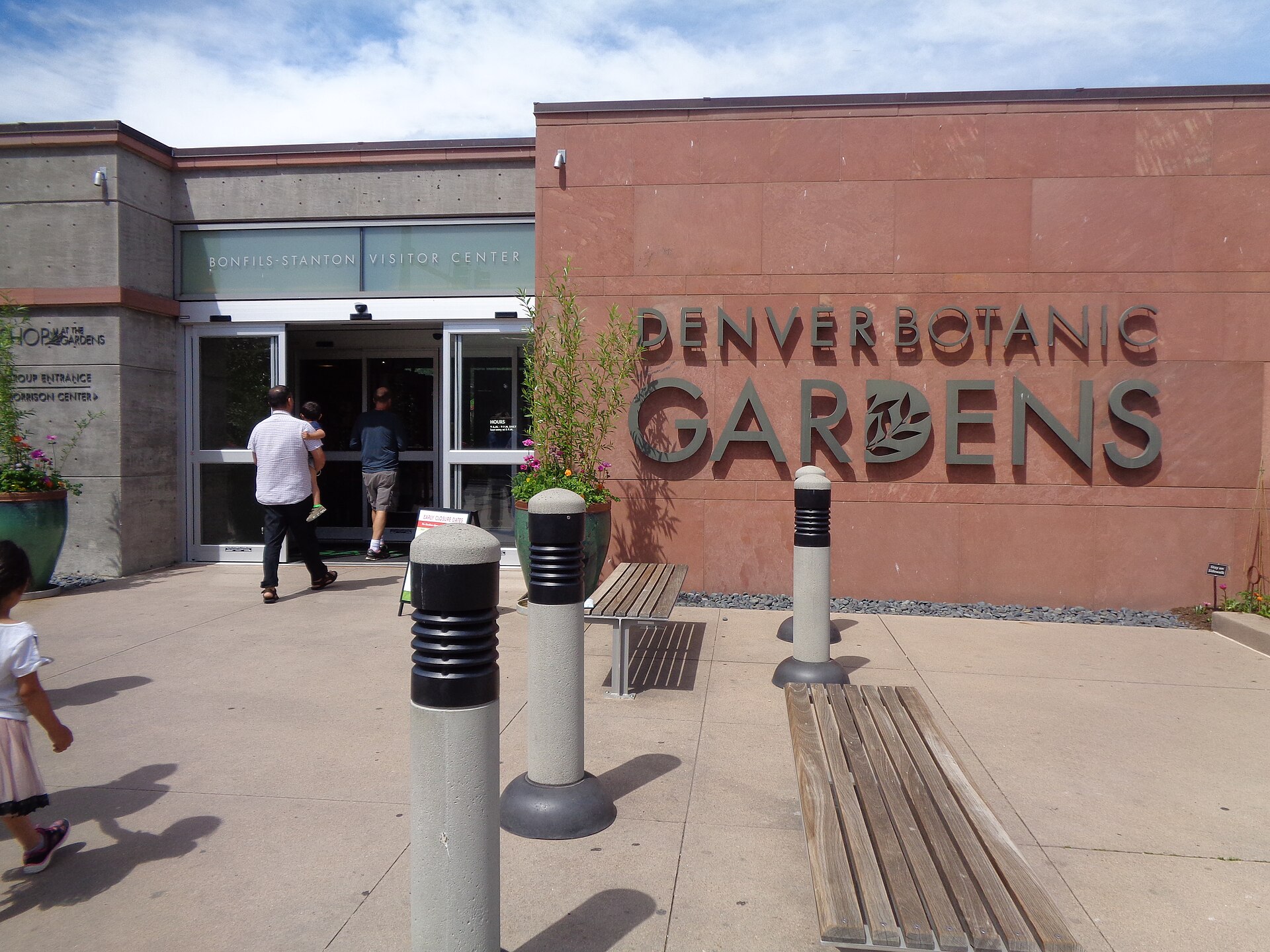
The Denver Botanic Gardens on York Street packs 24 acres of themed gardens against the skyline. Baseball at Coors Field is one of the city's cheapest nights out, with Rockpile seats around $10. Eat the local staples: a smothered green chile breakfast burrito (about $5 at any Santiago's), a Denver omelet where it was named, and a tasting flight in RiNo, where Ratio Beerworks and dozens of neighbors make up one of the densest brewery districts in the country.
Health & Medical
Healthcare quality is high, anchored by UCHealth's Anschutz campus and Denver Health downtown, and walk-in urgent care clinics are scattered across every neighborhood. US healthcare pricing applies, so carry travel insurance with decent limits. Pharmacies (CVS, Walgreens) are everywhere and many run 24 hours. The one local condition to respect is altitude: headaches, poor sleep, and fatigue in your first days are normal, and the fix is water, light exercise, and moderating alcohol until you adjust.
Demographics & Government
Denver is a consolidated city and county run by an elected mayor and 13-member council, and it doubles as Colorado's state capital. The population is roughly 715,000, about 29 percent Hispanic or Latino, with one of the highest shares of 25-to-34-year-olds among big US cities. Religious affiliation is low by national standards; the dominant local faiths are arguably skiing and football.
Legal & Substances
Colorado legalized recreational marijuana in 2012 and retail sales began January 1, 2014, the first state to do so. Purchase is 21 and over with ID, possession up to 2 ounces, but public consumption remains illegal, including parks and sidewalks, and hotels mostly ban it too. Public drinking outside licensed patios is prohibited. Smoking is banned indoors statewide. Colorado voters also decriminalized psilocybin in 2022, with licensed healing centers now operating under state regulation, though retail sales remain illegal.
Customs & Shopping
Standard US customs rules apply on entry, including the $800 duty-free exemption for returning residents. For things worth carrying home, Rockmount Ranch Wear on Wazee Street invented the snap-button western shirt and still sells them from the original 1946 building, and the Tattered Cover is the city's beloved independent bookstore. A jar of Colorado green chile travels better than you would think.
Accessibility & Inclusion
RTD buses and trains are fully accessible, downtown sidewalks have consistent curb cuts, and major venues including Red Rocks offer accessible seating rows and shuttle service from parking. The pain points are the Victorian-era buildings in Capitol Hill and older restaurants with stepped entrances. Access-a-Ride provides paratransit across the metro area with advance booking.
Digital Nomad Corner
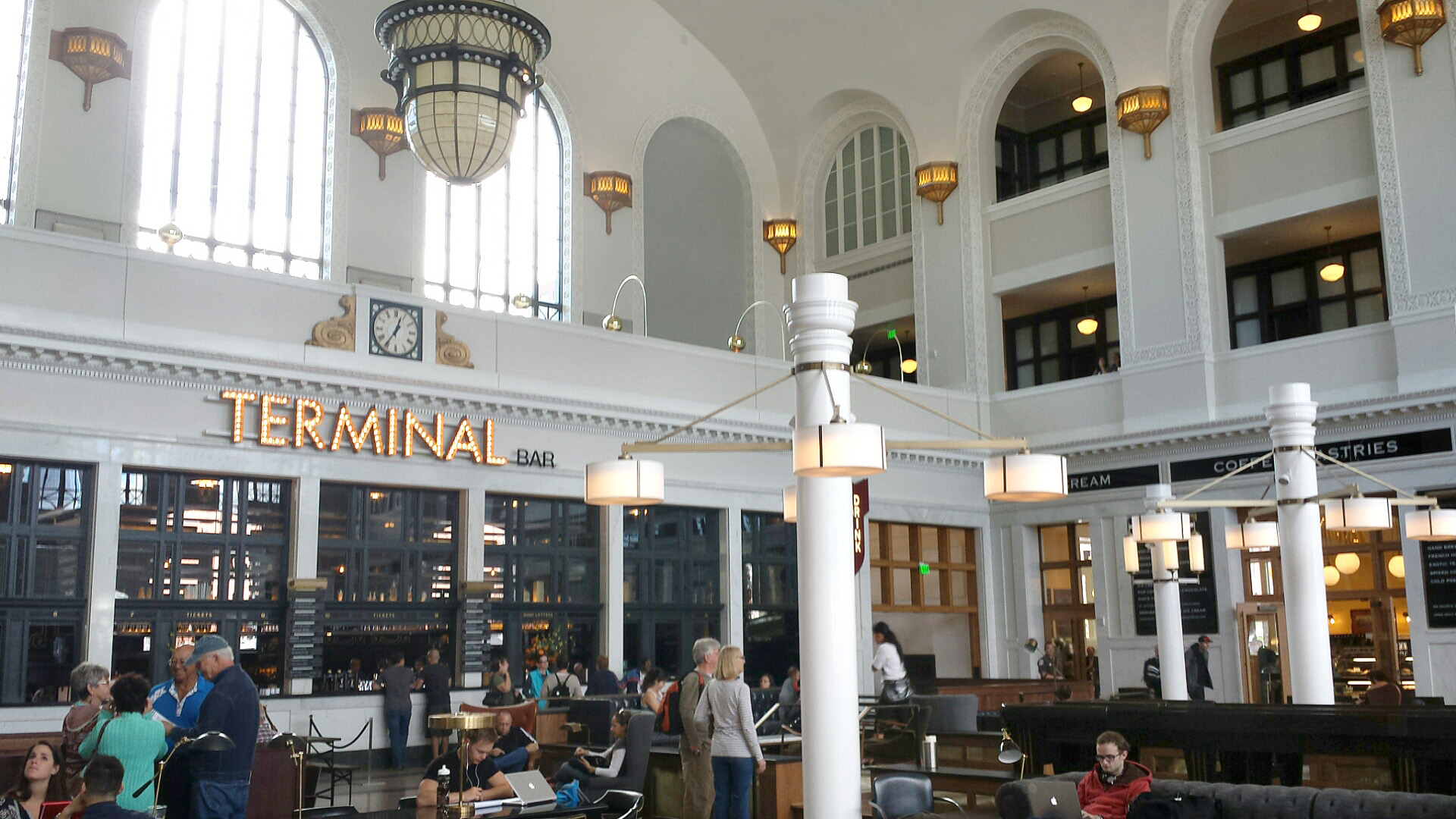
Denver works well as a US base. Expect $1,700 to $1,900 for a decent one-bedroom, and a realistic all-in month between $3,000 and $4,000. Coworking is plentiful: Industrious and Enterprise Coworking run polished spaces downtown and in RiNo with day passes in the $25 to $40 range, while the Great Hall at Union Station is the city's unofficial free office, couches and WiFi included. For cafe work, Huckleberry Roasters and Corvus Coffee tolerate laptops and pull excellent espresso. The community side is strong: Denver Startup Week each September is the largest free event of its kind in the country. There is no US digital nomad visa, so international visitors work with ESTA's 90 days or a B1/B2, and the usual rule applies, remote work for a foreign employer only.
Keep planning: Colorado Springs: Pikes Peak Base and Great Sand Dunes National Park Guide: Sandboarding.
Photos: Wikimedia Commons contributors (CC BY 2.0, CC BY 4.0, CC BY-SA 2.0, CC BY-SA 4.0).