Rome: The Eternal City
Nomad Toolkit
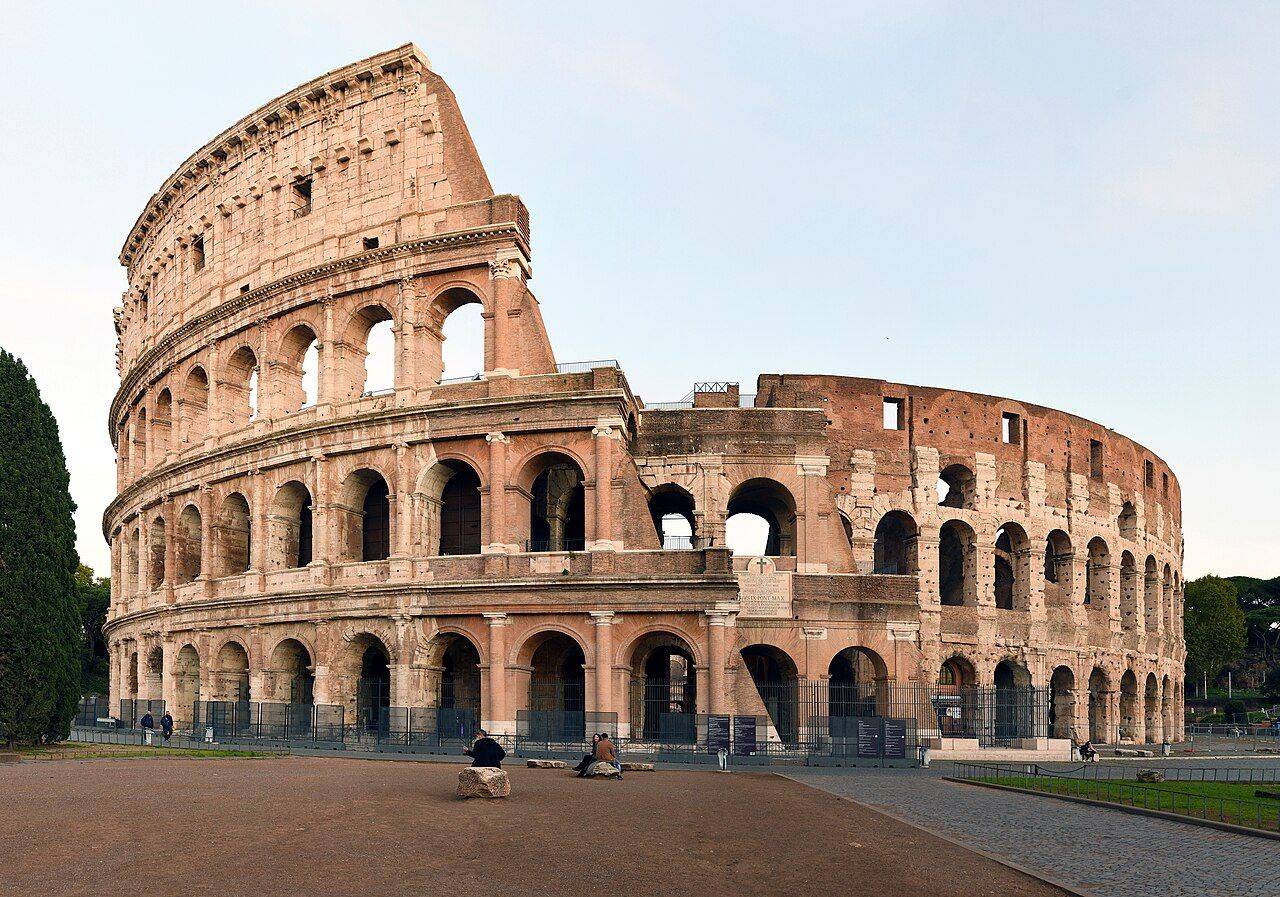
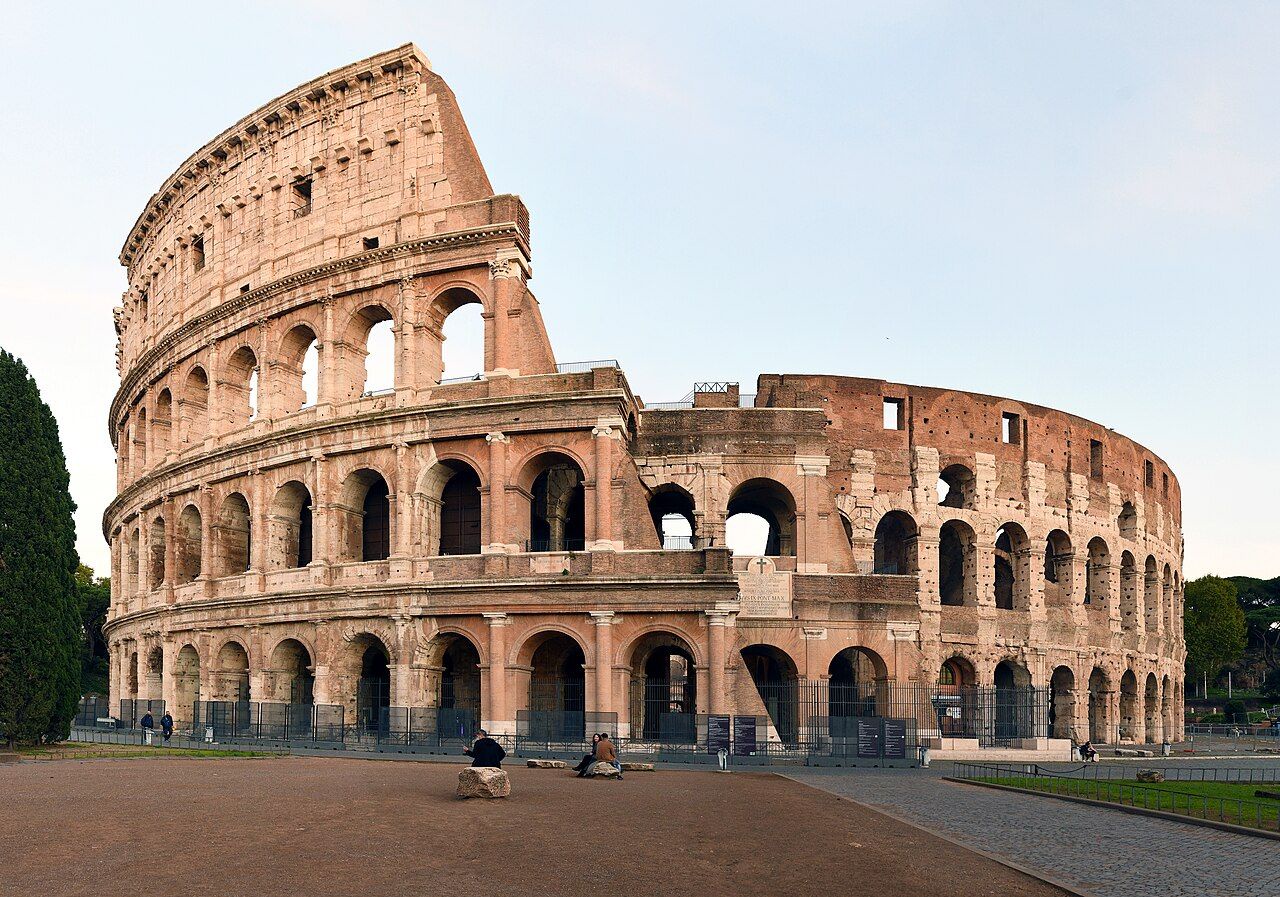
Photo via Wikimedia Commons (CC licensed)
Overview and Vibe
Rome is Italy's capital and home to approximately 2.8 million people in the city proper. The city has been continuously inhabited for over 2,700 years, and that layering of history shapes daily life in a way few cities can match. Roman ruins, Renaissance churches, baroque piazzas, and mid-century apartment blocks all occupy the same neighborhoods. The Colosseum (Wikipedia), completed in 80 AD, drew crowds of 50,000 to 80,000 spectators. You can visit it on a Tuesday afternoon.
April to May and September to October offer the most comfortable conditions, with temperatures in the 19 to 26°C range and thinner crowds at major sites than peak summer. July and August peak at 32°C (90°F) with queues to match. Winters are mild, with daytime highs around 12°C, and the major museums are far more accessible.
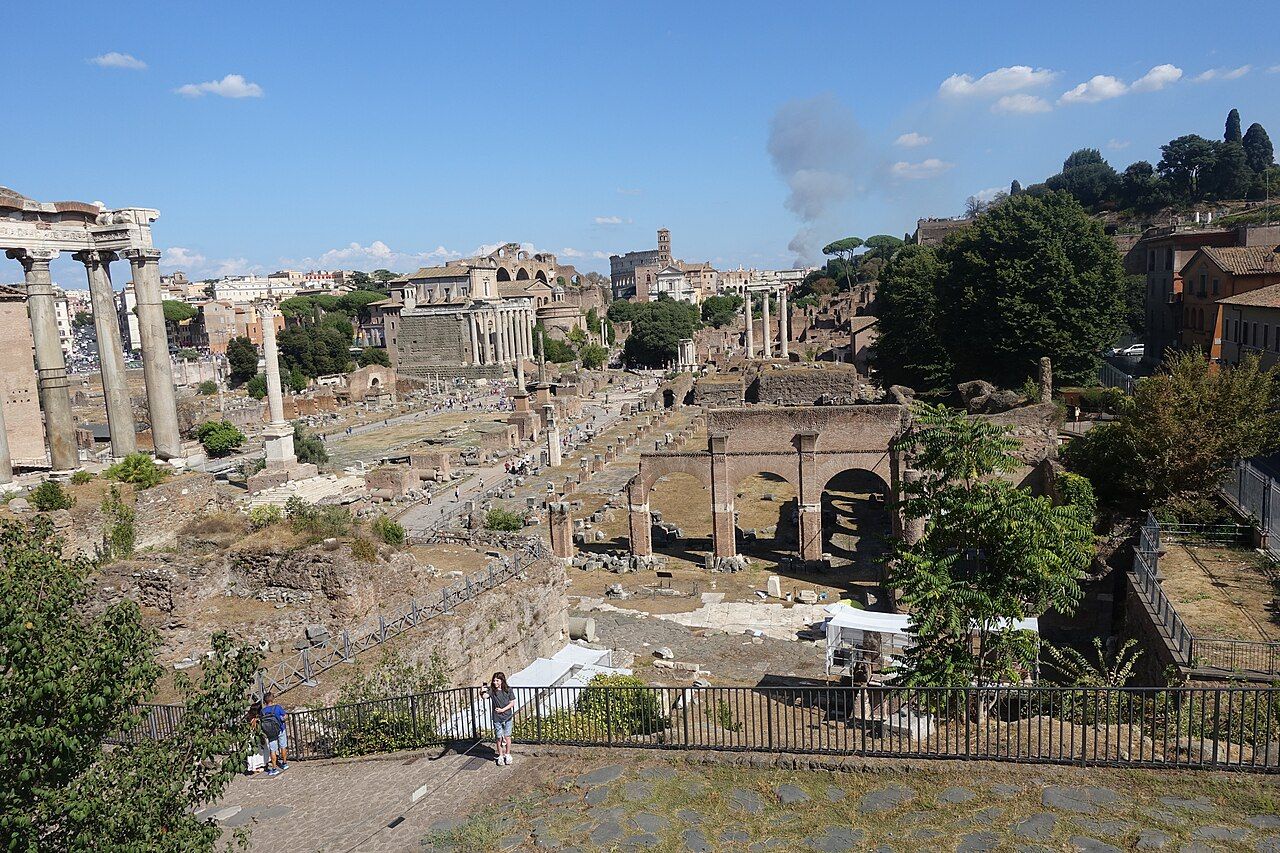
Photo via Wikimedia Commons (CC licensed)
A Brief History
Roman tradition dates the city's founding to 753 BC, and its early population drew from Latins, Sabines, and Etruscans. The city went on to serve as capital of the Roman Kingdom, the Republic, and an empire that governed the entire Mediterranean at its height. After the western empire collapsed, Rome passed to the papacy and remained the capital of the Papal States from the 8th century until 1870. It became the capital of unified Italy in 1871 and hosted the Summer Olympics in 1960.
Transportation
Rome's public transit includes two metro lines (A and B), a bus network, and several tram routes. A single ride costs €1.50 (valid 100 minutes on bus and tram, or one metro trip). The Colosseo station on Line B sits steps from the Colosseum. From Fiumicino Airport, the Leonardo Express train runs to Roma Termini in 32 minutes for €14; a licensed taxi from the airport has a fixed rate of €48. Uber and Bolt operate in the city. The Zona a Traffico Limitato (ZTL) restricts driving in the historic center; rental cars make sense for day trips outside Rome, not for central navigation.
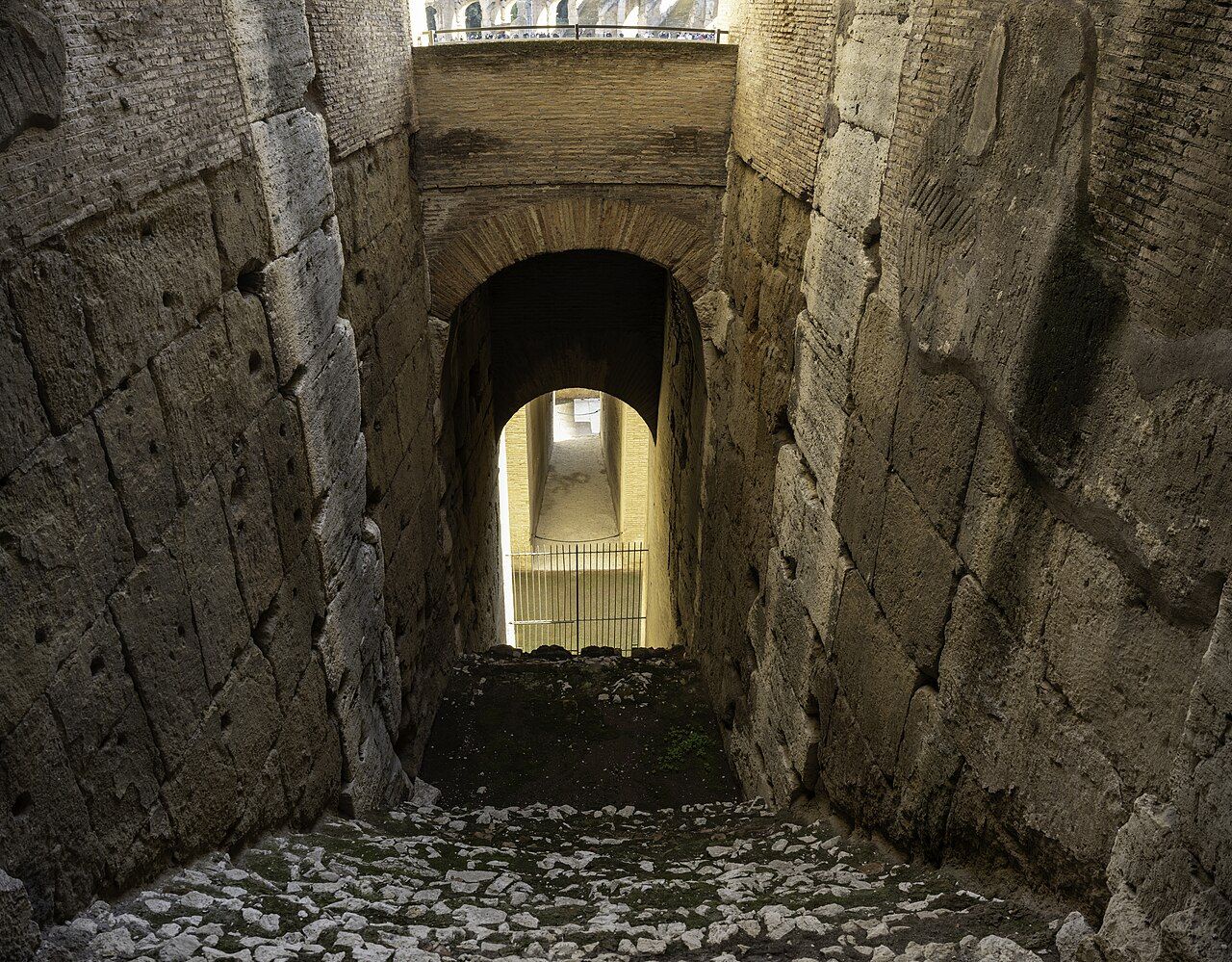
Photo via Wikimedia Commons (CC licensed)
Language, Customs and Etiquette
Italian is the official language. Use "Buongiorno" until around 2 PM, "Buonasera" after. Cappuccino is a morning drink; ordering one post-meal marks you as a tourist. Churches and the Vatican enforce covered shoulders and knees; guards turn people away for shorts and sleeveless tops. The Sistine Chapel prohibits photography. Tipping is not obligatory; restaurants often add a coperto (cover charge of €1.50 to €4 per person). Rounding up or leaving 5 to 10% for good service is appreciated but not expected.
Safety and Security
Rome is generally safe. The primary concern is pickpocketing, concentrated around Termini station, bus lines 40 and 64, and crowded metro cars. Use front pockets or a cross-body bag. The bracelet scam near monuments (someone ties a string around your wrist, then demands payment) is common; decline and walk away. Emergency numbers: 112 (general European), 113 (State Police), 118 (ambulance). Rome holds an annual Pride parade each June; central neighborhoods are welcoming to LGBTQ+ visitors.
Weather and Climate
Rome has a Mediterranean climate: hot, dry summers and mild, wetter winters. Best months for visiting are April to May and September to October.
| Month | High | Low | Rain days |
|---|---|---|---|
| January | 12°C / 54°F | 4°C / 39°F | 8 |
| April | 19°C / 66°F | 10°C / 50°F | 7 |
| July | 32°C / 90°F | 20°C / 68°F | 2 |
| October | 21°C / 70°F | 12°C / 54°F | 6 |
Pack a light layer for evenings in spring and autumn. Rome's nasoni public fountains provide free, safe tap water throughout the city; bring a refillable bottle for summer.
Logistics and Practical Info
- Currency: Euro (€). Small cafes and markets often prefer cash; cards accepted at hotels and larger restaurants. ATMs are plentiful in central areas.
- Plug type: Type L (three round pins) or Type F (Schuko). Voltage 230V, 50Hz. Adapters sold at airports and electronics shops.
- Time zone: CET (UTC+1); CEST (UTC+2) from late March to late October.
- SIM cards: TIM, Vodafone, Wind Tre, and Iliad offer prepaid tourist plans starting at €10 to €20 for 20 to 50 GB over 30 days. Passport required at registration.
- Tap water: Safe throughout Italy. Rome's nasoni fountains are potable.
- Internet: No censorship. Italy does not restrict access to websites or apps.
Attractions and Activities
The Colosseum costs €16 to €24 and includes the Roman Forum (Wikipedia) and Palatine Hill on the same ticket; book online well in advance to avoid two-hour walk-up queues in peak season. Vatican Museums admission is €20 and requires advance booking from April through October. The Sistine Chapel is the final room of a 7-kilometer museum circuit, so plan two to three hours minimum.
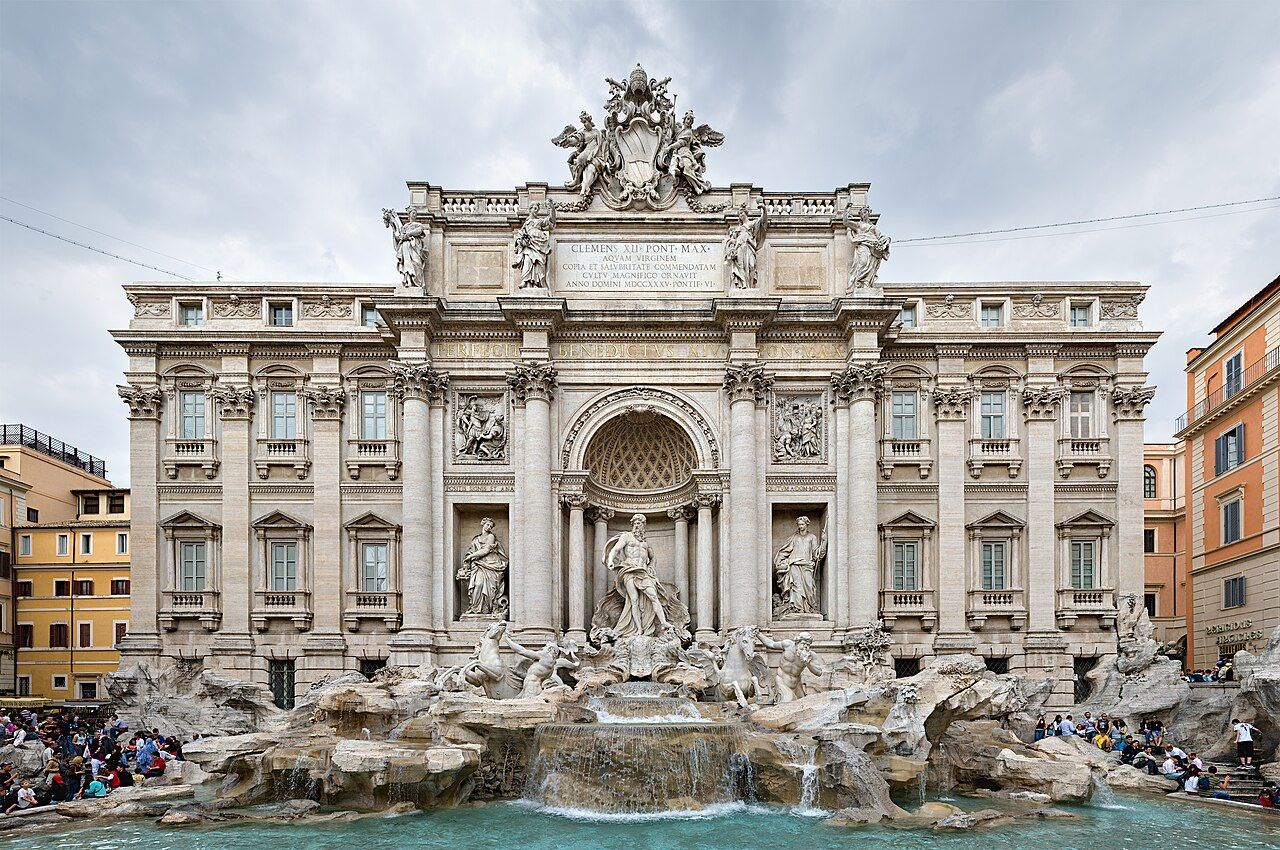
Photo via Wikimedia Commons (CC licensed)
The Trevi Fountain (26 meters high, 49 meters wide) is free; arrive before 8 AM to avoid the dense daytime crowds. The Pantheon (Wikipedia), one of the best-preserved ancient Roman buildings in the world, charges €5 for entry since 2023. Borghese Gallery (€15) requires advance booking and limits entry to 360 visitors per two-hour slot; reservations sell out weeks ahead in spring and autumn.
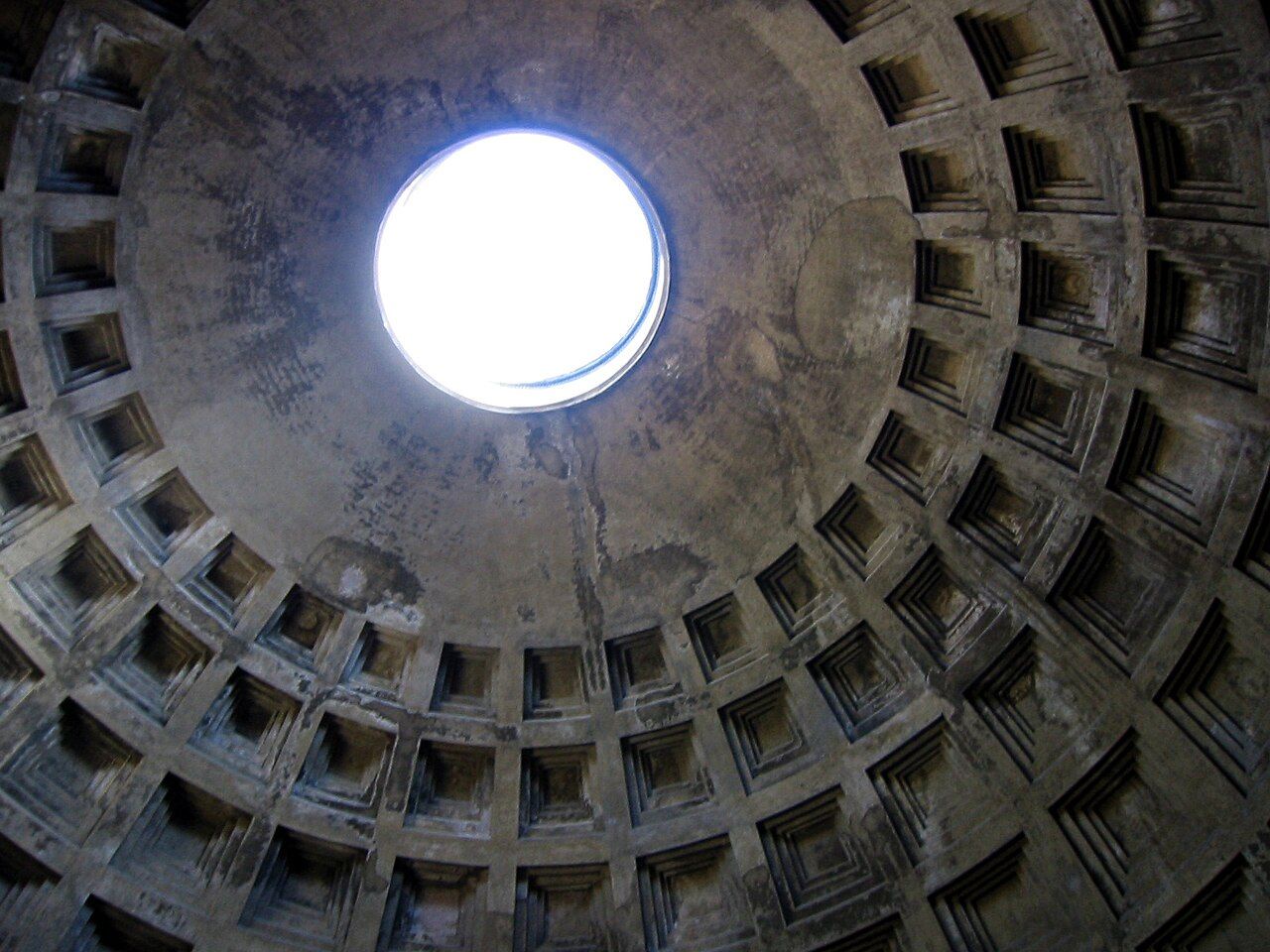
Photo via Wikimedia Commons (CC licensed)
For food: suppli (fried rice balls with ragù and mozzarella) cost €1.50 to €2.50 at street vendors including Supplì Roma on Via di San Francesco a Ripa. Cacio e pepe at Tonnarello in Trastevere runs €14. Carbonara at Osteria dell'Arco near Campo de' Fiori runs €14 to €16. Gelato at Fatamorgana (Via Laurina 10) starts at €3 for a small cup.
Health and Medical
Italy has high-quality public healthcare. Dial 118 for an ambulance. Travel insurance is strongly recommended for non-EU visitors; hospitals rarely bill foreign insurers directly. Non-EU prescriptions are not valid at Italian pharmacies; see a local physician for ongoing medications. Pharmacies (green cross sign) are widespread and pharmacists assist with minor ailments without an appointment. No endemic tropical diseases; EU food safety regulations apply throughout.
Demographics and Government
Italy has a population of approximately 59 million with a median age of around 48, among the highest in the EU. The country is a parliamentary republic with no official state religion. Rome is home to Vatican City, an independent city-state and the seat of the Roman Catholic Church, which retains significant cultural influence despite the formal separation of church and state established in 1984.
Legal and Substances
- Alcohol: Legal from age 18. Public drinking is permitted nationally; local ordinances restrict it in specific zones near transit hubs and schools, particularly at night.
- Marijuana: Recreational use is illegal. Small-amount possession may result in administrative rather than criminal penalties. Medical cannabis is legal by prescription.
- Smoking: Banned in all enclosed public spaces and on public transit. Outdoor smoking is allowed except near hospitals and schools.
Customs and Shopping
Fixed prices are the norm in shops and food markets; bargaining is not practiced. Non-EU residents can claim VAT refunds on purchases over €154.94 at participating retailers (look for the Tax Free sign). Italy prohibits exporting cultural goods or antiquities over 50 years old without Ministry of Culture authorization. Departure duty-free allowances for non-EU destinations: €430 in goods by air or sea, 200 cigarettes, 1 liter of spirits over 22%.
Accessibility and Inclusion
The Vatican Museums offer dedicated accessible routes and loan wheelchairs. Many metro stations have elevators, though coverage is incomplete. Historic cobblestone streets (sampietrini) in neighborhoods like Trastevere are challenging for wheelchair users. Newer city buses have low-floor access. Travelers with specific mobility needs should verify individual site accessibility in advance, as conditions vary considerably between locations.
Digital Nomad Corner
Italy's 2023 digital nomad visa (Decreto Lavoro) allows non-EU remote workers to stay beyond the Schengen 90-day limit. Applicants must demonstrate annual income of at least €28,000 and employment with a foreign company or self-employment with clients outside Italy. EU citizens face no restrictions on long-term residence.
Co-working options include Copernico Roma (Via Emilia 88, near Porta Pia; day passes from €20, monthly memberships from €250), Talent Garden's campus in Prati, and Regus locations with hot-desk access from around €30 per day. The Ostiense and Pigneto neighborhoods have become popular with longer-stay remote workers for their lower rents and strong cafe culture.
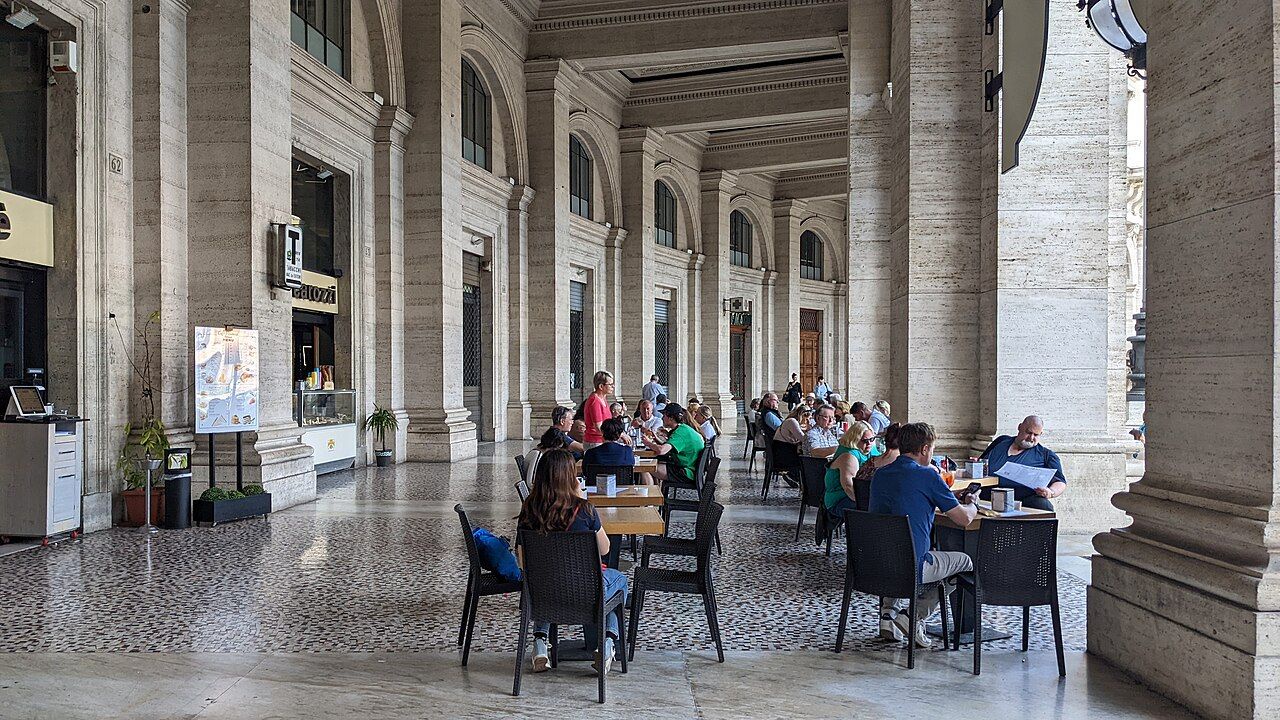
Photo via Wikimedia Commons (CC licensed)
Budget expectations: hostel beds in Trastevere and Testaccio run €25 to €45 per night; mid-range hotels start around €100 to €150. Daily food costs approximately €30 to €40 covering a bar breakfast (€2.50), street lunch (€5 to €8), and dinner with wine (€20 to €30). Co-living spaces in Ostiense start around €900 per month including utilities. A one-bedroom apartment in non-central neighborhoods rents for €800 to €1,400 per month.
Keep planning: Campania: Naples, the Amalfi Coast & Pompeii, Florence & Tuscany: Renaissance Art, Food & Hill Towns and Milan: Italy's Fashion Capital.
Photos via Wikimedia Commons: Colosseum © FeaturedPics (CC BY-SA 4.0); Trevi Fountain © Diliff (CC BY 3.0); Roman Forum © Joseolgon (CC BY 4.0); Pantheon (public domain); Colosseum interior (CC0); Café scene (CC BY-SA 2.0).