Venice and Murano: Glass, Canals and Remote Work
Nomad Toolkit
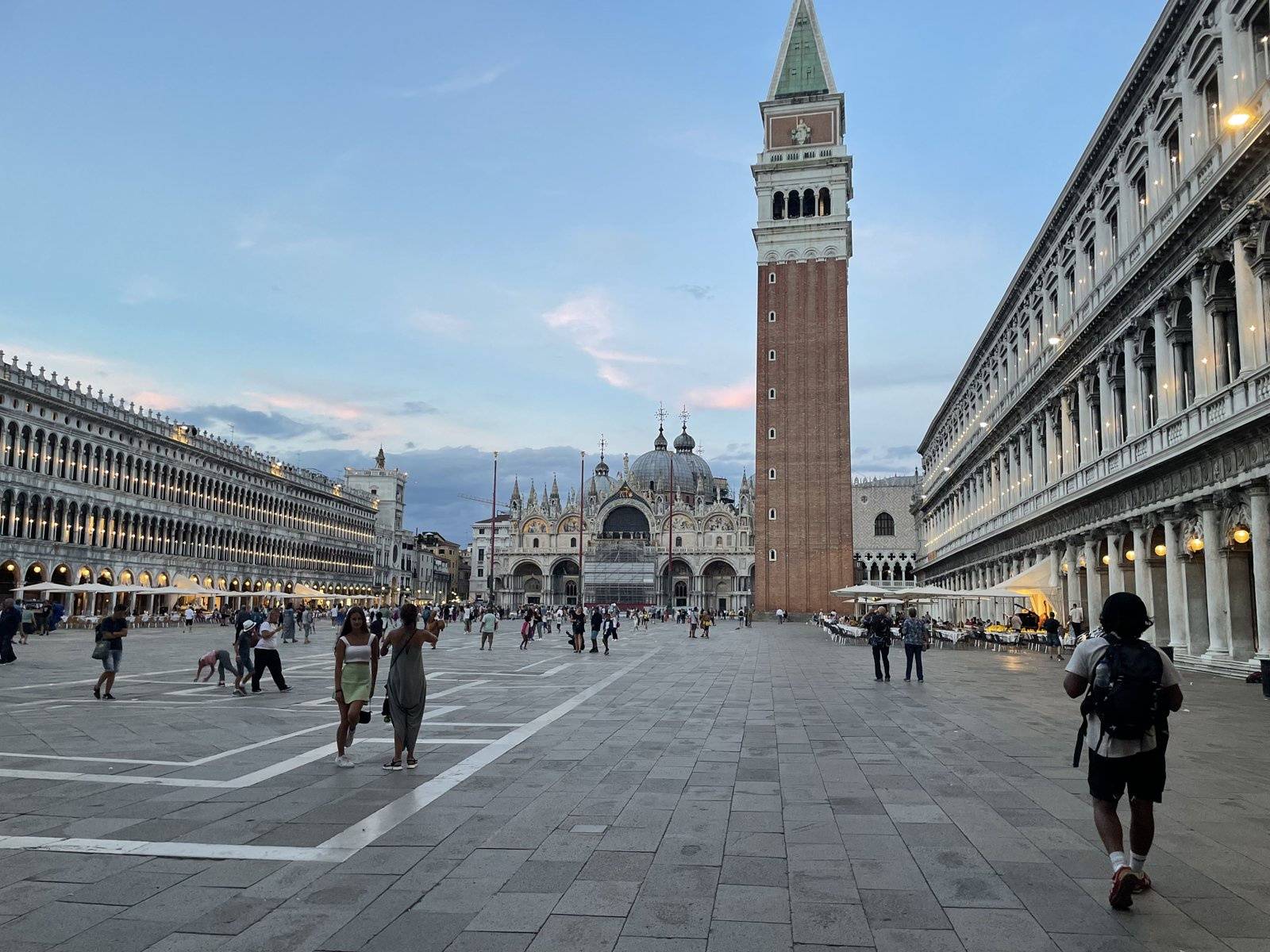
Venice is neither a digital nomad paradise nor a practical city for remote work. It's something else entirely, a slow-travel destination that rewards you for staying longer than the day-trippers do. Built across 118 islands in a lagoon, the city has no cars, no shortcuts, and absolutely no escape from its own magic and chaos. You'll pay more for a cappuccino and an apartment than in Budapest or Lisbon. You'll get lost repeatedly in sestieri (districts) that tourists never see. You'll find out why locals eat cicchetti at 11 a.m., why Murano glass is worth the price, and why November feels like the city opens a door and tells you a secret.
Demographics & Government
| Country | Italy |
| Population | ~50,000 (Venice historic center), ~250,000 (greater lagoon metro area) |
| Government | Democratic Republic; EU member (Italy) |
| Religious mix | ~83% Catholic, ~17% other or secular |
| Time zone | CET (UTC+1) winter, CEST (UTC+2) summer; DST observed |
| Plug type | Type C and Type F (230V / 50Hz) |
| Drive side | N/A, no cars in Venice; boats only |
| Tap water safe? | Yes, fully potable across Venice and mainland |
| Free WiFi? | Common in cafés and hotels; patchy coverage across islands |
| Best time to visit | November to March and April to May (fewer crowds, tolerable temps) |
| Emergency numbers | 112 (general / EU-wide), 118 (medical), 113 (police), 115 (fire) |
| Currency | Euro (EUR). ATMs widespread; card-first city. |
| Venice Day Tripper Tax | €5 (2024+) per non-overnight visitor, April to October peak season; overnight visitors exempt |
Overview & Vibe
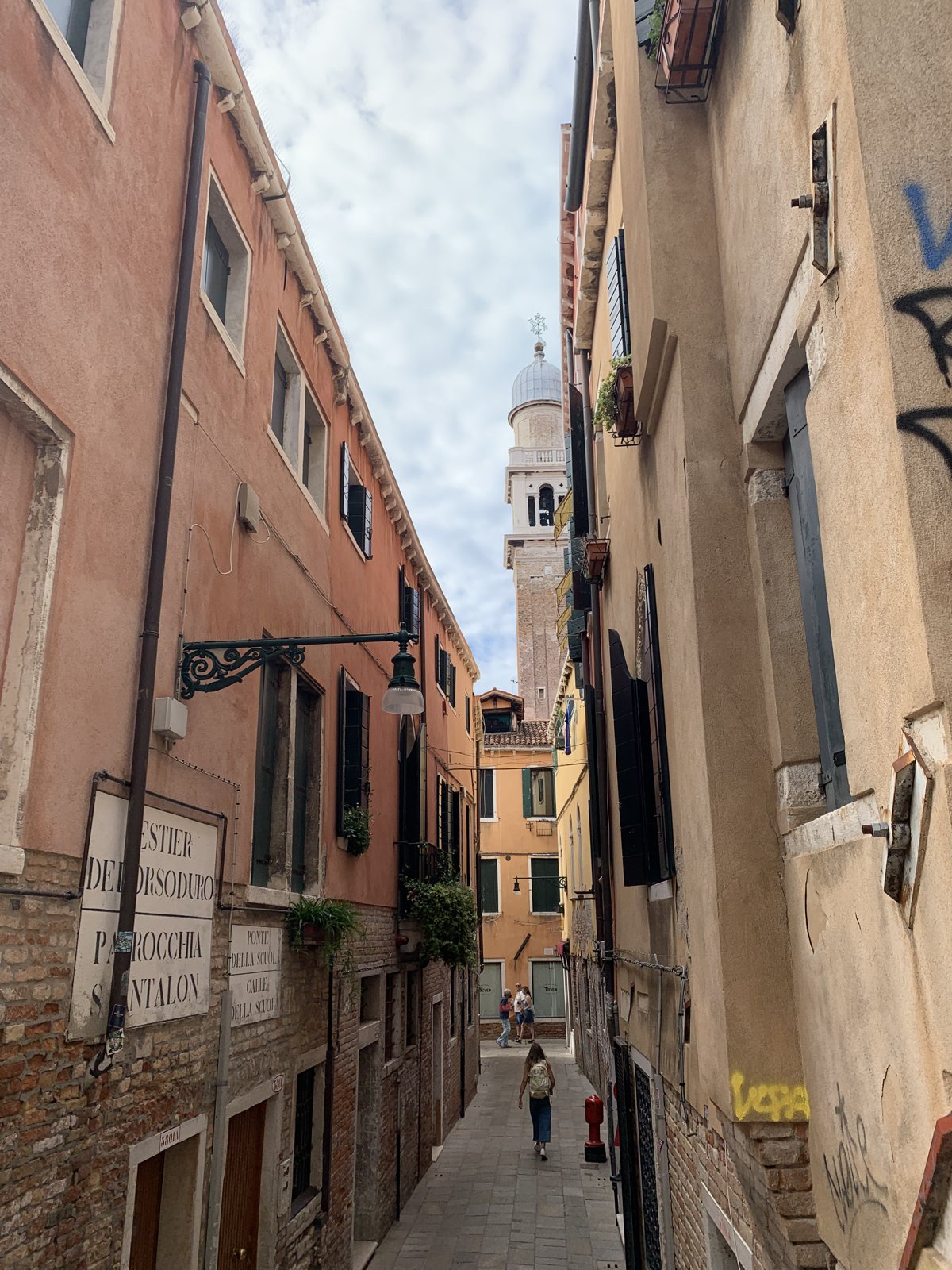
Venice is divided into six sestieri: San Marco (the touristy center), Castello (eastern, local-heavy), Cannaregio (northern, real neighborhoods), Dorsoduro (southern, student and artist quarter), San Polo (market district), and Santa Croce (entry point, mixed). If you stay longer than three days, base yourself in Castello or Cannaregio, where water flows normally and other nomads don't congregate. The Lido is the beachfront refuge: quieter, cheaper apartments, long promenades, and a 15-minute vaporetto ride to the core. Venice is overwrought, expensive, and incompatible with efficient digital work. But stay through a storm, eat cicchetti at 11 a.m., and ride the vaporetto past Torcello at sunset, and you'll understand why people move here on accident.
A Brief History
Venice began as a refuge: Romans from Padua, Aquileia, and Altinum fled successive Germanic and Hun invasions into the lagoon, and tradition dates the founding to the dedication of the church of San Giacomo on the Rialto on March 25, 421. The first doge was elected in 697, opening a republic that ran eleven hundred years until Napoleon ended it in 1797. The Fourth Crusade made the city an imperial power, and the gilded bronze horses above St. Mark's arrived as plunder from the 1204 sack of Constantinople. After a final stretch of Austrian rule, Venice joined the Kingdom of Italy in 1866.
Transportation
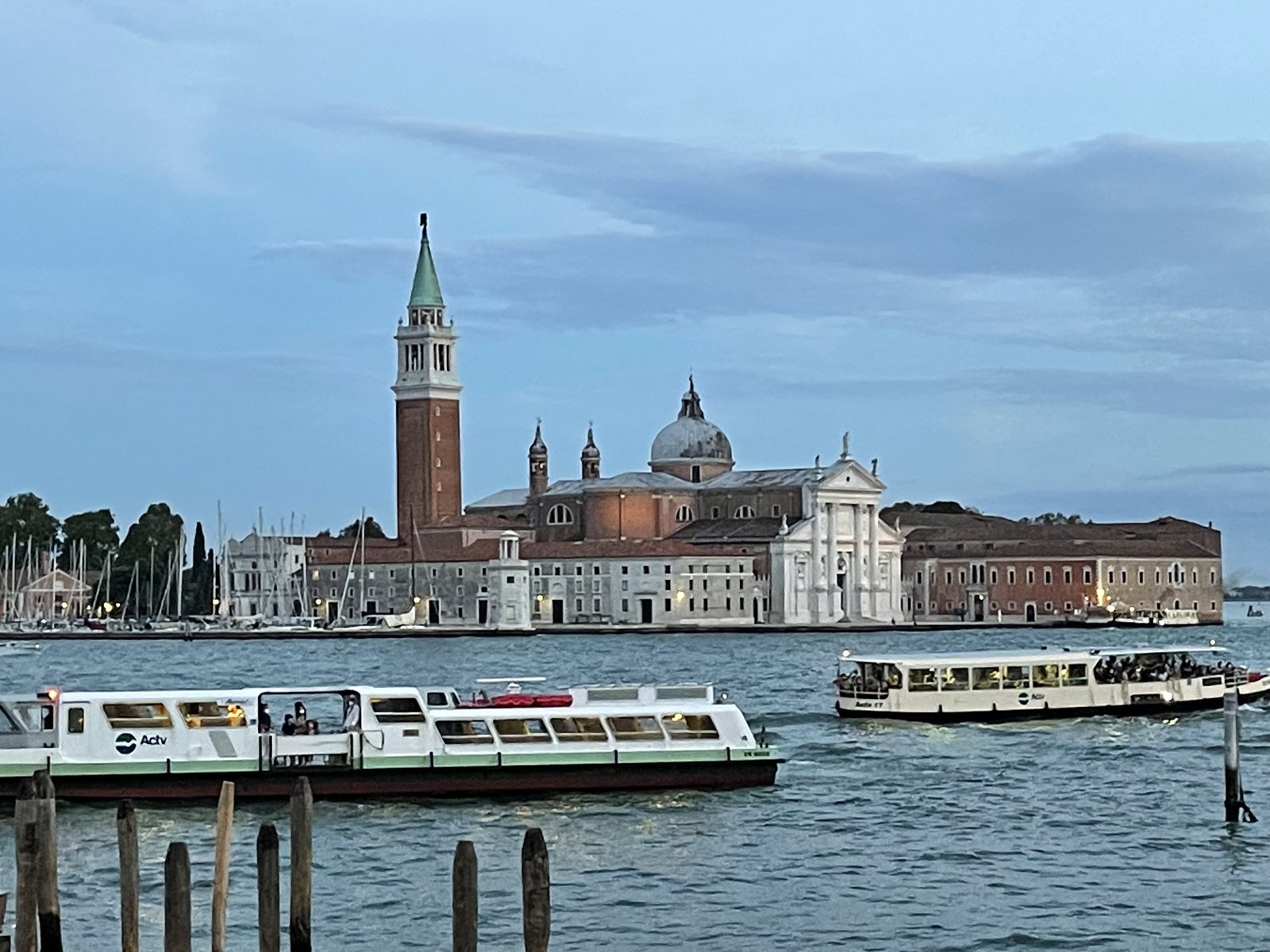
Venice has no taxis, no buses, and no cars. Movement happens by foot and water. The learning curve is steep for the first two days, then your spatial logic flips and the labyrinth makes sense.
- Vaporetto (water bus) is the lifeline. Single rides cost €3.50. A 7-day ACTV pass runs €60. Boats link the historic center, Murano, Burano, Torcello, the Lido, and the mainland (Mestre).
- Walking is the default. Most trips within the six sestieri are 10 to 20 minutes on foot. Bring good shoes (uneven stone, water-splash).
- Water taxi (motoscafo) is expensive and mainly for airport runs. €10 to 15 per person to/from Marco Polo. Book ahead or use Alilaguna (shared vaporetto).
- Marco Polo Airport connections. Alilaguna blue and orange lines reach central Venice in 60 to 90 minutes for €16; ATVO buses run to Piazzale Roma (vaporetto gateway) for €12; direct private boat ~€80 to 100.
- Canal taxis. Water taxis are metered but easily exceed €100 for short hops. Only use if in a group splitting cost or arriving late at night.
- Gondolas. €80 for 30 minutes, fixed price. They're museum rides, not transport. Skip the tourist-trap ones near San Marco; head to less crowded canals (Cannaregio, Dorsoduro back waters) if you're curious.
Language, Customs & Etiquette
Italian is the daily language. Some locals speak English, especially in tourist zones and among younger Venetians. A handful of Venetian dialect words still circulate but aren't necessary.
- Greetings. Buongiorno (good morning), Buonasera (good evening), Grazie (thank you), Per favore (please), Salute (cheers).
- Tipping. 10% is customary at sit-down restaurants; round up for coffees and drinks. Many tourist spots add a coperto (cover charge) of €1 to 3 per person, check the bill before double-tipping.
- Dress code in churches. Cover shoulders and knees. Basilica di San Marco, Santa Maria della Salute, and the Frari Church enforce it; enforcement varies.
- Overcrowding etiquette. Peak times (10 a.m. to 4 p.m., May to September) flood the main streets. Step aside at corners. Don't block narrow passages with luggage or strollers.
- Water respect. Don't sit on bridge railings, wade in canals, or toss things into the water. Locals notice.
- Photography. Generally allowed. Don't photograph locals without permission, particularly elderly residents.
- Bargaining. Not done except at street markets. Fixed prices everywhere else.
Safety & Security
Venice is one of Europe's safest cities for violent crime. The real hazards are tourist-targeted petty theft and overtourism-related scams.
- Pickpocketing. Crowds at the Rialto Bridge, Piazza San Marco, and crowded vaporetto boats invite light-fingered attention. Use zipped bags, front pockets only, and keep valuables on your body.
- Gondola and vaporetto scams. Some gondoliers and water-taxi drivers overcharge non-locals; agree on price beforehand or use official regulated services. Avoid unmarked taxis.
- Restaurant tourist traps. San Marco's waterfront cafés charge €8+ for a cappuccino and €35+ for a simple pasta. Eat where locals eat: Cannaregio, Dorsoduro, and Castello back alleys. Ask your accommodation for recommendations.
- Abandoned Airbnb listings. Venice's rental market is unregulated. Book through established platforms with guarantees, not direct Whatsapp inquiries.
- Solo female travelers generally feel safe day and night. Standard urban precautions apply.
- LGBTQ+. Italy is progressive on paper; Venice is cosmopolitan. Same-sex partnerships are legally recognized. Discretion outside central tourist zones is wise but rarely necessary.
Weather & Climate
Mediterranean lagoon climate: hot, humid summers; cool, damp winters; spring and fall ideal. Acqua alta (high water flooding) hits November through January, turning lower areas into temporary lagoons. Rainfall is moderate year-round.
| Month | Avg High | Avg Low | Notes |
|---|---|---|---|
| January | 8°C / 46°F | 2°C / 36°F | Cool, grey, frequent acqua alta (3 to 4 times), Carnevale prep |
| February | 10°C / 50°F | 3°C / 37°F | Carnevale (pre-Lent), masks in streets, tourist surge, rain likely |
| March | 13°C / 55°F | 5°C / 41°F | Spring begins, acqua alta recedes, crowds thin |
| April | 17°C / 63°F | 8°C / 46°F | Mild, Easter holidays, Biennale prep |
| May | 22°C / 72°F | 12°C / 54°F | Warm, long days, Venice Biennale opens, crowds grow |
| June | 27°C / 81°F | 16°C / 61°F | Peak summer heat begins, humidity rising, heavy tourist crush |
| July | 29°C / 84°F | 18°C / 64°F | Very hot, very humid, Festa del Redentore (July 16), locals escape |
| August | 28°C / 82°F | 18°C / 64°F | Still hot, many restaurants closed (Italian vacation month), crowds massive |
| September | 24°C / 75°F | 14°C / 57°F | Cooling, Venice Film Festival, crowds ease slightly, good month |
| October | 18°C / 64°F | 9°C / 48°F | Golden, crisp, manageable crowds, ideal shoulder season |
| November | 13°C / 55°F | 5°C / 41°F | Acqua alta season begins, Festa della Salute (Nov 21), quietest month, locals return |
| December | 9°C / 48°F | 2°C / 36°F | Cold, damp, acqua alta frequent, Christmas markets, holiday spirit |
What to pack. Waterproof shoes are non-negotiable November to January. Layers year-round. Sunscreen and hat for May to September. A compact umbrella. Comfortable walking shoes (you'll cover 5+ km daily on stone).
Logistics & Practical Info
- Currency. Euro (EUR). Venice is almost entirely card-based, but small cafés and vendors still take cash only. ATMs are ubiquitous.
- ATMs. Any major bank branch (UniCredit, BancaIntesa, Monte dei Paschi) has fee-free withdrawal for EU residents. Avoid Euronet kiosks (high fees).
- Tap water. Safe and clean everywhere. Carry a refillable bottle; fountains are throughout the city.
- Free WiFi. Available in most cafés, hotels, and some public squares. VenetoBIZ provides patchy citywide coverage. Phone-dependent connectivity is recommended for longer stays.
- SIM cards. TIM, Vodafone, and WIND sell prepaid plans with 20 to 50 GB for €15 to 30. Passport required. eSIM options work for EU/US travelers.
- Money apps. Revolut and Wise both handle EUR cleanly. Paypal and Apple Pay are widely accepted.
- DST. Yes. Last Sunday in March (forward) and last Sunday in October (back).
- Venice Day Tripper Tax. €5 per non-resident visitor, April to October, unless you're staying overnight. Automatically charged to Airbnb and hotel bookings; honor it.
Attractions & Activities
Venice's main attractions cluster around three zones: San Marco (the obvious stuff), the Rialto area (markets and bridges), and the outlying islands (Murano, Burano, Torcello). But the real Venice lives in the back canals, squeros (boatyards), and unplanned wandering.
- Basilica di San Marco (Wikipedia), Byzantine dome, golden mosaics, over 1,500 years. Entry is free for prayer; €18 for the interior tour with balcony access. Go early (7 a.m.) to avoid crowds.
- Doge's Palace (Wikipedia) (Palazzo Ducale), Gothic architecture, interior staircases, and prison cells where Casanova was held. €25, often included in combo passes.
- Rialto Bridge (Wikipedia), the most photographed span in Venice. Cross it early or stay until sunset when crowds thin. The market below (Rialto Market) is where locals actually shop.
- Murano (Wikipedia) glass islands, boat Line 3 or 12. Watch glassblowers at foundries like Gallerie Ferrari or Barovier & Toso. Beware mass-produced "Murano" fakes; verify the "Vetro Artistico Murano" trademark before buying.
- Burano's colored houses, Line 12 from Fondamenta Nove. Postcard-perfect but touristy. The charm lives in side streets; wander off the main drag.
- Torcello's Byzantine basilica, the oldest church in the lagoon (7th century). Line 12 boat, then walk. Quietest island, best for slow travelers.
- Gallerie dell'Accademia, Venice's art museum. Venetian masterpieces (Bellini, Vivarini, Veronese). €15.
- Peggy Guggenheim Collection, modern and contemporary art in a palazzo on the Grand Canal. €18, closed Tuesdays.
- Lido beach and promenade, pedestrian-only island with a 12 km waterfront. Swim in summer; walk year-round.
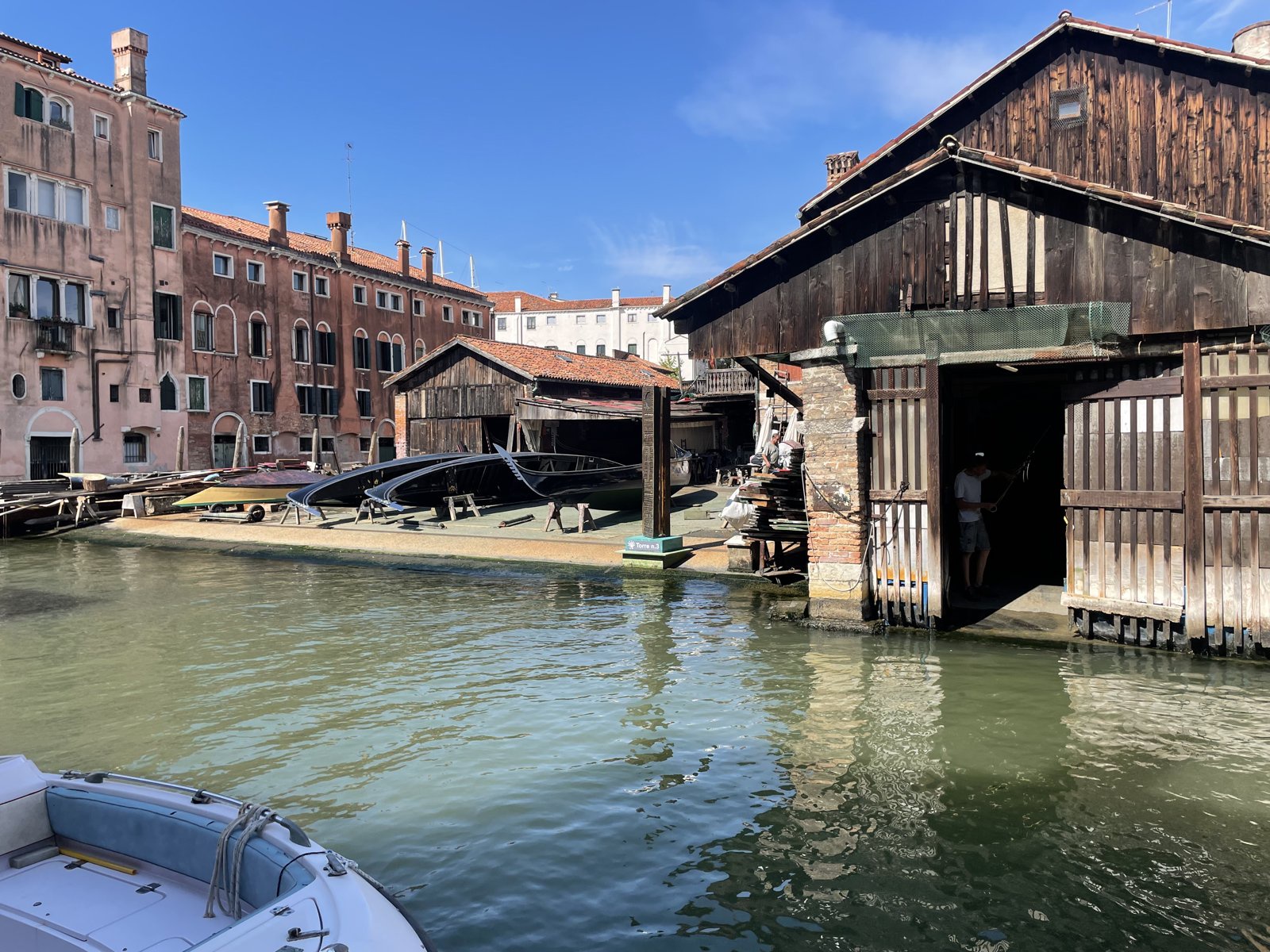
- Squero San Trovaso boatyard, one of the last squeros still building and repairing gondolas. Free to watch from the nearby bridge (Rio di San Trovaso). Craft still lives here.
Festivals and major events
| Event | When |
|---|---|
| Carnevale di Venezia (pre-Lent masks and balls) | February (2 weeks leading to Shrove Tuesday) |
| Venice Biennale (contemporary art, architecture) | May to November (odd years: art; even years: architecture) |
| Festa del Redentore (fireworks, boats, procession) | July 16 to 17 |
| Venice Film Festival | Early September (2 weeks) |
| Festa della Salute (pilgrimage, incense) | November 21 |
| Christmas markets and holiday lights | Late November to December |
Must-try local dishes
Venetian cuisine centers on seafood, polenta, rice, and the lagoon's bounty. The hallmark is simplicity, salt, fish, herbs, occasional sweetness. Cicchetti (small bites) are the local snacking tradition: ask for a cicchetti selection at any bacaro (wine bar).
- Cicchetti, bite-sized appetizers on bread: marinated fish, polenta with fish, meatballs, hard-boiled eggs.
- Sarde in saor, sardines marinated in vinegar, onion, and pine nuts. Sweet, sour, umami.
- Risi e bisi, rice and peas, creamy, spring seasonal.
- Baccalà mantecato, dried cod whipped into a mousse, served on polenta toast. Umami bomb.
- Fegato alla veneziana, sliced calf's liver with soft onions. Venetian comfort food.
- Tiramisu, originated in the Veneto region nearby. Mascarpone, espresso, cocoa.
- Spritz, the 11 a.m. drink: white wine, Aperol or Select, soda water, olives. A cultural institution.
Health & Medical
Venice has solid public healthcare. The Ospedale SS Giovanni e Paolo (Zanipolo, in Castello) is the main hospital, well-equipped and English-speaker friendly.
- Travel insurance is essential for non-EU travelers. Public hospitals bill afterward; EU residents with EHIC cards can access public care.
- Pharmacies (farmacia) are everywhere, marked with a green cross. Prescriptions from other EU countries are accepted; non-EU Rx may require a local doctor's consult.
- Private clinics exist but are pricey. Stick with the public system unless urgent.
- Vegetarian and vegan options have expanded in recent years. Dorsoduro has the most plant-forward restaurants; cicchetti bars can accommodate with advance notice.
- Tap water is safe and excellent throughout Venice.
- No endemic tropical diseases. Standard European health risks apply.
Legal & Substances
- Marijuana is illegal in Italy. Possession can result in fines and criminal charges. Enforcement is inconsistent but not worth the risk.
- Alcohol on public transit is technically prohibited. Enforcement is minimal on vaporettos; you'll see locals drinking beer on boats. Don't be obvious.
- Public drinking in parks and along the water is tolerated but not encouraged.
- Smoking is banned indoors in bars, restaurants, and public buildings. Outdoor terraces permit it.
- Drinking age is 18.
Customs & Shopping
- Tax-free shopping for non-EU residents. Stores with the Tax-Free logo issue refund forms. Claim VAT (typically 22%) at the airport on departure for purchases over €155.
- Cash declarations. Anything over €10,000 leaving the EU must be declared.
- Restricted exports. Cultural goods over 50 years old may require export permits. Authentic Murano and lace are fine.
Accessibility & Inclusion
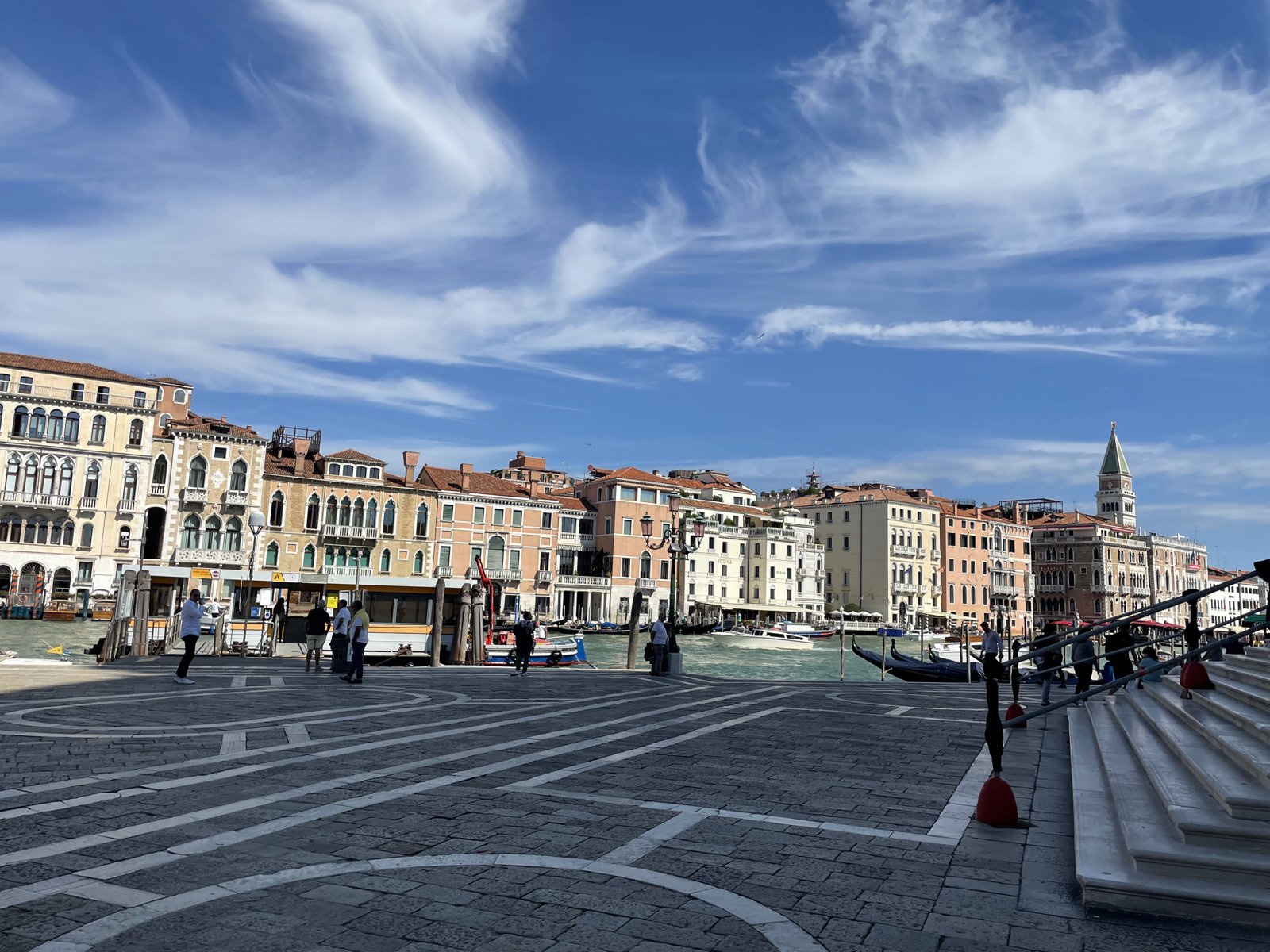
Venice is challenging for accessibility. Over 400 bridges, most with steep steps, create obstacles. Some vaporetto stops have ramps; not all. Historic buildings lack elevators. That said, flat residential areas (Cannaregio, Dorsoduro back channels) are easier to navigate.
- Call your accommodation ahead to confirm accessible routes from the vaporetto stop.
- Accessible vaporetto routes include most Line 1 and Line 2 stops. Ask staff about step-free boarding.
- Wheelchair users report good experiences on less touristy islands (Torcello, Burano side streets).
- Service dogs are permitted on vaporettos and in most public spaces.
Digital Nomad Corner
Venice is hard for true digital nomadism. WiFi is erratic in many areas. The few coworking spaces (SerenDPT in Mestre, Combo in Marghera) require a commute to the mainland. Power outlets in cafés are rare. But slow travelers treating Venice as a month-long stay find rhythm differently.
- Internet quality. Fiber coverage is patchy. Expect 50 to 200 Mbps in central hotels; less reliable in residential areas. Phone hotspot is often the backup.
- Coworking options. SerenDPT (Mestre, 15-minute commute) and shared office spaces in Marghera exist but are underutilized. Most remote workers base themselves in cafés and use mobile data.
- Cost of living. Venice is expensive. Apartments rent for €800 to 1,500/month for a one-bedroom in Cannaregio or Castello (off-season); peak season hotels are €150 to 300/night. For a short central stay, Hotel Serenissima on Calle Goldoni, a few minutes from Piazza San Marco, is a solid mid-range base. Food, transit, and miscellaneous run €60 to 100/day for a lean nomad. That's 40 to 60% more than Milan or Rome.
- Visa. Italy's digital nomad visa (Type D long-stay) requires €2,500+/month documented income and EU company registration or a foreign employer with Italian tax obligations. Easier paths: student visa (undergrad/grad), freelance residency, or tourist-then-extend.
- Why slower works. A week in Venice is tourism. A month unearths the actual rhythm: the cichetti hour, the seasonal produce changes, which risi e bisi vendor is open next week. Nomads chasing speed miss this entirely.
Venice is not a destination for laptop-morning productiv
Keep planning: Campania: Naples, the Amalfi Coast & Pompeii, Florence & Tuscany: Renaissance Art, Food & Hill Towns and Milan: Italy's Fashion Capital.