Durango: Southwest Colorado Basecamp
Nomad Toolkit
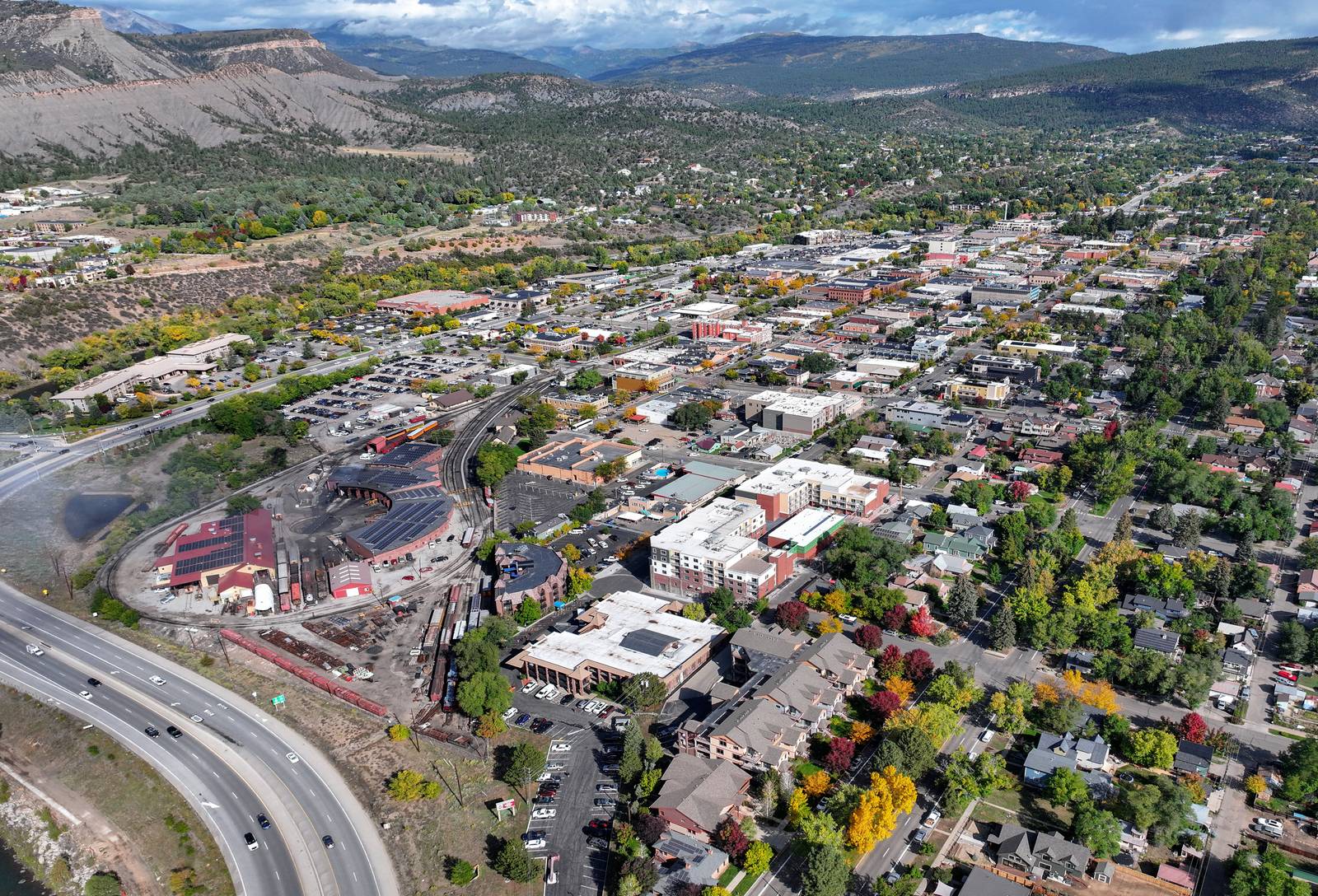
Durango, Colorado sits at 6,523 feet in the southwestern corner of Colorado, where the Animas River cuts through a valley flanked by the San Juan Mountains. Founded in 1880 as a railroad supply town for silver-mining camps, it now runs on tourism, a small college, and an outdoor-sports economy.
Overview & Vibe
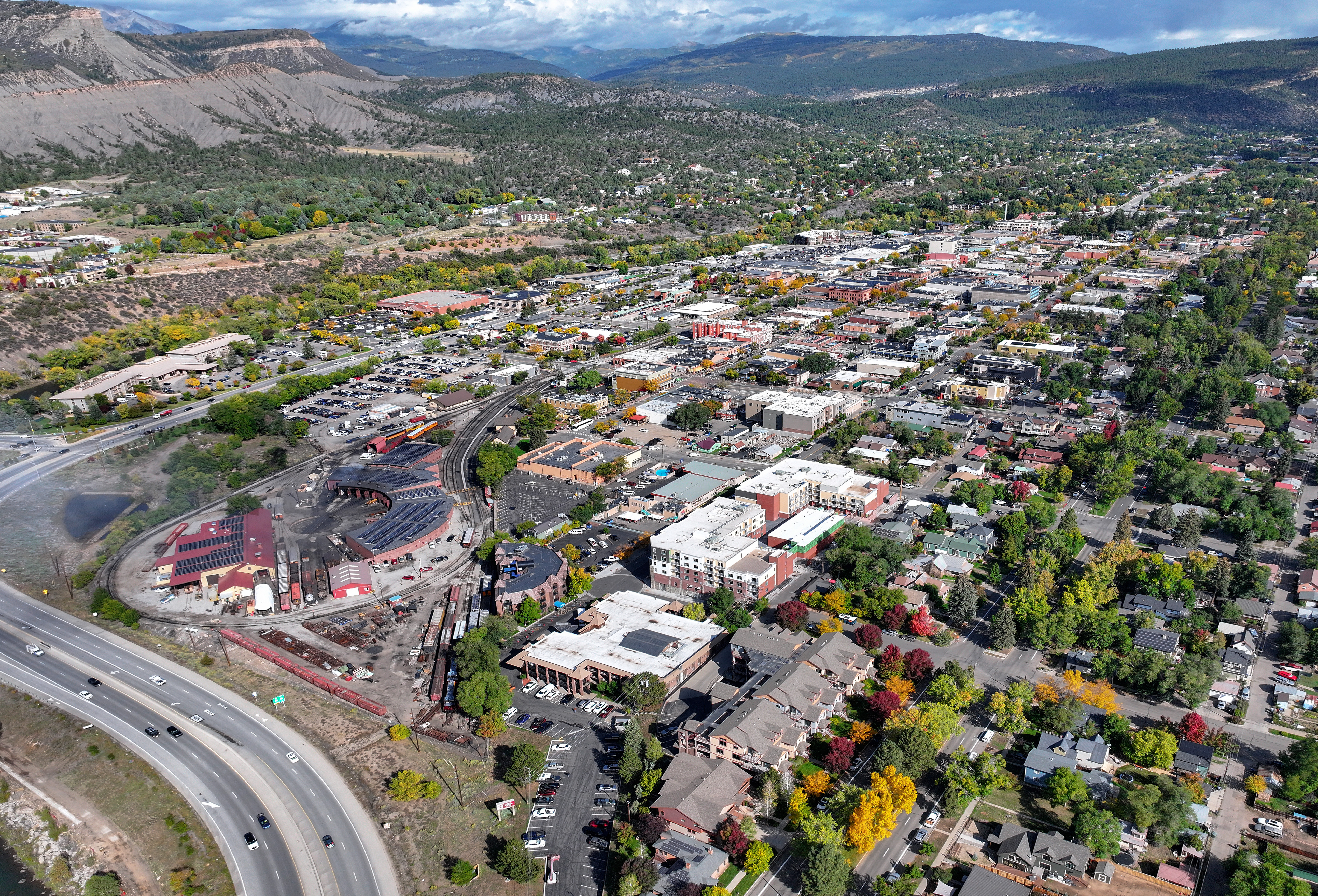
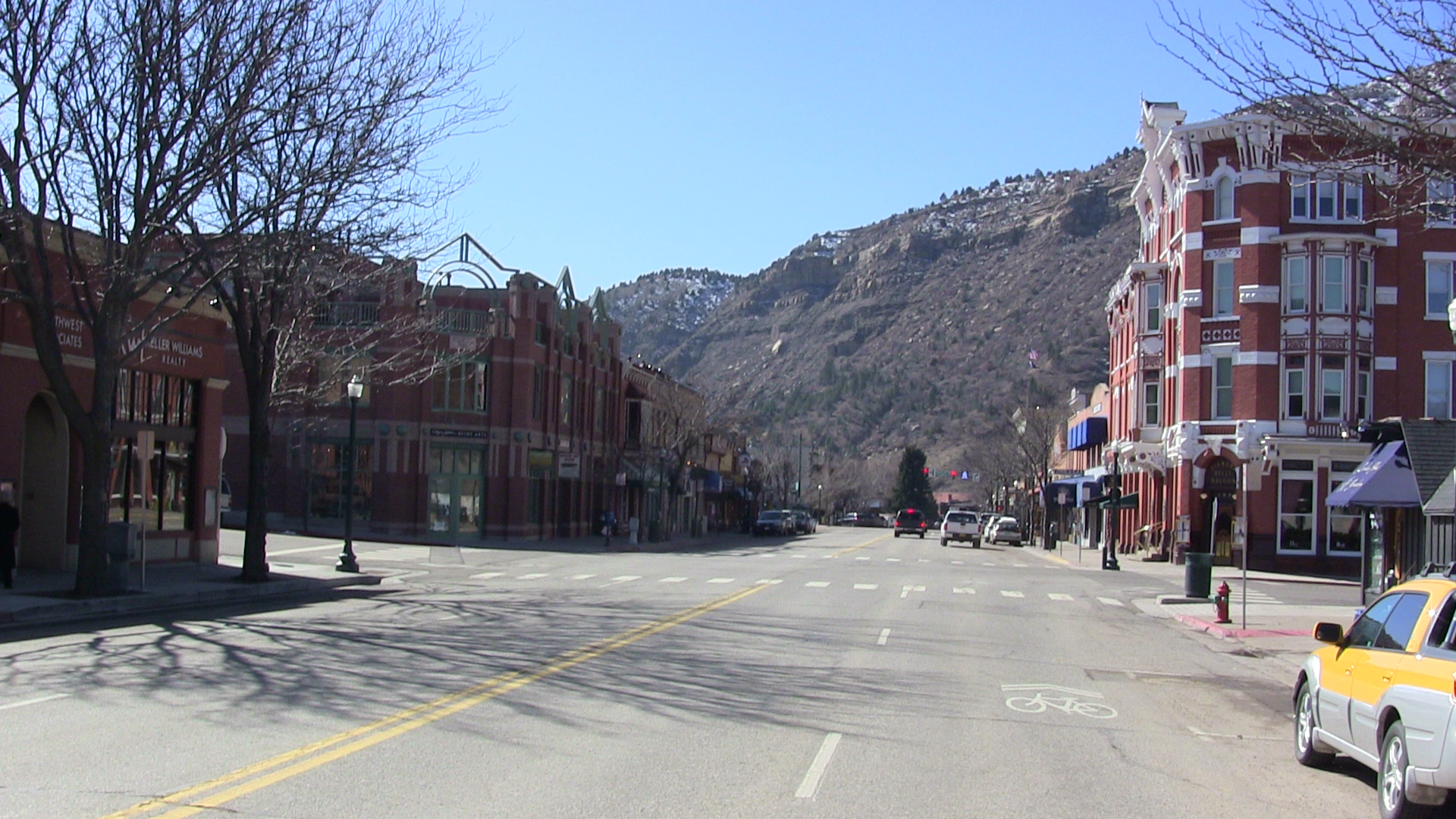
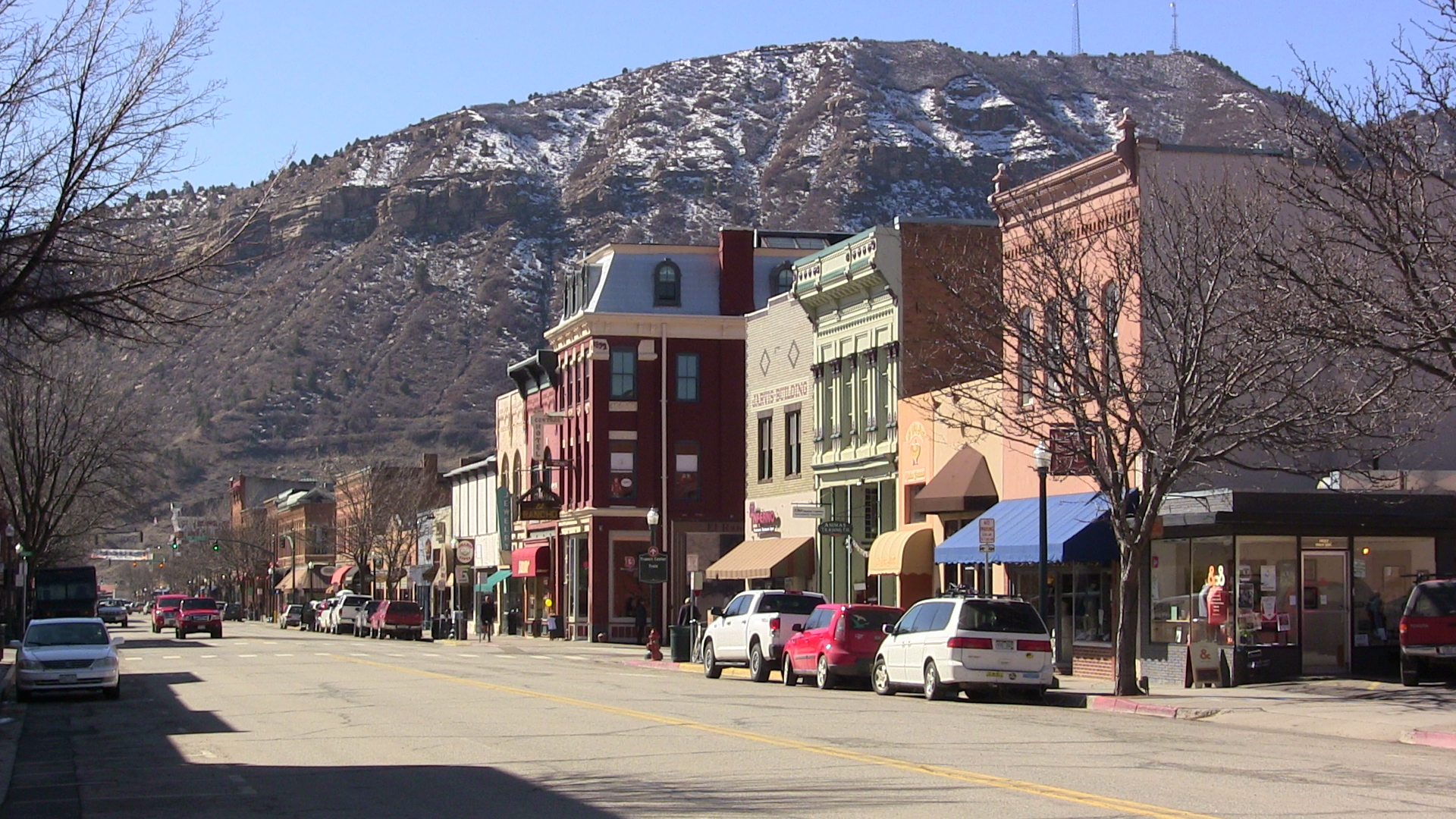
Downtown Durango is a National Historic District of 19th-century brick storefronts along Main Avenue, now filled with craft breweries, climbing gear shops, and restaurants. The permanent population is around 20,000, anchored by Fort Lewis College (about 3,000 students). Summer brings peak crowds and sold-out train tickets; September and October offer the same scenery with smaller crowds and lower accommodation rates.
A Brief History
Ancestral Puebloan people occupied this valley from around 750 CE and built the cliff dwellings now protected 50 miles west at Mesa Verde National Park, departing around 1300 CE. The Ute Nation held the valley until the 1860s gold rush brought prospectors into the San Juan Mountains. The Denver and Rio Grande Railroad platted Durango in September 1880 to supply Silverton's silver mines; within a year the town had 2,400 residents. Mesa Verde became a national park in 1906, cementing Durango's role as a gateway town for the region.
Transportation
A car is the baseline requirement. Durango-La Plata County Airport (DRO) has regional flights to Denver, Phoenix, and Dallas. Uber and Lyft operate but are unreliable outside peak daytime hours. The city bus (Durango Transit, $1/ride) covers downtown routes. Foreign visitors can drive with a valid home-country license for up to one year.
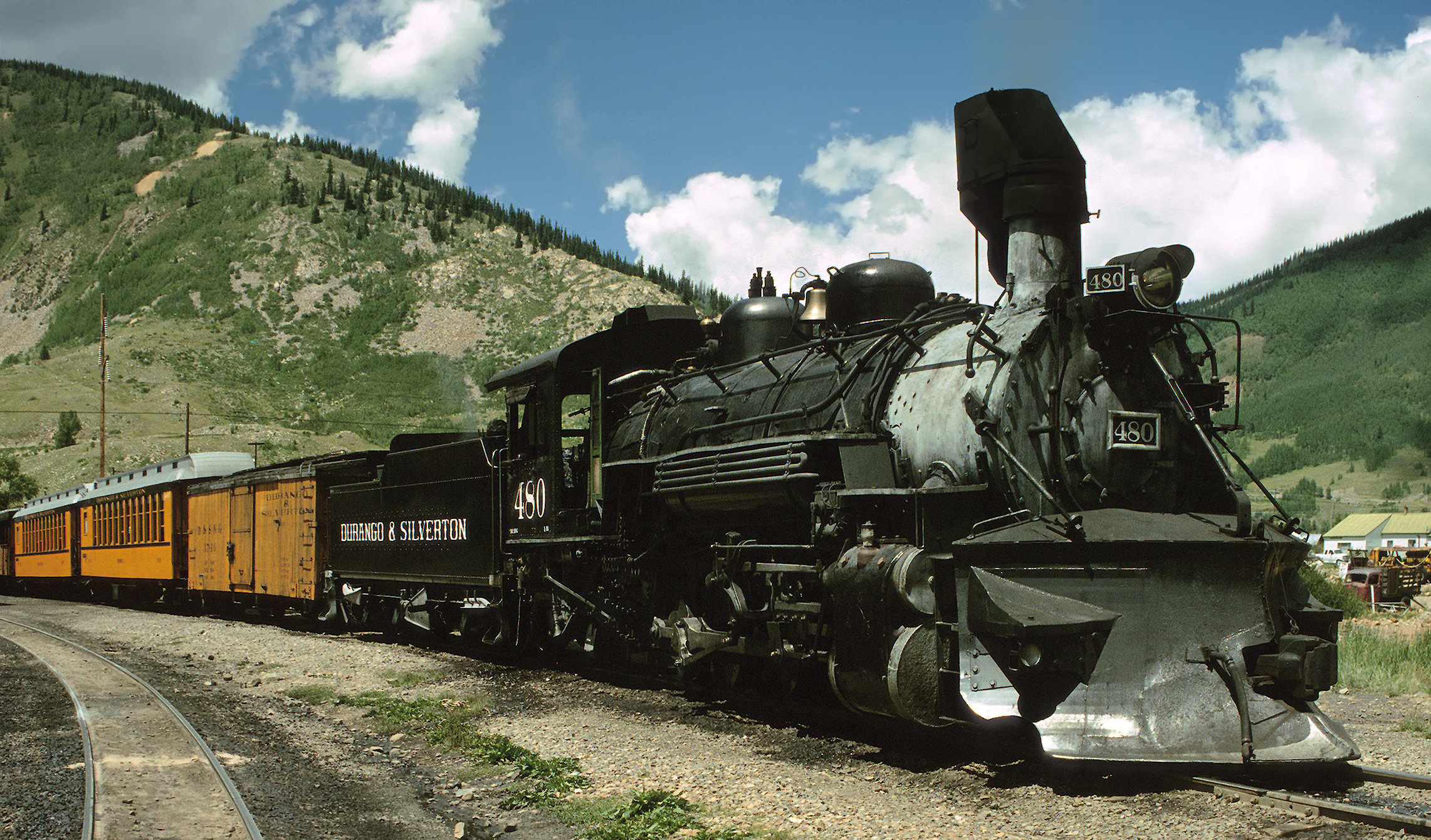
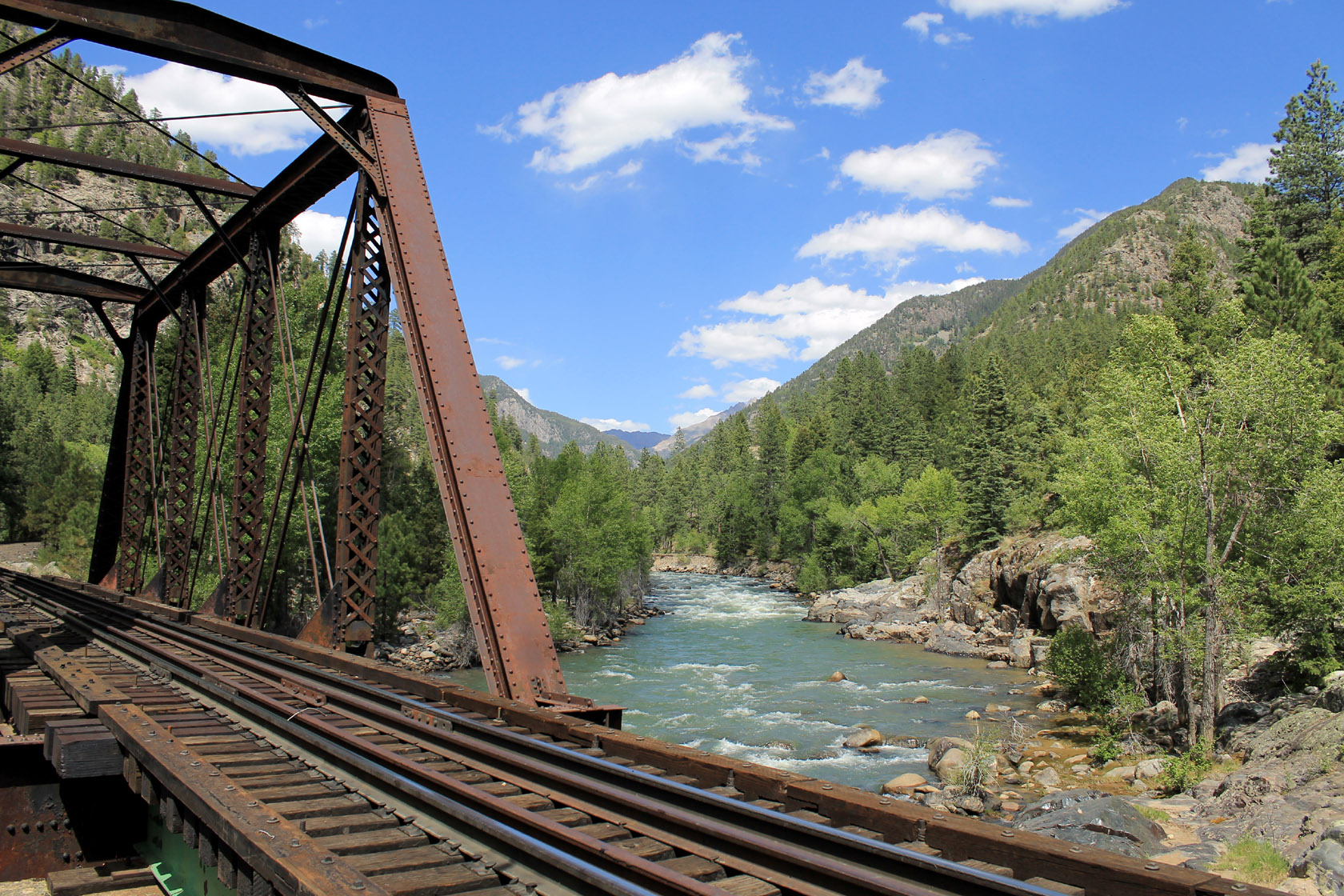
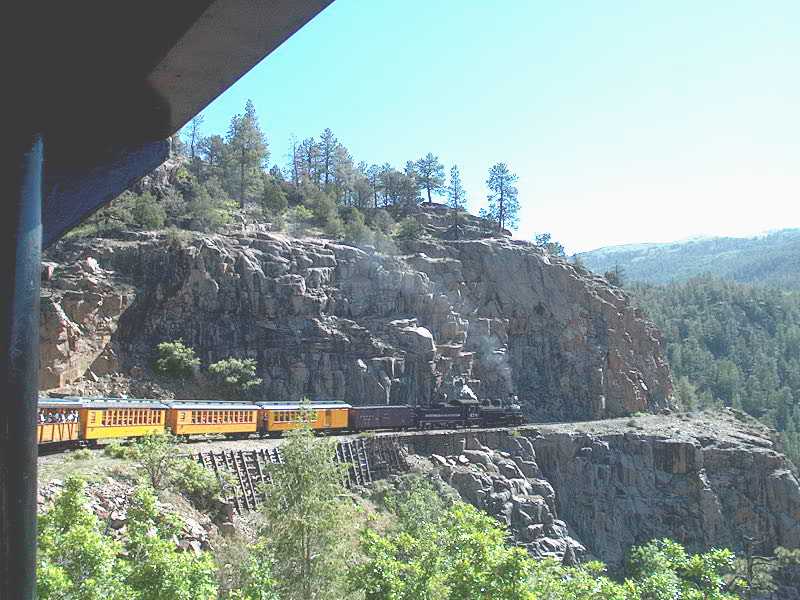
The Durango & Silverton Narrow Gauge Railroad (Wikipedia) runs a 45-mile steam-train route north through the Animas River canyon to Silverton. Round trips take about 9 hours. Summer departures sell out weeks in advance; book at durangotrain.com.
Language, Customs & Etiquette
English is the working language. Tip 18 to 20 percent at sit-down restaurants. Casual outdoor attire is accepted everywhere. Photography is unrestricted in public areas. Spanish is spoken in some service contexts, reflecting the region's broader Latino heritage.
Safety & Security
Crime in Durango is low relative to Colorado's Front Range cities. Emergency number is 911. Solo travelers, including women, report feeling comfortable throughout town and on established trails. Altitude sickness (headache, fatigue, nausea) is common in the first 24 to 48 hours for visitors from low elevations; drink 3 to 4 liters of water daily and limit alcohol your first night. Filter or treat all backcountry water. Black bears occasionally appear in residential areas; secure food when camping.
Weather & Climate
Durango has four distinct seasons at 6,523 feet. Afternoon monsoon thunderstorms are frequent July through August. Best months for outdoor activity with manageable crowds: May, June, and September.
| Season | Months | Temps (°F) | Notes |
|---|---|---|---|
| Winter | Dec-Feb | 15-43 | Snow, ski season peak at Purgatory |
| Spring | Mar-May | 27-72 | Variable, wildflowers by May |
| Summer | Jun-Aug | 51-88 | Peak season, afternoon thunderstorms daily |
| Fall | Sep-Nov | 24-77 | Aspens turn gold in September, fewer crowds |
Logistics & Practical Info
The US uses Type A/B plugs at 120V/60Hz. Bring a voltage converter if your devices are rated for 220-240V. Durango is on Mountain Time (UTC-7 summer, UTC-6 winter). Tap water is safe to drink. Cell coverage is solid in town from AT&T, T-Mobile, and Verizon; drops on mountain roads and backcountry trails. Free WiFi is at downtown cafes and the Durango Public Library (1900 E 3rd Ave). No government internet censorship applies in the US.
Attractions & Activities
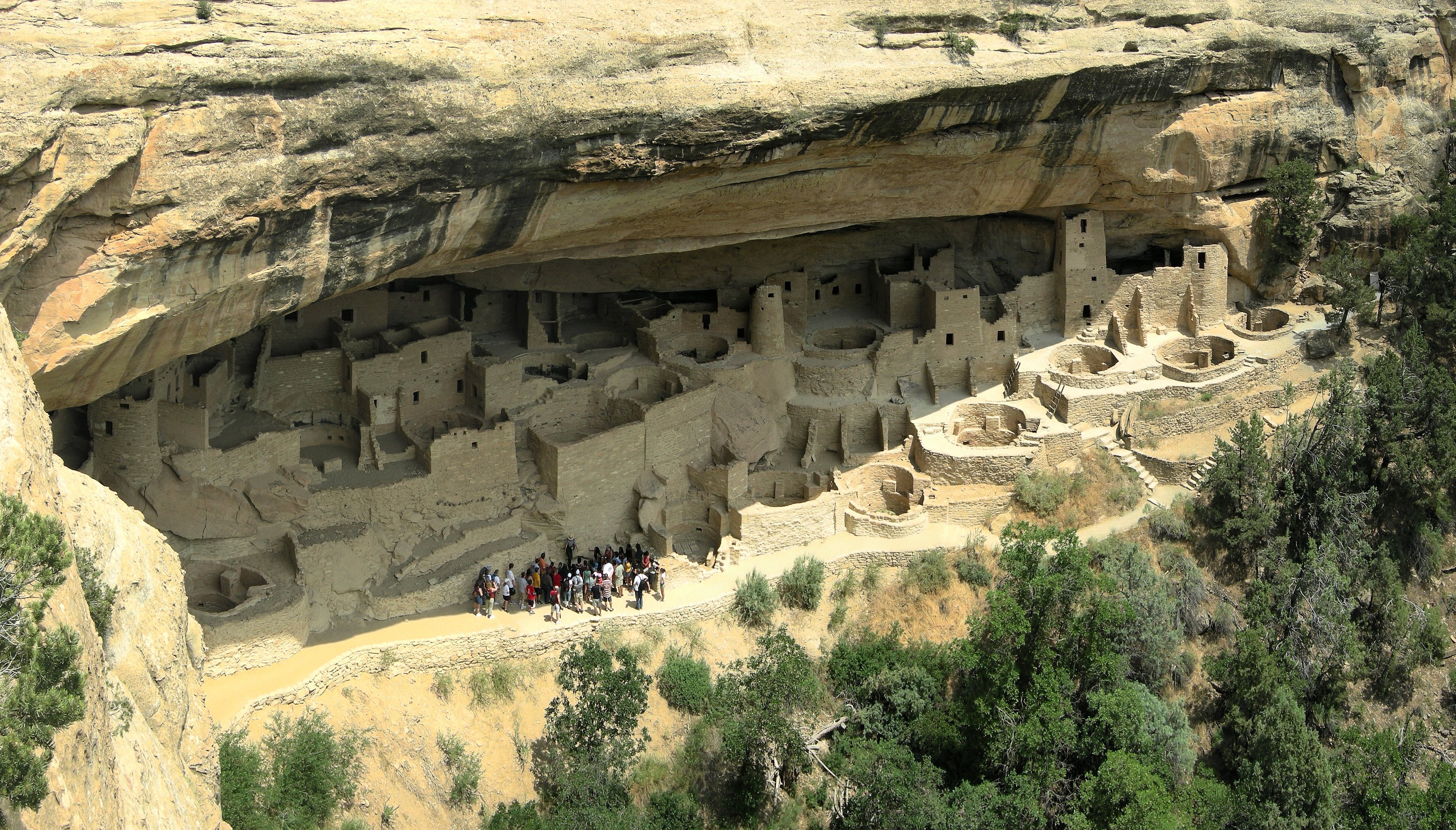
Mesa Verde National Park (Wikipedia), 50 miles west via US-160, protects Cliff Palace, a 150-room Ancestral Puebloan dwelling carved into a canyon alcove around 1200 CE. Entry is $35 per vehicle. Guided cliff-dwelling tours sell out weeks in advance in summer; book at recreation.gov.
The Animas River (Wikipedia) runs through downtown and is popular for Class II-IV whitewater rafting, kayaking, and fly fishing. Guided half-day trips run $55 to $85 per person through outfitters on Main Avenue. Purgatory Resort (Wikipedia), 27 miles north on US-550, offers 105 ski runs November through April ($100-$140 day ticket) and a downhill bike park in summer.
Downtown Main Avenue has more than 40 restaurants along a five-block stretch. Steamworks Brewing (801 E 2nd Ave) has been a downtown anchor since 1996, with a full food menu and a large patio. Ska Brewing's World Headquarters (225 Girard St) offers tastings and a taproom. The Thursday farmers market (summer, downtown Durango) sells locally grown produce and prepared food from regional vendors.
Health & Medical
Mercy Regional Medical Center (1010 Three Springs Blvd) provides emergency and surgical care. US hospitals require upfront payment; submit to your travel insurer for reimbursement. Bring foreign prescription medications with original packaging and a physician letter. Altitude sickness is the most common health concern for new arrivals; rest on day one and drink plenty of water. UV at altitude is intense year-round; use SPF 30 or higher.
Demographics & Government
Durango's city population is roughly 20,000; La Plata County totals around 60,000. Fort Lewis College has a strong Native American studies program reflecting the region's Ute and Navajo heritage. The city uses a council-manager government. Colorado is a US state governed by federal constitutional law with state authority over most day-to-day matters.
Legal & Substances
Colorado legalized recreational cannabis in 2012. Adults 21 and over can purchase up to 1 ounce at licensed dispensaries; several operate on Main Avenue. Consumption is legal in private residences but prohibited in public, in vehicles, and on all federal land, including Mesa Verde and National Forest trails. Alcohol is legal at 21+; bars close at 2 AM. Cannabis cannot legally cross state lines.
Customs & Shopping
US residents returning from abroad carry an $800 per-person duty-free allowance. Cannabis purchased in Colorado cannot legally leave the state. Main Avenue has independent outdoor gear shops, Southwestern jewelry galleries, and local art studios. Combined sales tax in Durango is approximately 8.75%.
Accessibility & Inclusion
The ADA requires accessible facilities in public buildings and businesses. Downtown sidewalks are mostly level with some uneven brick sections. The D&SNG Railroad offers accessible boarding on select cars with advance notice. Mesa Verde's visitor center is wheelchair accessible; most cliff dwelling tours involve ladder climbs and uneven terrain. Colorado has comprehensive LGBTQ+ anti-discrimination protections; Durango is broadly welcoming.
Digital Nomad Corner
Durango offers mountain access and a genuine downtown at a cost below Denver or Boulder. A one-bedroom apartment runs $1,200 to $1,800 per month (2026 market). Short-term monthly rentals are available but limited in summer; book 4 to 6 weeks ahead. Downtown cafes and the Durango Public Library (open Monday through Saturday) offer free high-speed WiFi. Coworking options are small-scale; expect shared desk arrangements.
Nomad tip: September and October are the practical choice for a remote work stay. Crowds drop, rental rates fall 20 to 30 percent from July peaks, the weather stays clear and cool, and the aspen groves turn gold across the mountains.
The US has no digital nomad visa. The Visa Waiver Program covers 90-day stays from 42 eligible countries; other nationalities need a B-2 tourist visa. Confirm your home employer permits working from abroad and verify your own country's tax residency rules before committing to a longer stay.
Keep planning: Alta: Utah's Skier-Only Mountain, Amicalola Falls State Park Guide and Arches National Park Guide: Delicate Arch & Top Trails.
Travel data current as of July 2026. Prices and hours change seasonally; verify before booking.