Zion National Park Guide: Top Hikes & Where to Stay
Nomad Toolkit
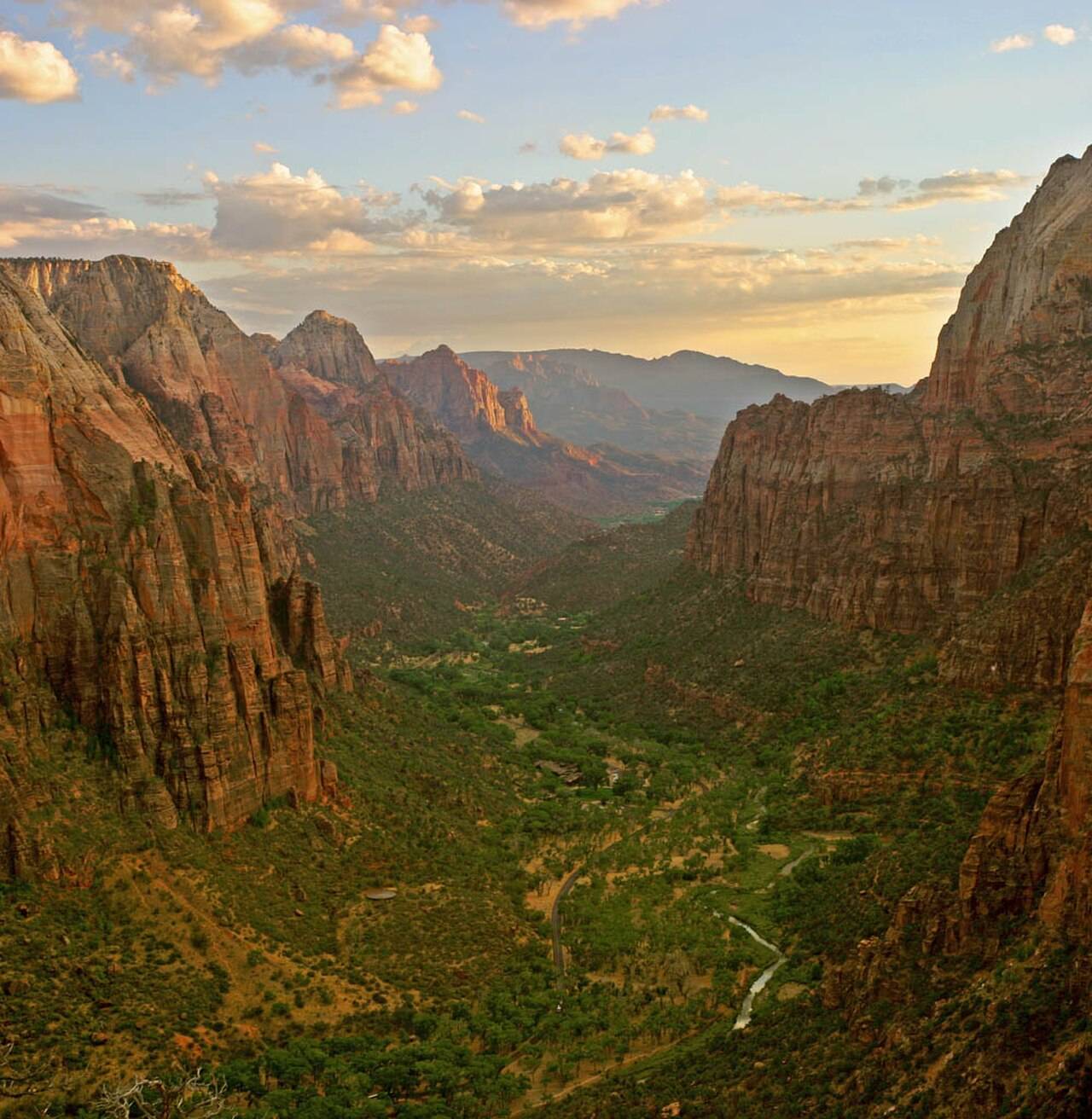
Overview & Vibe
Zion National Park covers 229 square miles in southwestern Utah and receives roughly 4.5 million visitors per year, ranking among the five most-visited national parks in the United States. The park sits at the convergence of the Colorado Plateau, Great Basin, and Mojave Desert, producing a sharp range of ecosystems. The canyon floor sits at 3,666 feet; the high plateaus above reach 8,726 feet at Horse Ranch Mountain. Springdale (pop. ~600) is the gateway town at the south entrance, with hotels, restaurants, and gear rental on a single main street.
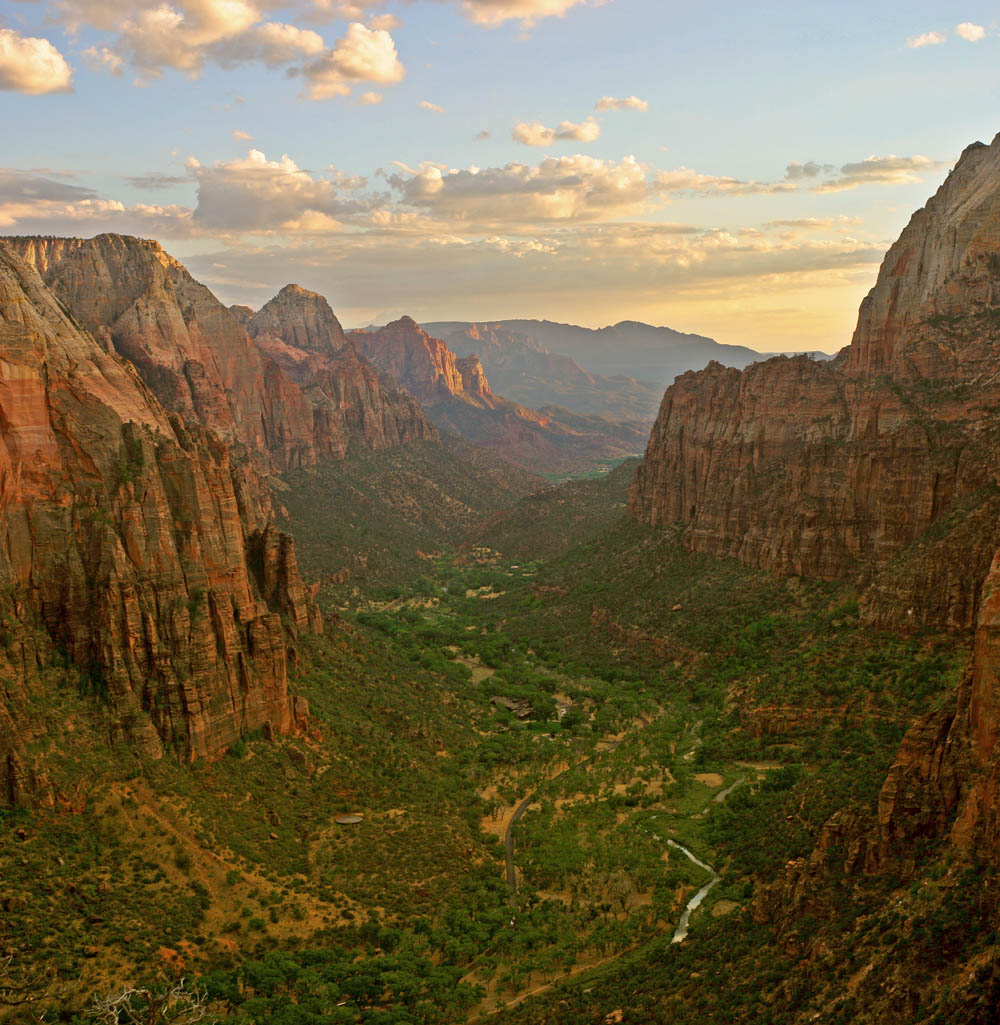
Cell service drops to zero at the canyon floor. Download AllTrails or Gaia GPS offline maps before entry. The Narrows (Wikipedia) closes during flash flood warnings regardless of conditions at trailheads.
A Brief History
Isaac Behunin settled the floor of Zion Canyon in 1863, farmed corn, tobacco, and fruit trees, and gave the canyon its biblical name. Ancestral Puebloan groups had lived in the area from around 300 CE, followed by Southern Paiute bands including the Parrusits. President William Howard Taft protected the canyon as Mukuntuweap National Monument in 1909, and Congress redesignated it Zion National Park on November 19, 1919. The Kolob Canyons section, proclaimed a separate monument in 1937, was folded into the park in 1956.
Transportation
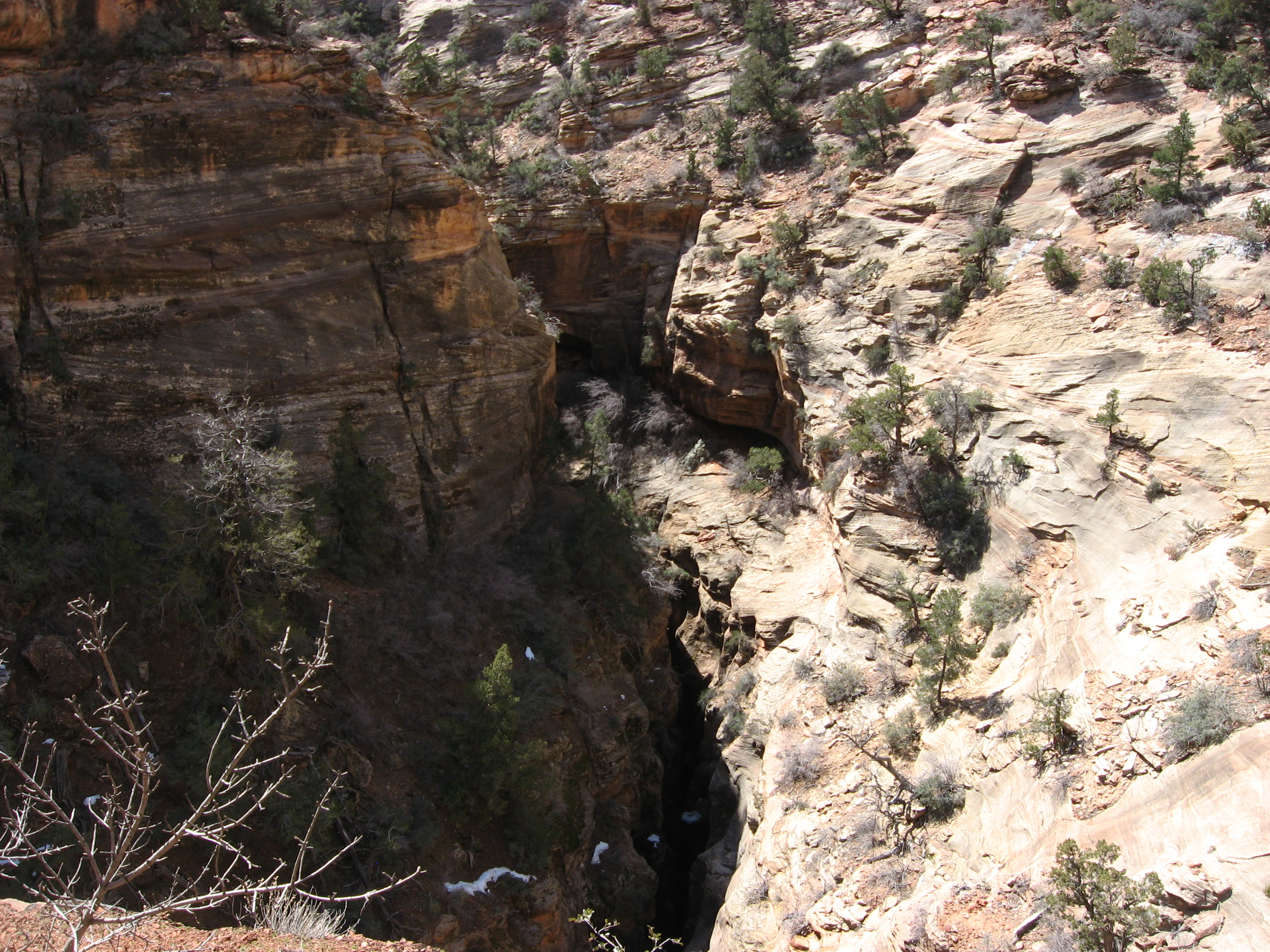
From Las Vegas (158 miles), take I-15 north to UT-9 east, about 2.5 hours. From Salt Lake City (305 miles), take I-15 south to UT-9 east, about 4.5 hours. St. George Regional Airport is 45 miles from the south entrance. Private vehicles are prohibited on the Zion Canyon Scenic Drive mid-March through November; a free propane shuttle runs between Springdale and the Temple of Sinawava with 8 stops every 5-7 minutes in peak season. Parking fills by 8 AM on summer weekends. Entrance fee: $35 per vehicle (7-day pass), or covered by the America the Beautiful Annual Pass ($80). Uber and Lyft do not operate in Springdale.
Language, Customs & Etiquette
English is the working language throughout. Leave No Trace rules are enforced: stay on designated trails to protect biological soil crust, which takes 50-250 years to recover from a single footstep. Do not feed wildlife; mule deer are habituated to humans but feeding is a federal offense. California condors (reintroduced 1996) nest in the park; do not approach within 100 feet. Drones are banned park-wide without a Special Use Permit.
Safety & Security
Flash floods are the park's leading emergency. The Narrows can flood within 15 minutes of a distant thunderstorm with no warning at ground level. Check weather.gov and the park's water condition report at the Visitor Center before any river hike. Angels Landing (Wikipedia) has recorded roughly 10-15 fatalities since 1931, primarily slips on the chain-assisted summit section on wet rock. Canyon temperatures exceed 100°F in summer with minimal shade; drink 1 liter per hour on summer hikes. Emergency: 911 or park dispatch (435) 772-3322. Nearest trauma center: Dixie Regional Medical Center, St. George, 45 miles.
Weather & Climate
| Month | High °F | Low °F | Precip in |
|---|---|---|---|
| Jan | 54 | 29 | 1.4 |
| Apr | 75 | 42 | 1.3 |
| Jul | 100 | 68 | 1.7 (monsoon) |
| Oct | 79 | 45 | 1.2 |
Spring (March through May) has mild temperatures, flowing waterfalls, and 30-40% fewer visitors than summer. July and August bring daily afternoon monsoon thunderstorms that can close The Narrows within hours. Fall (September through October) is the second-best window: crowds drop after Labor Day, cottonwoods turn gold by mid-October, and daytime highs settle to 70-85°F. The park stays open year-round; Angels Landing chains can be icy December through February.
Logistics & Practical Info
The park is open 24 hours year-round. Visitor Center hours: 8 AM to 7:30 PM summer, 8 AM to 5 PM winter. Verizon and T-Mobile have limited signal near the Visitor Center and Zion Lodge; service drops out below the canyon walls at most shuttle stops. Time zone: Mountain (UTC-7, DST applies). Tap water is safe at the Visitor Center, campgrounds, and Zion Lodge. No gas stations inside the park; the nearest are in Springdale or Hurricane (12 miles west). Zion Lodge WiFi averages 10-25 Mbps for registered guests only.
Attractions & Activities
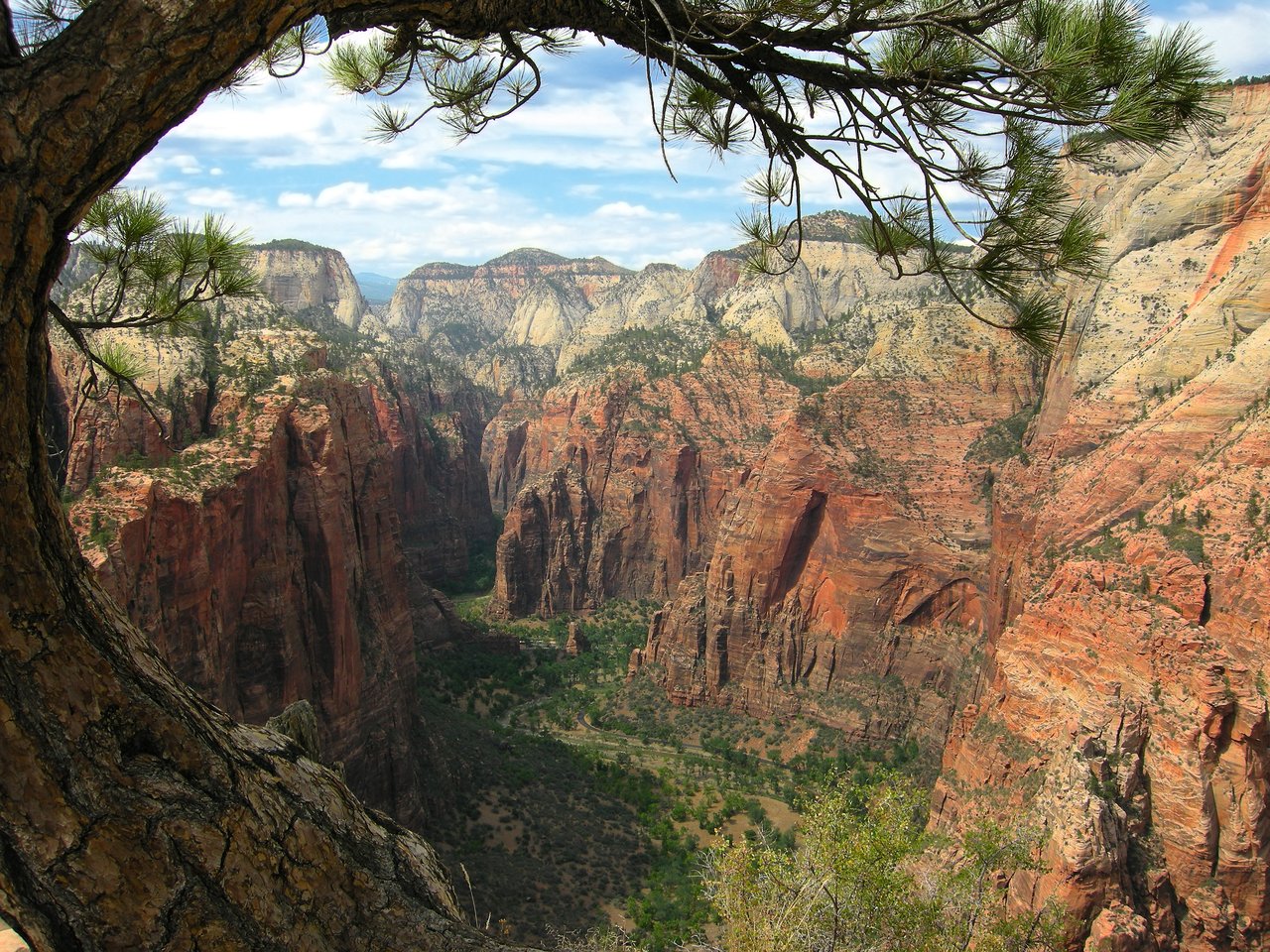
Angels Landing: 5.4 miles round trip, 1,488-foot elevation gain. The final half-mile uses fixed chains on sheer sandstone. Permit required through the Zion Permit System ($6/person), released 3 months ahead and via daily lottery. The summit at 5,790 feet delivers 360-degree canyon views. Start before 7 AM on summer weekends.
The Narrows (bottom-up): No permit required from the Temple of Sinawava (shuttle stop 9). You hike up the Virgin River; wading depths range ankle to knee. Gear rental in Springdale runs $35-55/day (neoprene socks, poles, boots). Avoid entirely under yellow or red flood condition flags.
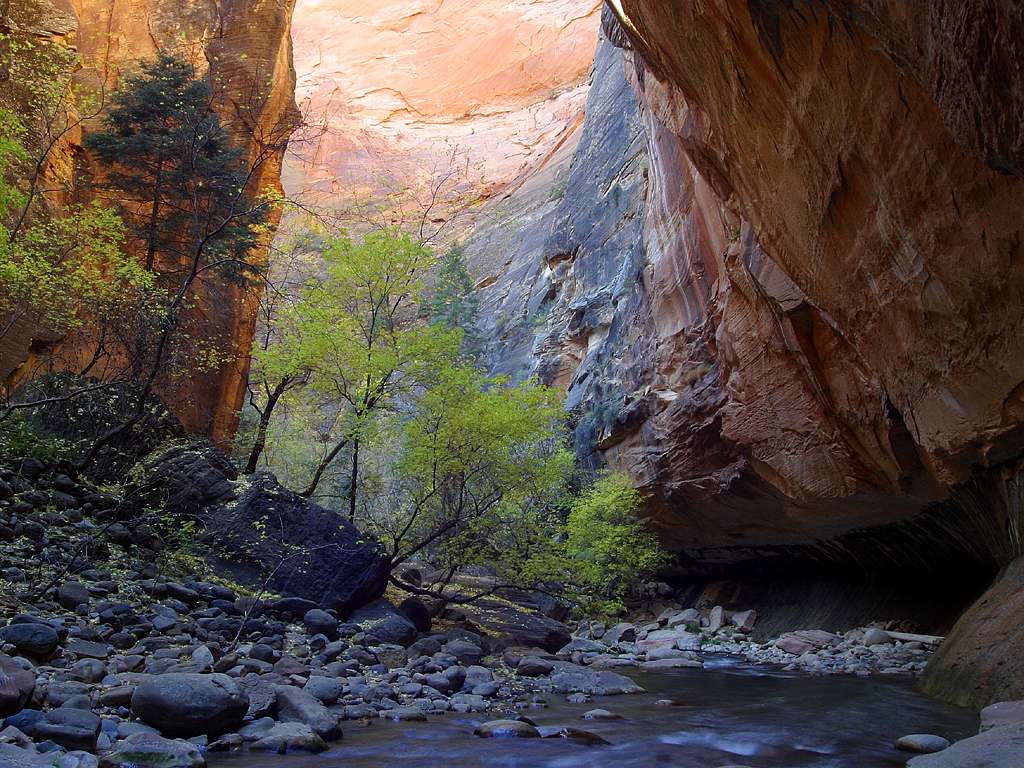
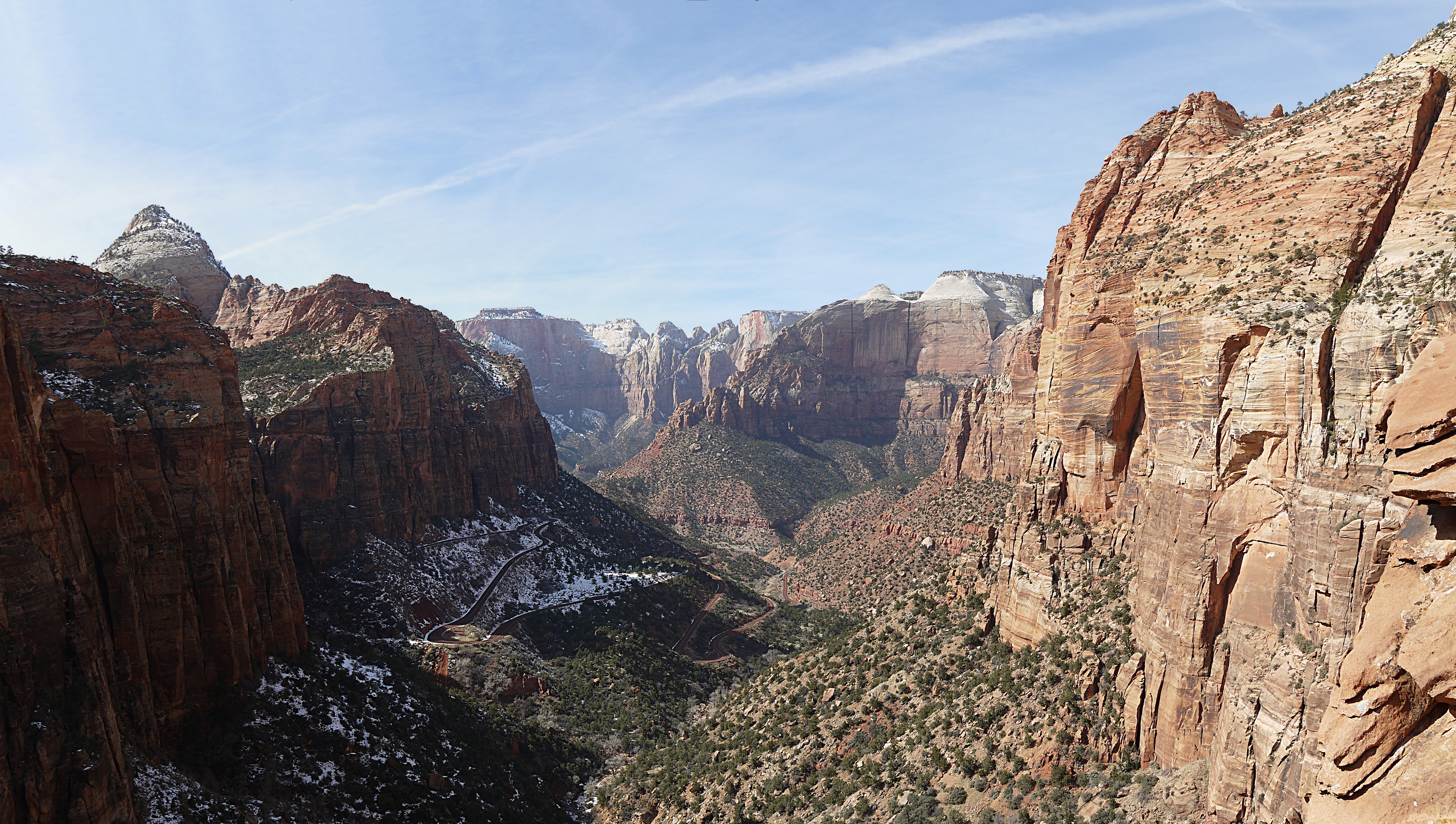
Canyon Overlook Trail: 1 mile round trip from the east entrance parking lot (accessible by private vehicle even in shuttle season). Overlooks the Great Arch of Zion and the canyon switchbacks. No permit required. Best at sunrise before east-entrance parking fills.
Health & Medical
The canyon floor at 3,666 feet causes minimal altitude issues. Heat illness is the main concern in summer; canyon walls trap heat and reduce airflow. Rattlesnakes (Great Basin rattlesnake) are present March through October on rocky trails. Nearest urgent care: Instacare in Hurricane, 12 miles west. Full ER: Dixie Regional Medical Center, St. George, 45 miles. Helicopter evacuation from remote trails takes 30-60 minutes.
Demographics & Government
Zion is administered by the National Park Service, established as a monument in 1909 and redesignated a national park on November 19, 1919. Washington County (pop. 185,000) surrounds the park. Springdale (~600 permanent residents) swells to 10,000-plus on summer weekends. Nearest city: St. George (45 miles west, pop. 100,000) has hospital and airport infrastructure.
Legal & Substances
Recreational marijuana is legal in Utah for adults 21 and over but prohibited within all NPS boundaries under federal law. Alcohol is permitted at campsites and at Zion Lodge. Utah restaurants require a liquor license; grocery stores stock beer only up to 5% ABV. Zion Canyon Brew Pub in Springdale is the main full-service exception. Firearms are permitted under Utah's open-carry laws. Backcountry overnight camping requires a permit.
Customs & Shopping
Zion Lodge gift shop and the Visitor Center bookstore carry park merchandise and trail guides. Springdale outfitters (Zion Outfitter, Zion Adventure Company) sell and rent gear. Full grocery resupply at City Market in Hurricane, 12 miles west. Springdale's small market has limited stock at premium prices. Utah sales tax totals roughly 8% in Washington County. Tipping 15-20% is standard.
Accessibility & Inclusion
The free canyon shuttle has accessible boarding ramps at all 8 stops. Pa'rus Trail (2 miles, paved, flat) from the Visitor Center is wheelchair and stroller accessible. The lower Emerald Pools trail is paved and accessible with assistance. Angels Landing and The Narrows are not accessible. Service animals are permitted throughout. The park's accessibility guide at the Visitor Center maps surface types and grades at all major sites.
Digital Nomad Corner
Zion works best as a 2-5 day outdoor reset, not a remote-work base. No coworking space exists in Springdale. Deep Creek Coffee Co. and Oscar's Cafe have usable WiFi before 9 AM. Cedar City (60 miles north) has a Southern Utah University campus with public computer labs and chain hotels at $90-130/night.
Costs: South and Watchman campgrounds run $20-35/night (book on Recreation.gov 6+ months ahead for summer). Zion Lodge: $230-350/night peak season. Hotels in Springdale: $180-280/night summer. Motels in Hurricane: $90-130/night, 20 minutes from the south entrance. A 3-day trip with Hurricane lodging, meals in Springdale, and gear rental runs $400-650 per person.
Visas: International visitors enter on a B-2 tourist visa (up to 6 months) or Visa Waiver Program/ESTA (90 days, 42 eligible countries). The U.S. has no digital nomad visa. Remote work for a foreign employer on a B-2 or ESTA is a legal gray area; most immigration attorneys advise caution for extended stays.
Where I Stayed
I stayed at Rocky Retreat at Hurricane, an Airbnb house in Hurricane, UT, about 15 miles southwest of Zion's main entrance. Hurricane is a practical base when Springdale prices spike during peak season, with easy 20-minute access to the park. View Hurricane on Google Maps.
Keep planning: Amicalola Falls State Park Guide, Arches National Park Guide: Delicate Arch & Top Trails and Badlands National Park Guide: Loop Road and Wildlife.